What This Journal Covers
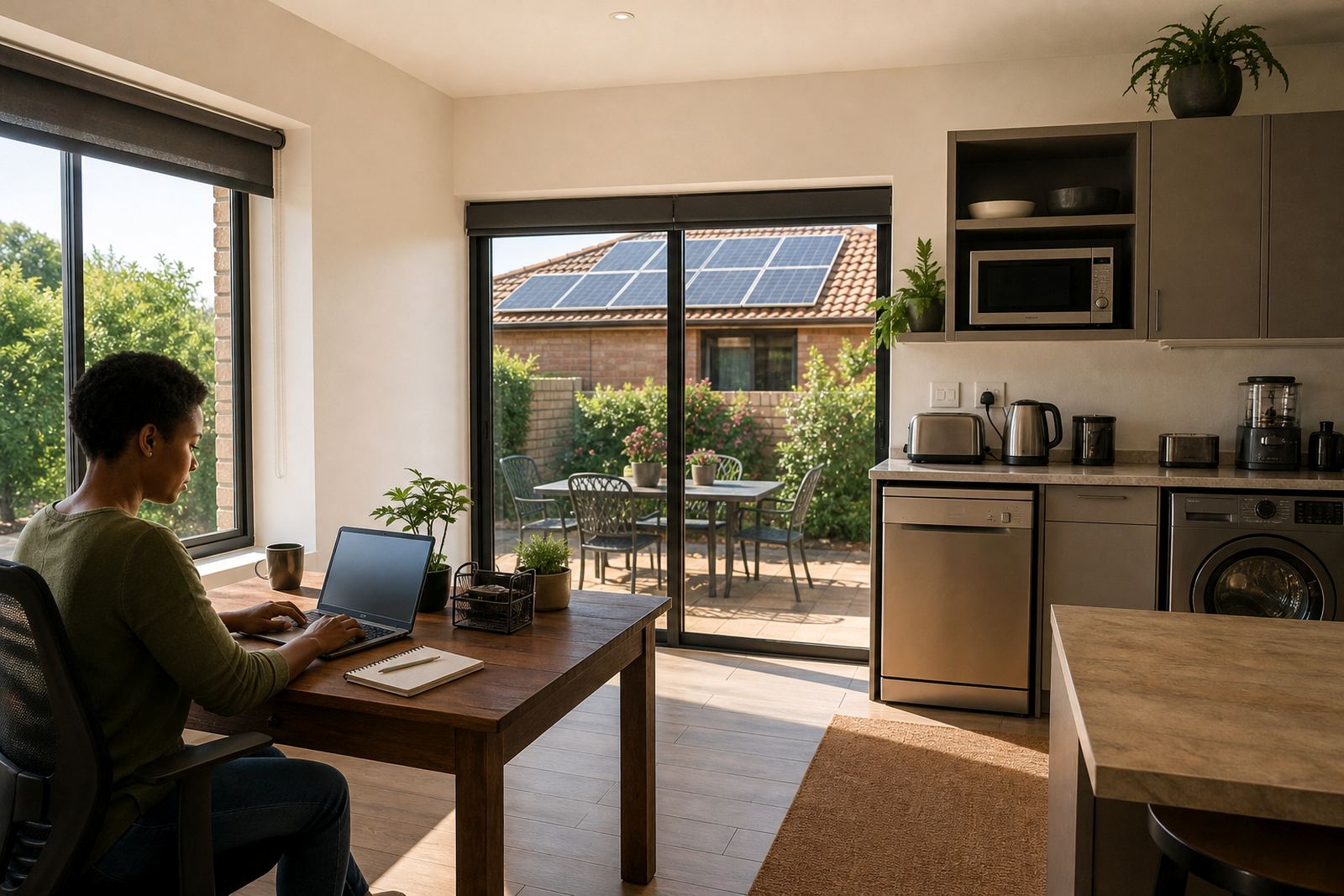
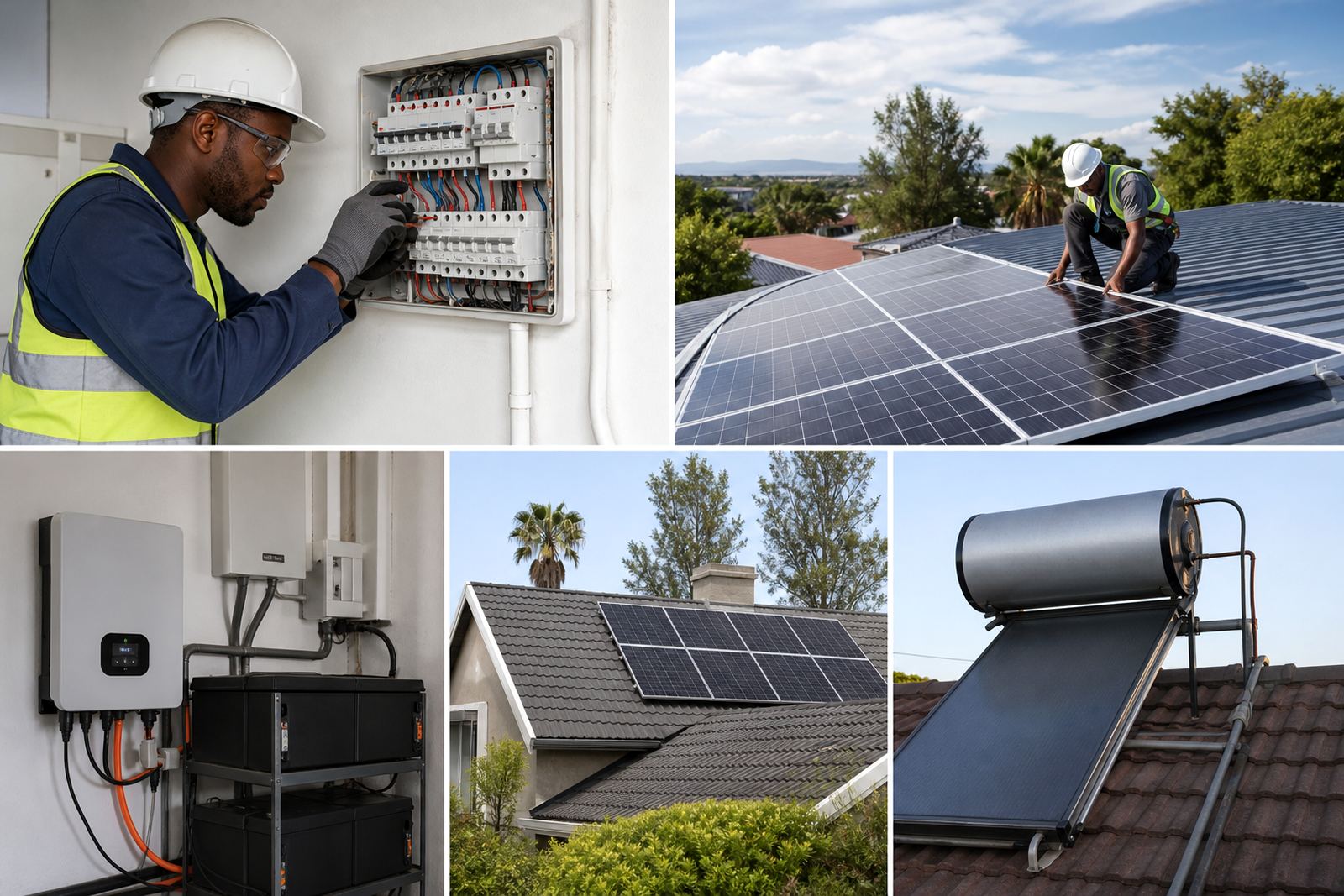
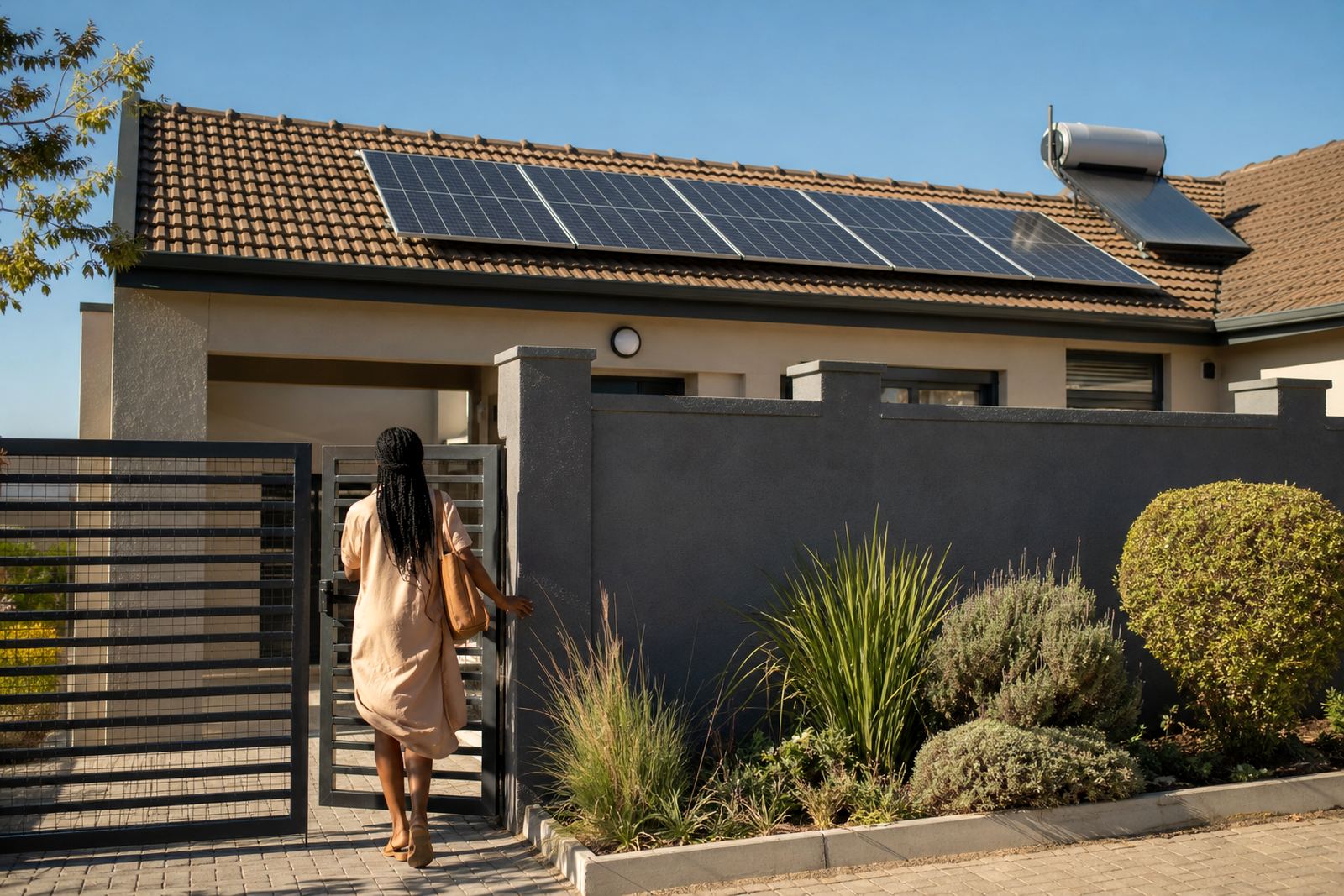
The articles in this journal cover the main decisions people face when moving to solar, from choosing the right panels and inverter size to planning battery backup and solar water heating. If you are in Pretoria, Johannesburg, Durban, Cape Town or Bloemfontein, the same basics apply, but roof layout, shade, weather and municipal rules can change the best approach.
We keep the focus practical. That means straight advice on what to ask, what to measure and what to expect during installation. The aim is to help homeowners and small business owners make a calm, informed choice rather than rushing into equipment that does not suit the property.
How To Choose The Right System
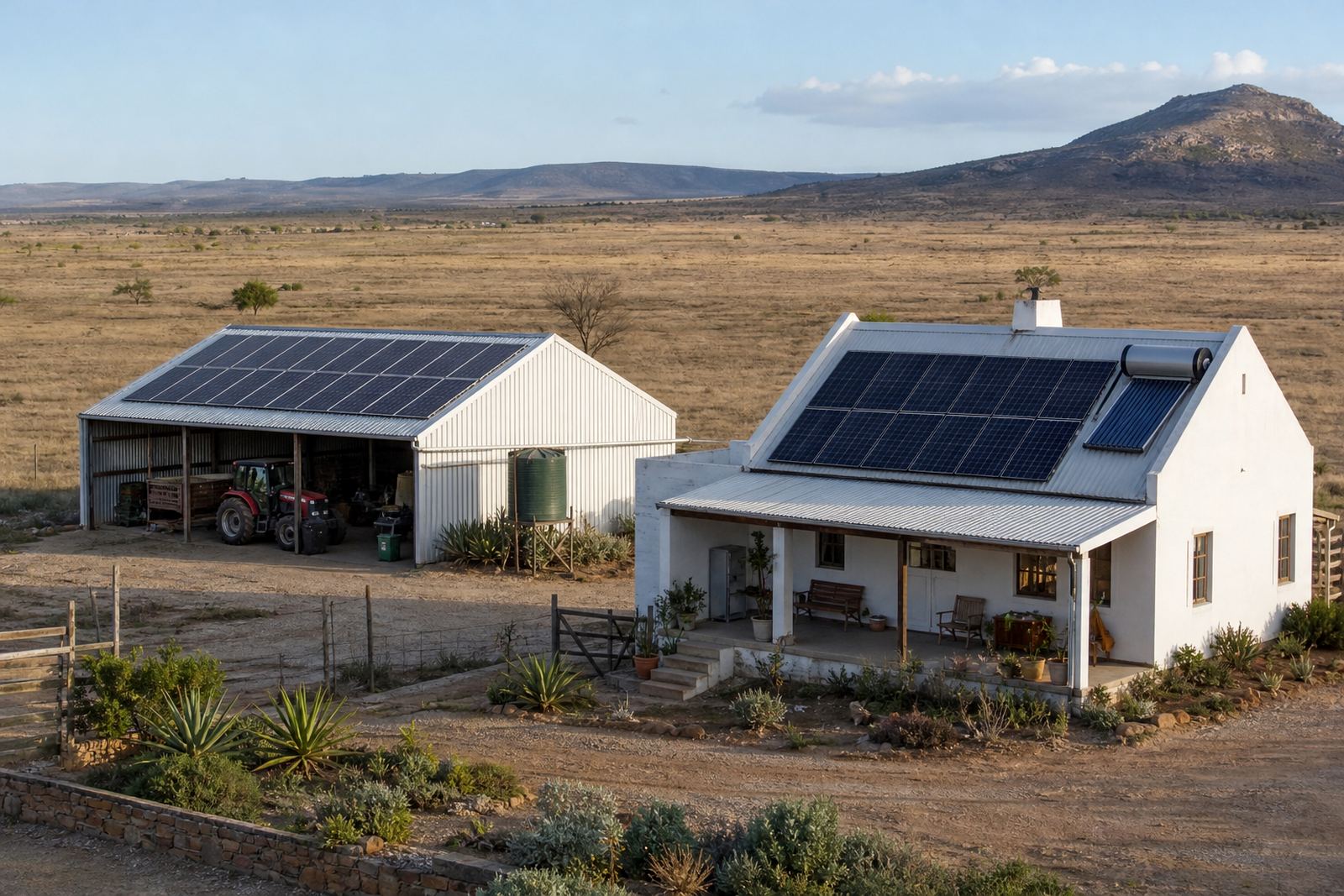
Good solar planning starts with your daily usage, roof space and whether you need backup during load shedding. A family home in Centurion may need a different setup from a workshop in Midrand or a guest house near the coast where humidity and salt air can affect fittings over time.
Before you decide, look at these points:
- How much of your electricity use is day time and how much is after sunset
- Whether you need hot water from solar water heating as well as power for lights and plugs
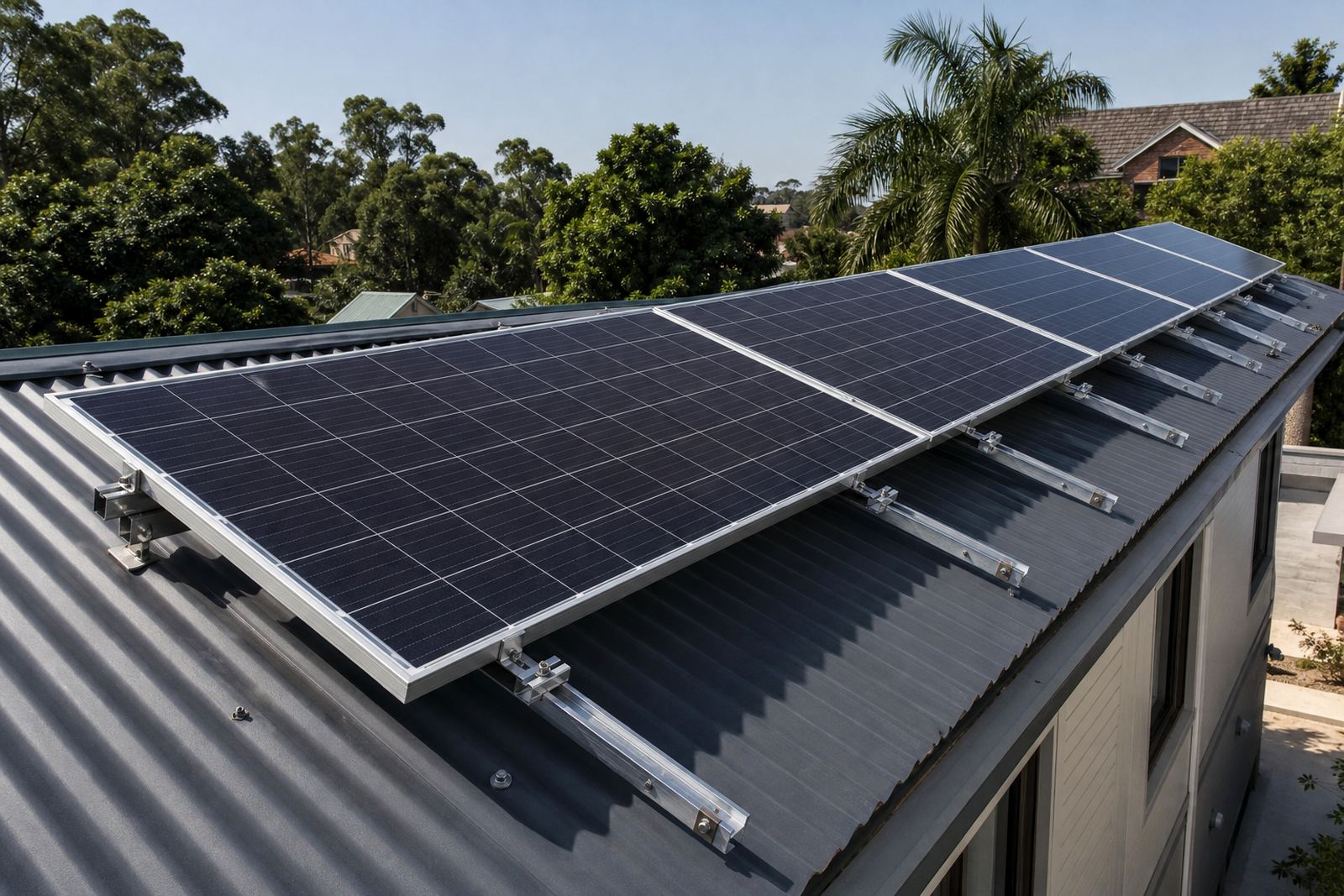
- How much roof space is available, including shade from trees, geysers or nearby buildings
- Whether the property needs inverter support, battery storage or both
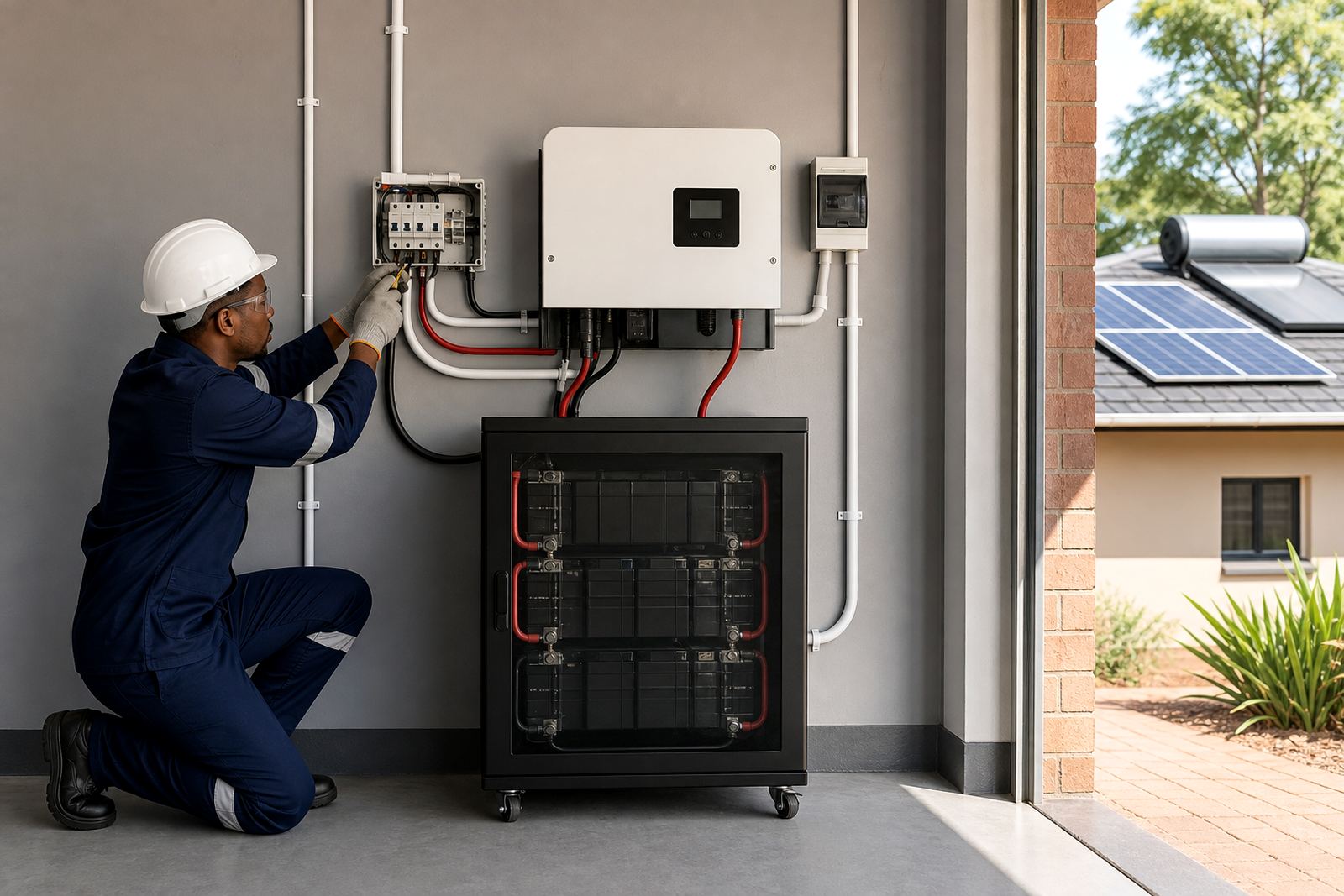
- How the electrical work will be integrated by qualified installers
Panels, Inverters And Batteries Explained
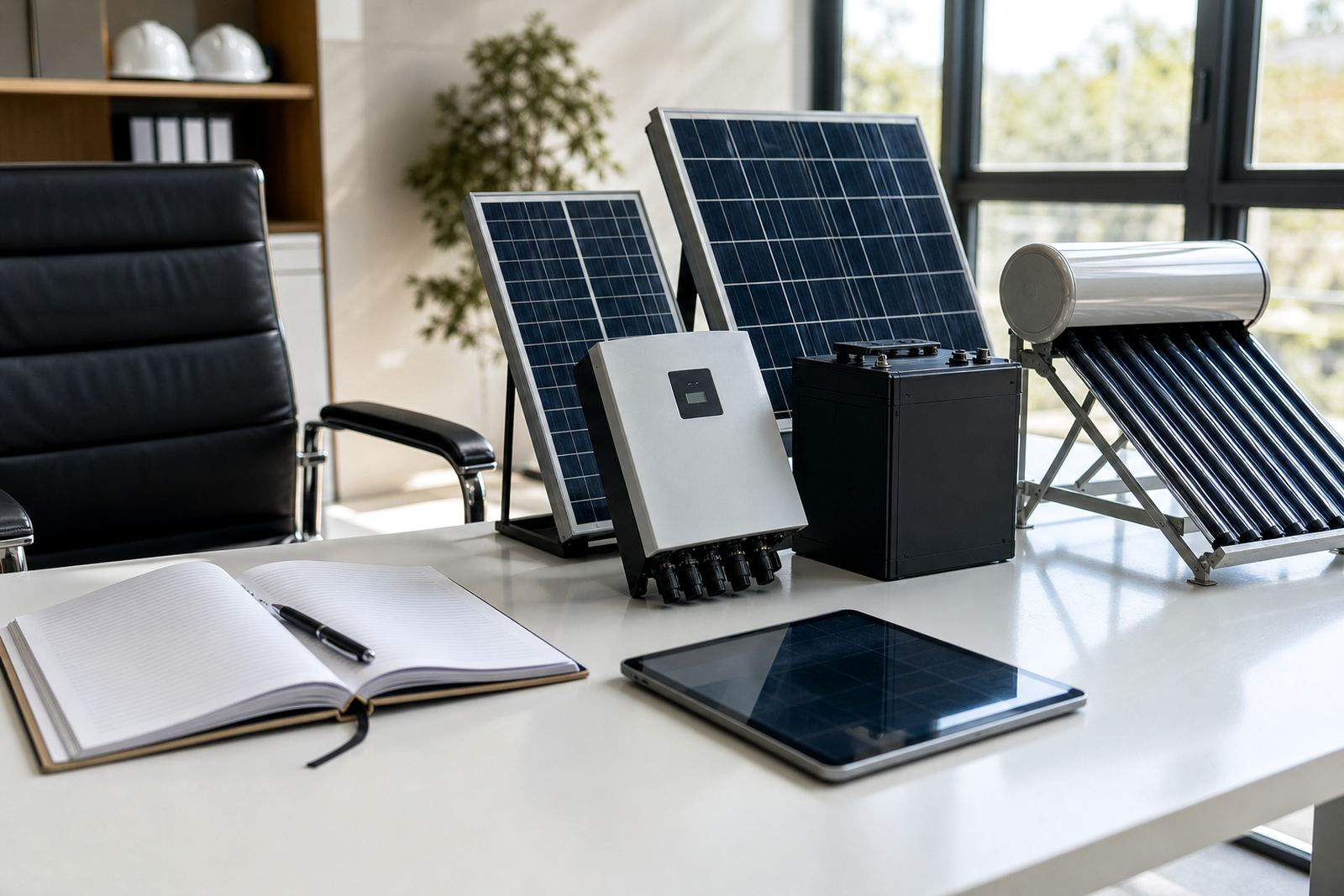
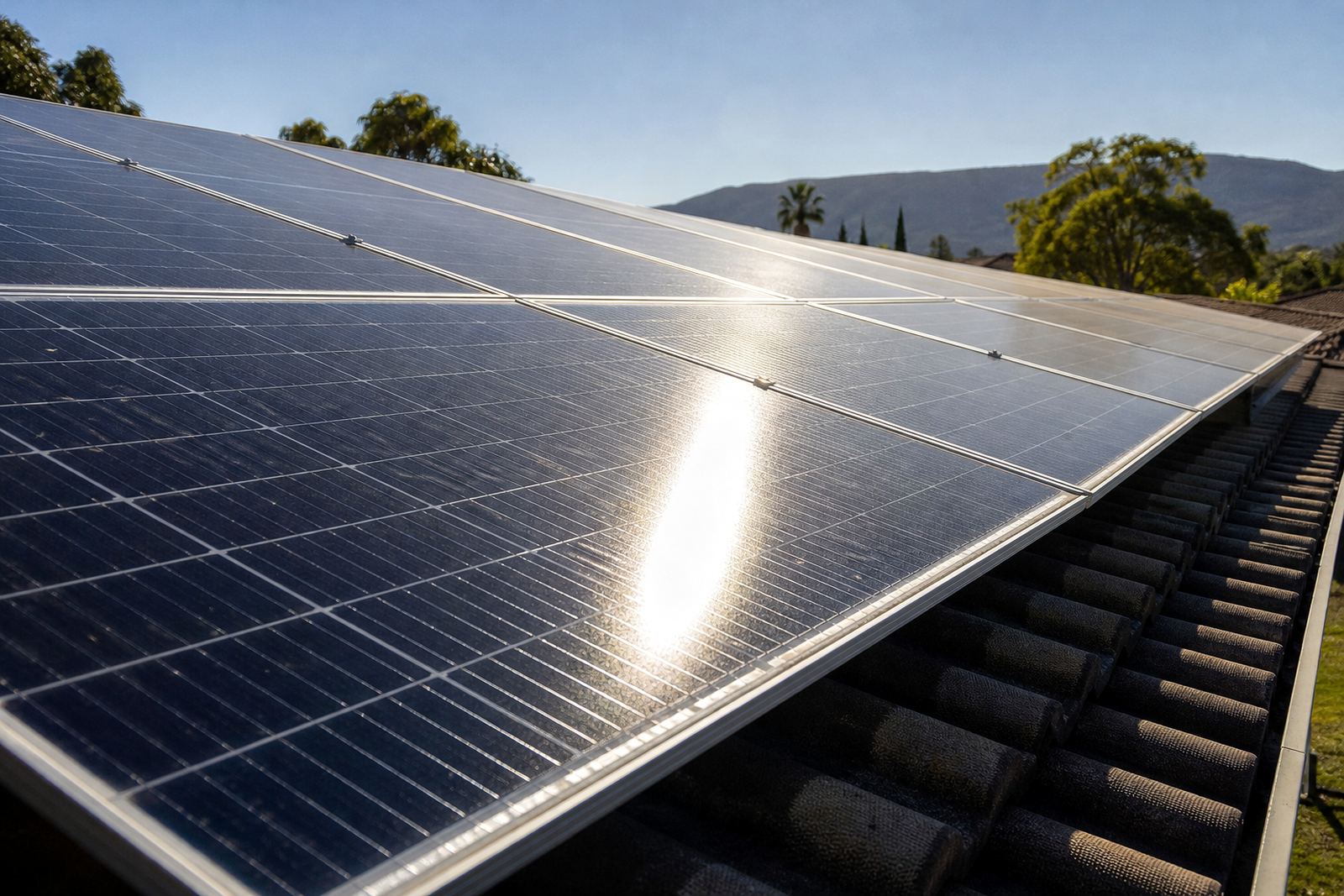
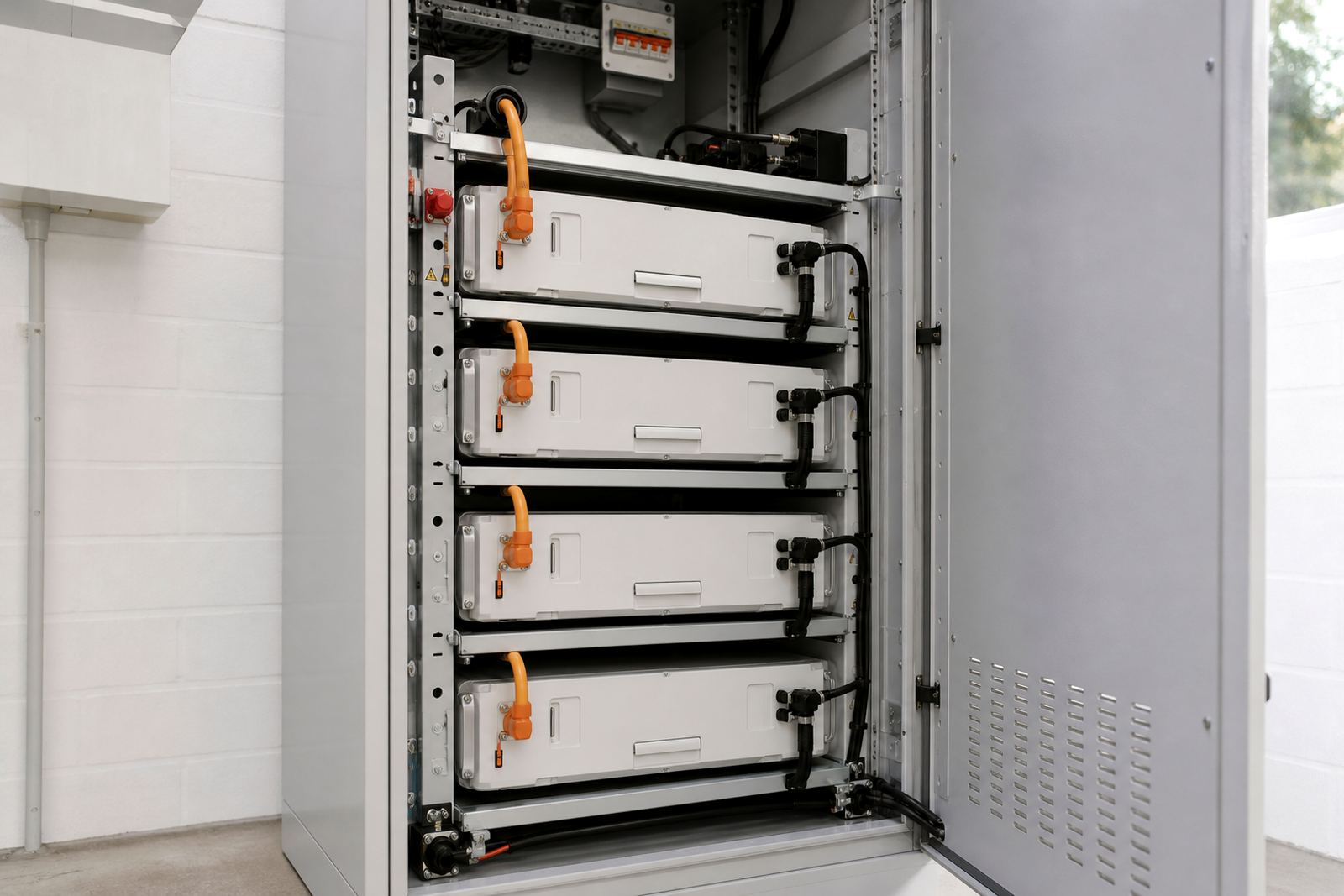
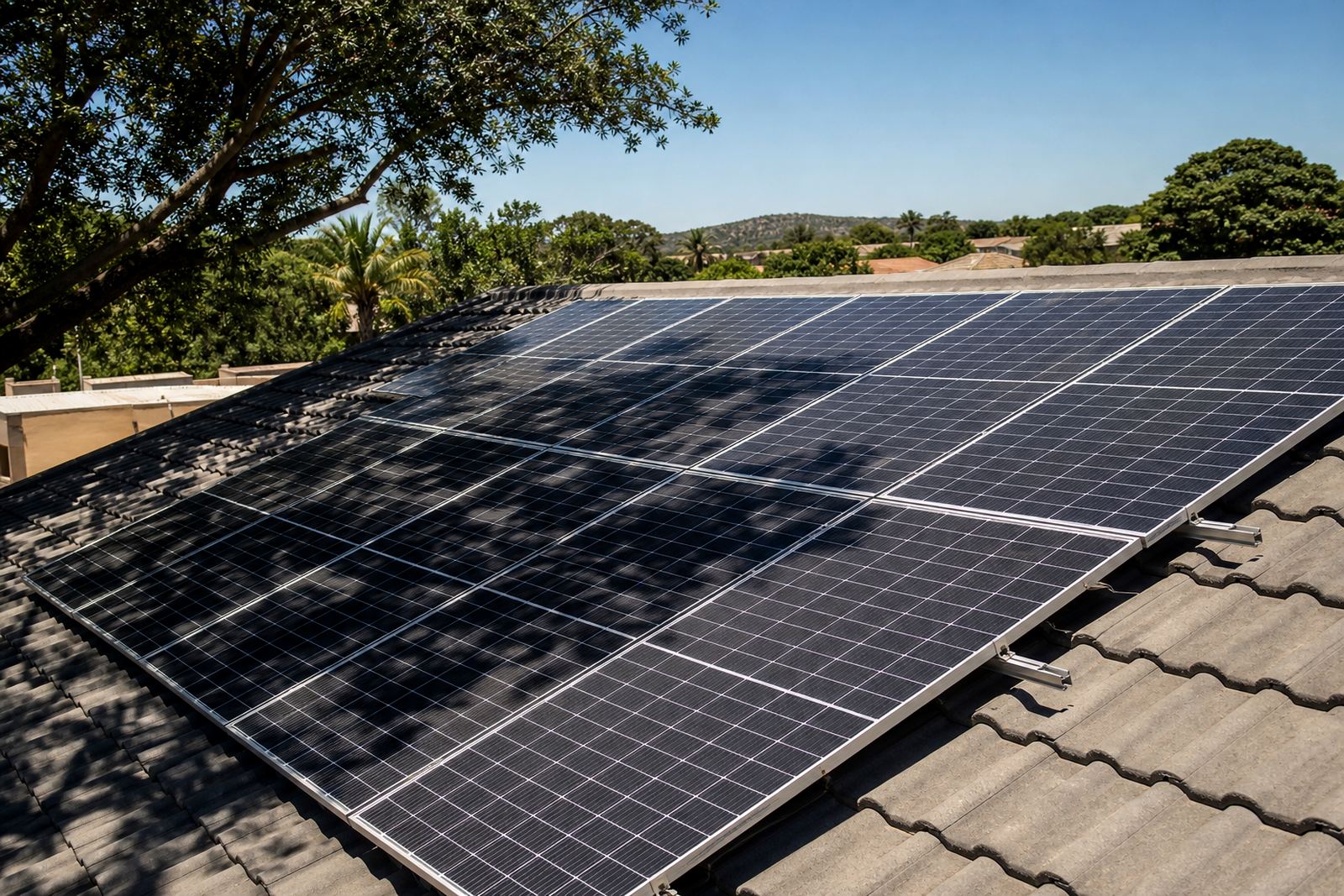
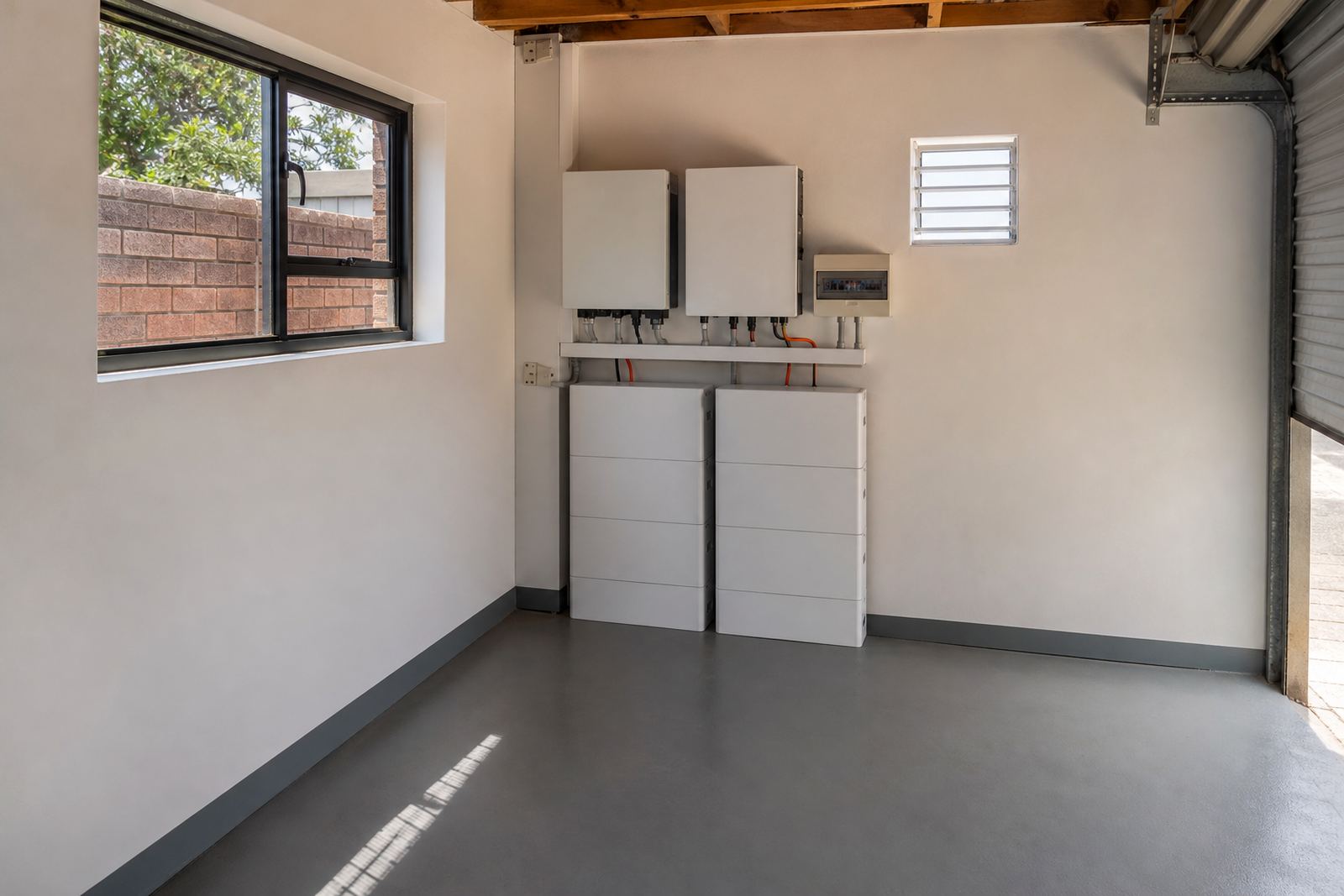
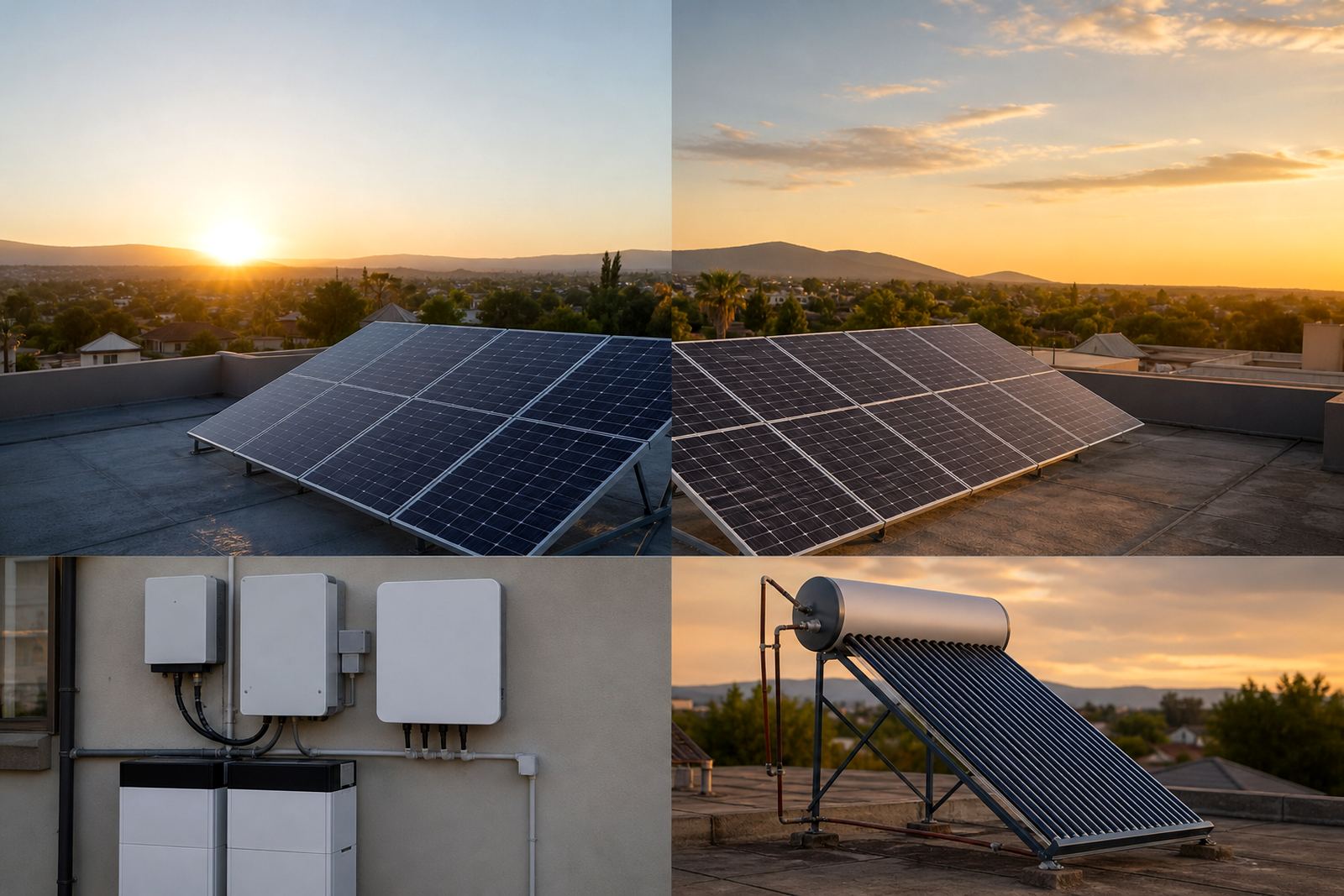
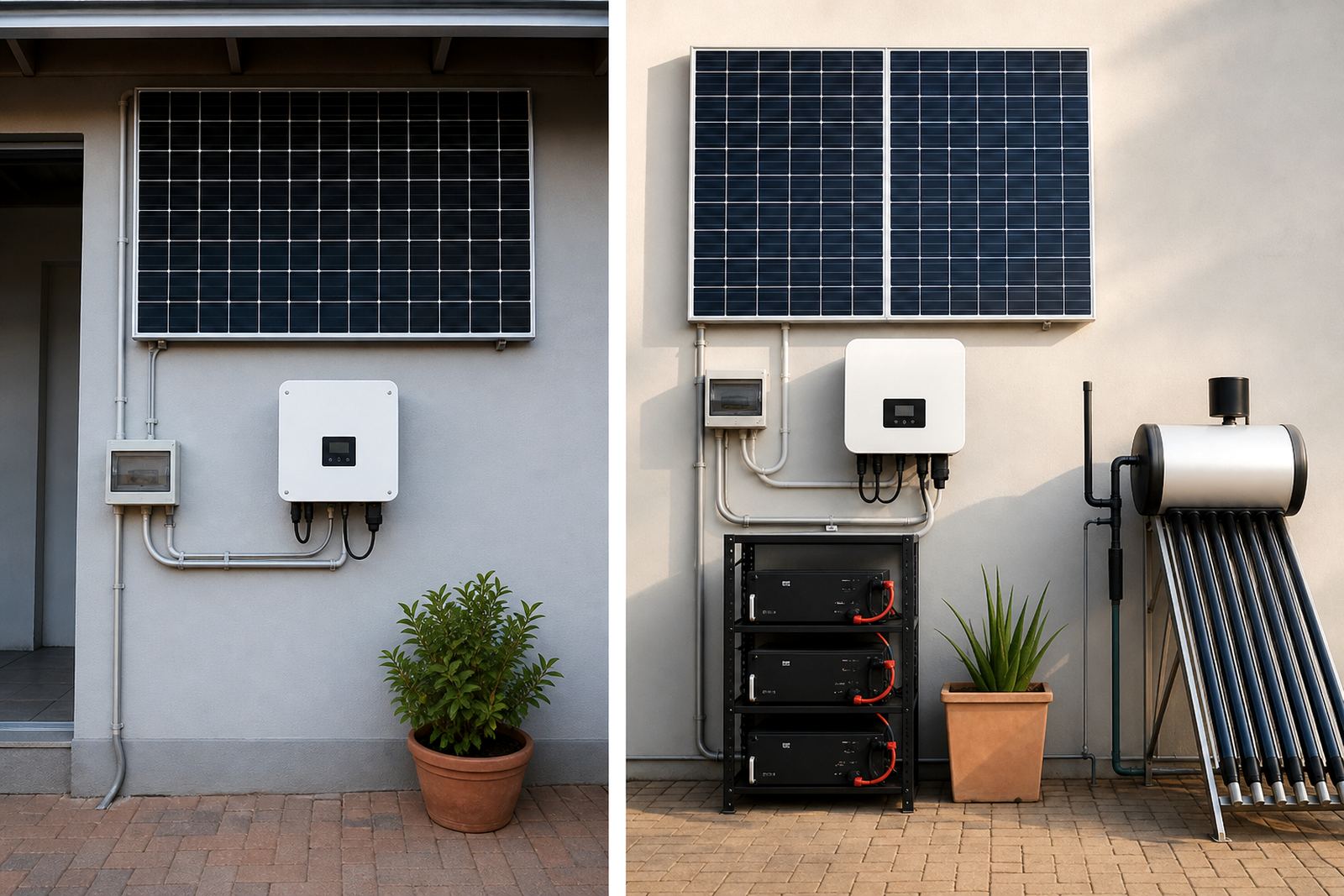
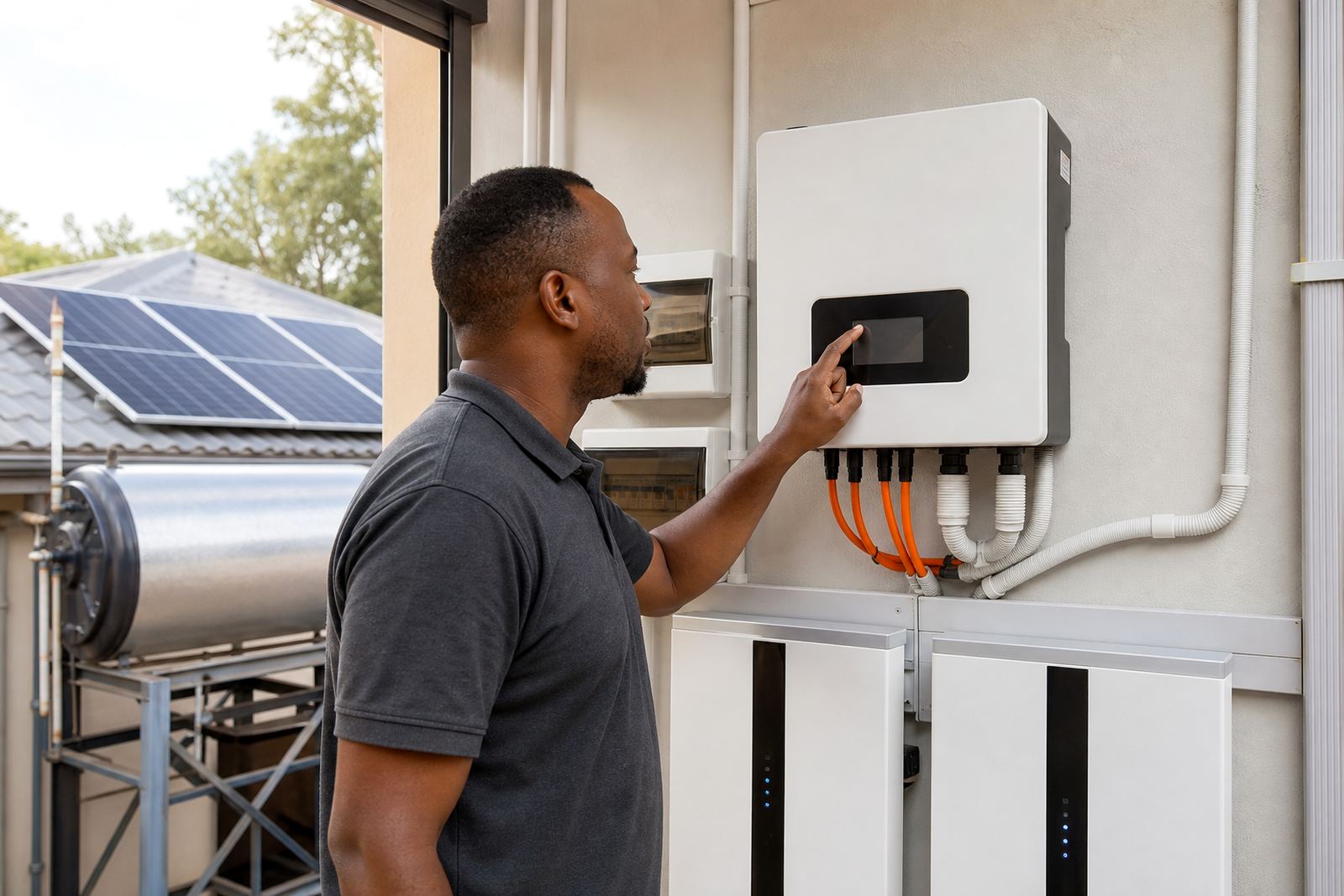
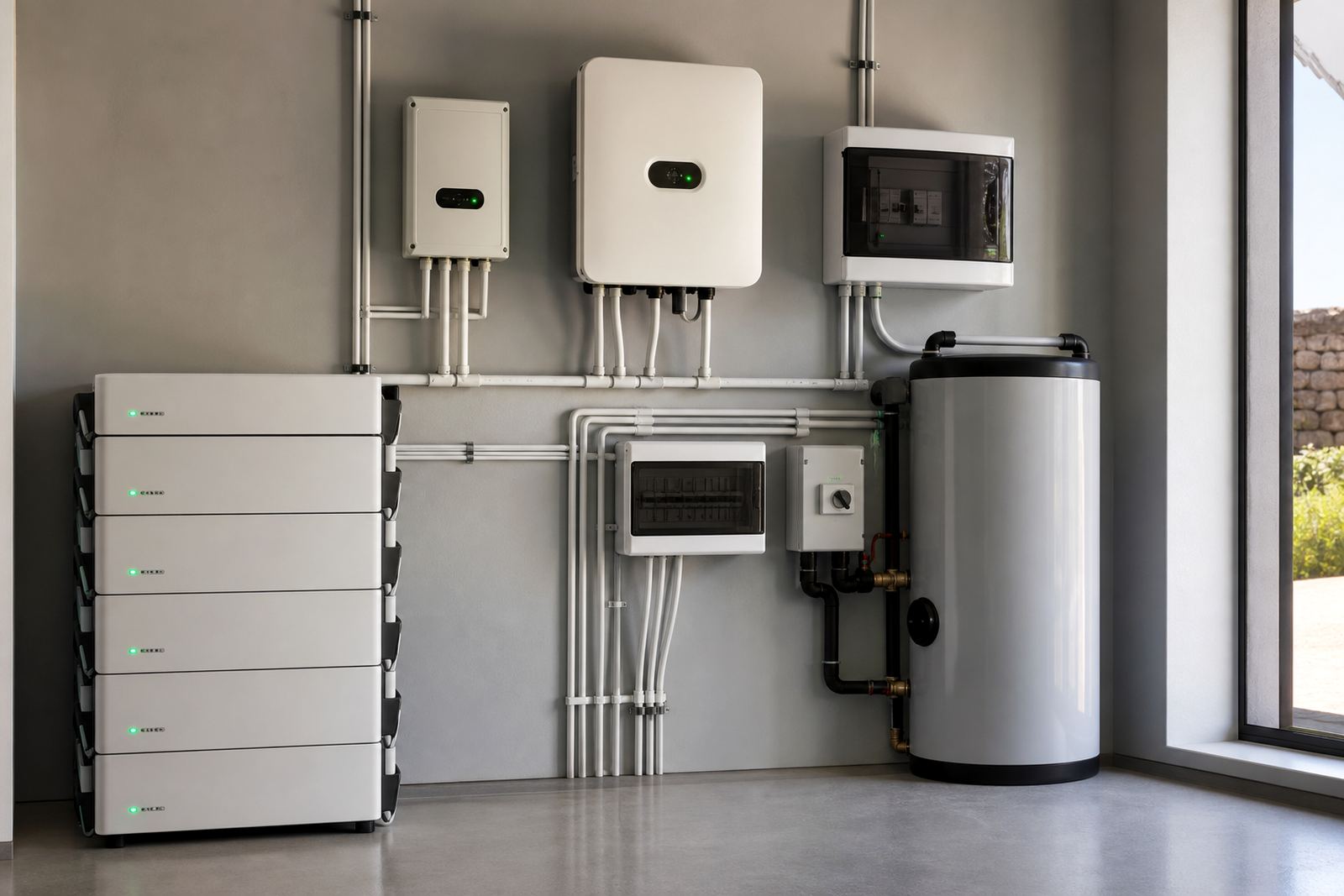
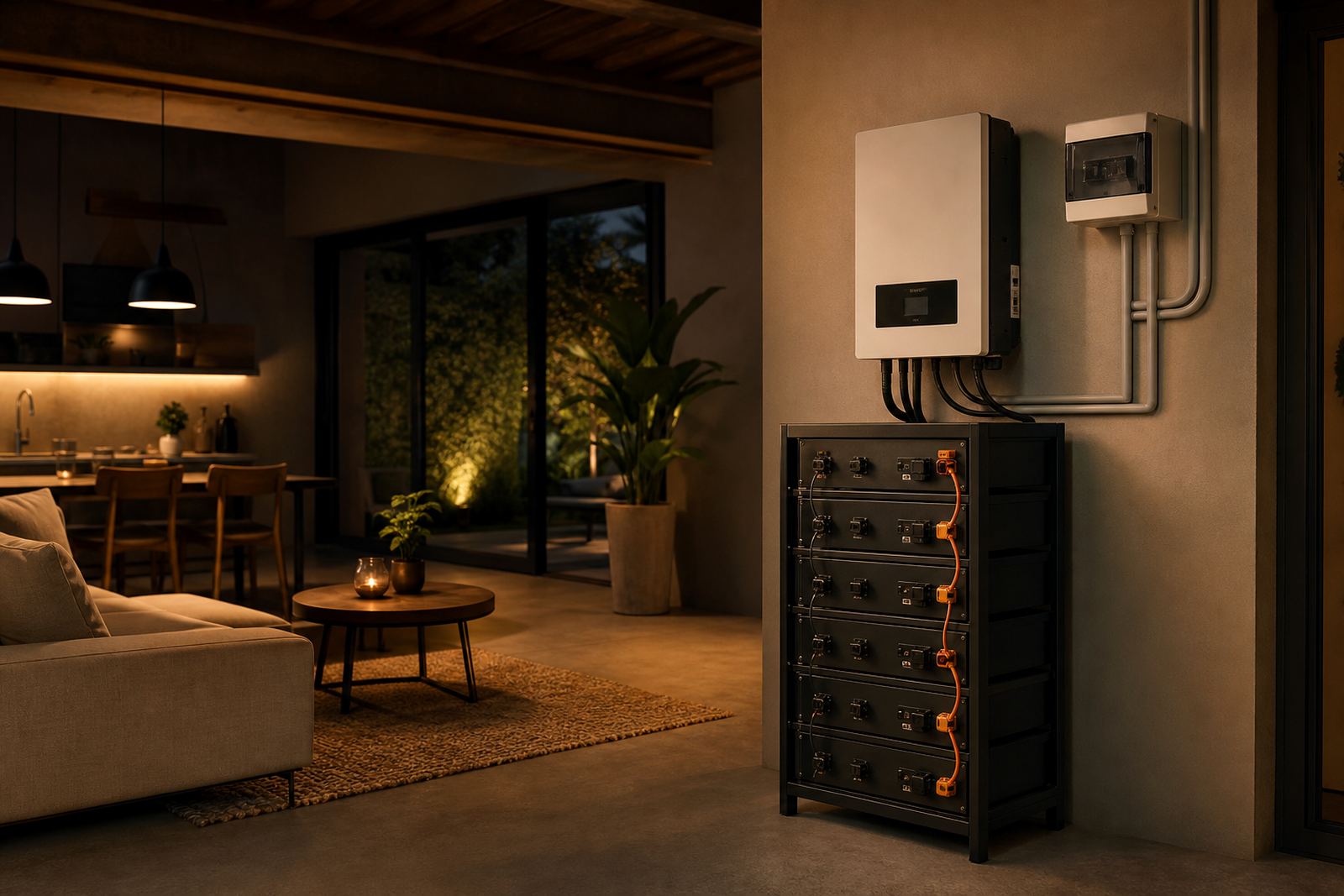
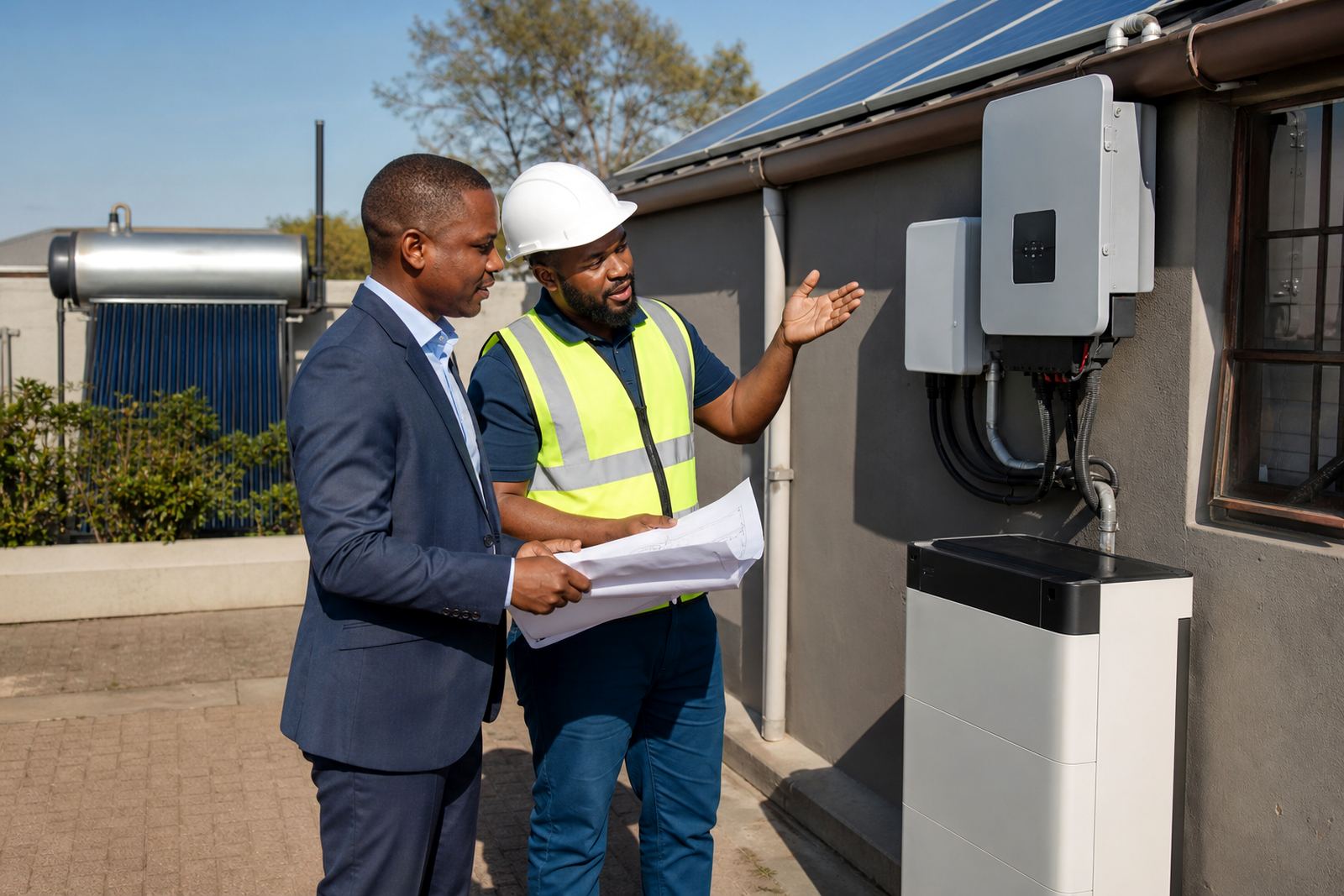
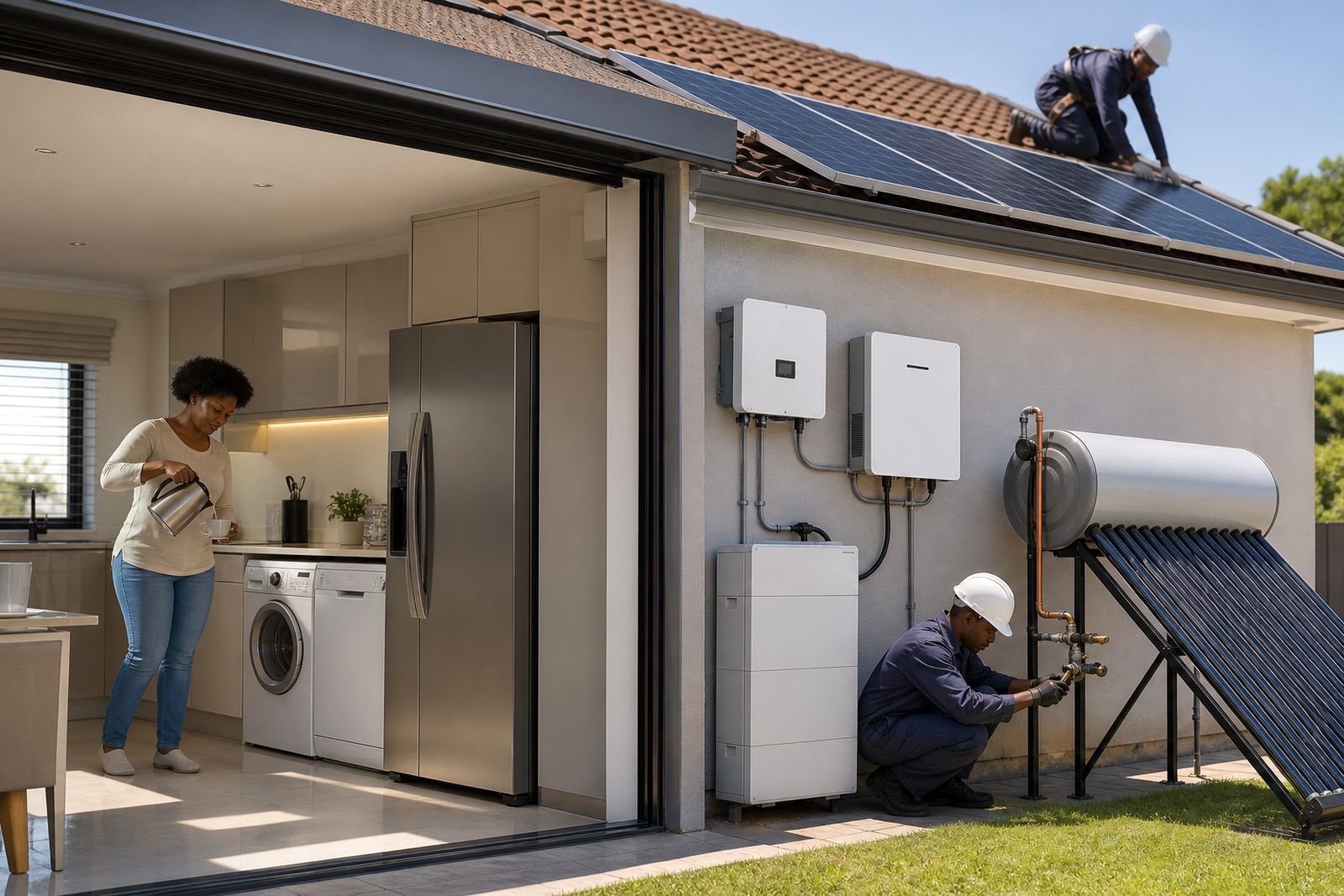
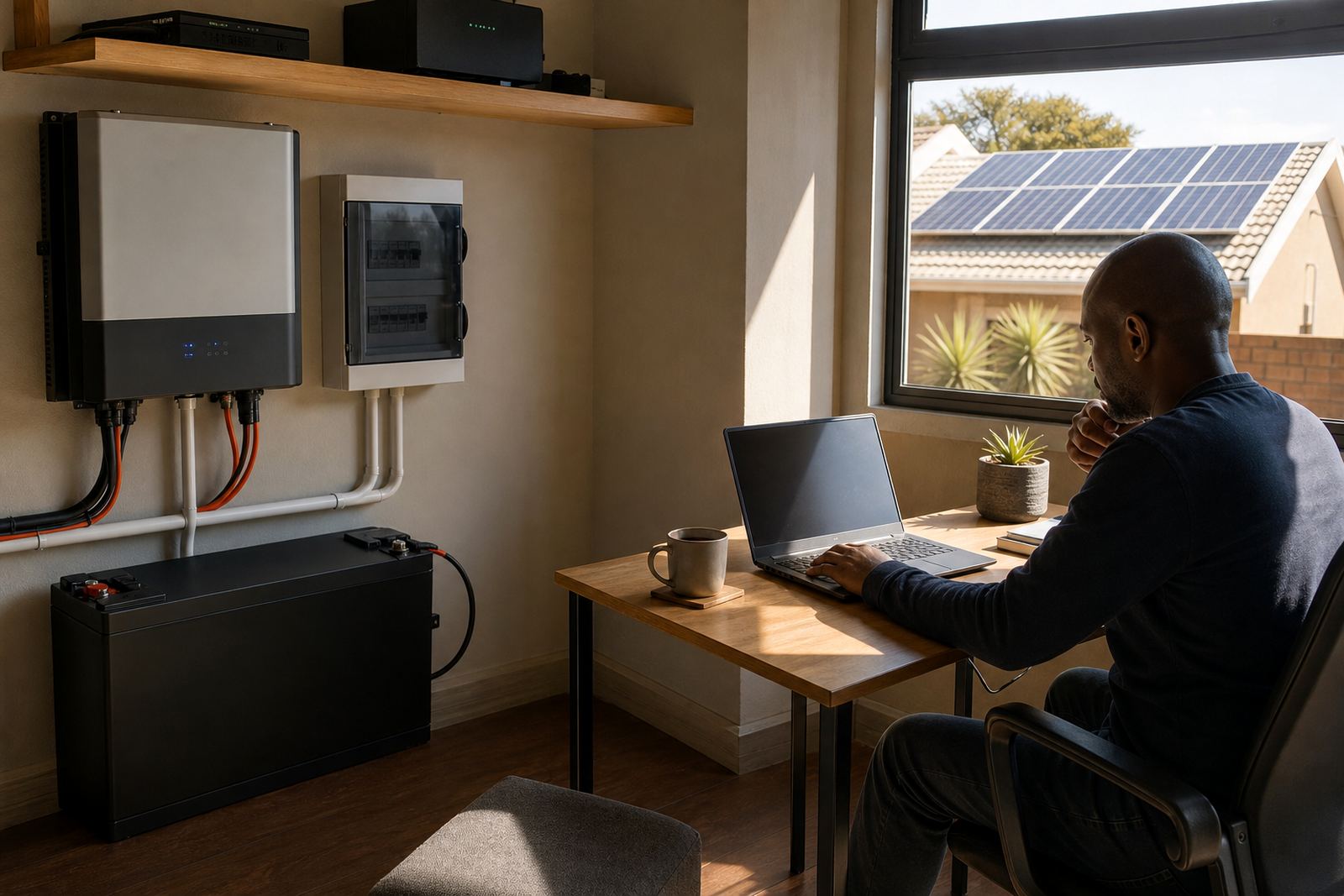
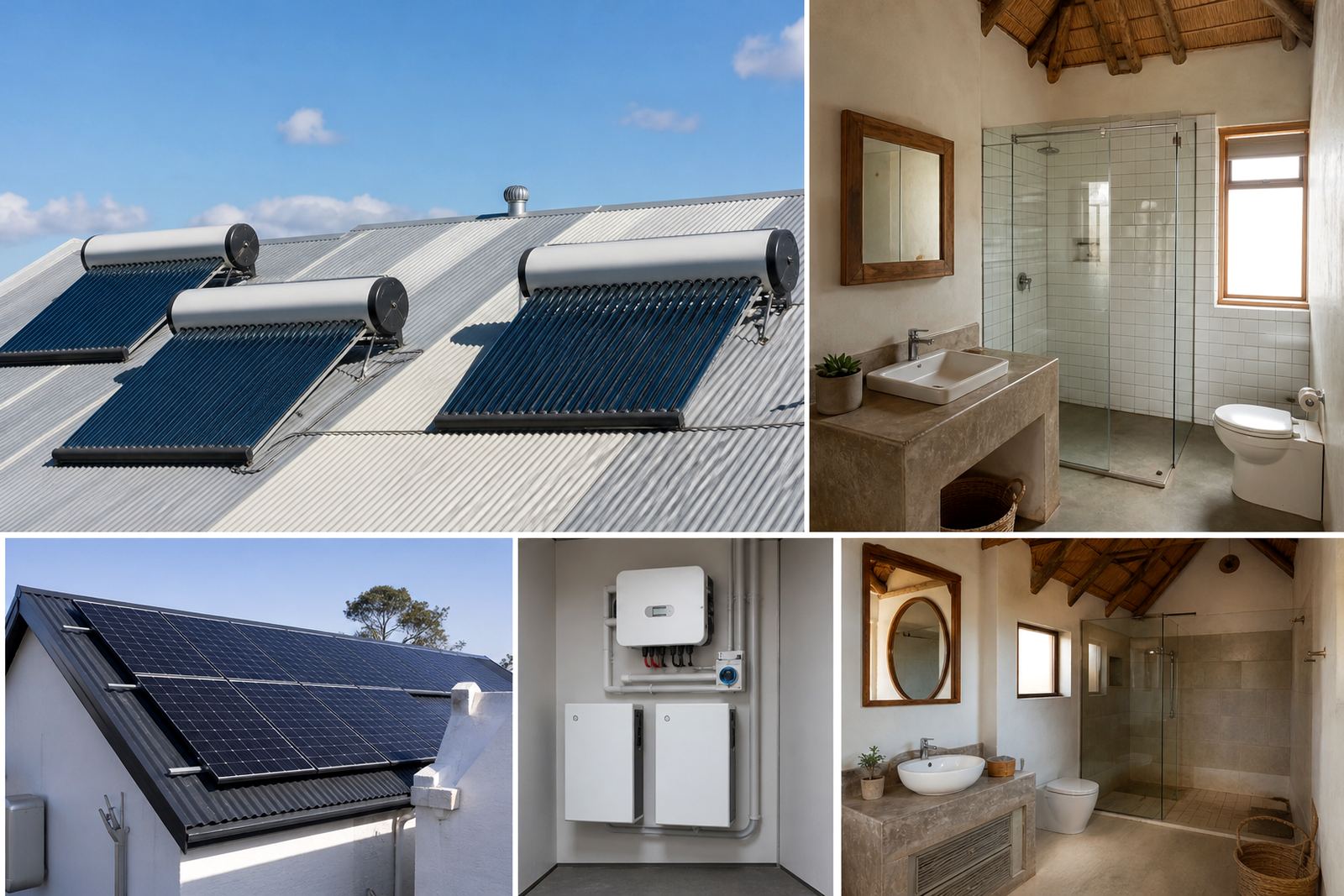
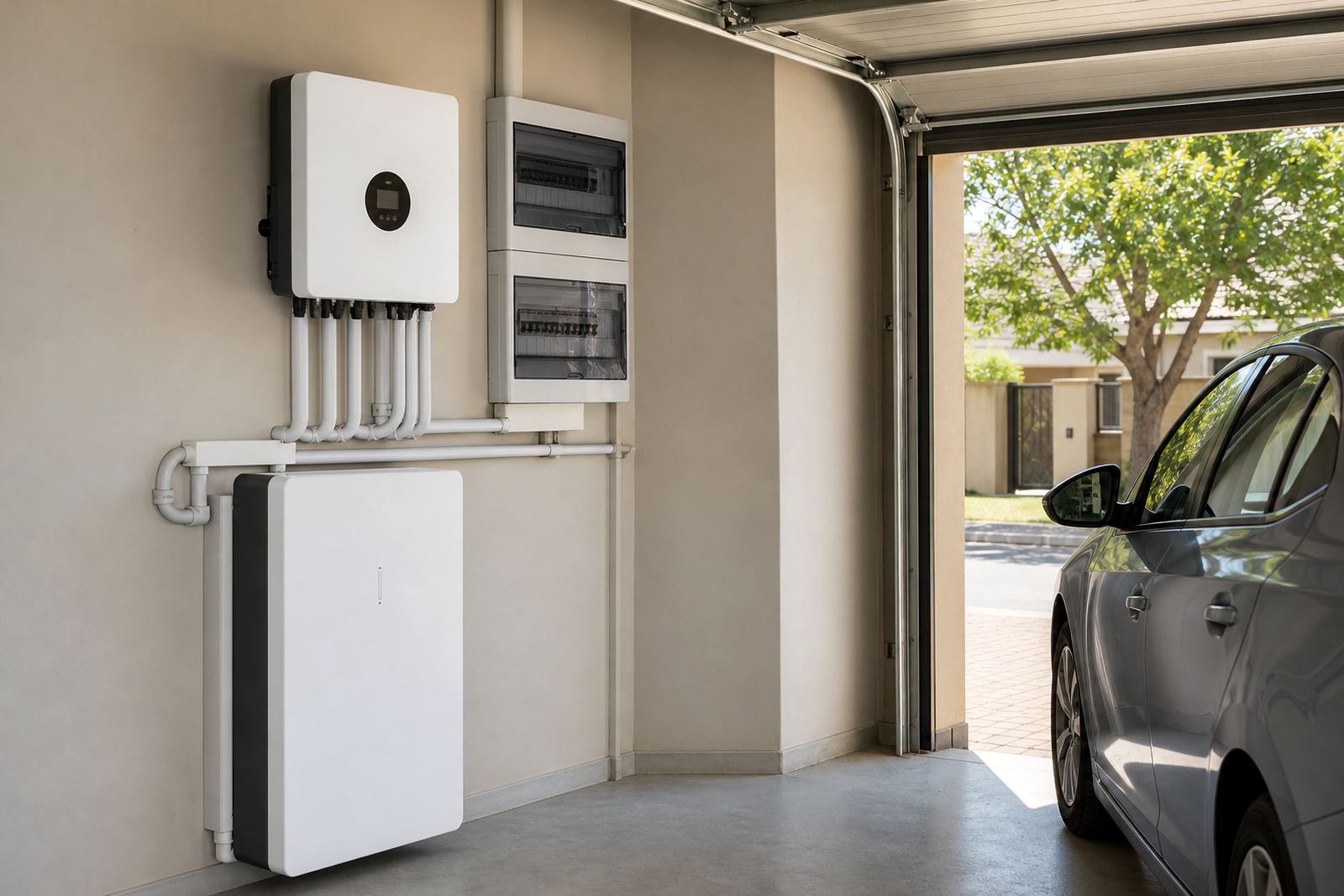
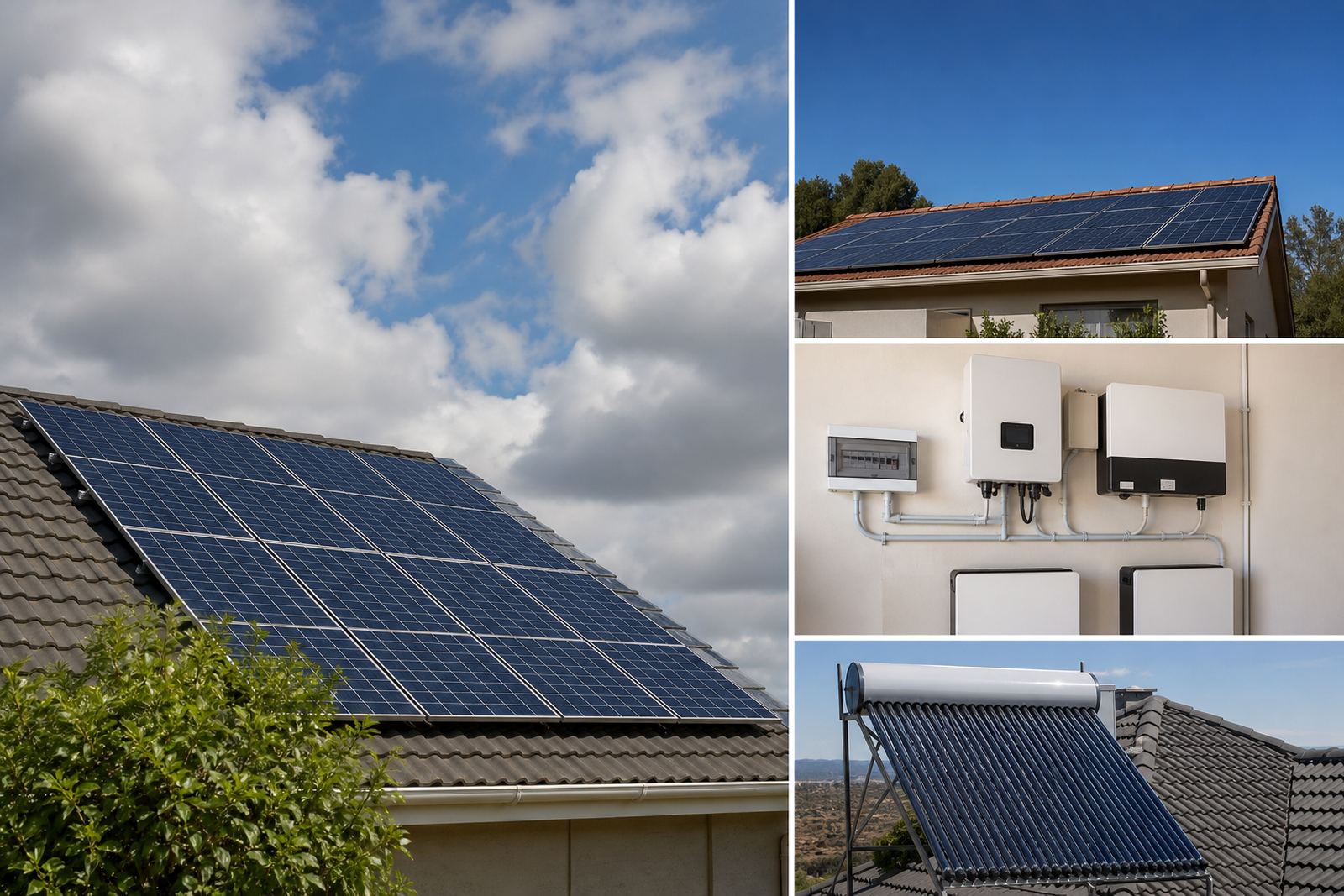
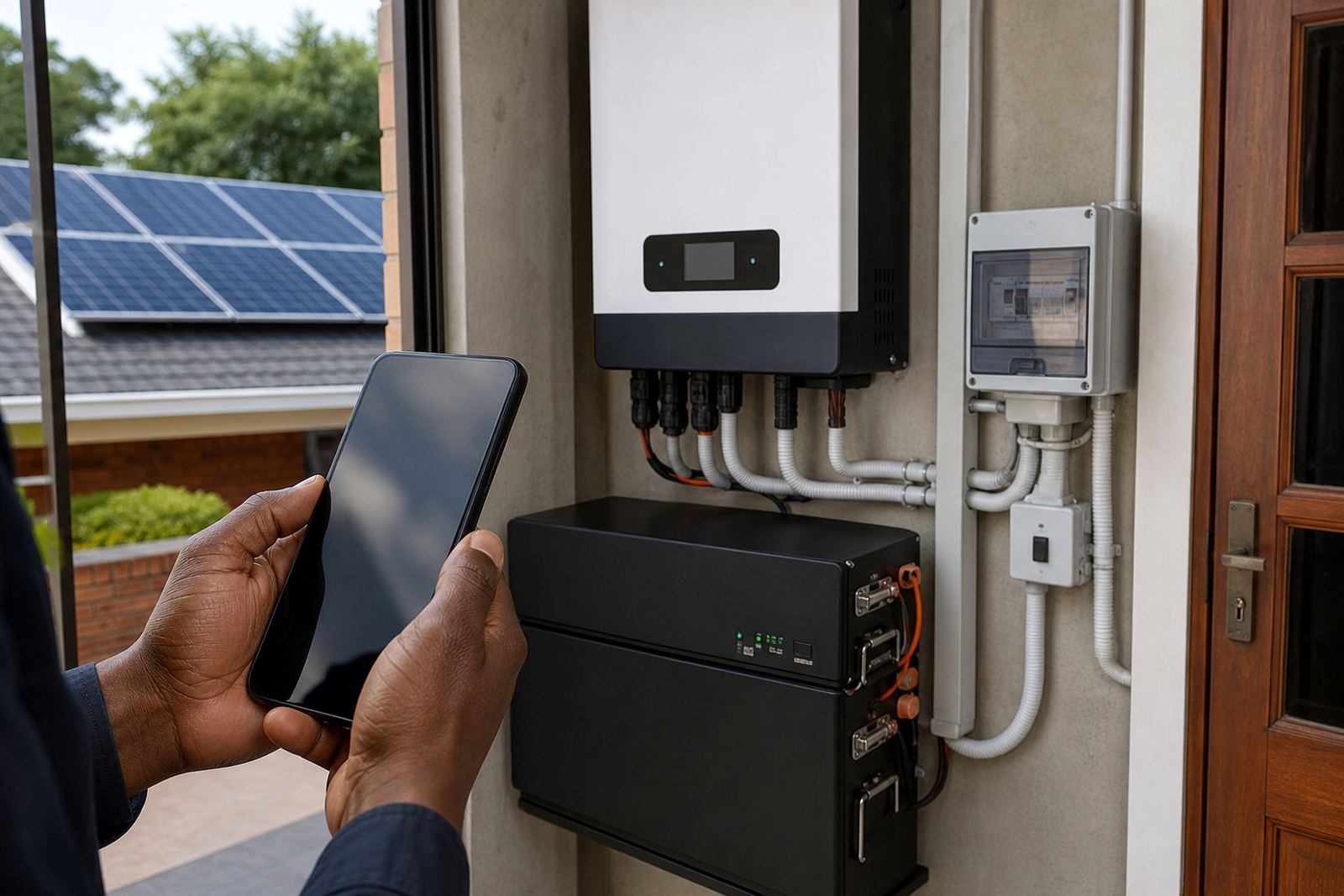
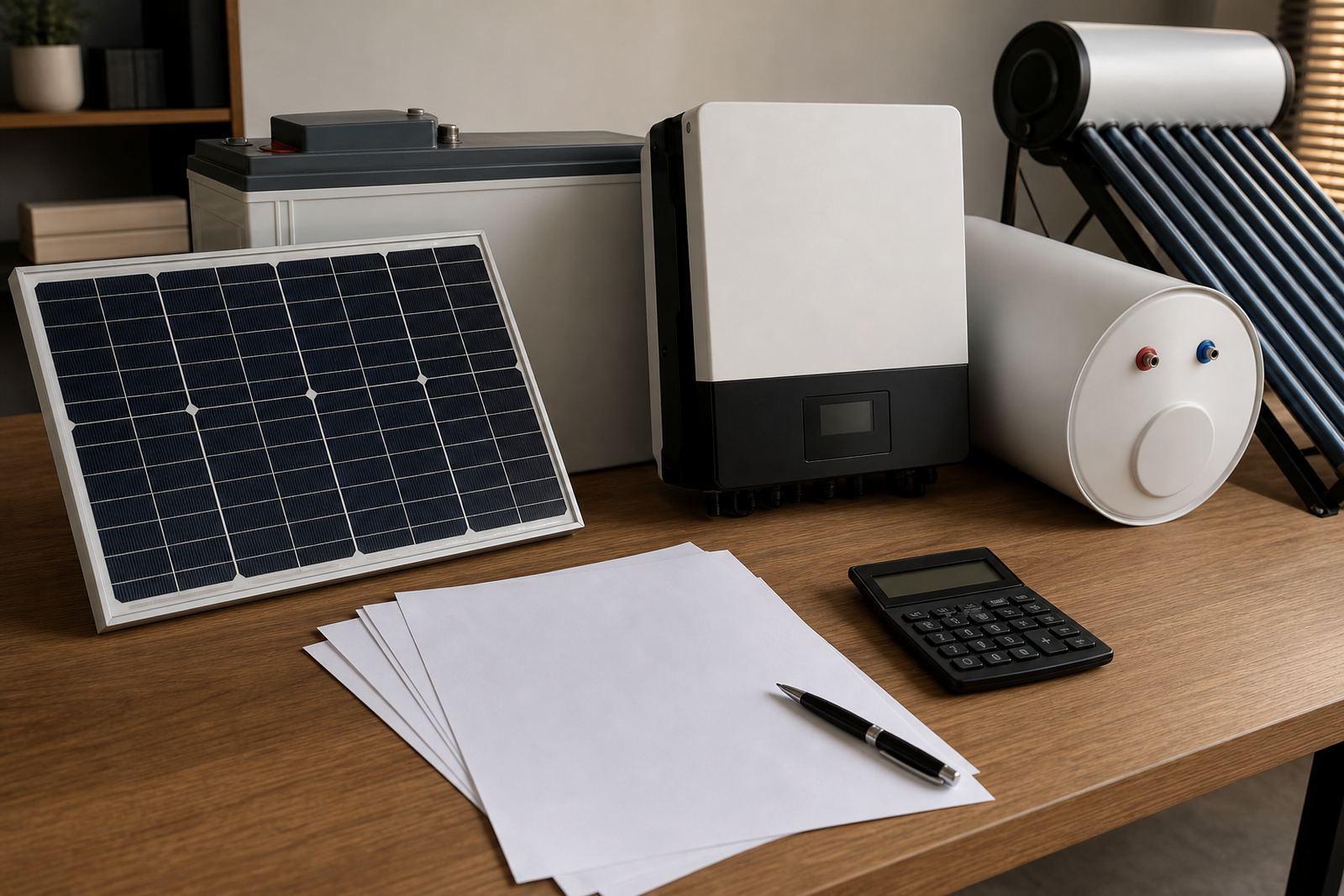
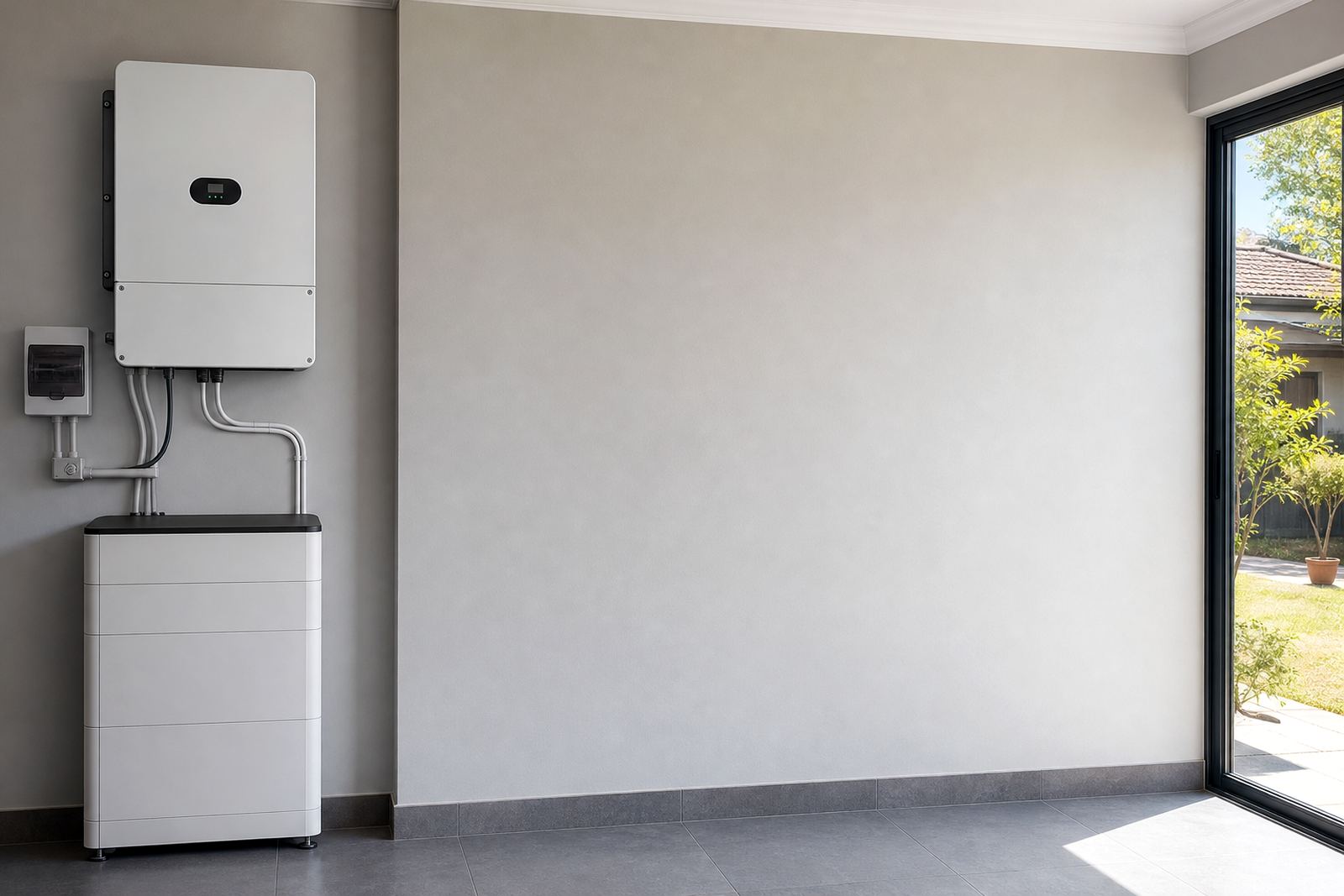
Solar panels capture energy from sunlight and feed it into the rest of the system. Inverters convert that power for household or business use, while batteries store energy for later use when the sun is down or supply is interrupted. The right mix depends on how you use electricity through the day and how much backup you want at night.
Our journal articles explain these parts in plain language, including where each component is usually placed, how it affects performance and why neat cabling and correct commissioning matter. A well planned system is easier to maintain and less likely to give trouble later on, especially in areas with frequent outages or heavy summer storms.
Solar Water Heating For Daily Use
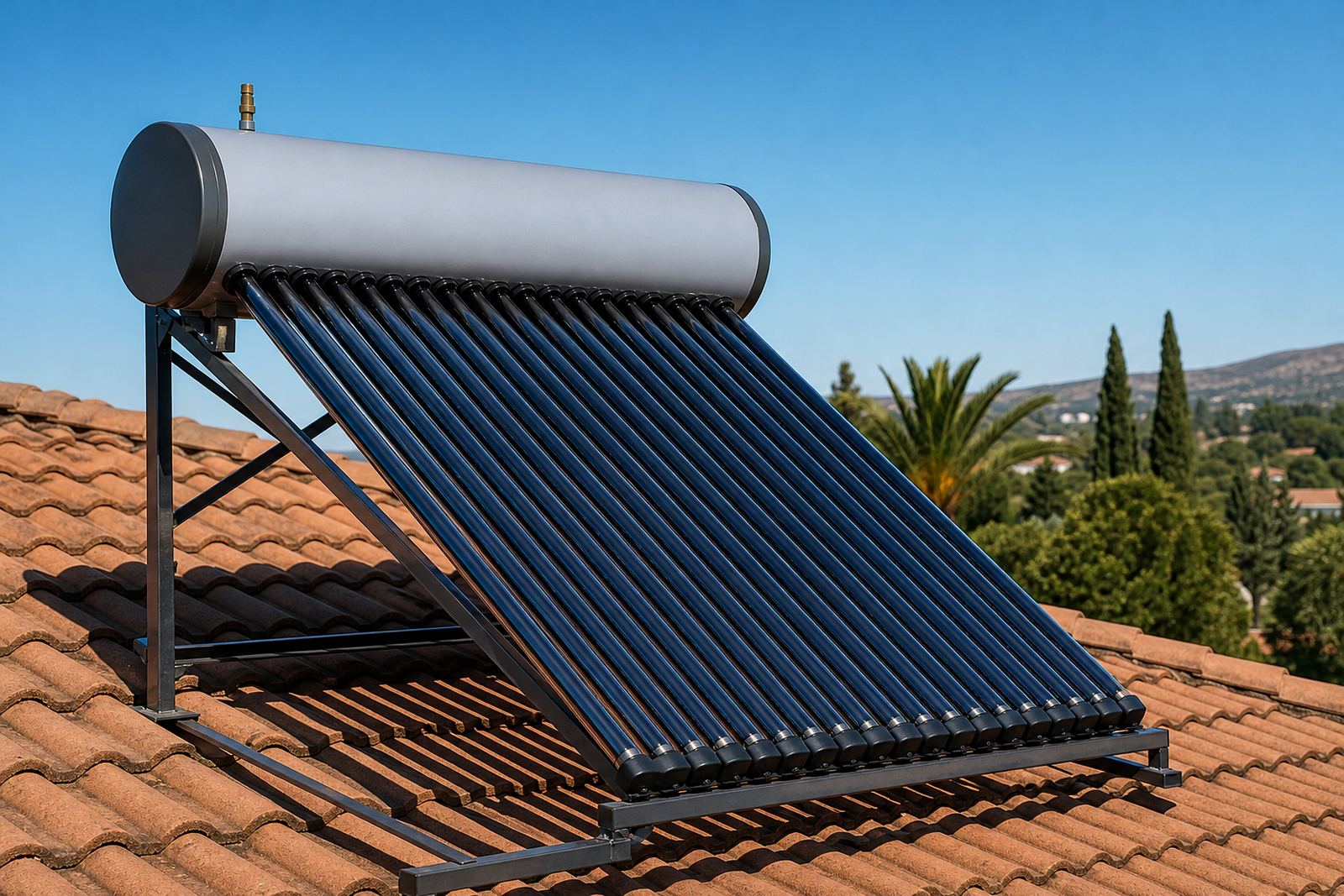
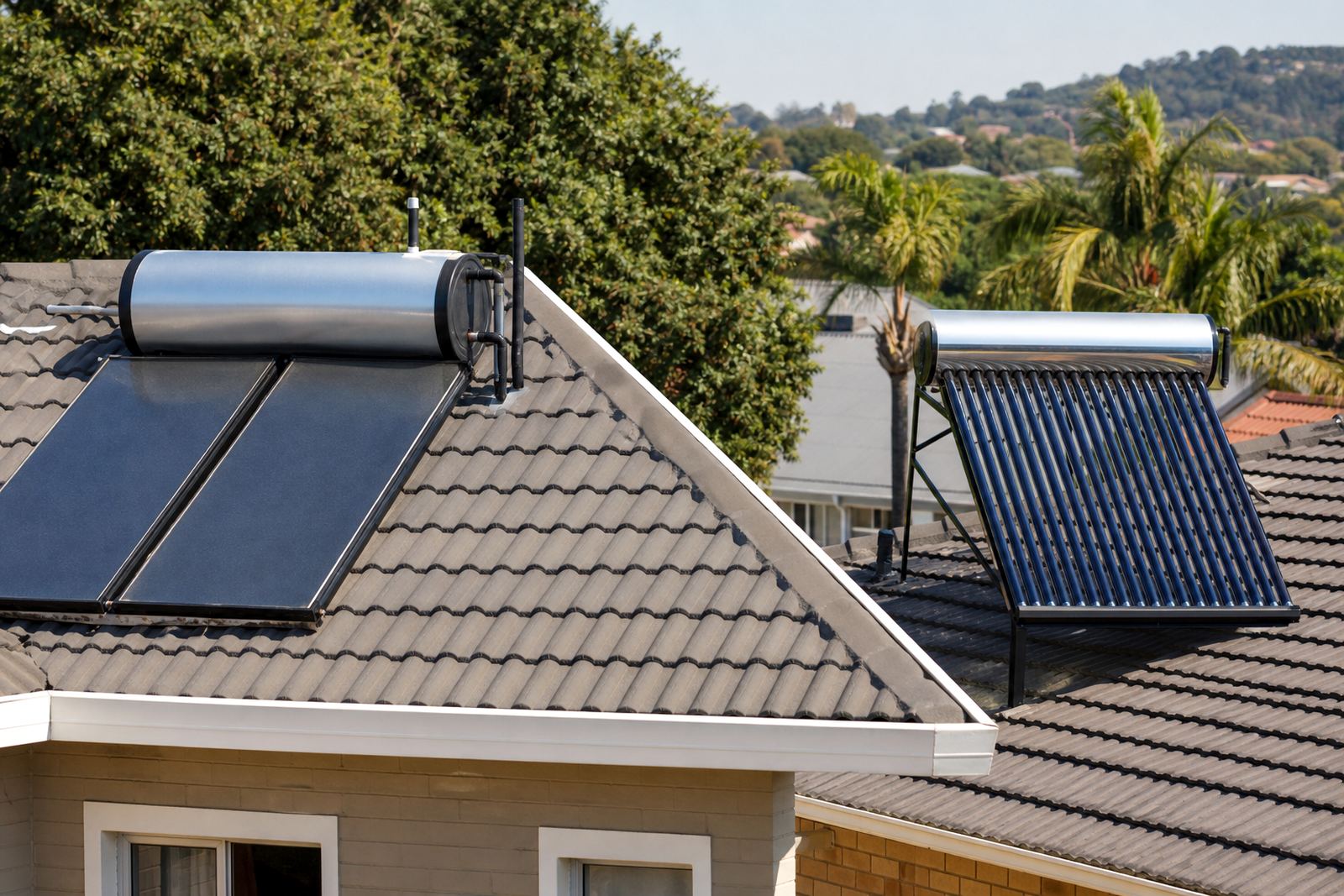
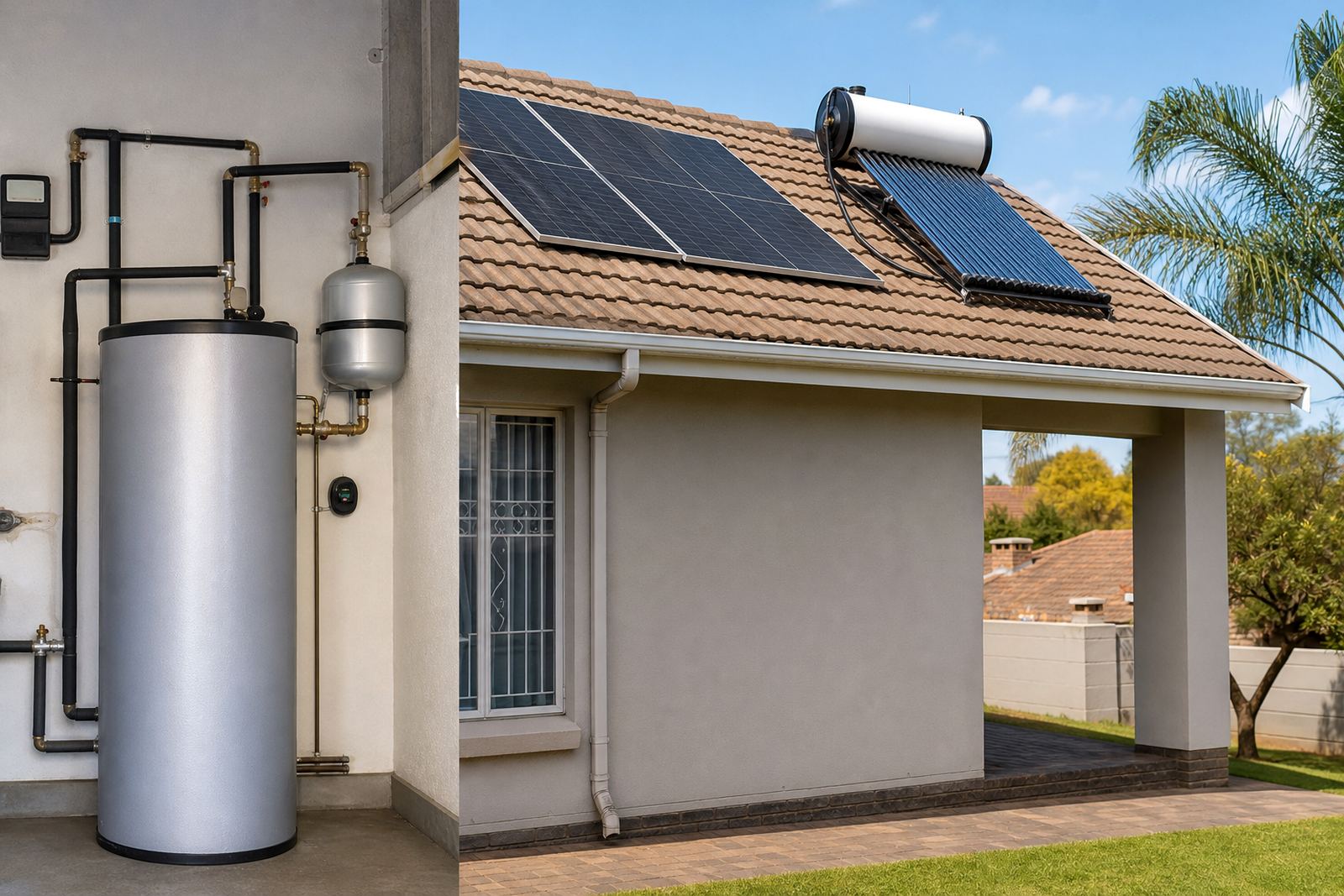
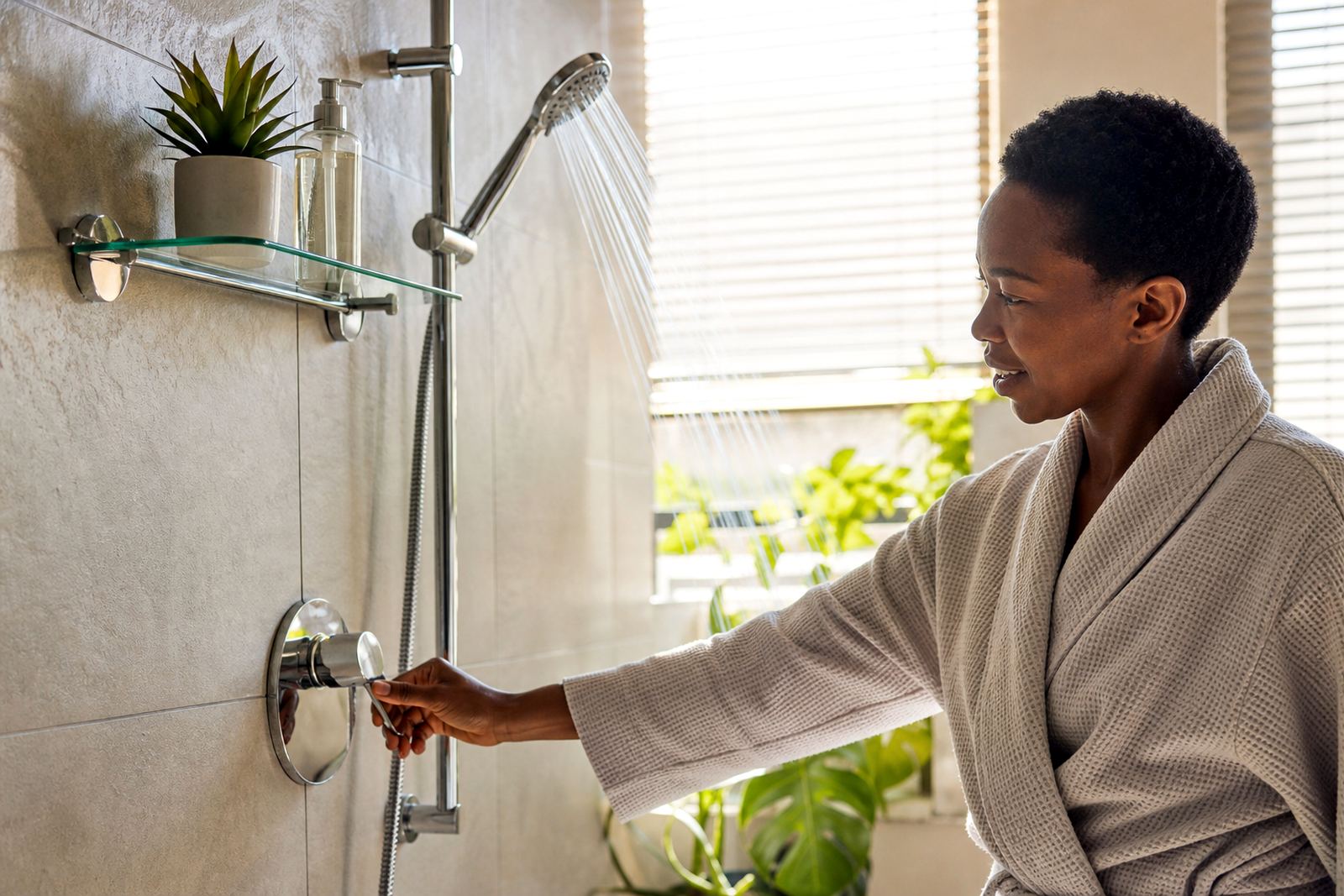
Solar water heaters can reduce the strain on an electric geyser and help households and small businesses manage hot water more efficiently. They are useful for homes, salons, lodges, staff kitchens and other places where hot water is needed every day. Understanding the differences between water heating setups, where roof angle matters and how to keep water temperatures steady through the seasons helps you choose and run the system properly.
We also cover practical matters like tank placement, insulated piping, freeze risk in colder inland areas and the effects of coastal humidity on fittings. A properly installed water heating system can make daily use simpler, but it still needs correct planning and regular checks.
Installation Planning And Compliance
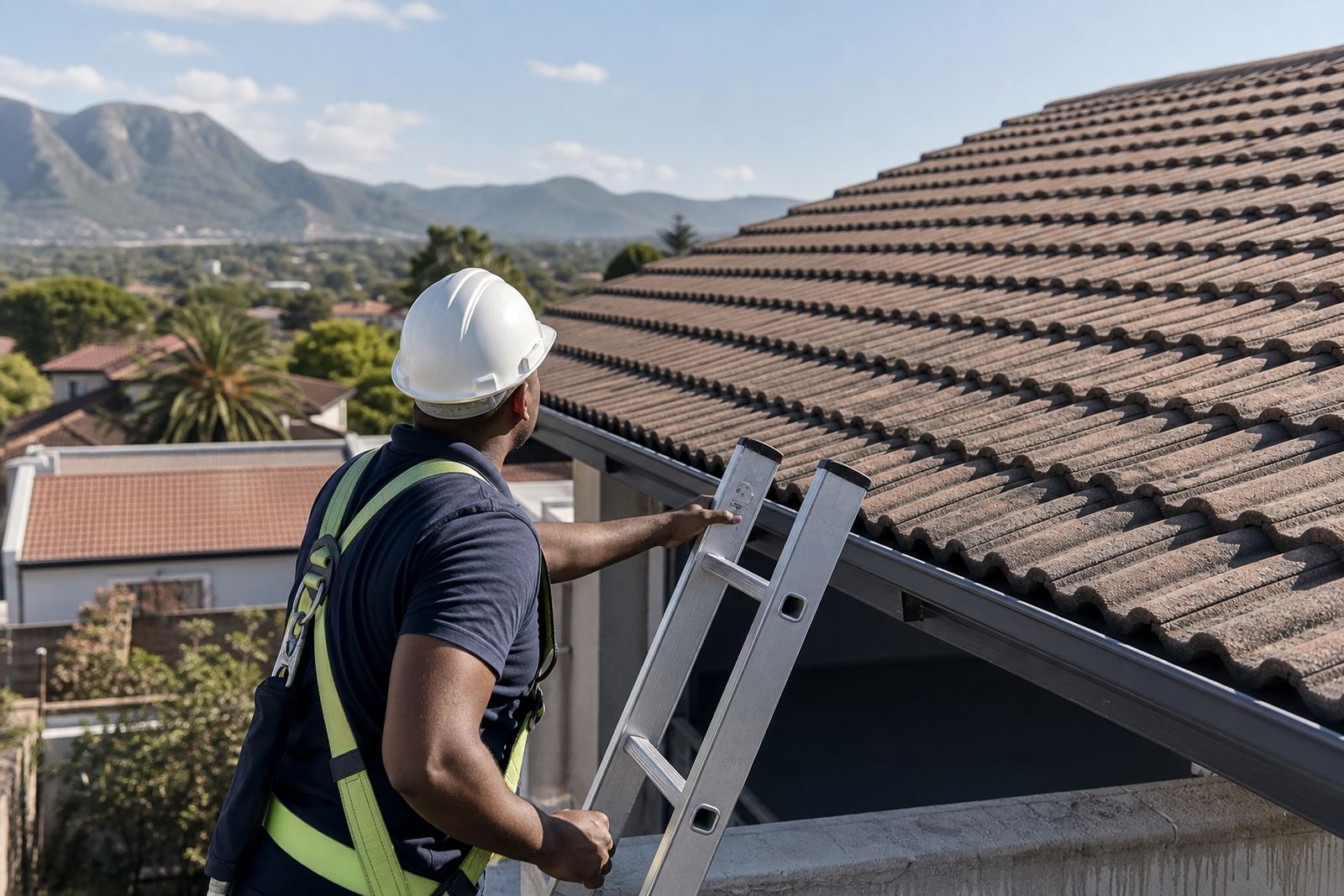
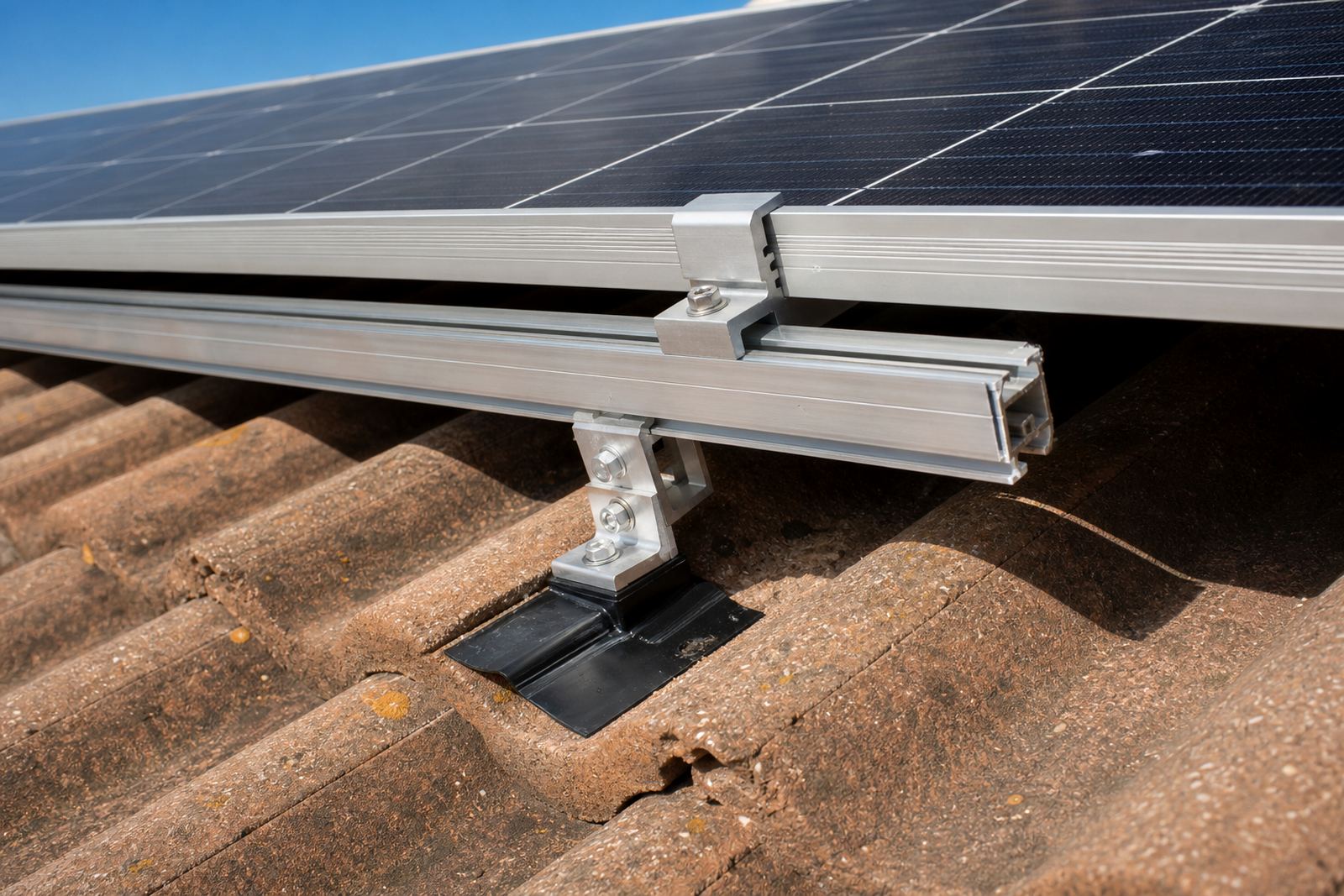
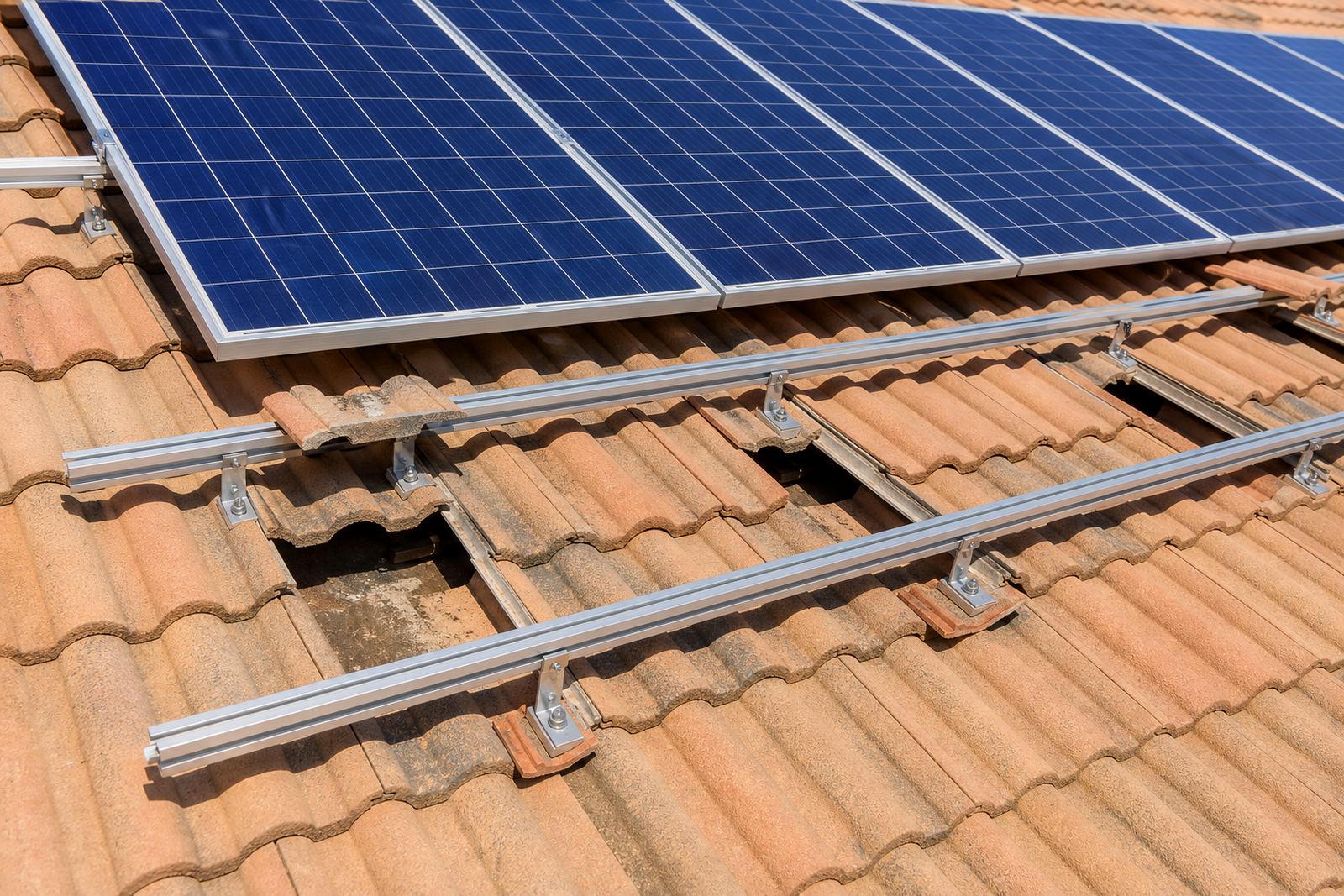
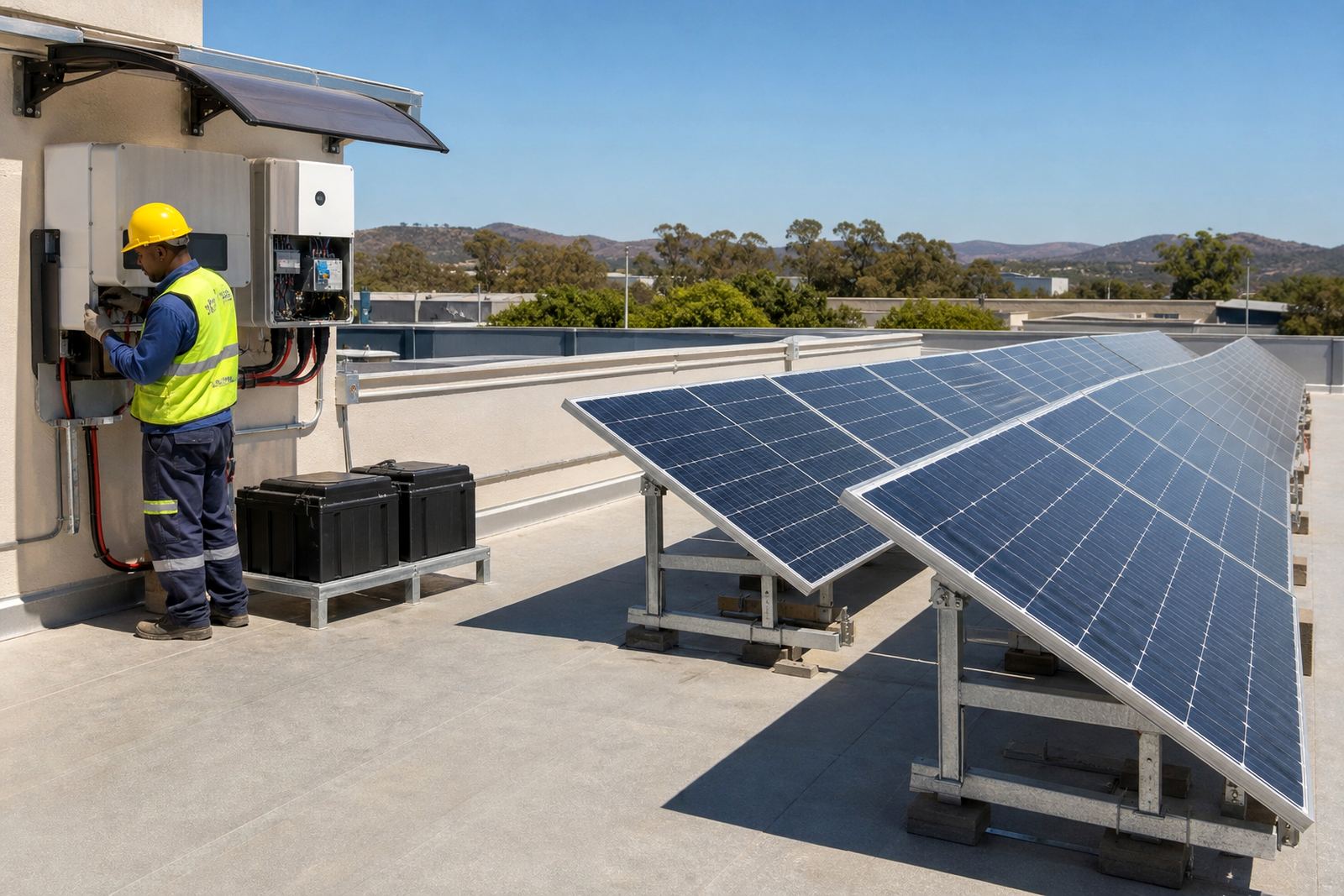
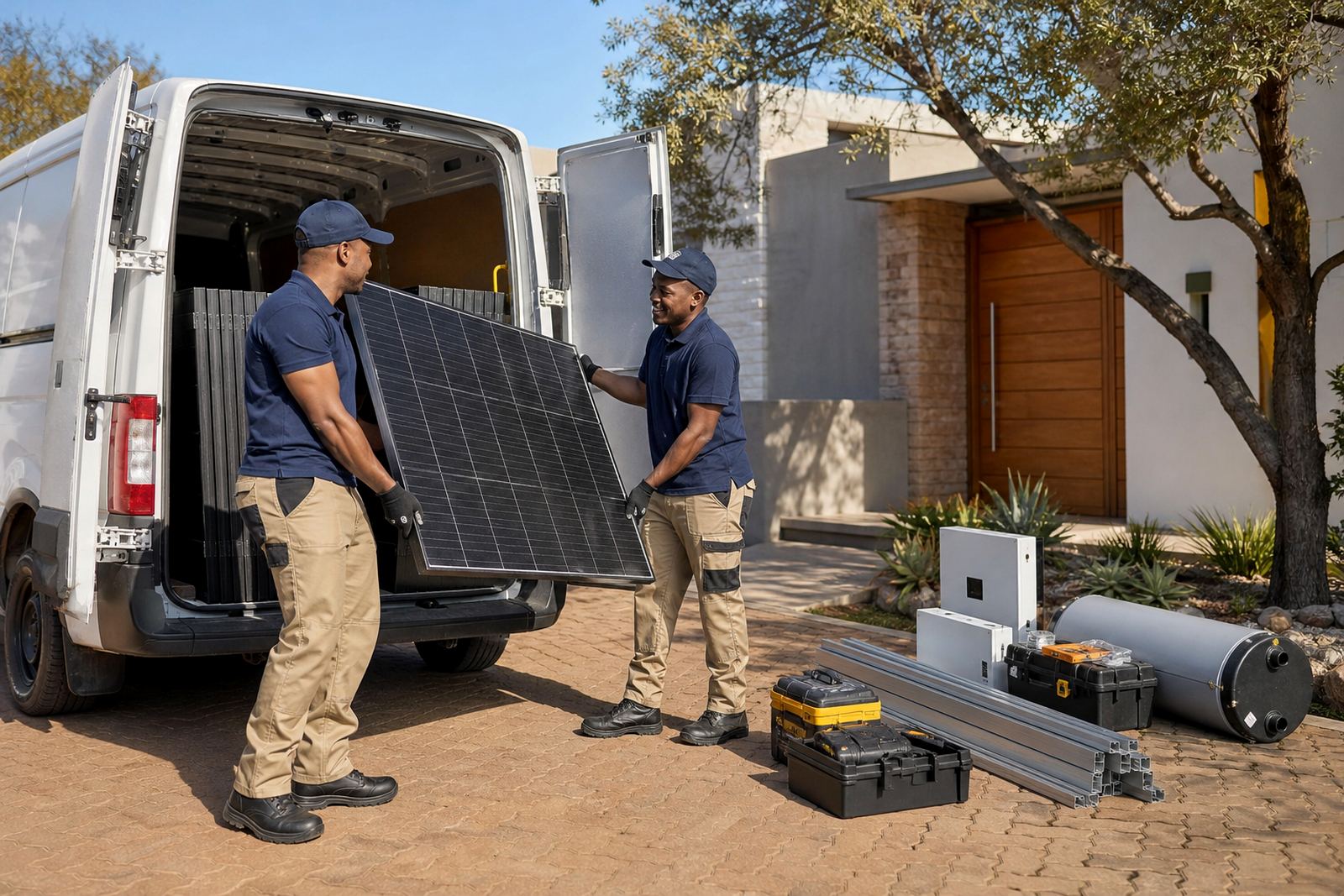
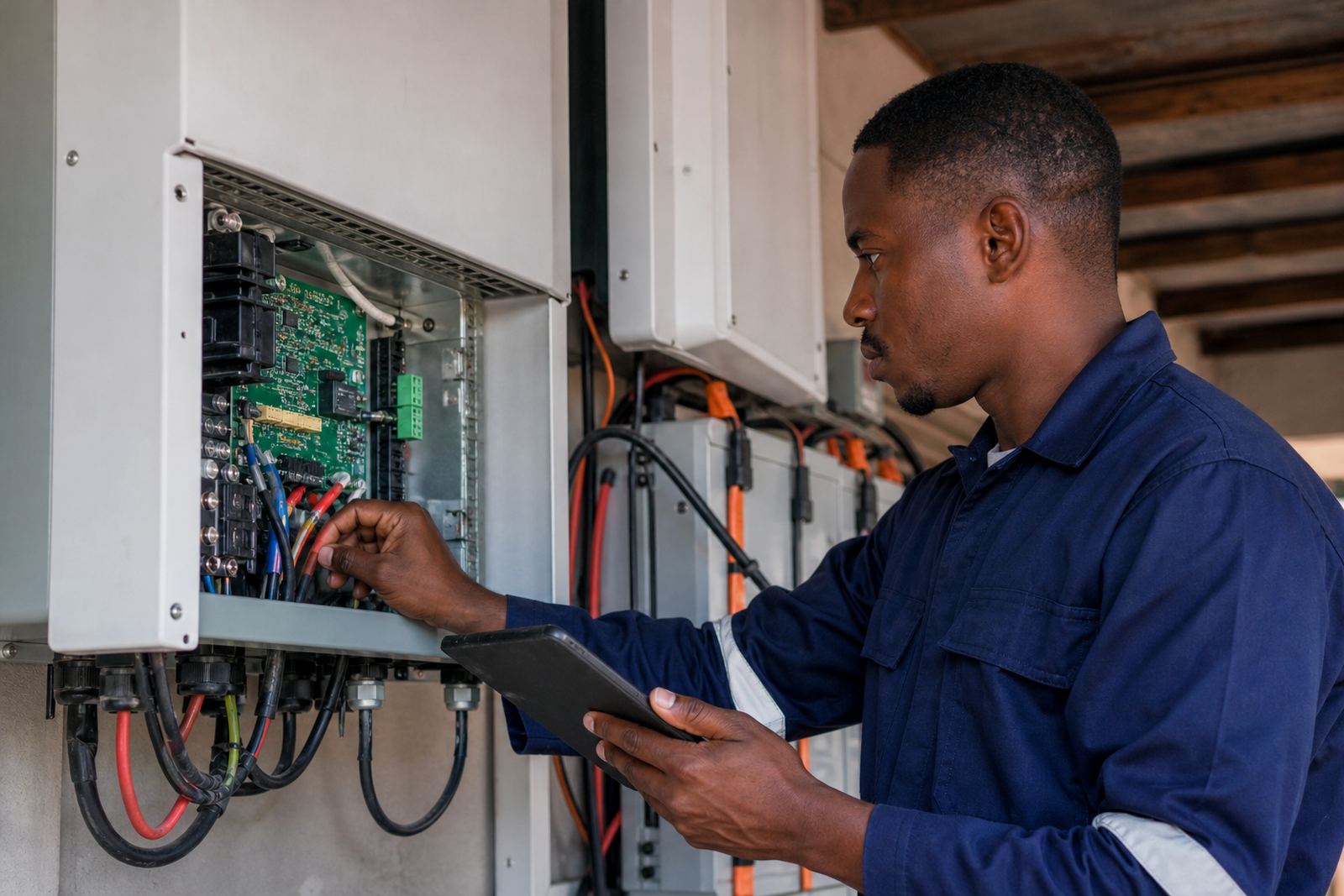
Installation is not only about mounting equipment on a roof. It involves site assessment, system design, safe electrical integration, commissioning and clear handover. Qualified installers handle the electrical work so the system is set up correctly and in line with local requirements, which is especially important for homes and small businesses that depend on stable supply.
- Check roof structure, pitch and shade before any equipment is ordered
- Confirm cable routes and equipment positions before installation day
- Allow for access around panels, inverters and batteries for future service
- Plan for municipal and estate rules where they apply
Care, Cleaning And Fault Finding
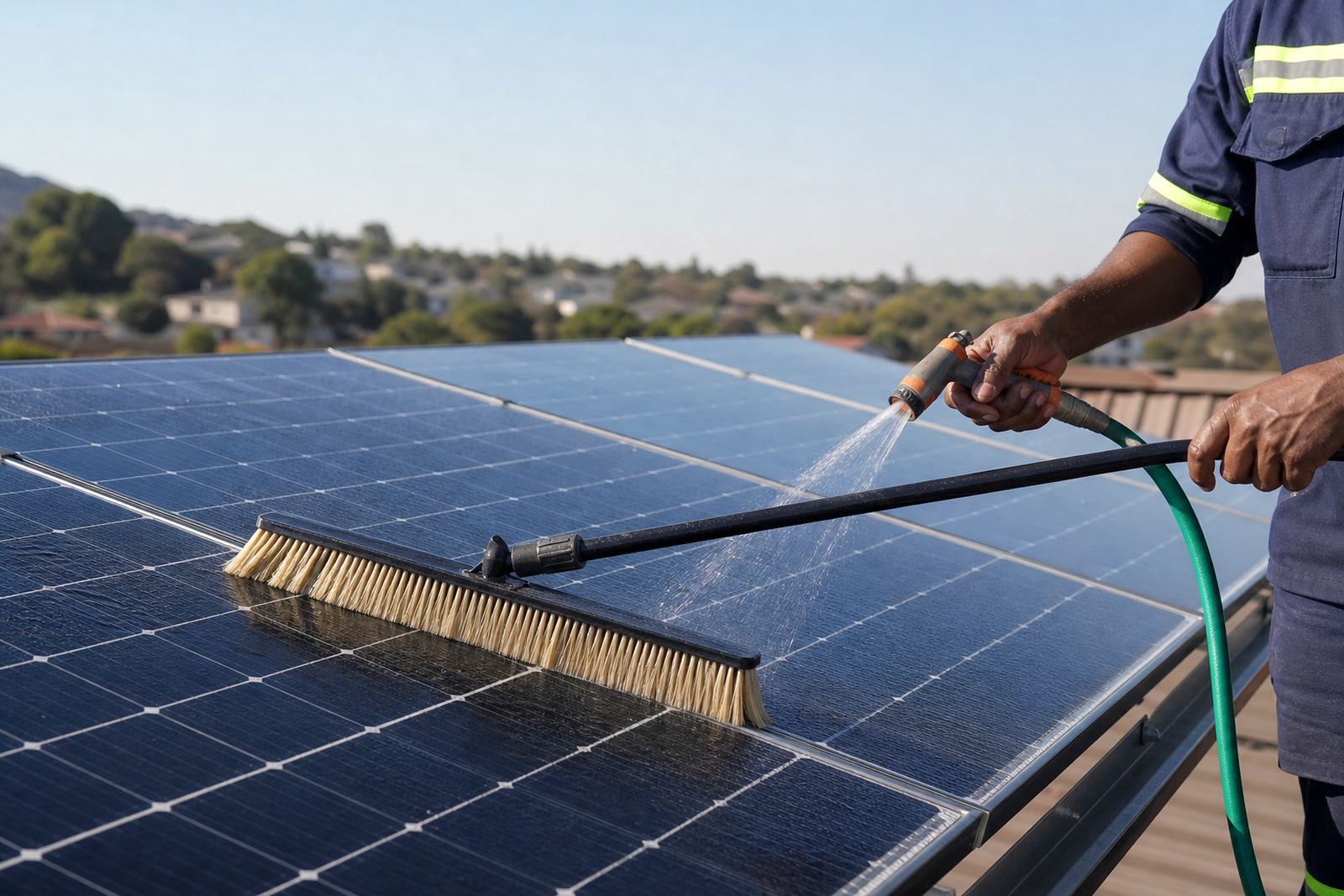
Solar systems work best when they are looked after properly. Dust, bird droppings and coastal grime can reduce output, while loose connections or failed components can cause poor performance. Our articles explain how often panels should be cleaned, what a homeowner can safely check and when to call for support.
We also cover common signs of trouble such as warning lights, lower than expected output and hot water that is not meeting demand. Early fault finding can prevent a small issue from turning into a bigger repair, so it helps to keep notes of any changes in performance. If something does not seem right, a trained team should inspect it before further damage sets in.
For Homes And Small Businesses Across South Africa
Linuo Solar works from Centurion, Pretoria and supports customers across Gauteng and beyond, including Johannesburg, Durban, Cape Town and Bloemfontein. Our journal reflects the kinds of questions we hear from homeowners, landlords and small business owners who want reliable solar options without unnecessary complication.
Whether you are comparing a first solar setup or maintaining an existing one, understanding the options helps you plan sensibly and keep your system working well through everyday use. If you need a site assessment, system design or support callout, use the enquiry form on our contact page to get in touch.