

Choosing solar for your daily routine
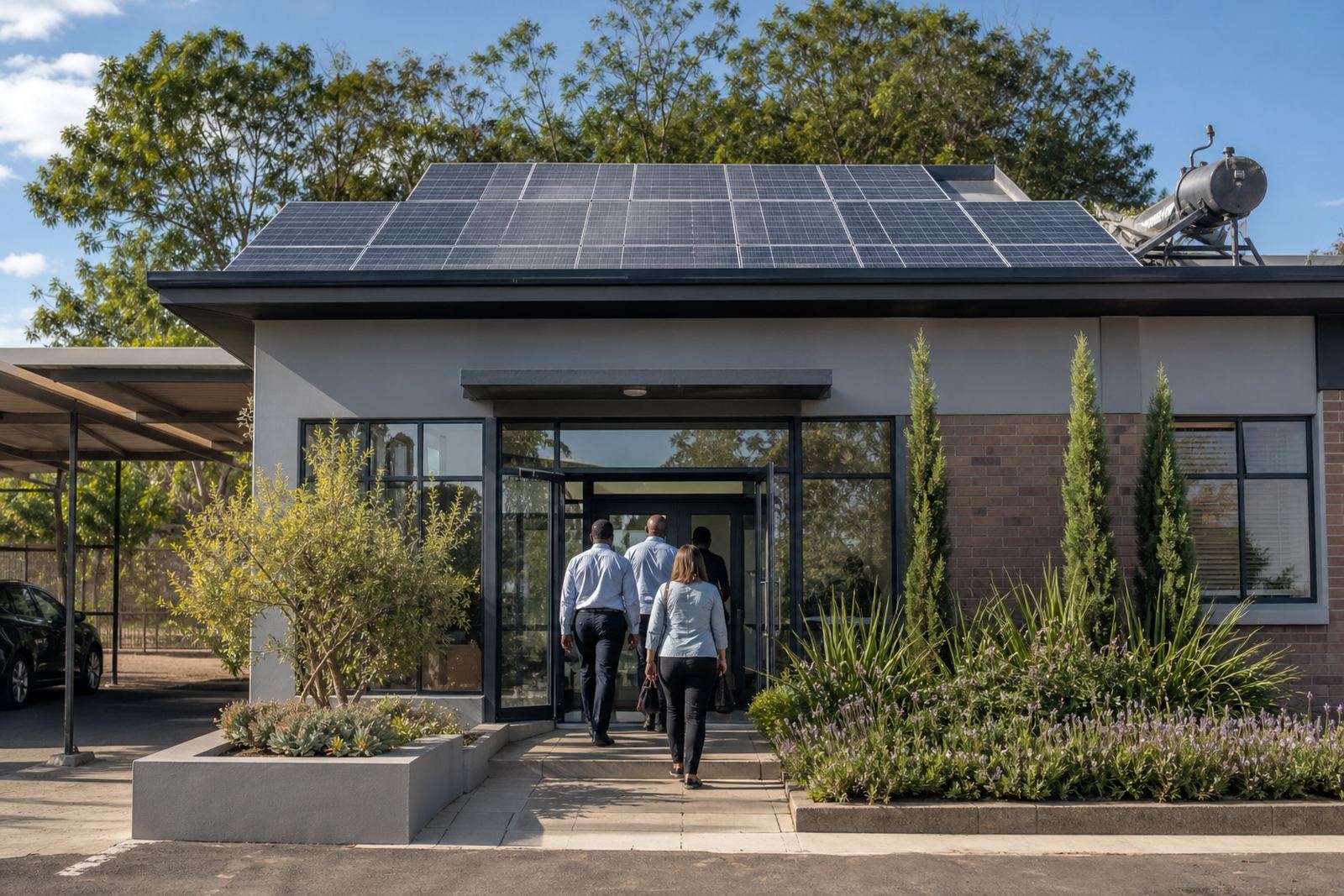
Every property draws power in a different way. A family home in Pretoria may need help with evening cooking, lights and a geyser, while a small office in Johannesburg may be more concerned with computers, routers and security systems during load-shedding. The right setup depends on when you use power, how much roof space you have, and whether your main goal is lower grid use, backup power or hot water support.
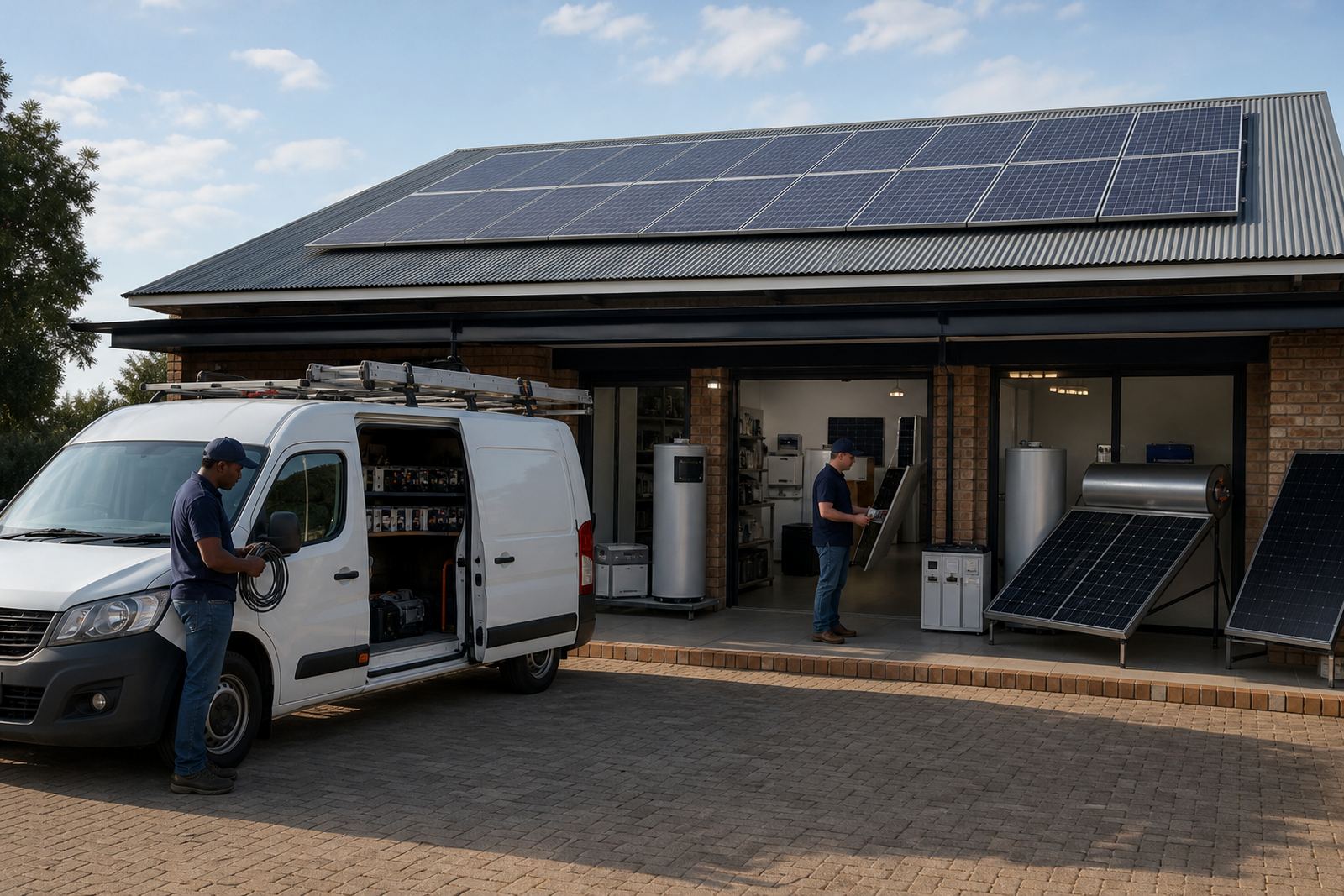
At Linuo Solar, we work from Centurion and support clients across Pretoria, Gauteng and other major centres including Durban, Cape Town and Bloemfontein. From our Centurion base, we handle site assessments, system design and installation for homes and small businesses.
Where solar panels make the biggest difference
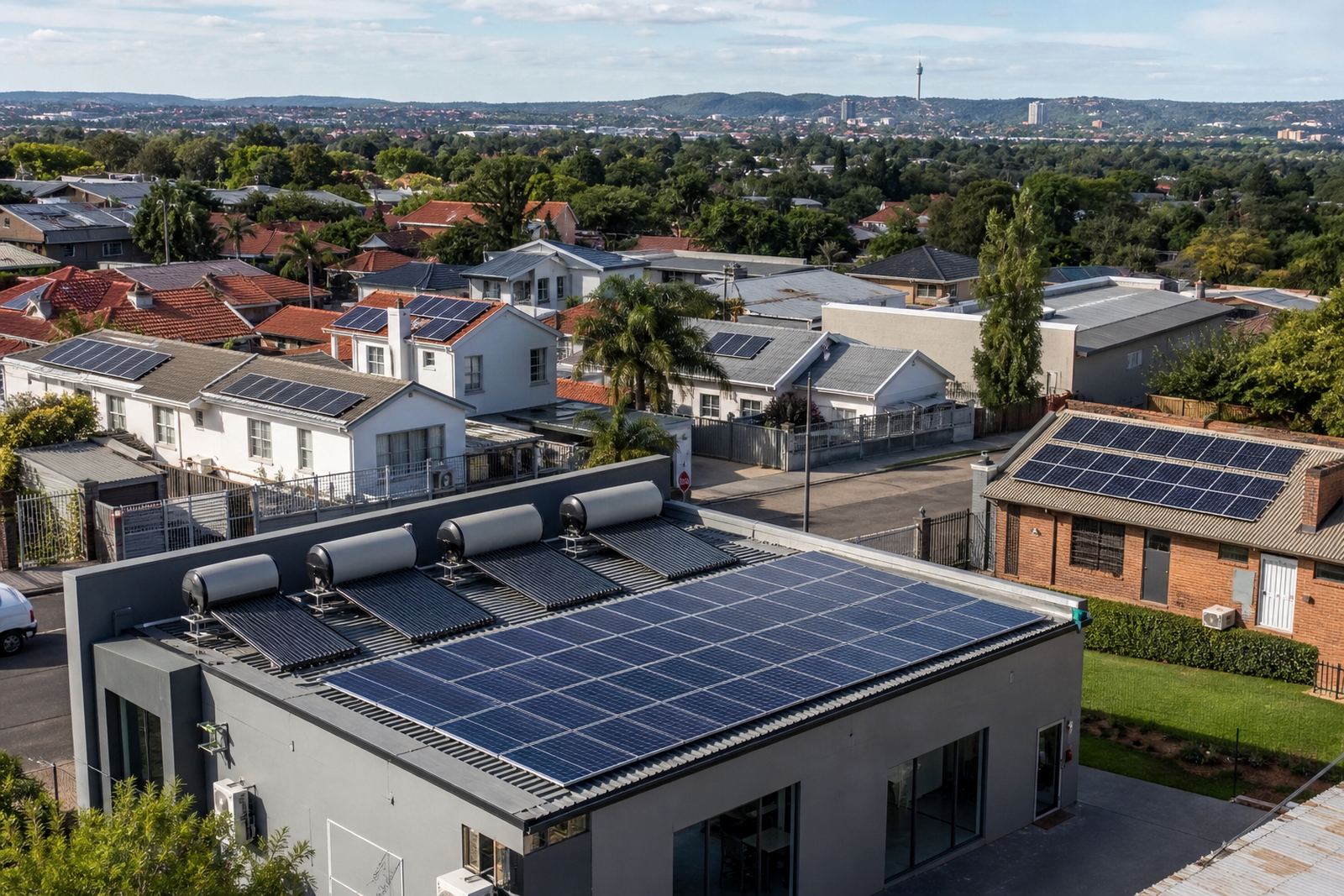
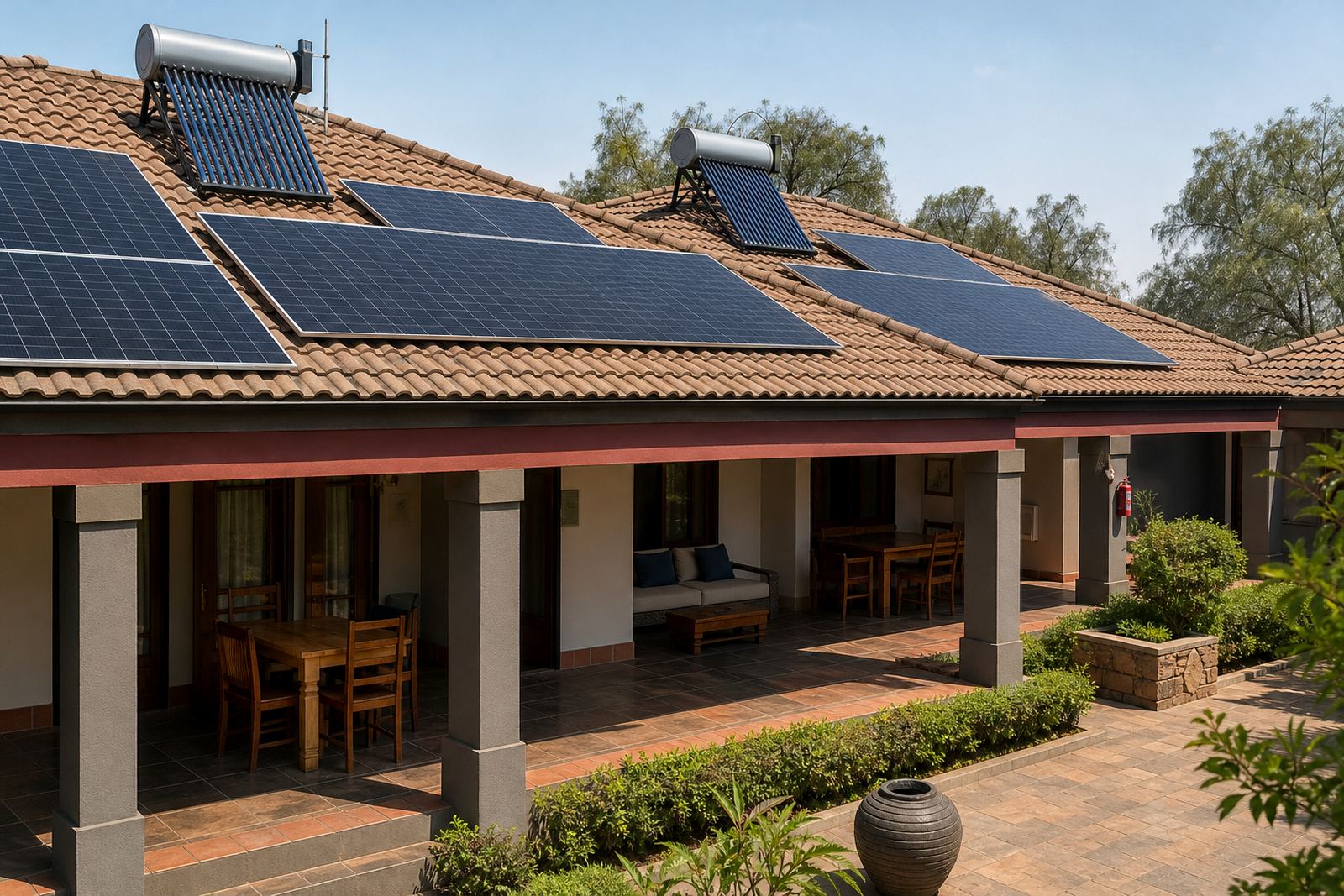
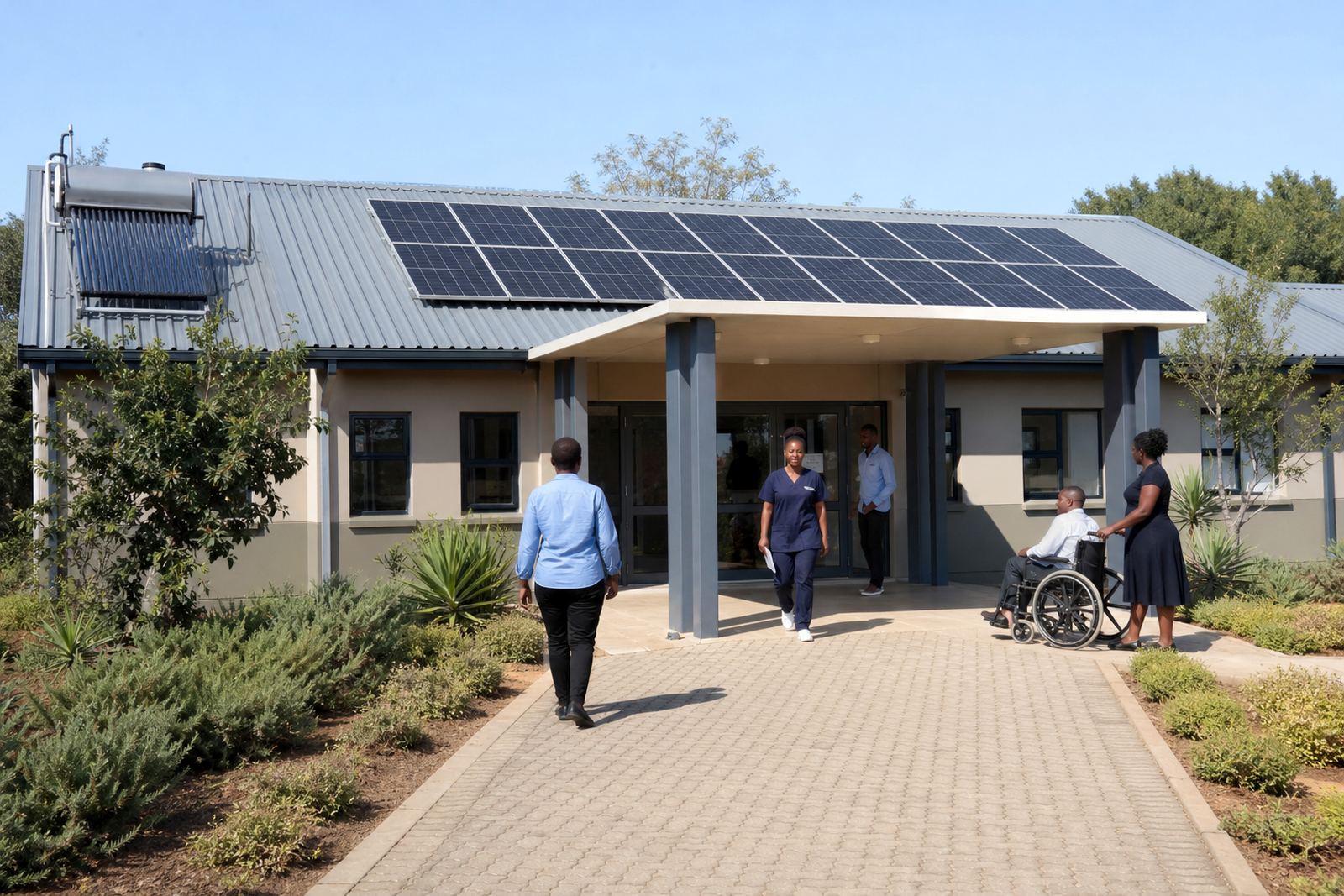
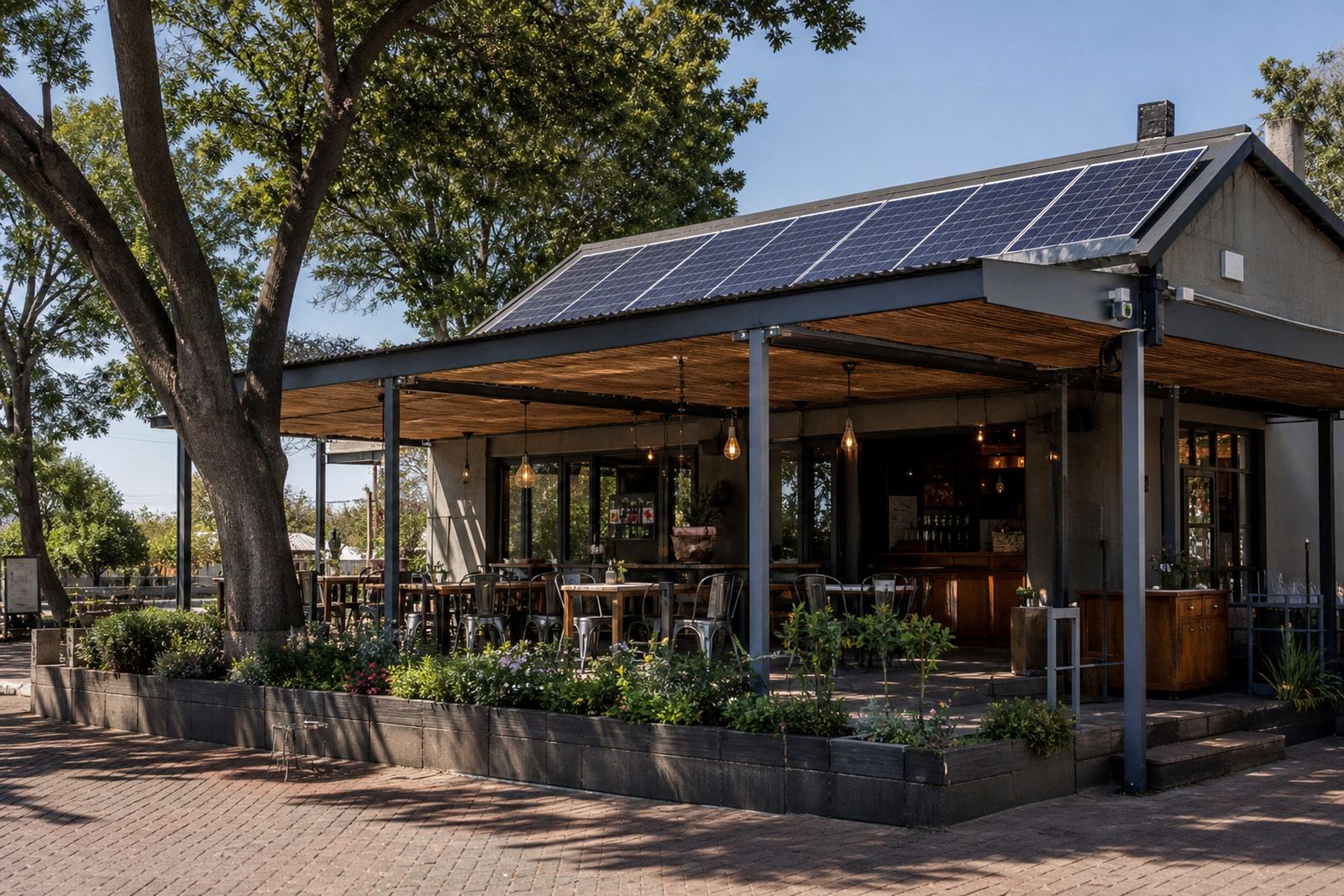
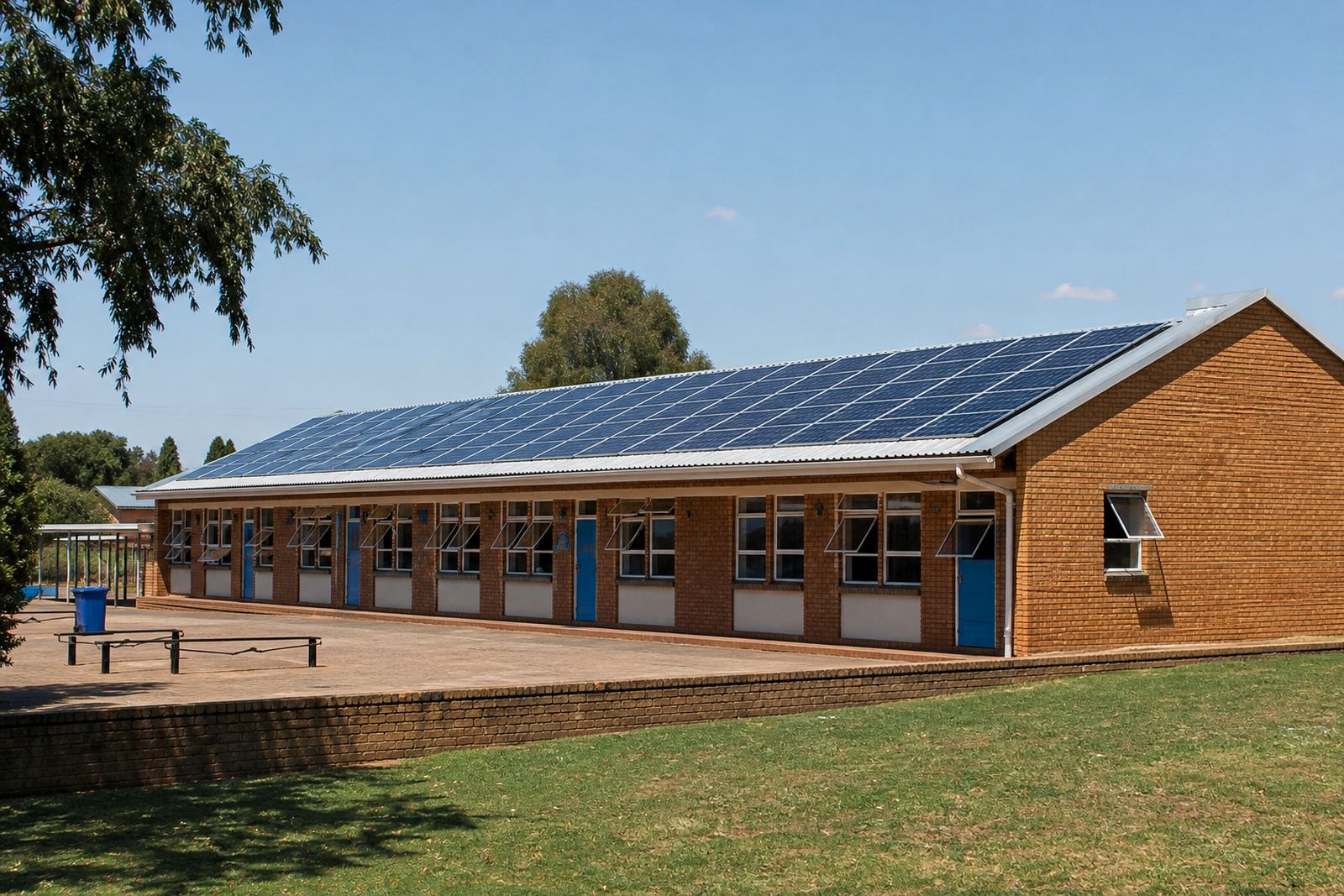
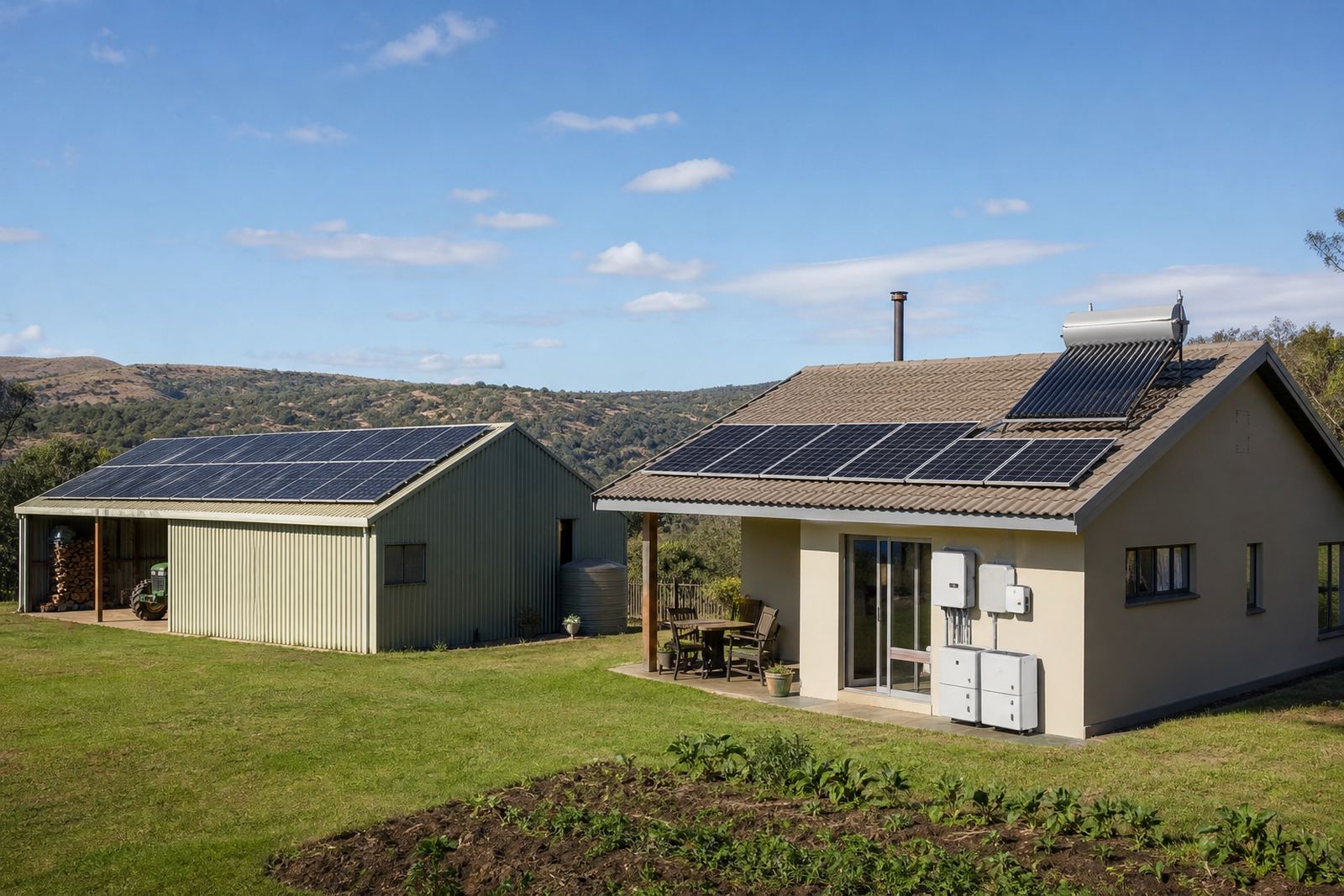
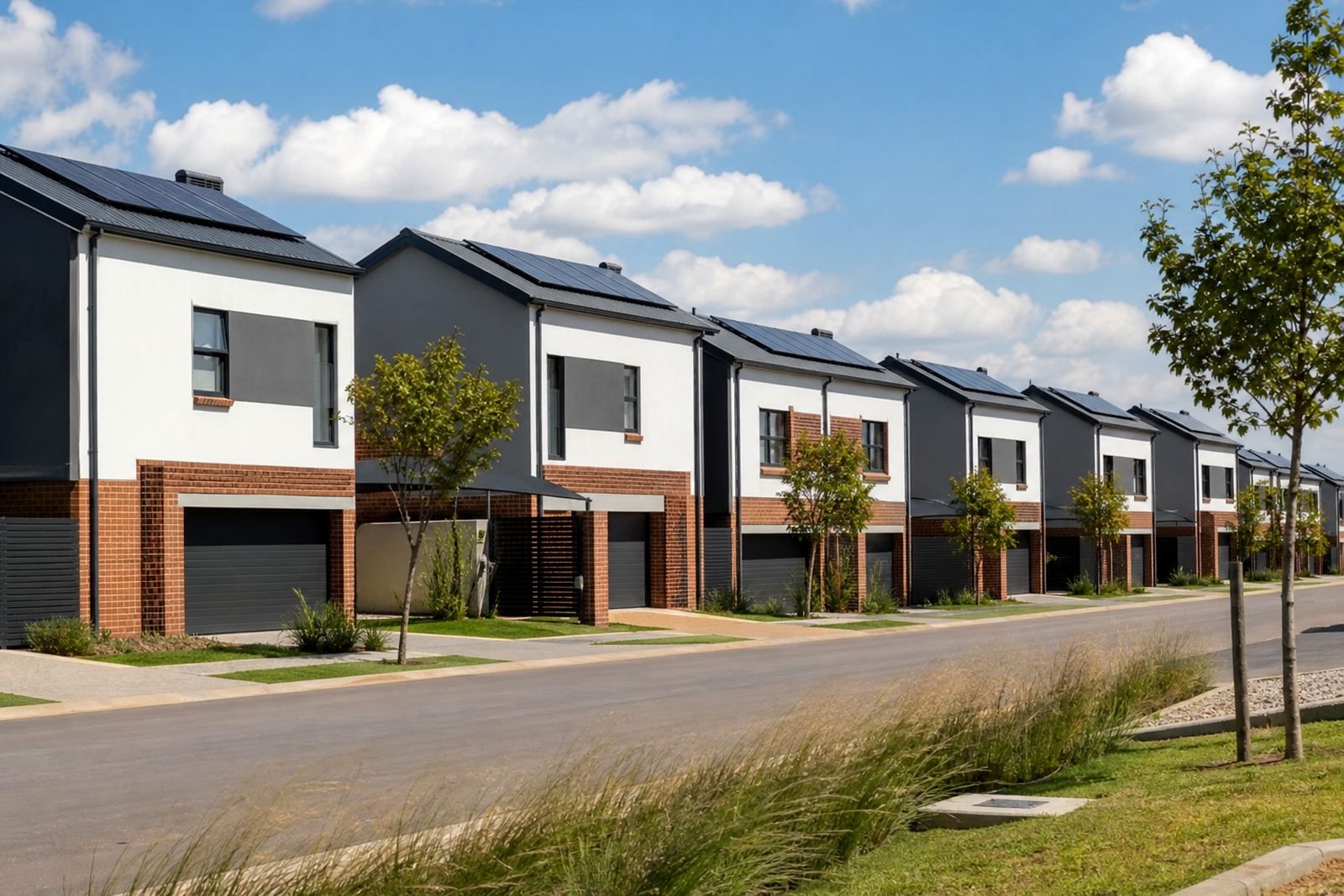
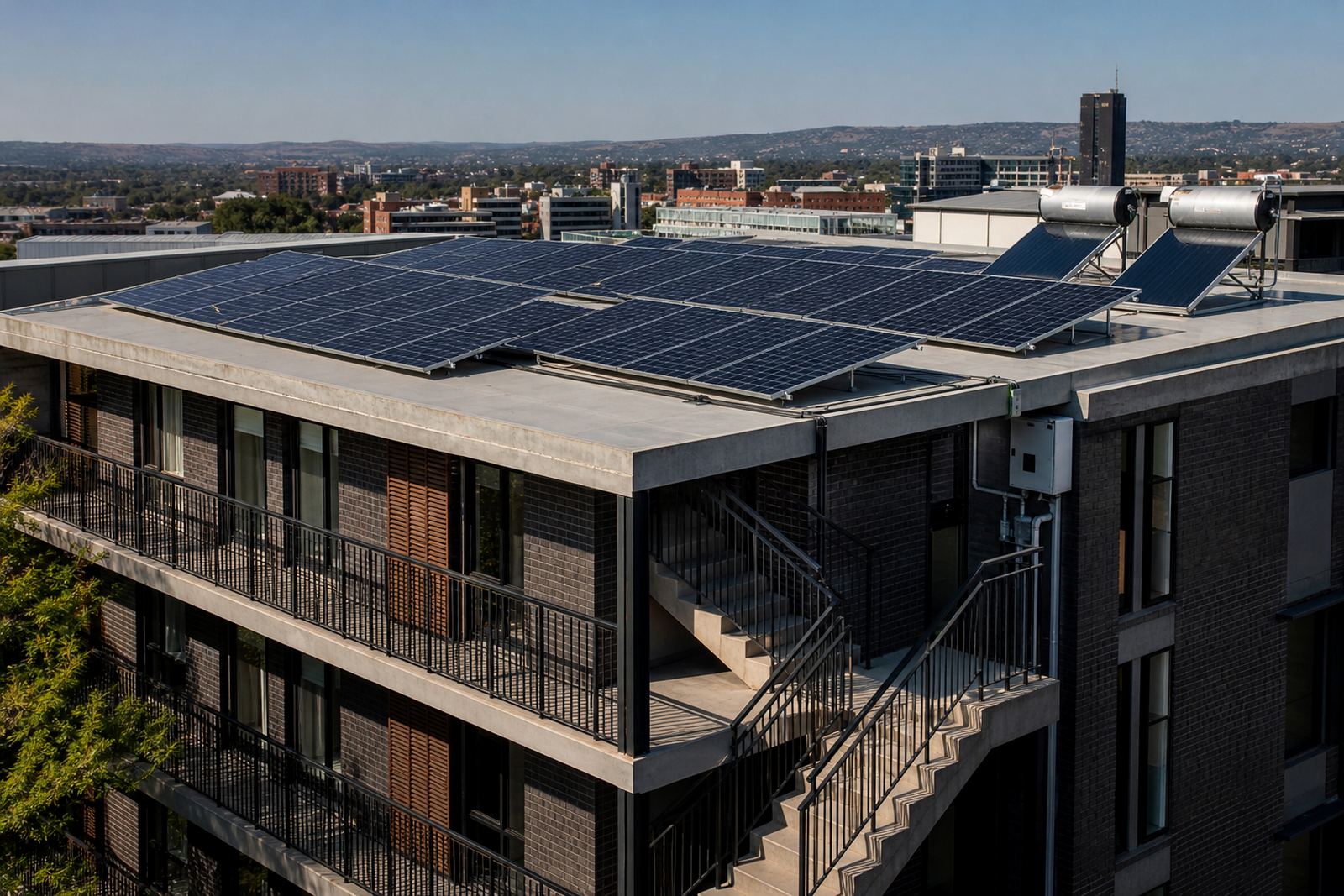
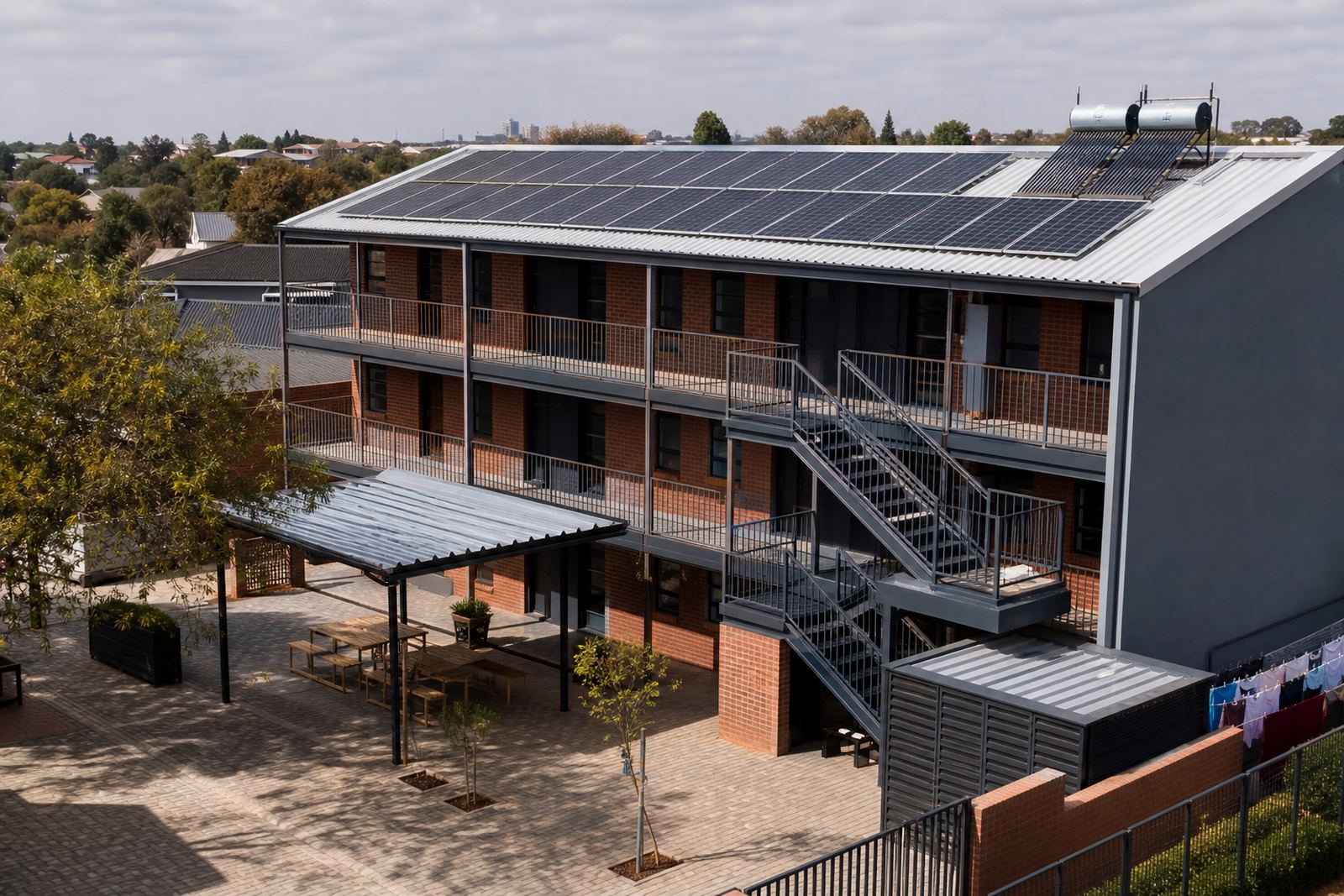
Solar panels are commonly used where there is steady daytime demand or where a property wants to reduce reliance on municipal supply. They suit rooftops on suburban homes, townhouse complexes, workshops, retail units and small offices. In sunny parts of South Africa, panels can be a good fit for properties that have clear roof exposure and enough space for a proper layout.
- Homes that run fridges, lights, TVs and pool pumps during the day
- Small businesses with office equipment, point of sale systems and security cameras
- Properties with high summer usage and good roof access
- Coastal areas where equipment must be selected for humidity and salt air conditions
We also look at shading from nearby buildings, roof pitch and the route for cabling so the installation is neat and practical.
When a battery is the better fit
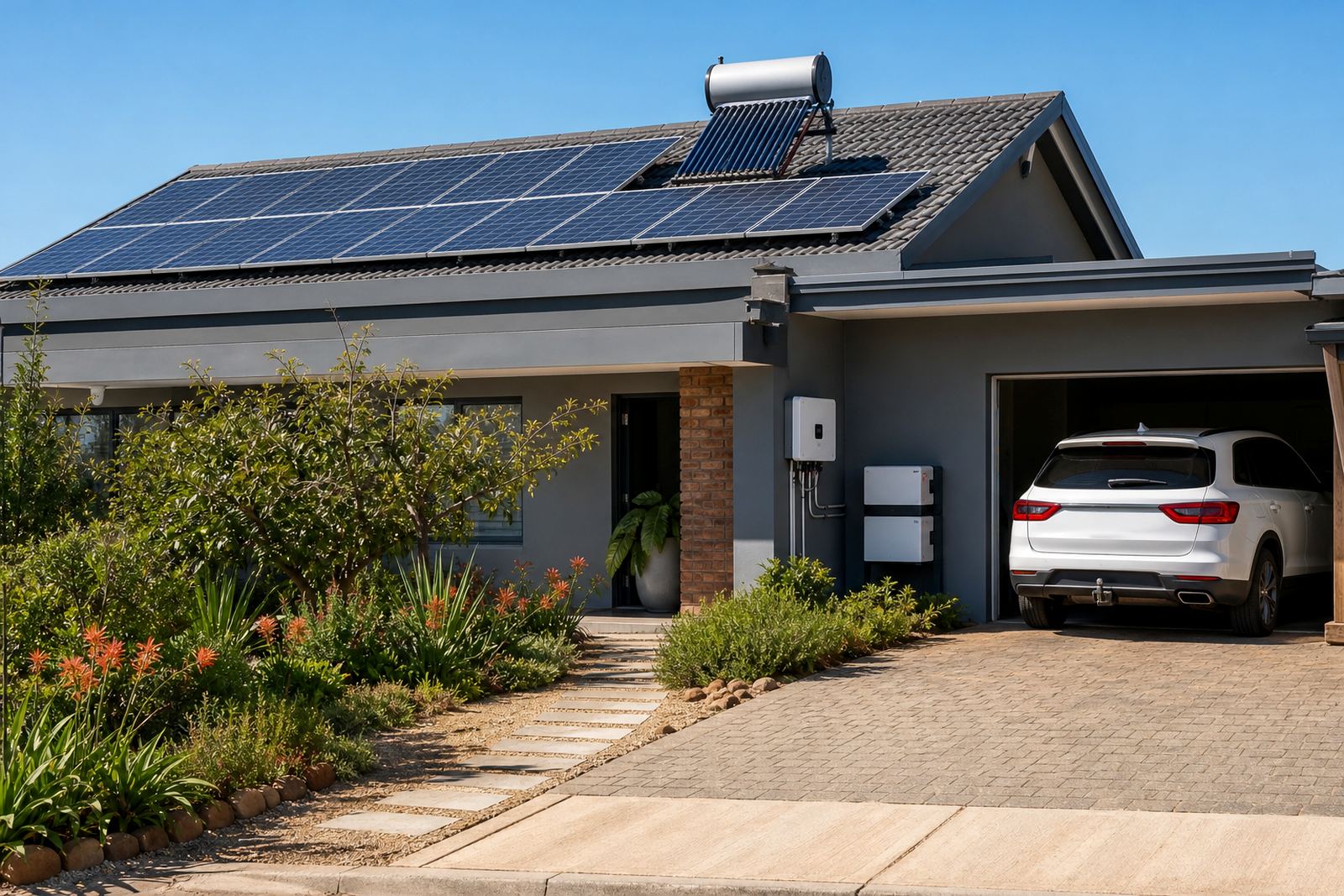
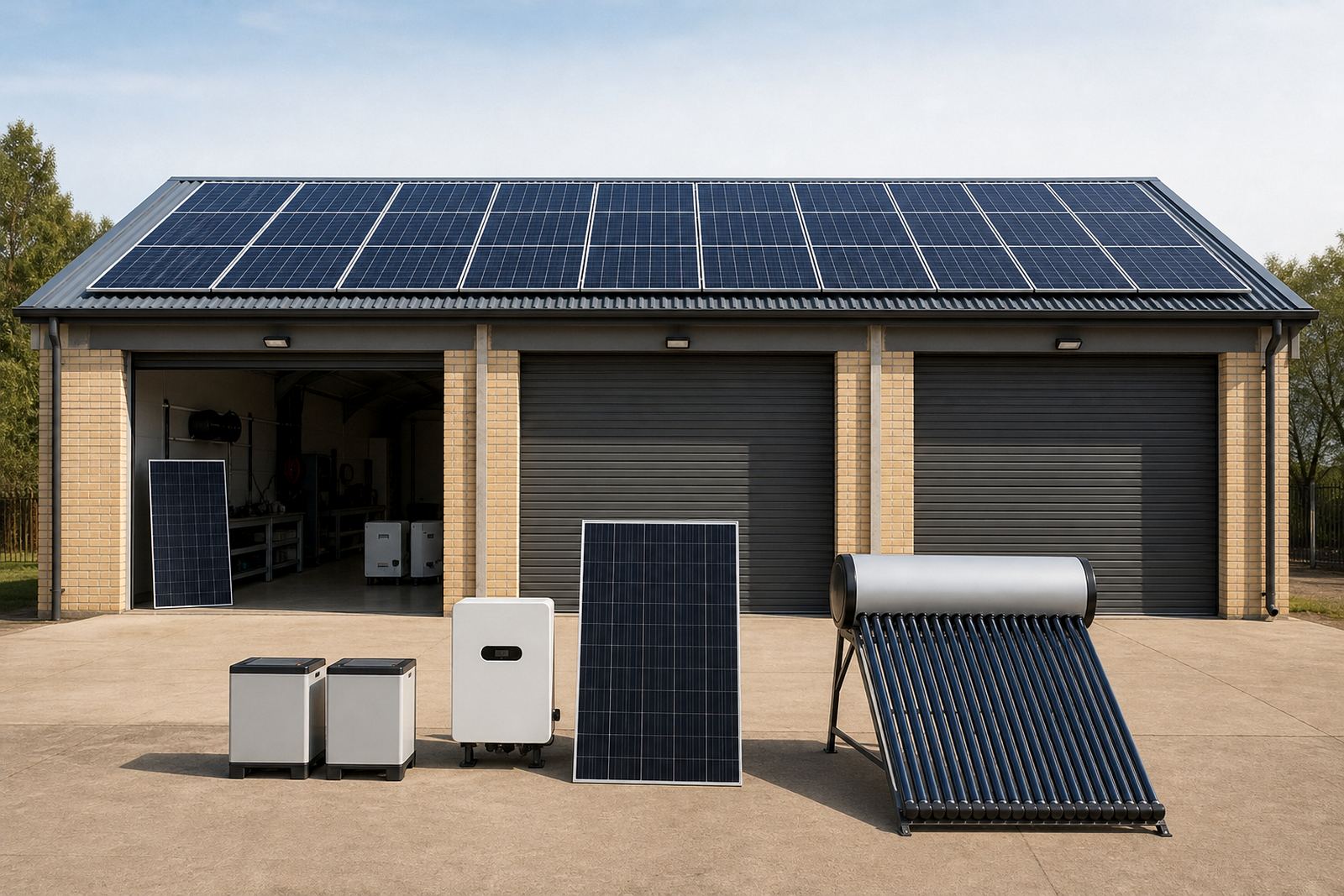
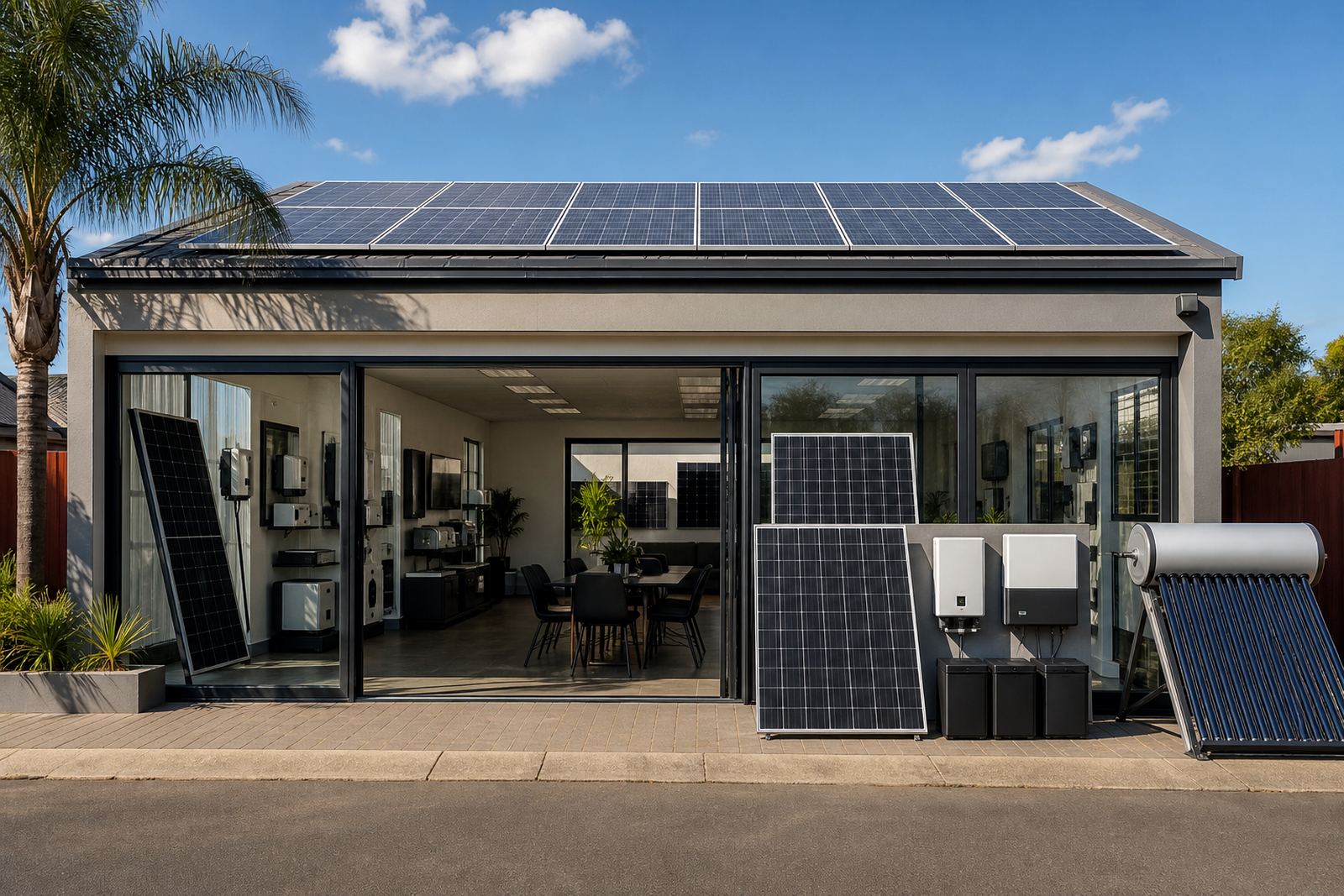
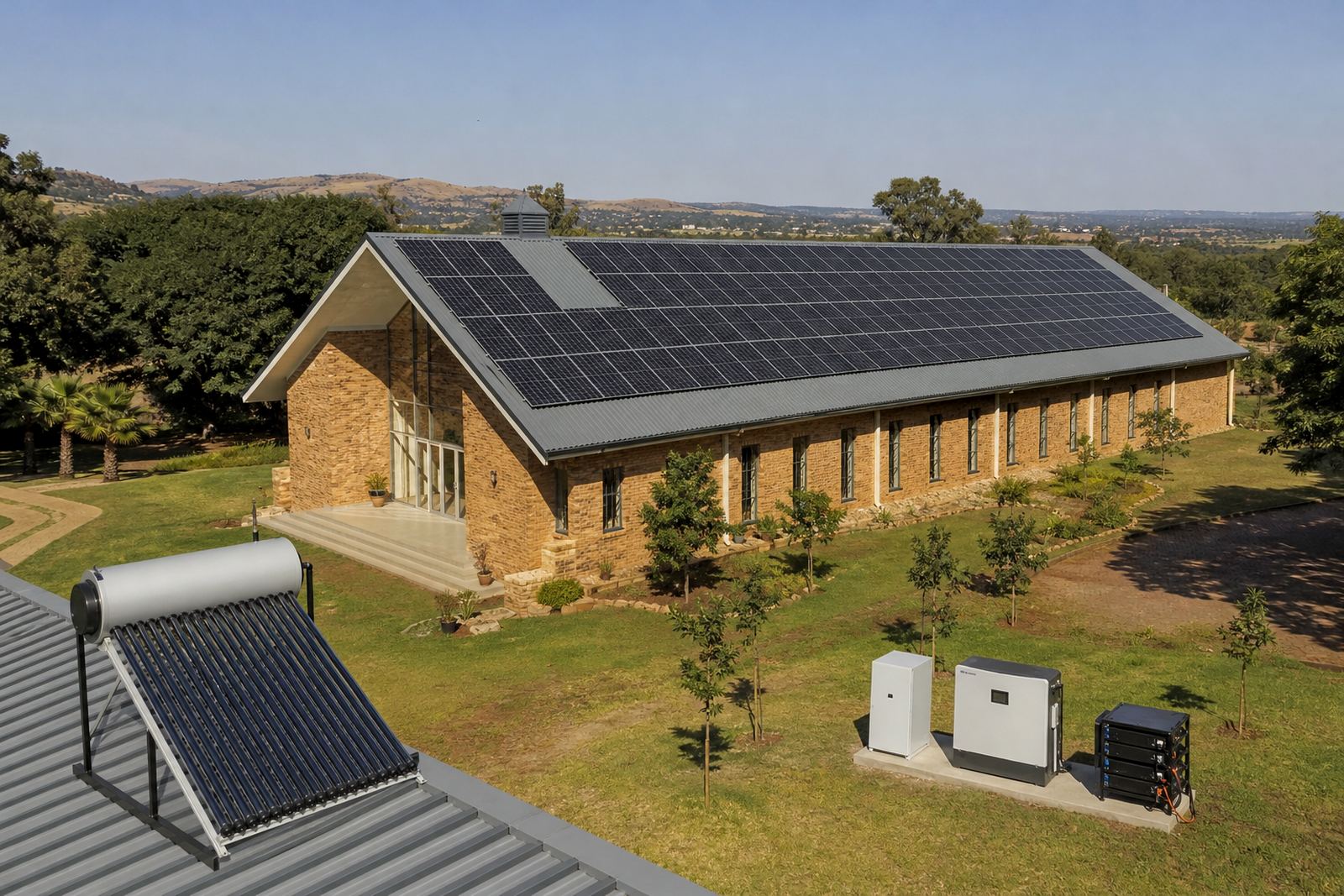
Batteries are useful when a property needs stored power for later use, not only power while the sun is shining. They are often chosen where load-shedding disrupts evenings, where backup is needed for work from home setups, or where a business cannot afford sudden shutdowns. A battery can also help smooth out use when the grid supply is unstable.
- Keeping lights, Wi-Fi and security systems running during outages
- Supporting small business operations after hours
- Providing power when solar production drops late in the day
- Backing up critical appliances without running a generator all the time
Battery size and placement must suit the property, ventilation and the daily load. Our qualified installers handle the electrical work and commissioning, so the system is set up correctly from the start.
How inverters support a usable system
An inverter is the part that helps turn solar power into usable electricity for your appliances and equipment. It is central to most solar systems because it helps manage input from panels, batteries and the grid. For homes, this can mean better control over the basics. For businesses, it can mean steadier operation of computers, lights and other essential equipment.
There are different ways to configure an inverter depending on whether the property needs partial backup, full daytime support or a more flexible hybrid setup. We consider the electrical board, expected loads and the layout of the building before any installation begins. This matters in older homes, new developments and light commercial properties where circuits may already be under pressure.
Solar water heating for homes and small operations
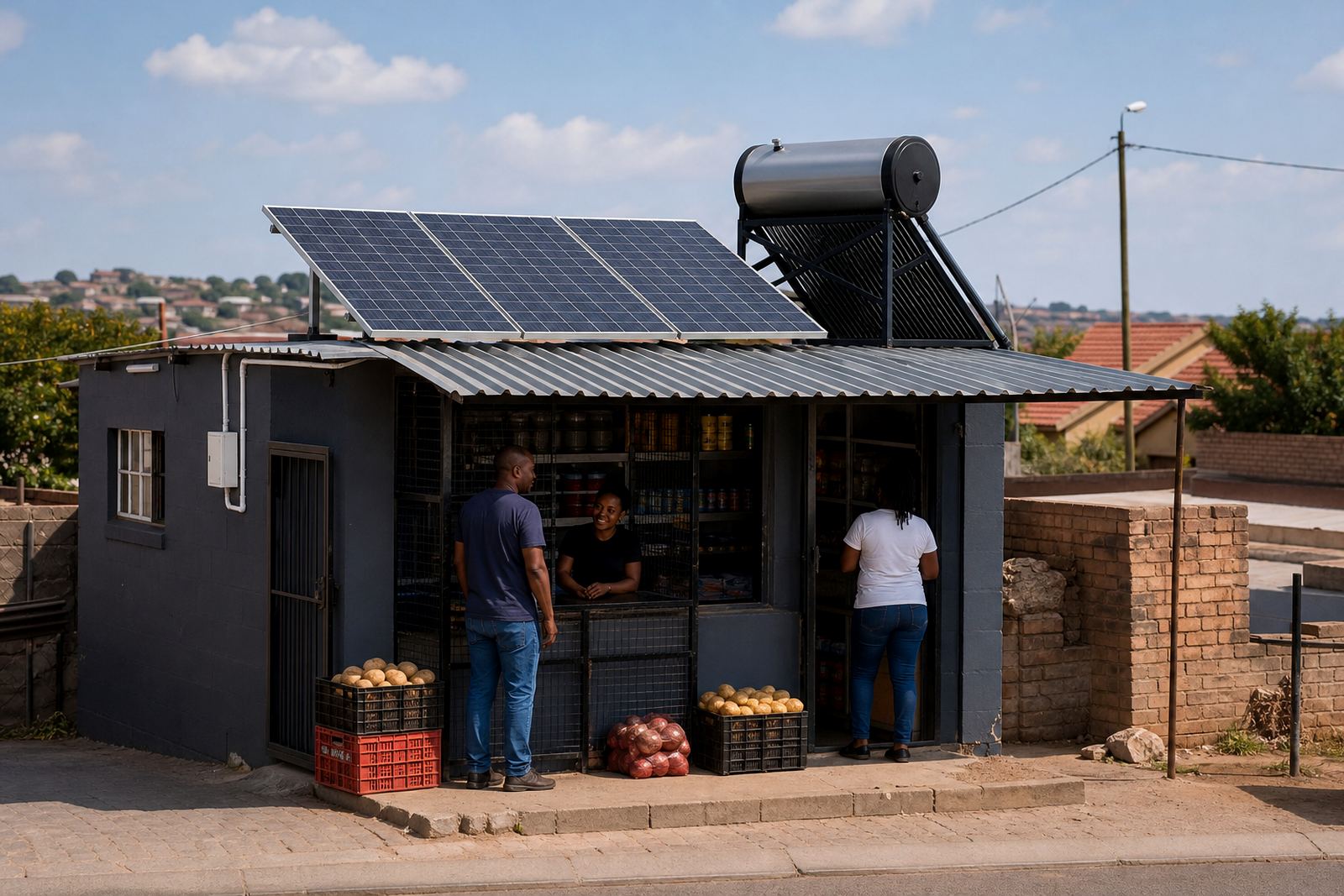
Solar water heaters are a practical choice for homes, guest units, staff facilities and small businesses that use a steady amount of hot water. They can reduce the load on electric geysers and are especially useful where hot water use follows a routine, such as morning showers, kitchen use or wash-up needs.
We supply and install solar water heating systems for Pretoria, Centurion, Midrand, Johannesburg and beyond, with attention to roof structure, plumbing routes and local water conditions. In some areas, mineral build-up and municipal pressure changes need to be considered so the system keeps working properly over time.
How to match the right mix to your property
Most properties do not need every solar component in the same way. Some only need panels and an inverter for daytime support, while others need battery storage for evening backup. A household with a large geyser may benefit more from a solar water heater than from a bigger electrical system. The best choice is usually the one that matches real use, not just the biggest size on offer.
- Check when your heaviest power use happens
- Think about backup needs during load-shedding
- Consider roof space, shading and cable routes
- Decide whether hot water, backup power or daytime savings matter most
If you are unsure where to start, our team can assess the site, advise on the layout and handle installation, maintenance, fault finding and support callouts. Clients can send an enquiry through the contact page, and we will help match the system to the property and budget without overcomplicating it.