

A Centurion start with local demand
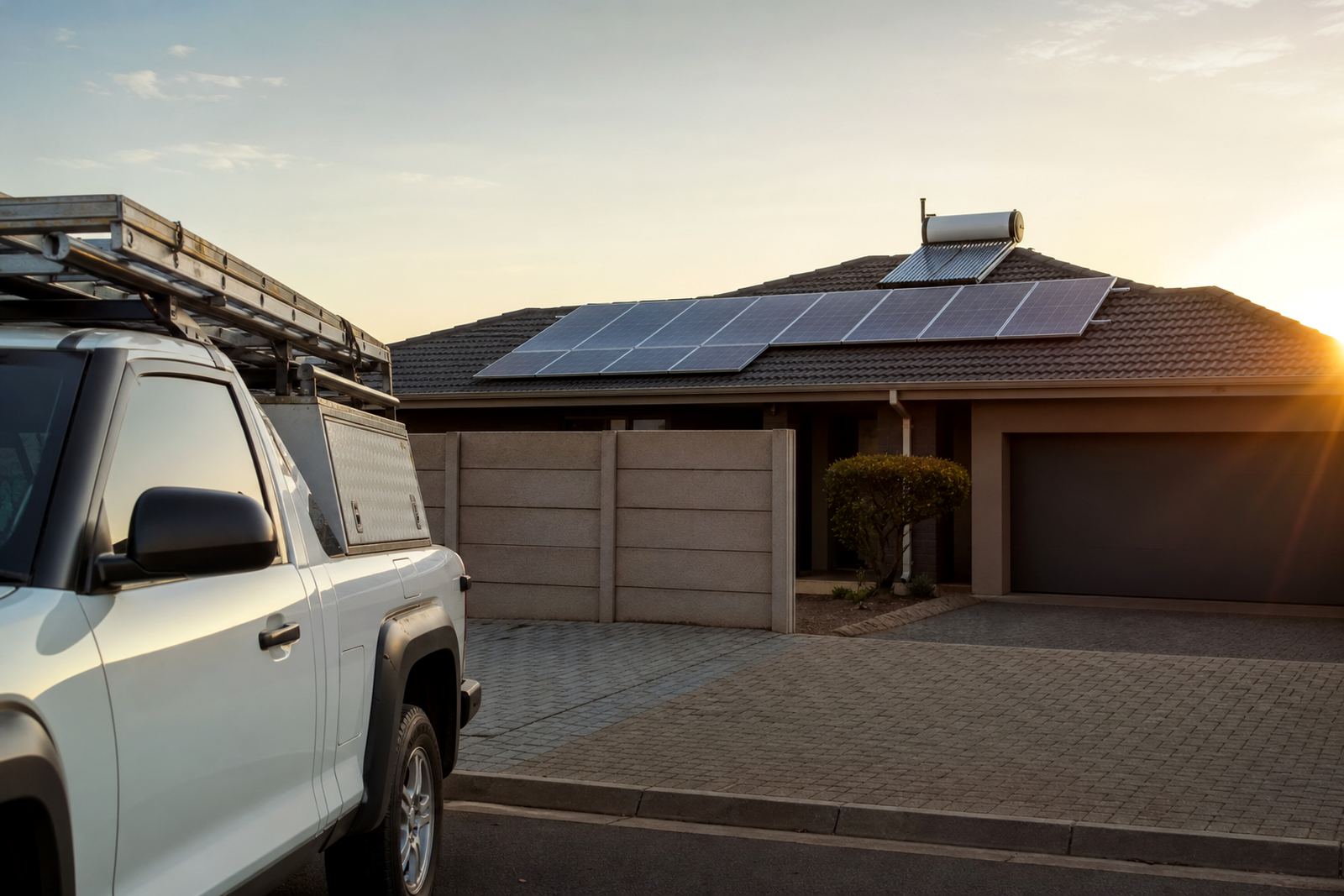
Linuo Solar operates from Centurion, Pretoria, serving households that want a better way to manage electricity costs and hot water needs. The company handles site assessments, solar installations and solar water heating for homes that need geysers and appliances to keep running during outages and tariff increases.
Those early jobs were mostly for homes and small offices in Pretoria and the wider Gauteng area. Each installation was planned around roof space, shading, cable routes and the condition of the existing electrical board. It was never about rushing through a job. It was about getting the layout right the first time, so the system could perform properly in strong sun, cloudy spells and the sort of load-shedding South Africans know too well.
Building a proper service base
As word spread, the team began handling more solar panel installations and solar water heater work for families wanting practical help, not sales talk. The business added structured processes for site visits, system design, installation scheduling and handover. That meant clients could see the full plan before any work started, from panel placement to inverter location, battery storage and electrical integration.
During these years the service area widened across Pretoria, Centurion, Midrand and Johannesburg. Work in these suburbs showed how varied South African properties can be. Some roofs had limited space, some had older wiring, and others needed extra care because of coastal humidity or dust exposure. The team learned to adapt the install to each site instead of forcing a standard layout on every property.
- Site assessments became a standard first step before any installation.
- Solar water heater jobs grew as households looked for simpler ways to heat water.
- Support callouts and fault finding started to form part of the regular service work.
Expanding into complete solar systems
By the middle of the decade, Linuo Solar was no longer only fitting individual components. More clients wanted complete systems with solar panels, inverters, batteries and proper commissioning from day one. That shift changed the way projects were managed. The team had to think about daytime use, evening backup, geyser demand and whether a business needed power continuity for lighting, security or point of sale equipment.
Vuyo Phasha, who leads the business as Managing Director, guided this phase with a focus on reliability and clear communication. Naledi Kgosi took on operations, helping the company keep schedules tidy and materials accounted for. Sarel Delport became known for careful solar installation work, while Palesa Mabena kept projects moving between the client, the installers and the technical team. It was a period of steady growth, not flashy growth, and that suited the business well.
Serving more homes through changing energy pressure
As more South Africans started looking at self generation and hot water efficiency, the company saw stronger demand from both homes and small businesses. Clients wanted systems that could handle evening use, water heating and essential loads during outages. This was also the period when electrical work on solar jobs became more specialised, and Linuo Solar continued to use qualified installers for the electrical integration side of the work.
Durban and Cape Town became important service areas during this time, along with more enquiries from Bloemfontein. Each region brought its own conditions. Durban’s coastal air called for careful material selection and maintenance attention. Cape Town properties often needed thoughtful roof planning because of wind exposure. Bloemfontein clients tended to ask more about winter performance and hot water reliability. The team learned that good solar work is local work, even when the principles stay the same.
- Solar maintenance and panel cleaning became regular service offerings.
- Fault finding and support callouts helped existing clients keep systems in working order.
- More small businesses asked for battery support during power interruptions.
A broader team and stronger technical support
As the workload grew, so did the team behind it. Mothusi Mphahlele led technical support and helped clients with system checks, troubleshooting and practical advice after installation. Faatimah Latief strengthened customer care, which mattered because many clients needed help understanding what their system was doing during load-shedding or after heavy rain. Unathi Tau focused on solar water heating, an area that remained important for homes, guest properties and small businesses looking to reduce geyser demand.
This was also a period when more jobs required careful coordination between roof work, battery placement, inverter settings and the existing electrical supply. The business kept its focus on doing the work properly and explaining it in plain language. Not every client needed the same setup, and that is still true today. Some needed panel installation only, others needed a full package with battery installation and water heater installation, while a few wanted phased work over time.
Today: A Pretoria company working across South Africa
Linuo Solar operates from Centurion, Pretoria and serves homes and small businesses across Pretoria, Johannesburg, Durban, Cape Town and Bloemfontein. Each project is built around the same essentials: a proper site assessment, a realistic design, careful installation and support after commissioning. That approach suits South African properties because every site has its own layout and demands.
The history of the business is a steady one, built on repeat work, referrals and practical service rather than noise. Whether the job is a few solar panels for a family home, an inverter and battery setup for a shop, or a solar water heater installation for a busy household, the team treats it as a proper job with proper planning. And when electrical integration is needed, that part is handled by qualified installers, which gives clients extra peace of mind.
Linuo Solar has kept to a simple idea: help people use sunlight in a way that is sensible, cost aware and reliable for South African conditions. That approach stays the same as the team serves more areas.