

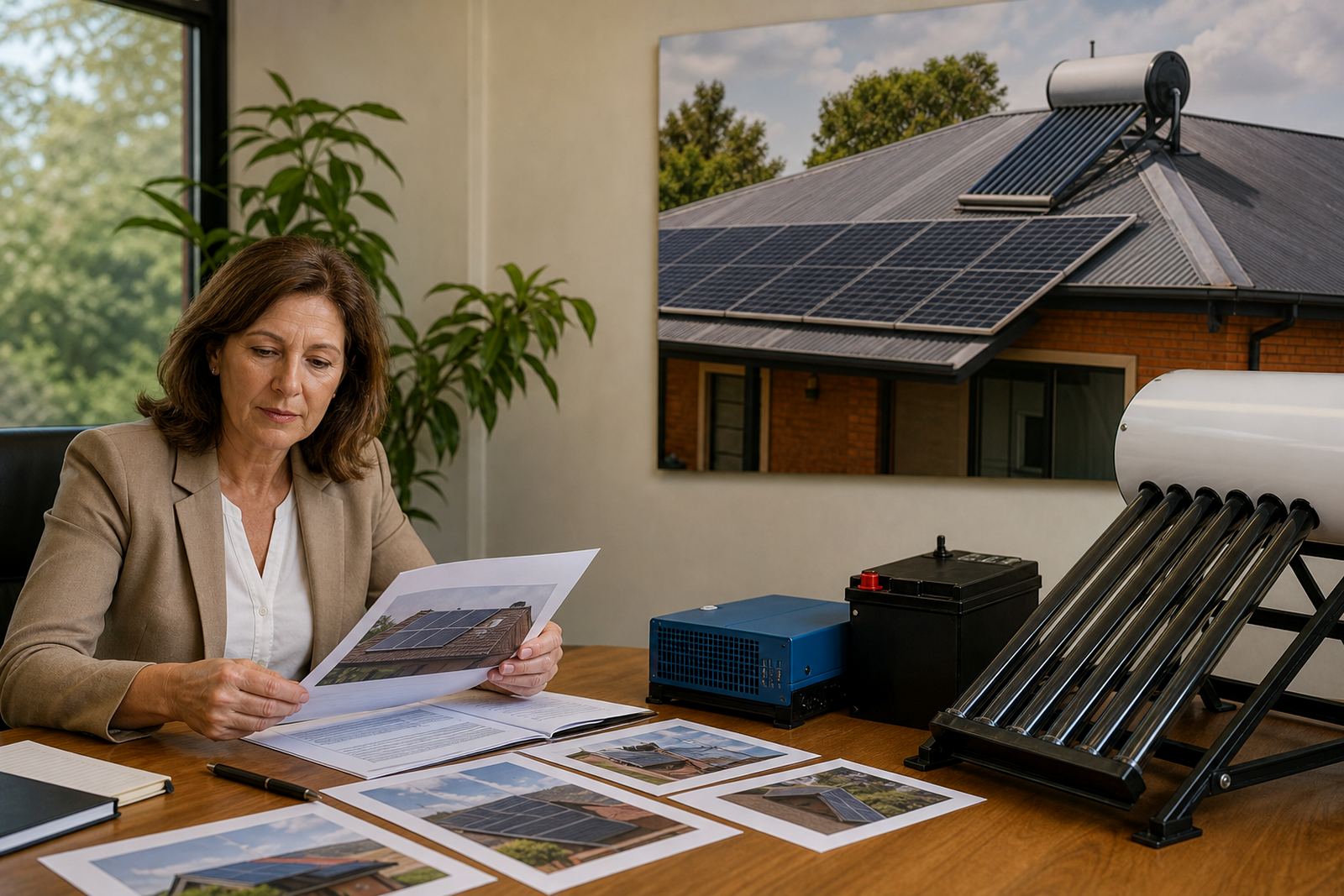
Start With What You Want Solar To Do
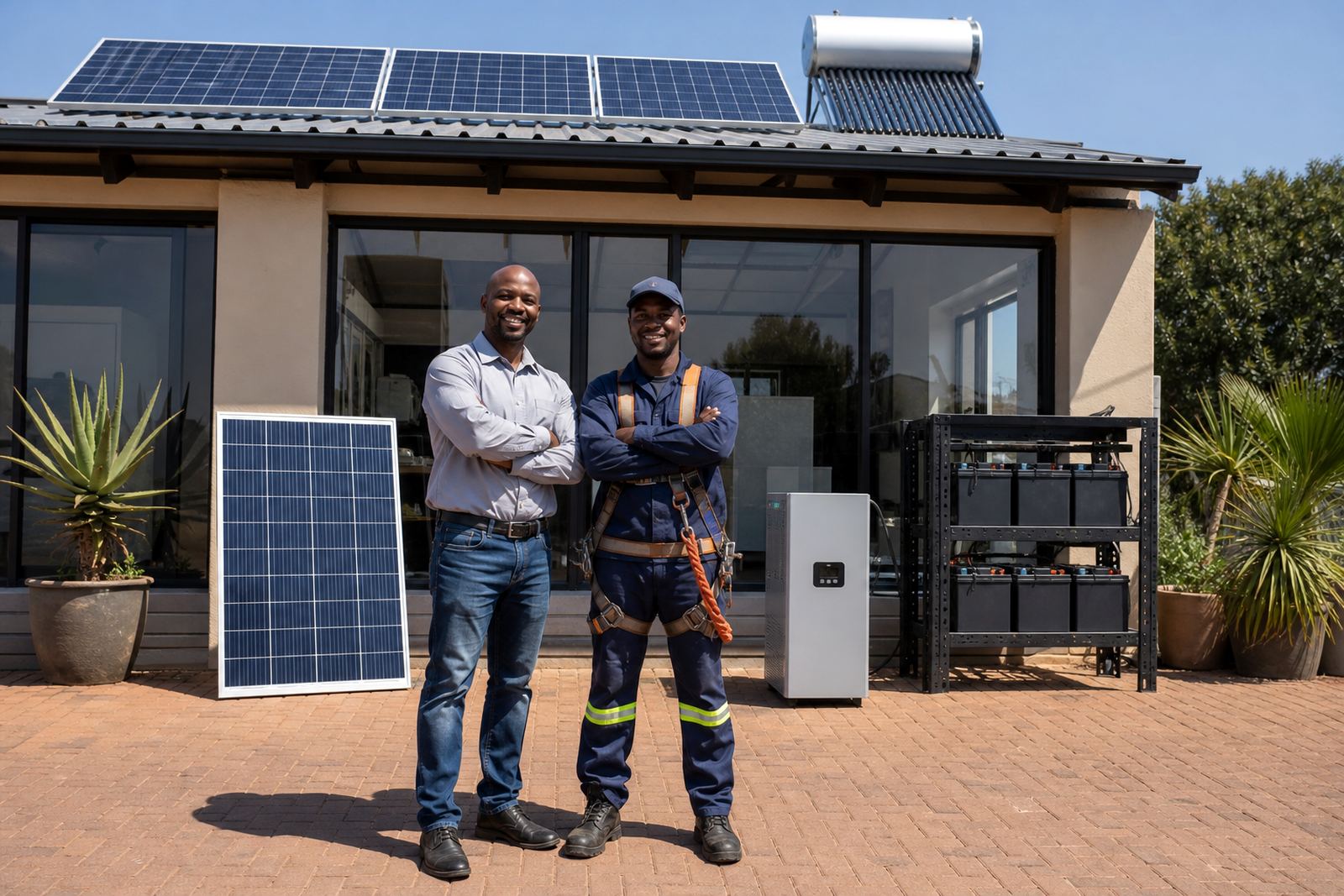
Before you choose equipment, decide what problem you are trying to solve. Some customers want lower electricity use during the day, others want backup during load shedding, and many want hot water that does not depend entirely on the grid. The right answer is not always the biggest system, it is the one matched to your roof, budget and daily use.
For homes in Pretoria, Centurion and Johannesburg, we usually start with the basics: how many people live there, which appliances are non-negotiable, and whether the property has shade, roof space or geyser pressure issues. For small businesses, we also look at working hours, refrigeration, computers and security systems.
- Choose solar panels if you want to generate your own daytime power.
- Choose an inverter if you need to manage supply, changeover or backup.
- Choose batteries if you want power after sunset or during outages.
- Choose a solar water heater if hot water use is high and consistent.
How To Read A Solar Panel Guide
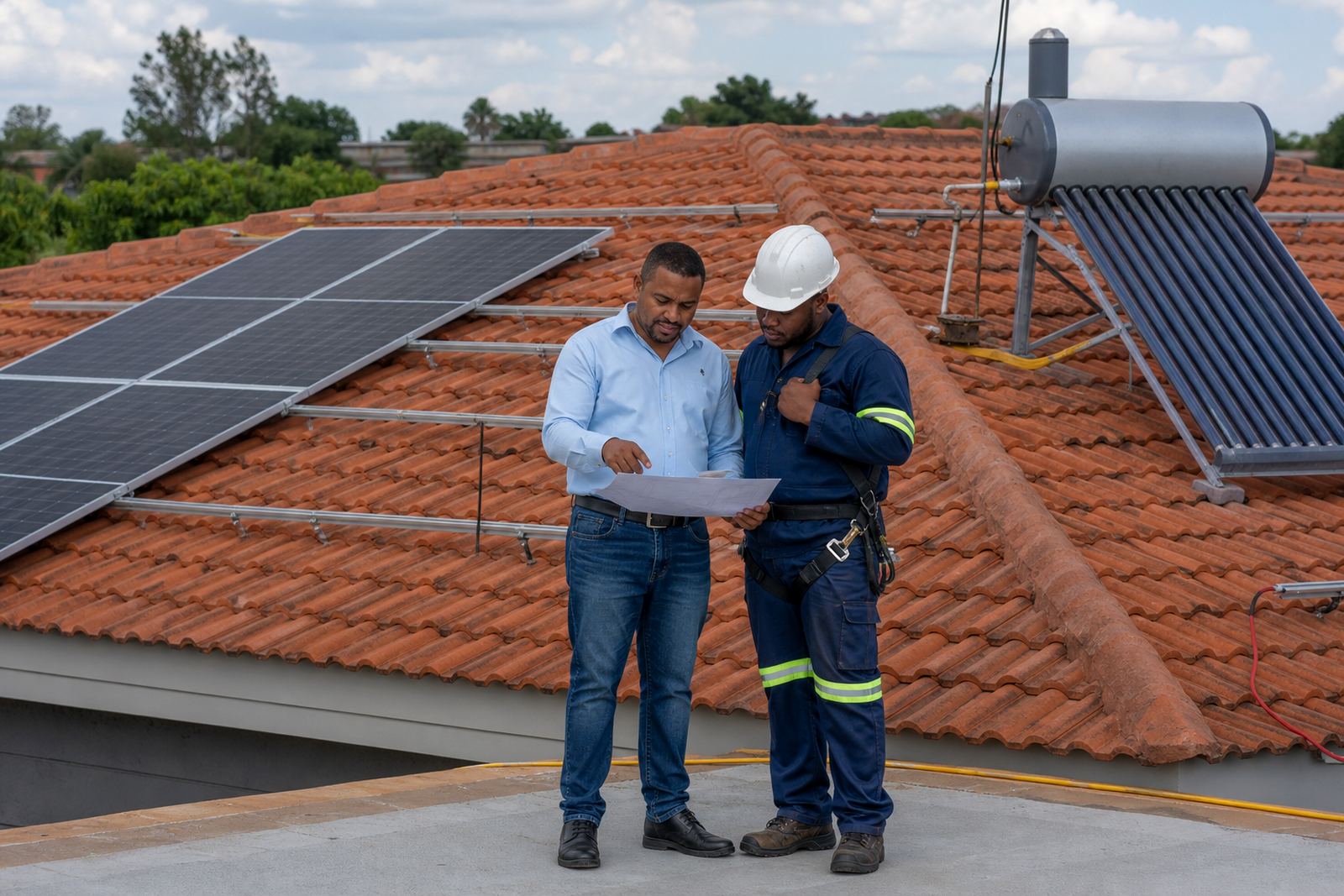
Solar panels turn sunlight into electricity, but performance depends on more than the panel itself. Roof pitch, facing direction, shading from trees or nearby buildings, and the condition of the mounting surface all matter. In coastal areas such as Durban or Cape Town, salt air and wind exposure should also be considered before installation.
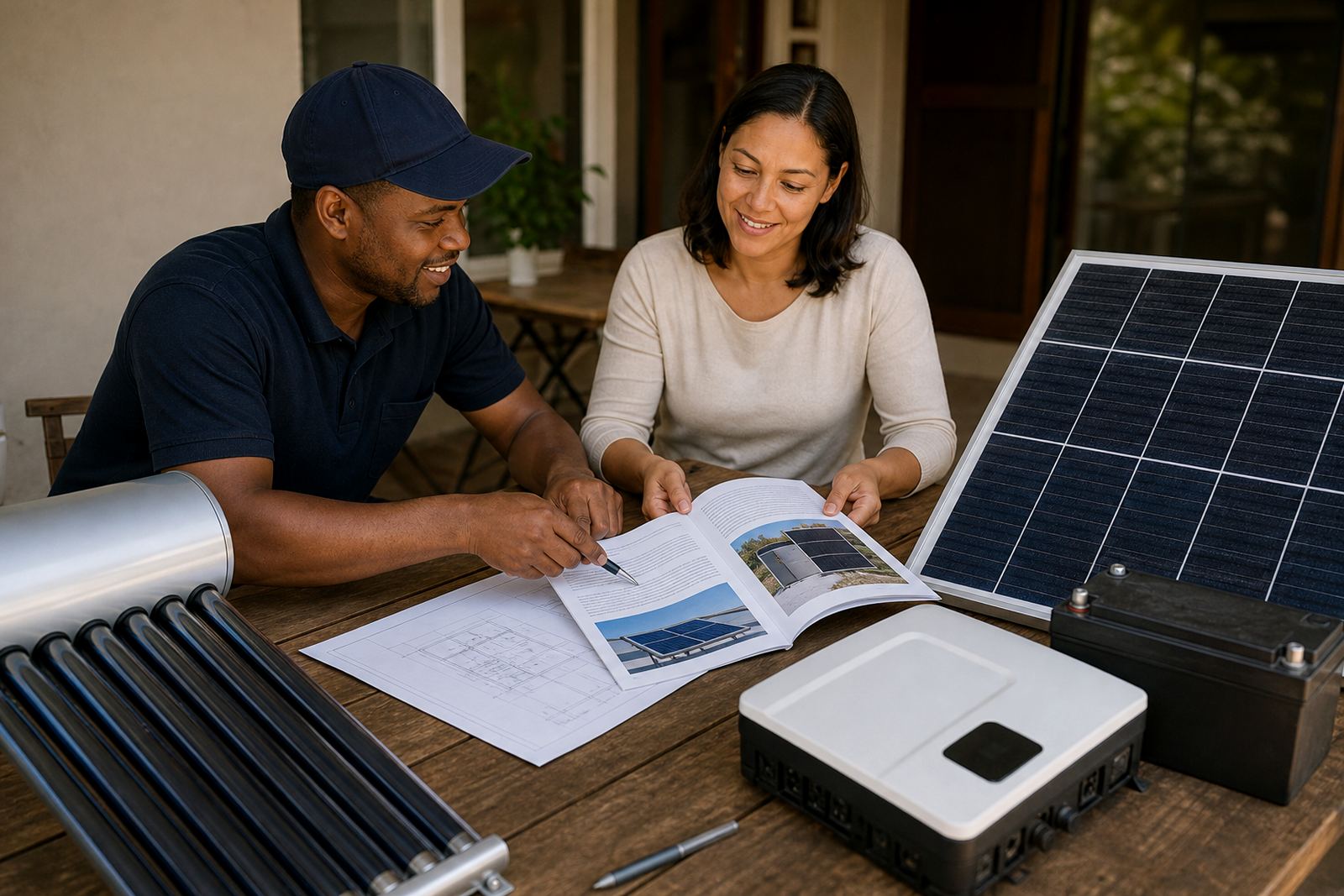
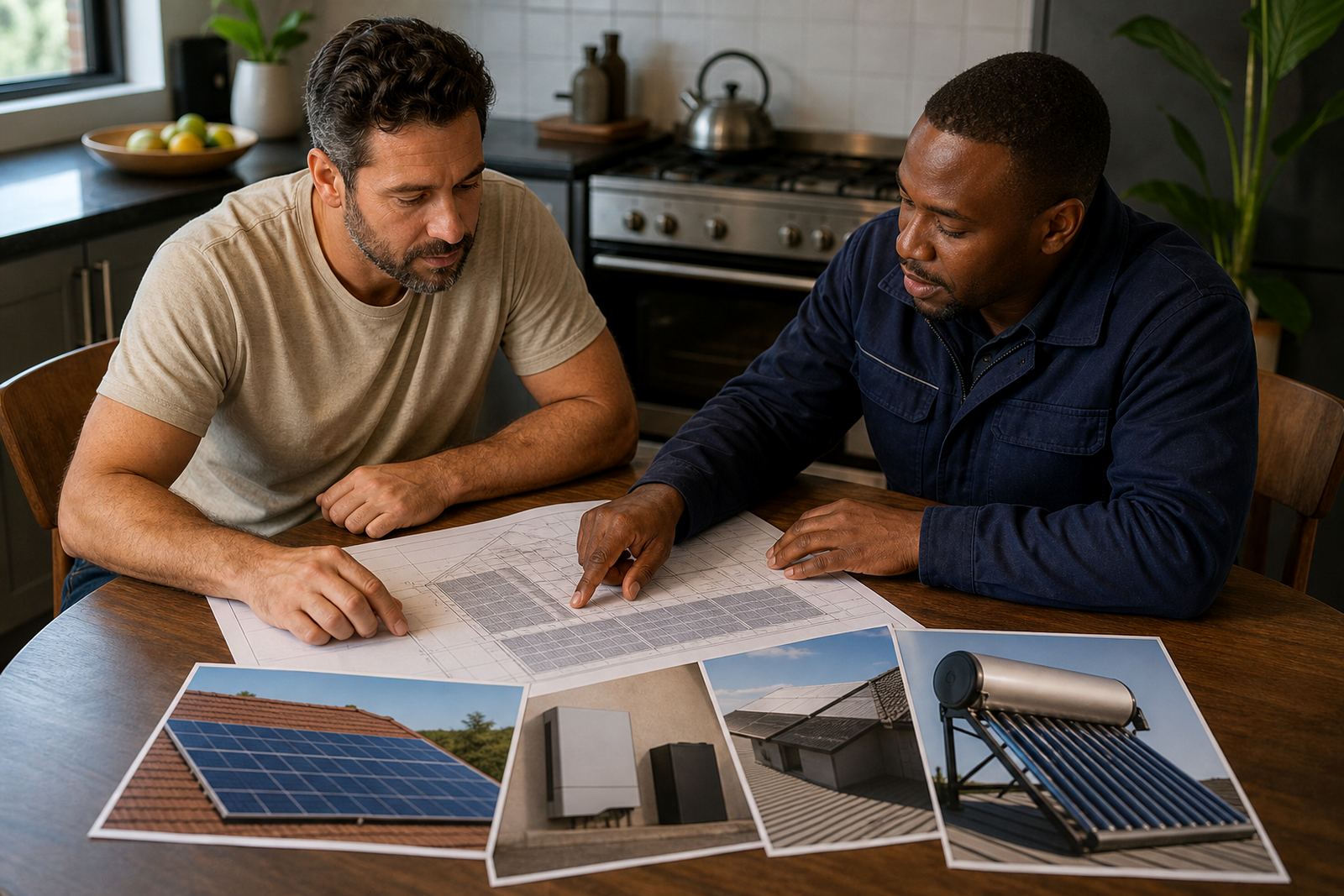
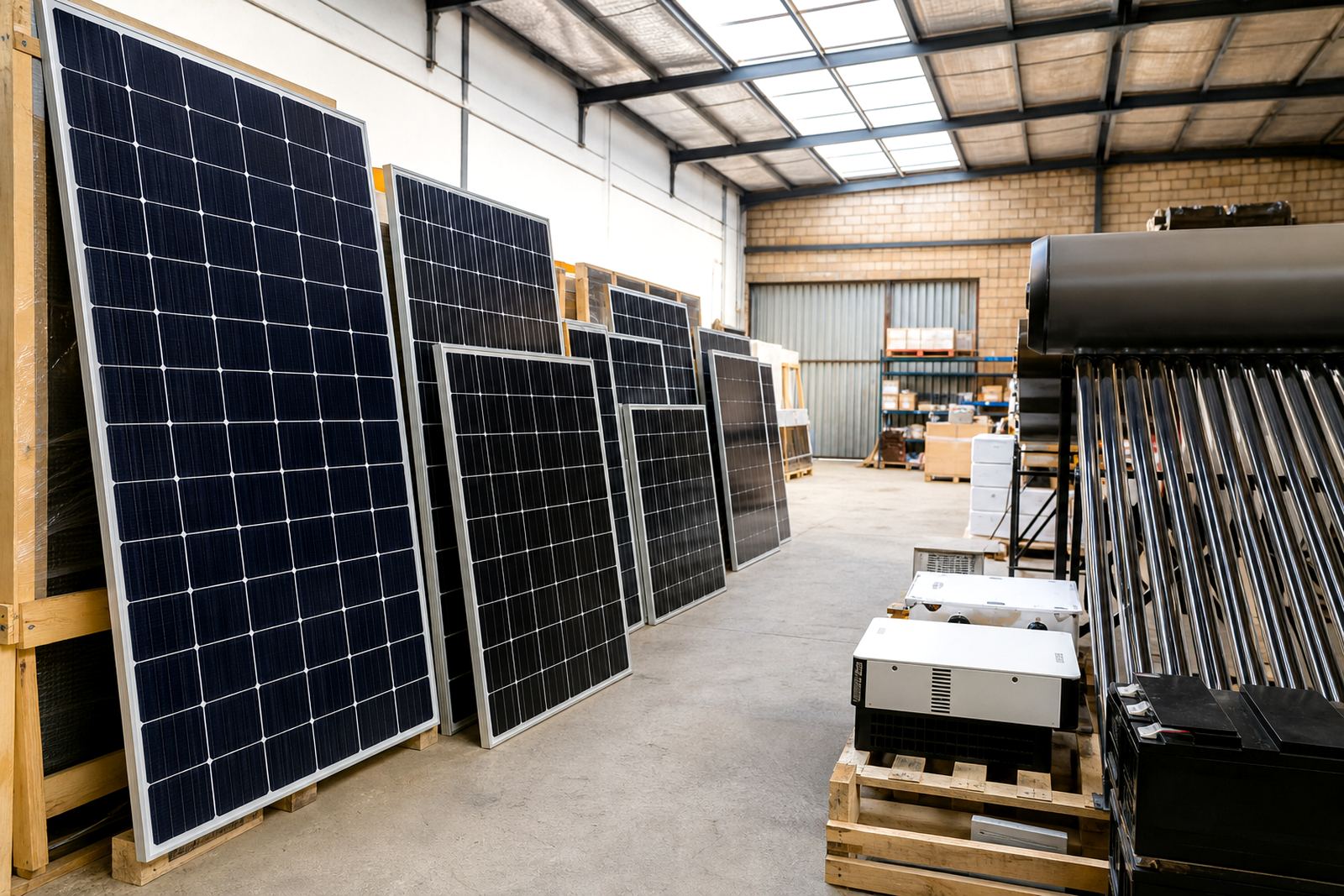
When comparing panel options, look at the physical size, the available roof area, and how the array will be wired into the rest of the system. A good site assessment will show whether your roof can carry the load, where the cables will run, and how much usable sun you get through the day.
- Check roof space first, not only the number of panels you want.
- Ask how shade will affect output in winter and late afternoon.
- Make sure the mounting method suits tiles, IBR sheeting or concrete.
When An Inverter Is The First Thing To Install
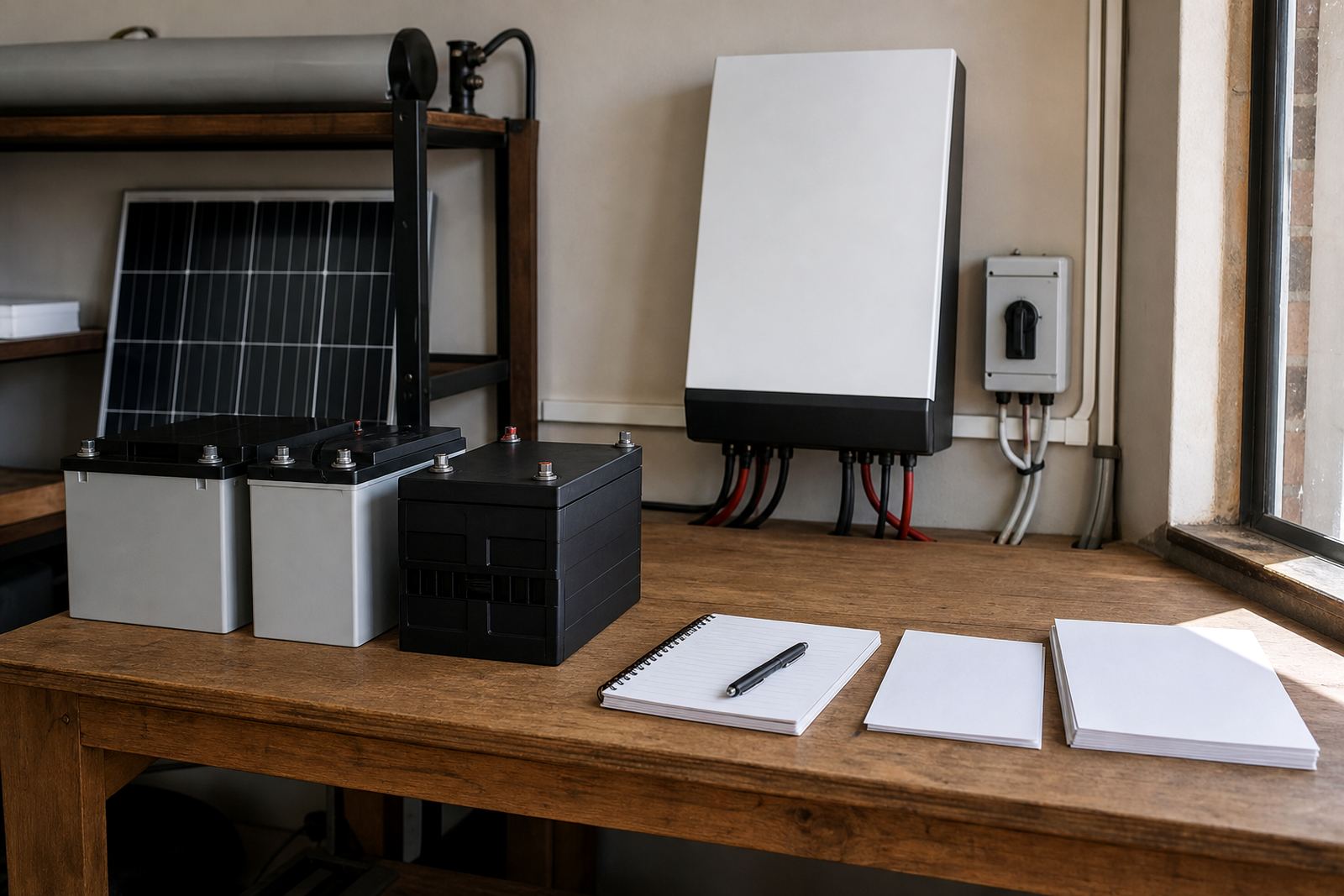
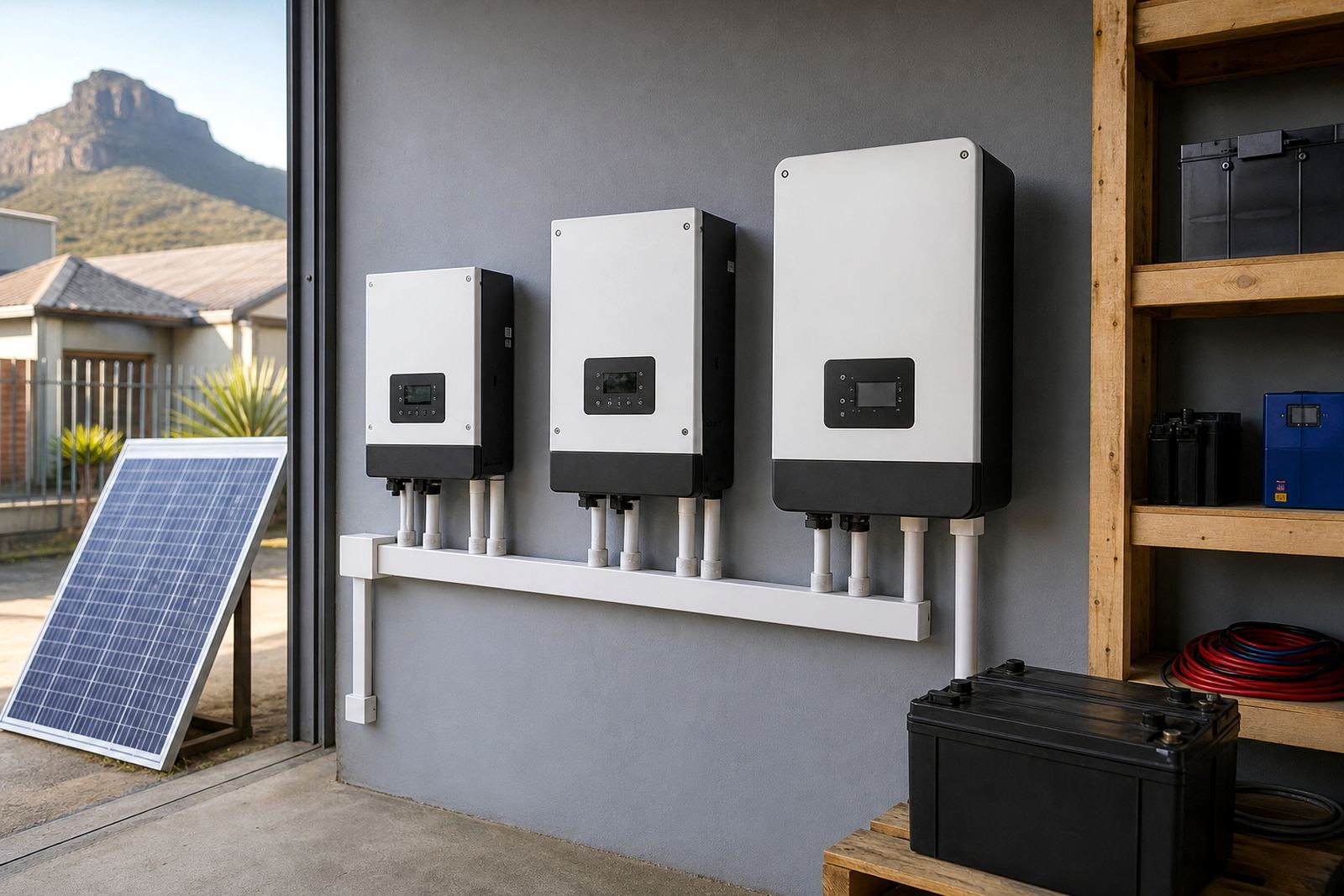
An inverter is the part that manages how power moves between the panels, batteries, household circuits and the grid. For many properties, this is the first item to plan carefully because it determines what can run during outages and how much of the building can be supported at one time.
If your goal is to keep lights, Wi-Fi, gates and a few plugs active during load shedding, a smaller backup setup may be enough. If you want to support fridges, office equipment or more than one air conditioner, the design becomes more detailed and the electrical work must be handled by qualified installers.
- Map the circuits you want backed up.
- Separate essential loads from heavy appliances.
- Check space for the inverter, isolators and protection gear.
Batteries, Backup Time And Daily Use
Batteries store energy for use later in the day, which helps when load shedding hits in the evening or when solar production drops. They are useful, but they should be sized for how you actually live and work. A battery that is too small will empty too quickly, while a battery that is far larger than needed can push the budget up for no practical gain.
We usually guide customers to think about which loads must stay on, how long they need support, and how often outages happen in their area. In Gauteng, especially around Pretoria, Midrand and Johannesburg, the pattern of use can be very different from a coastal home or a rural property, so a one size answer does not work.
- List the essentials you need during outages.
- Decide whether you want short backup or longer evening support.
- Allow space and ventilation for the battery location.
Solar Water Heaters For Geyser-Sized Savings In Use, Not Numbers
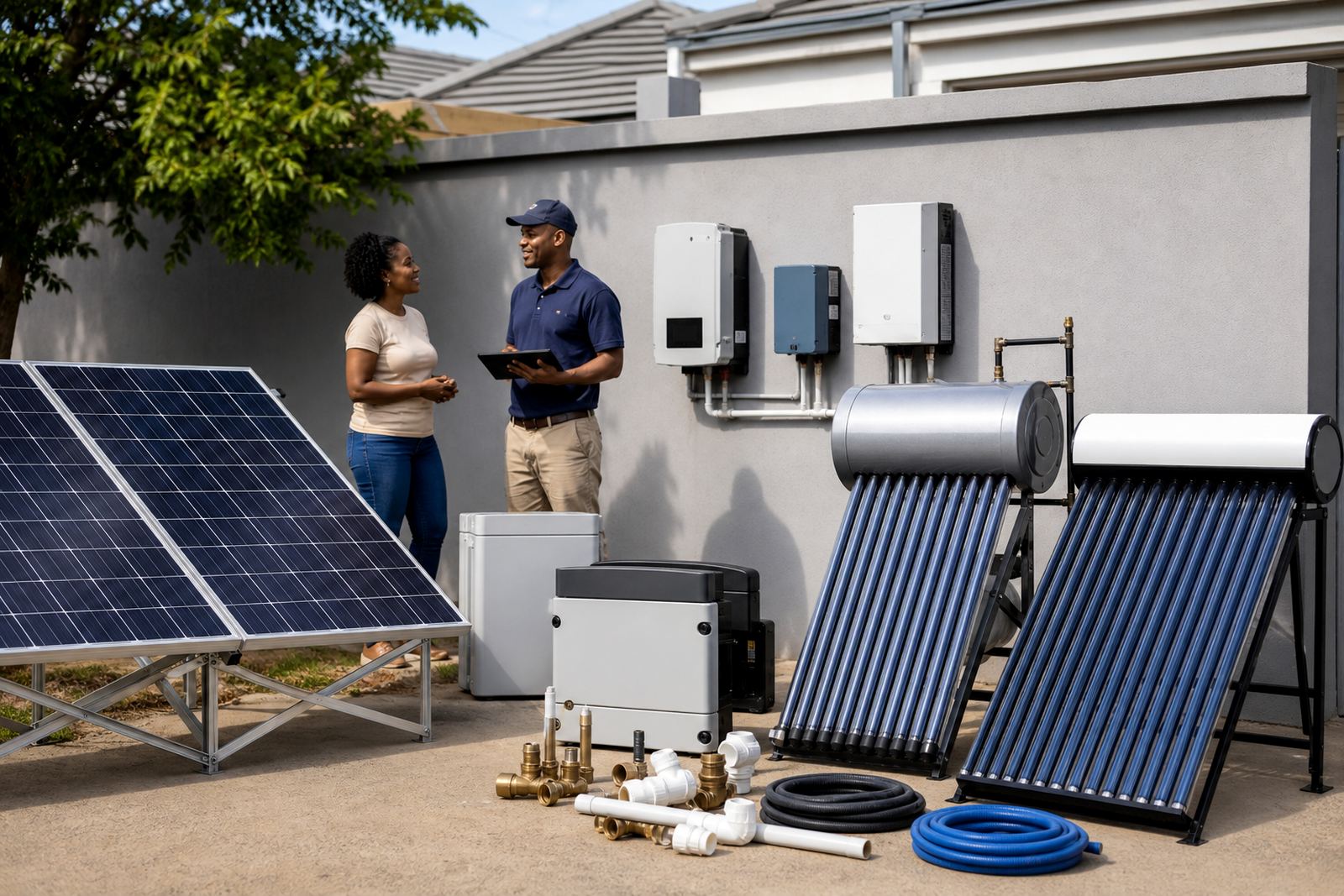
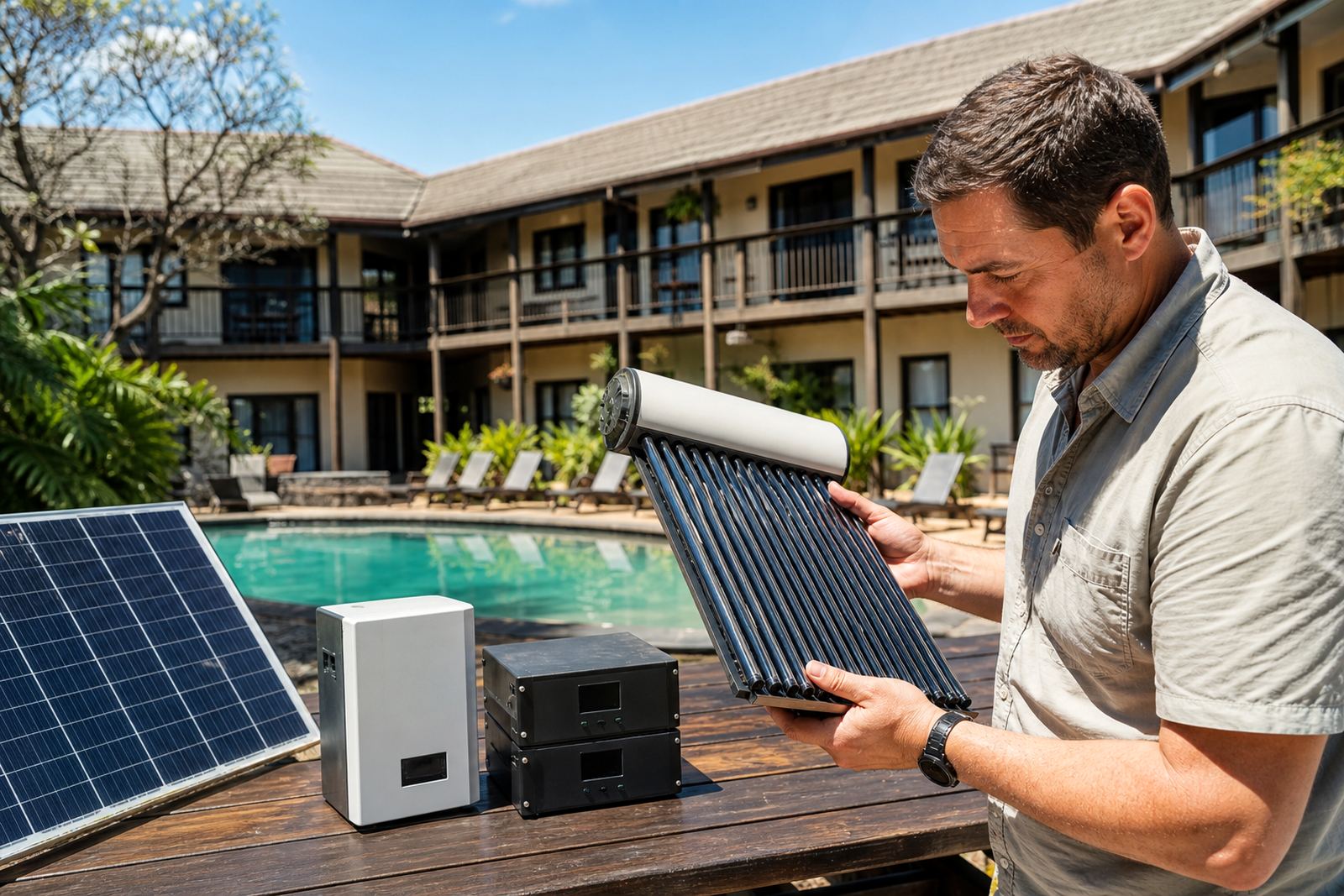
Solar water heaters are a practical choice for homes and guest properties that use a lot of hot water. They reduce reliance on electric geysers and can make a real difference where hot water is used daily by several people. The system must suit your water pressure, roof layout and household routine.
For homes in Pretoria, Bloemfontein and Cape Town, geyser placement and pipe runs often affect the final design as much as the heater itself. If the plumbing is old, or the roof is awkward, it is worth checking the route before anything is installed. Electrical integration must also be handled properly so the system works safely with the rest of the property.
What To Prepare Before A Site Assessment
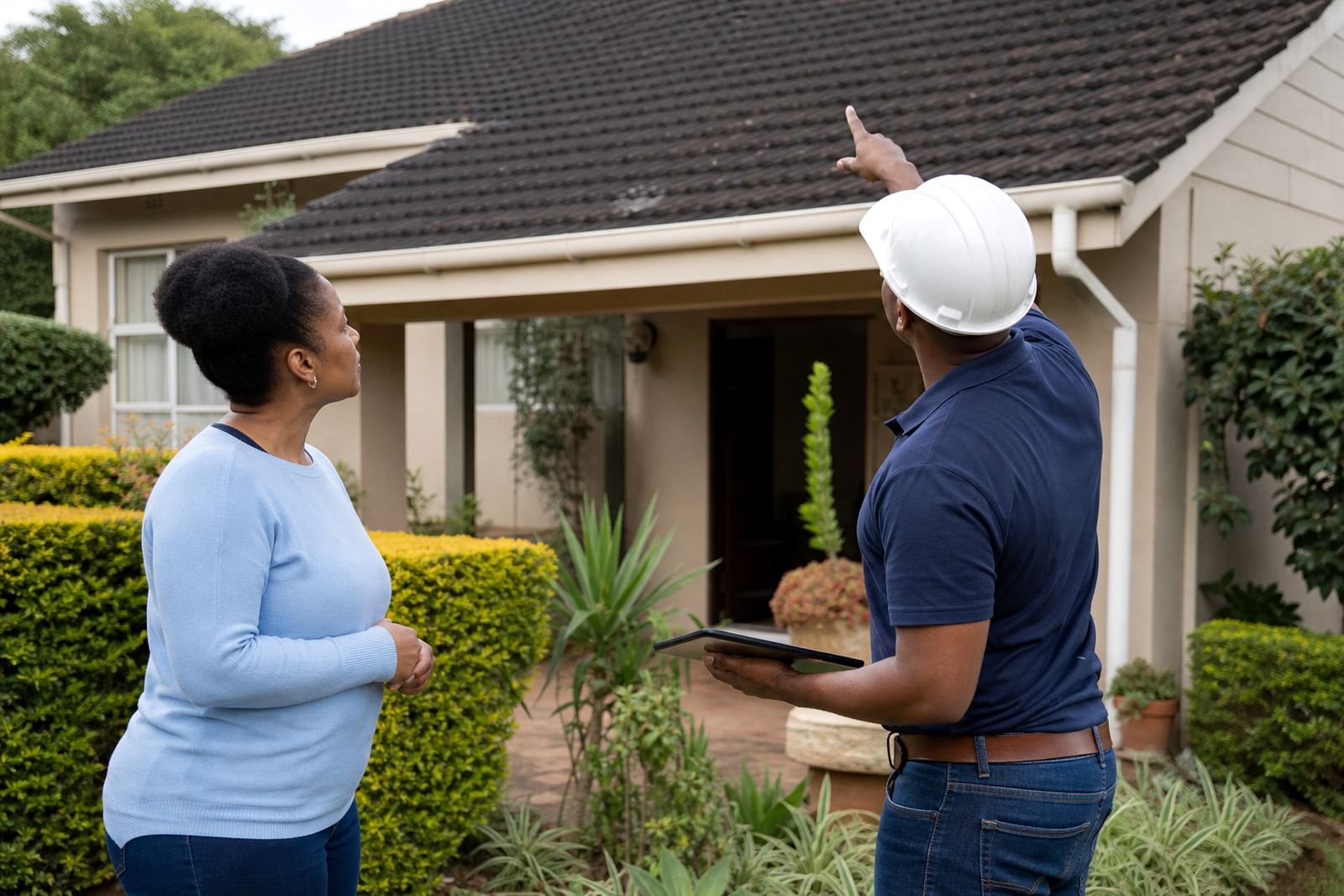
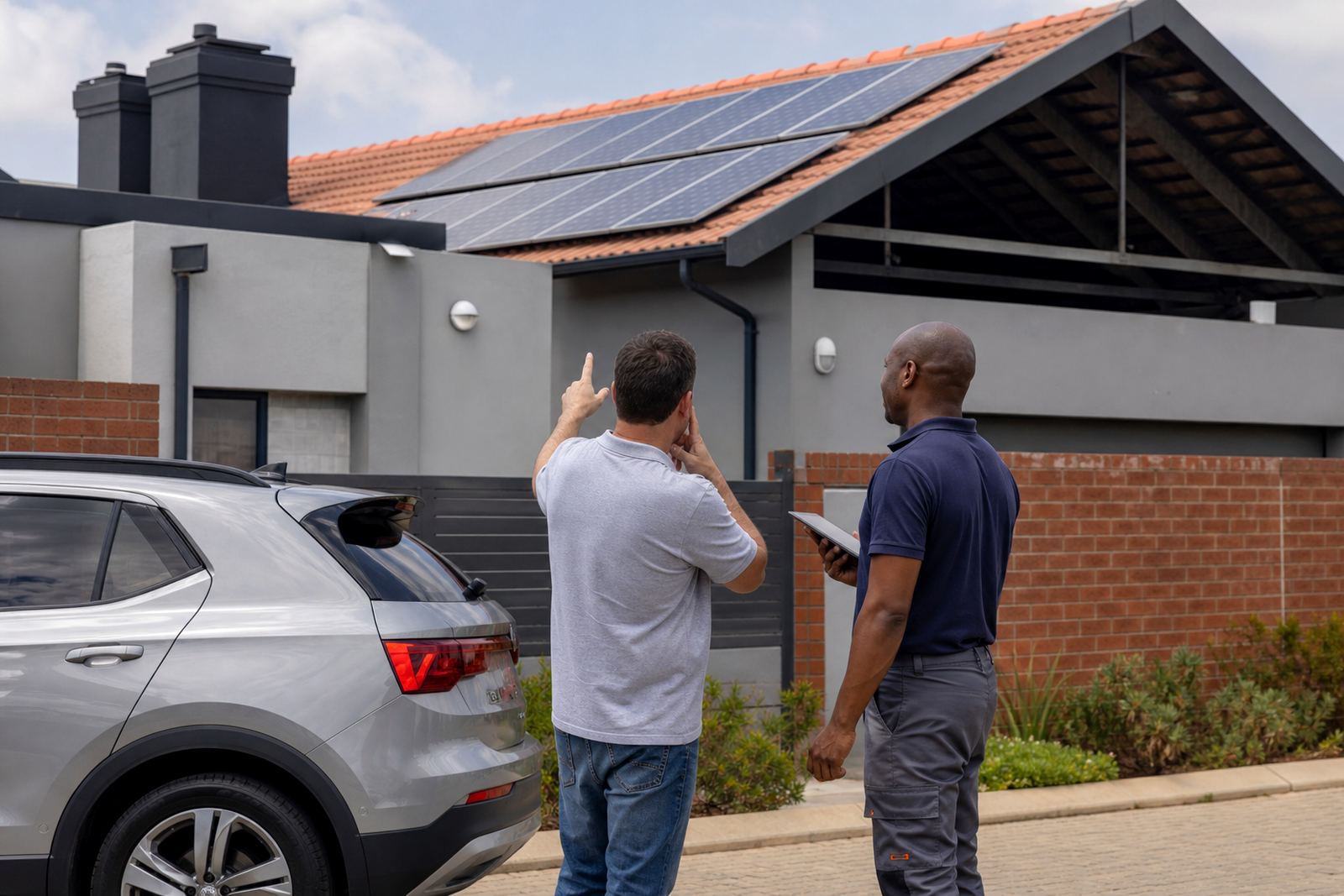
A proper site assessment saves time and reduces mistakes. Whether you are in Durban, Centurion or a business park in Gauteng, it helps to have the right information ready before the visit. That includes your electricity bill, roof photos if available, and a rough idea of which appliances must stay on.
It also helps to know if there are body corporate rules, municipal requirements, access restrictions or planned roof repairs. If scaffolding, long cable runs or extra trunking will be needed, it is better to know early. Our team can then plan the system design, panel installation, inverter installation, battery installation or water heater installation in the correct order.
- Have recent usage details ready.
- Check for shade, roof damage and access points.
- Tell us if the property has special rules or shared services.
Maintenance Guides That Keep Systems Working Properly
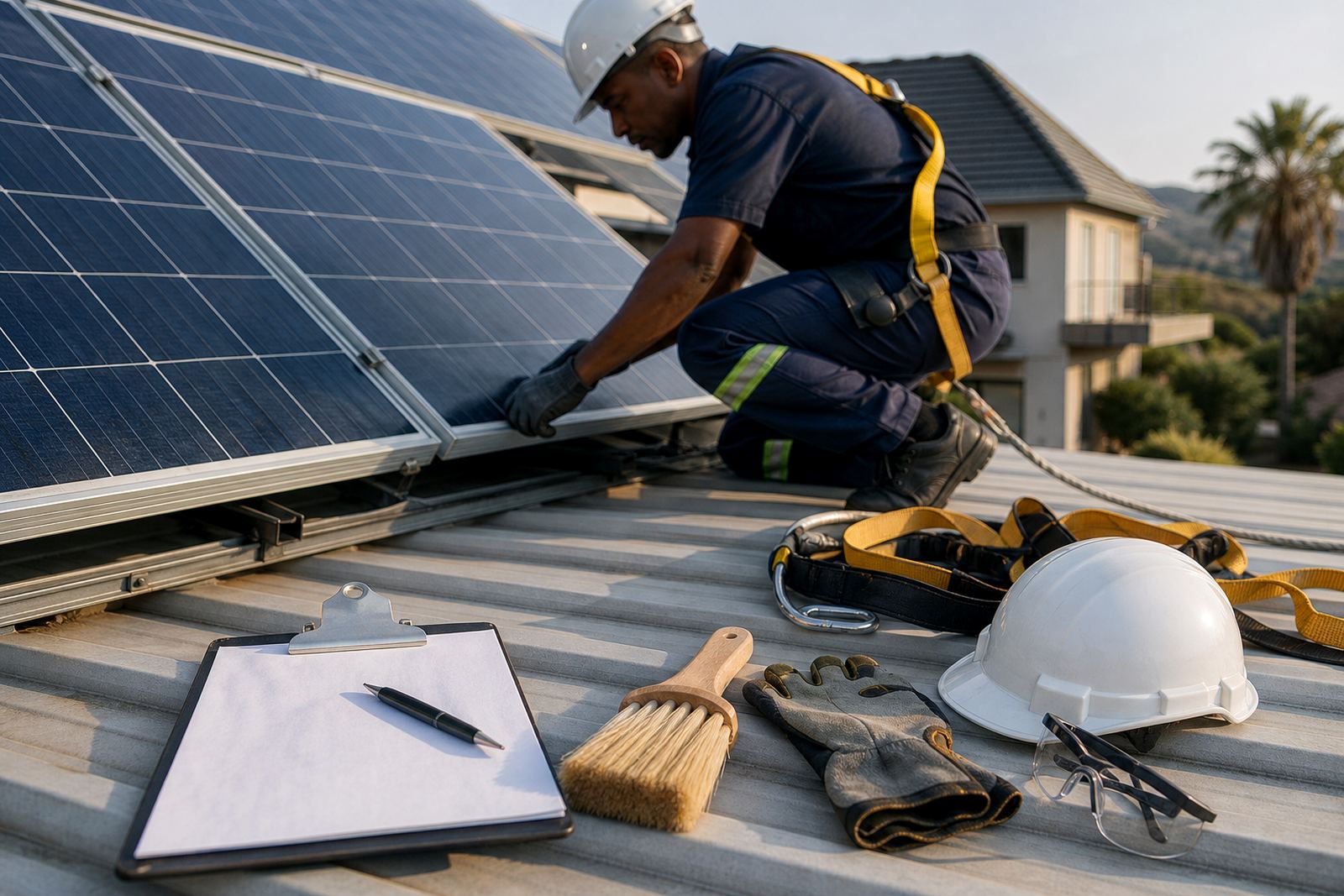
Once a system is installed, basic care matters. Dust, bird droppings, coastal grime and loose connections can all affect performance over time. In Pretoria and surrounding areas, panel cleaning and fault finding are common service calls, especially after heavy wind, storms or long dry spells.
If something does not look right, do not wait for a full breakdown. Quick support callouts, system checks and maintenance can prevent bigger problems later. Small businesses in particular benefit from regular attention because a fault can interrupt trading, refrigeration or customer service very quickly.