Start With A Maintenance Calendar That Matches Your Site
Every property needs its own routine. A townhouse in Centurion, a freestanding house in Pretoria East, and a small shop in Durban will not collect dust, salt or debris at the same rate, so the first step is to map out what your system needs through the year.
After installation, set reminders for monthly visual checks, quarterly cleaning, and a full inspection before the heaviest weather periods in your area. In Gauteng, dust and pollen often build up faster than people expect, while coastal areas need closer attention because of salt in the air. If your roof has trees nearby or pigeons resting on the array, plan for more frequent checks.
What To Check Each Month Before You Call For Support
A monthly walk-around does not take long and can prevent small faults from becoming expensive repairs. Switch off loads if needed and look carefully at the visible parts of the system from the ground or from a safe access point. Do not open covers or touch live components unless you are qualified to do so.
- Check for dirt, bird droppings, leaves, and standing water on the panels
- Look for cracked glass, loose fittings, or shaded areas that were not there before
- Confirm the inverter shows normal operation and no warning lights
- Listen for unusual fan noise, buzzing, or repeated beeping
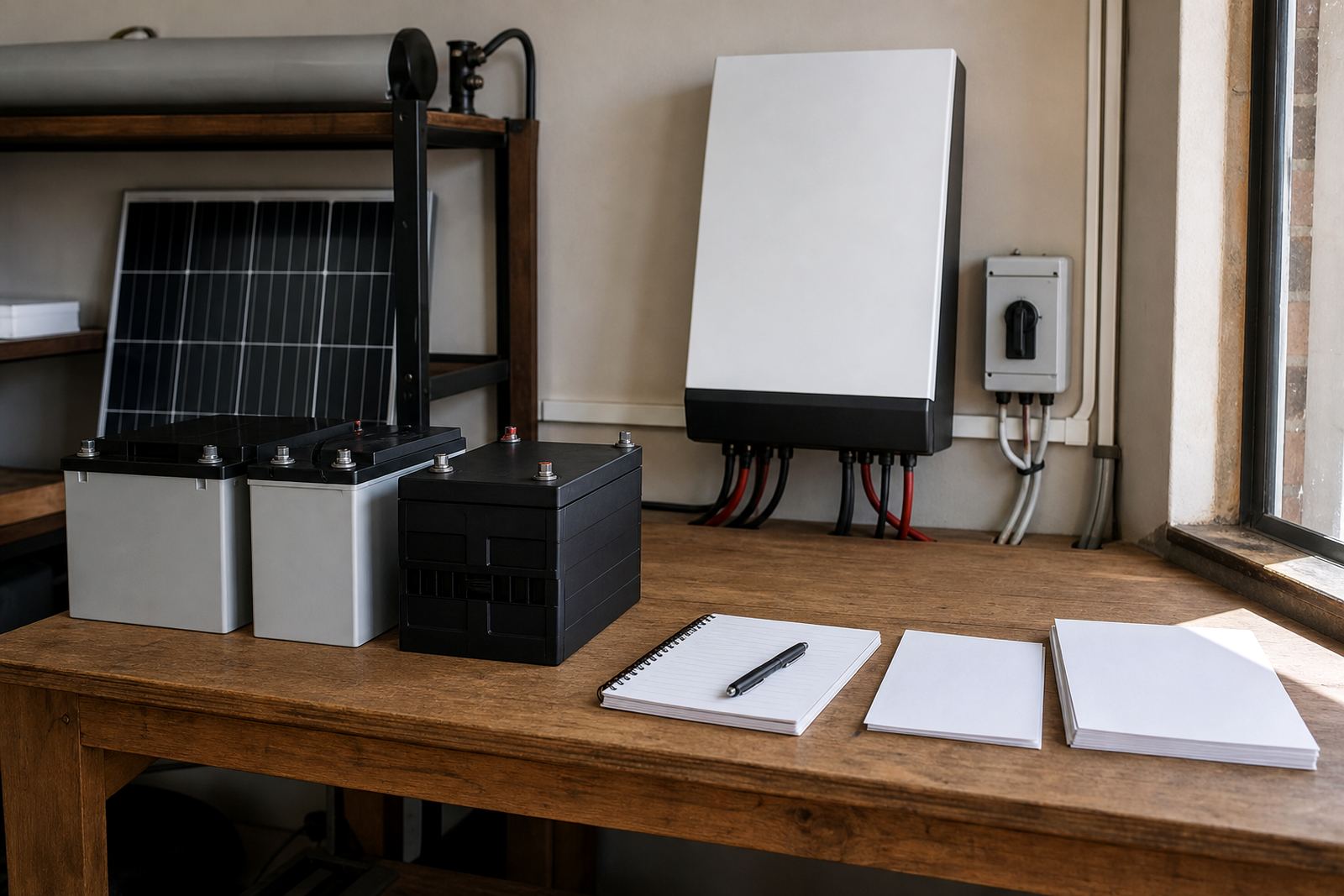
- Inspect battery areas for heat, swelling, smell, or loose cabling
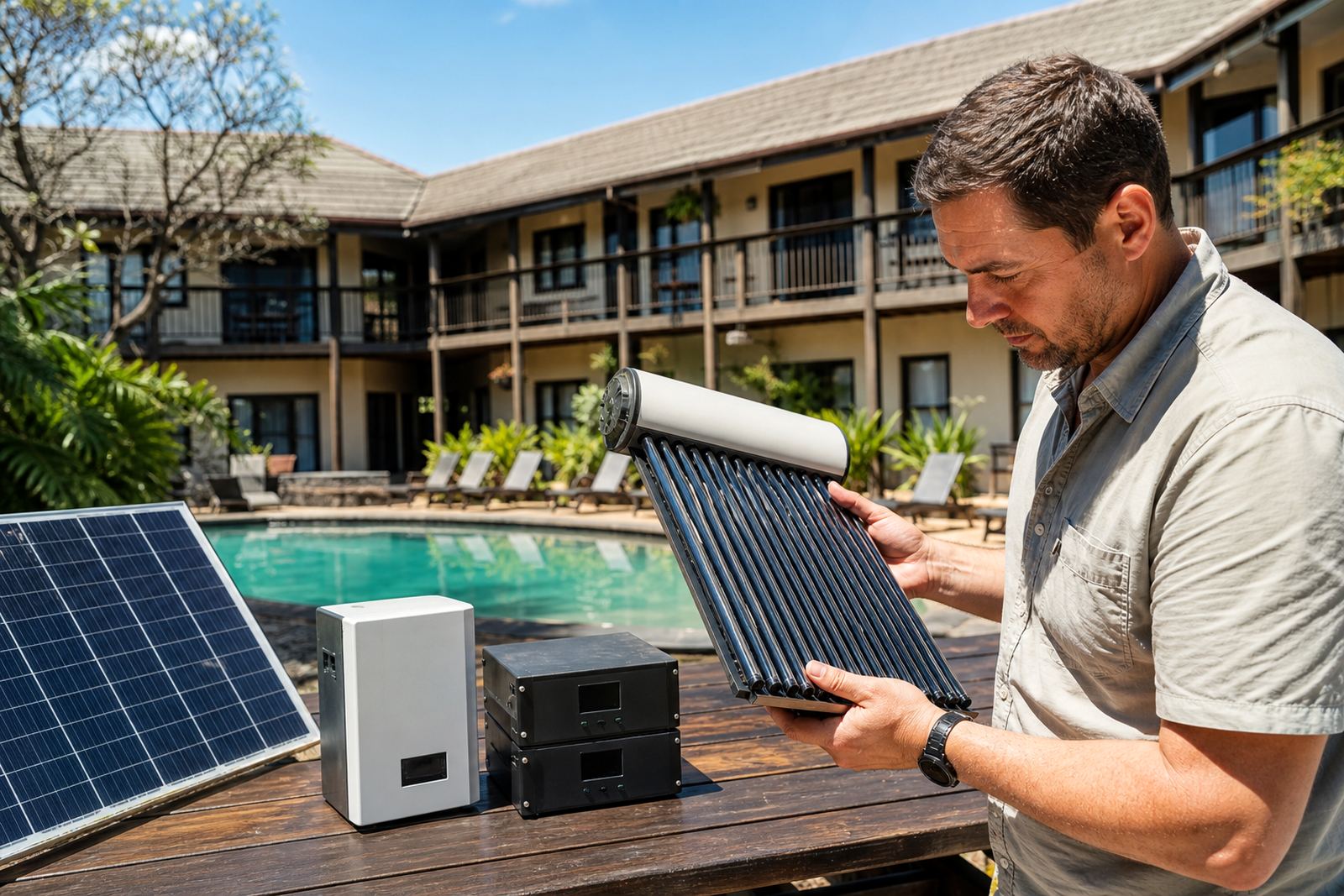
- Check solar water heaters for leaks, pressure issues, or weak hot water delivery
If anything looks off, log it with the date and a short note. That simple habit helps the technician identify patterns faster and can save time on site.
Cleaning That Protects Output Without Damaging Equipment
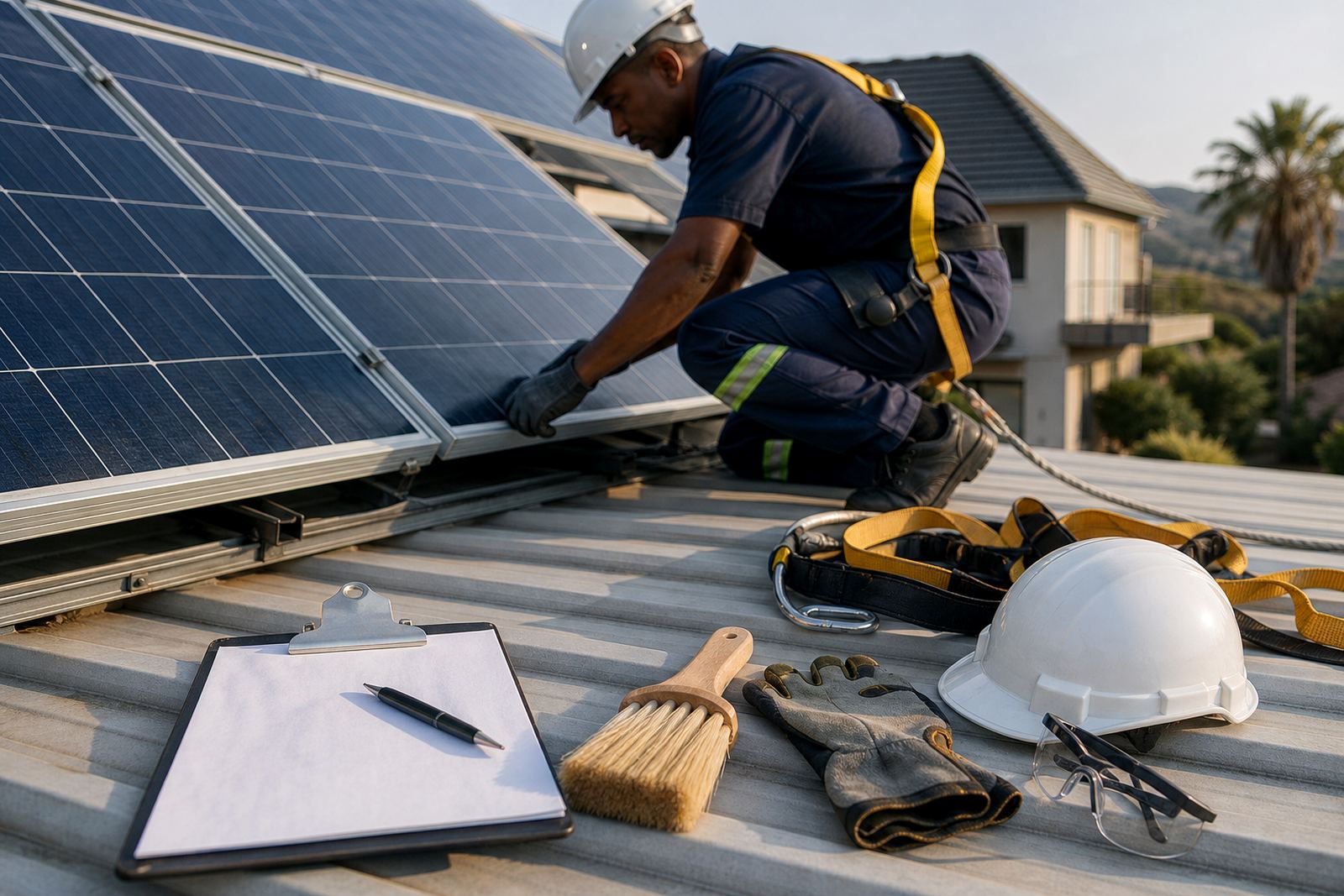
Cleaning should be gentle. South African roofs can get hot quickly, so aim for early morning or late afternoon when the surface has cooled down. Use clean water and soft equipment only. Avoid harsh chemicals, abrasive pads, and high pressure washing, because these can damage seals, coatings and pipework.
For panel cleaning, remove loose dust first, then wash lightly and allow the surface to dry naturally. In areas with heavy dust or coastal spray, a shorter cleaning cycle is often better than waiting too long. Solar water heaters also need attention around the collectors, pipes and valves. If the water pressure has changed or there is visible scale on fittings, include that in the service note.
- Never clean live electrical parts with water
- Keep ladders stable and only use safe access routes
- Do not step on panels, tanks or pipe runs
- Use qualified installers for any work near wiring, isolators or the inverter
Plan Seasonal Inspections Before Load-Shedding Pressure Increases
Many clients only think about maintenance when the system is already under strain. It is better to schedule an inspection before the period when you know demand will increase, such as winter for hot water systems or peak business months for sites that rely on backup power. That is when weak connections, ageing batteries and reduced panel output often show up.
In Pretoria and Johannesburg, a pre-winter check can help confirm that panels are clean, mounting is secure, and batteries are charging correctly. In Durban and Cape Town, a seasonal inspection should also look at weather exposure, corrosion and seal condition. Bloemfontein sites may need more attention for dust and wind, especially on open stands and low roofs.
Use a short seasonal checklist:
- Test system performance under normal household or business load
- Check cable insulation and mounting points
- Inspect batteries for charge balance and safe ventilation
- Confirm the inverter settings still suit the site requirements
- Review water heater pressure, valves and insulation on pipes
When To Book Fault Finding Instead Of Waiting It Out
Some issues are minor, but repeated trips, sudden shutdowns or low hot water output should be checked quickly. Waiting too long can put extra strain on the system and create a bigger repair bill later. Fault finding is the right step when a system is behaving differently from normal and the cause is not obvious.
Book support if you notice the inverter restarting often, batteries not holding charge, panels producing less than expected, or water heaters delivering inconsistent heat. A qualified installer should handle electrical integration, testing and repairs that involve live circuits. That protects the property and keeps the work in line with local electrical requirements.
It also helps to record when the issue started, whether it happens after rain, during heavy use, or only at certain times of day. Small notes like that can point the technician in the right direction very quickly, even before they arrive.
Use A Simple Service Log So Nothing Gets Missed
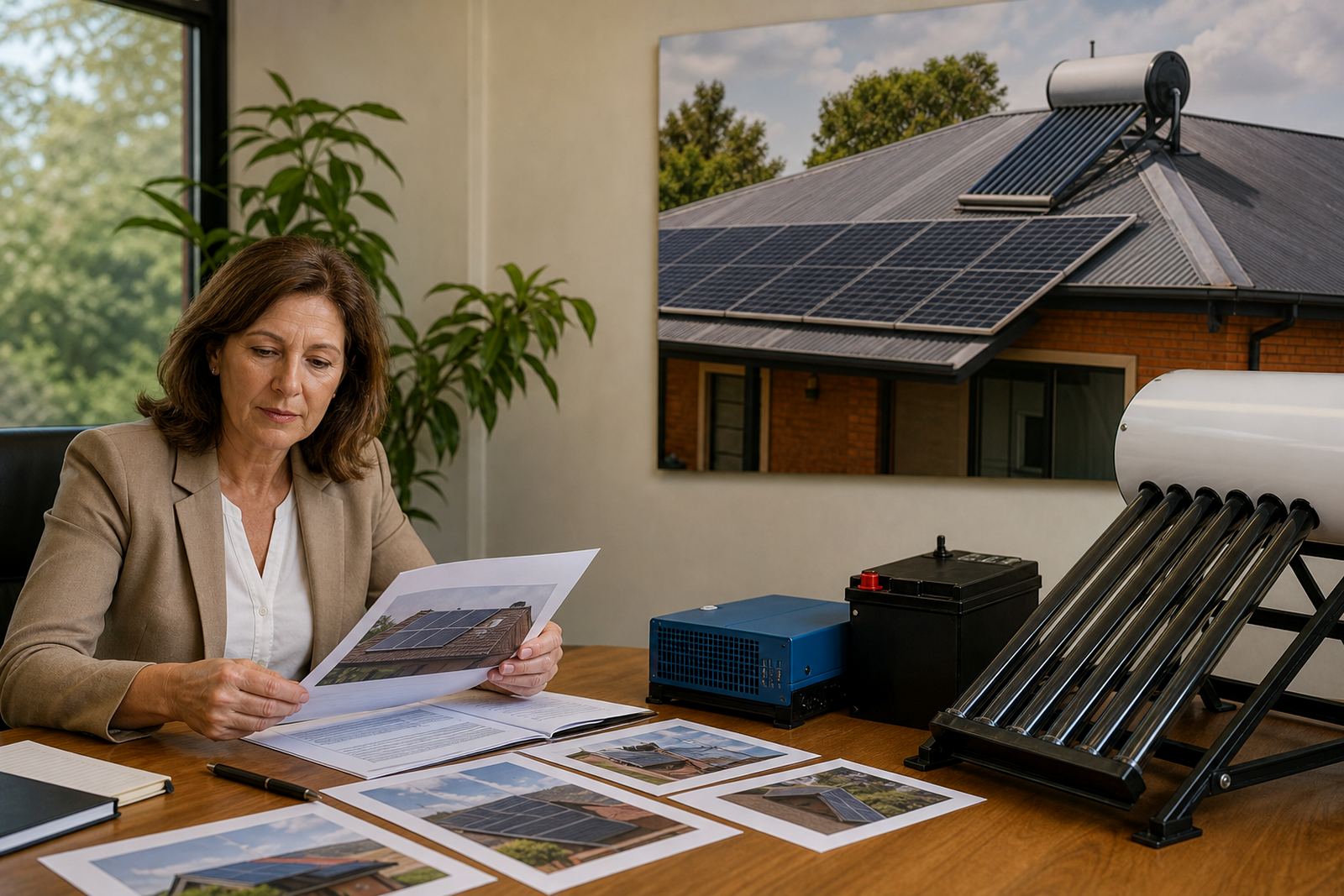
A basic record book or digital log makes maintenance easier to plan. You do not need a complicated system, just a clear record of dates, observations and completed work. This is especially useful for small businesses that share responsibility between owners, managers and staff.
Keep the log with the site papers and update it after every visit. Include the date, who attended, what was cleaned or checked, and whether any parts need follow-up. If there is a water heater service, note the weather conditions and whether the hot water delivery improved afterwards. Over time, the log shows patterns and helps you decide when to clean, inspect or replace parts.
- Date of last cleaning
- Next planned inspection
- Any faults or warning signs
- Work completed by the installer
- Parts or adjustments still needed
This kind of record is simple, but it saves time when a problem comes up and makes support visits much smoother.
How Linuo Solar Supports Homes And Small Businesses After Installation
Linuo Solar works with homes and small businesses from Centurion and Pretoria through to Johannesburg, Midrand, Durban, Cape Town and Bloemfontein. The team can assist with site assessments, system design, panel installation, inverter installation, battery installation, water heater installation, commissioning, maintenance, fault finding, panel cleaning and support callouts.
Led by Vuyo Phasha, the team includes Naledi Kgosi in operations, Sarel Delport on solar installation, Palesa Mabena in project coordination, Mothusi Mphahlele in technical support, Faatimah Latief in customer care and Unathi Tau in solar water heating. Electrical work is handled by qualified installers, which is essential when systems include inverters, batteries and integrated wiring. If you are planning maintenance for a home, office, workshop or retail site, a structured service plan keeps the system easier to manage and less stressful to live with.
To arrange follow-up support, clients can send an enquiry through the contact page and the team will respond with the next step for the site.