

Choose the right solar product for your property
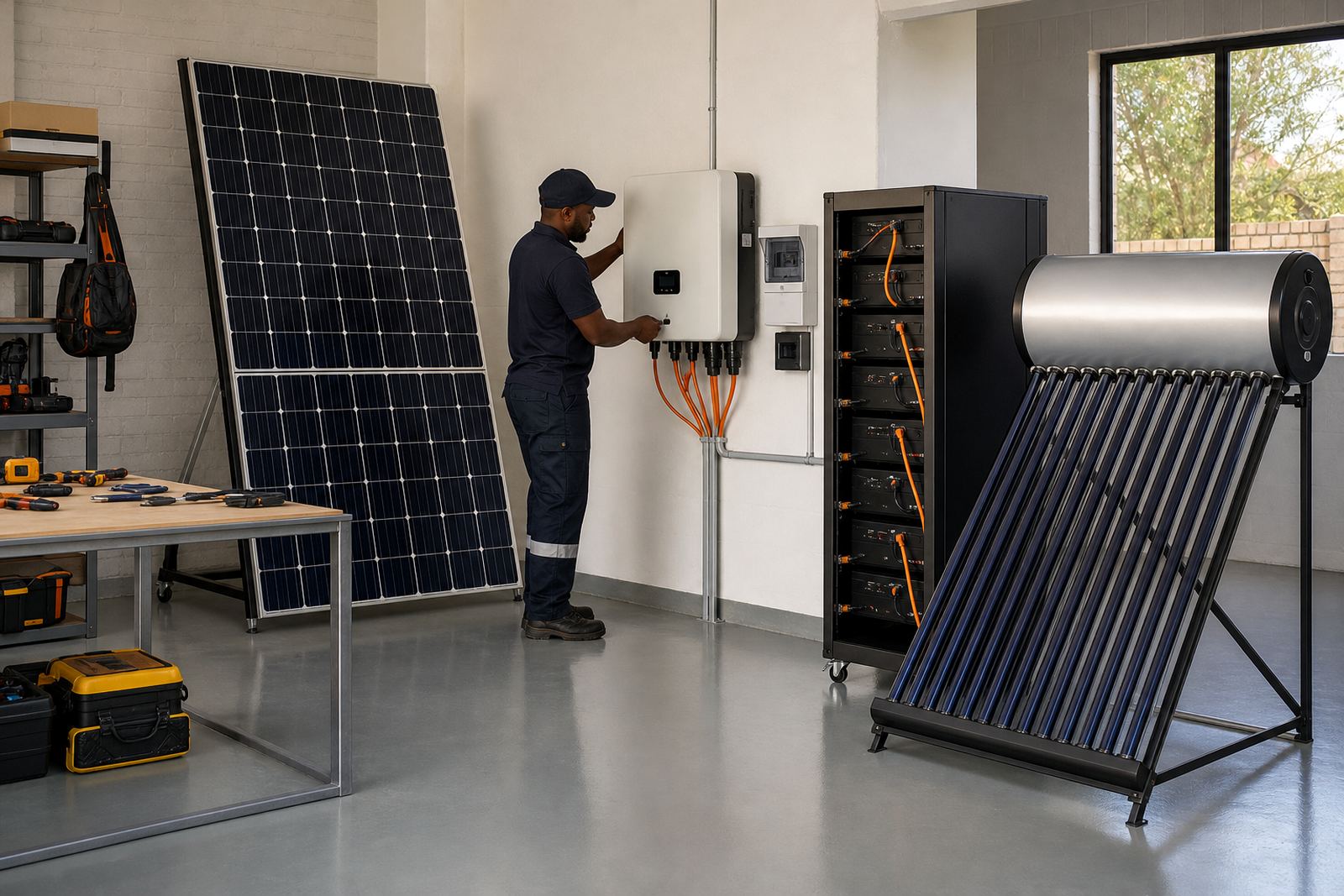
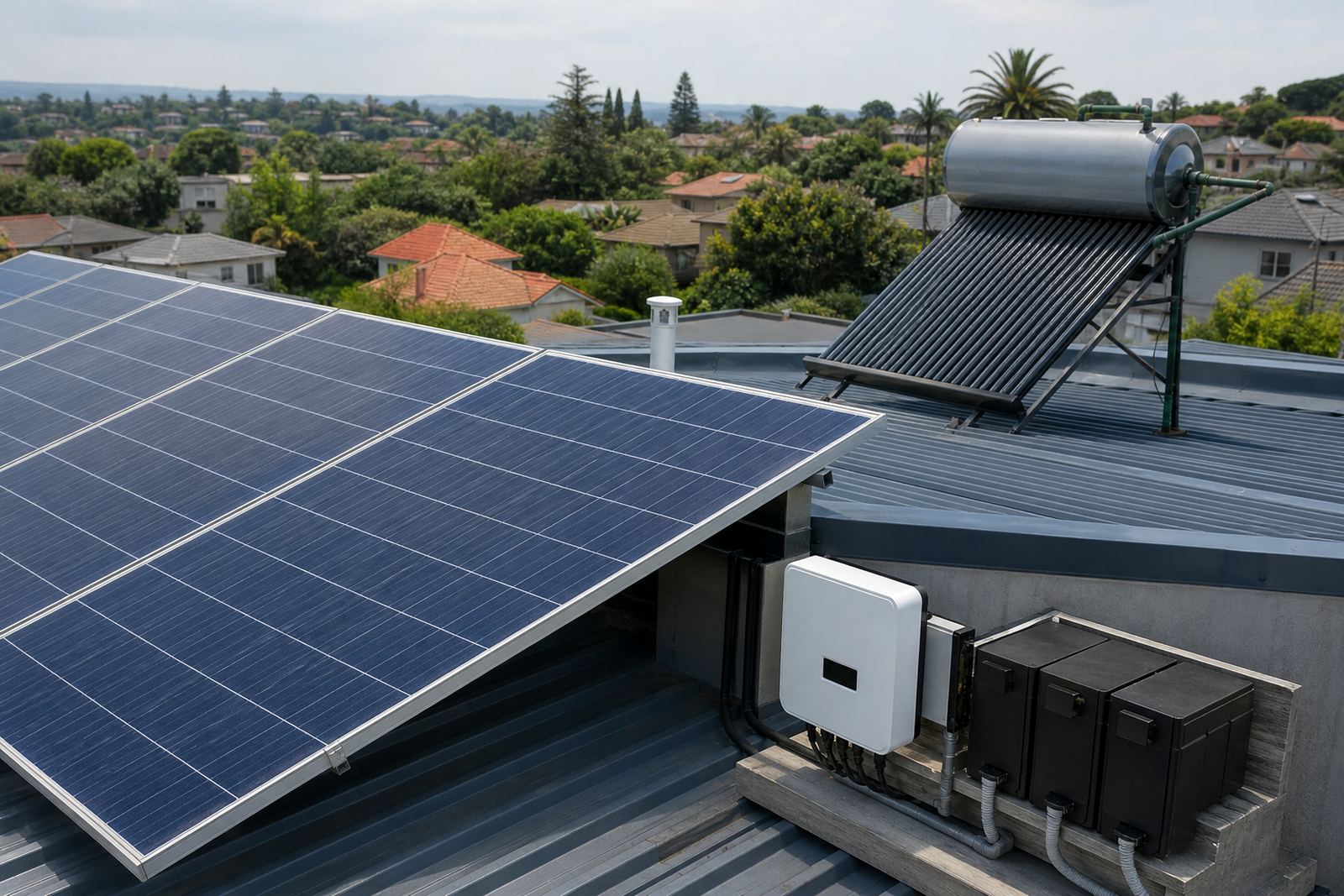
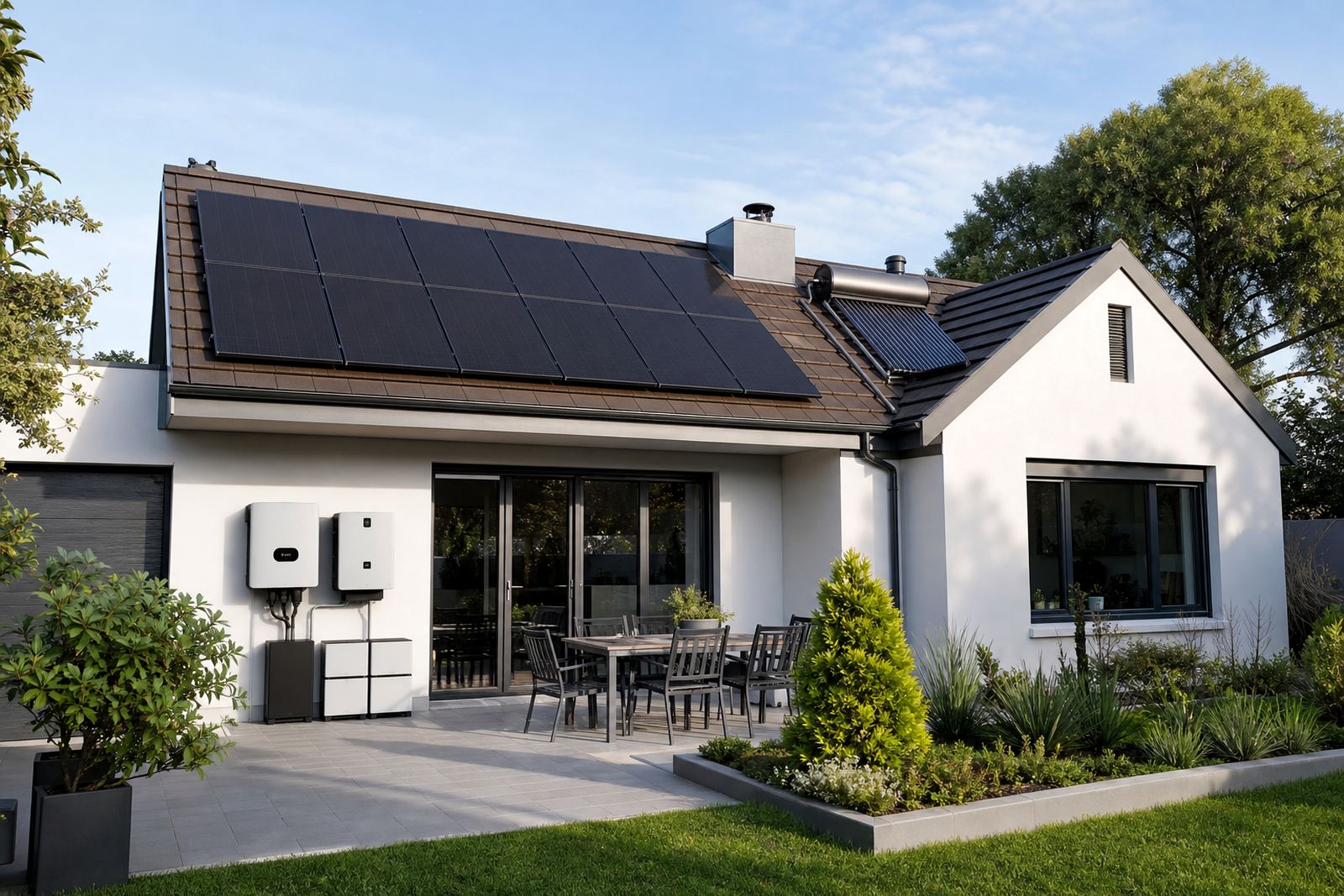
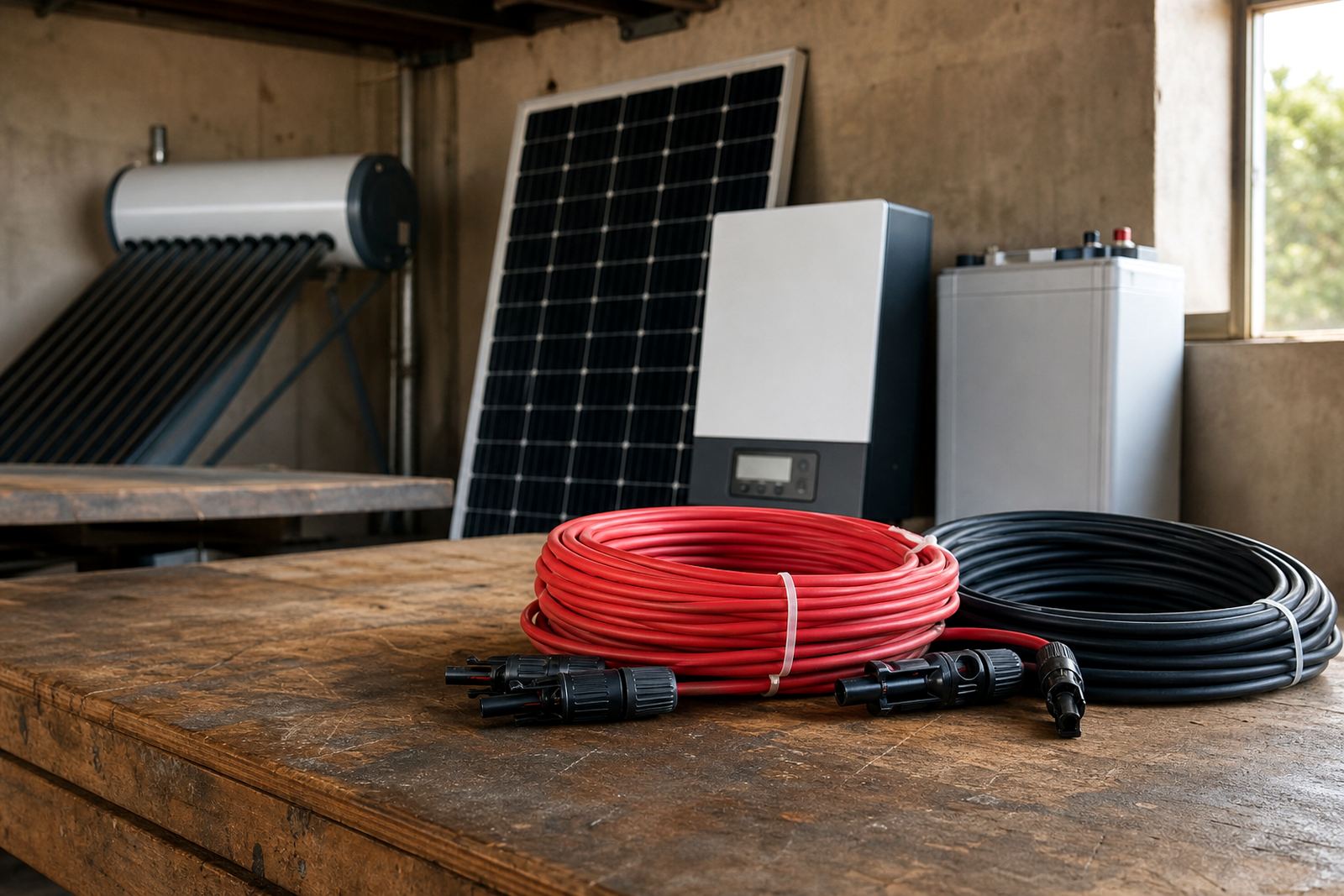
Solar systems are easiest to plan when each part has a clear job. Panels make power from daylight, inverters manage how that power is used, batteries store energy for after sunset, and solar water heaters reduce the strain on your geyser during busy mornings. For homes in Pretoria, apartments in Johannesburg, guest houses in Cape Town or workshops in Durban, the right mix depends on roof space, daily usage and whether you want backup during load-shedding.
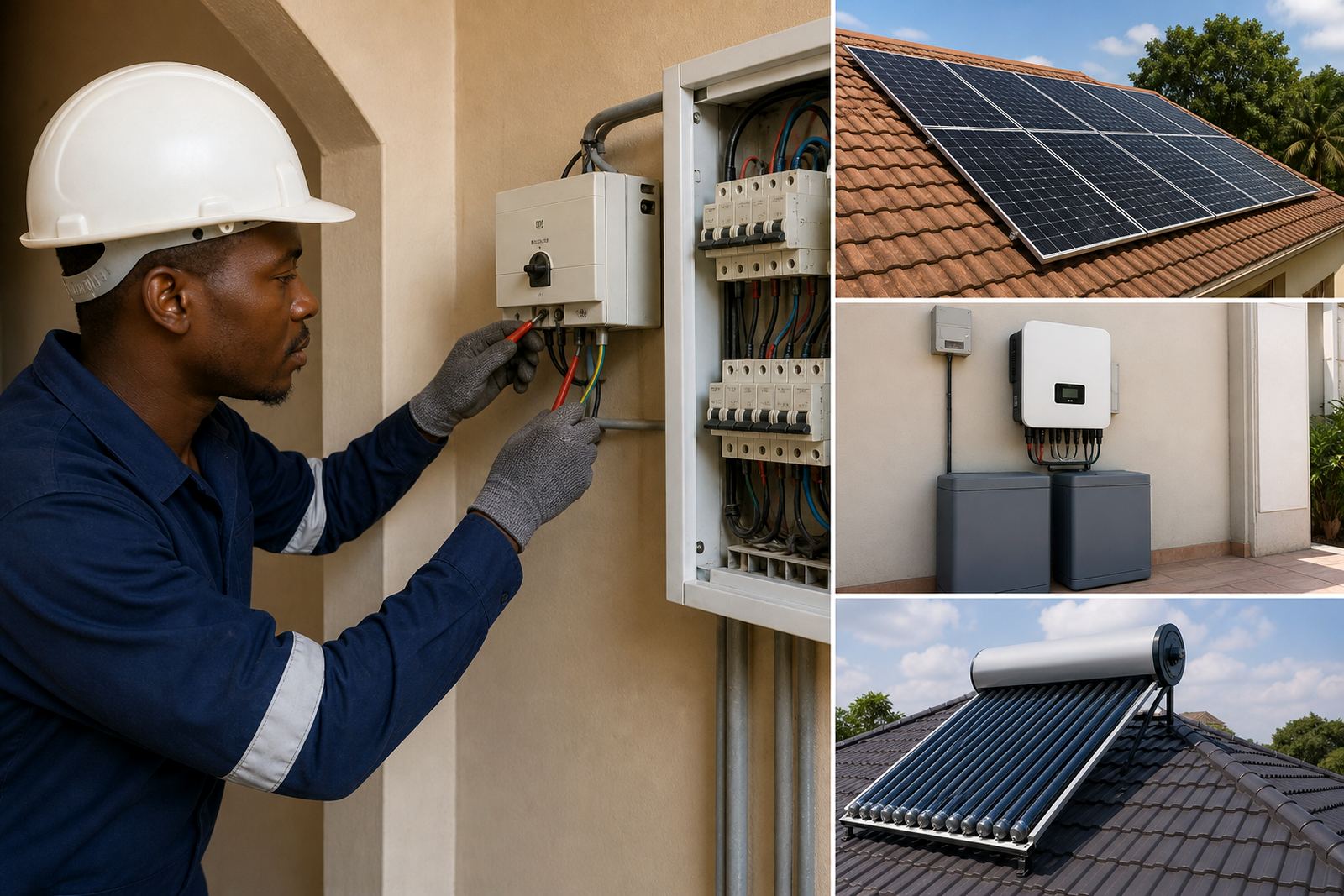
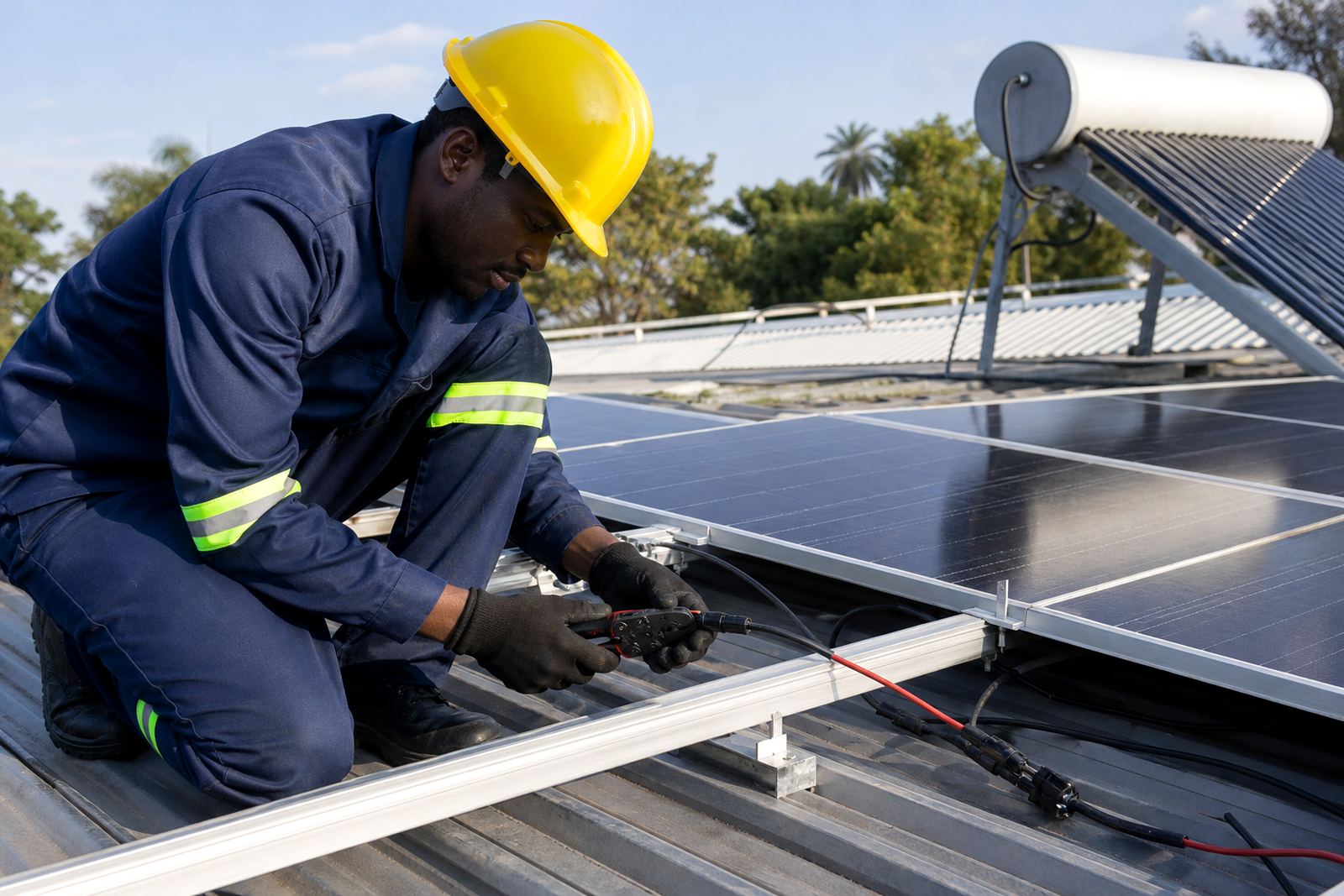
We work with homeowners, landlords and small businesses that want practical equipment, not guesswork. During a site assessment, the team looks at roof direction, shade, switchboard layout and the condition of existing wiring. That helps avoid poor placement, nuisance tripping and the kind of problems that show up later when the weather turns or the municipal supply drops out.
Solar panels for roof space, shade and daily demand
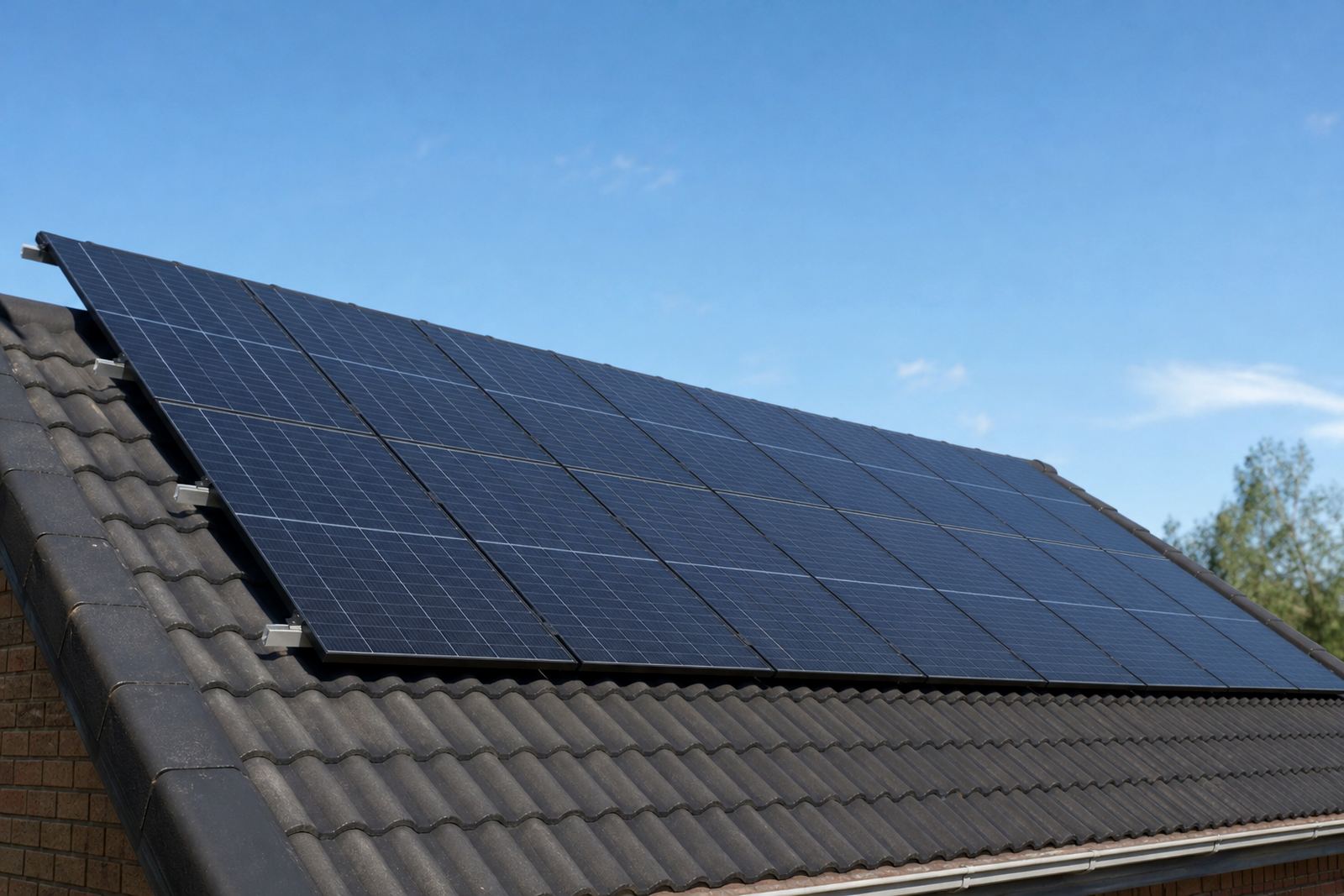
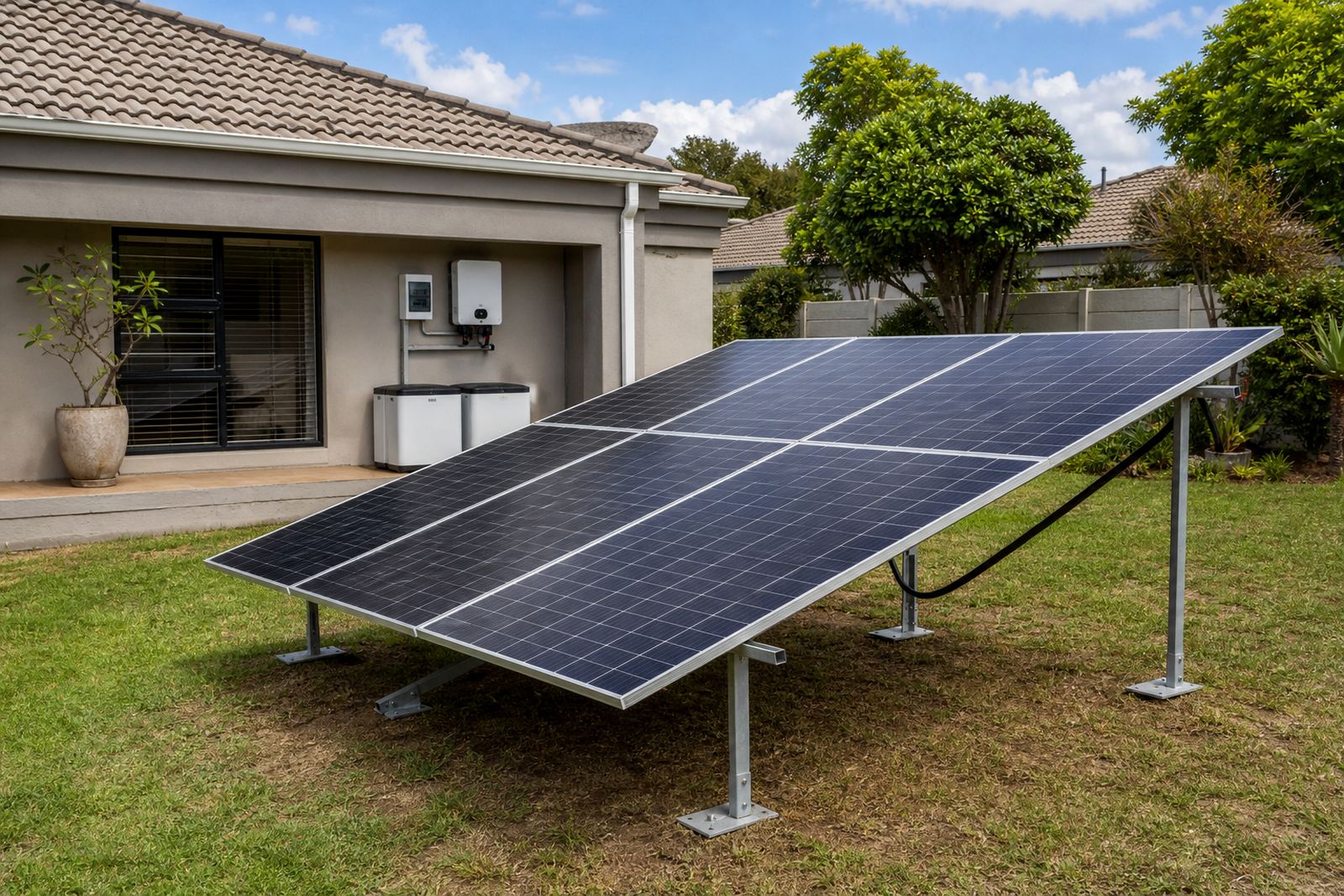
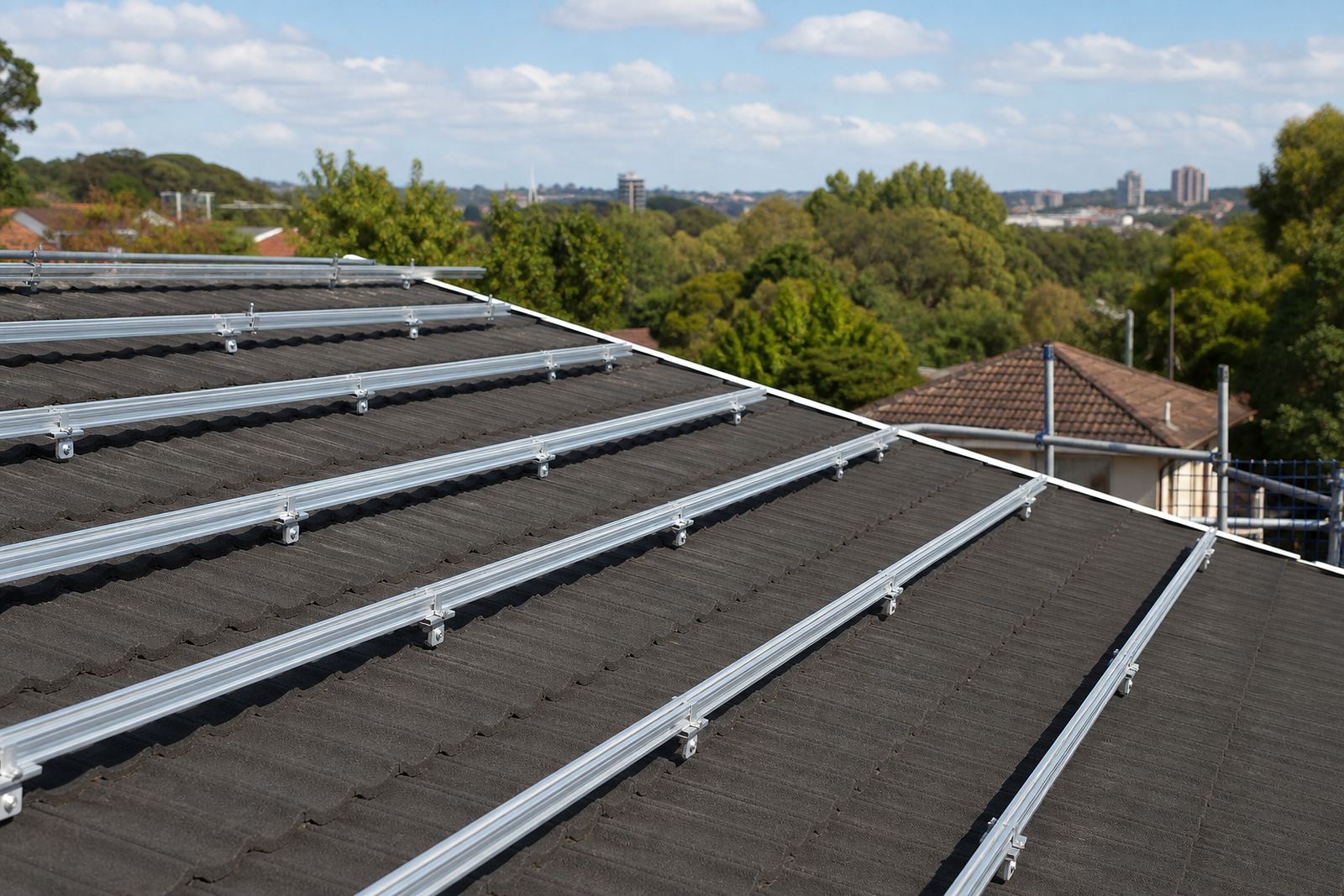
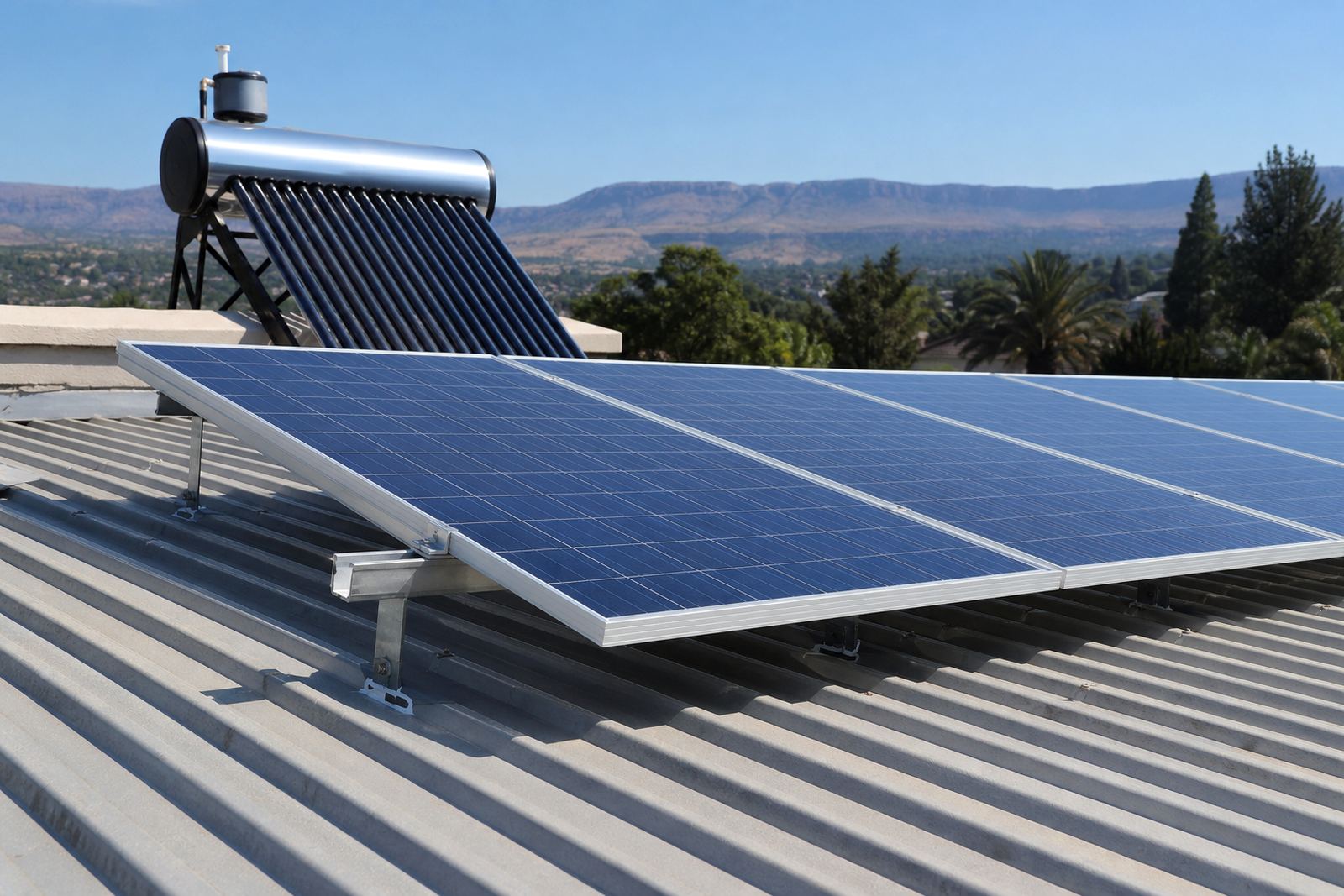
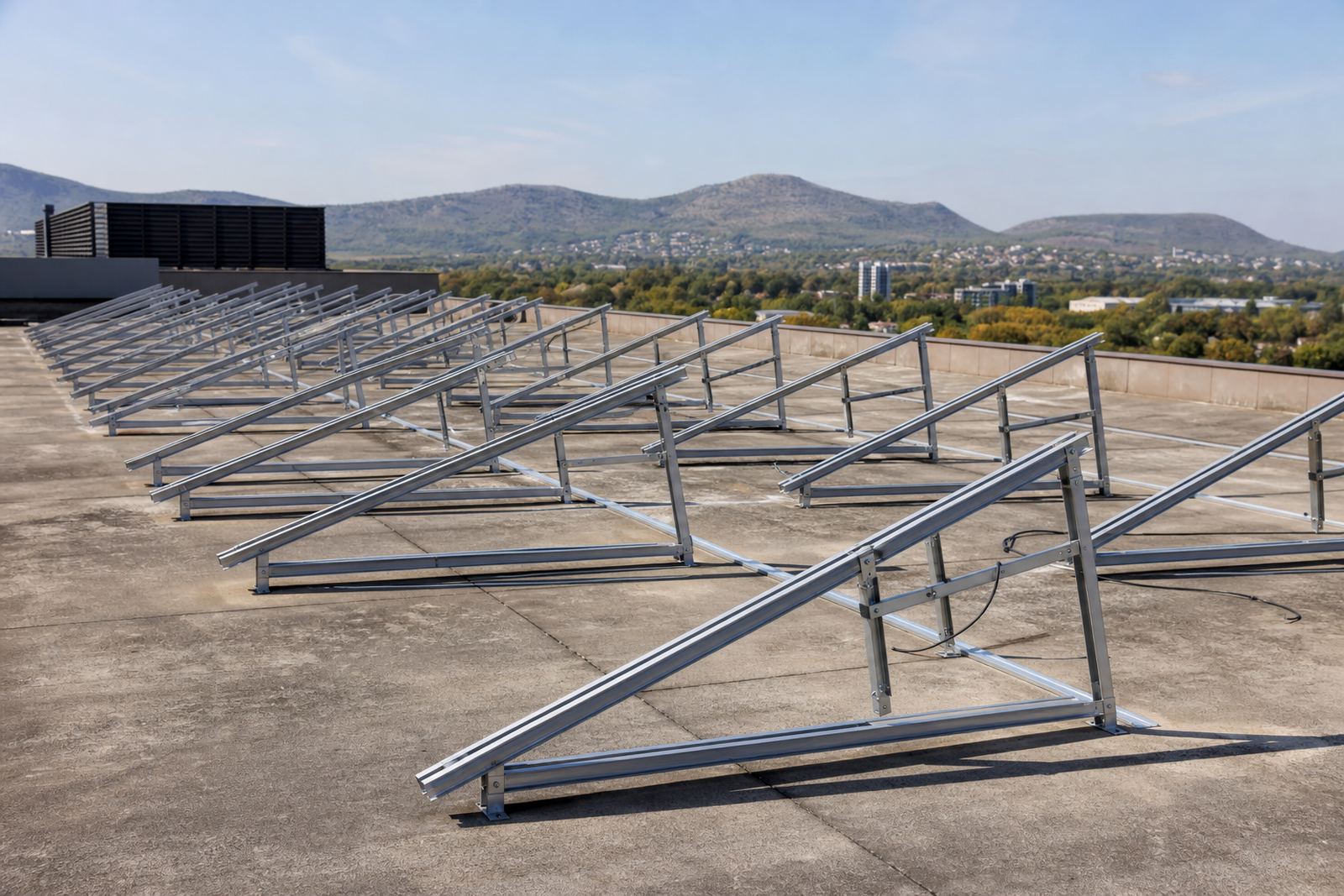
Solar panels are the starting point for most electricity systems. They are commonly used to power lighting, plugs, office equipment, refrigeration and small appliances during the day. In places like Centurion and Midrand where roofs often have limited clear space, panel layout matters just as much as panel count. Coastal humidity in Durban and Cape Town also calls for careful mounting and cable management.
- Suitable for homes, shops, clinics and small offices
- Best positioned where shade from trees, parapets or nearby buildings is limited
- Can be arranged to suit pitched roofs, flat roofs or ground-mounted frames
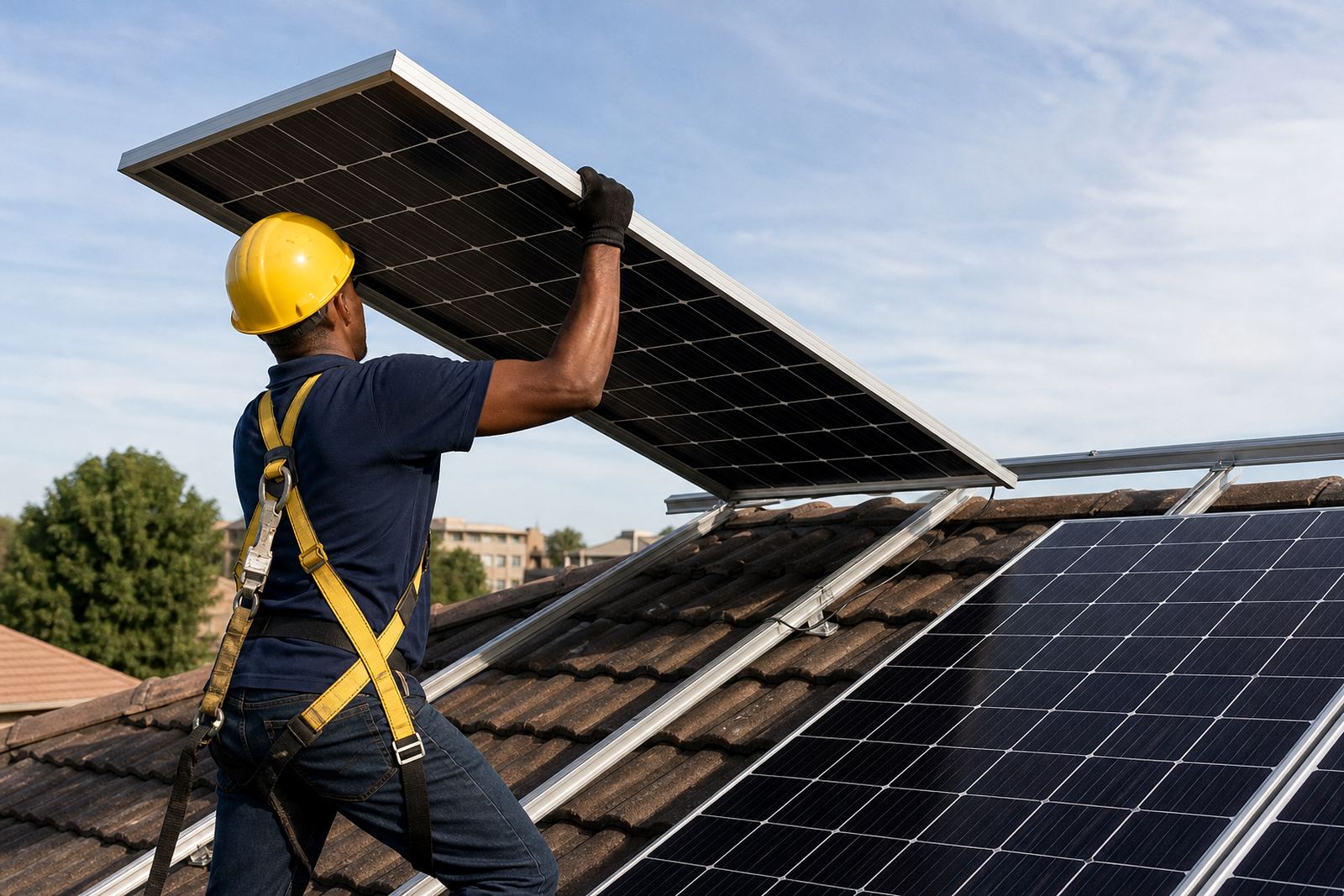
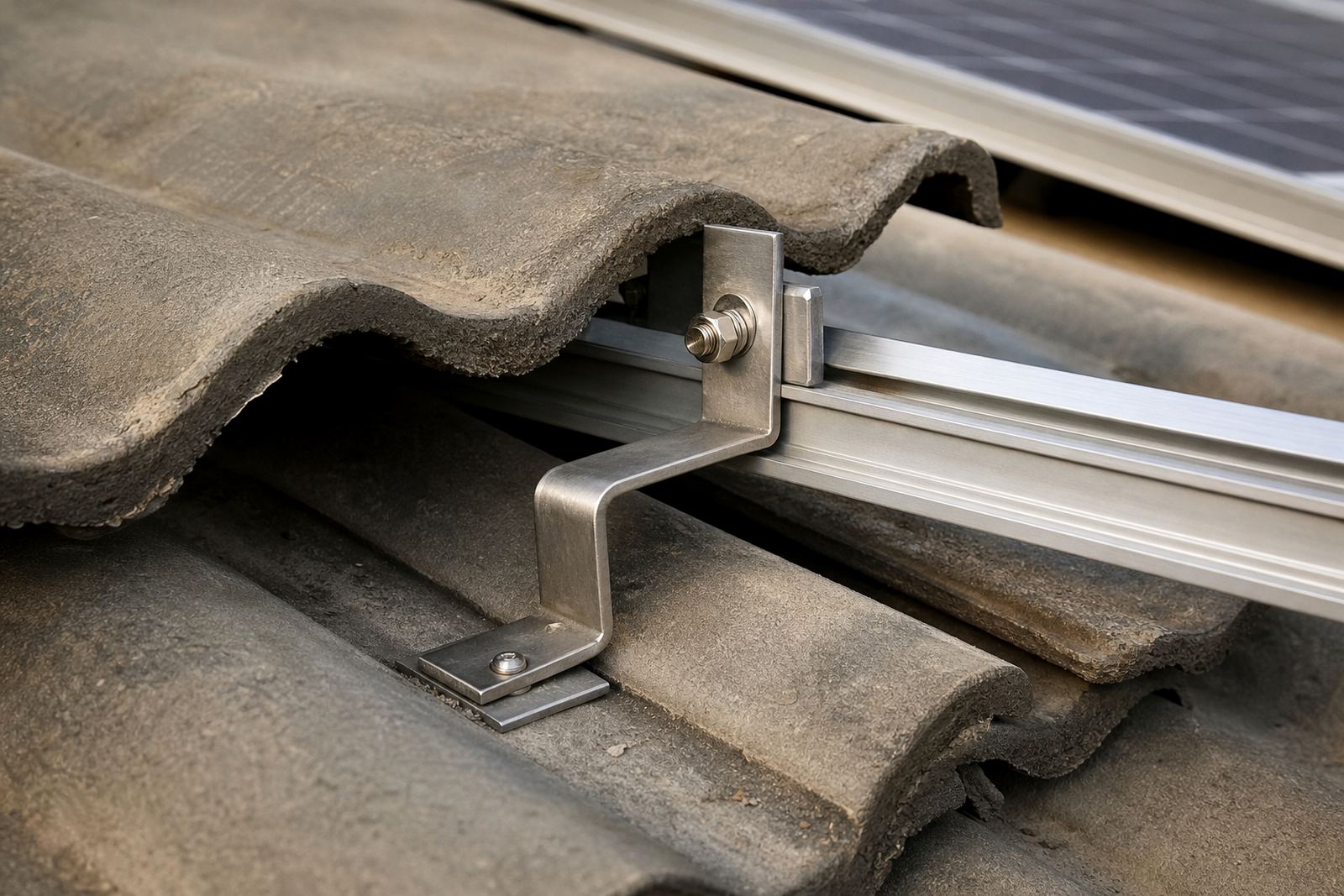
- Installed with fixings and cabling suited to local wind and weather exposure
If your household uses more power in the evening, panels are usually paired with a battery and inverter so the daytime generation is used well. For businesses, the aim is often to reduce pressure on the grid during working hours and keep essential loads running when supply is unstable.
Inverters that keep the system running properly
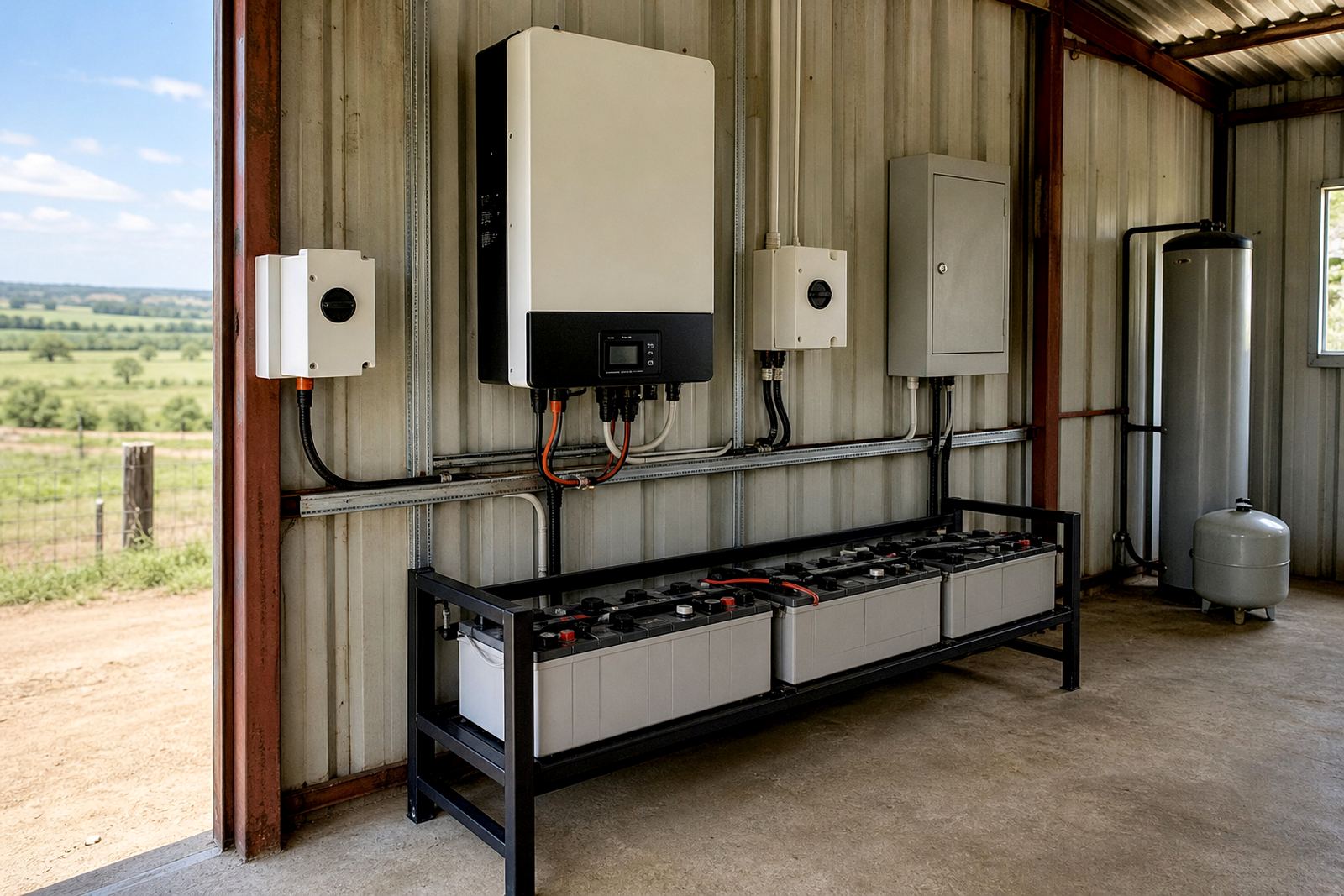
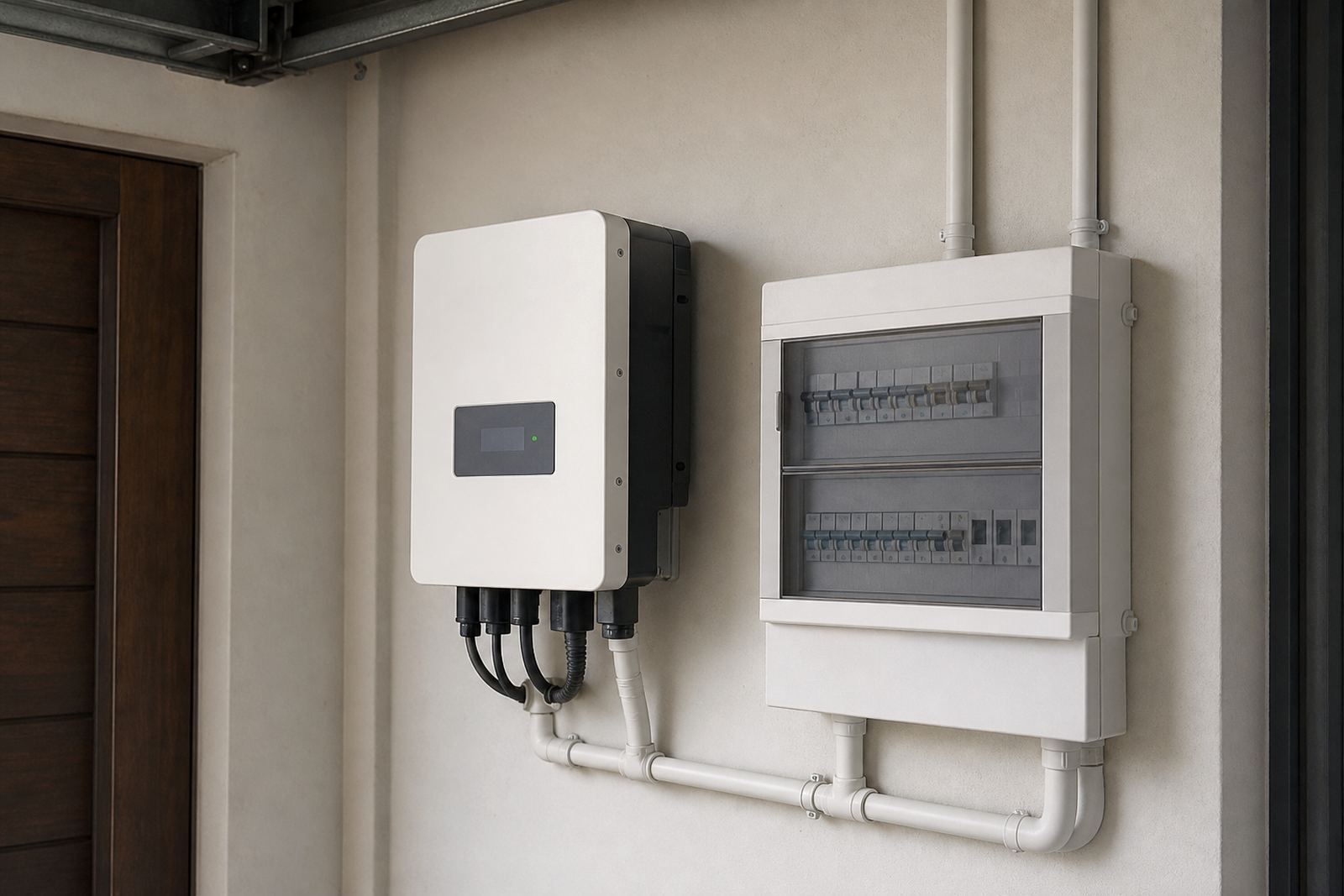
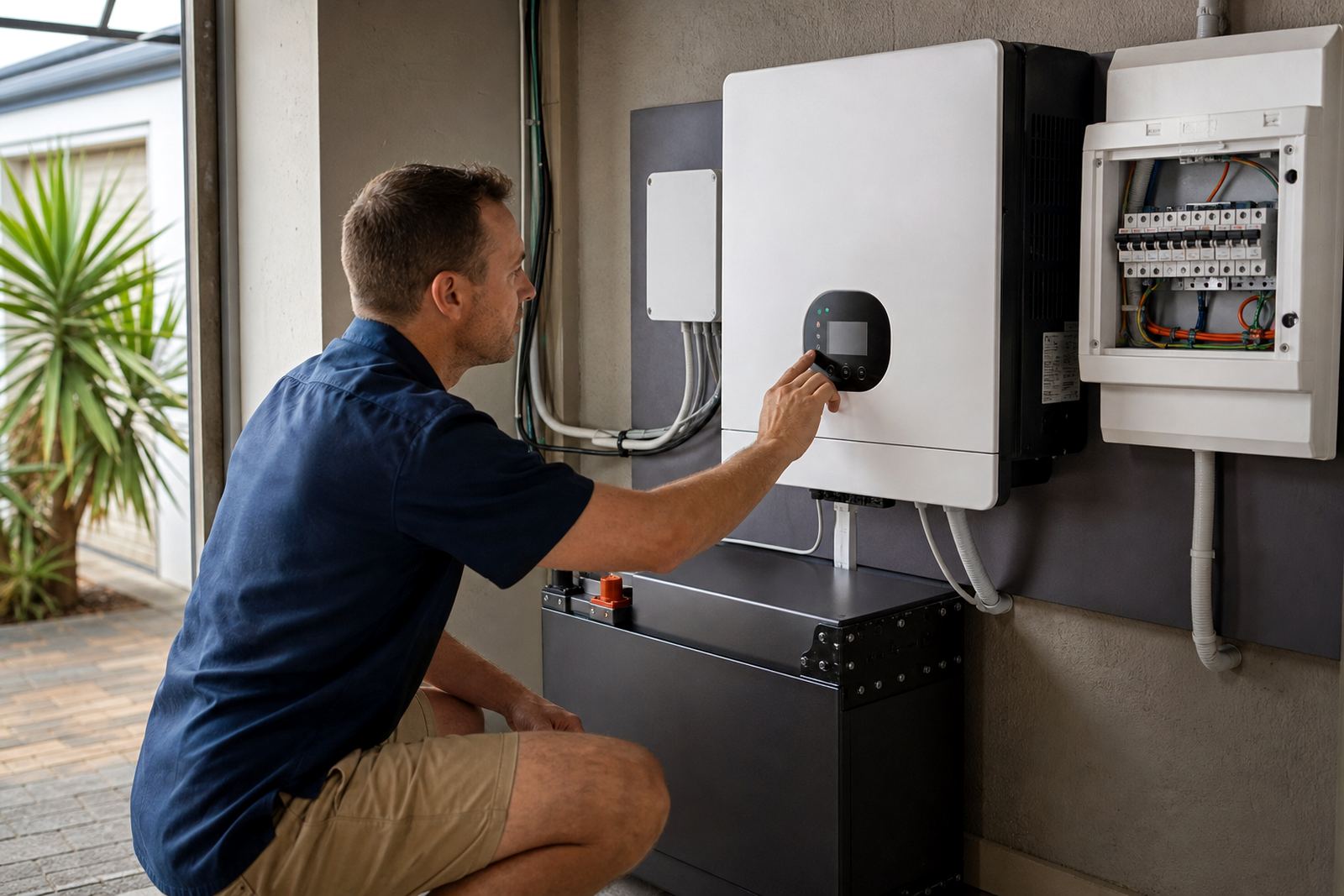
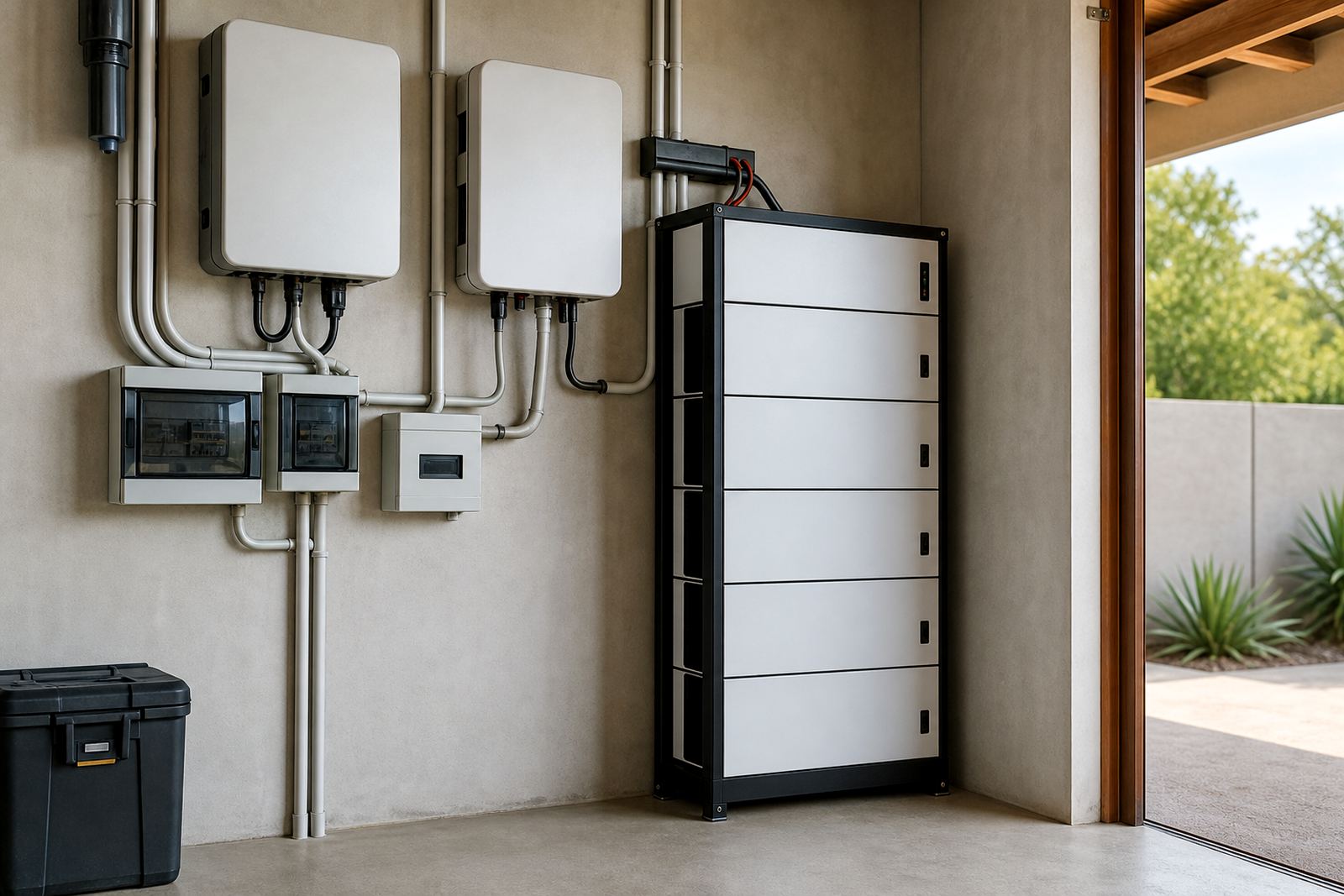
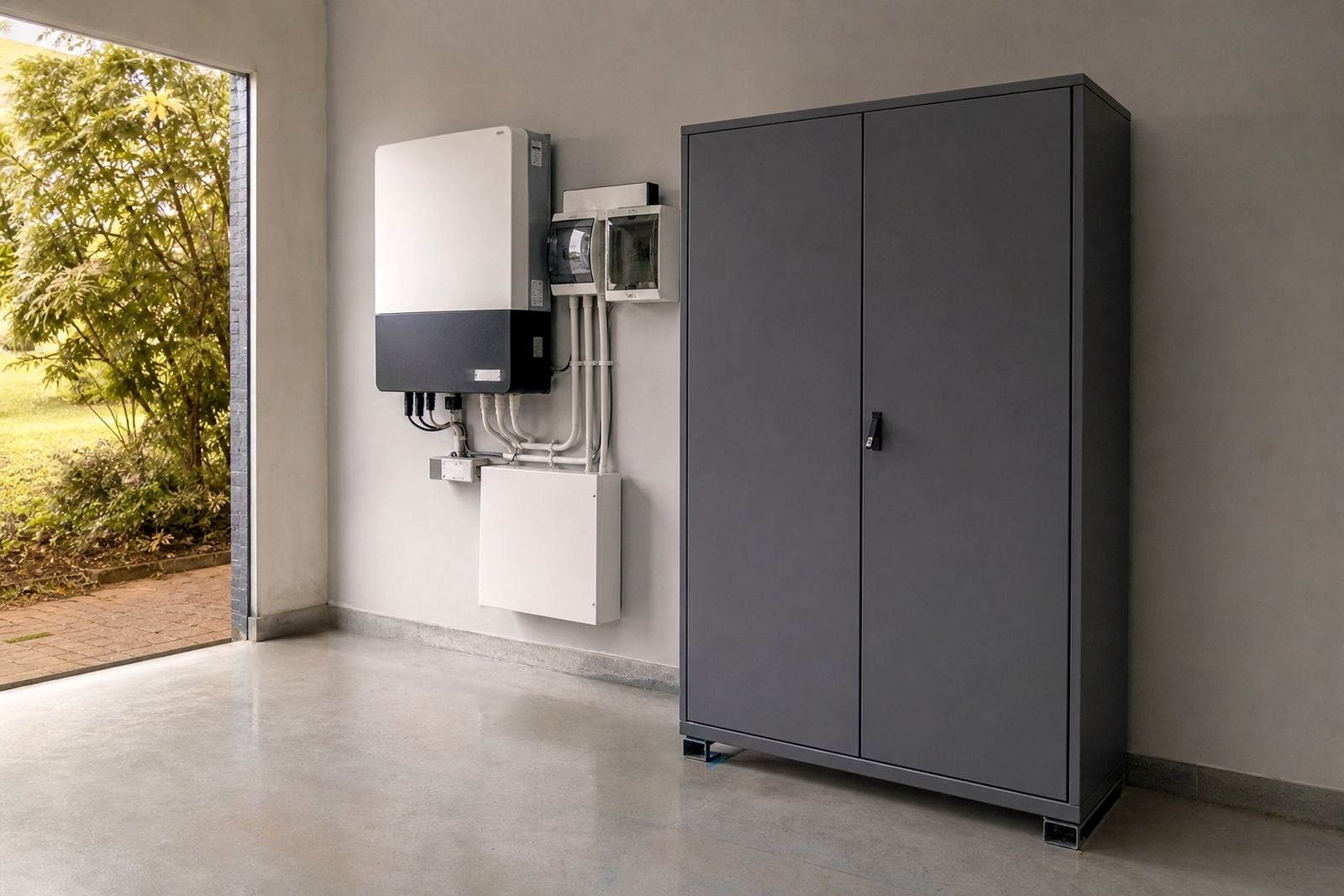
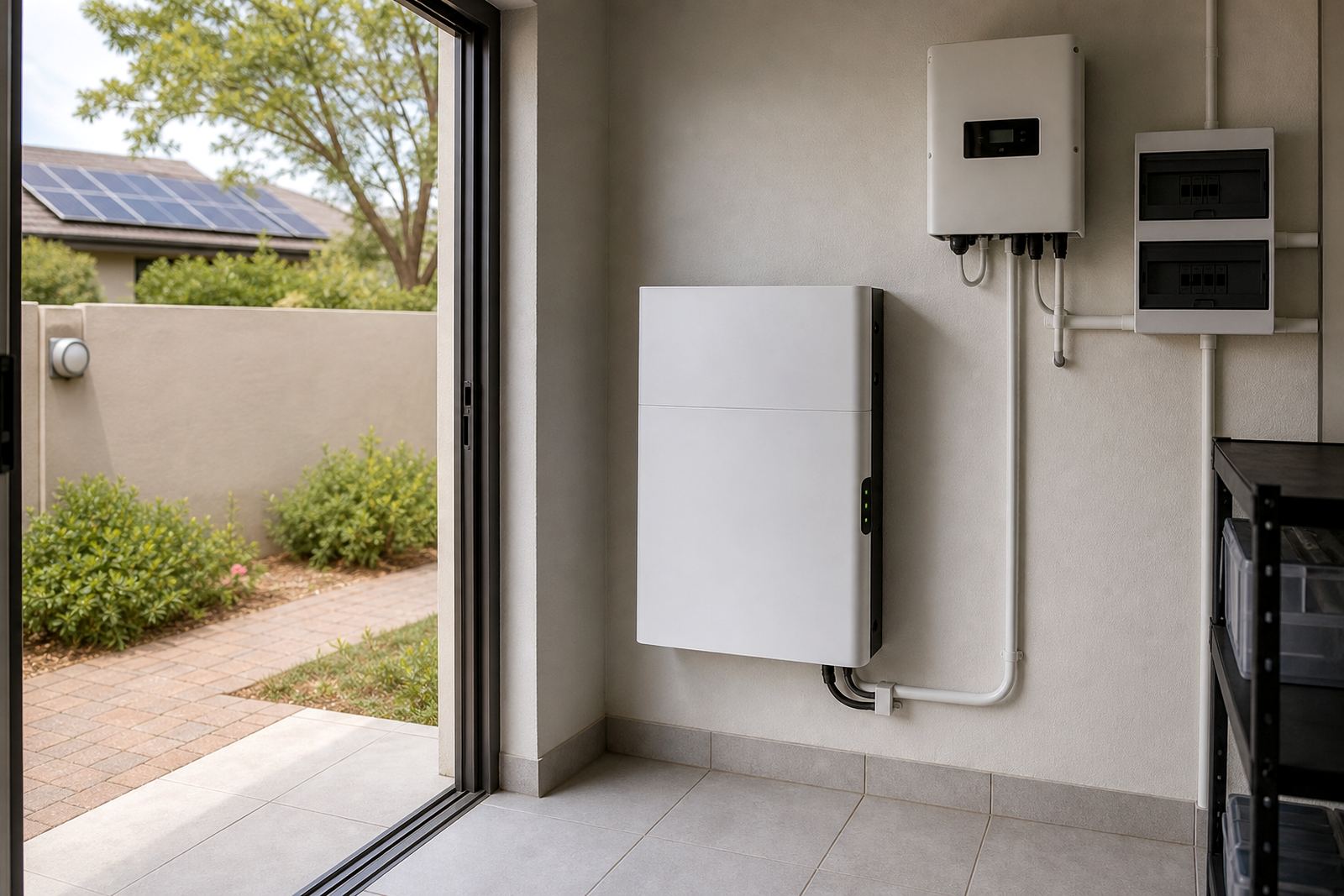
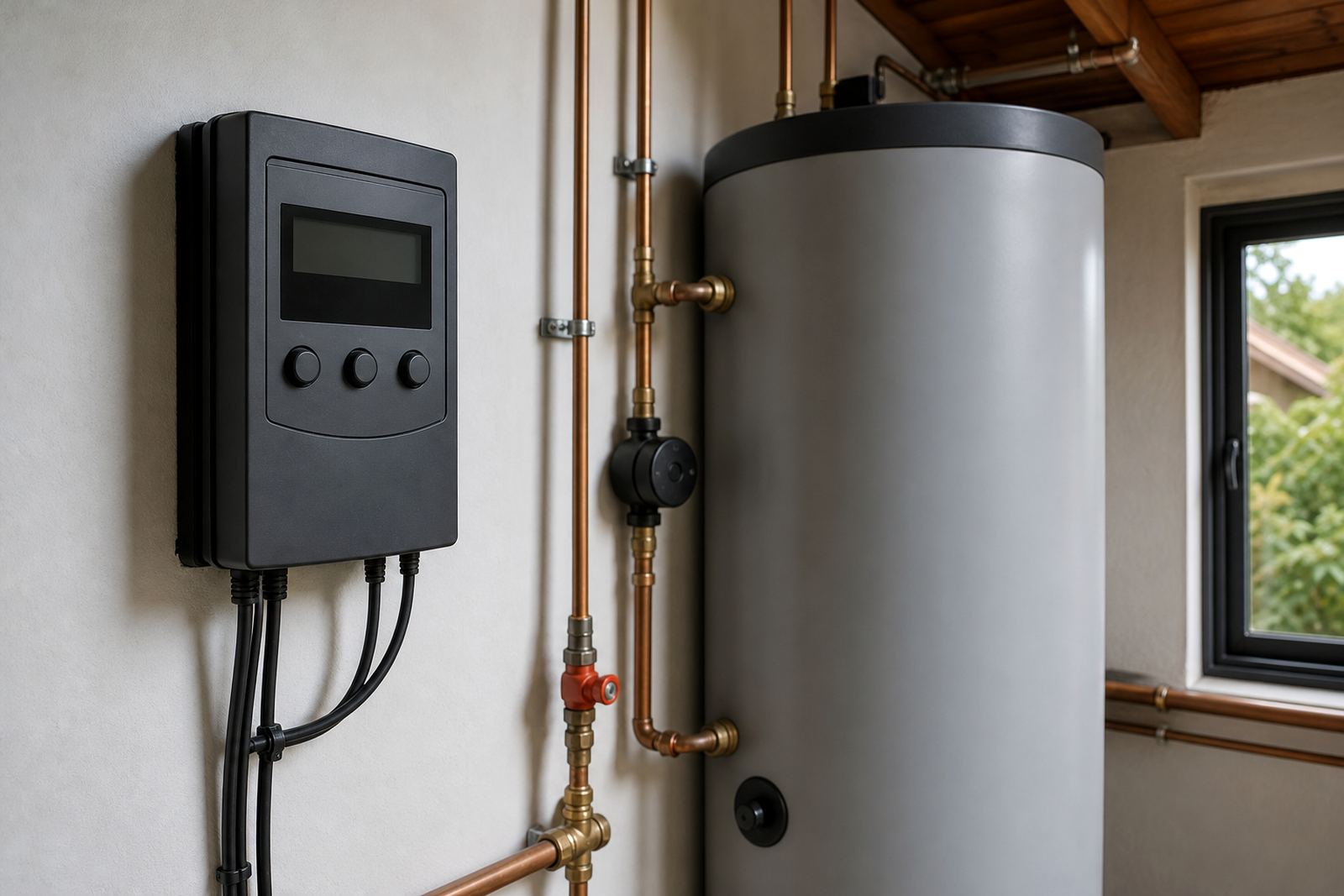
An inverter converts solar energy into usable electricity for the property. It also helps manage how power moves between the panels, batteries and the building. The right inverter depends on what you want to run, whether you need backup during outages and how much expansion you may want later.
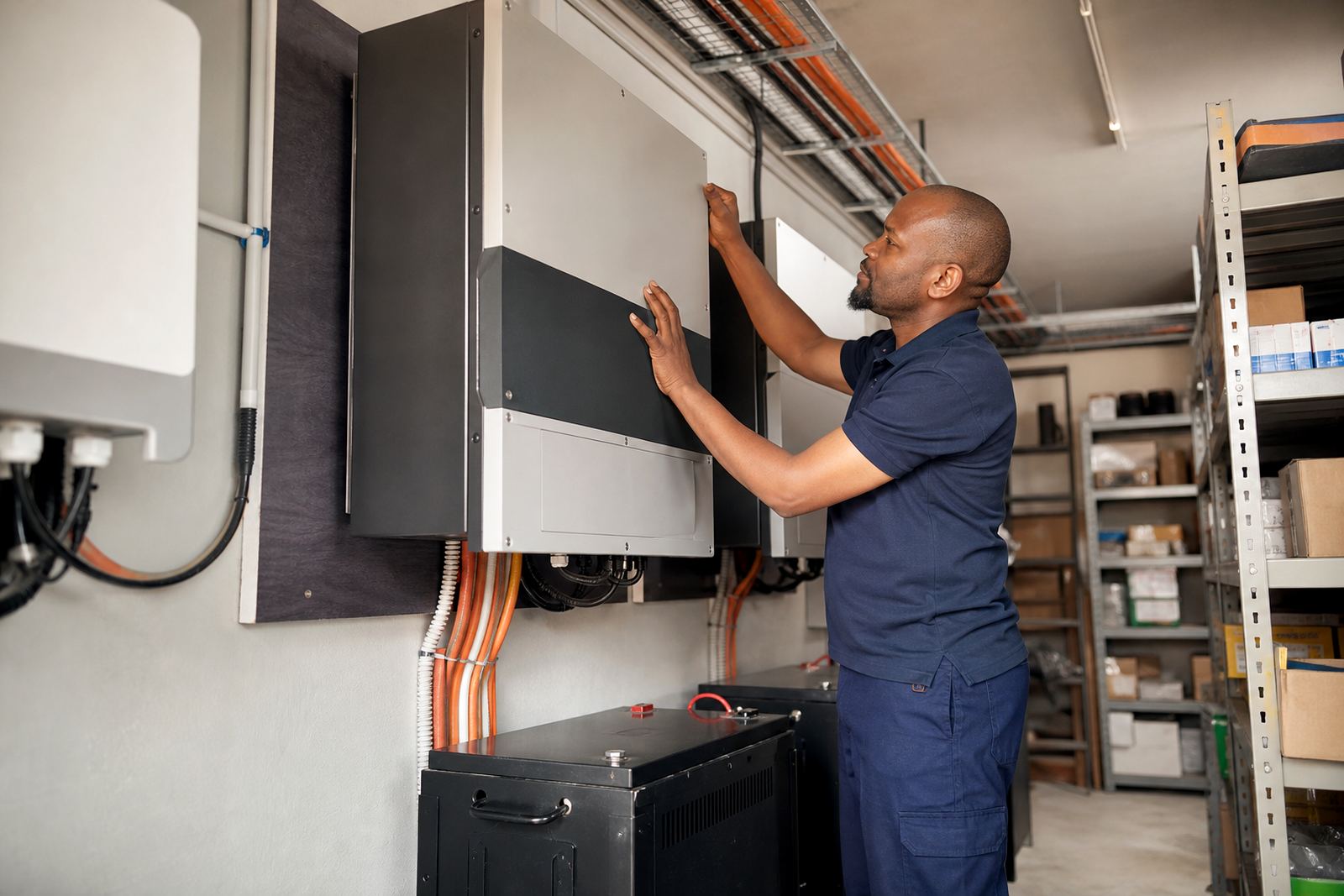
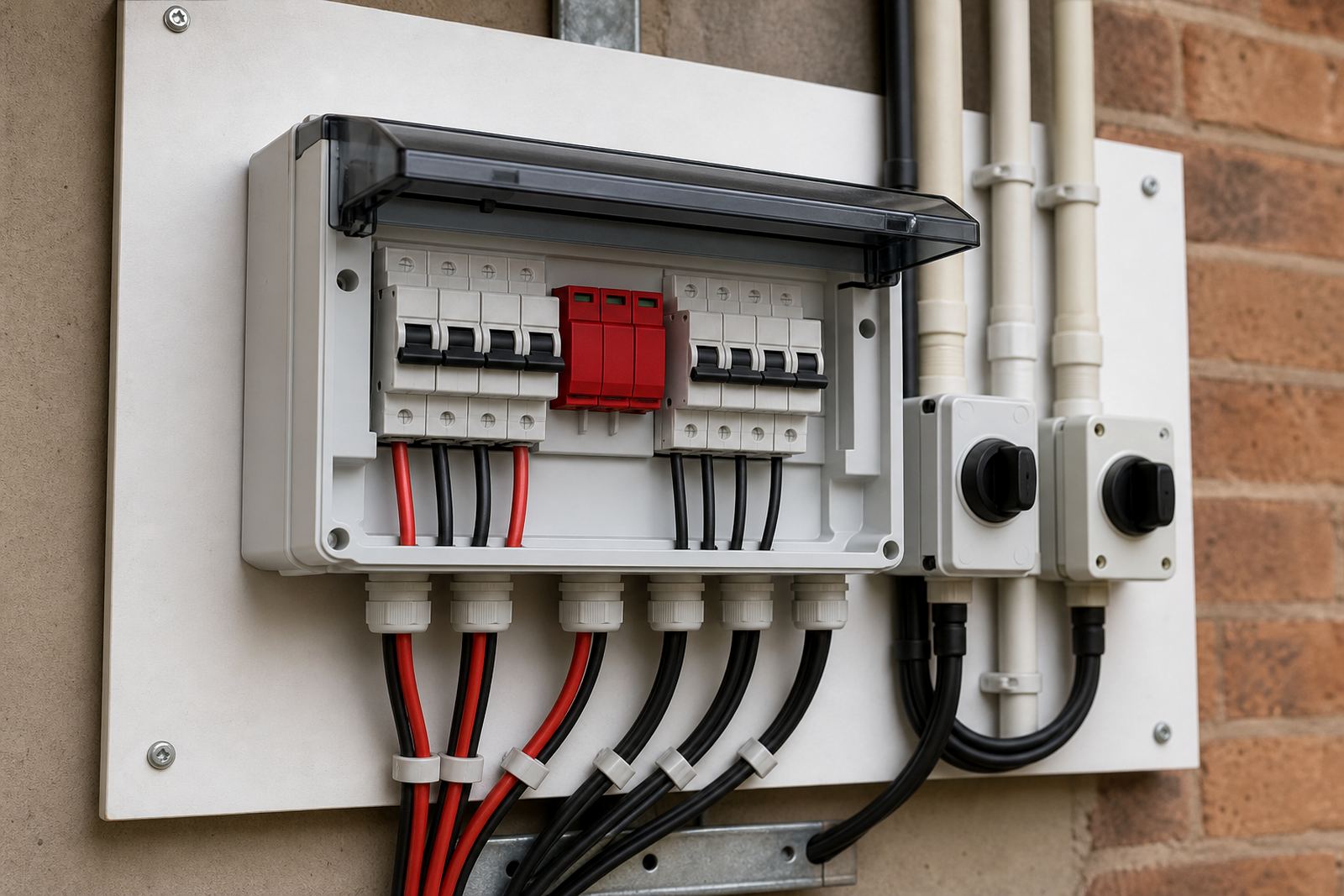
For many South African homes, the inverter is the control point for essentials such as lights, Wi-Fi, security systems and kitchen circuits. Small businesses may need it to support tills, computers, gate motors or refrigeration. Electrical integration must be handled by qualified installers, because the system has to be connected correctly to the switchboard and protected against overloads, poor earthing and unsafe backfeed.
- Commonly used for backup during load-shedding
- Can support daytime self-consumption and battery charging
- Needs proper protection, labelling and commissioning
- Should be matched to your actual load, not just a wish list
Batteries for evening use and backup power
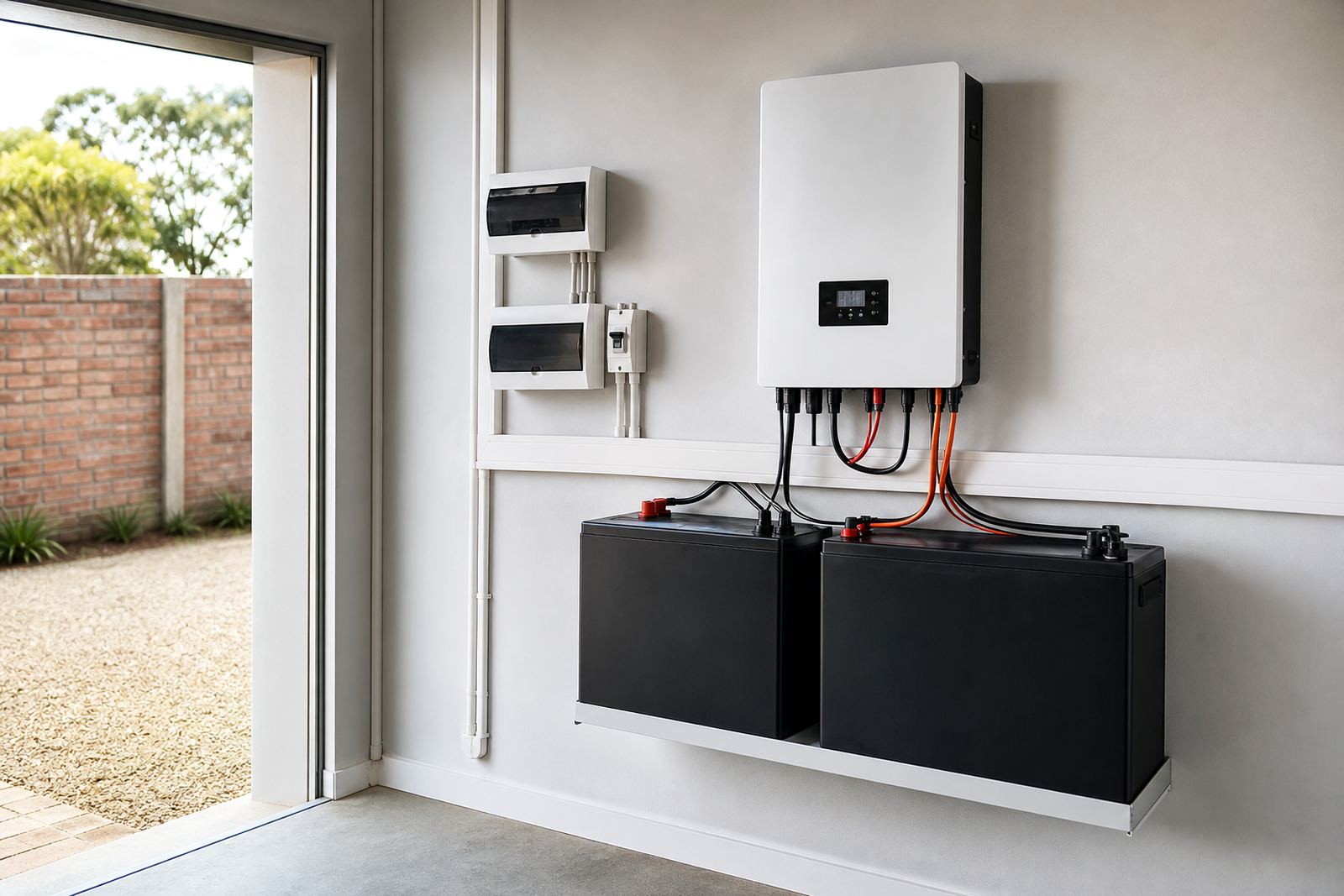
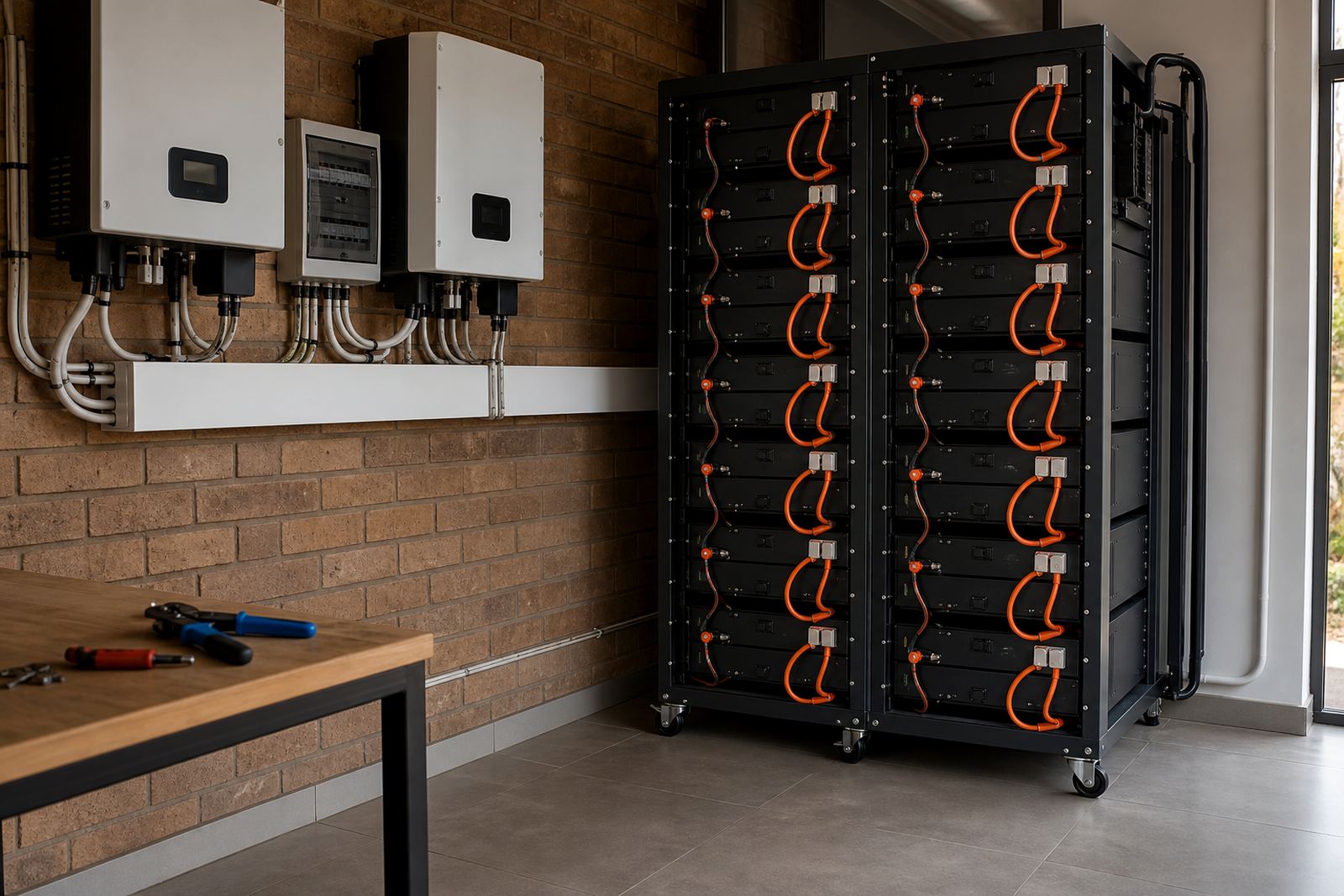
Batteries store energy for later use, which is useful when the sun sets early or the grid goes off at the wrong time. They are often chosen for households that want lights on during dinner, or for businesses that need a cleaner handover when supply fails. Battery size should be based on the hours you need to cover and the loads you want to keep on, not only on the number of devices in the building.
A well planned battery setup can help with longer outages and reduce the need to run a generator often. It can also support steadier operation for sensitive equipment. In places where outages come in stages, a battery system gives you more control over what stays on and what can be switched off. That said, batteries must be installed with proper ventilation, safe mounting and the right protection gear.
Solar water heaters for geyser relief and steady hot water
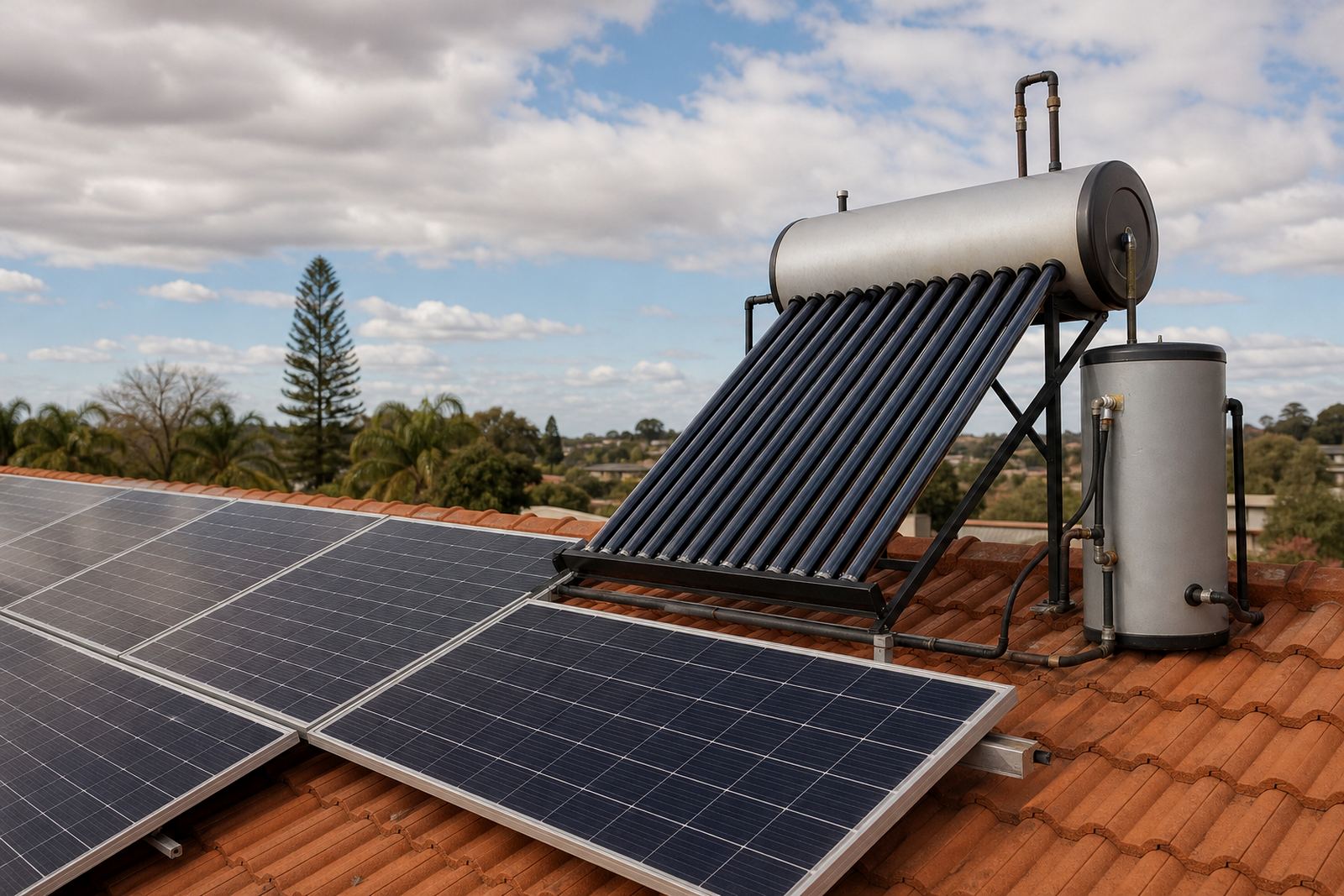
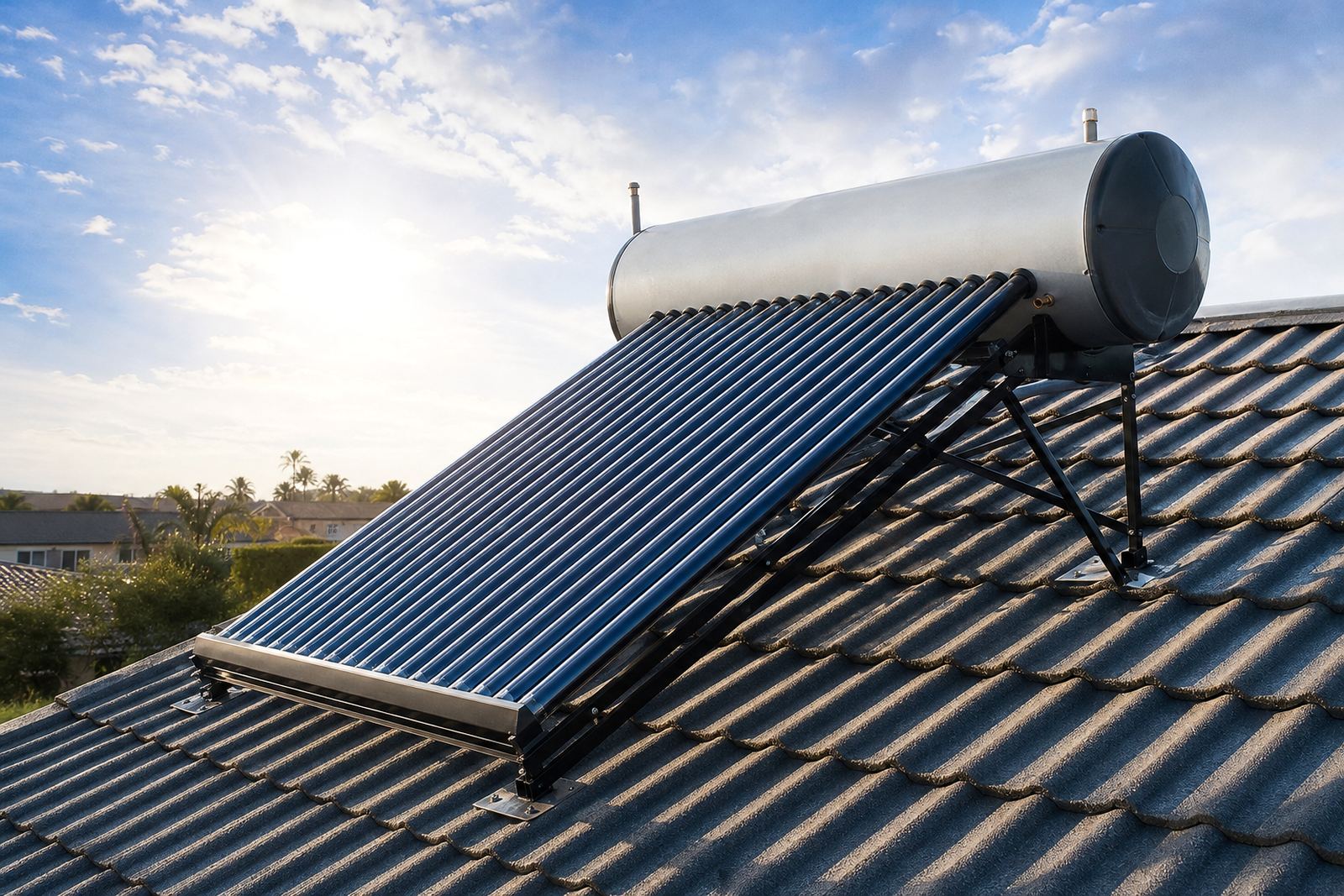
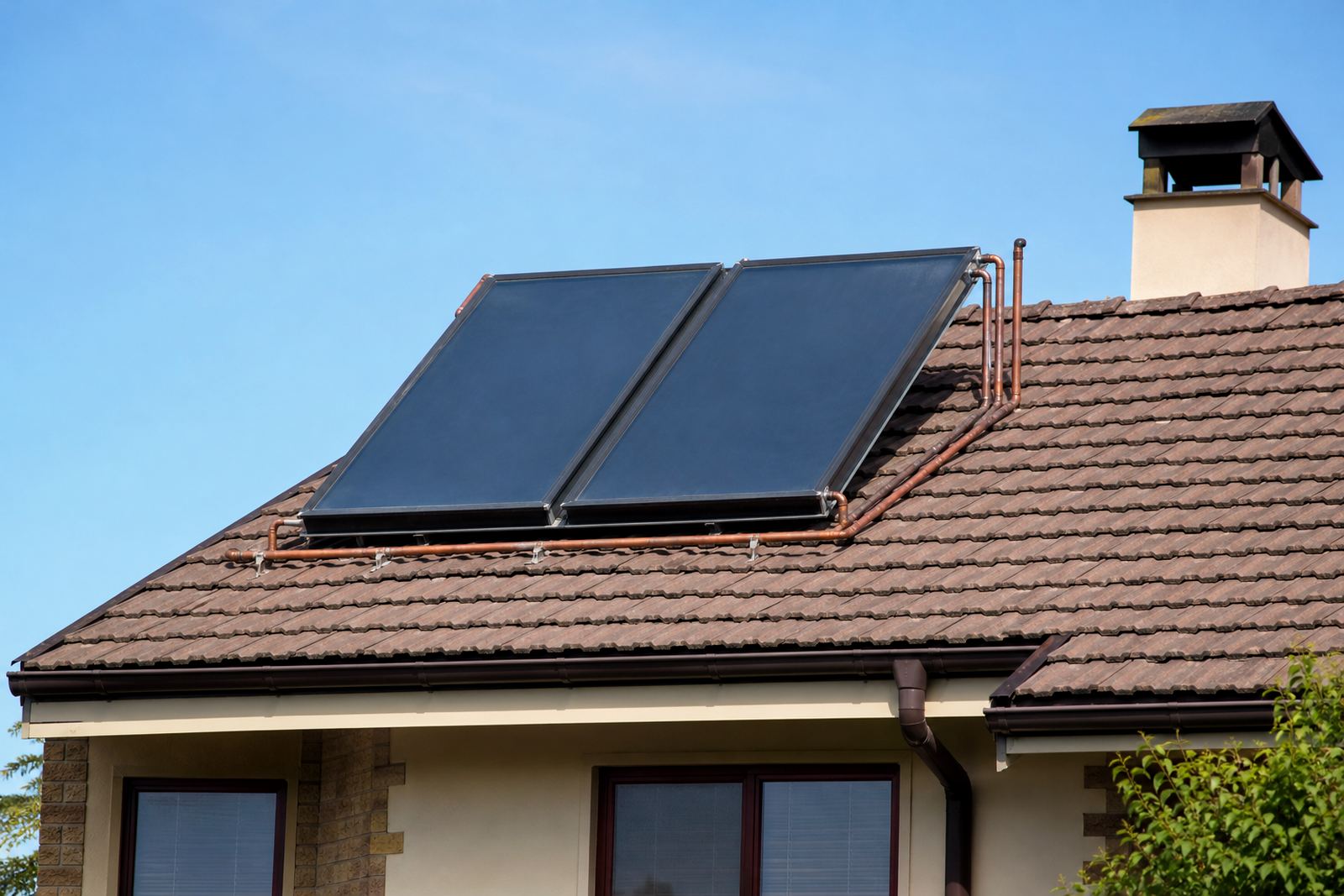
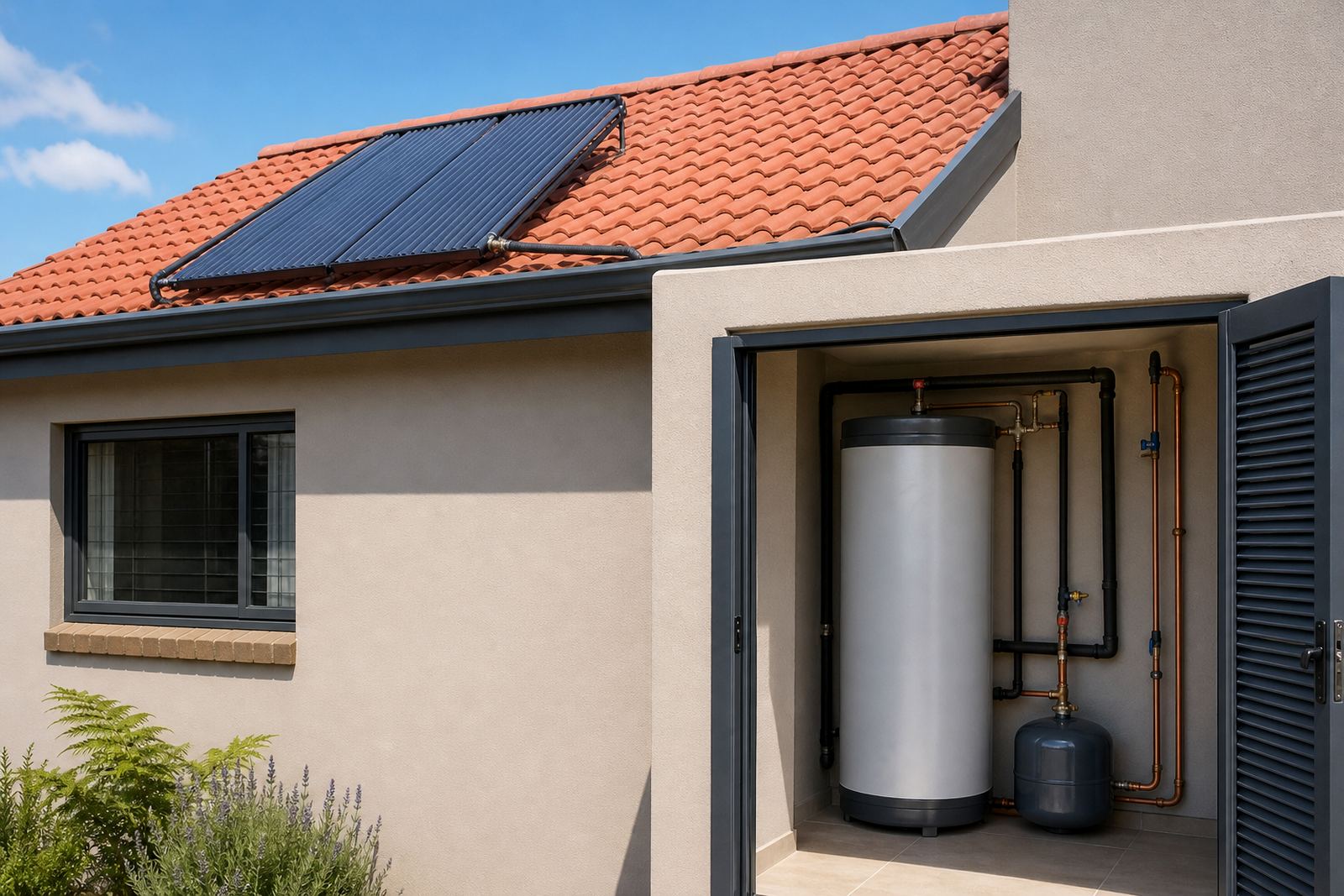
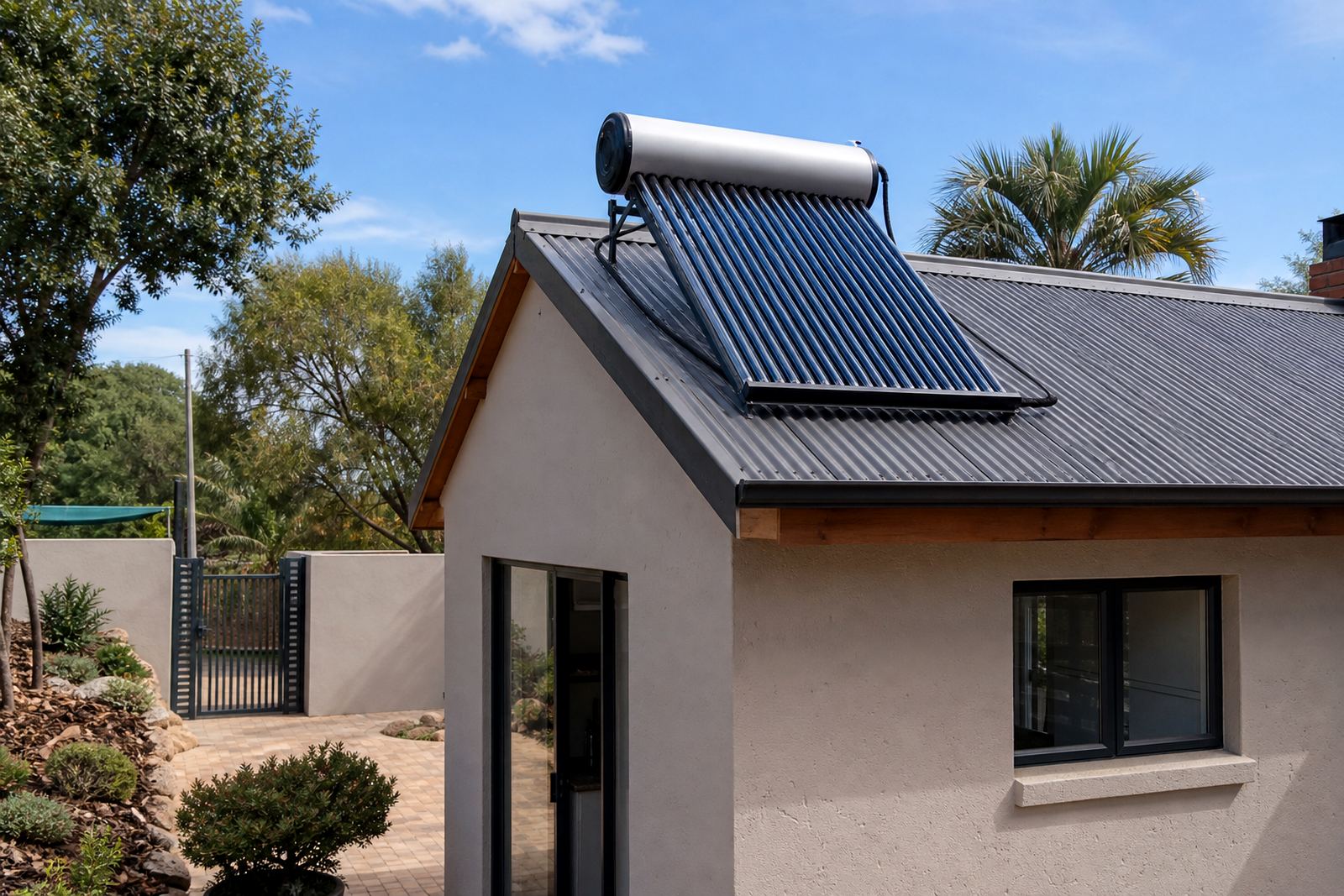
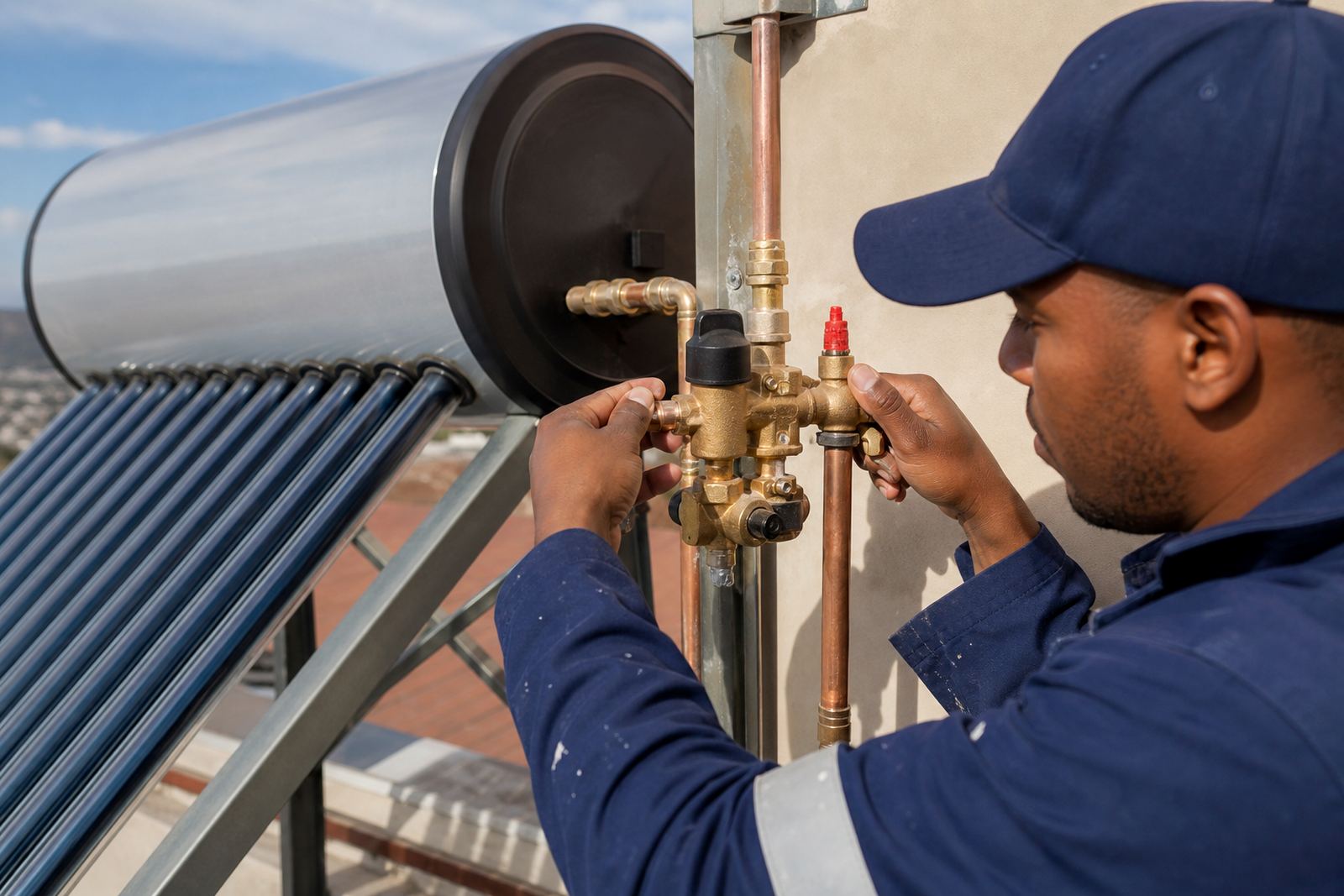
Solar water heaters are a practical choice for homes, guest houses and small businesses that use a lot of hot water every day. They reduce the load on the electric geyser and can be a useful fit for bathrooms, kitchens and laundry areas. In warmer regions they perform well for much of the year, while in colder inland months the system design needs to suit the temperature, roof layout and household demand.
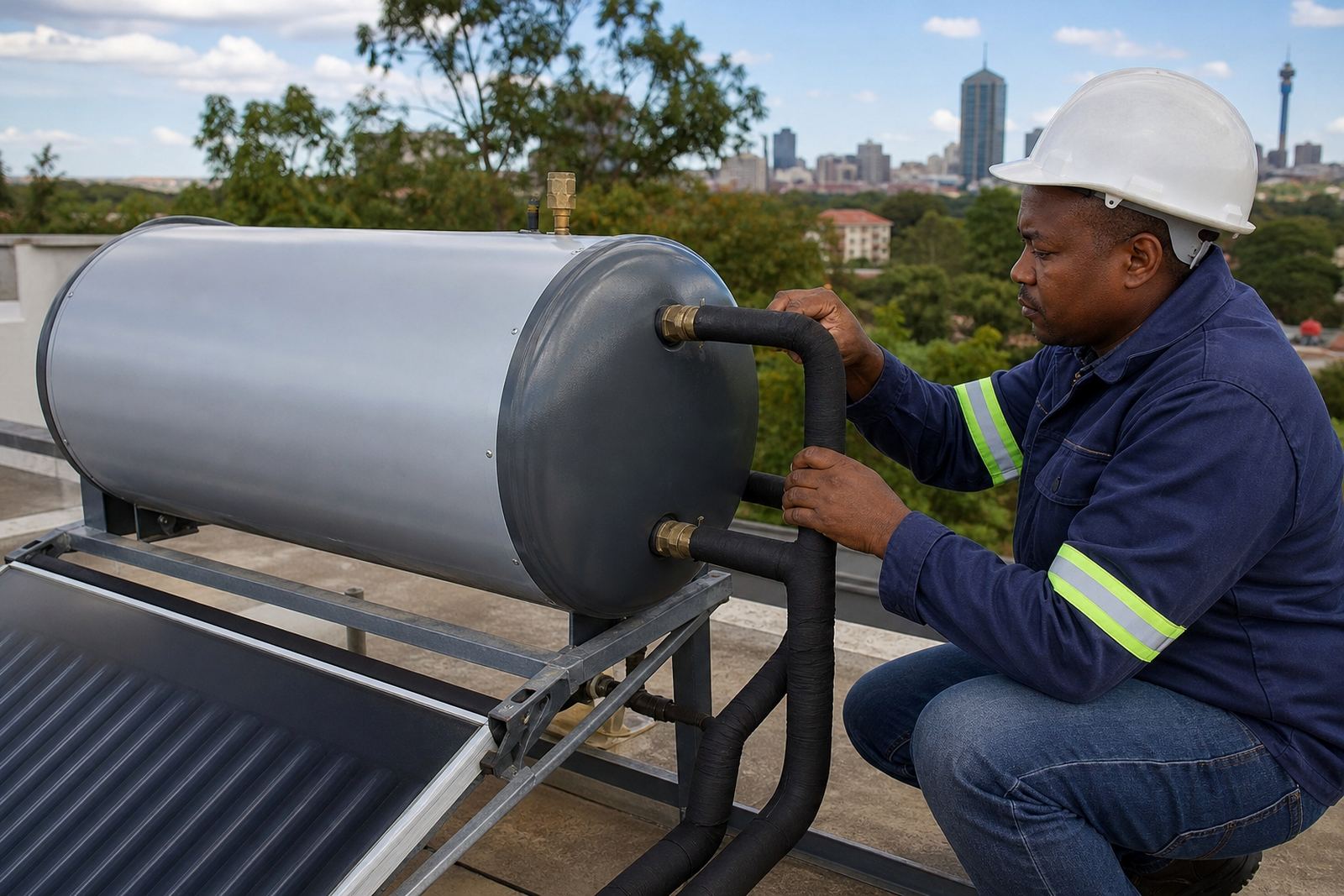
We install solar water heating systems with the same care as electrical systems, because pipe runs, roof support and circulation details all affect performance. A properly installed unit can make mornings easier and reduce the pressure on peak electricity use, especially when the whole property is already running lights, pumps or office equipment.
- Useful for family homes, lodges, salons and light commercial use
- Can be matched to existing plumbing layouts
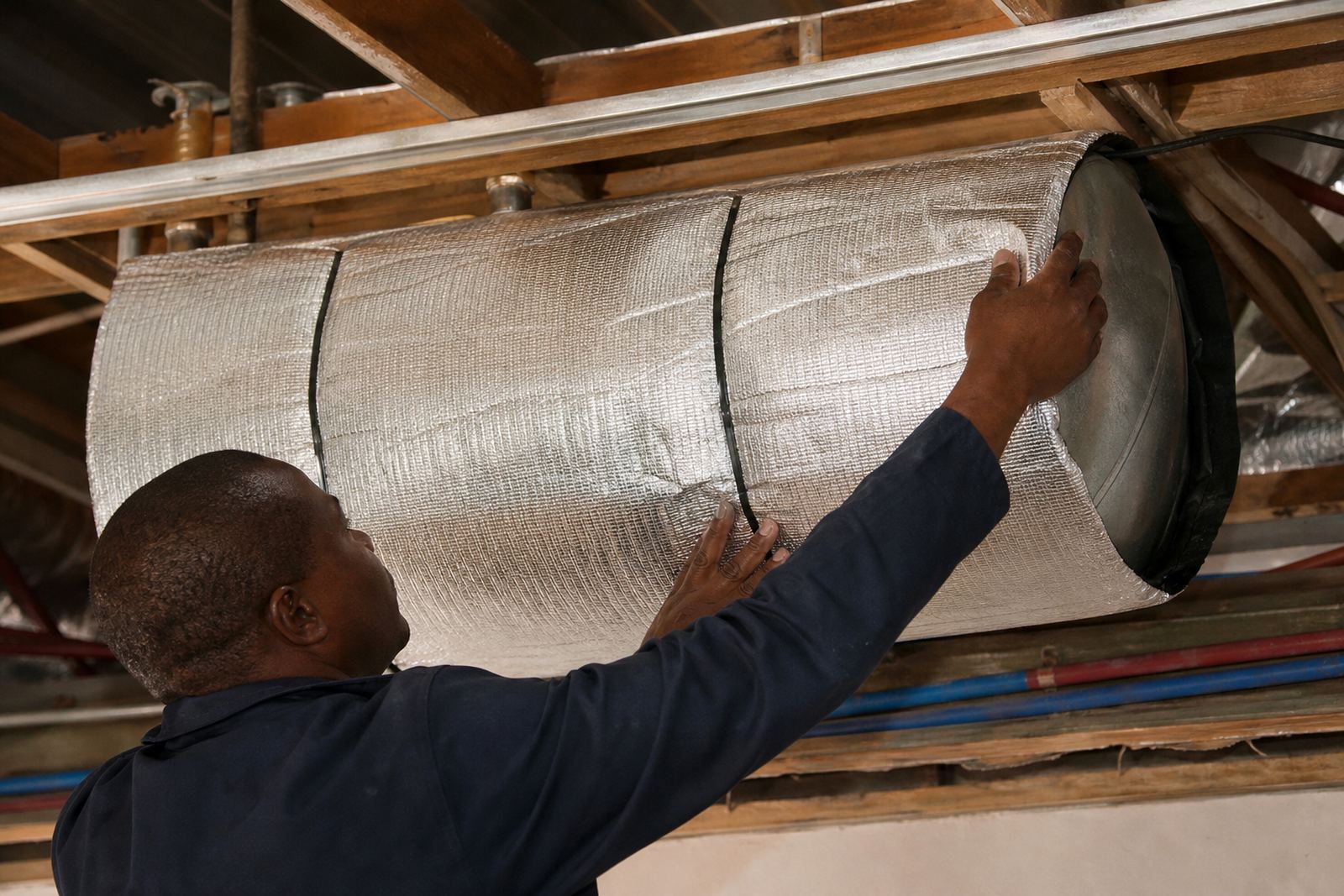
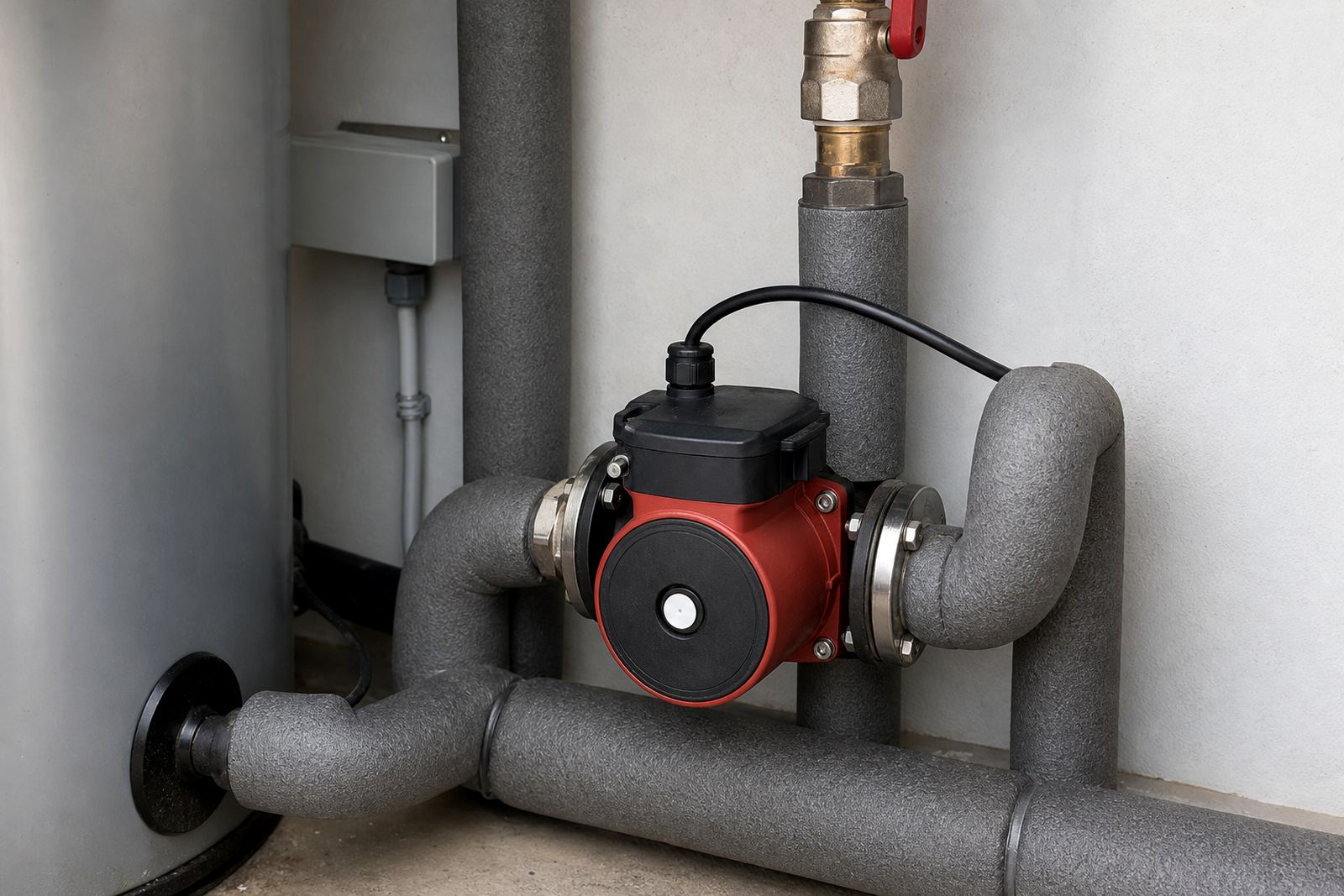
- Requires correct roof fixing and insulated pipe work
- Needs planning for winter use, high demand and hot water recovery
How to compare products before you order
Choosing solar equipment is easier when you compare the needs of your property against each product. Some customers need a simple daytime setup for lower bills, while others want backup for outages as well. If you are in Pretoria, Johannesburg, Durban, Cape Town or Bloemfontein, local conditions like roof type, storm exposure and municipal rules can all affect the final spec.
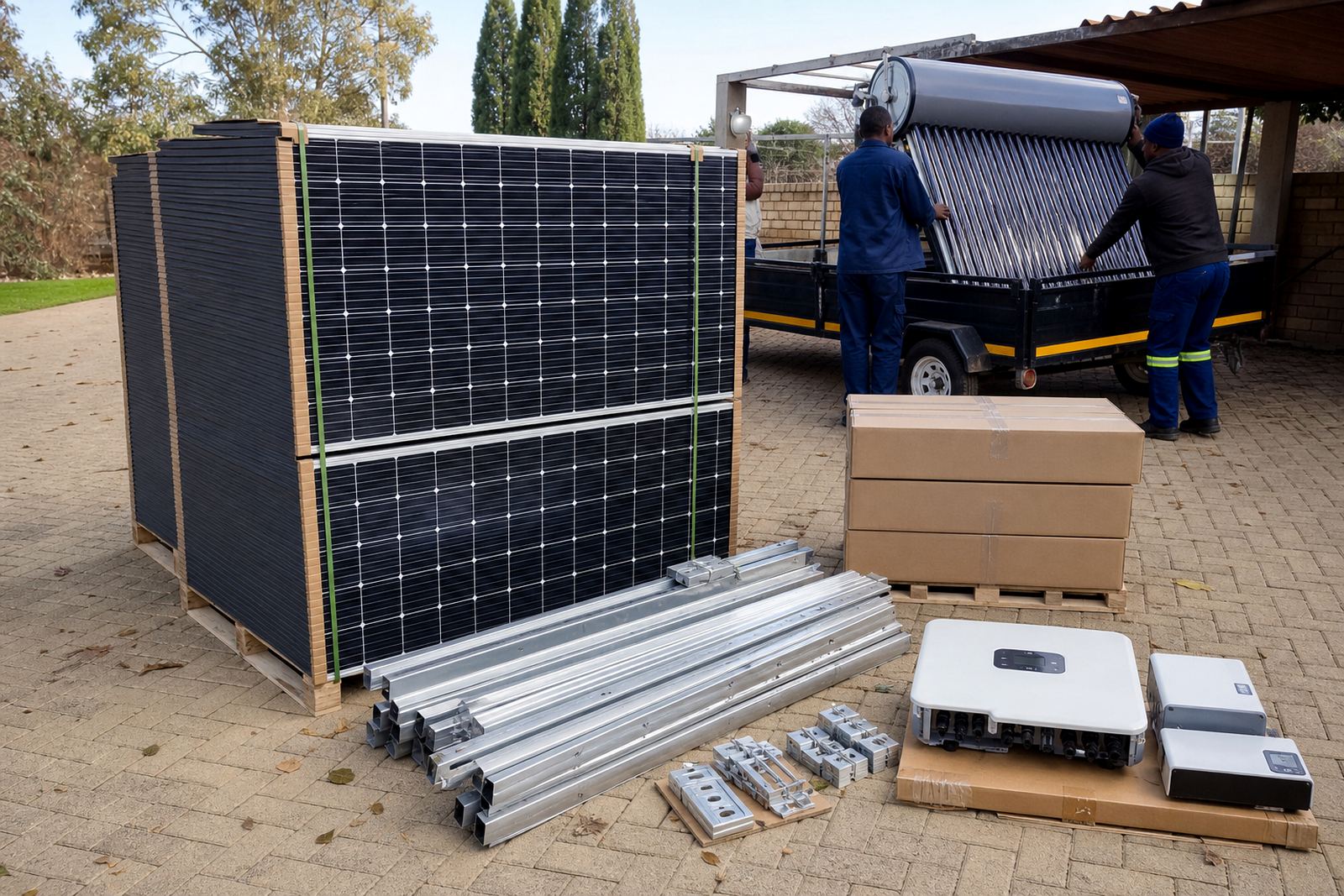
Our team helps with site assessments, system design, panel installation, inverter installation, battery installation, water heater installation, electrical integration, system commissioning, solar maintenance, fault finding, panel cleaning and support callouts. The goal is to make sure each product works as part of one system, not as a loose collection of parts.
Before you choose, think about the following:
- What must stay on during power cuts
- How much roof or wall space is available
- Whether your demand is mainly daytime or evening
- How much hot water you use and when you use it
- Whether the property may need expansion later