What a mixing valve does in a hot water system
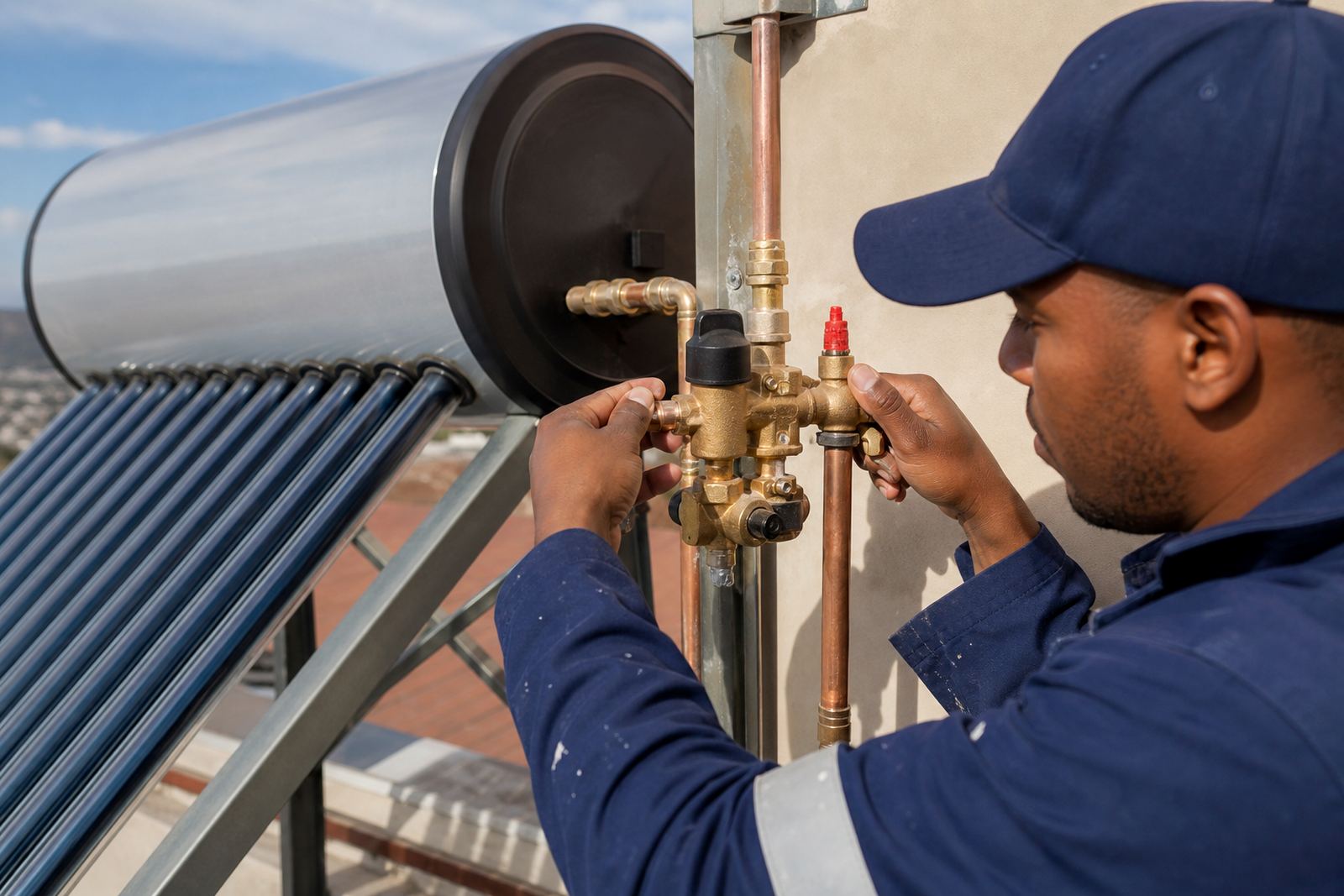
A mixing valve blends hot water from the heater with colder incoming water before it reaches the outlets. The result is a steadier delivery temperature, which matters on busy sites, family homes and places where more than one tap may be opened at the same time. It also helps reduce the risk of water that is too hot for showers, basins and washing points.
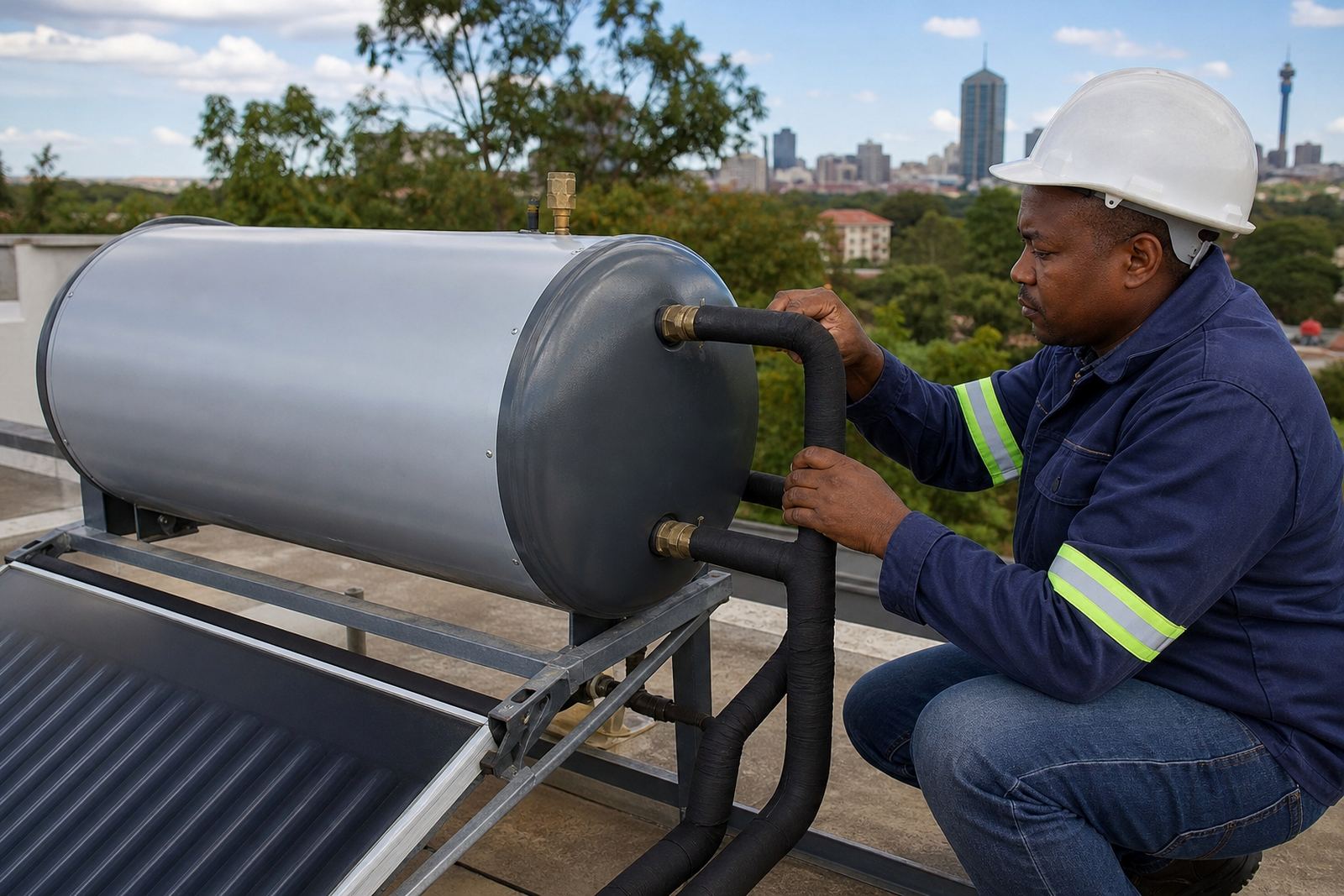
In South African homes, a mixing valve is often fitted where a solar water heater, geyser or other heating source can send out water that is warmer than expected, especially during strong sun in Pretoria or hot summer days in Gauteng. In coastal areas like Durban and Cape Town, the valve also helps maintain more consistent outlet temperatures when weather changes affect system performance.
Typical sizes, temperature ranges and valve types
Mixing valves are selected by pipe size, flow rate and the temperature range required for the site. Common connection sizes are 15 mm, 22 mm and 28 mm, with larger sizes available for higher demand systems. The right choice depends on the number of bathrooms, kitchens or service points connected to the hot water line.
- Manual temperature control valves for simple domestic use
- Thermostatic mixing valves that adjust to changes in supply temperature
- High flow options for larger family homes and small business premises
- Compact fittings for tight plant room or ceiling spaces
- Units with check valves and serviceable cartridges where specified
Most domestic applications are set to deliver hot water at a controlled outlet temperature suitable for everyday use, but the exact setting depends on the system and local requirements. We check the heater output, pipe layout and pressure before recommending a valve size or setting.
Where mixing valves suit homes and business premises
These valves suit solar water heating systems, electric geysers, heat pump systems and other hot water setups where the outlet temperature needs to be controlled. They are useful in bathrooms, staff ablutions, kitchens, guest rooms and small commercial units where different people use hot water at different times.
For Pretoria and surrounding areas, many clients ask for a mixing valve when they want more even shower temperatures through the day, especially where water heating systems can run very hot after a clear winter morning. In older properties around Johannesburg or Bloemfontein, valve fitting can also help when pipe runs are long and the water at the tap changes quickly.
- Homes with solar water heaters
- Guesthouses and small lodges
- Small offices with staff washrooms
- Shops, salons and clinic wash areas
- Rental units where safe hot water control matters
Installation requirements and system compatibility
Installation should be done by a person who understands hot water plumbing and the local electrical setup where pumps, controls or sensors are involved. The valve must be fitted in the correct flow direction and placed where it can read the mixed water properly. Poor positioning can lead to unstable temperatures or weak flow at the outlet.
Some systems need only plumbing work, while others need coordination with electrical components such as circulation pumps, temperature sensors or controller wiring. That work is done by qualified installers. We also check if the pipework has enough space for isolation valves, strainers and service access, because a valve that is hard to reach becomes a problem later.
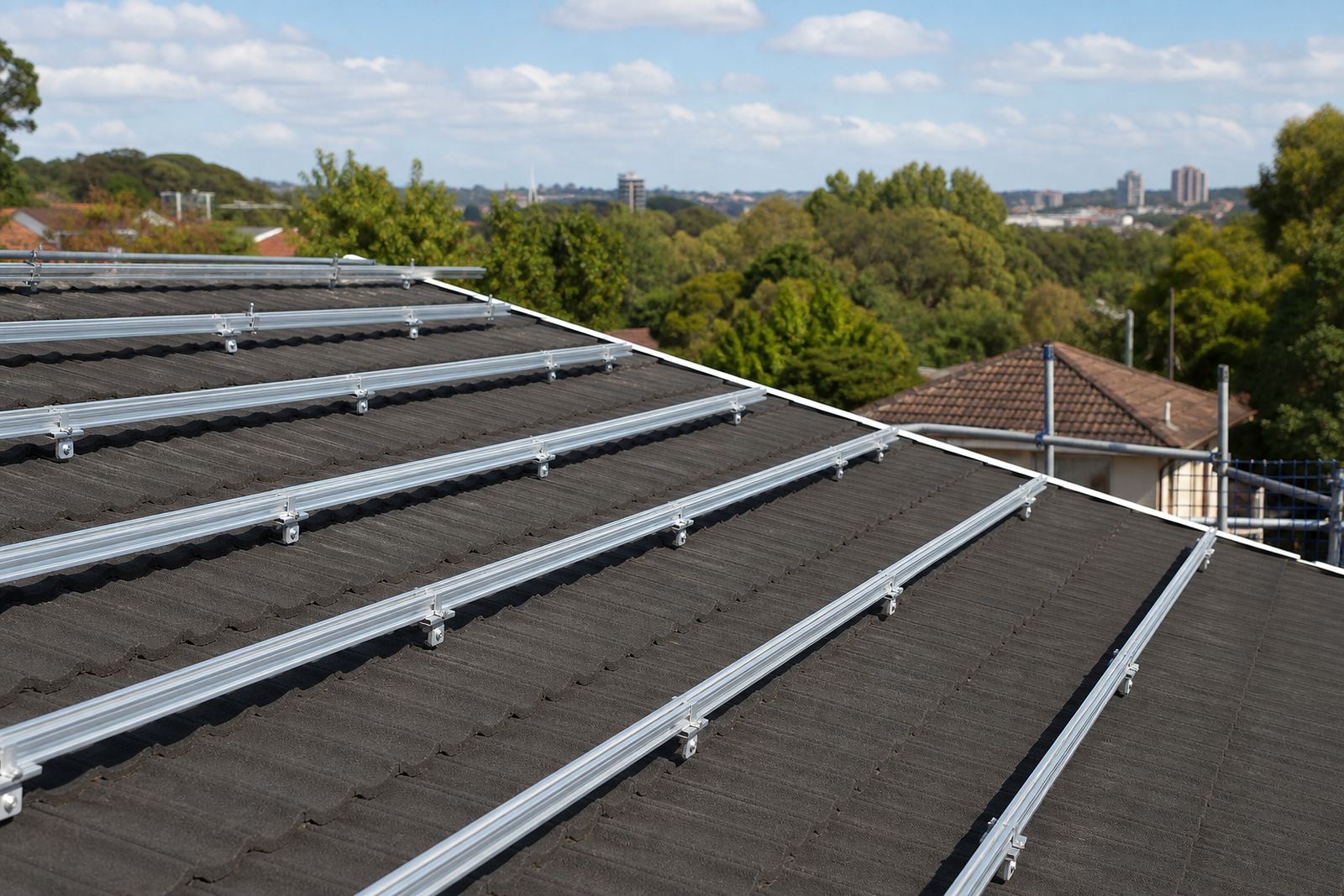
On solar water heating systems, it is important to confirm the heater type, tank capacity and whether the system has pressure control or gravity feed. In coastal towns, we pay extra attention to corrosion risk and fitting quality because salty air can shorten the life of poor-quality components.
Care, servicing and common fault signs
Mixing valves need regular checking, especially on systems that carry scale, sediment or very hard water. Over time, mineral build-up can affect the moving parts and make the temperature less stable. A periodic service helps keep the valve working properly and can prevent complaints about water being too hot or too cold.
Common signs that a valve needs attention include temperature swings, reduced hot water flow, drips at the body, or water that takes too long to stabilise. If the system has not been serviced for some time, the issue may be in the valve, the heater, the pipework or a combination of all three.
- Check the outlet temperature from time to time
- Look for leaks around unions and compression fittings
- Flush the system when scale or dirt is suspected
- Keep strainers and service points easy to reach
- Arrange fault finding if temperatures change without warning
In Pretoria and Centurion, where many homes use solar heating, routine maintenance before winter helps avoid cold surprises when the system is expected to work harder.
What to check before ordering a mixing valve
Before you order, make sure you know the pipe size, the type of heater, the expected flow rate and whether the valve must suit a solar hot water system or another heat source. It also helps to know the available pressure, because low pressure and high pressure systems need different valve choices.
Please confirm the following before sending your enquiry:
- Pipe size at the hot water line
- System type, such as solar water heating or electric heating
- Number of outlets using the same hot water supply
- Whether the valve must be wall mounted, inline or near the tank
- Desired temperature range at the point of use
- Whether service access is available for future maintenance
If you are replacing an old valve, a photo of the existing setup and a brief note on how the system behaves can save time. If the water at the tap is sometimes too hot after the solar tank has had a full day in the sun, mention that as well.
Our supply and installation support across South Africa
We work from Centurion, Pretoria and support customers in Johannesburg, Midrand, Durban, Cape Town, Bloemfontein and wider Gauteng. The team handles site assessments, system design, installation support, electrical integration where required, commissioning and maintenance follow-up for hot water and solar related work.
Vuyo Phasha leads the business, with support from Naledi Kgosi in operations, Sarel Delport on installation, Palesa Mabena on project coordination, Mothusi Mphahlele on technical support, Faatimah Latief in customer care and Unathi Tau on solar water heating work. Clients get in touch through the enquiry form on our contact page, and we then confirm what type of valve, fittings and installation steps are needed for the job.
For homes and small businesses alike, the aim is straightforward: hot water that is easier to manage, safer to use and properly matched to the system already in place.
Key facts
| Product type | Temperature control valve for hot water systems |
|---|---|
| Common sizes | 15 mm, 22 mm, 28 mm and larger on request |
| Typical use | Solar water heaters, geysers and other heated water systems |
| Temperature control | Manual or thermostatic options depending on application |
| Installation | Plumbing installation with qualified electrical work where required |
| Service areas | Pretoria, Centurion, Johannesburg, Midrand, Durban, Cape Town, Bloemfontein and Gauteng |