What Roof Mount Rails Do on a Solar Array
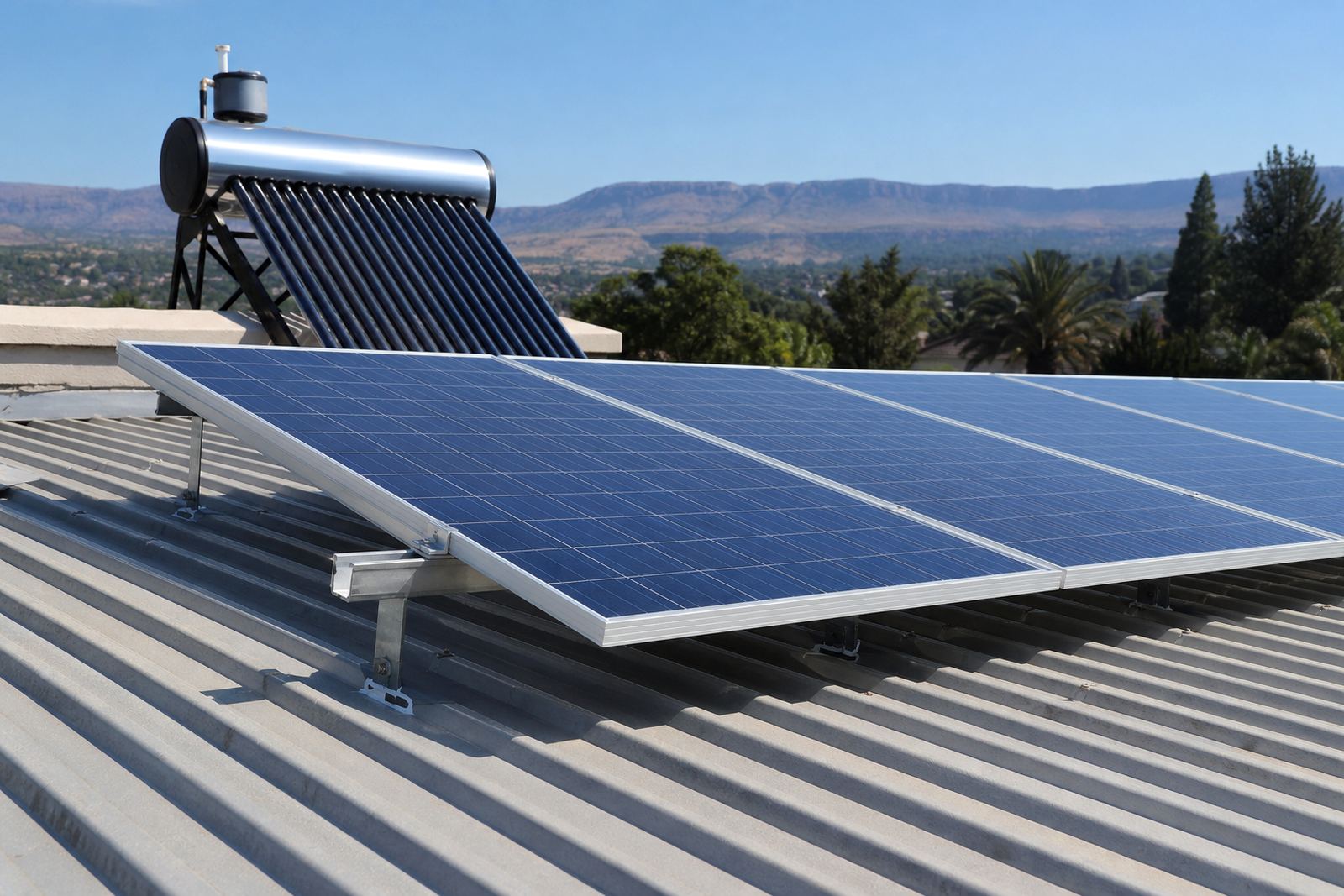
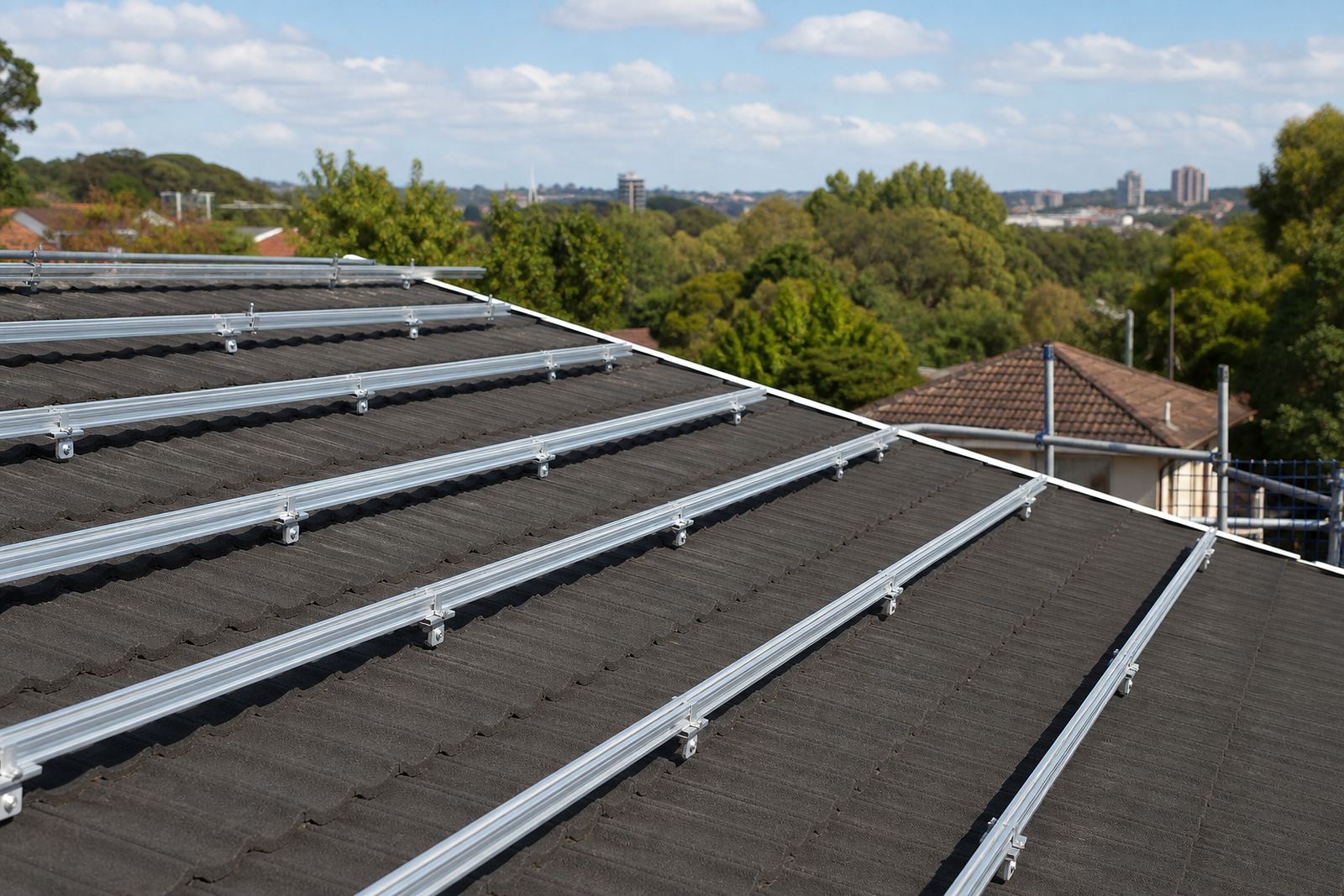
Roof mount rails form the main support line for rooftop solar panels. They are fixed to the roof structure with mounting brackets and then set level so the panels sit in a clean row, with enough clearance for airflow underneath. That gap helps with heat control, which matters on hot inland roofs in Pretoria, Johannesburg and Bloemfontein where panel performance can drop if the array runs too warm.
These rail systems are normally made from aluminium because it is light, corrosion resistant and suitable for long-term outdoor use. On coastal jobs in Durban or Cape Town, the right fixing and fastener choice is just as important as the rail itself, since salt air can be hard on poor quality metal parts. A proper rail system keeps the modules steady in wind, rain and daily thermal movement.
In most homes the rails are used for pitched tile or IBR style roofs, but they can also be adapted for small business roofs where the roof layout is more complex. The key is matching the rail length, bracket spacing and clamp type to the actual roof, not just the panel size.
Sizes, Profiles and Fixing Options
Rail sizes vary according to the span, panel layout and roof type. Common profiles are designed for standard solar module widths, with lengths cut to suit the roof lines and the number of panels being installed. Some systems are supplied in longer runs for larger arrays, while others are joined with couplers for tighter roof spaces. The profile has to carry the panel load and resist uplift, so the spacing of the supports is not a guess.
Typical options include mid clamps, end clamps, joiners, roof brackets and stainless steel fasteners. On tile roofs, the bracket detail often changes from one house to the next because rafters, purlins and tile battens are not always set out the same way. On sheeted roofs the fixing method is usually faster, but sealing and correct torque are still critical. It’s not only about making it tight, it must be done correctly.
- Rail lengths cut to roof layout and panel count
- Aluminium profiles for light weight and strength
- Stainless steel or corrosion resistant fixings
- Clamps matched to the panel frame thickness
- Joiners for longer rows and cleaner alignment
For small business roofs, the support system may also need to allow for maintenance walkways or roof access points. That keeps future servicing simpler and reduces the chance of panels being disturbed during repairs.
Where Roof Mount Rails Suit Best
Roof mount rails suit pitched roofs, carport structures and certain low-rise commercial roofs where the roof pitch and structure can carry a fixed solar array. They are a good fit for homes in Pretoria East, Centurion and Midrand, as well as business premises in Johannesburg and surrounding Gauteng areas where roof space is often the best available option. On smaller business sites, rails are useful when ground space is limited or reserved for parking, loading or yard access.
They also suit properties where the client wants a neat roofline and minimal footprint on the ground. In many suburbs, the roof is the most practical place to put the array because the building already has good exposure and the installation stays out of the way. As long as the structure is sound and the tilt is workable, rails provide a straightforward mounting base for solar panels.
- Pitched residential roofs with enough structural support
- Small commercial roofs where ground mounting is not practical
- Properties needing a tidy, fixed panel layout
- Sites with good sun exposure and low shading
If the roof is old, badly rusted or has broken tiles, the installer should assess it before any mounting is done. A rail system is only as good as the roof underneath it.
Installation, Electrical Work and Power Requirements
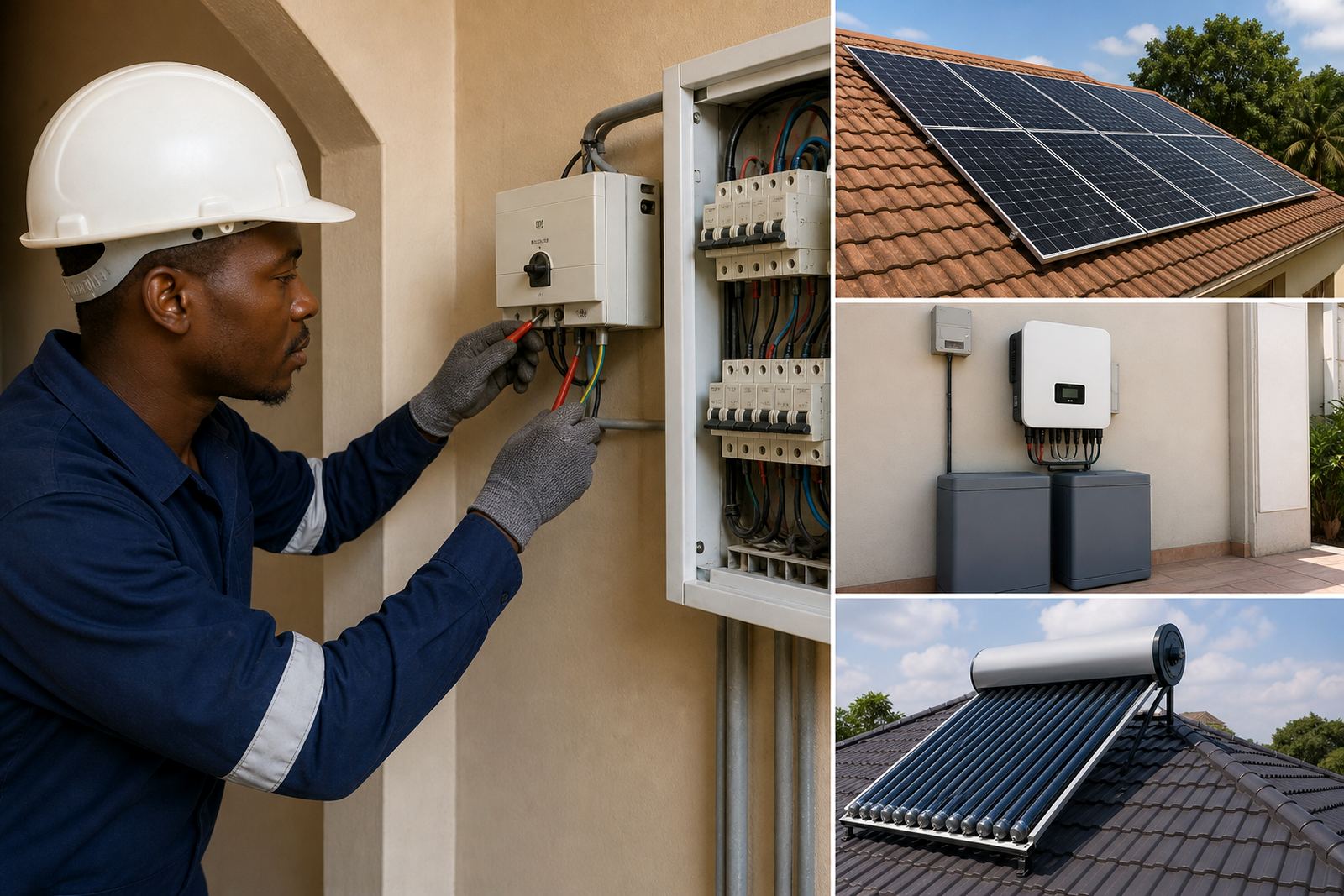
Rail installation starts with a roof assessment, then fixing positions are marked, brackets are anchored and the rails are levelled before the panels are clamped in place. For solar panel systems, the rail work is only one part of the job. The DC and AC electrical side must be completed by qualified installers, including the inverter connection, battery connection where needed, and final system commissioning. That keeps the installation compliant and safer to operate under South African conditions.
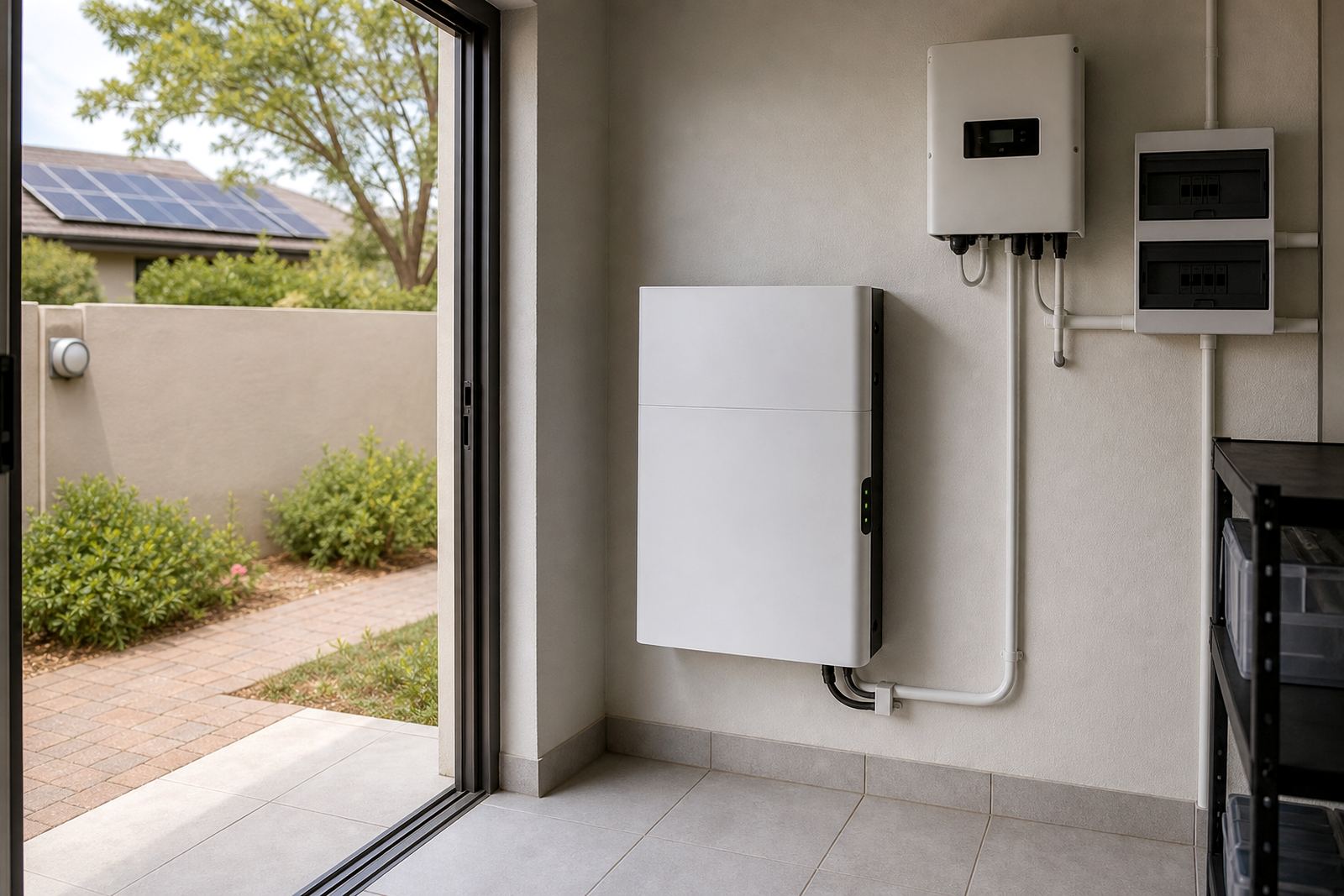
On homes with load-shedding concerns, the rail system needs to support the panel array planned around the inverter and battery setup. If the client is running essential loads only, the number of panels, the roof orientation and the battery size all affect the final layout. For businesses, the design may need to suit daytime demand, refrigeration, gate motors or office loads, so the rail positions are planned together with the electrical design. One loose bracket or badly spaced clamp can cause trouble later, so careful fitting matters.
Power requirements are not about the rails drawing power themselves, but about the full solar system they support. The installer needs enough access for cable runs, earthing, isolators and weather protection. On some roofs, conduit routing and cable drop points need to be planned before the rails go up, otherwise the finished array can be awkward to maintain.
Care, Servicing and Long-Term Use
Roof mount rails do not need much day-to-day attention, but they should be checked during routine solar maintenance. Over time, wind movement, thermal expansion and roof settlement can affect fixings, especially on older homes or industrial type buildings. A proper inspection should look for loose bolts, corrosion on fixings, damaged seals and any movement in the brackets.
Panel cleaning is often done at the same time as a rail inspection. Dust, bird droppings and coastal grime can hide small issues around the clamps or frame edges. On Durban and Cape Town properties, extra attention should be paid to corrosion at the metal junctions and any sign of water ingress around roof penetrations. Good servicing is not only about output, it also helps protect the roof structure below the array.
- Check fixings after heavy wind or severe weather
- Inspect roof seals and penetrations for leaks
- Look for corrosion on bolts, brackets and clamp points
- Keep panels clean so faults are easier to spot
- Include rail checks during scheduled solar maintenance
If a panel is removed for fault finding, the rail alignment and clamp tension should be checked again before the array is put back into service.
What to Check Before You Order Roof Mount Rails
Before ordering, confirm the roof type, roof pitch, panel size and the number of panels to be installed. It also helps to know whether the property is in Pretoria, Johannesburg, Durban, Cape Town, Bloemfontein or another Gauteng area, because coastal humidity and wind exposure can change the fixing spec. The installer should also know if the roof is tile, sheeted or a mixed structure, since that affects bracket choice and sealing details.
Clients should also confirm whether the order is for a new solar panel install or for adding panels to an existing system. Adding more panels may require extra rails, different clamps or a revised layout. If the site also has a solar water heater, the roof space must be planned carefully so the rail lines do not clash with the cylinder, plumbing or service access. On tighter roofs, a proper site assessment avoids later changes and wasted material.
It is worth checking the following before the rails are supplied:
- Roof material and structural condition
- Panel frame thickness and module dimensions
- Required span, row count and roof orientation
- Corrosion exposure, especially on coastal sites
- Space for cable runs, isolators and maintenance access
Linuo Solar works from Centurion and Pretoria and supports homes and small businesses through the full process, from site assessments and system design to panel installation, inverter installation, battery installation, water heater installation and commissioning. Clients can send an enquiry through the contact page for a site review and a practical rail specification that suits the roof, the load and the long-term maintenance needs.
Key facts
| Material | Aluminium rail profile with corrosion resistant fixings |
|---|---|
| Use | Roof mounted support for solar panels |
| Typical roof types | Tile, sheeted and selected light commercial roofs |
| Lengths | Cut to size or joined for longer runs |
| Fixings | Stainless steel or equivalent outdoor-rated hardware |
| Maintenance | Periodic inspection, cleaning and re-torque checks |