What Sheet Roof Brackets Do on a Solar Roof
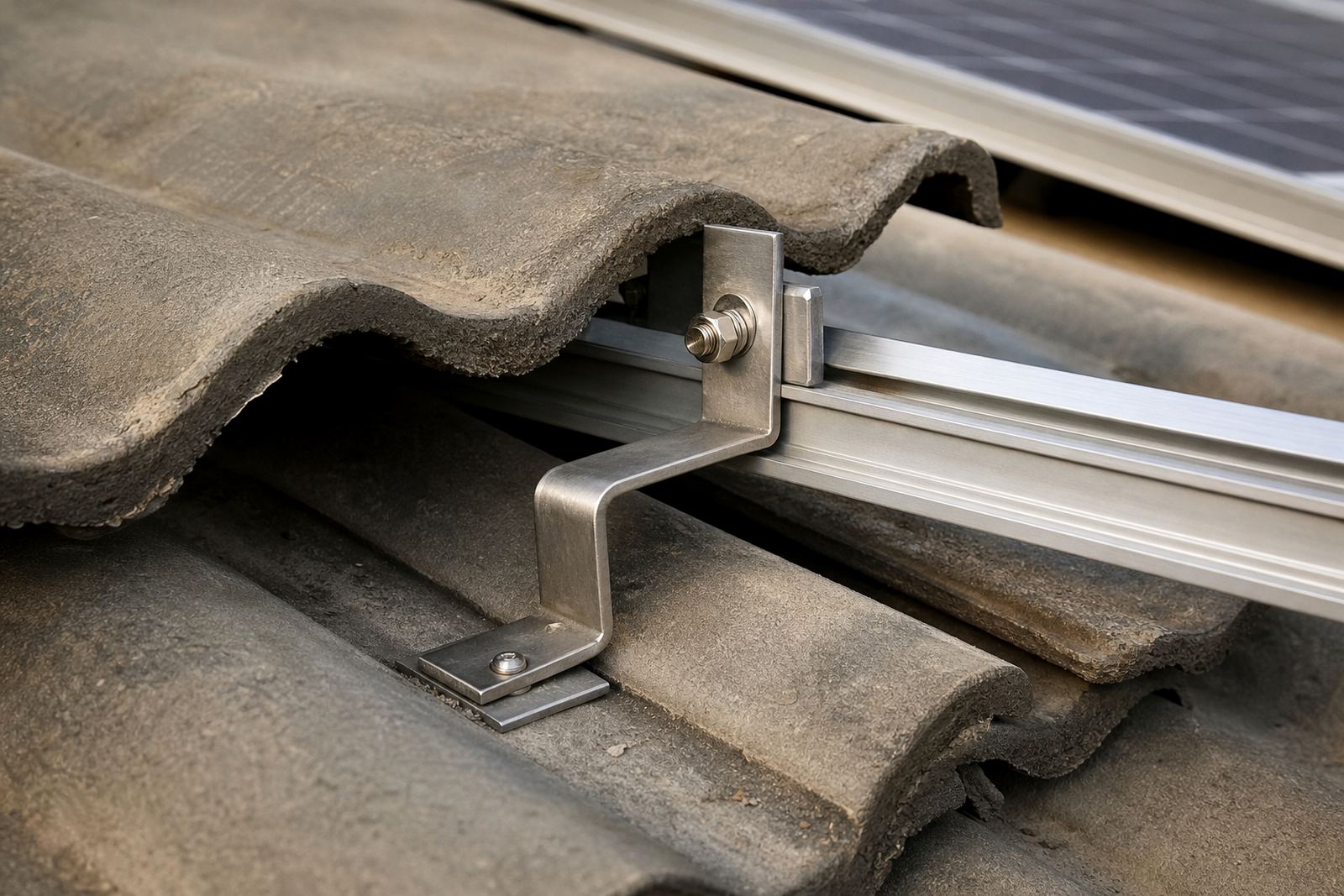
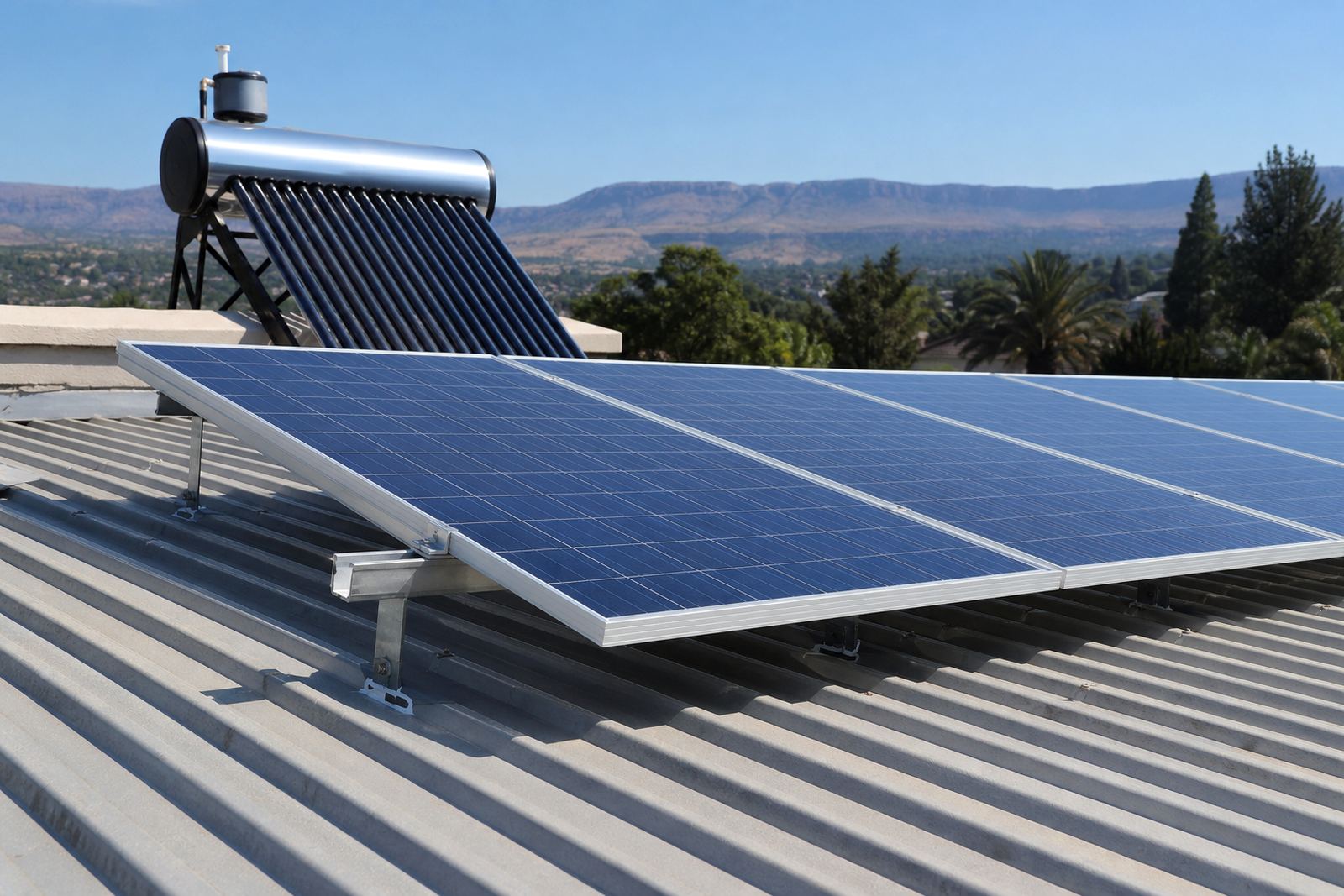
Sheet roof brackets provide the fixing point between the roof structure and the solar mounting system. They are used on corrugated, IBR, corrugated iron and other metal sheet roofs where a secure anchor is needed for panels. The bracket helps transfer the weight and wind load of the array into the roof frame so the installation stays steady in Gauteng heat, coastal humidity and strong summer wind.
On a typical roof, the bracket is paired with rails, flashing or sealing washers and corrosion-resistant fasteners. The final layout depends on roof pitch, rafter spacing, panel size and where the roof structure gives the best support. For homes and small businesses, this matters because a neat fixing method makes maintenance easier and helps reduce leak risk over time.
Sizes, Fixing Styles and Material Options
Sheet roof brackets come in different profiles to suit the roof shape and the mounting method. Some are designed for direct fastening to timber or steel purlins, while others work with rail systems and stand-off fittings. The right option depends on whether the roof is older corrugated sheeting, newer IBR profile, or a sheeted canopy over a yard, carport or warehouse bay.
- Short brackets: useful where the roof profile is low and the rail sits close to the sheet.
- Raised brackets: allow extra clearance for roof ridges and better airflow under panels.
- Adjustable brackets: help with uneven roof lines or mixed roof structures.
- Steel or aluminium options: chosen for strength, weight and corrosion resistance.
In coastal areas such as Durban and Cape Town, corrosion resistance is a bigger concern, so the fixing material and coating should suit salty air. In Pretoria and the inland areas, heat expansion and roof age are more often the points to check.
Where These Brackets Suit Best
Sheet roof brackets suit buildings with metal roofs where solar panels need to sit above the sheet without cutting corners on support. They are commonly used on homes, small retail buildings, garages, staff quarters, workshops and outbuildings. They also suit many small business roofs where the structure is lighter than a concrete slab but still strong enough for solar once the load is spread correctly.
Before installing, a site assessment should check roof condition, rust, loose screws, sagging sheets, damaged timber and any existing waterproofing work. In some older roofs, a few repairs may be needed before panels are fitted. That step is important because a solar system should not hide roof faults that will get worse later.
- Homes with pitched metal roofs
- Carports and covered parking bays
- Warehouses and storage rooms
- Garden cottages and small office blocks
- Farms, sheds and light workshop buildings
Installation, Electrical Work and System Fit
Bracket installation is done by qualified installers, and all electrical work must be handled by qualified installers as well. The fixing points are marked out to match the panel layout and the roof structure underneath. From there, the brackets are anchored, rails are aligned and the panel rows are set to allow proper spacing for airflow, cabling and maintenance access.
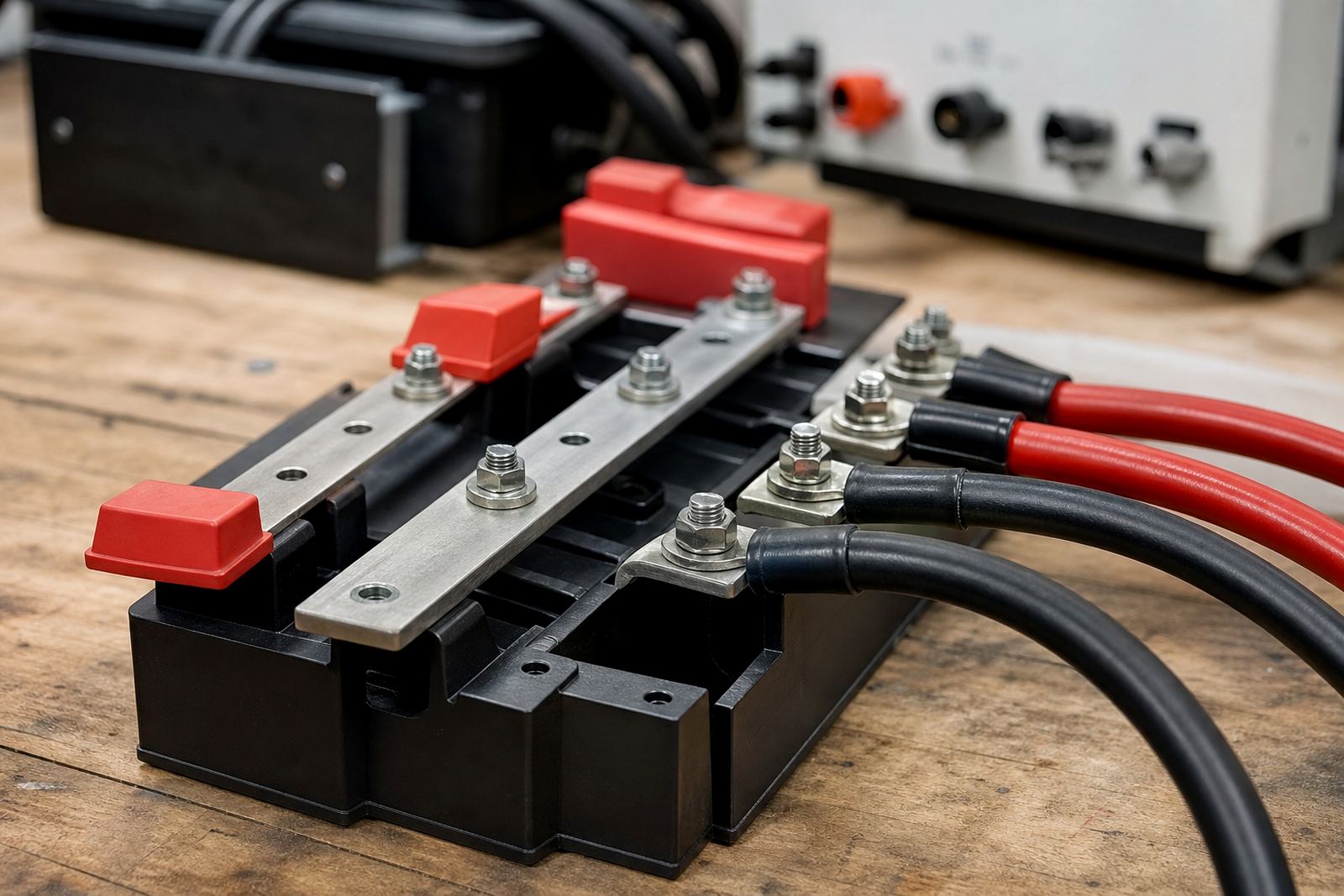
Where the system includes inverters and batteries, the roof mounting must be coordinated with cable routes, protection equipment and the point where the supply is integrated into the property. That coordination matters on homes and business premises that need back-up during load-shedding. A clean roof layout also helps with future servicing, because the panels and wiring are easier to inspect without disturbing the roof more than necessary.
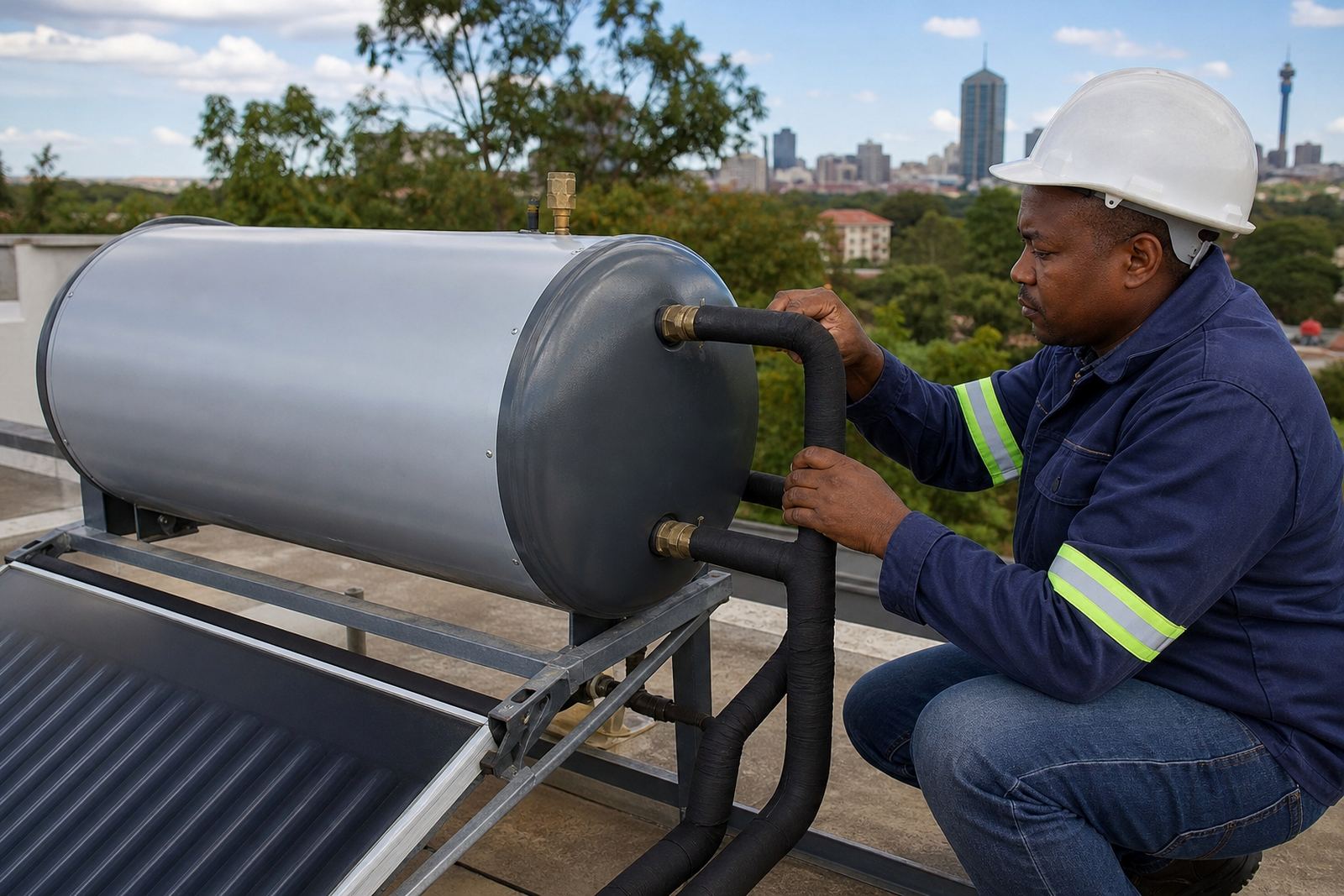
For solar water heaters, sheet roof brackets may be used to secure collector rails or support framing where the roof profile and tank position need careful planning. The installer should confirm that the roof can carry the additional mass, especially when the cylinder is full of water.
Care, Servicing and Long-Term Use
Sheet roof brackets need very little day-to-day attention, but they should be checked as part of regular solar maintenance. Fasteners can loosen with vibration and temperature changes, while seals and washers may age faster on coastal roofs. A proper service should look for movement, rust marks, cracked sealant, lifted flashing and water tracking after heavy rain.
Panel cleaning also gives a chance to inspect the brackets. Dust, bird mess and salt build-up can hide early signs of wear. If the system is on a school, shop or office roof, it is smart to schedule an inspection after major storms or strong wind, especially where the roof sheets are old or the building has had repairs before. Minor issues caught early are cheaper to sort out than roof leaks or panel movement later.
What to Check Before You Order
Before ordering sheet roof brackets, it helps to confirm the roof profile, sheet thickness and structure below the sheets. The installer should know whether the roof is timber or steel framed, what panel size is being used, and whether the system includes rails, battery backup or a solar water heater. These details affect bracket height, fixing points and the number of brackets needed.
- Roof type and profile, such as corrugated or IBR
- Sheet condition, including rust, flex and previous patching
- Panel size and layout for the available roof area
- Wind exposure, especially on high or coastal roofs
- Access for installation and later servicing
- Whether the roof will carry solar panels, a water heater or both
For customers in Pretoria, Centurion, Midrand, Johannesburg, Durban, Cape Town and Bloemfontein, the best approach is a site check before any final order is placed. That way the fixing method suits the building, the local weather and the load requirements, without unnecessary rework.
Key facts
| Product type | Fixing brackets for solar installations on metal and sheeted roof structures |
|---|---|
| Suitable roof types | Corrugated, IBR, sheeted metal roofs and similar roof profiles |
| Typical use | Solar panel mounting and select solar water heater support applications |
| Material options | Corrosion-resistant steel or aluminium, depending on roof and exposure |
| Installation | Installed by qualified installers with aligned rails, seals and fixings |
| Service areas | Pretoria, Johannesburg, Durban, Cape Town, Bloemfontein and across South Africa |