
What Tile Roof Clamps Do On A Tiled Roof
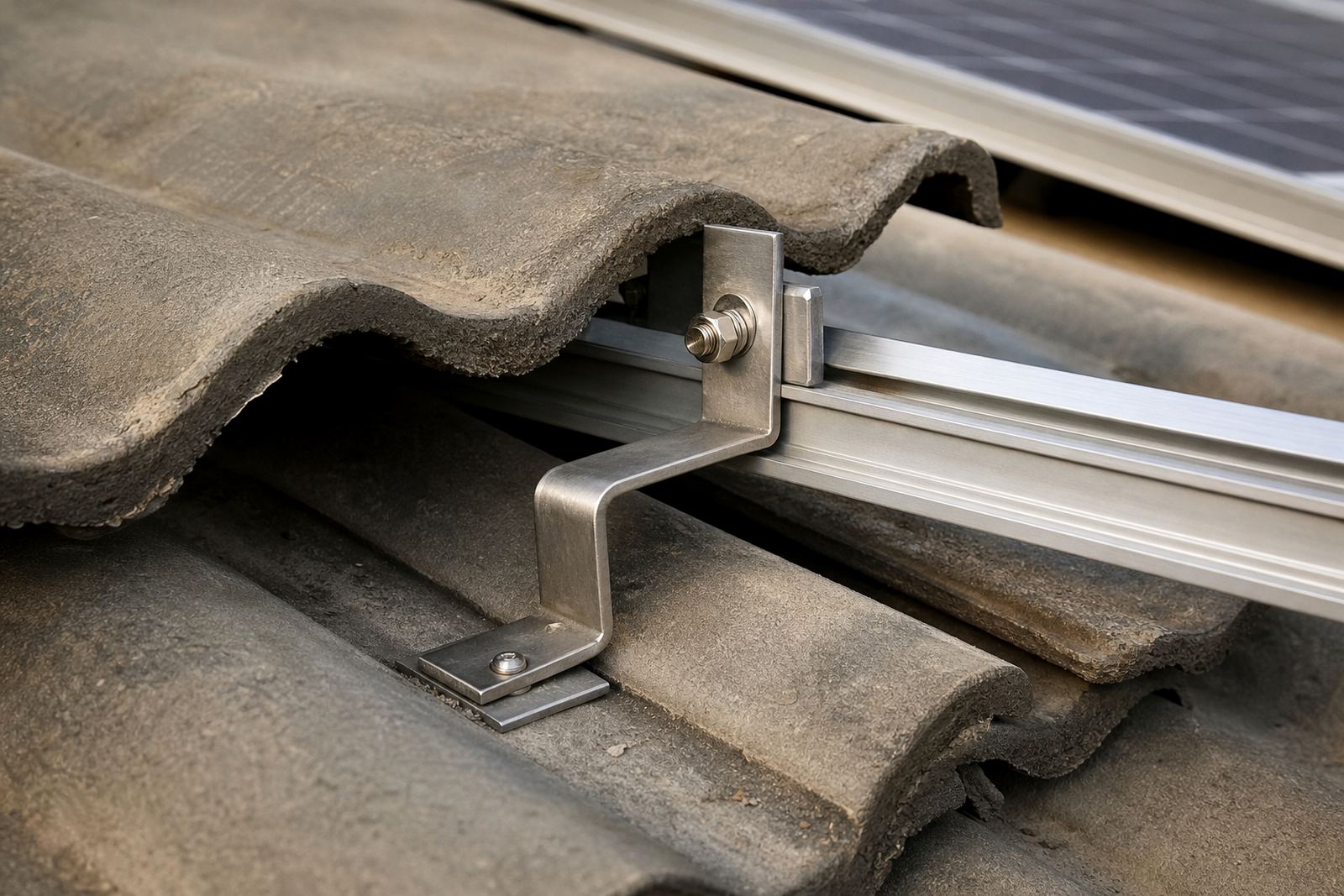
Tile roof clamps are designed to hold the mounting rails that carry solar panels on concrete or clay tiled roofs. They create a firm fixing point between the roof structure and the solar array, helping keep the system stable in strong wind, summer storms and the regular thermal movement that comes with South African weather. On tiled roofs, the clamp position and fixing method matter because the installer has to work around the tile profile, battens and the underlying rafters.
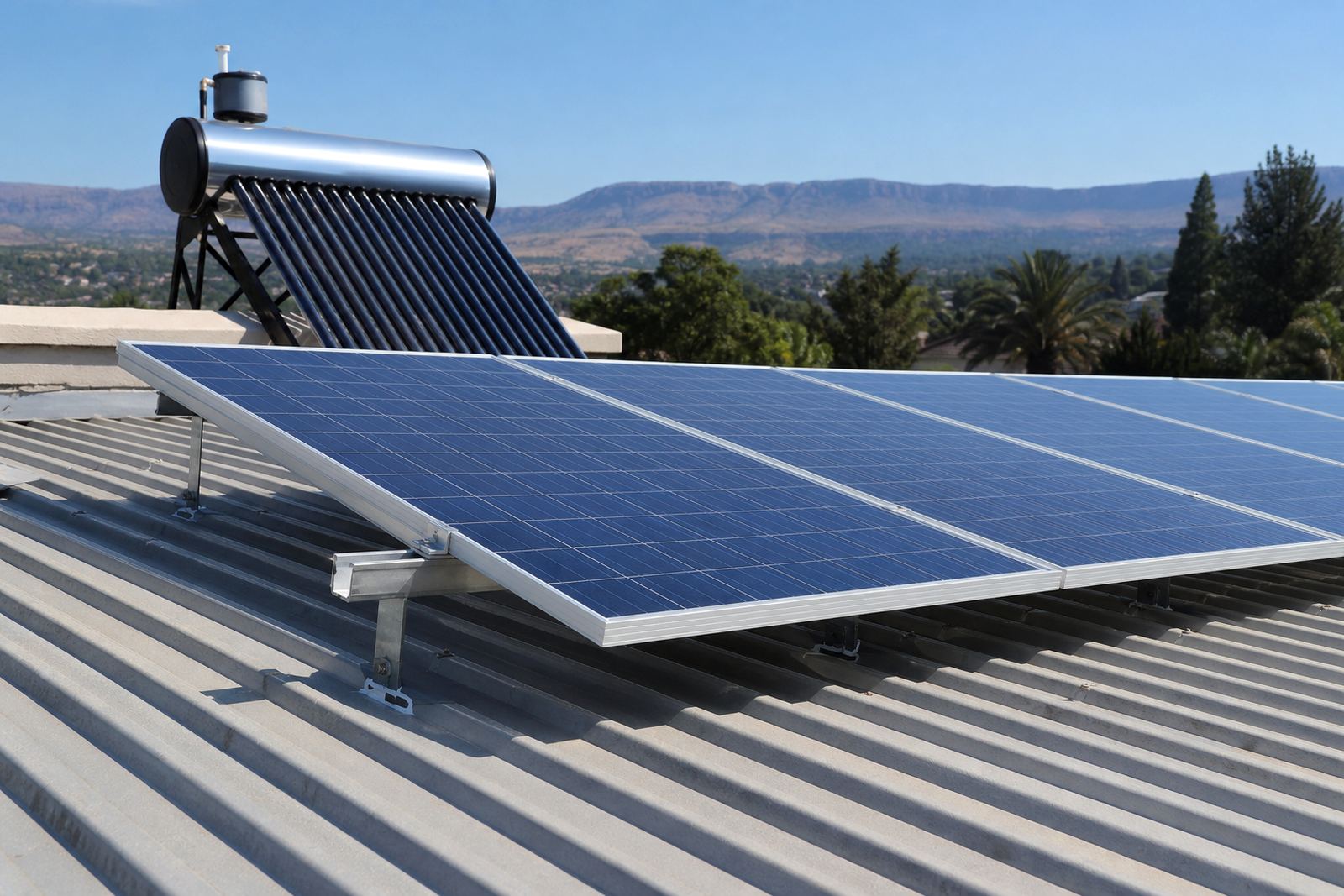
In a typical residential installation, clamps are selected to suit the roof type and the panel layout. The aim is to keep the panels level, secure and properly spaced from the roof so there is room for airflow underneath. That airflow helps reduce heat build-up, which is important for system performance in Pretoria, Johannesburg and other inland areas where roof temperatures climb quickly in the middle of the day.
These clamps are part of the mounting system, not a power component, so they do not generate electricity on their own. They are still one of the most important parts of the job because a poor roof fixing can lead to loose rails, tile damage or leaks if the installation is rushed.
Common Sizes, Fixing Styles And Material Options
Tile roof clamps come in a few practical styles, depending on the roof construction and the panel mounting layout. The correct choice depends on tile shape, rafter spacing and how much stand-off is needed between the rail and the roof surface. For most domestic jobs, installers work with clamp sets that are selected to match the roof profile and the rail size being used.
- Tile hooks or tile clamps for standard pitched tiled roofs
- Adjustable clamp options for uneven roof lines or mixed tile profiles
- Stainless or corrosion resistant hardware for coastal areas and long service life
- Mounting points sized to fit common solar rail systems used on homes and small businesses
- Fasteners matched to the roof structure for secure rafter fixing
In South Africa, material choice matters. In coastal towns like Durban and Cape Town, humidity and salt in the air can shorten the life of poor quality fixings. Inland, heavy rain and dust can also work on exposed metal over time. That is why installers usually specify clamps and bolts that are suited to the local conditions, not just the panel size.
Most clamp systems are installed with aluminium rails and stainless steel or treated fixings. The exact dimensions can vary by roof type and supplier, but the important thing is that the clamp must sit correctly on the tile line and transfer the load into the structure below, not onto the tiles themselves.
Where Tile Roof Clamps Suit Best
Tile roof clamps are best suited to pitched tiled roofs on homes, townhouses, rental units and small business buildings. They are commonly used where the roof has concrete or clay tiles and where the owner wants solar panels mounted above the roof covering in a tidy, permanent way. They are suitable for both smaller systems and larger arrays, provided the roof structure can carry the load and the fixing points are planned properly.
They suit a wide range of settings across Pretoria, Centurion, Midrand, Johannesburg, Bloemfontein, Durban and Cape Town. On suburban homes, the main focus is neat positioning and roof protection. On small business premises, the focus may also include access for maintenance, cable routing and keeping the array clear of vents, skylights or other roof fittings.
They are not the right choice for every roof, though. Flat roofs, metal sheet roofs and asbestos cement roofs need different mounting methods. If the roof tiles are brittle, lifted, cracked or badly aligned, the installer may need to repair or replace sections first before fitting the clamp system. A proper site assessment helps avoid rushing into a layout that will cause trouble later.
Installation, Electrical Work And Roof Safety
Tile roof clamps should be fitted by experienced solar installers who know how to work on pitched roofs safely. The process normally starts with marking the fixing points, lifting tiles carefully, securing the clamps into the rafters or approved structural points, then fixing the mounting rails and setting the panel positions. Tiles must be replaced cleanly after the fixings are tightened so the roof remains weather ready.
The clamp itself is mechanical, but the full solar installation may also involve inverter installation, battery installation and electrical integration. That electrical work must be handled by qualified installers, with proper commissioning and checks before the system is switched on. In practice, the mounting team and the electrical team need to work together so the panel layout, cable routes and inverter position all make sense.
For homes and small businesses, we also check access for future servicing. A good install leaves enough room for maintenance, panel cleaning and fault finding without stepping on tiles or pulling against the fixings. On load-shedding sensitive systems, tidy cable routes matter because you want quick access to the inverter, isolators and battery area when support callouts are needed.
In Pretoria and surrounding areas, installers often also consider roof pitch, afternoon shade from trees and where the equipment will be placed inside the building. Good planning saves time on the day and reduces the chance of roof repairs later.
Care, Servicing And Long Term Checks
Tile roof clamps do not need much day-to-day attention, but they should be inspected as part of routine solar maintenance. Over time, wind, temperature changes and roof movement can affect fasteners, especially if the installation was done on an old roof or one with loose tiles. A regular check can pick up small issues before they turn into leaks or movement in the rail line.
Good servicing usually includes checking the clamp tightness, looking for cracked tiles near fixing points, confirming that rail joints are still aligned and making sure there is no corrosion or water staining around the attachment areas. In coastal conditions, more frequent inspections are sensible because moisture and salt can be tougher on exposed hardware.
- Check that no tiles have shifted after high winds or heavy rain
- Inspect bolts, brackets and rail joints for signs of movement
- Clear dirt, leaves and bird nesting material from around the roof area
- Look for water marks under the fixing points after major storms
- Arrange panel cleaning so the mounting points can also be visually checked
If a system has been in place for several years, a maintenance visit can also confirm whether the clamps are still suitable for the current panel arrangement, especially if panels have been added or replaced since the original install.
What To Check Before You Order
Before ordering tile roof clamps, it helps to confirm the roof type, tile profile and panel layout. The installer needs to know whether the roof uses concrete tiles or clay tiles, the roof pitch, the distance between rafters and whether there are any valleys, ridges or roof windows that affect the fixing pattern. If the roof is old or has damaged areas, that should be flagged during the site assessment.
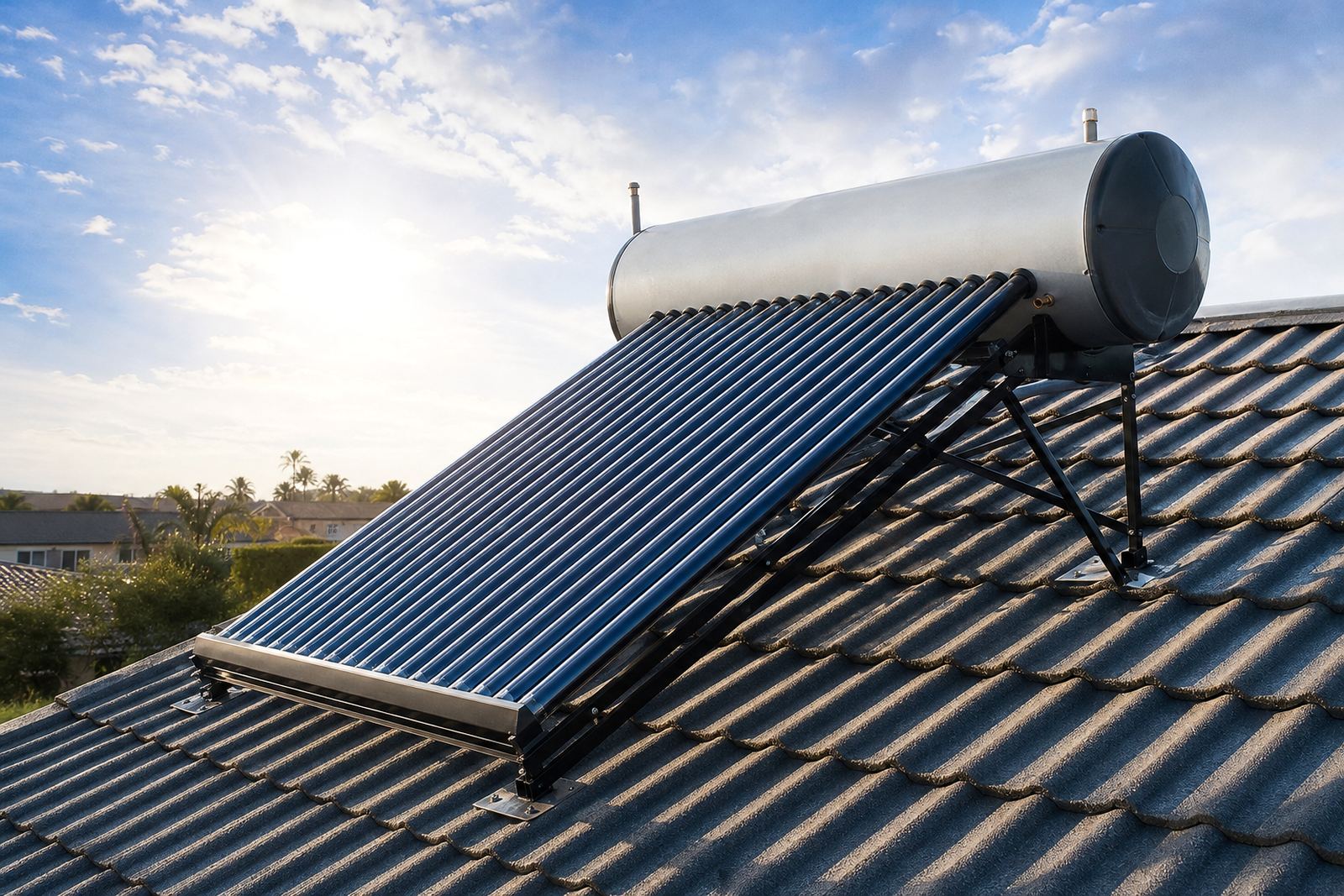
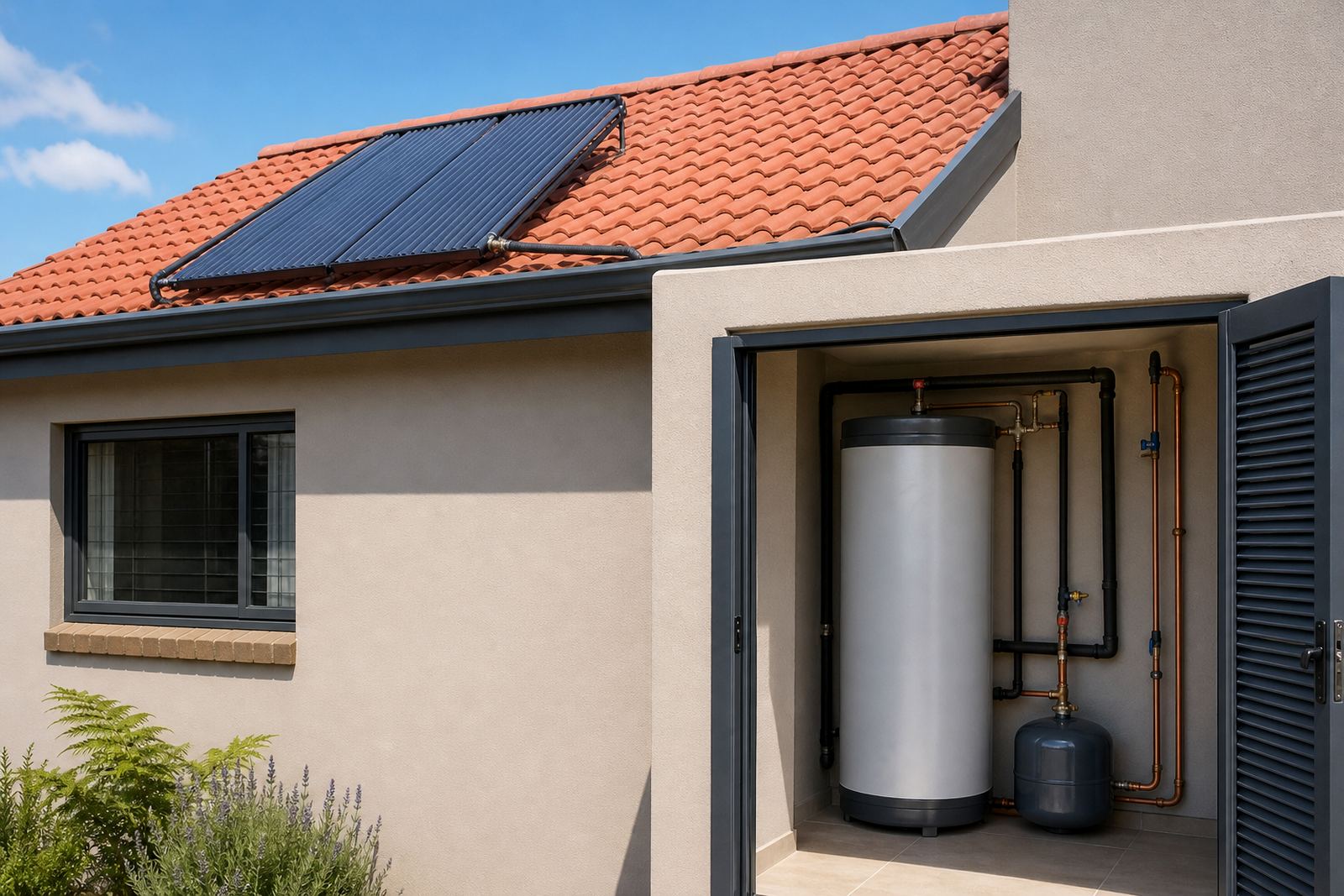
It is also useful to confirm the solar equipment that will be mounted. Clamp selection should match the rail system, the size of the panel array and the intended inverter and battery setup. If the property will also include a solar water heater, that may affect roof space and the best route for pipework. For larger homes and small businesses, this planning step helps keep the roof tidy and avoids clashes between systems.
When customers contact us through the enquiry form on our contact page, we usually ask for the suburb, roof photos if available, and a short description of what they want the system to do. That helps us prepare for site assessments in Pretoria, Centurion, Johannesburg, Midrand, Durban, Cape Town and Bloemfontein. The goal is simple: use the right fixing, on the right roof, with no shortcuts.
Key facts
| Product type | Roof mounting clamps for tiled roofs |
|---|---|
| Suitable roofs | Concrete tile and clay tile pitched roofs |
| Use | Fixing solar mounting rails for panel installation |
| Materials | Corrosion resistant metal fittings and matching fasteners |
| Installation | By experienced solar installers, with qualified electricians for electrical work |
| Maintenance | Periodic inspection, tightening and visual roof checks |