
What a split water heater does and why the layout matters
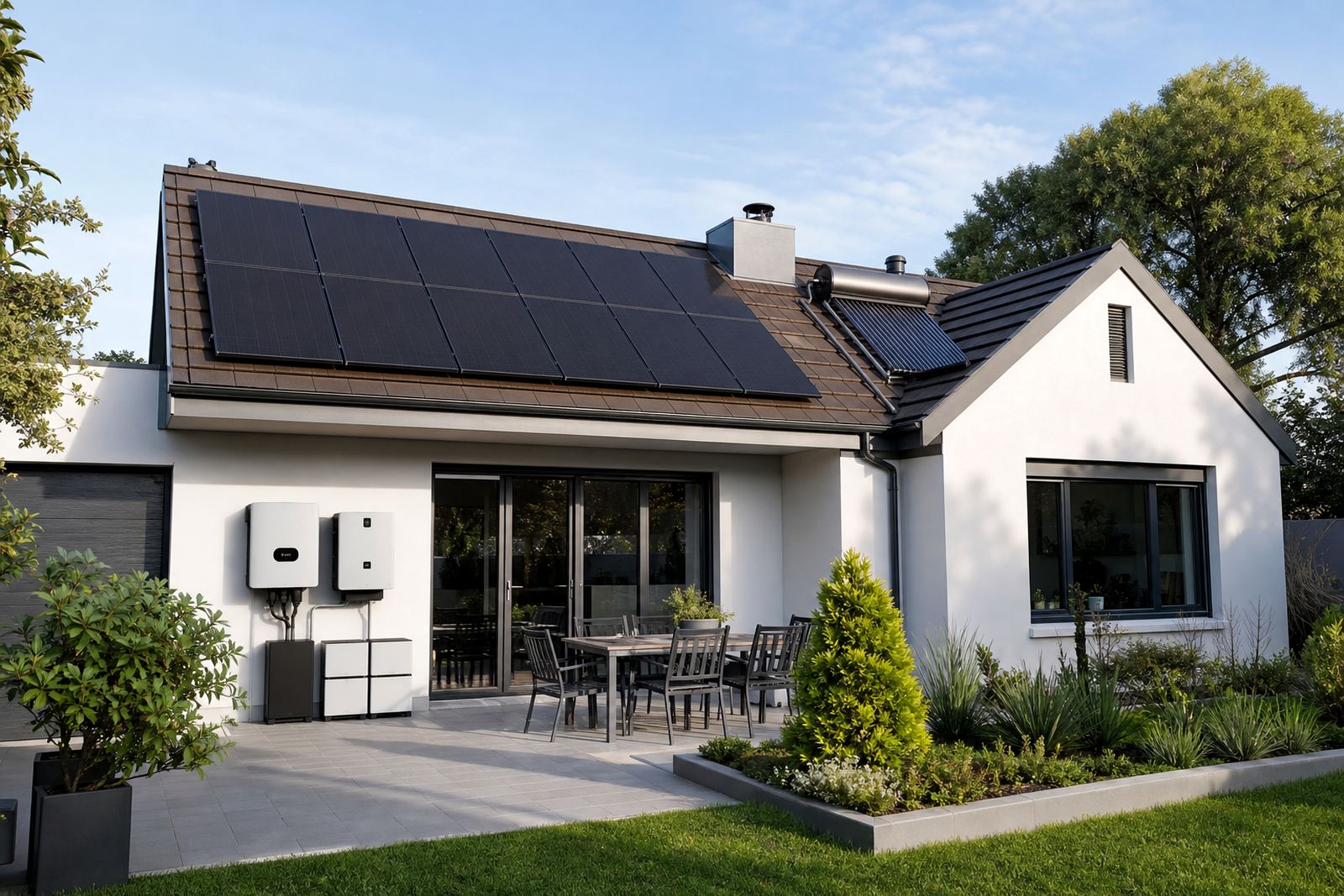
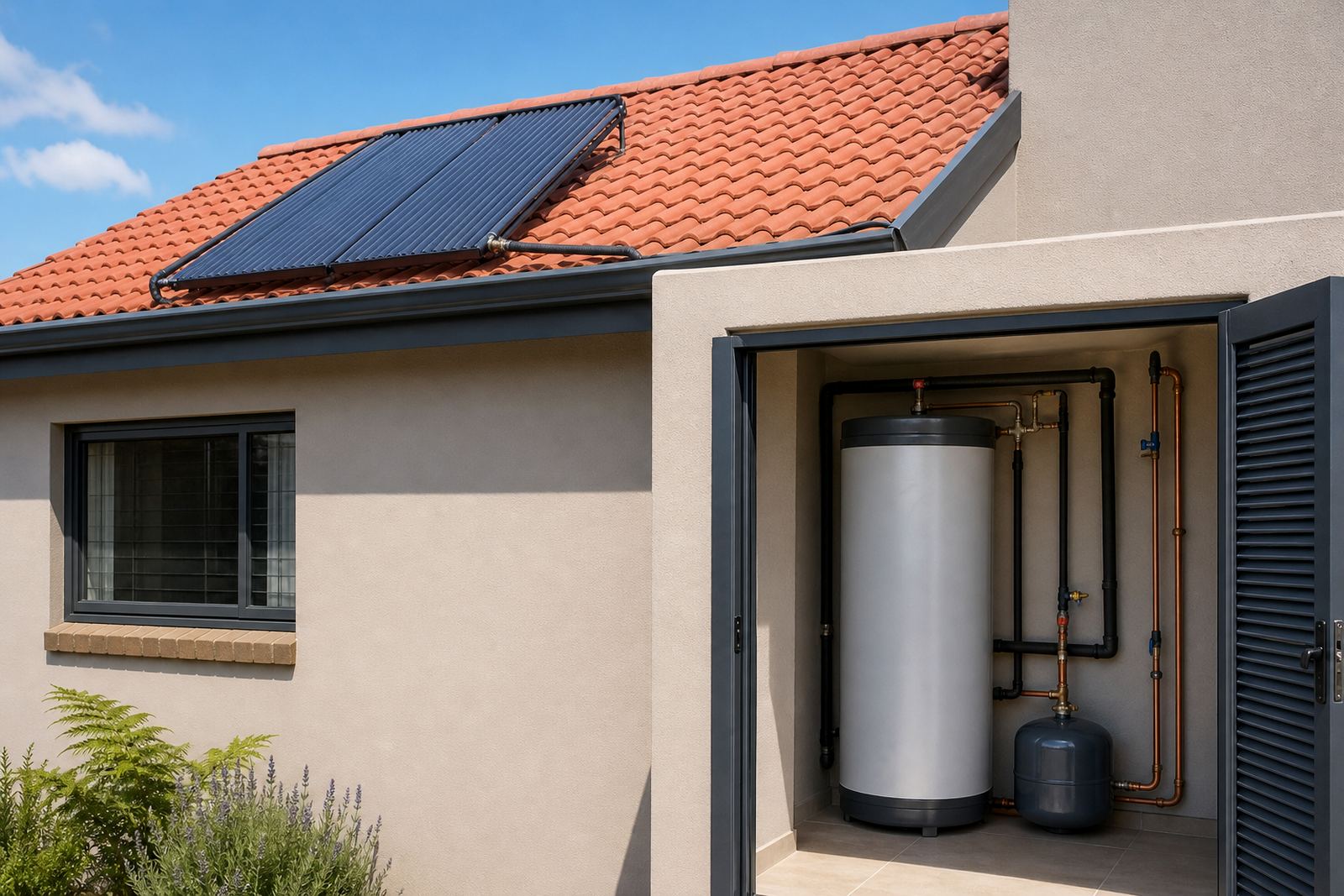
A split water heater is a solar hot water system where the collector sits on the roof or another well exposed surface, while the storage tank is mounted separately, often in the roof space, on a stand, or at ground level depending on the design. This layout is useful where roof load, access, or pipe runs need more careful planning. In Pretoria and much of Gauteng, it is a practical option for homes that want hot water through long sunny periods, and for small businesses that need dependable supply without crowding the roof with a bulky tank.
The separate layout also helps when the tank must be kept out of direct sun and wind exposure, or when the building structure is better suited to carrying the collector rather than a full tank. It can be paired with electric backup or a gas backup point, so hot water stays available when there is heavy cloud, higher demand, or a few days of poor weather.
- Separate collector and tank for flexible placement
- Suitable for domestic and light commercial use
- Can work with electric or gas backup
- Good option where roof loading needs to be managed
Sizes, tank options and collector choices
Split water heaters are usually selected by the number of people using hot water and by the number of bathrooms, kitchens, or wash areas on site. Common tank sizes for homes range from about 150 litres to 300 litres, while larger households, guest facilities, and small businesses may need 400 litres or more. Collector size is matched to the tank and the hot water demand, with a larger collector helping recovery on colder or cloudier days.
There are two main collector styles in general use. Flat plate collectors are a common choice for everyday domestic hot water and perform well when installed with the right angle and piping. Evacuated tube collectors are often chosen where winter performance, faster heat gain, or lower ambient temperatures are a factor. In places such as Bloemfontein and Johannesburg, winter sizing matters because cold nights can reduce morning water temperature, while coastal humidity in Durban and Cape Town can influence corrosion protection and mounting details.
- Tank sizes typically from 150 L to 400 L plus, depending on demand
- Collector type selected for climate and daily usage
- Pressure or low pressure configurations available
- Can be specified for roof, wall, or ground mounted tank placement
Where split systems suit best in Pretoria and beyond
These systems suit homes that have limited roof space, uneven roof sections, or tiled roofs where a tank on the roof would be awkward. They also work well for guesthouses, salons, small offices, canteens, clinics, and other sites that need regular hot water but do not want a large geyser sitting directly on the roof. In Centurion, Midrand, and Pretoria East, split systems are often considered where access for servicing matters and where the roof structure needs to stay lighter.
They are also a practical fit for properties that already use solar power, because hot water can be handled separately from daytime electrical loads. That said, a split water heater is not a full substitute for proper design. The pipe runs, insulation, roof orientation, and water pressure all need to be checked so the system does not lose too much heat on the way to the tank. Long pipe runs without proper lagging can waste energy and reduce performance.
- Homes with limited roof loading capacity
- Small businesses with steady daily hot water demand
- Properties that need easier maintenance access
- Sites where tank placement on the roof is not suitable
Installation, backup and electrical requirements
Installation starts with a site assessment, followed by sizing, pipe routing, and confirmation of the mounting position for both collector and tank. The roof structure must be checked, and the plumber and installer should confirm the fall, brackets, flashings, and water pressure before any work starts. On some properties, the tank can be installed at ceiling level, in a service area, or on a ground frame if the pipe layout allows it. Electrical work, where required, is done by qualified installers only.
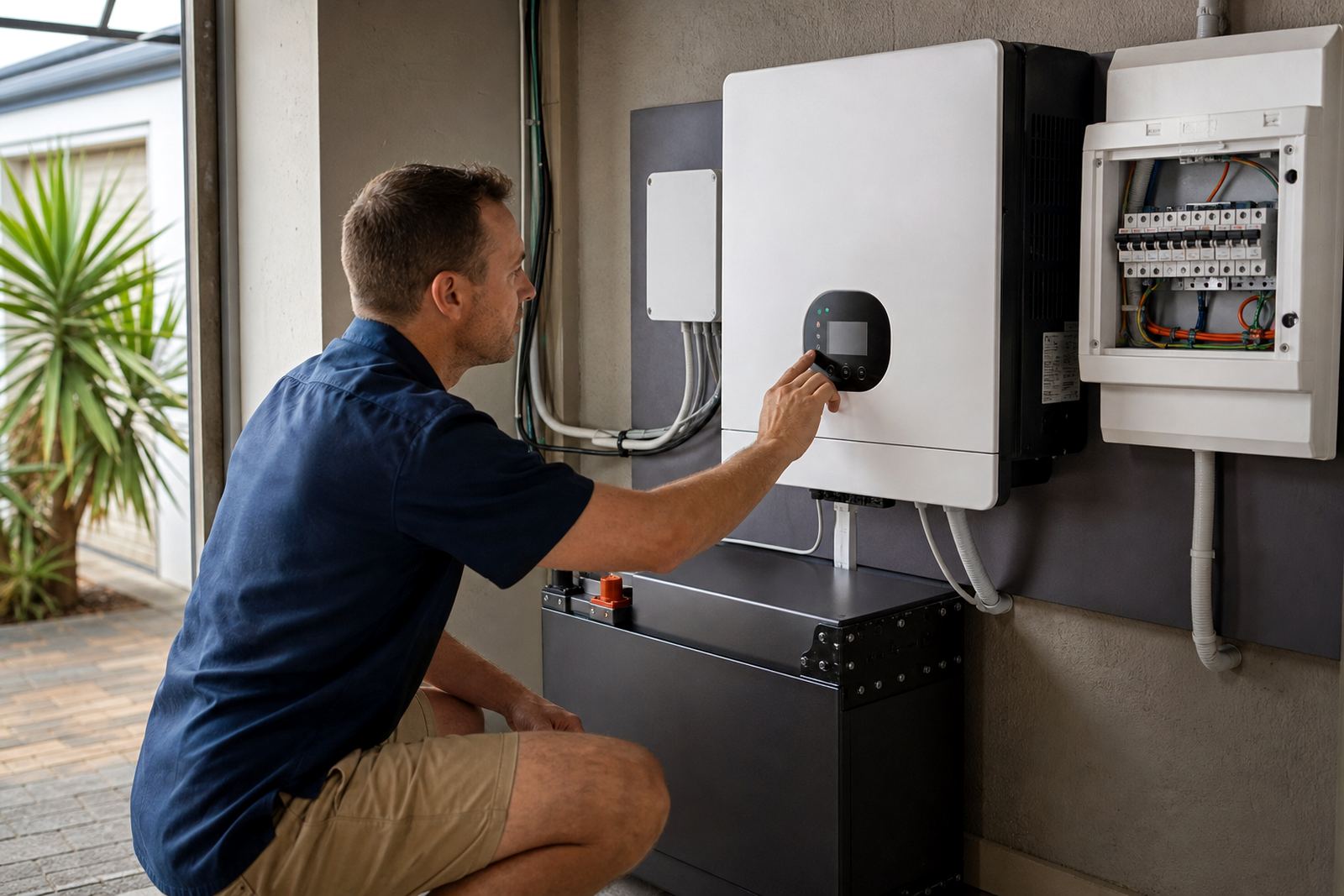
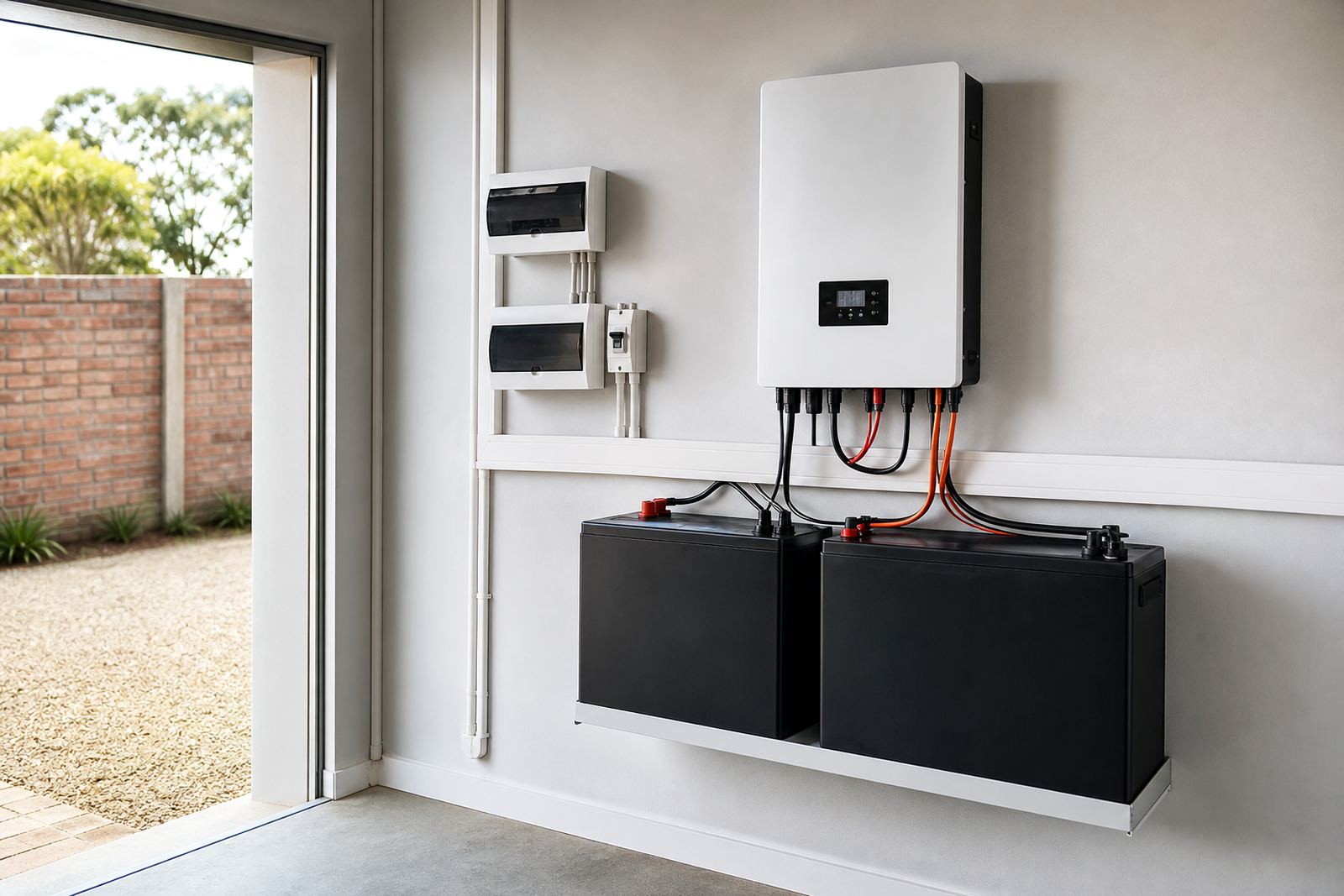
Most split water heater systems use a backup element or a gas assisted arrangement for times when solar gain is not enough. In load-shedding conditions, a properly planned system can still deliver useful hot water if the storage and backup method are set correctly. If the customer wants gas backup, the installation must suit the gas appliance location, flue requirements, and safe ventilation. If electric backup is used, the wiring and isolation need to be done to the correct standard and with proper protection.
- Site assessment before installation
- Roof mounting and pipe routing planned to suit the building
- Electrical connection handled by qualified installers
- Backup can be electric or gas depending on the setup
Care, servicing and common fault checks
Split water heaters need basic care to keep them performing properly. Check that the collector glass or cover is clean, the insulation is intact, and there are no leaks at joints or valves. In coastal areas, brackets and fixings should be inspected for corrosion more often because salty air can shorten the life of exposed metal parts. In inland areas, dust build-up and dry winter air can affect performance, especially if the collector sits under trees or near construction.
Routine servicing should include checking the thermostat, pressure relief valve, circulation or pump parts where fitted, and the condition of the tank lining or heat exchange components. If the water is slower to heat than usual, the cause may be a dirty collector, poor insulation, air in the lines, or a failed backup element. Fault finding is quicker when the system was installed with proper isolation points and clear access to the tank and collector plumbing. A small issue can become expensive if it is left and the roof or ceiling starts to take water.
- Clean collectors and check for loose or damaged insulation
- Inspect valves, joints and mountings regularly
- Service sooner in coastal or dusty conditions
- Investigate slow heating before it becomes a bigger fault
What to check before you order a split water heater
Before ordering, confirm how many people use hot water, what times of day the system is busiest, and whether the property needs a simple domestic setup or something with higher daily recovery. It is also worth checking roof orientation, available wall or floor space for the tank, and whether the structure can take the collector and mounting loads. If the property has low pressure, variable municipal supply, or borehole water, that should be stated up front because it affects the choice of valves and system layout.
You should also decide whether you want backup by electricity or gas, and whether the tank needs to be close to the bathrooms or kitchen to reduce heat loss in the pipes. For businesses in Johannesburg, Durban, Cape Town, Bloemfontein, and Pretoria, the right answer can differ a lot from site to site. A good quotation should show the tank size, collector type, mounting method, backup arrangement, and any electrical integration needed so there are no surprises during installation.
- Number of users and peak hot water times
- Roof space, structure and pipe route
- Preferred backup method and control setup
- Water pressure, source, and access for servicing
Key facts
| Tank sizes | 150 L, 200 L, 300 L, 400 L plus depending on demand |
|---|---|
| Collector types | Flat plate or evacuated tube, selected to suit usage and climate |
| System layout | Separate collector and storage tank |
| Backup options | Electric element or gas assisted backup |
| Typical use | Homes, guesthouses, small offices, salons, clinics and light commercial sites |
| Service area | Pretoria, Centurion, Johannesburg, Midrand, Durban, Cape Town, Bloemfontein and Gauteng |