What a single phase inverter does in a solar setup
A single phase inverter changes direct current from solar panels or batteries into alternating current that can run the lights, plugs, fridges, routers and other everyday loads in a single phase property. In plain terms, it sits in the middle of the system and manages how power moves between the panels, batteries and the household electrical board. For many South African homes and smaller premises, that makes it the main unit that keeps solar power usable during load shedding and helps reduce reliance on the grid.
These units are commonly used where the electrical supply is single phase, which is still standard in many suburban homes, townhouse units, garden cottages and smaller offices. They can also suit small workshops, medical rooms, guesthouses and retail spaces where the load is not heavy enough to need a larger three phase arrangement. If the installation is planned properly, the inverter should match the daily power demand, the battery capacity and the solar panel array size, otherwise the system can trip, underperform or charge too slowly.
We look at the full picture before recommending a unit, including roof space, expected evening usage, cable runs, breaker capacity and whether the property needs backup power only or a full solar supply path. That makes the install neater and easier to maintain later on.
Sizes and options for different homes and small premises
Single phase inverters come in a range of sizes, and the right choice depends on what you want to keep running. Smaller units are often used for essential circuits only, while larger units can support more appliances and heavier daytime use. In many Pretoria and Johannesburg homes, a modest system is enough for lights, plugs, TV, Wi-Fi, a fridge and selected kitchen loads. In Durban and coastal areas, extra care is often needed for ventilation and corrosion resistance because humidity can affect equipment over time.
Common options include hybrid units that work with solar panels, batteries and the municipal supply, as well as inverter chargers that prioritise battery support for backup use. Some systems are set up for grid-tied operation with backup, while others are arranged as off-grid solutions for properties with limited or unreliable supply. The best option depends on how the premises is used during the day and evening, and whether you want to store energy for night use or simply keep essentials running during outages.
- Compact systems for basic backup and essential circuits
- Mid-range systems for family homes with higher evening use
- Larger single phase units for small businesses and busy households
- Hybrid options that work with panels, batteries and grid supply
- Systems set up for backup only or solar-first operation
We also check whether the property has room for wall mounting, a proper battery position, safe cable routes and the correct protection gear. This is where a good design matters just as much as the inverter itself.
Where single phase inverters suit best
These inverters are well suited to homes, flats, clusters, duplex units, holiday units, home offices and smaller commercial premises that run on single phase power. They are especially practical where the owner wants to cover everyday loads without moving into a larger industrial style setup. In Gauteng, many clients use them for backup during load shedding and voltage dips. In Cape Town and Bloemfontein, they are also chosen for solar self-use to keep monthly electricity costs under control.
Typical use cases include lighting circuits, small cooking loads, alarm systems, internet equipment, point-of-sale systems and refrigeration. If the property has multiple air-conditioners, borehole pumps, large workshop motors or other high start-up loads, the site may need a different solution and we would check that during the assessment. For rentals and sectional title units, we also look at space, body corporate rules and any municipal requirements before planning the installation.
- Residential backup for load shedding and short outages
- Smaller offices that need computers, routers and lighting
- Guesthouses and rental units with controlled electrical loads
- Light retail spaces and service rooms
- Properties that want to pair solar panels with batteries later on
Installation, electrical integration and commissioning
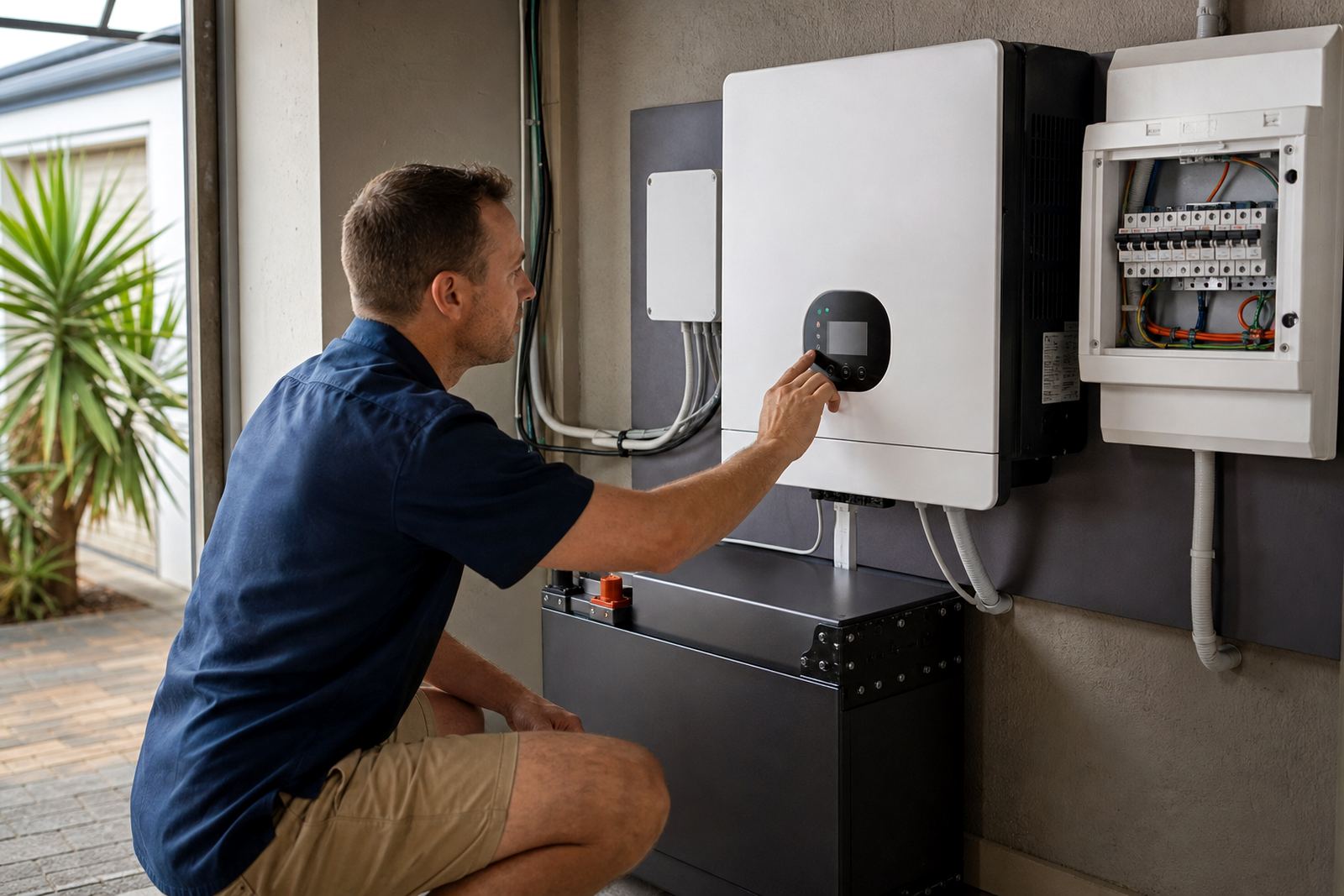
Correct installation is essential. A single phase inverter must be mounted safely, connected with the right cable size, protected by suitable breakers and integrated into the existing electrical system without overloading the board. Our qualified installers handle the electrical work, including connections to solar panels, batteries and changeover points where needed. We also ensure the installation is arranged in a practical way for future servicing and fault finding, which saves time later.
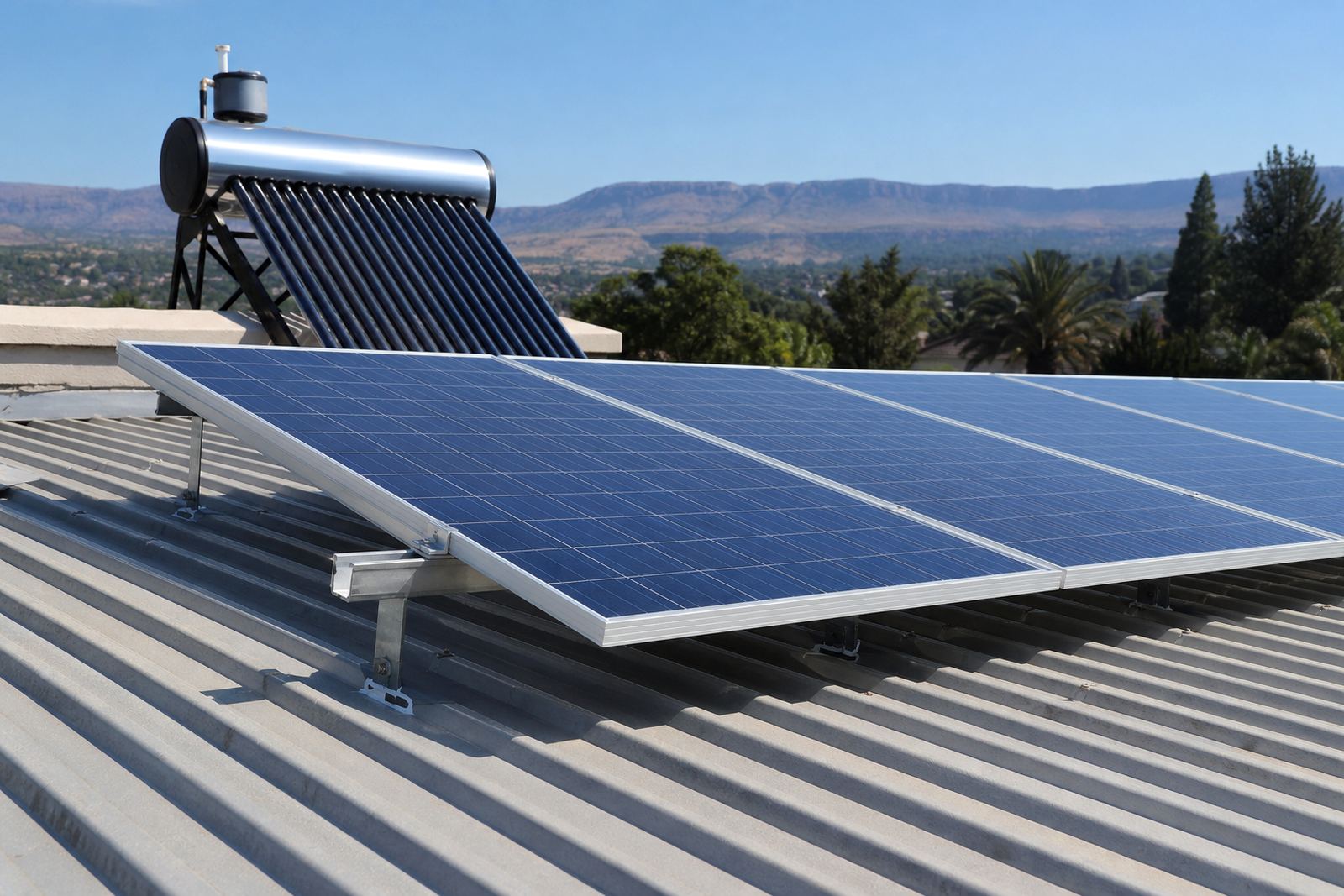
Before any equipment is installed, we carry out a site assessment and system design. That helps us check roof direction, shading, panel placement, battery position, access for maintenance and the best route for cabling. In Centurion and Pretoria, many homes have good roof space but limited wall space inside, so the layout has to be planned carefully. On coastal sites in Durban or Cape Town, we also take weather exposure into account and use placement that gives the equipment better protection.
Once fitted, the system is commissioned and tested. We check charging behaviour, output settings, battery communication where applicable and the operation of essential circuits under normal conditions. If the property needs a backup-only arrangement, we configure it accordingly. If it is meant to support solar power during the day and batteries at night, we set it up to suit that pattern.
Care, servicing and day to day checks
Single phase inverters do not need constant attention, but they do need sensible care. Keep the area around the unit clean, dry and well ventilated. Dust build-up, insect nests and poor airflow can shorten the life of the equipment, especially in garages, storerooms or plant rooms. In coastal towns, salty air can also affect terminals and fittings if the installation is left unchecked for long periods.
Regular maintenance helps identify issues early. We provide solar maintenance, fault finding, panel cleaning and support callouts for systems across Pretoria, Johannesburg, Midrand, Durban, Cape Town and Bloemfontein. If the inverter shows warning lights, irregular charging, repeated tripping or unusual noise, it should be checked promptly. Do not keep resetting the system without finding the cause, as that can hide a larger problem.
- Check ventilation and keep the unit free from dust
- Watch for warning codes or repeated trips
- Have cable terminations inspected during service visits
- Keep batteries in a suitable temperature range where possible
- Arrange periodic checks after storms, surges or long outages
We also assist with panel cleaning and the inspection of associated electrical equipment so the full system keeps performing as expected.
What to check before you order
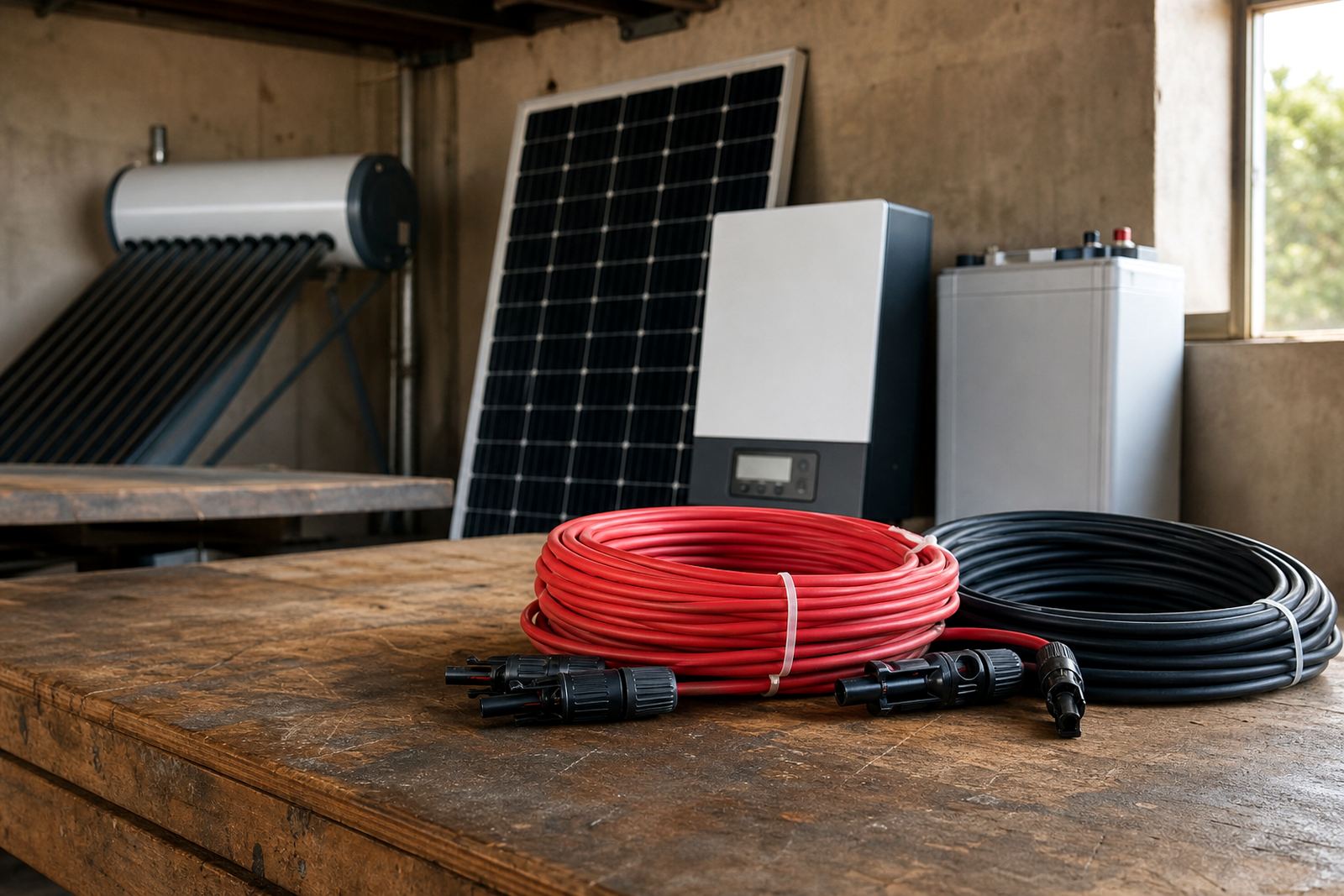
Before ordering a single phase inverter, it helps to know what the property actually needs. Start with the appliances you want to run, the length of backup you expect and whether you want solar charging, battery backup or both. Then check your existing electrical board, available mounting space and whether the home or business already has solar panels or batteries in place. If you are adding the inverter to a new system, the panel count and battery size should be matched to the inverter specification from the start.
We also recommend checking whether the premises has single phase supply, as that decides which type of inverter is suitable. In some cases the answer is obvious, but on altered or older sites it is worth confirming before equipment is purchased. If the property is in a complex, shared building or business park, there may be rules for positioning, visible cabling or generator-type installations as well. A careful check at the beginning saves cost and frustration later.
Clients can reach us through the enquiry form on our contact page for site assessments, system design, panel installation, inverter installation, battery installation, electrical integration, system commissioning and aftercare. Our base is in Centurion, Pretoria and we work with homes and small businesses across South Africa.
Key facts
| Phase type | Single phase |
|---|---|
| Typical use | Homes, flats, small offices and light commercial premises |
| Compatible inputs | Solar panels, batteries and municipal supply where applicable |
| Output role | Converts DC to AC for everyday appliances |
| Install type | Wall mounted or suitable indoor mounting position |
| Service support | Maintenance, fault finding, support callouts and commissioning |