Solar Cabling for Clean, Safe System Routing
Solar cabling links the main parts of a solar power system, including the panels, inverter, batteries and related isolators. In practical terms, it needs to carry current safely, resist UV exposure on roof runs, and stay tidy enough for easy fault finding later. On a home in Pretoria East or a small business unit in Midrand, the wrong cable size or poor routing can lead to voltage drop, heat build-up and nuisance trips.
We work with UV-resistant cable suitable for outdoor use, and route it in a way that suits the roof type, wall runs and equipment position. The aim is simple: neat installation, reliable performance and less hassle when the system needs servicing after dust, wind, or load-shedding wear and tear.
Sizes, Colours and Cable Types Available
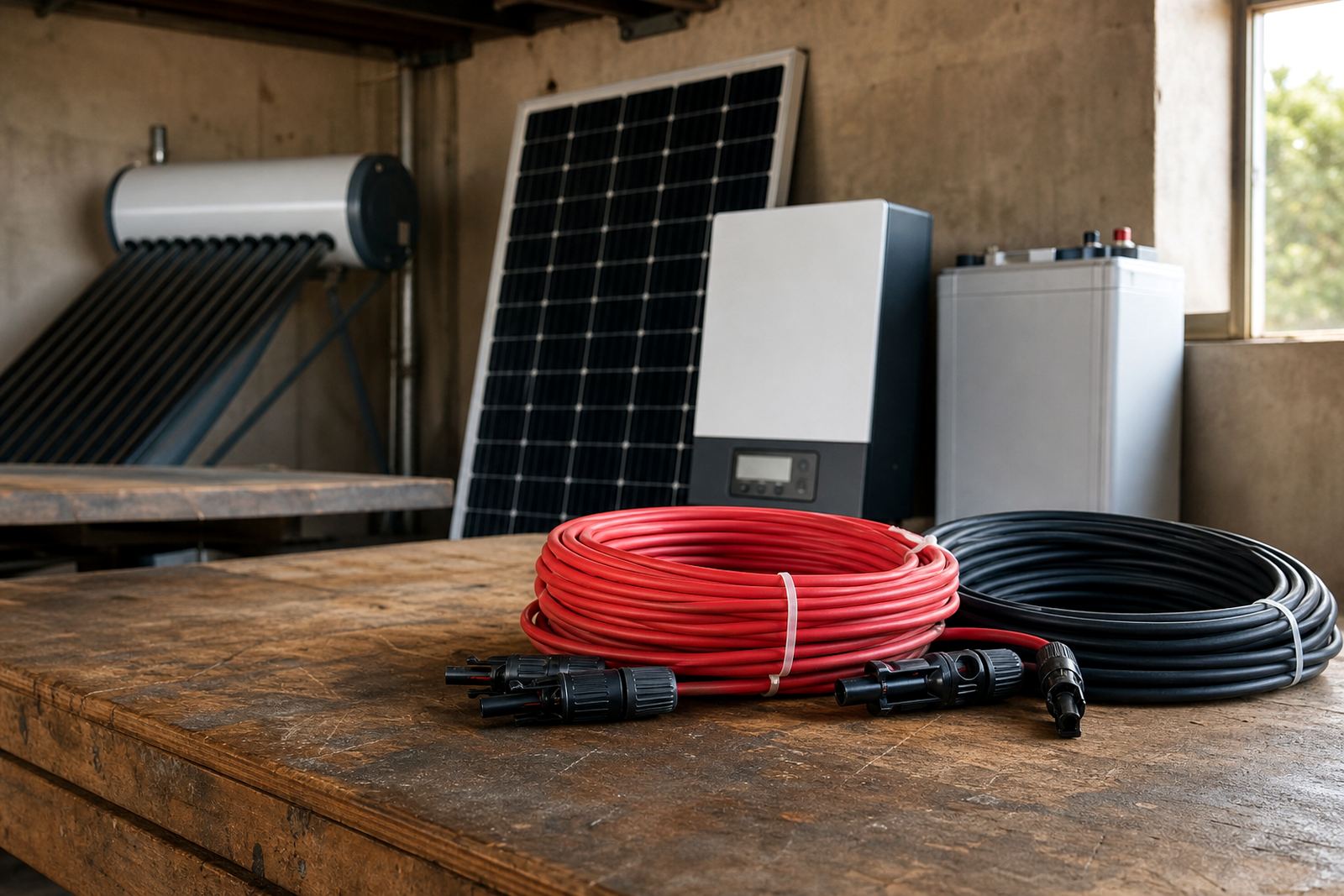
Solar cabling is selected according to system voltage, current, run length and the equipment being connected. Most solar DC cable is available in common cross sections such as 4 mm², 6 mm², 10 mm² and 16 mm², with larger sizes used where the current draw or cable run demands it. Colour coding is usually red and black for clear polarity identification, and some jobs need earthing conductors or additional armoured protection depending on the layout.
- 4 mm² and 6 mm² for shorter panel strings and lighter-duty connections
- 10 mm² for longer runs or higher current sections
- 16 mm² and above for heavier inverter or battery connections where specified
- UV-resistant outer sheath for roof, wall and outdoor sections
- Flexible stranded copper conductors for easier handling during installation
For coastal homes in Durban or Cape Town, cable choice also has to account for humidity and corrosion at connection points. In Gauteng, heat and roof exposure matter just as much, especially on flat roofs and in direct sun.
Where Solar Cabling Suits Best
This product suits new solar installations and upgrades on homes, shops, offices, workshops and small storage facilities. It is used where panels need to feed an inverter, where batteries are installed in a garage or utility room, and where the system must be extended or reworked after an inspection.
Solar cabling is also useful when a property has a mix of roof types, for example tiled roofs with short external drops or metal roofs with longer exposed sections. In Bloemfontein and Centurion, where dust and temperature swings can affect fittings, correct cable support and protection are important. The same applies to business premises that need orderly cable paths for maintenance access.
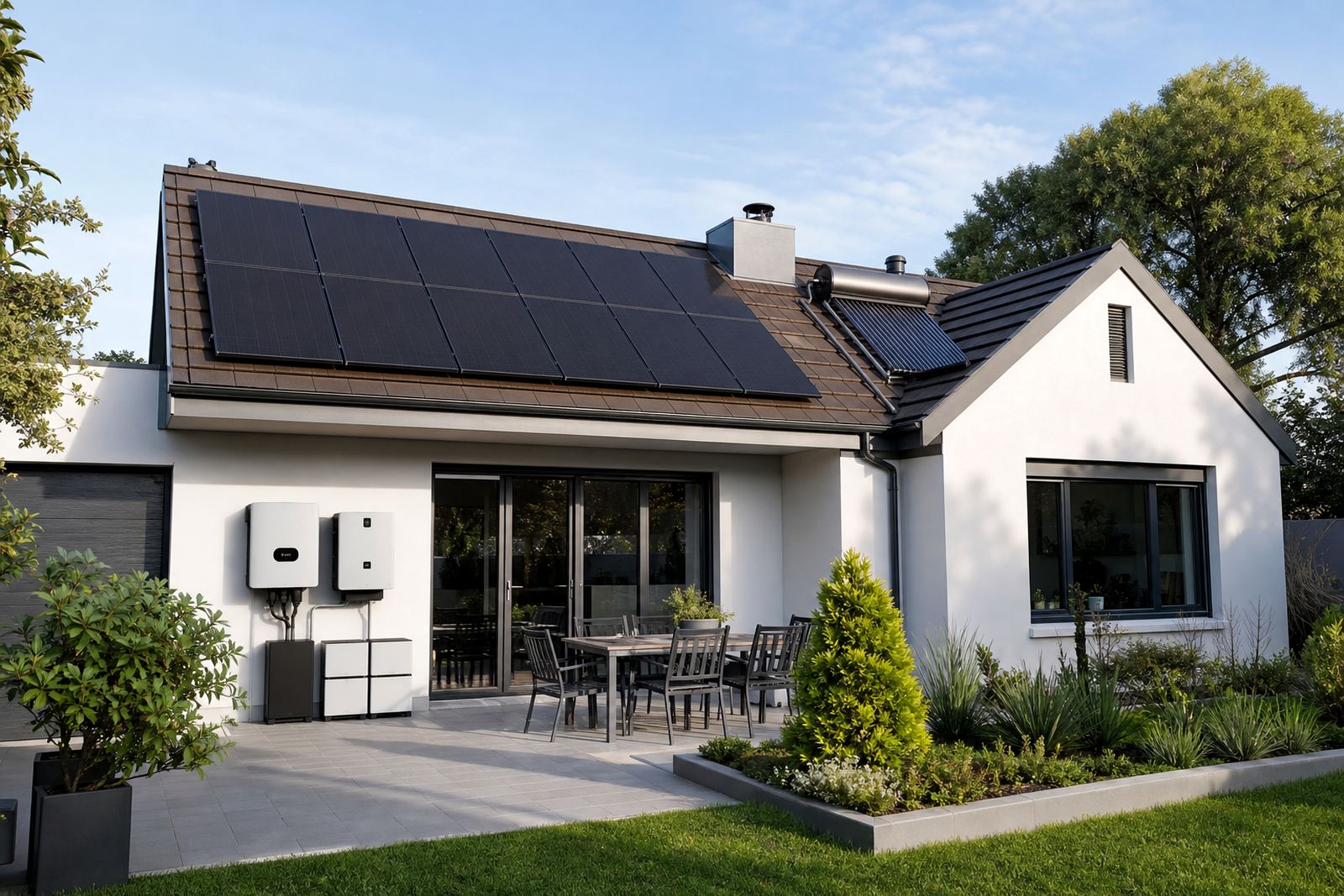
- Homes with roof-mounted solar panels
- Small businesses with inverter and battery backup
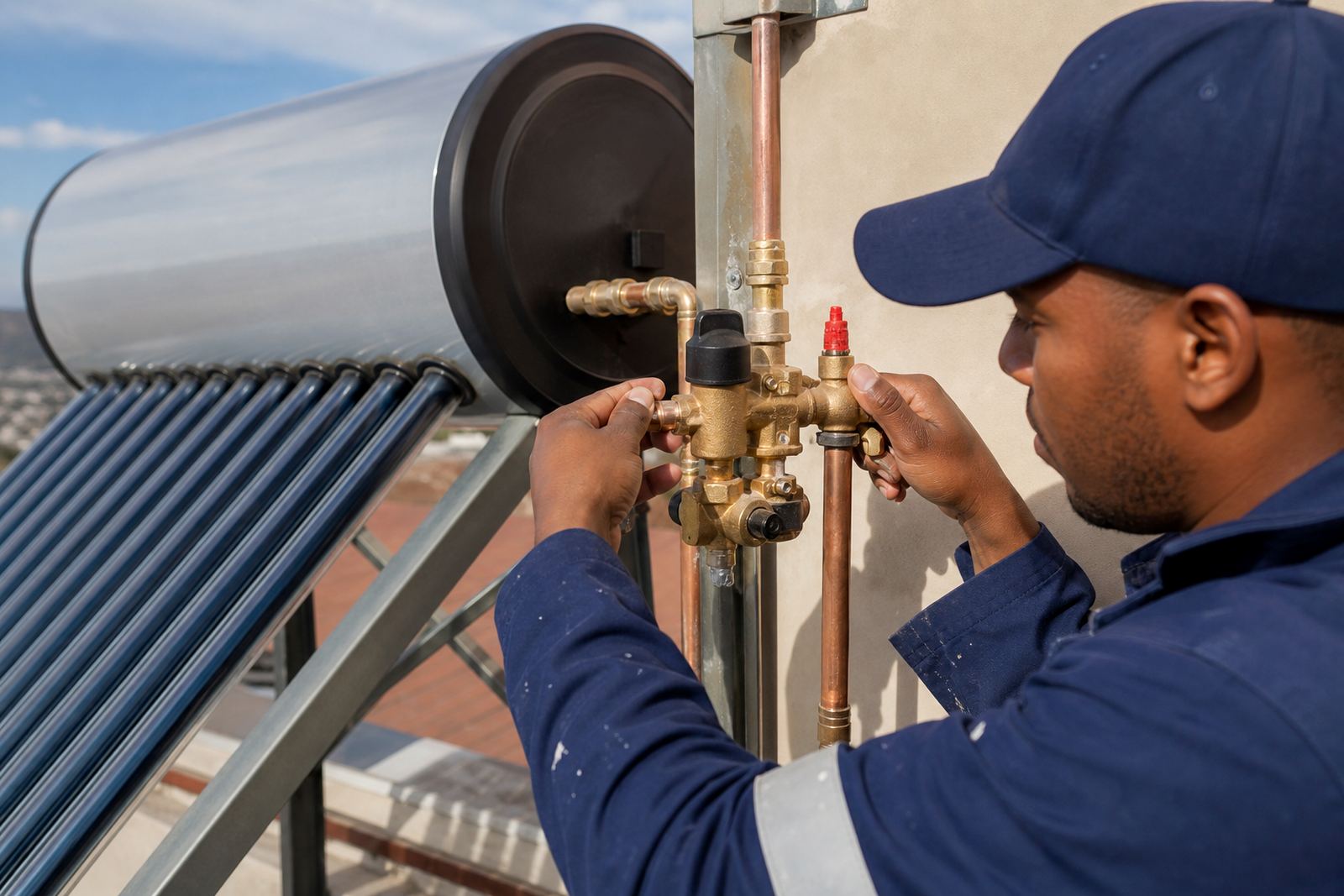
- Water heater systems with pump controls or electrical backup components
- Properties needing cable replacement or tidy-up work
- Sites where panels, inverter and batteries are spaced apart
Installation, Electrical Work and Site Needs
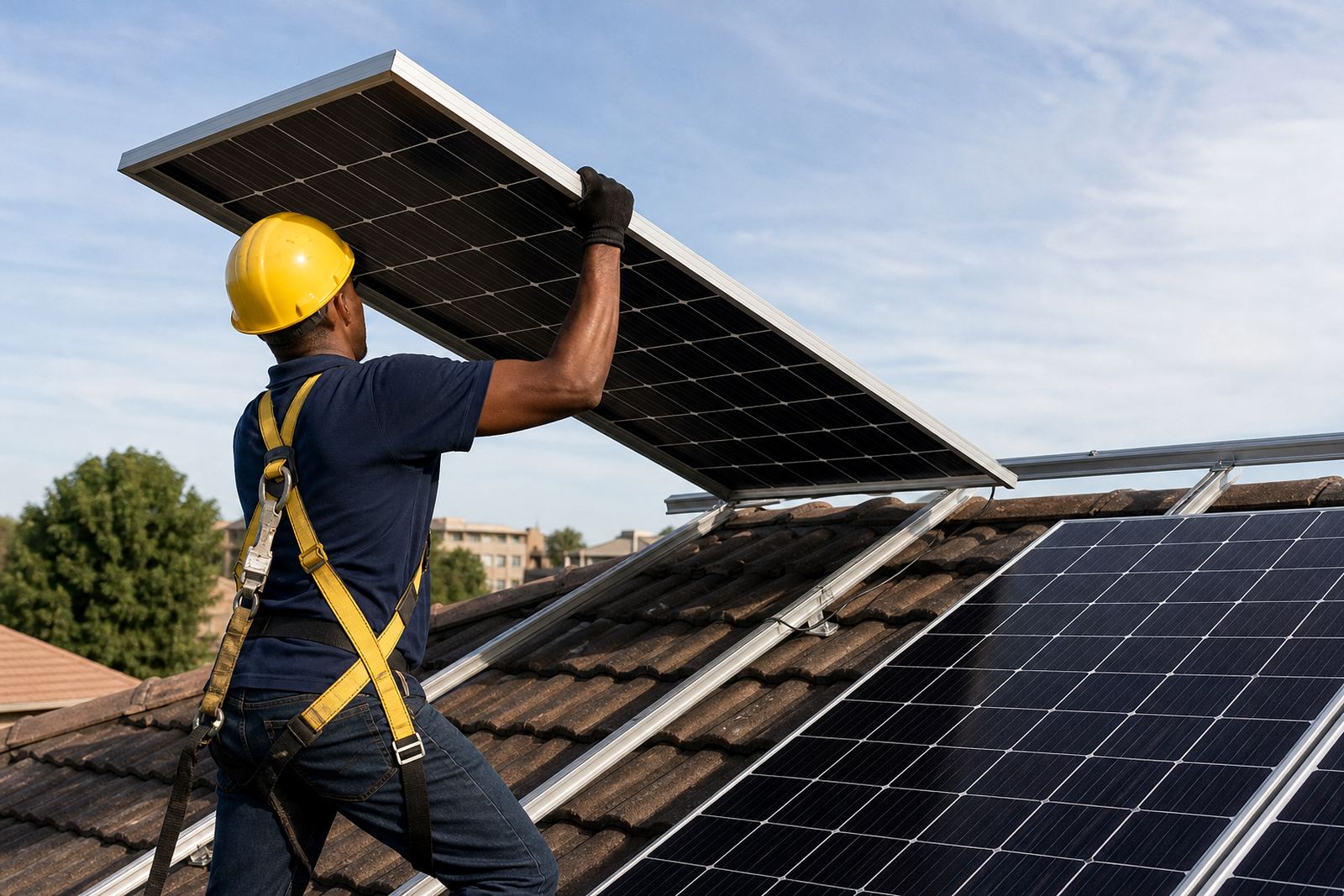
Our team supplies and installs solar cabling as part of the full system setup, system expansion or fault repair process. Electrical work is handled by qualified installers, so connections are made properly at the inverter, batteries, isolators and other components. This matters for safety and for keeping the system compliant with the way the property is wired.
Before work starts, we check cable routes, fixing points, roof access, entry points into the building and where the equipment will sit. For a typical home or small business, this can include conduit, trunking, clips, glands and weather protection where needed. No gas supply is needed for solar cabling, but power isolation and safe shutdown are essential before any work begins.
- Correct polarity and termination checks
- Secure fixing to avoid movement in wind and vibration
- Weather protection at roof penetrations and junctions
- Proper cable separation from hot surfaces and sharp edges
- Testing after installation and before system handover
Care, Servicing and Signs the Cable Needs Attention
Solar cabling does not need frequent day-to-day attention, but it should be checked during maintenance visits and when the system is cleaned or tested. Over time, sun, dust, birds, roof movement and poor handling can affect cable jackets, clips and terminations. In coastal areas, salty air can also speed up wear on connectors if they are not protected properly.
If you notice discolouration, brittle insulation, loose clips, exposed copper or warm spots near the inverter or battery area, it is time for a check. The same goes for recurring fault messages or a smell of heat around cabling points. Our support team can inspect the run, identify the cause and arrange the needed repairs or replacement work.
What to Check Before You Order Solar Cabling
To supply the right cable, we need details about the system and the property. A cable that is too small can run hot, while one that is oversized can add unnecessary cost and make routing awkward. We look at panel count, string layout, inverter position, battery location and the distance between equipment points.
Have these details ready when you send an enquiry through our contact page:
- Number of panels and how they are grouped
- Distance from the roof array to the inverter
- Battery location and whether it is indoors or outdoors
- Roof type, wall type and any exposed outdoor sections
- Whether the job is new installation, upgrade or repair
- Any existing cabling that must be matched or replaced
With that information, we can recommend the right cable size, route and fittings for a cleaner result and fewer surprises on site.
Key facts
| Product type | UV-resistant solar DC cabling for panel, inverter and battery connections |
|---|---|
| Common sizes | 4 mm², 6 mm², 10 mm², 16 mm² and larger on request |
| Conductor | Flexible stranded copper |
| Sheath | Outdoor-rated, UV-resistant outer insulation |
| Use locations | Roof runs, wall runs, conduits, inverter areas and battery connections |
| Installation note | Electrical work completed by qualified installers with testing after fitment |