What all black solar panels are
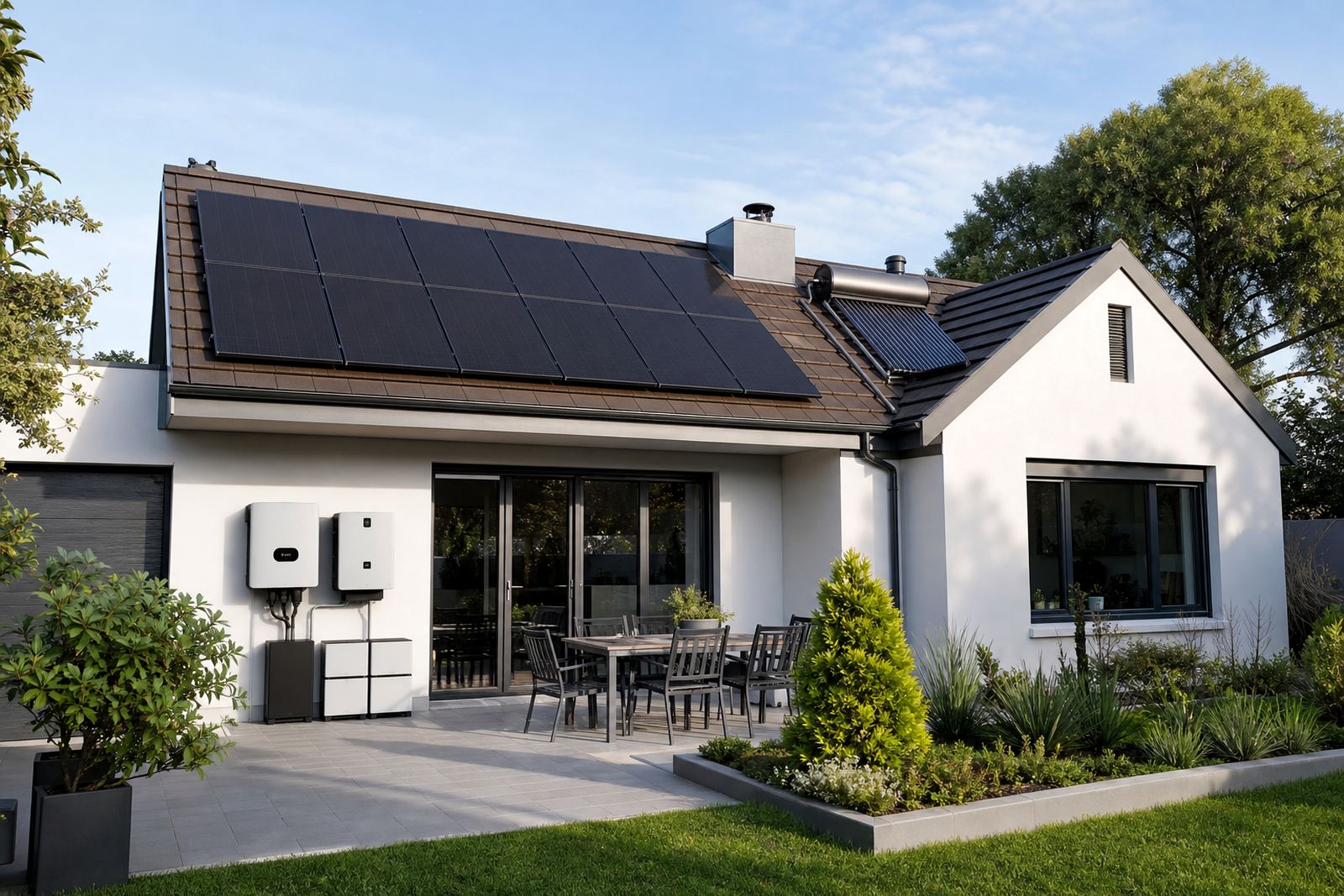
All black panels are solar PV panels made to look uniform from edge to edge, with dark cells, a dark backing and a matching frame. The aim is simple: keep the roofline tidy while still collecting sunlight for everyday use. For many homes in Pretoria, Midrand, Johannesburg and coastal areas like Durban or Cape Town, that cleaner look matters just as much as output.
These panels suit tiled roofs, IBR sheeting and other common roof types found on South African homes and small business premises. They are often chosen where the street-facing roof is visible, or where the owner wants a neater finish above a carport, garage, granny flat or office building. A well planned installation can sit close to the roof surface and blend in better than mixed-colour panel options.
At Linuo Solar, we work with panel sizes and layouts that match the available roof space, the daily load and the rest of the solar system. If the goal is to cover essential daytime use, support load-shedding backup, or reduce reliance on grid power, the panel choice must fit the property and the actual electricity demand.
Sizes, formats and layout choices
All black panels are available in different power ratings and physical sizes, so the right option depends on roof area and the amount of power needed. Smaller homes may use fewer panels in a compact array, while larger households or small offices often need a wider row set to keep up with fridges, lighting, plugs and pumping equipment. Panels are normally matched into a system design rather than sold as a one-size-fits-all item.
Common options are chosen by wattage, cell count and overall dimensions. In practical terms, the installer checks the roof pitch, spacing around ridges and valleys, shade from trees or neighbouring buildings, and the best way to route cabling. Good layout work matters because a neat-looking system also needs proper airflow under the panels, secure mounting and safe access for future maintenance.
- Suitable for compact home arrays and larger multi-panel roof layouts
- Can be matched to inverters and batteries for backup power use
- Works well where appearance is important on front-facing roofs
- Can be grouped for daytime consumption, battery charging, or both
For sites in hot inland areas, panel placement should also allow for heat movement and easy cleaning. On the coast, corrosion-aware fittings and careful cable management help keep the system in good condition over time.
Where they suit homes and small businesses
All black panels are a good fit for homeowners who want a neat installation without a busy looking roof. They are often selected for family homes, cluster homes, townhouse units and lifestyle properties where the roof is visible from the street. They also suit small businesses such as offices, salons, medical rooms, guest houses and workshops that want a cleaner exterior finish.
In Pretoria and Centurion, many properties have limited roof space or mixed roof angles, so careful planning is needed. In Johannesburg and Midrand, shade from walls and nearby structures can affect the layout. In Durban and Cape Town, moisture, wind and salt air need proper hardware and workmanship. In Bloemfontein and other inland towns, heat and dust can change how often the panels need cleaning. The right panel choice should support the site conditions not fight them.
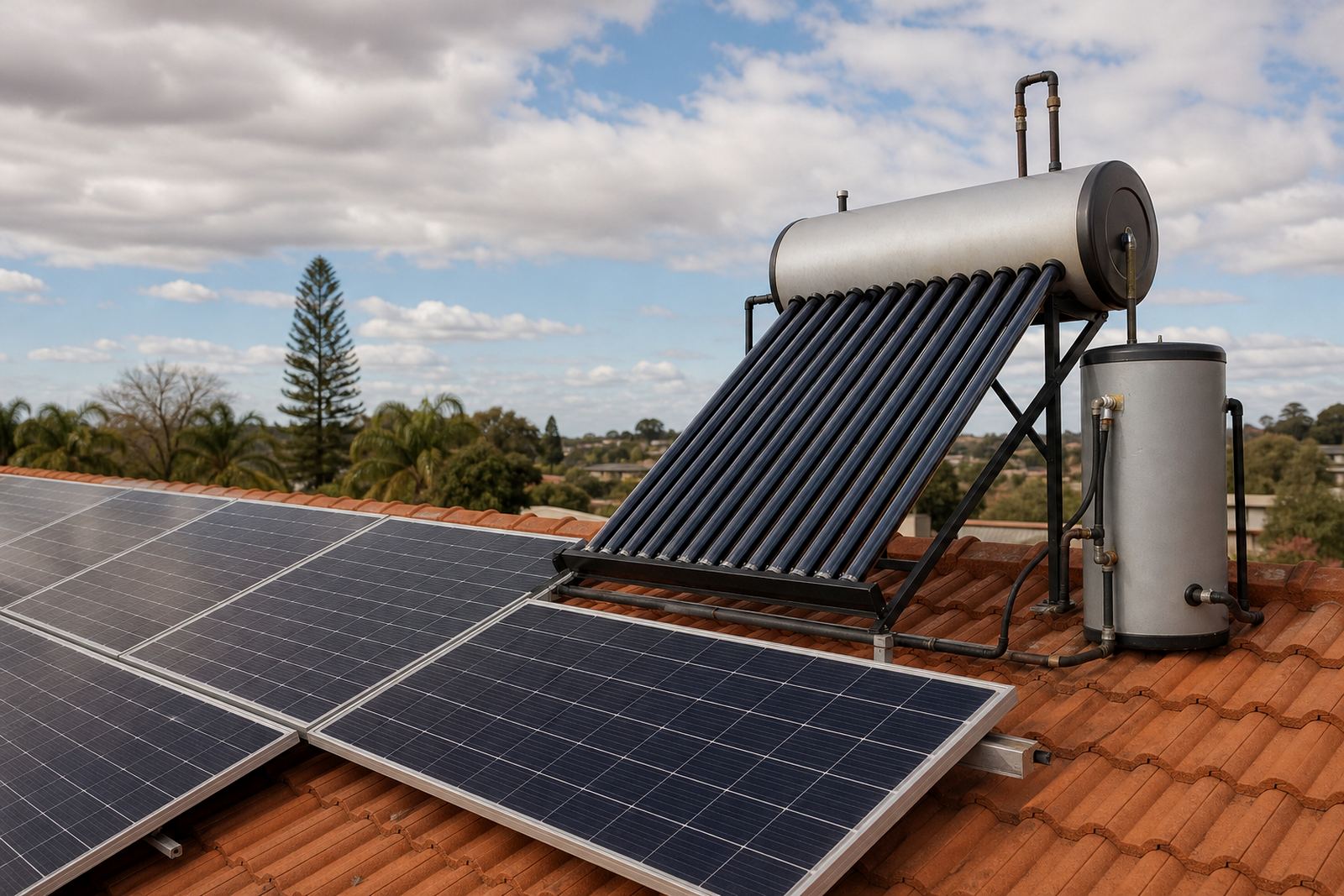
All black panels can be used with an inverter and battery bank for backup power, or as part of a grid-tied setup where daytime solar use is the main aim. They also work alongside solar water heating where the home needs both electricity support and hot water. For small businesses, a neat roof installation can be useful where the owner wants a professional look without bulky equipment on display.
- Homes with visible front roofs or street-facing façades
- Small offices, clinics, guest houses and retail spaces
- Properties needing backup through load-shedding
- Sites where roof appearance is a priority
Installation, electrical integration and power planning
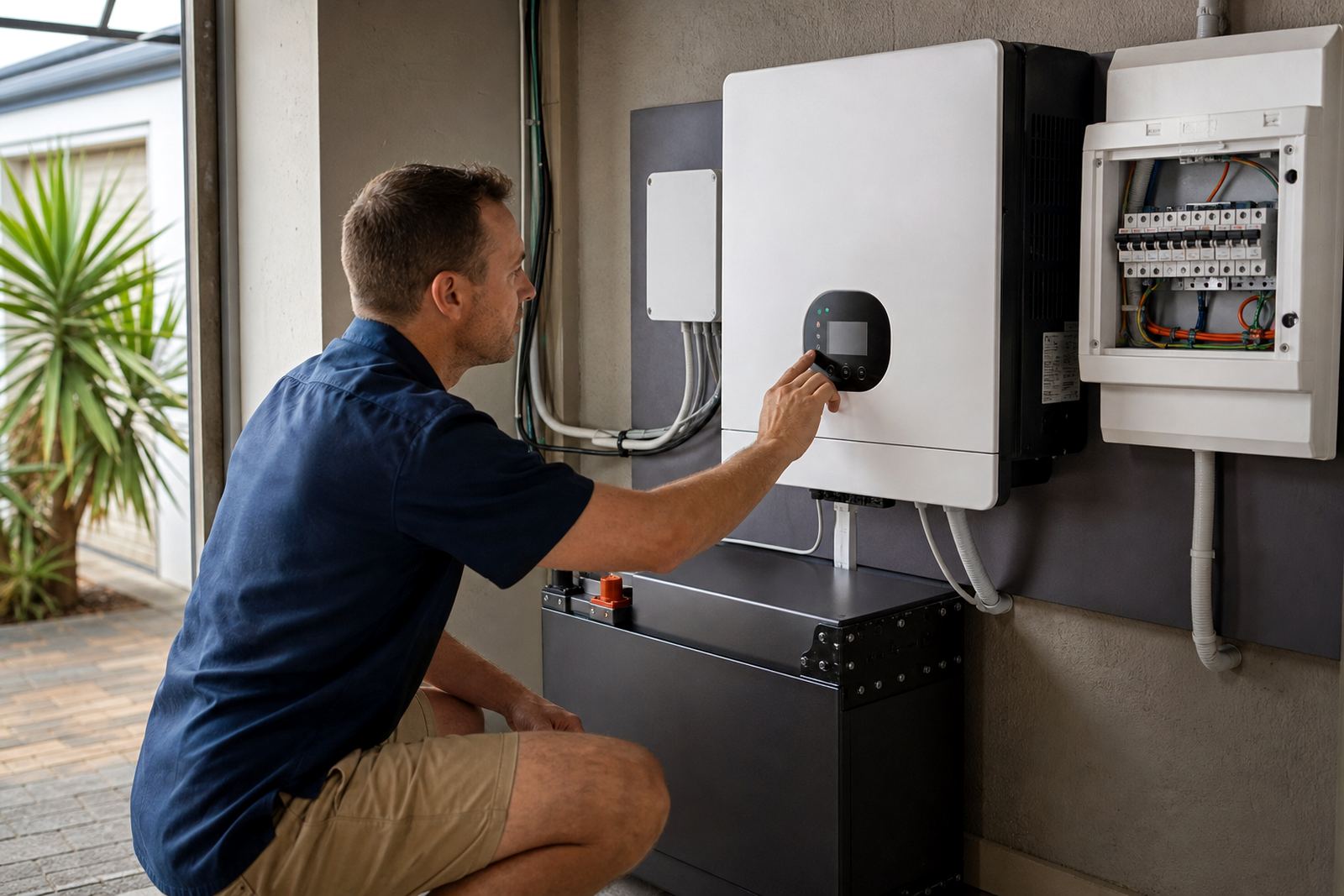
Installation starts with a site assessment and a proper look at the roof structure, shading, wiring route and expected load. From there, the system is designed around the panels, inverter, batteries if required, and the household or business power needs. All electrical work is carried out by qualified installers, because safe integration is just as important as the panel itself.
A solar panel system should not be sized on looks alone. The installer checks whether the property needs support for lights, routers, TVs, fridges, office equipment or a water pump. If the site is relying on solar during load-shedding, the panel array must be paired correctly with the inverter and battery capacity. Where the main aim is daytime savings, a different layout may make more sense. If hot water is also needed, a solar water heater can take pressure off the electrical side of the home.
We also check practical details like roof anchors, cable routes, isolators, earthing, and where the equipment will sit for service access. In some suburbs, municipal or estate rules may affect roof work, visible cabling or placement of outside equipment. That is why a site visit and proper planning are part of the job, not an optional extra.
- Site assessment before any installation work starts
- Panel layout matched to inverter and battery requirements
- Qualified installers handle the electrical integration
- Commissioning carried out after all checks are complete
Care, cleaning and servicing over time
All black panels need the same basic care as other solar panels, but the dark finish can show dust, bird marks and leaves a bit more clearly. In dry Gauteng conditions, grime can build up on the glass, and in coastal areas salt film may collect faster. A regular clean helps keep the array working properly, especially on roofs close to trees, roads or construction dust.
Most systems benefit from scheduled maintenance rather than waiting for a fault. That can include checking mounting hardware, cable ties, isolators, roof seals and the panel surface. If a system starts producing less than expected, fault finding should begin with the panels, inverter display and battery status, then move through the wiring and settings. Cleaning should be done carefully so the glass and frames are not damaged.
If the property has both solar panels and a solar water heater, it makes sense to book servicing together. That can save time on site and keep the whole energy setup in order. For business owners, regular checks are especially useful because power interruptions can affect operations quickly and the issue is often simple once identified.
- Panel cleaning for dust, salt film and bird droppings
- Regular checks on mounts, cabling and roof seals
- Fault finding for low output or system trips
- Maintenance available for home and business sites
What to confirm before you order panels
Before ordering all black panels, check how much roof area is available, whether any part of the roof is shaded, and what you want the system to do. A neat panel choice is only part of the picture. You also need the right inverter, battery bank if backup is needed, and a clear plan for how the energy will be used during the day and at night.
It also helps to confirm whether the site needs panel installation only, or a full package with inverter installation, battery installation and electrical integration. For some homes, solar water heating may be the better place to start, especially where hot water use is high. For others, the panel array should be designed around a fridge, plugs, lighting and a few priority circuits. The more specific the brief, the better the result.
Customers should also consider access for future servicing, the age of the existing electrical system, and whether any upgrades are needed before installation. If the roof is old or damaged, that should be addressed first. Good solar work starts with a roof and electrical system that can handle the equipment properly.
- Confirm roof size, shade and orientation
- Decide whether backup power is needed at night
- Check if inverter, batteries or hot water support are part of the plan
- Make sure the roof and electrical system are ready for installation
Working with Linuo Solar on all black panels
Linuo Solar is based in Centurion, Pretoria and works with homes and small businesses across Pretoria, Johannesburg, Durban, Cape Town and Bloemfontein. The team is led by Vuyo Phasha and includes Naledi Kgosi, Sarel Delport, Palesa Mabena, Mothusi Mphahlele, Faatimah Latief and Unathi Tau. That means every enquiry is handled by people who understand site visits, practical installation work and the day-to-day realities of South African power use.
We help with site assessments, system design, panel installation, inverter installation, battery installation, water heater installation, electrical integration, system commissioning, solar maintenance, fault finding, panel cleaning and support callouts. If you want all black panels for a tidy roof finish, we can size the layout to suit the property and the intended use. Clients reach us through the enquiry form on our contact page, where they can tell us about the roof, the location and the type of energy support they need.
Key facts
| Product type | All black solar PV panels for residential and small business use |
|---|---|
| Typical use | Daytime power generation, backup system charging and neat roof integration |
| Available formats | Multiple wattage and size options depending on roof space and energy demand |
| Installation | Mounted by qualified installers with electrical integration and commissioning |
| Compatible systems | Inverters, battery banks and solar water heating where required |
| Service area | Pretoria, Centurion, Johannesburg, Midrand, Durban, Cape Town, Bloemfontein and Gauteng |
| Care | Routine cleaning, inspection and fault finding to maintain output |