How geyser collectors work on a solar hot water system
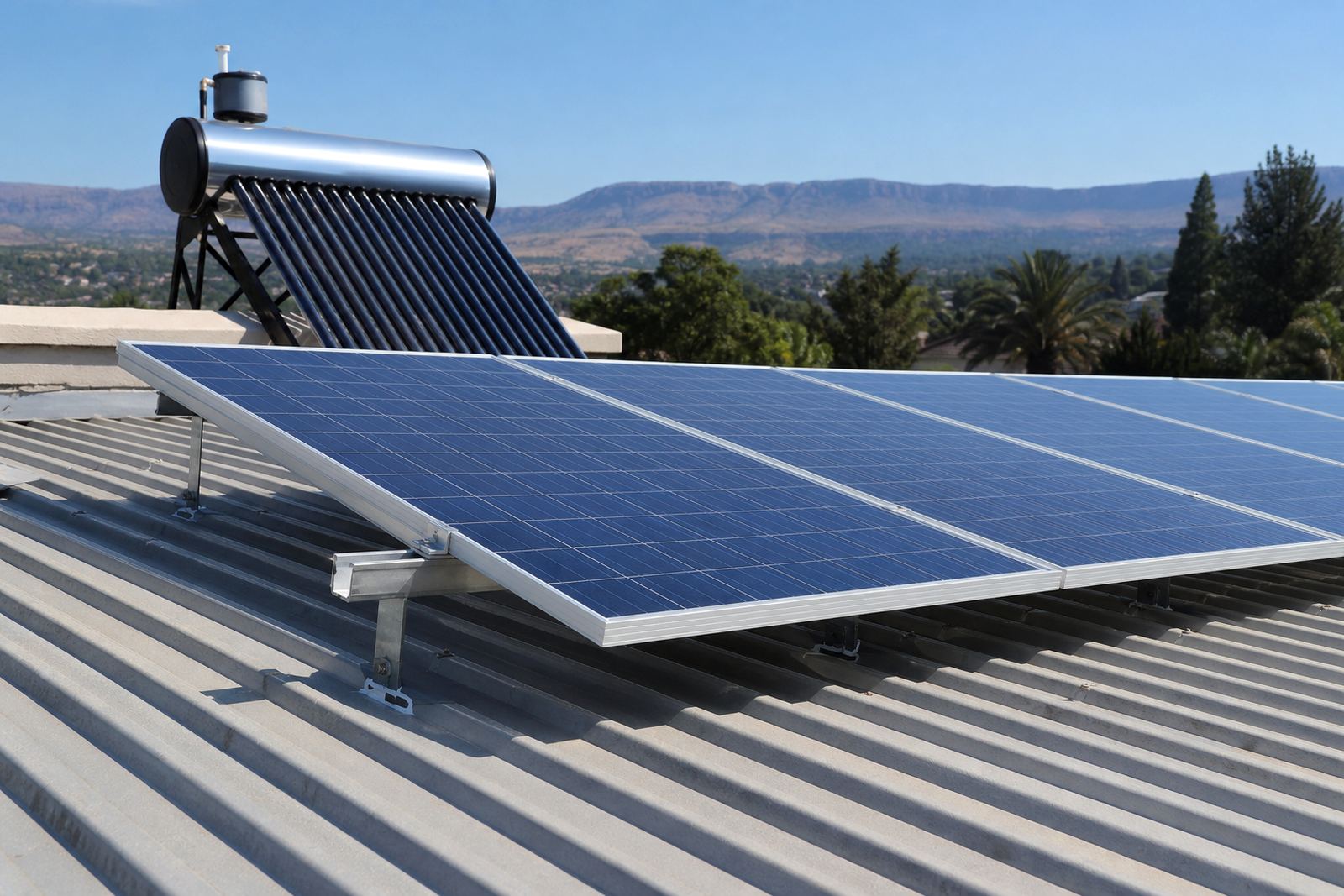
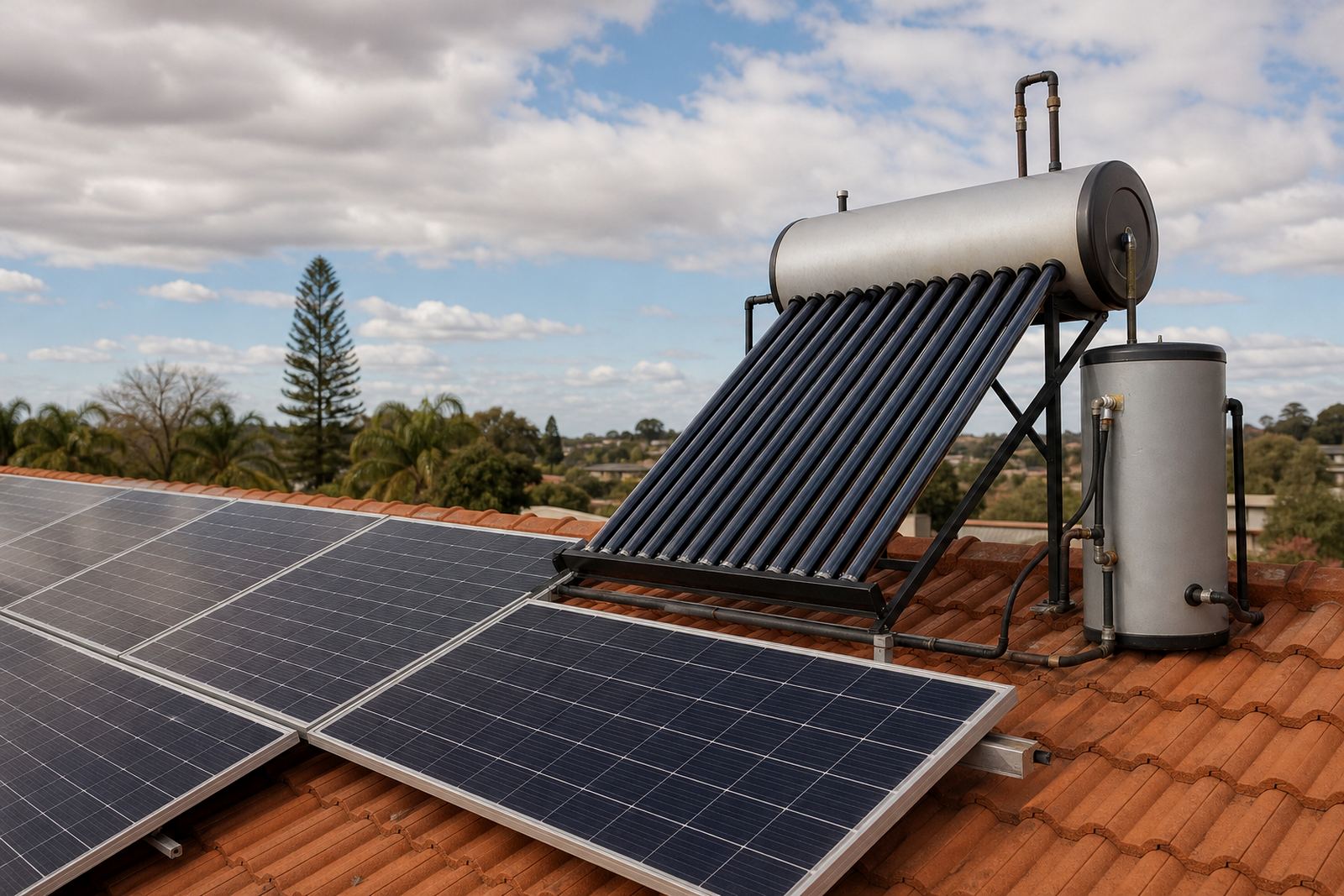
Geyser collectors sit on the roof and absorb sunlight, then pass that heat into water or a heat transfer fluid that works with the tank below. In simple terms, the collector is the engine of the system, while the storage tank holds the heated water for later use. For most households in Pretoria, Johannesburg, Durban, Cape Town and Bloemfontein, this means the system can support showers, basins and kitchen hot water through the day and into the evening when sized correctly.
These units are normally used with a storage geyser, circulation pipework, valves and controls. On some properties the water is heated directly in the collector, while on others a separate loop and heat exchanger are used. The right layout depends on roof space, the number of people using hot water, and whether the property already has electric or gas backup.
Collectors are a sensible fit where roof direction, shading and water pressure have been checked. They are also useful on small business premises with regular hot water demand, such as guest houses, salons, laundries and staff facilities.
Collector sizes, layouts and what to choose
Geyser collectors come in different sizes and configurations, so the correct choice depends on daily hot water use and the space available on the roof. Larger systems are often better for family homes, guest accommodation and businesses with more than one bathroom or a steady daytime demand.
- Flat plate collectors for general domestic hot water use
- Evacuated tube collectors for stronger heat gain in cooler or windy conditions
- Single-collector systems for smaller households or light use
- Multiple-collector banks for higher demand homes and small business premises
- Direct heating systems for suitable water quality and straightforward installations
- Indirect systems where mineral content, coastal humidity or freeze risk needs extra protection
In Gauteng, many properties need a practical balance between roof area and hot water demand. In coastal areas such as Durban and Cape Town, corrosion resistance and correct mounting matter just as much as collector output. A good installation takes both the climate and the property layout into account.
Where geyser collectors suit best in South Africa
These collectors suit homes and small businesses that want a dependable hot water setup without relying entirely on the grid. They are common on free-standing houses, townhouses with roof access, guest houses, schools, workshops and light commercial properties. They are also useful where load-shedding or high peak-time electricity use makes hot water supply less predictable.
For Pretoria and Centurion, roof pitch and summer sun exposure are usually favourable, but every site still needs a proper assessment. In Johannesburg and Midrand, shading from trees or nearby buildings can affect output, especially in winter. Cape Town properties must factor in wind exposure, while Durban and other coastal areas should consider salt air and the condition of roof fixings over time.
- Homes with 2 to 8 occupants
- Small businesses with kitchens, staff ablutions or wash-up areas
- Properties where geyser running costs are a concern
- Sites with good roof access and limited shading
- Households planning a phased move to solar hot water
Installation, power backup and electrical integration
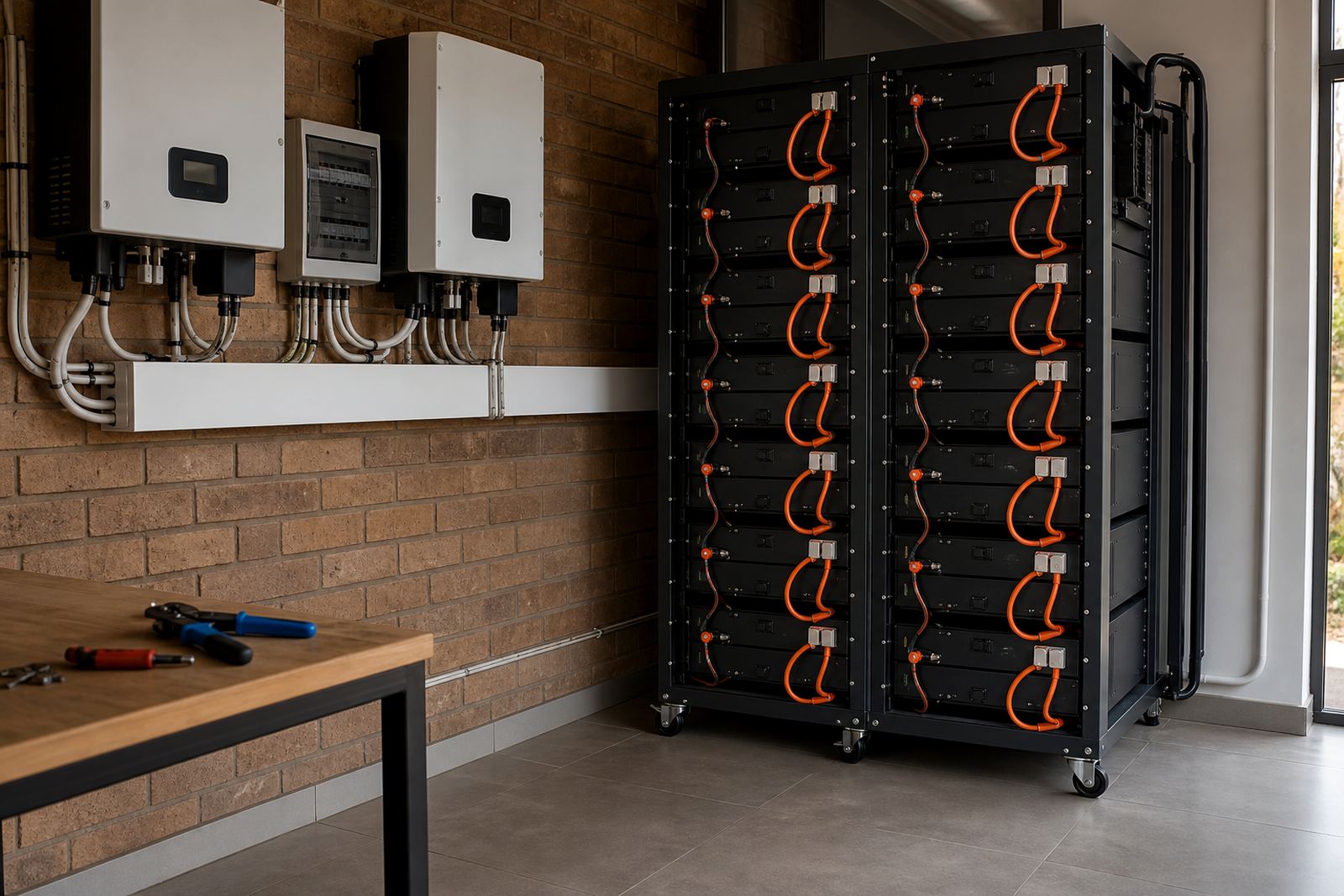
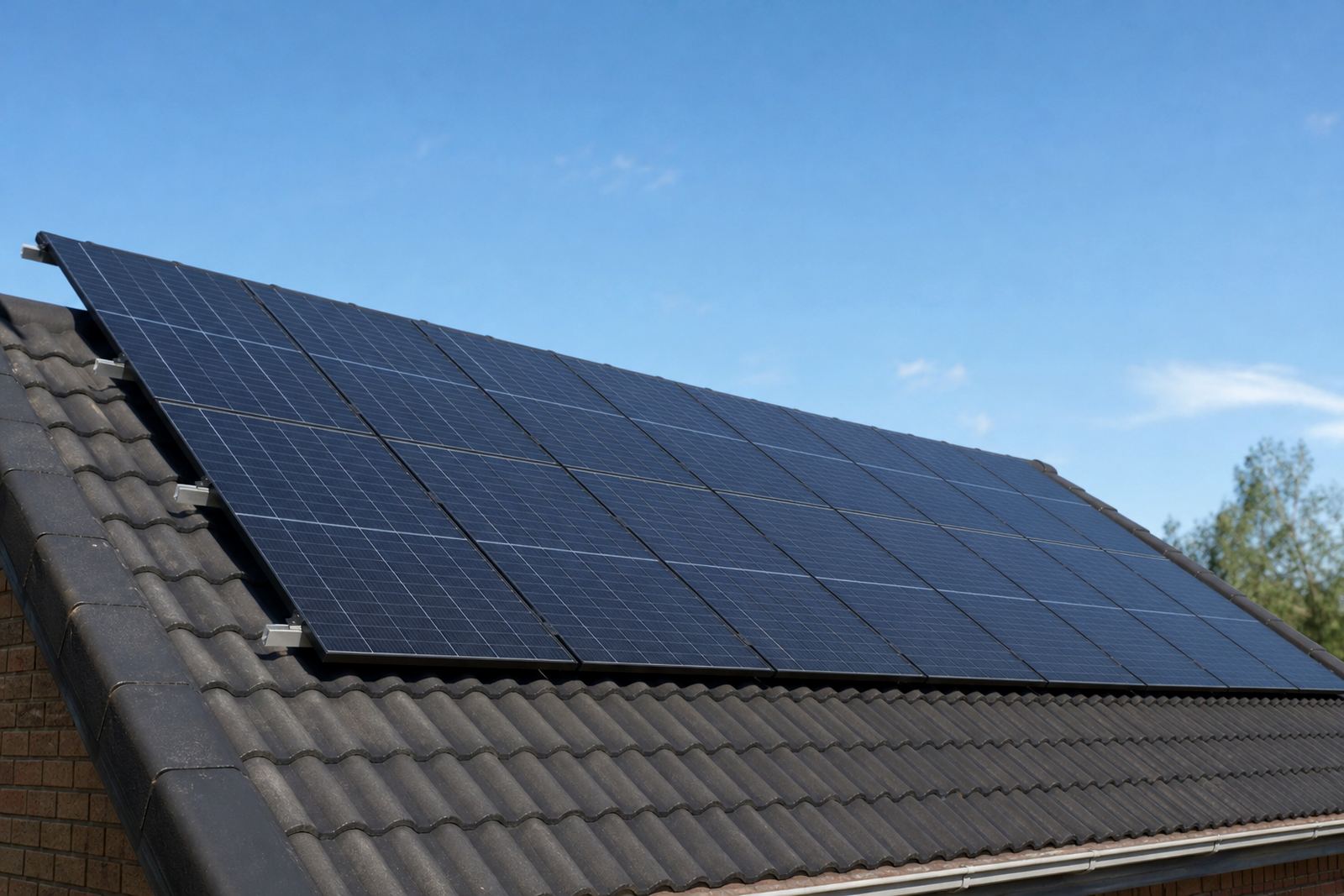
Collector installation involves roof mounting, plumbing connections, roof penetration sealing, tank connection and commissioning. Where pumps, controllers or electric backup elements are used, the electrical work must be carried out by qualified installers. That includes safe isolation, correct protection devices and proper integration with the existing distribution board.
Some systems use direct sun only, while others include an electric element or gas backup for cloudy spells and periods of higher demand. The exact arrangement depends on the property, the hot water load and how the system will be used during winter or after load-shedding. On many sites, it is worth planning for both solar operation and a fallback heat source so hot water remains available when the weather turns or usage increases.
For homes with existing electric geysers, collectors can often be added into a wider hot water plan. In small businesses, installation should also allow for maintenance access, safe pipe routes and tidy mounting that will not be affected by routine cleaning or roof repairs.
Care, servicing and what keeps performance steady
A solar water heating system needs basic care to keep working properly. Collectors should be checked for dust, bird droppings, damaged seals, loose fittings and any sign of roof leaks. In areas with coastal humidity or airborne salt, the mounting hardware and pipework should be inspected regularly so corrosion does not start to build up.
Good servicing helps prevent hot water losses, pressure issues and uneven heating. It also helps identify small faults before they become bigger repairs. If water is getting too hot, not hot enough or taking too long to recover, the issue may be with the collector, pump, thermostat, circulation path or the storage tank itself.
- Rinse or clean the collector surface when dirt is visible
- Inspect roof brackets and fixings after strong wind
- Check insulation on exposed pipework
- Test valves, controls and backup heating as part of routine servicing
- Book fault finding if output drops unexpectedly
What to check before you order geyser collectors
Before ordering, it helps to know your roof direction, available space, hot water usage and whether the existing geyser or tank can work with a solar setup. You should also check the roof material, the condition of the rafters, and whether there is any shade from parapets, walls, trees or neighbouring structures. In some municipal areas, roof work and water connections may need to follow local rules or body corporate requirements.
It is also worth confirming whether you need a direct system or an indirect system, and whether you want electric or gas backup. A good supplier will ask about water pressure, household size, peak usage times and the distance between the roof and the hot water point. That information helps make sure the collector size and layout are practical, not just theoretical.
- Household size or daily hot water demand
- Roof type, pitch and usable area
- Shading and sun exposure through the year
- Need for electric or gas backup
- Distance from roof to geyser location
- Water quality and coastal exposure where relevant
For Pretoria, Centurion, Johannesburg, Midrand, Durban, Cape Town and Bloemfontein, we supply and install collector-based solar hot water systems for homes and small businesses across South Africa. Our team handles site assessments, system design, installation, electrical integration, commissioning and after-sales support through the enquiry form on our contact page.
Key facts
| Product type | Solar water heater collectors for domestic hot water support |
|---|---|
| Typical use | Homes and small businesses |
| Collector options | Flat plate and evacuated tube configurations |
| Installation | Roof mounted with plumbing and qualified electrical integration where needed |
| Suitability | Direct or indirect systems depending on site conditions |
| Service areas | Pretoria, Centurion, Johannesburg, Midrand, Durban, Cape Town, Bloemfontein and Gauteng |