What mono solar panels are and why they suit South African roofs
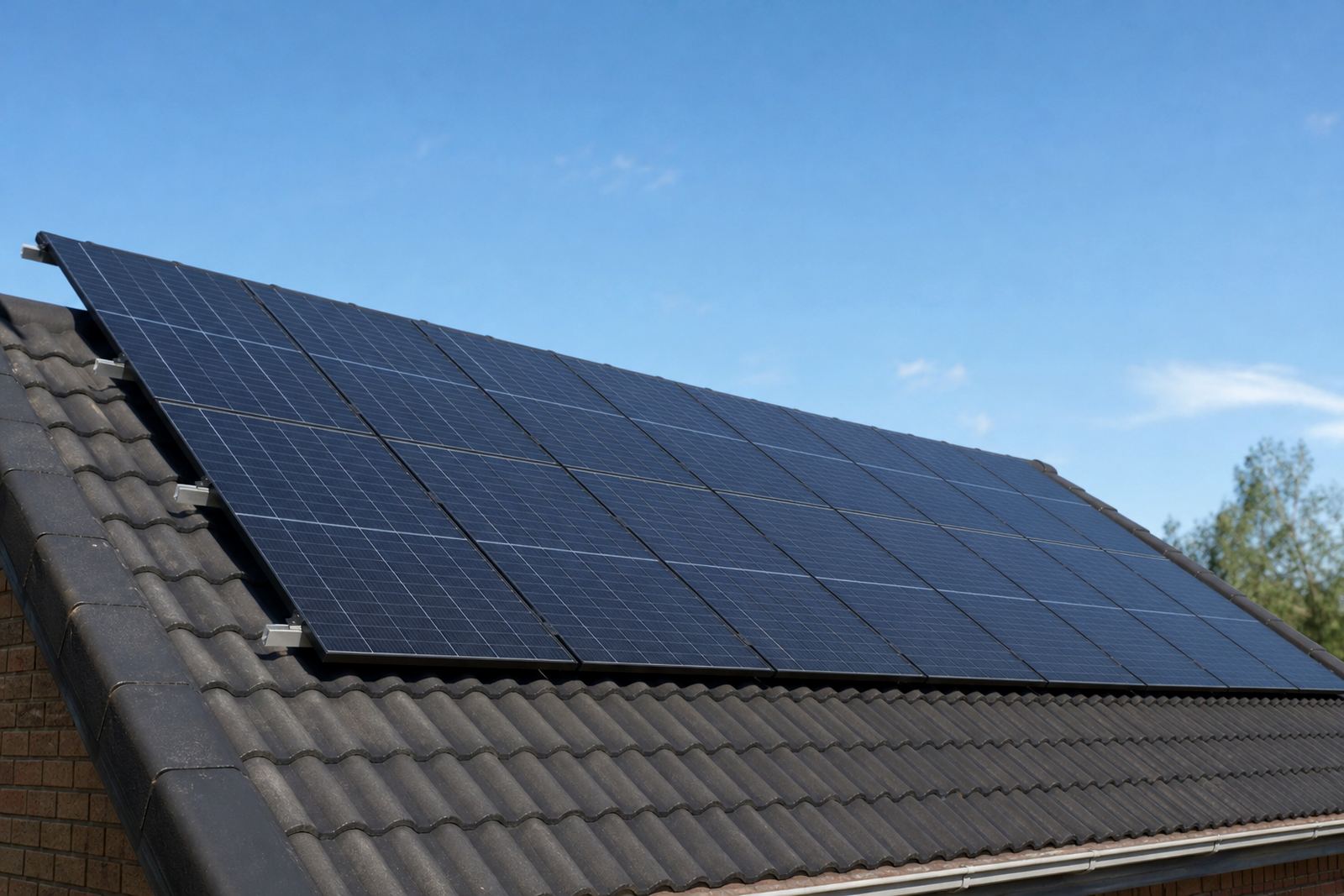
Mono solar panels are single-crystal photovoltaic panels made to convert sunlight into usable DC power for your solar system. They are a strong fit where roof space is tight, or where you want higher output per panel for a home, office, shop, small workshop or farm outbuilding. In places like Pretoria and Centurion, where roofs often have a mix of east, west and north-facing sections, the better power density of mono panels can help you use the available space more carefully.
These panels are usually chosen for daytime generation and for systems that need to work well in clear sun as well as in hot weather. South African conditions can be tough on equipment, from summer heat in Gauteng to salt air in Durban and Cape Town, so panel selection and mounting method matter just as much as the panel itself.
Panel sizes, output ranges and mounting options
We supply mono solar panels in common residential and light commercial sizes, with options that can be matched to the available roof area and the rest of the system. Most projects use panels in the 400 W to 600 W range, though the exact size depends on the available mounting space, the inverter capacity and how much daytime load you want to cover.
- Roof mount panels for tiled, IBR or corrugated roofs
- Ground mount panels for yards, smallholdings and open sites
- Frames for portrait or landscape installation
- Single-string and multi-string layouts where shading needs to be managed
- Options for homes, offices, retail sites and light industrial units
We also check roof pitch, wind exposure and access for cleaning. In coastal areas and high-wind zones, good structure and fastener choice are important, because a panel is only as reliable as the fixing holding it in place.
Where mono solar panels work best
Mono panels are a practical choice when you want a compact system with dependable daytime production. They suit properties with limited roof area, as well as sites where the load profile is heaviest during the day. That includes home offices, schools, consulting rooms, retail counters and workshops that run tools or appliances while the sun is out.
They also suit properties planning future expansion. If you start with a smaller array now and want to add more panels later, we can design the layout with spare roof space and inverter headroom in mind. This helps avoid unnecessary rework later and keeps the system tidy.
- Small homes wanting more output from less roof space
- Businesses needing daytime support during load-shedding
- Sites with a mix of appliances, lighting and office equipment
- Properties with north-facing, east-facing or west-facing roof sections
- Ground-mounted systems where roof space is not suitable
Installation, electrical integration and power needs
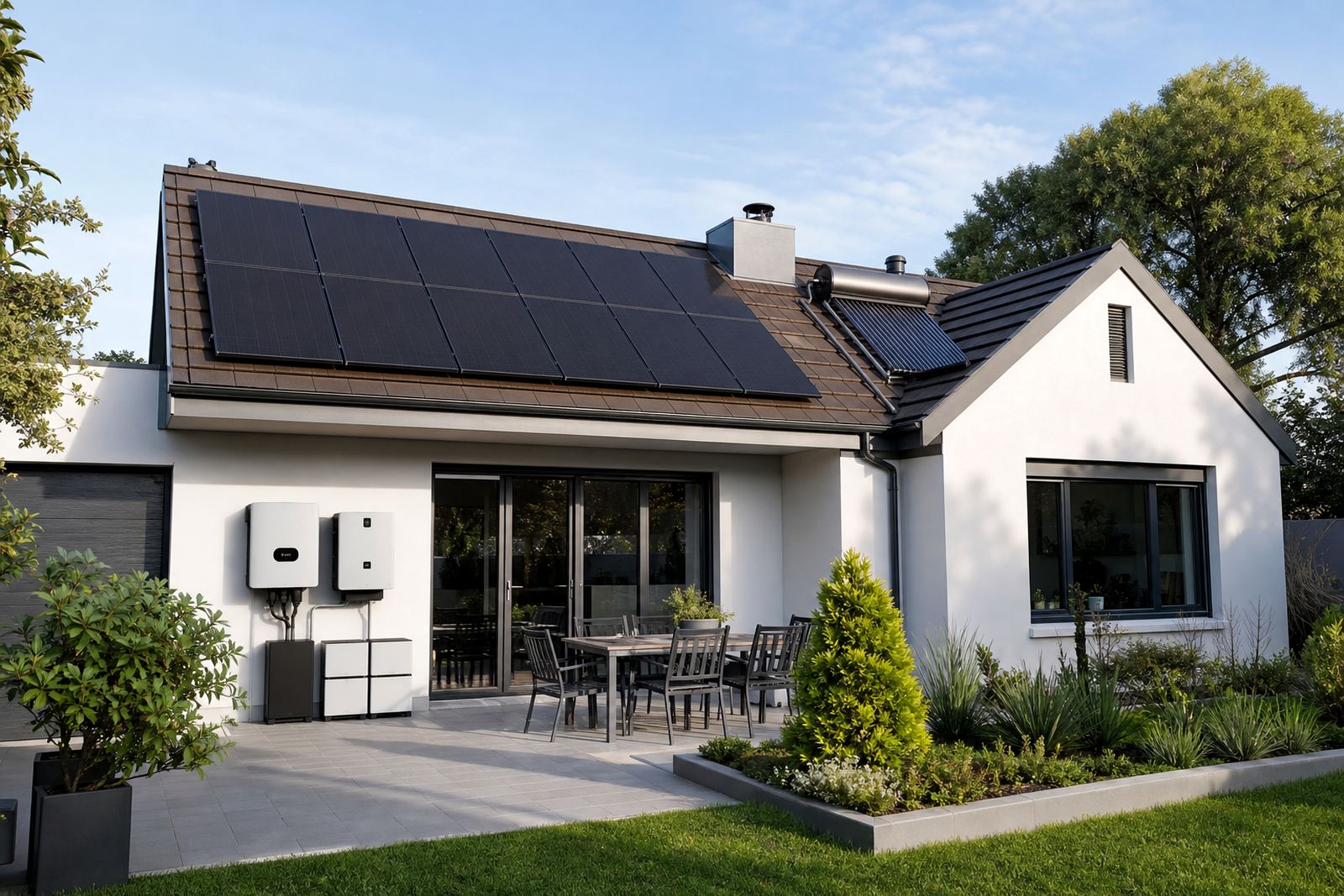
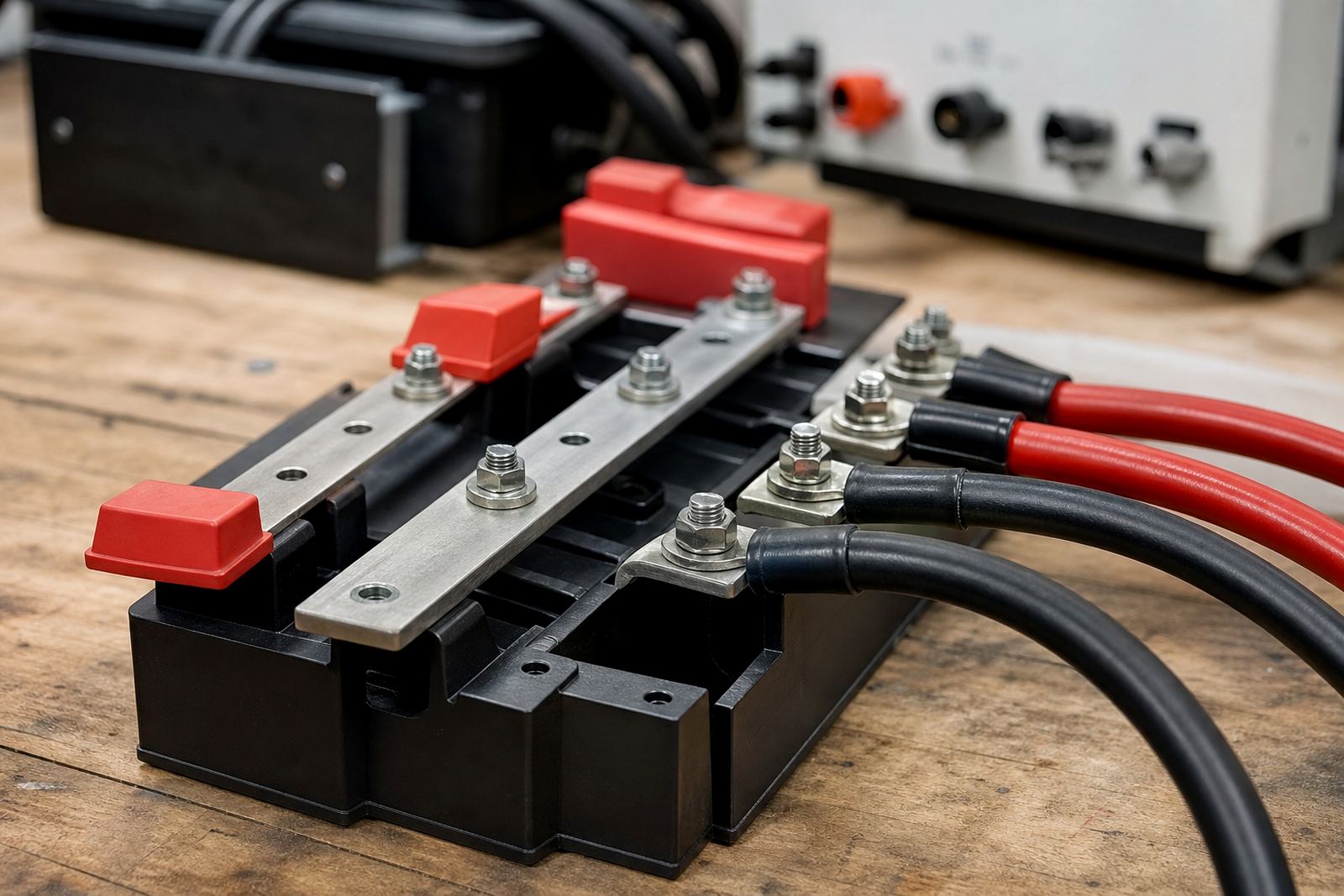
We handle solar panel installation as part of a complete system, which can include inverters, batteries and solar water heating where needed. The panels are mounted securely, cabled neatly and connected to the inverter by qualified installers who handle the electrical work in line with the site requirements. That matters for safety, compliance and reliable day to day operation.
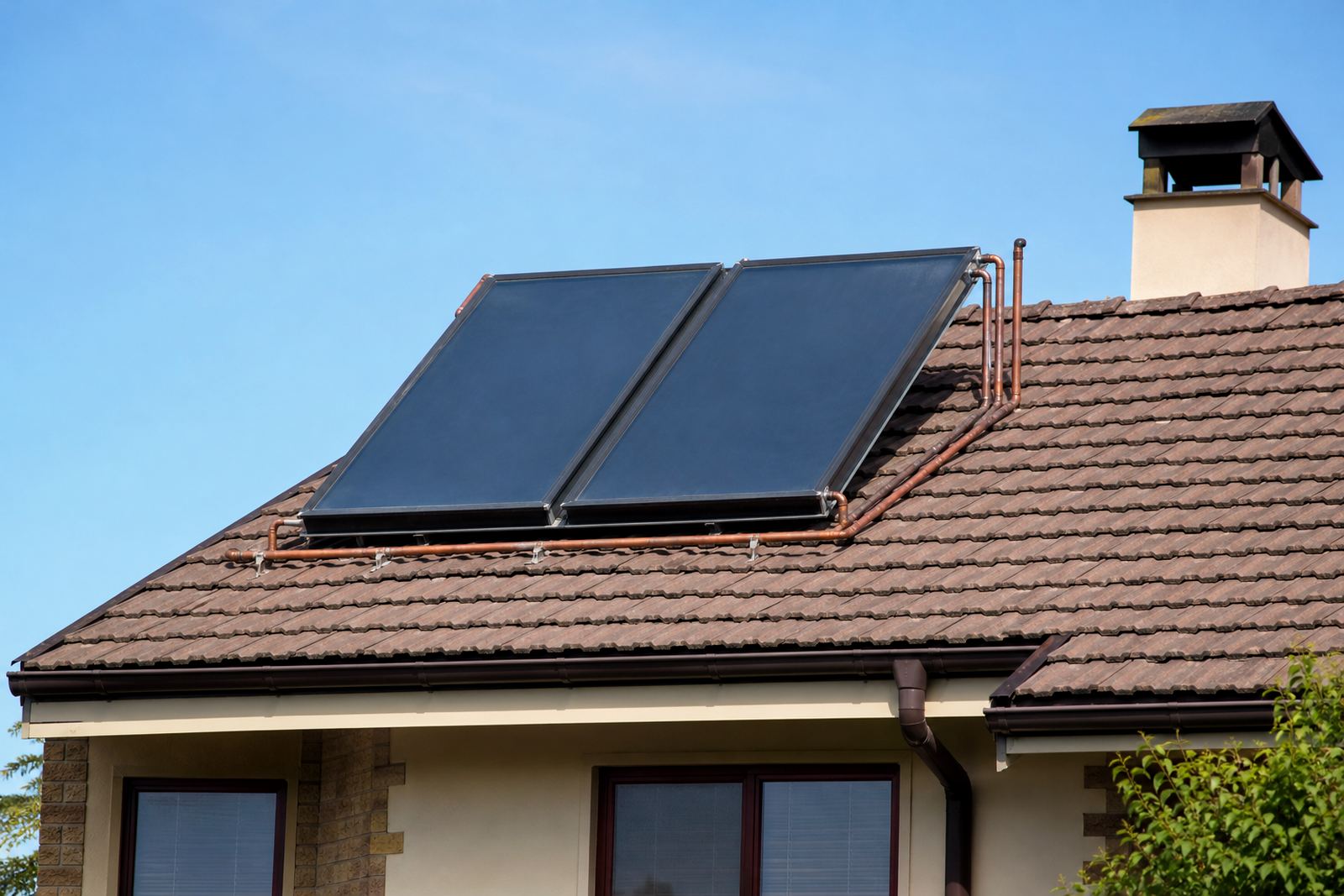
On many projects, the panel array is paired with an inverter that converts solar power for household or business use, plus batteries where backup is needed after sunset or during outages. If the property also has a high hot-water demand, we can look at adding solar water heaters so the system is not carrying unnecessary heating loads. This is often useful for guesthouses, salons and small businesses where geyser demand can be high.
We work with the realities of South African supply conditions, including load-shedding and mixed municipal rules. Our team can help with site assessments in Pretoria, Johannesburg, Midrand, Durban, Cape Town and Bloemfontein, then set out what the panel array can realistically support.
Care, cleaning and servicing for long life
Mono panels do not need much day-to-day attention, but they do need regular checks. Dust, bird droppings, pollen and coastal grime can reduce output if the panels are left untouched for too long. In inland areas like Pretoria and Bloemfontein, dust build-up can be a factor. Near the coast, salt film and humidity can affect performance and fittings over time.
We recommend a servicing plan that includes panel cleaning, visual inspection of brackets and cabling, inverter checks and fault finding if production drops. If there has been a storm, a strong wind or a roof repair, the system should be checked again. Small faults caught early are usually cheaper to sort out than waiting until a panel string fails.
- Inspect the panel surface for dirt, cracks or shading issues
- Check mounting rails and clamps after storms or repairs
- Keep vegetation from casting shadow on the array
- Monitor inverter readings for unusual drops in output
- Book periodic cleaning and maintenance, especially in dusty or coastal areas
What to check before you order mono solar panels
Before ordering, it helps to know how much roof or ground space is available, what the main loads are and whether you need battery backup or only daytime support. You should also check roof type, age, shading from nearby trees or walls, and whether the site has enough electrical capacity for the intended system. If you are using the panels with a water heater, hot-water demand and geyser location should also be considered.
For homes and small businesses, the best results usually come from a proper site assessment rather than guessing. Our team in Centurion works with clients across Gauteng and further afield, and we can advise on panel count, array layout, inverter pairing, battery storage and whether the system should be tied in with solar water heating. If you are comparing options, ask for the physical dimensions, operating voltage, current range and mounting method so the quote matches the site, not just the catalogue.
- Available roof or ground area in square metres
- Shading from trees, chimneys, neighbouring buildings or tanks
- Inverter size and battery storage needs
- Roof material and fixing method
- Expected daytime load and hot-water requirements
Key facts
| Panel type | Mono crystalline solar panel |
|---|---|
| Typical output range | 400 W to 600 W per panel |
| Installation options | Roof mount or ground mount |
| Suitable properties | Homes, offices, shops and small workshops |
| System pairing | Inverter, batteries and solar water heating |
| Service area | Pretoria, Johannesburg, Durban, Cape Town, Bloemfontein and nationwide |