How Flat Plate Heaters Work On A South African Roof
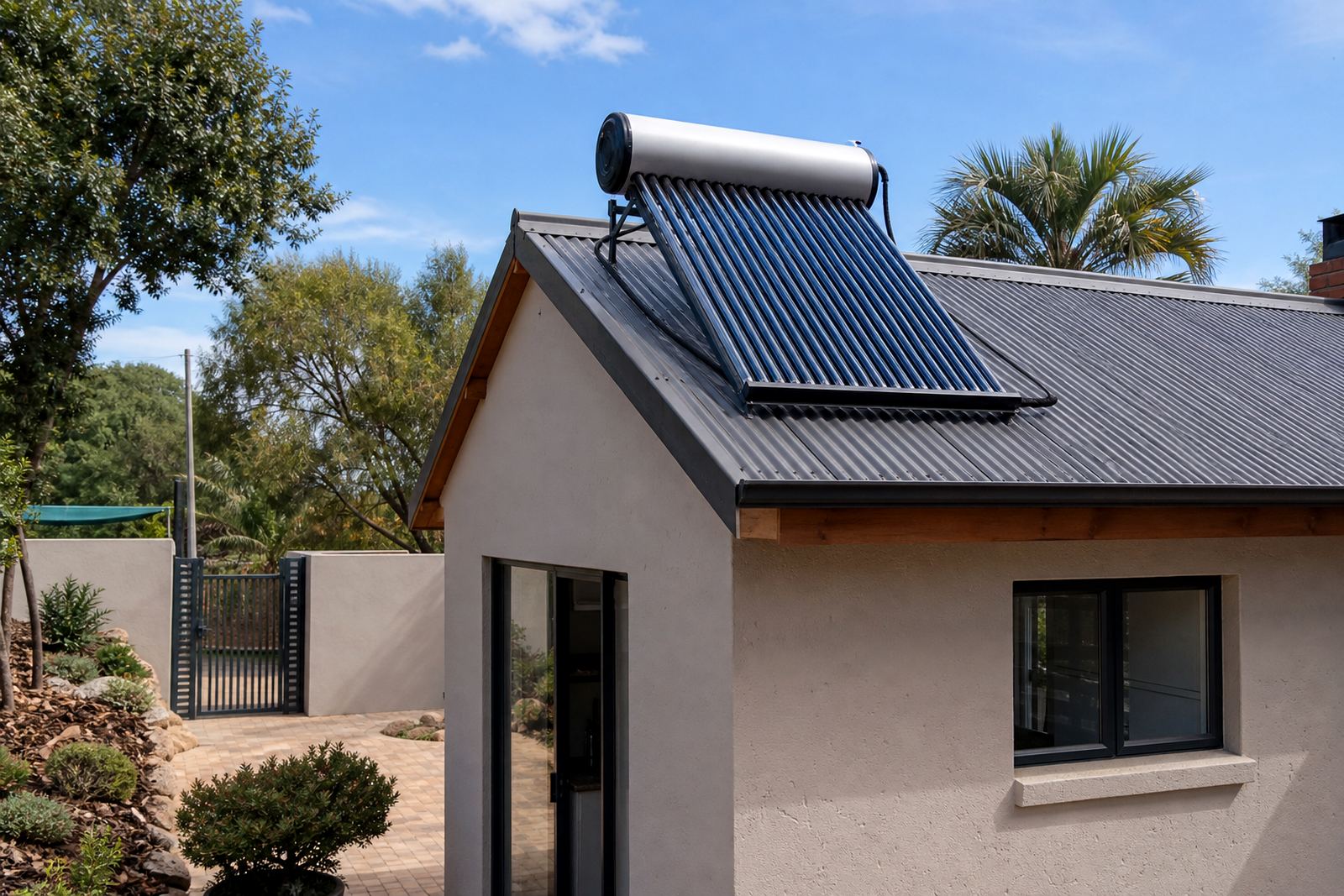
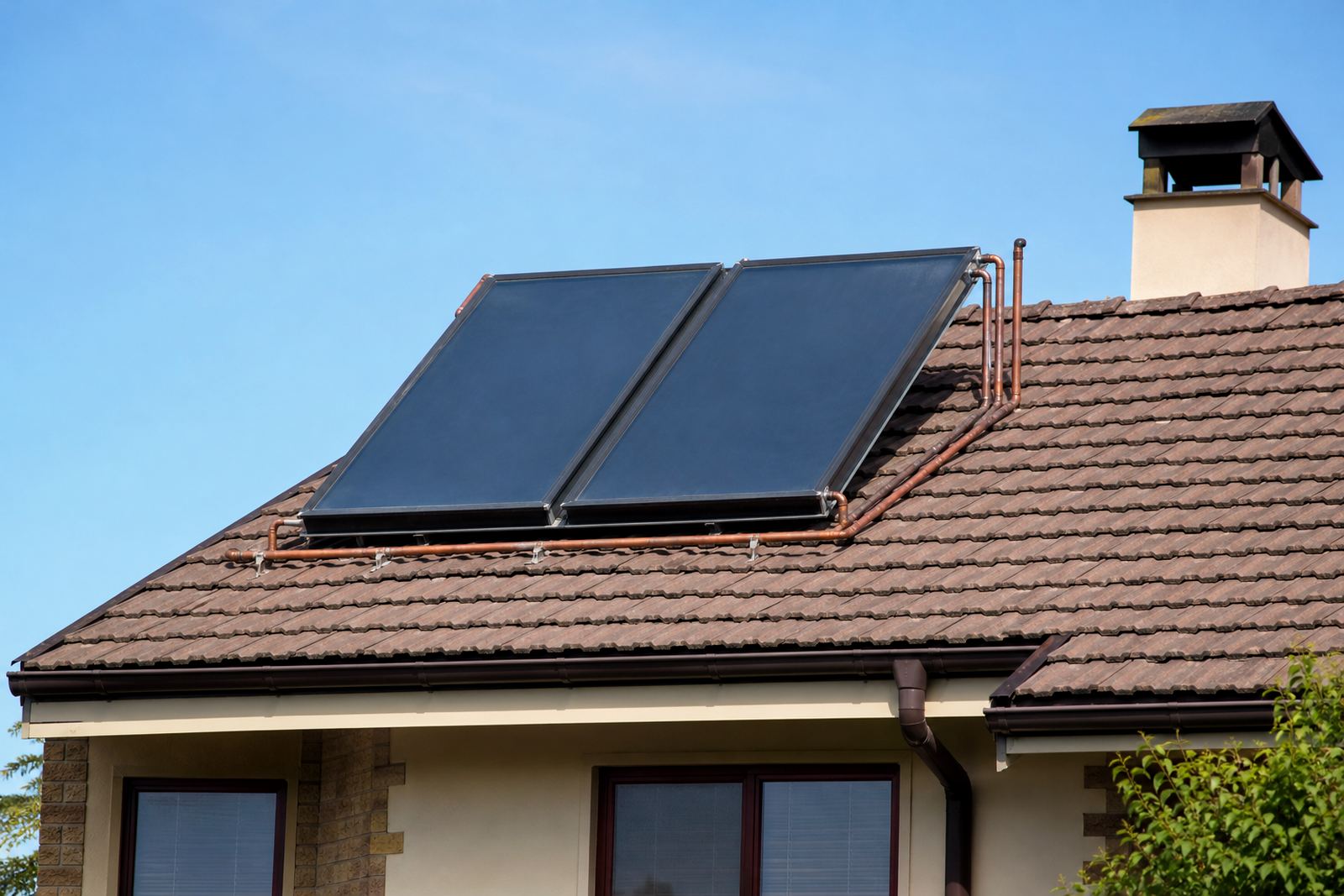
A flat plate heater uses a dark absorber plate inside an insulated housing to capture heat from the sun, then transfers that heat to water in the cylinder or heat exchange circuit. It is a straightforward system that works well for households wanting hot water for bathing, washing up and general domestic use, with less pressure on the geyser during sunny hours.
These systems are often chosen for homes in Gauteng and other parts of South Africa where roof space is available and daily hot water demand is steady. In summer they can carry a large share of the load, and in winter they still contribute useful pre-heating when the installation is sized correctly. On overcast days the backup element or alternate heating source may still be needed, which is why the system layout matters.
Sizes, Tank Options And What They Suit
Flat plate heaters are available in different collector and tank sizes to match household demand. Smaller homes may use a compact unit for two to three people, while larger families or small guest houses may need a bigger tank and more collector area. A proper site assessment helps match the system to the number of bathrooms, the roof pitch and the hot water pattern in the property.
- Compact systems for flats, cottages and small homes with moderate hot water use
- Mid-size systems for family homes with one to two bathrooms
- Larger domestic units for bigger households or properties with higher morning demand
- Split tank and collector layouts where roof space or access needs careful planning
The tank choice also depends on whether the property uses a direct or indirect heating arrangement. In coastal areas like Durban and Cape Town, material selection and placement should account for humidity and salt in the air, as that can affect fittings over time if the system is not set up properly.
Where Flat Plate Heaters Make The Most Sense
Flat plate solar water heaters suit brick homes, townhouse complexes, small offices with staff ablutions and light commercial buildings that use hot water daily. They are a practical fit where the roof has good sun exposure and the owner wants a dependable solution without excessive complexity.
They are commonly installed where space allows for the correct tilt and orientation, and where the plumber and electrician can access the existing geyser area easily. If the roof is shaded by trees, adjacent buildings or a water tank, that needs to be checked before ordering. A good installation starts with the roof, not with the product box.
- Homes in Pretoria, Centurion and Midrand with reliable roof access
- Small businesses that need hot water for staff kitchens or wash areas
- Properties that already have a geyser and want solar assistance rather than a full changeover
- Sites where load-shedding makes a solar-heated preheat system especially useful
Installation, Electrical Work And Backup Heating
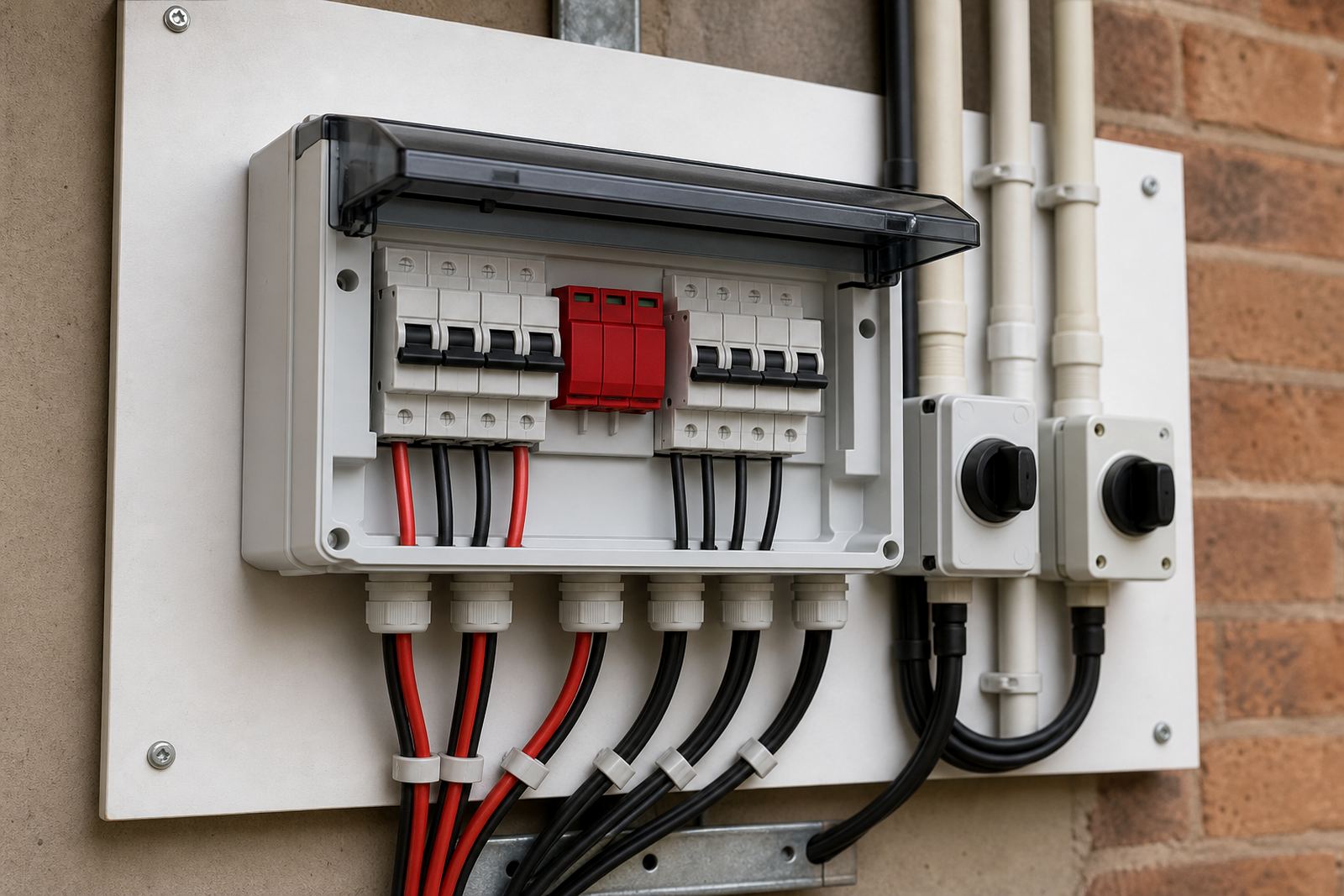
Installation includes mounting the collector, fixing the tank in the correct position and connecting the plumbing safely so the system can circulate and heat as intended. If electrical backup is part of the setup, that work is done by qualified installers who understand geyser isolation, thermostats and safe integration with the existing electrical supply.
In many homes the flat plate heater is tied into the existing geyser line so the solar system preheats the water before it enters the electric backup. That helps keep hot water available when the weather changes or the household uses more than usual. Gas backup can also be considered in some properties, especially where the owner wants a heating option that is not only dependent on electricity.
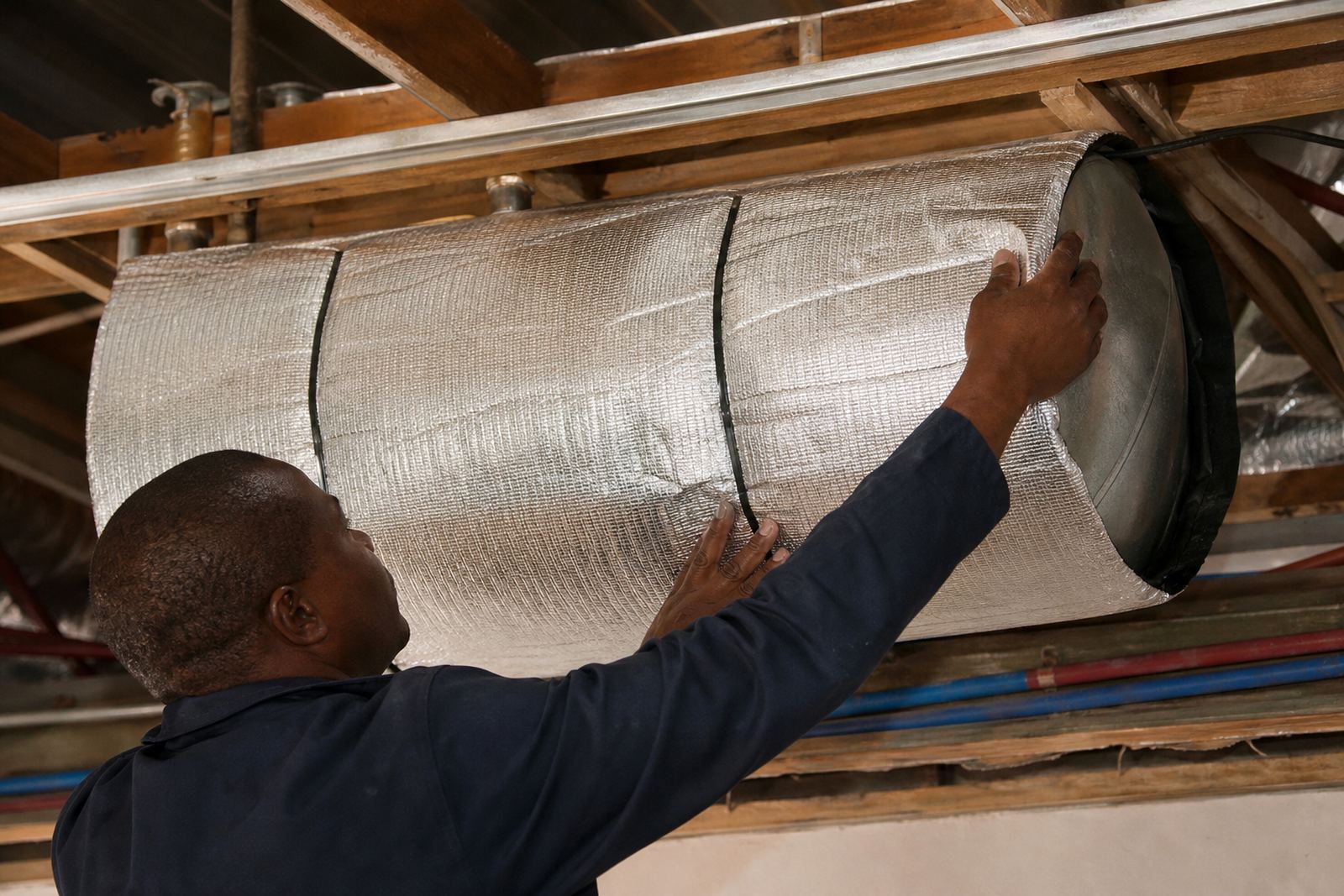
Our team plans the work around roof safety, pipe runs and the condition of the current geyser. If the pressure valve, insulation or roof brackets need attention, those points are dealt with during installation rather than left for later. It is better to sort out a small issue now than return after the first cold front hits.
Care, Servicing And What Needs Attention Over Time
Flat plate heaters need basic care to keep performing well. That includes checking for loose mountings, inspecting pipe insulation, watching for scaling in hard water areas and making sure the circulation path is clear. In some parts of Gauteng and inland provinces, mineral build-up can affect efficiency if the system is left unchecked for years.
Regular servicing also helps with leak detection, thermostat checks and general system health. If the unit sits near the coast, fasteners and brackets should be inspected for corrosion. Panel cleaning may be useful where dust, pollen or bird droppings collect on the collector surface, especially after windy spells. A yearly look-over is usually enough for many households, but high-use properties may need more frequent checks.
- Look for reduced hot water output or long heating times
- Check for drips at valves, joints and roof penetrations
- Keep the collector surface clean where dirt builds up
- Inspect insulation and pipe supports after heavy rain or wind
What To Check Before You Order A Flat Plate Heater
Before ordering, measure available roof space, confirm how many people use hot water daily and decide whether the system should work with a backup geyser or gas unit. The size of the tank, the collector area and the pipe route all need to suit the property, otherwise the system may underperform or take up more roof space than necessary.
You should also check water pressure, existing plumbing condition and whether the roof structure can take the added load. On older homes in Pretoria and Johannesburg, the current geyser position often shapes the layout more than the product itself. For small businesses, it is useful to know the busiest wash times so the system can be matched to actual demand rather than guesswork. That small bit of planning saves a lot of back and forth later.
When you send an enquiry through our contact form, we can assess the site, recommend the right option and schedule installation across Pretoria, Centurion, Johannesburg, Midrand, Durban, Cape Town, Bloemfontein and the wider Gauteng area. From there, the system is designed for the property, not forced into a one-size approach.
Key facts
| Product type | Flat plate solar water heater system |
|---|---|
| Typical use | Domestic hot water and light commercial hot water support |
| Common sizes | Compact, mid-size and larger family or business units |
| Installation areas | Pretoria, Centurion, Johannesburg, Midrand, Durban, Cape Town, Bloemfontein, Gauteng |
| Backup support | Electric geyser integration or gas backup where suitable |
| Service notes | Mounting checks, valve checks, insulation checks and collector cleaning |