What a low pressure heater is and how it works
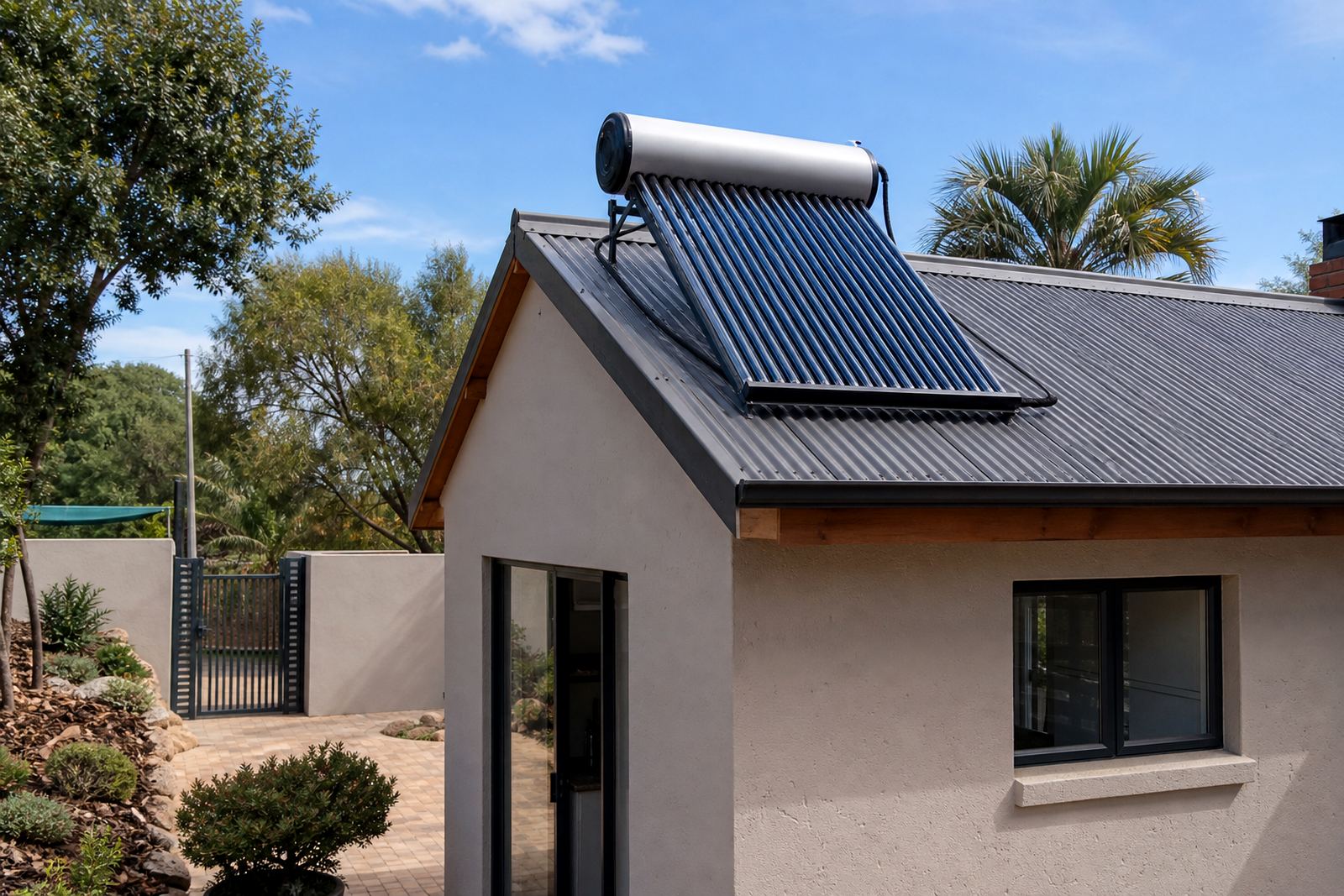
A low pressure solar water heater uses the sun to warm water stored in a tank, then feeds that hot water into your home or business under limited pressure. It is commonly chosen for simple domestic hot water arrangements where the system can run from gravity feed or a controlled supply, rather than a high pressure municipal line.
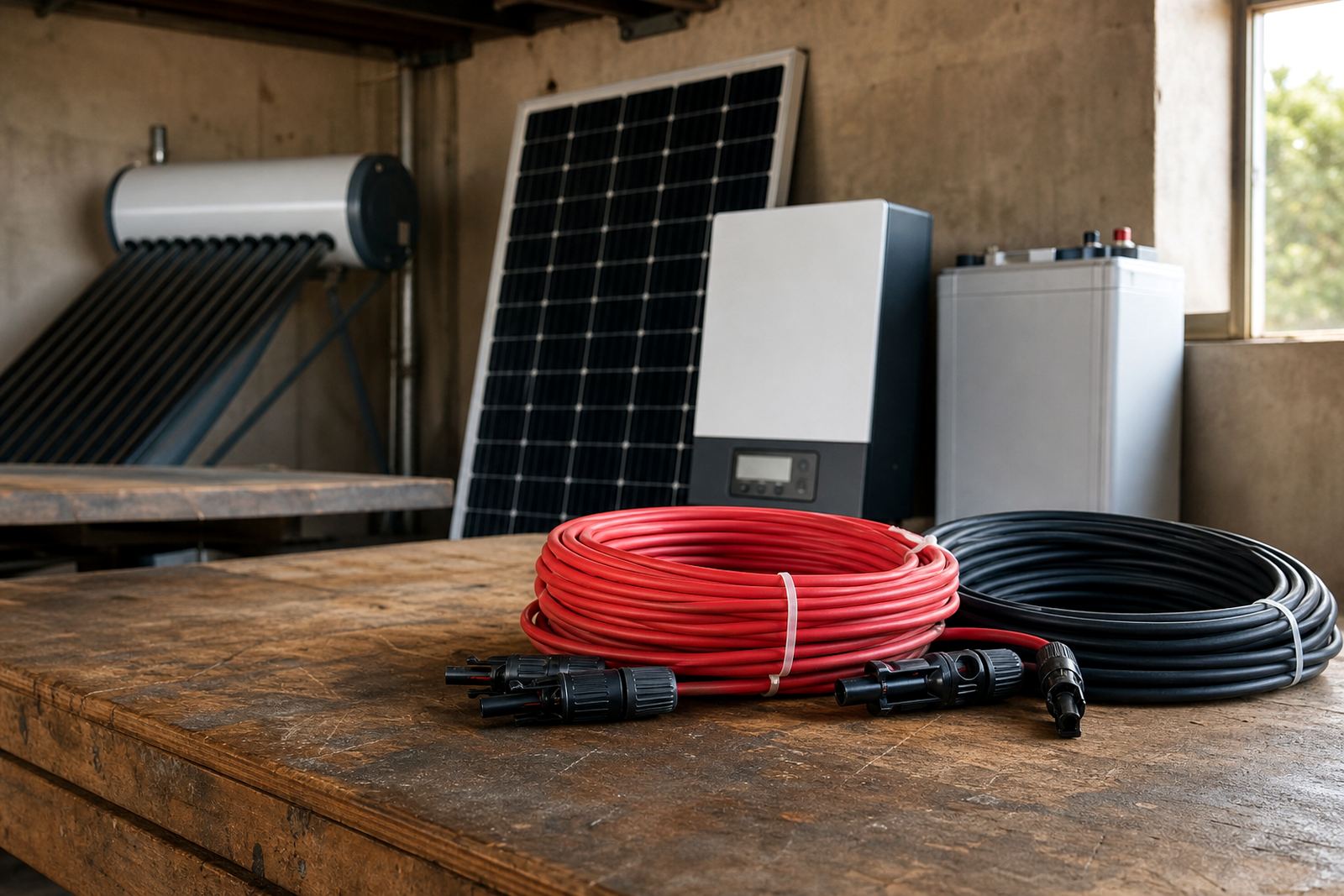
The setup normally includes solar collectors, a storage cylinder, insulated pipework, valves and a mounting frame. Water is heated during the day and kept in the tank for use later. In Pretoria and other parts of Gauteng, this can be a practical way to cut reliance on electricity for geyser heating, especially where load-shedding makes electric heating less convenient.
- Works well for straightforward hot water use
- Uses the sun to heat stored water
- Best for controlled pressure systems
- Suitable for homes and small commercial properties
Sizes and options to match the property
Low pressure heaters are available in a range of tank sizes and collector layouts, so the right choice depends on how many people use hot water and how much space you have on the roof. A small household may need a compact unit, while a guest room, salon or small office kitchen may need a larger cylinder with more collector area.
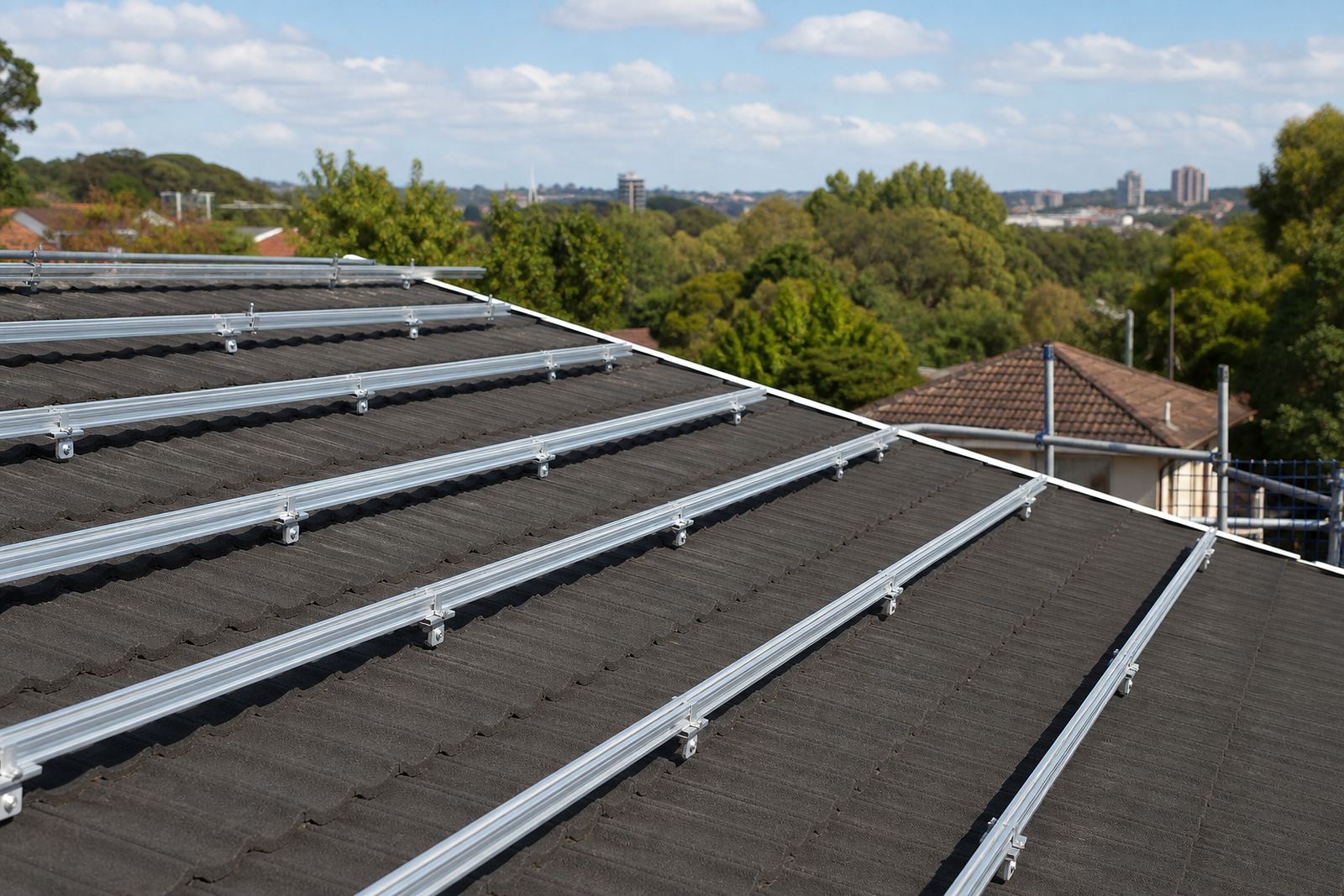
We help with site assessments and system design to match the unit to your roof space, roof direction and daily hot water needs. On many Pretoria roofs there is enough room for a standard flat roof mount, but some homes and businesses need angled framing or a tighter footprint. Coastal areas like Durban may also need extra attention to corrosion resistance, while windy Cape Town sites need firm mounting and good fixings.
- Compact units for smaller homes
- Mid size systems for families or light business use
- Larger storage cylinders for higher hot water demand
- Flat roof and pitched roof mounting options
- Different pipe routes depending on the building layout
Where low pressure heaters suit best
This type of heater is best where the plumbing can support a simpler pressure setup and where the water demand is regular rather than extreme. It suits rental units, small staff facilities, outbuildings, cottages and homes where the owner wants a practical water heating system without the extra complexity of a pressurised installation. It also works well for properties that want a solar option for washing, bathing and general daily use.
Because the system relies on the correct tank position and proper gravity flow in many cases, it needs a careful look at the building before installation. That includes roof strength, water supply point, tank location and the route for hot water pipes. Our team checks whether the site can take the weight of a filled cylinder and whether the plumbing can support the intended use. A system that is a good fit for a house in Centurion may need a different layout in Johannesburg or Bloemfontein, depending on the building itself.
- Domestic hot water for everyday use
- Small business wash-up areas and staff bathrooms
- Cottages, rental units and garden flats
- Sites with simple plumbing and defined water demand
Installation, electrical work and backup needs
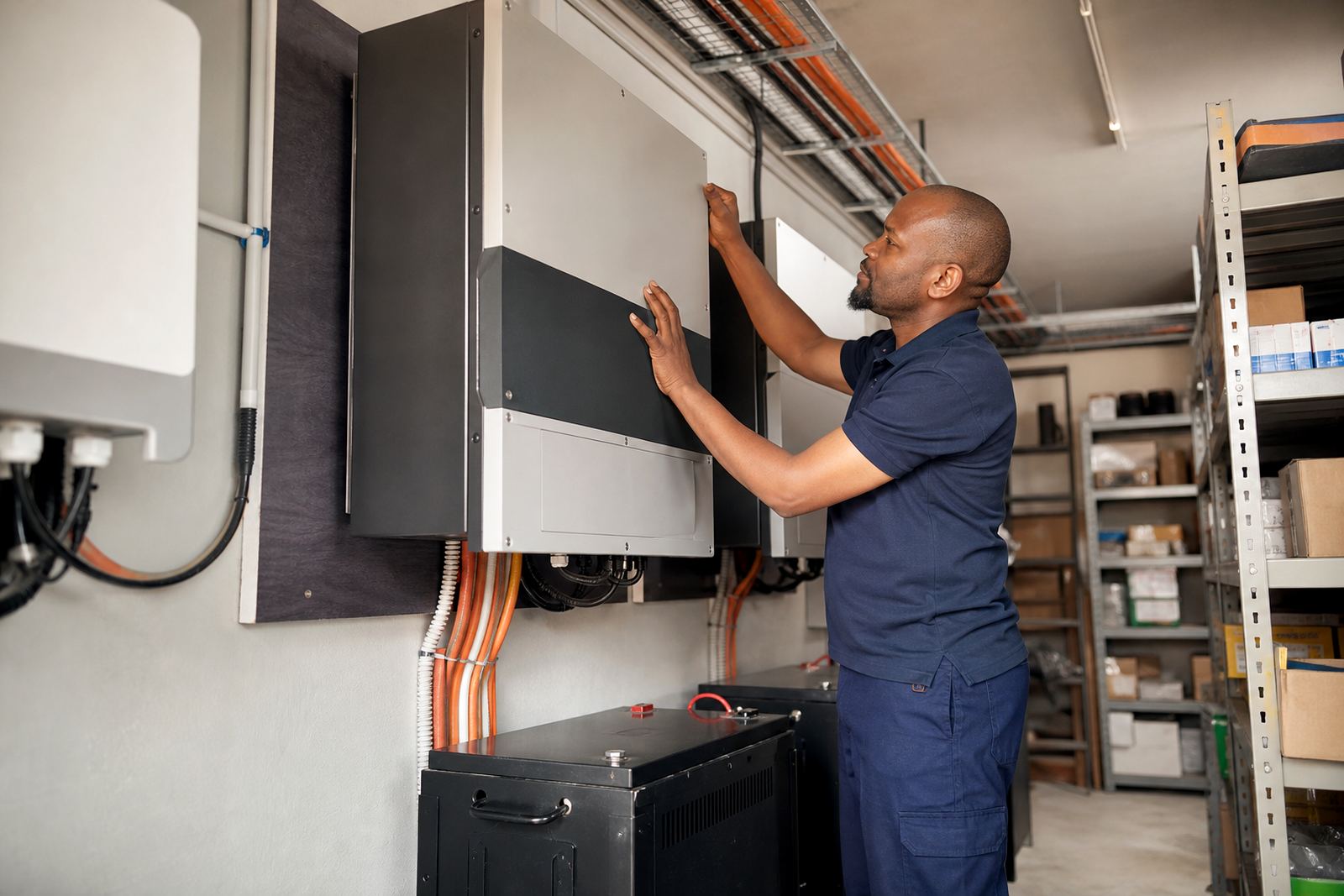
Installation should always be handled by qualified installers, and any electrical work linked to pumps, controllers or backup heating must be done by qualified installers as well. The heater itself is solar, but the full system needs correct pipework, sealing, insulation and safe connections. If a property has backup electric heating or another hot water source, that should be planned in from the start so the owner knows how the system will operate when sunlight is low or demand is unusually high.
Low pressure heaters do not need a complicated electrical supply to make the collector work, but some installations include an electric backup element for cloudy days or heavy use. In other cases, the system can be arranged with gas or with a separate backup plan, depending on the property and the customer’s preference. The main point is that the whole setup must be safe, legal and suited to the site. We also take local conditions into account, including hard water, coastal humidity and the need for good insulation on exposed pipe runs.
- Qualified installation for plumbing and electrical integration
- Optional backup heating where required
- Good roof fixing and insulation matter in all regions
- System commissioning confirms proper flow and heating
Care, servicing and common fault checks
Like any hot water system, a low pressure heater needs care to stay in good working order. Regular checks help prevent small problems from turning into leaks, poor heating or pressure issues. In South Africa, roof mounted systems also need attention after strong wind, heavy rain and dusty periods. In many cases a simple service visit can keep the unit performing well without major disruption.
We offer maintenance, fault finding, support callouts and panel cleaning where needed. The collector surface should be kept reasonably clean so it can absorb sunlight properly, and the tank area should be checked for signs of corrosion, loose fittings or heat loss. If a customer notices slow heating, noisy pipes or water that is not as hot as expected, it is worth checking the valves, insulation and water level before the problem grows. On older properties, an inspection is especially useful after years of use and a few roof repairs.
- Check for leaks around joints and valves
- Keep collectors free of dirt and heavy build-up
- Inspect insulation on exposed pipework
- Look out for rust, scaling or unusual noise
- Book a service if water temperature changes suddenly
What to check before ordering a unit
Before ordering a low pressure heater, it helps to confirm the hot water demand, roof space, water supply arrangement and whether any backup heating will be needed. The size of the cylinder, the collector area and the mounting style should all be matched to the building. A small family home may need a different solution from a small business with more frequent water use, even if both are in the same suburb.
It is also sensible to check access for delivery and installation, especially on tight sites in Pretoria, Midrand or central Johannesburg. The roof structure must be sound and the plumbing route should be practical for the installer. If the property is in Durban or Cape Town, weather exposure can affect the choice of fixings and materials. When you send an enquiry through our contact page, we can talk through the property details and recommend the most suitable low pressure option for the site.
- Daily hot water use and number of users
- Available roof space and roof type
- Need for electric or gas backup
- Pipe route and tank location
- Access for installation and servicing
Key facts
| Product type | Low pressure solar water heater |
|---|---|
| Use case | Domestic hot water for homes and small businesses |
| Typical options | Compact, medium and larger storage sizes |
| Mounting | Flat roof or pitched roof installation |
| Backup support | Electric or gas backup can be planned where required |
| Service area | Pretoria, Centurion, Johannesburg, Midrand, Durban, Cape Town, Bloemfontein and Gauteng |