What a three phase inverter does on site
A three phase inverter converts direct current from solar panels and batteries into alternating current that matches a three phase supply. In plain terms, it helps the site use solar power during the day, store extra energy in batteries, and keep selected circuits running when the grid is off. For many Gauteng businesses, that means lighting, office equipment, gate motors, refrigeration, routers and other essential loads can stay on if the system is set up correctly.
These units are usually fitted where the electrical intake already has three phases. That includes larger homes with boreholes or pool pumps, shops with fridges, light industrial spaces, guest houses, medical rooms, schools and offices. The inverter must be matched carefully to the site, otherwise you can end up with nuisance tripping, low battery reserve, or an undersized system that struggles at peak use.
Sizes, phases and system options to consider
Three phase inverters are not one size fits all. The right choice depends on your daily demand, the number of circuits you want backed up, and whether you are running only solar, or solar plus batteries. We supply and install systems in a range of capacities suited to small business sites and properties across Pretoria, Johannesburg, Midrand, Durban, Cape Town and Bloemfontein.
- Entry level systems for essential loads on a smaller three phase site
- Mid range systems for offices, shops and workshops with steady daytime use
- Larger capacity systems for higher draw equipment and longer backup periods
- Hybrid setups that combine solar panels, batteries and grid supply
- Grid tied setups where allowed by local rules and site conditions
You will also need to decide whether the inverter should back up the whole property or only selected circuits. On many sites, partial backup is more practical and keeps the cost under control. It also makes maintenance easier when there are specific items that must stay live and others that can be left off during outages.
Where this type of inverter works best
These inverters suit places with three phase power where demand is spread across multiple circuits. That can include larger family homes in Centurion or Pretoria, retail units in Gauteng, guest lodges, farm buildings, estate workshops and small factories with moderate power needs. Coastal properties can also benefit, but installation needs to account for humidity and corrosion around enclosures, cable glands and fixings.
Load-shedding affects different premises in different ways. A restaurant may need refrigeration and lighting. A professional office may need internet, computers and security systems. A workshop may need tools, charging equipment and ventilation. We look at the actual load profile, not just the advertised appliance list, because start-up surges and motor loads can change the sizing quite a bit.
- Sites with three phase supply from the municipality or utility feed
- Premises needing more stable power for several circuits at once
- Buildings with daytime solar use and evening battery support
- Businesses that want to reduce outage disruption without overspending
Installation, electrical integration and commissioning
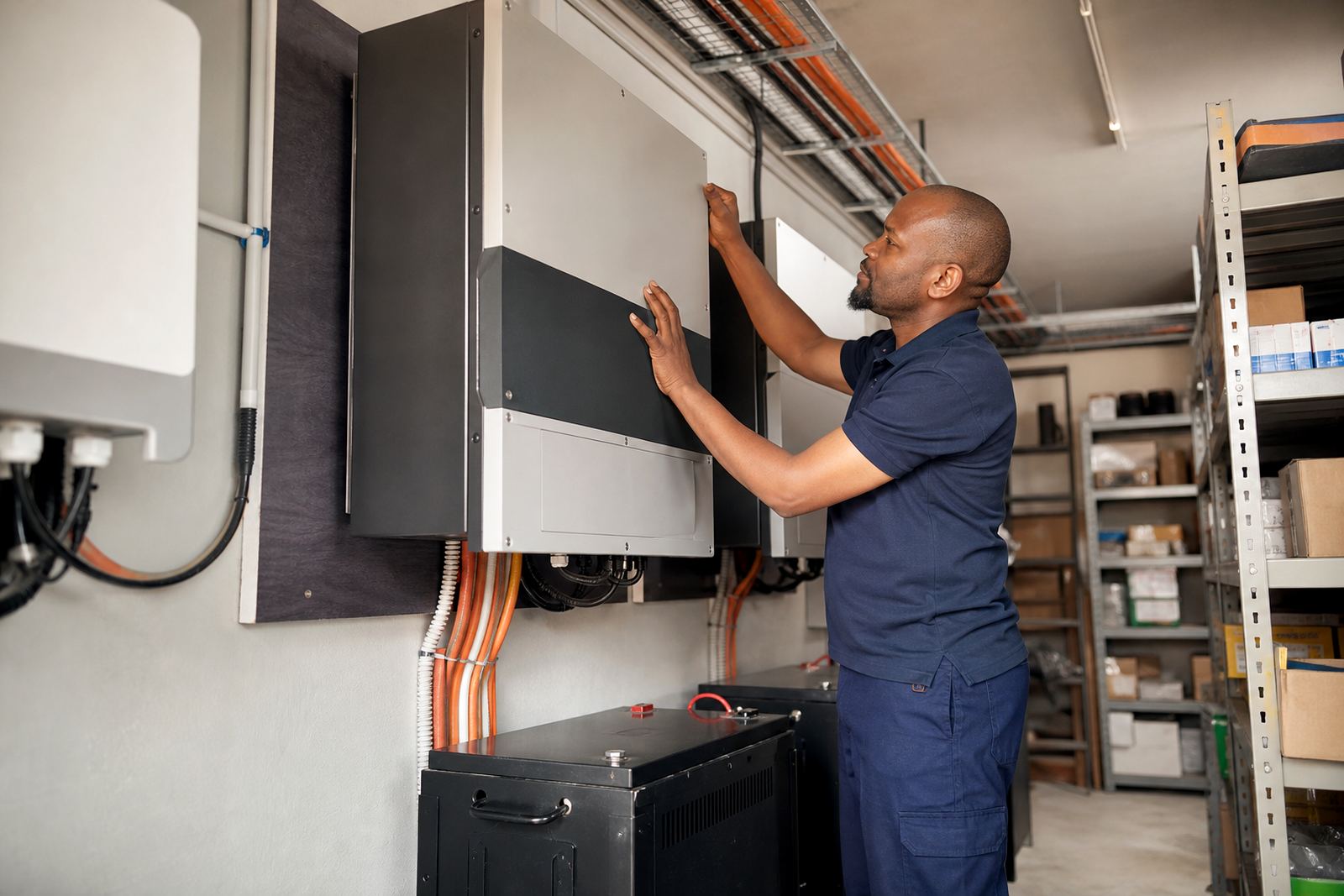
Installation must be done by qualified installers and the electrical integration needs proper protection, isolators, cable sizing and earthing. That is not a place to guess. We handle site assessment, system design, panel installation, inverter installation, battery installation, electrical integration and system commissioning so the equipment is matched to the property and the existing board layout.
On a three phase site, we check phase balance, existing distribution boards, surge protection, cable routes and any municipal or estate rules that apply. We also make sure the changeover arrangement is clear for the client. If the system includes batteries, those need to be positioned with enough ventilation and suitable clearance, especially in hotter inland areas where equipment runs harder in summer.
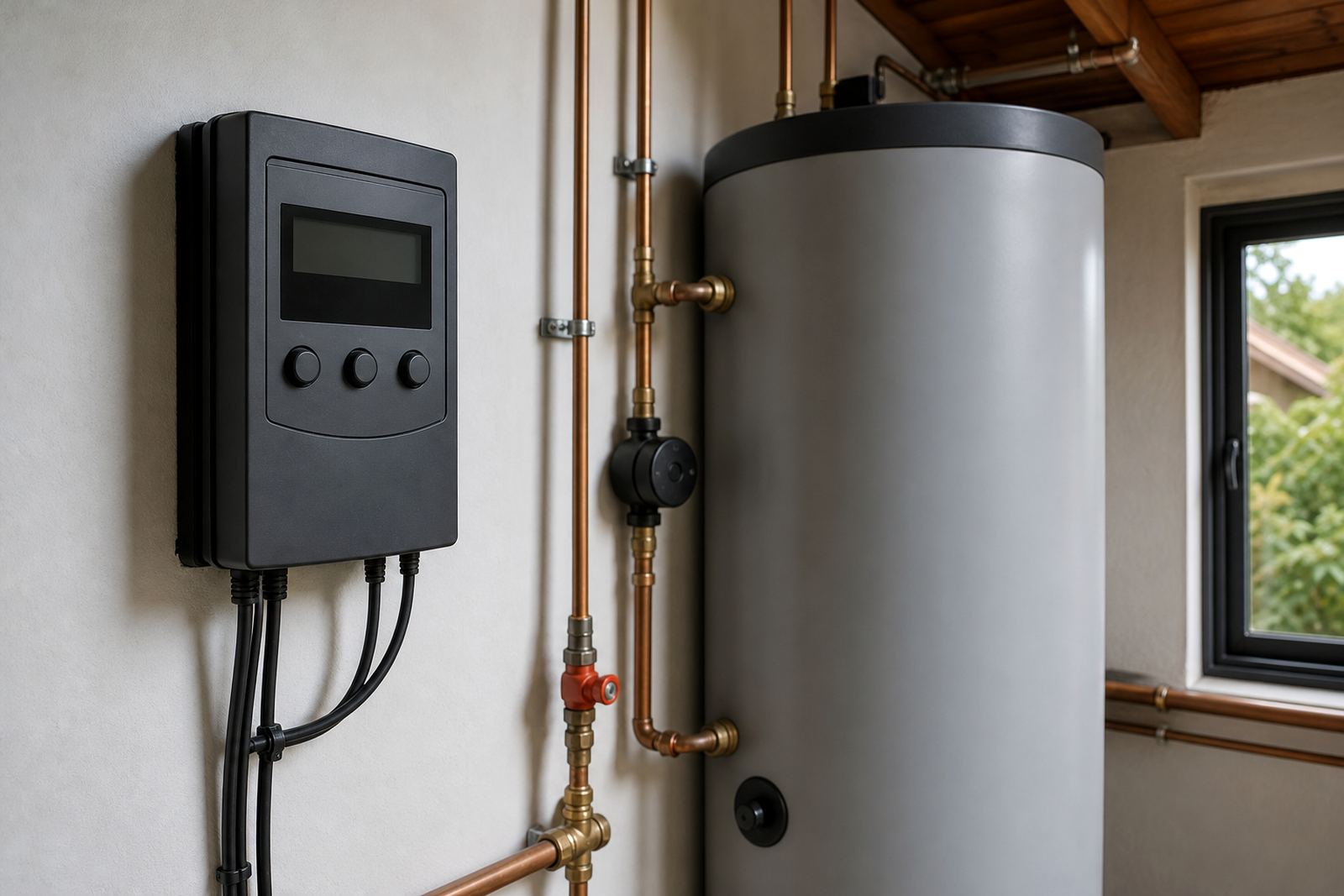
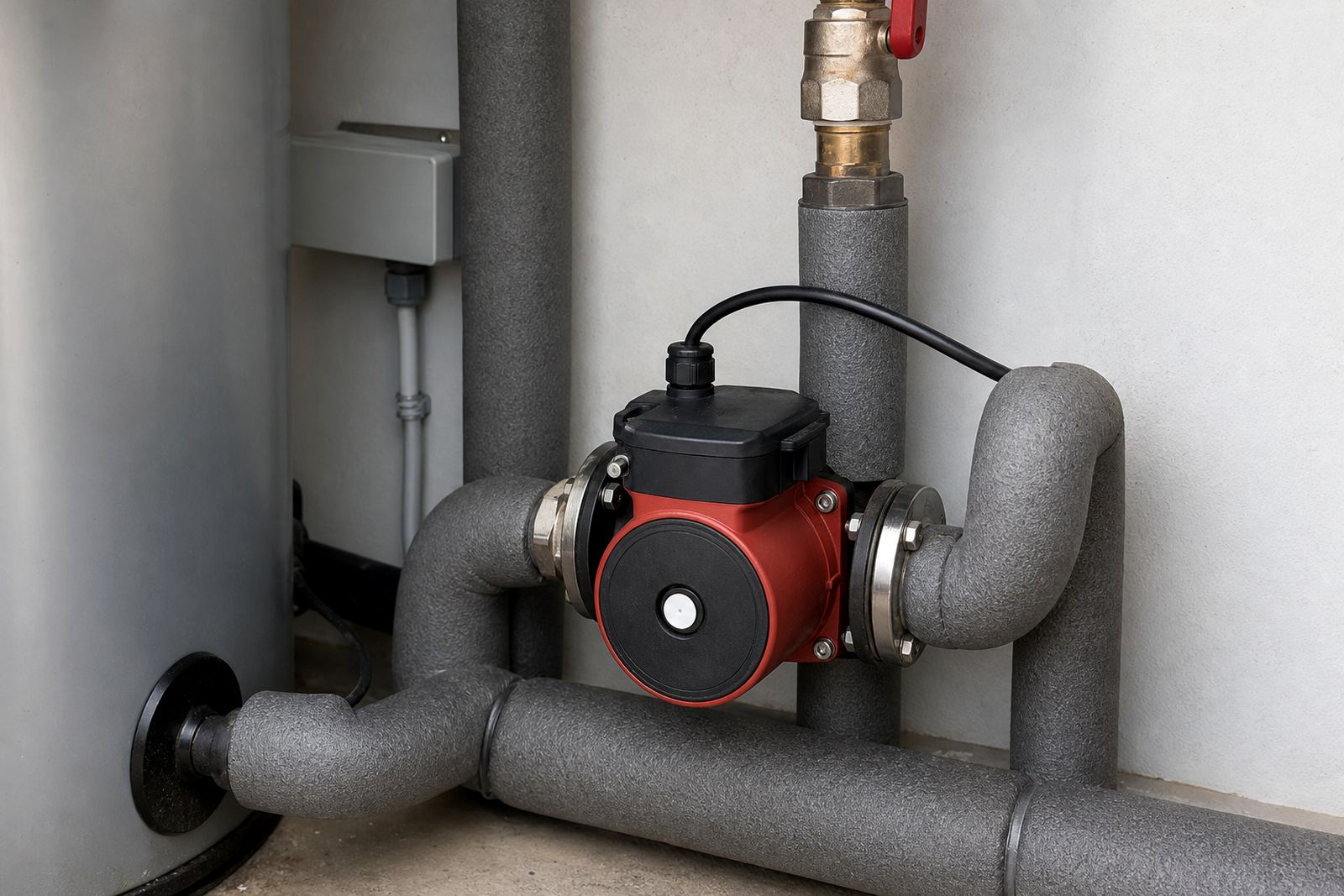
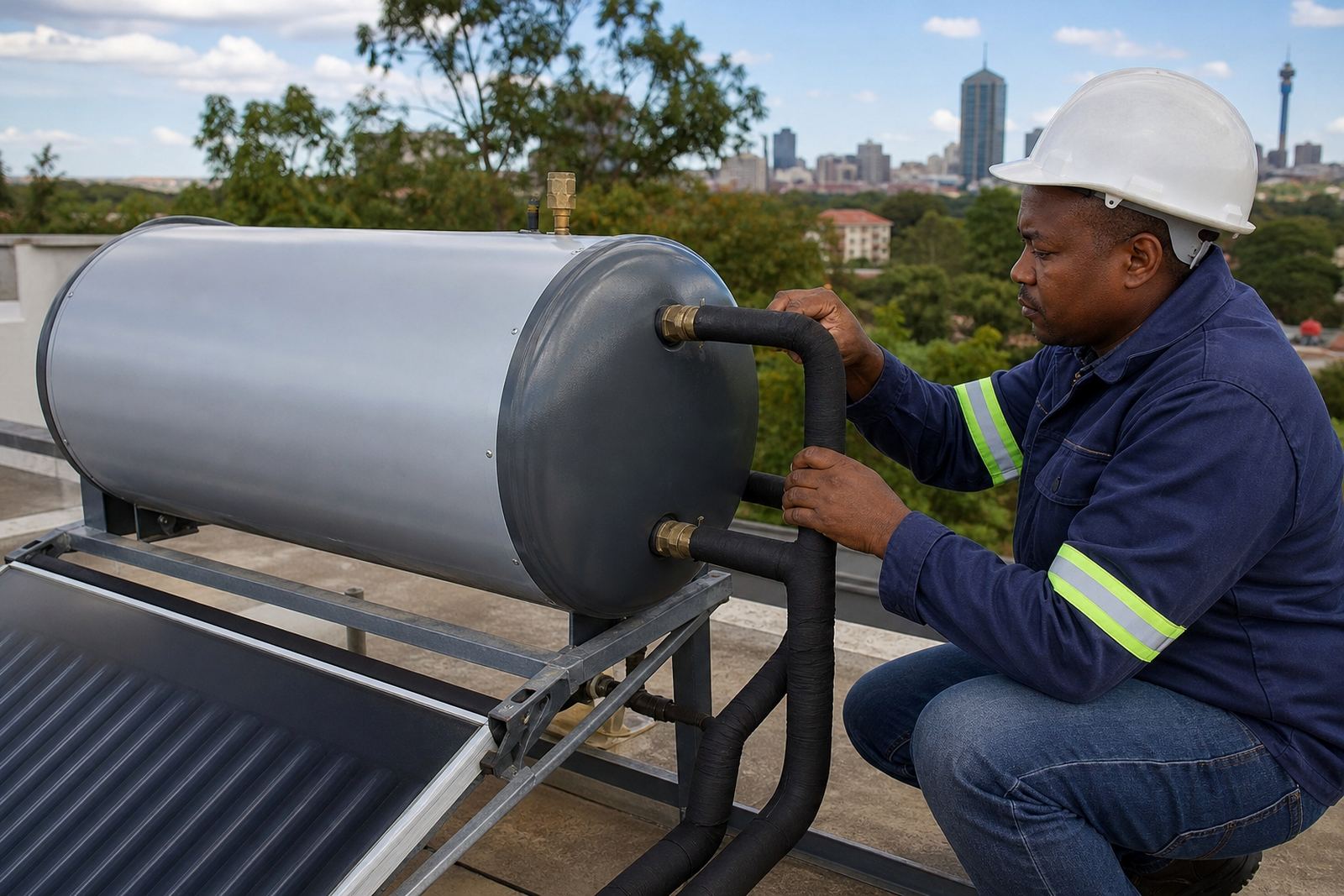
Solar water heaters can be added to reduce electricity demand on the same property, which can ease the pressure on the inverter system. For sites with gas geysers or mixed heating, we assess what is already in place so the new equipment does not create conflicts with the existing plumbing or electrical setup.
Care, servicing and keeping the system healthy
Once installed, a three phase inverter system still needs attention. Dust, heat, loose connections and poor battery habits can all affect performance over time. We offer solar maintenance, fault finding, support callouts and panel cleaning to keep the system working properly. In Pretoria and other inland areas, dust build-up on panels can reduce daily yield, while in coastal areas salt air can shorten the life of exposed fittings if they are not checked.
Battery settings matter too. If batteries are being cycled too deeply, or charged incorrectly for the chemistry used, they can age faster than expected. The inverter should be reviewed after load changes, new equipment additions, or seasonal shifts in usage. If you add a fridge, server rack or borehole pump later on, the original setup may need adjustment.
- Inspect connections and protections after installation and after any major load change
- Keep panels clean and free of heavy dust, leaves or bird droppings
- Check battery performance and settings during routine servicing
- Watch for error codes, phase imbalance or repeated tripping
What to confirm before you order panels
Before ordering, work through the basics so the system is specified correctly. Confirm whether your property has a true three phase supply, what loads must remain on during outages, and whether the system needs to run aircons, pumps or other motor loads. If you are in a municipality with specific embedded generation rules, these should be considered before installation begins.
It helps to know the space available for the inverter and battery bank, the roof condition for solar panels, and whether there is room near the distribution board for safe cable runs. You should also think about future growth. A system that is sized for today only may become cramped if you expand the business or add more equipment next year. We can help with that planning from our base in Centurion, Pretoria and we support clients through the enquiry form on our contact page.
- Confirm the site has three phase supply
- List the circuits that must stay powered
- Check roof space and battery placement space
- Note any motor loads, pumps or refrigeration
- Consider municipal requirements and future expansion
Key facts
| Type | Three phase inverter for solar and battery systems |
|---|---|
| Typical use | Larger homes, offices, workshops and small businesses |
| Supply mode | Works with three phase electrical supply |
| Compatible equipment | Solar panels, batteries and backup circuits |
| Installation | Qualified installer required for electrical integration and commissioning |
| Service area | Pretoria, Centurion, Johannesburg, Midrand, Durban, Cape Town and Bloemfontein |