What A Water Heater Controller Does
A water heater controller is the control unit that monitors tank temperature, collector temperature and heating demand, then decides when to circulate water or activate backup heating. In a solar hot water setup, it helps the system use the sun first and the backup element only when needed, so hot water is available without constant manual checking.
Most controllers are paired with a temperature sensor on the tank and one or more sensors on the roof collectors or heat source. Some units can also manage a booster element, set temperature limits, show fault alerts and run timed heating periods. For small businesses such as guesthouses, salons, clinics and offices, that control can make day-to-day hot water use much easier, especially when several taps or geysers are in use at once.
Sizes, Functions And Control Options
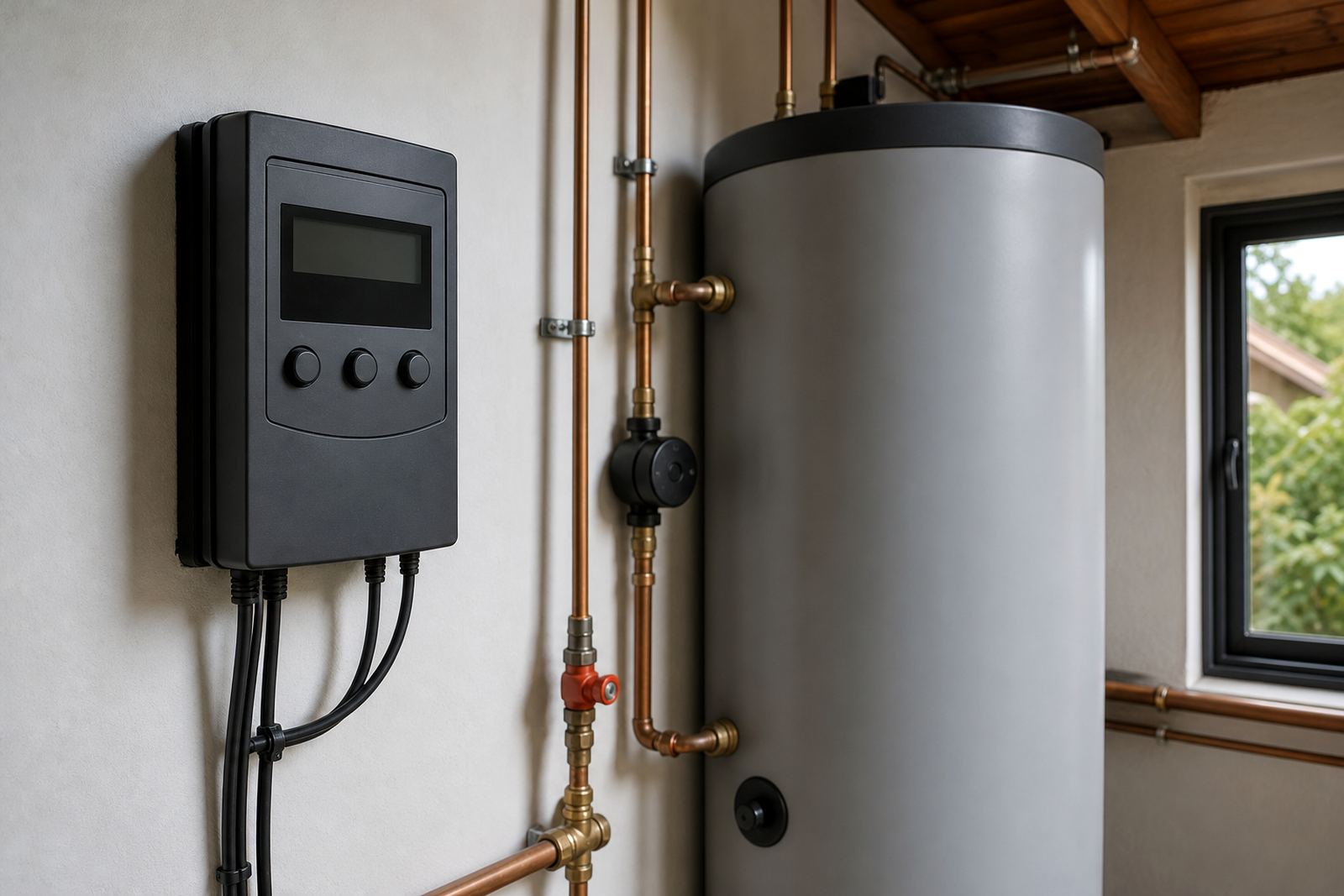
Controllers are available in compact wall-mounted units for a single solar geyser, and in multi-function versions for larger systems with more sensors and heating stages. Some are basic digital units with a display and simple set points, while others offer timers, differential temperature settings, freeze protection and pump control. The right choice depends on the tank size, the number of collectors and whether the system uses an electric backup element or another heat source.
- Single-tank controllers for standard domestic solar water heaters
- Multi-sensor models for larger tanks or more than one heating zone
- Digital display units for temperature readings and status checks
- Timer models for scheduled backup heating during off-peak periods
- Controllers with fault indicators for sensor or power problems
In practice, the controller should match the system layout, not just the tank capacity. A controller that is too basic may not manage backup heating properly, while one that is over-specified can add cost without improving day-to-day use.
Where It Suits Homes And Small Businesses
Water heater controllers are suited to houses, apartments, guest units, tuck shops, workshops and other small operations that need reliable hot water. They work well in Pretoria, Centurion, Johannesburg, Midrand, Durban, Cape Town and Bloemfontein, where weather, water use patterns and roof layouts can differ quite a bit. Coastal humidity in Durban and Cape Town can also mean a little more attention to enclosed components and wiring terminations.
They are useful where hot water use is irregular, because the controller can keep the system from heating all day without need. In areas with load-shedding, a controller can also help prevent unnecessary switching and make better use of available power. If the site has municipal restrictions or building rules, the control setup should be planned around the existing geyser position, access to the roof and the electrical panel.
- Homes with one solar geyser and electric backup
- Guesthouses with several bathrooms and higher hot water demand
- Retail and service sites that need hot water at set times
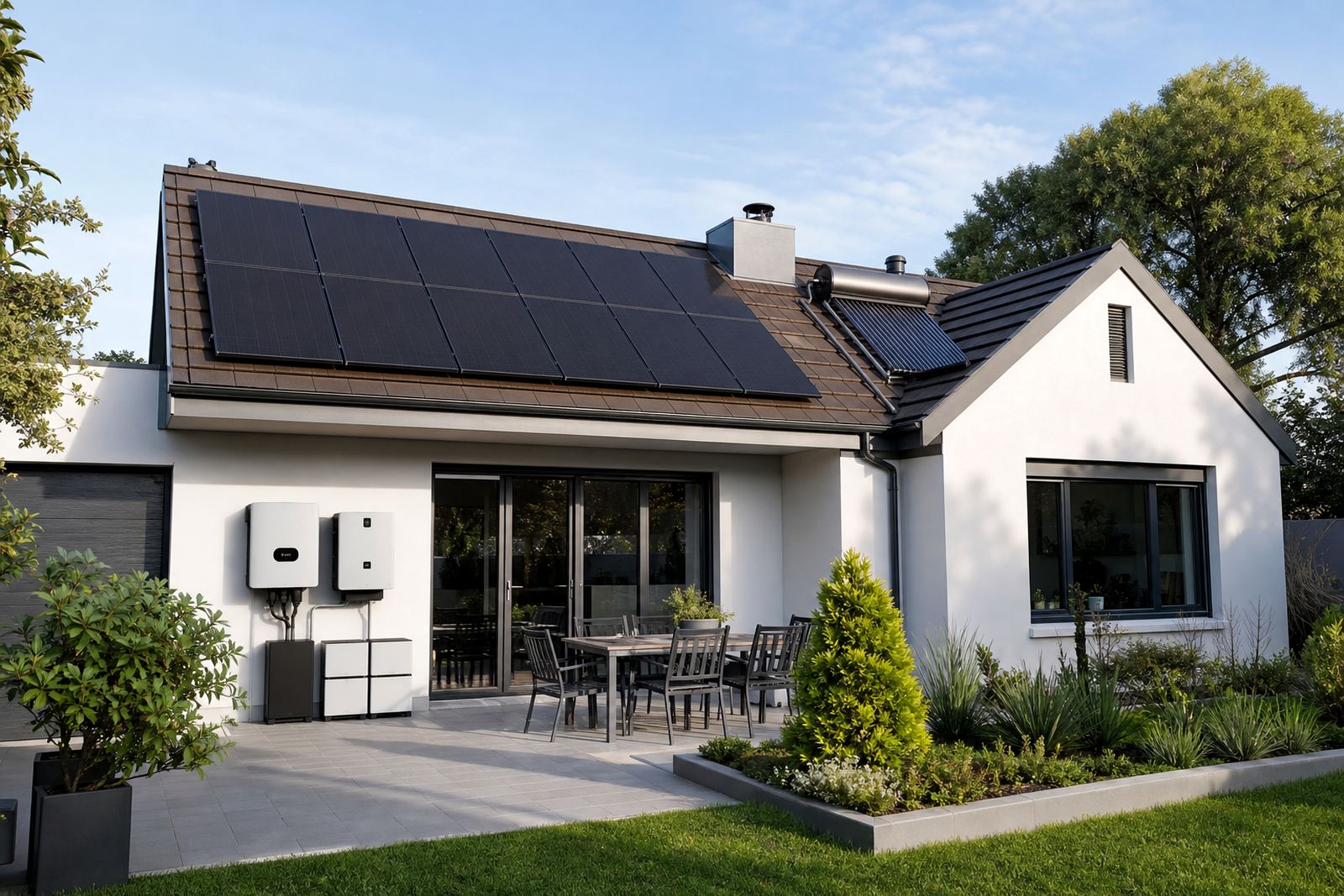
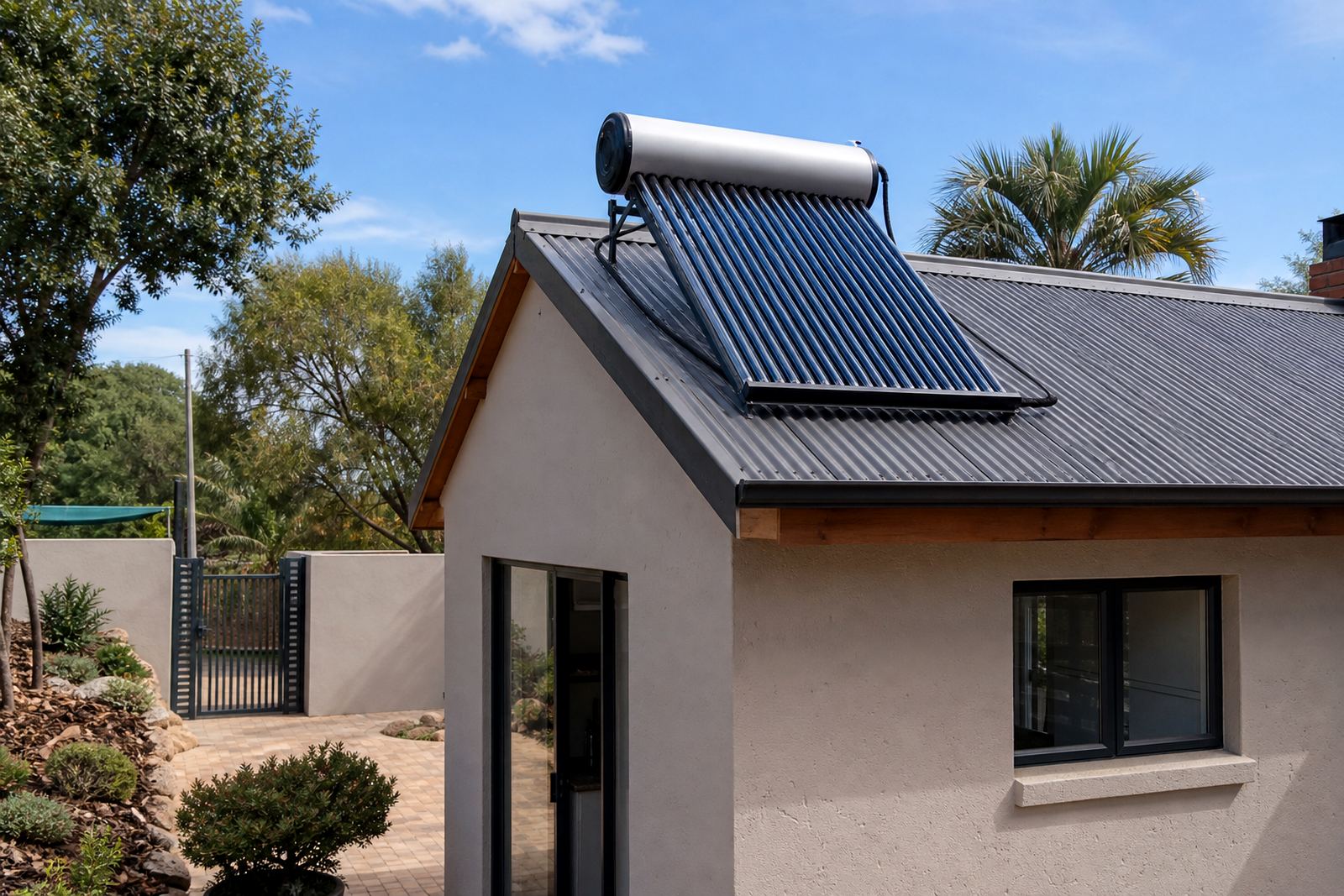
- Buildings where the geyser is roof-mounted or partly shaded
Installation, Power Supply And Backup Heating
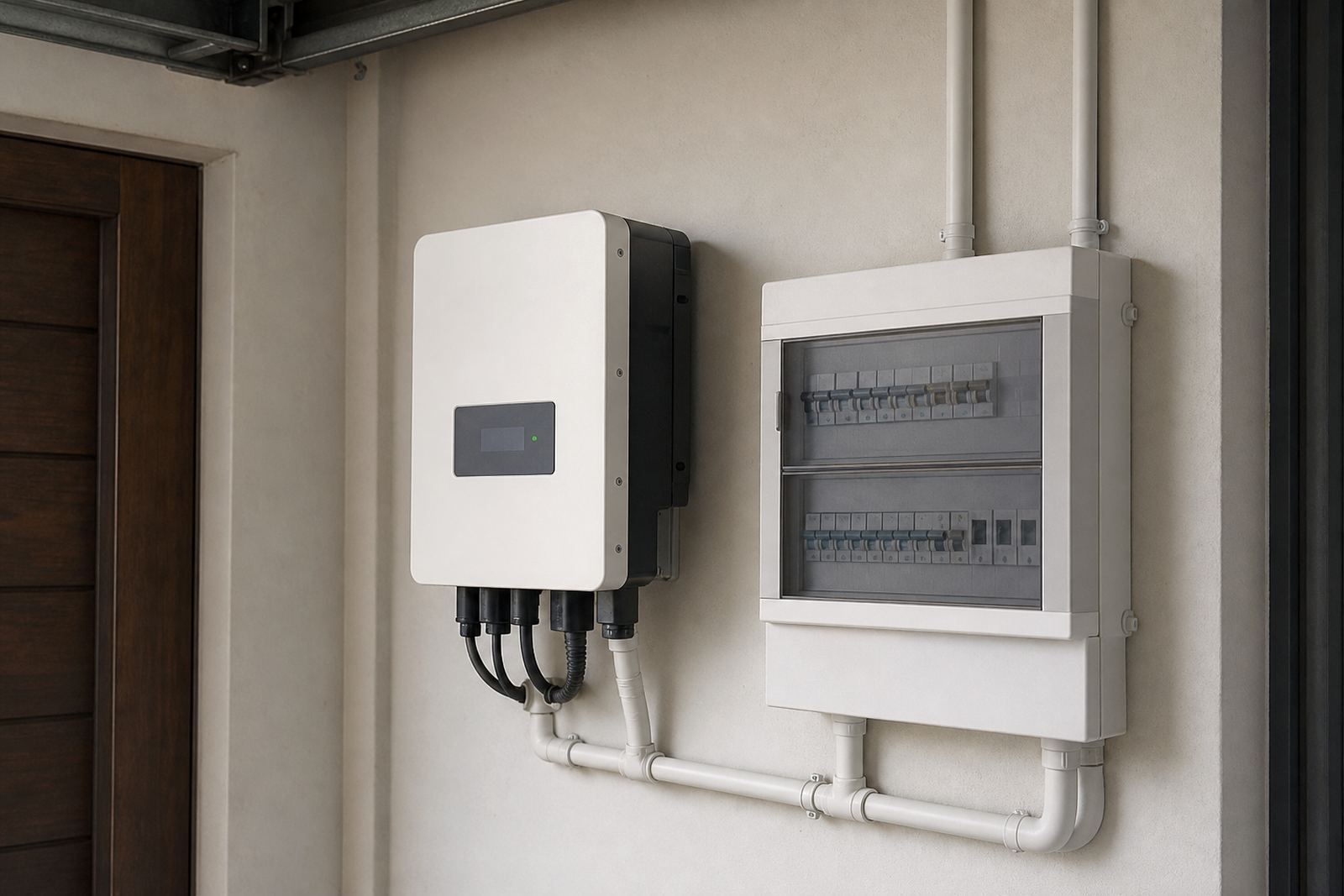
Installation should always be done by qualified installers, especially where electrical integration is involved. The controller is wired to the sensors, heating element or pump, and the power source that supports the backup function. Depending on the system, that backup may be electric only, or it may include a separate heat source managed through the control unit.
Correct installation matters because poor sensor placement, loose wiring or incorrect settings can cause wrong temperature readings and short cycling. The controller also needs a dry, accessible position, usually near the geyser, plant room or distribution board. If the site uses a gas-assisted water heater, the control arrangement must still be planned carefully so that the heating sequence remains safe and practical. A neat installation makes later fault finding much simpler, and cuts down on time spent opening panels or resetting alarms.
When there is a new solar water heater installation, the controller is normally commissioned at the same time as the rest of the system. That includes checking the display, confirming the sensor readings and testing the switch over to backup heating. It is always better to do that once, properly, than to keep returning after the first cold spell.
Care, Servicing And Common Faults
Controllers need very little daily care, but they should be checked during regular solar maintenance. Dust, vibration, loose cable glands and moisture can affect performance over time. In homes near the coast, salt air can also work its way into terminals and sensor connections if the unit is not protected. On farms and workshop sites, heat and dust are common causes of problems as well.
Common faults include incorrect temperature readings, blank displays, failed sensors, tripped supply protection and backup heating that does not switch on when expected. These issues are often caused by a wiring problem, a damaged probe or a setting that was changed accidentally. A quick service visit can usually confirm whether the controller itself is at fault or whether the problem sits elsewhere in the hot water system.
- Keep the controller dry and free of dust
- Check the display after power outages or load-shedding
- Ask for a service if the water is too hot or too cold ocassionally
- Inspect sensor cables after roof work or geyser repairs
What To Check Before You Order
Before ordering a water heater controller, check the tank size, the number of collectors, whether the system uses an electric element, and whether there is a separate backup heat source. You should also confirm the sensor type, the available supply voltage and where the controller will be mounted. If the system is already installed, a photo of the geyser, roof layout and control area helps with selection.
It is also worth checking whether the site needs basic temperature control only, or a more complete unit with timing and fault display. For smaller homes, a simple controller may be enough. For a small business with higher usage, a model with more adjustment points can be easier to manage over time. If you are not sure, a site assessment can save a lot of back and forth later.
Linuo Solar supplies and installs solar water heating solutions from Centurion, Pretoria, and works with clients across Pretoria, Johannesburg, Durban, Cape Town and Bloemfontein through the enquiry form on the contact page. The team handles system design, installation, electrical integration, commissioning, maintenance and fault finding, with practical support from start to finish.
Key facts
| Type | Solar water heater control unit |
|---|---|
| Typical use | Manages tank temperature and backup heating |
| Common supply | 230V AC for most domestic installations |
| Outputs | Sensor inputs, relay switching, element or pump control |
| Mounting | Indoor wall mount near geyser or plant area |
| Suitable systems | Single tank and multi-sensor solar hot water systems |