What a high pressure heater does in a South African home
A high pressure solar water heater stores and heats water for use under mains pressure, so you can run normal taps, showers and appliances without the weak flow you get from some low pressure systems. It is a practical choice for family homes, guest units, salons, small offices and rental properties that need dependable hot water through the day.
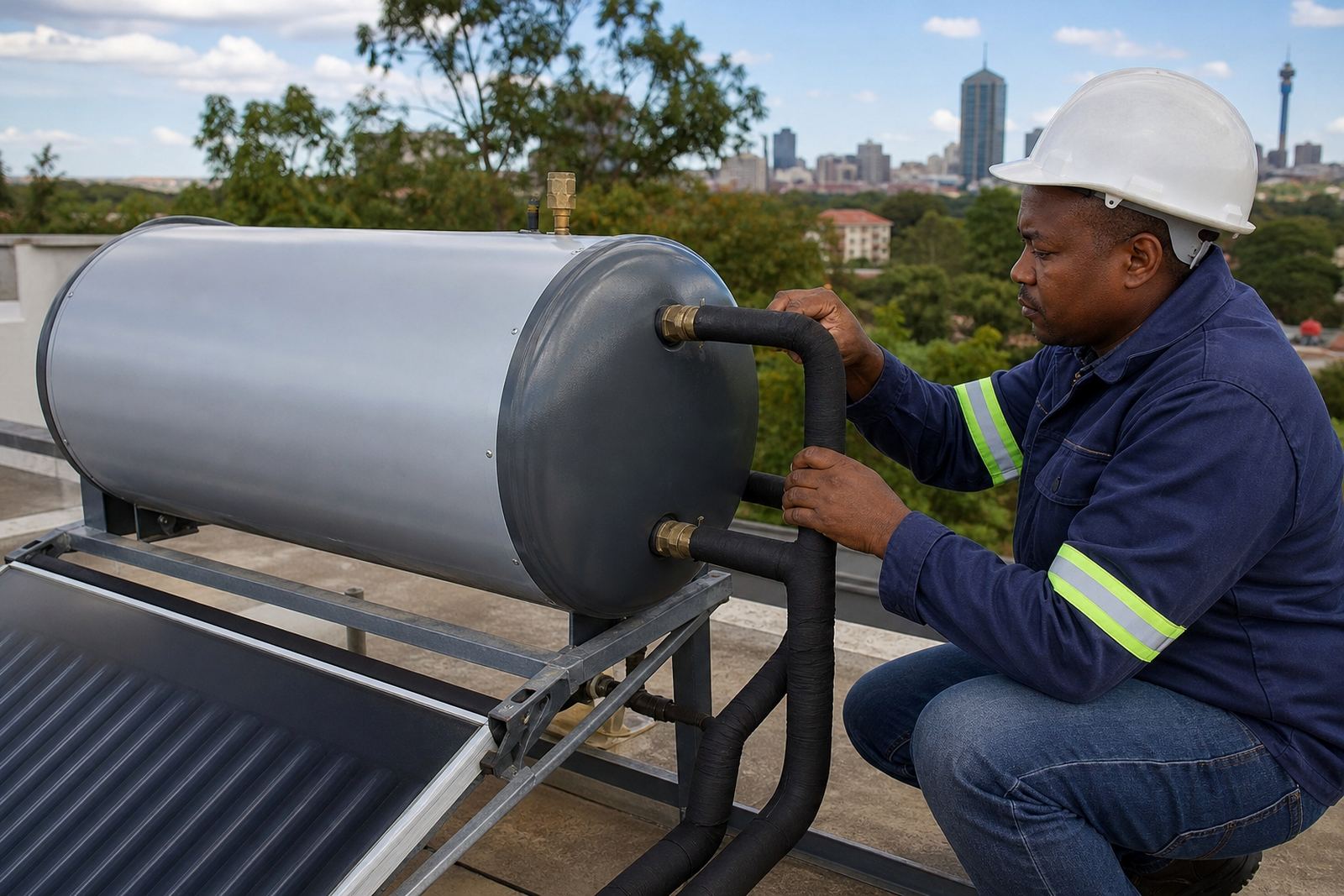
The system usually includes a pressurised storage cylinder, solar collectors, pipes, valves and safety controls. In many setups the water is heated by the sun first, then backed up by an electric element for cloudy stretches or heavy use. In areas like Pretoria, Centurion and Johannesburg, that backup helps during winter mornings and on load-shedding days when timing matters.
These units are suited to mains plumbing and can be integrated with existing bathroom and kitchen lines, provided the plumbing is in good condition. Where the roof orientation is decent and shade is limited, a high pressure heater can give steady hot water without needing gas. If a client prefers a hybrid arrangement, the system can be paired with electrical integration so the geyser remains practical, not fiddly.
Sizes, cylinder options and collector choices
Choosing the right size depends on the number of people using hot water, the type of building and whether the system must support baths, showers or multiple outlets at once. We supply and install systems for compact homes right through to larger households and small businesses.
- 150 litre systems for smaller households, cottages or light-use applications
- 200 litre systems for average family homes with normal daily demand
- 300 litre systems for larger homes, shared units or higher morning usage
- Split systems where the storage cylinder is mounted inside or in a protected position
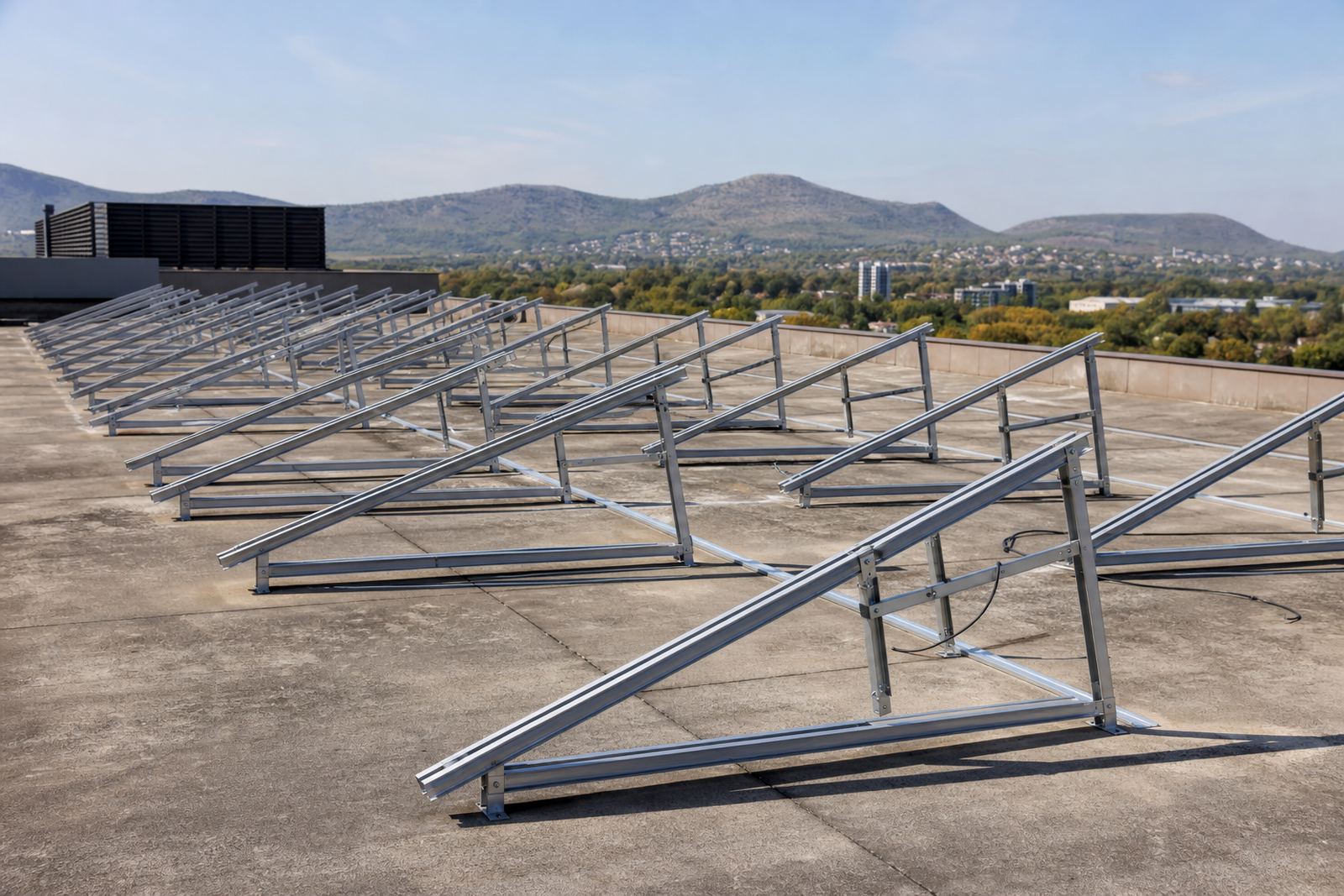
- Roof-mounted collector systems where space allows and pipe runs are short
- Pressurised cylinders designed to match standard household plumbing
Collector size and cylinder size must work together. If the cylinder is too small, hot water runs out fast. If it is too large for the demand, the unit may spend more time heating than it needs to. Our site assessments look at roof space, shading from neighbouring buildings, wind exposure, and how many bathrooms or sinks will draw from the system. In coastal areas like Durban and Cape Town, we also consider salty air and the hardware used for mounting and pipe protection.
Where this system suits best
High pressure heaters are a good fit for owner-occupied houses, cluster units, guesthouses, small lodges, staff accommodation and business premises with regular hot water needs. They are often used where the client wants solar hot water but does not want to change the way the plumbing works inside the building.
They suit homes with conventional geyser replacements, new builds and renovations where hot water pressure is important. If you are dealing with municipal water pressure that is already low, the system should be designed carefully so the plumbing setup does not create unnecessary restrictions. In older homes, pipe condition and valve condition need checking before installation, otherwise you can end up chasing faults that start in the existing system, not the heater itself.
- Domestic bathrooms and kitchens
- Small offices and consulting rooms
- Rental flats and cluster developments
- Guesthouses and hospitality properties
- Schools, clinics and light commercial sites
For Pretoria and Gauteng properties, roof space and sun access are usually good, but every site is different. In Bloemfontein, the colder months increase the value of correct sizing. In Cape Town and Durban, wind exposure and coastal conditions must be handled properly so the installation remains secure and tidy.
Installation, electrical work and backup support
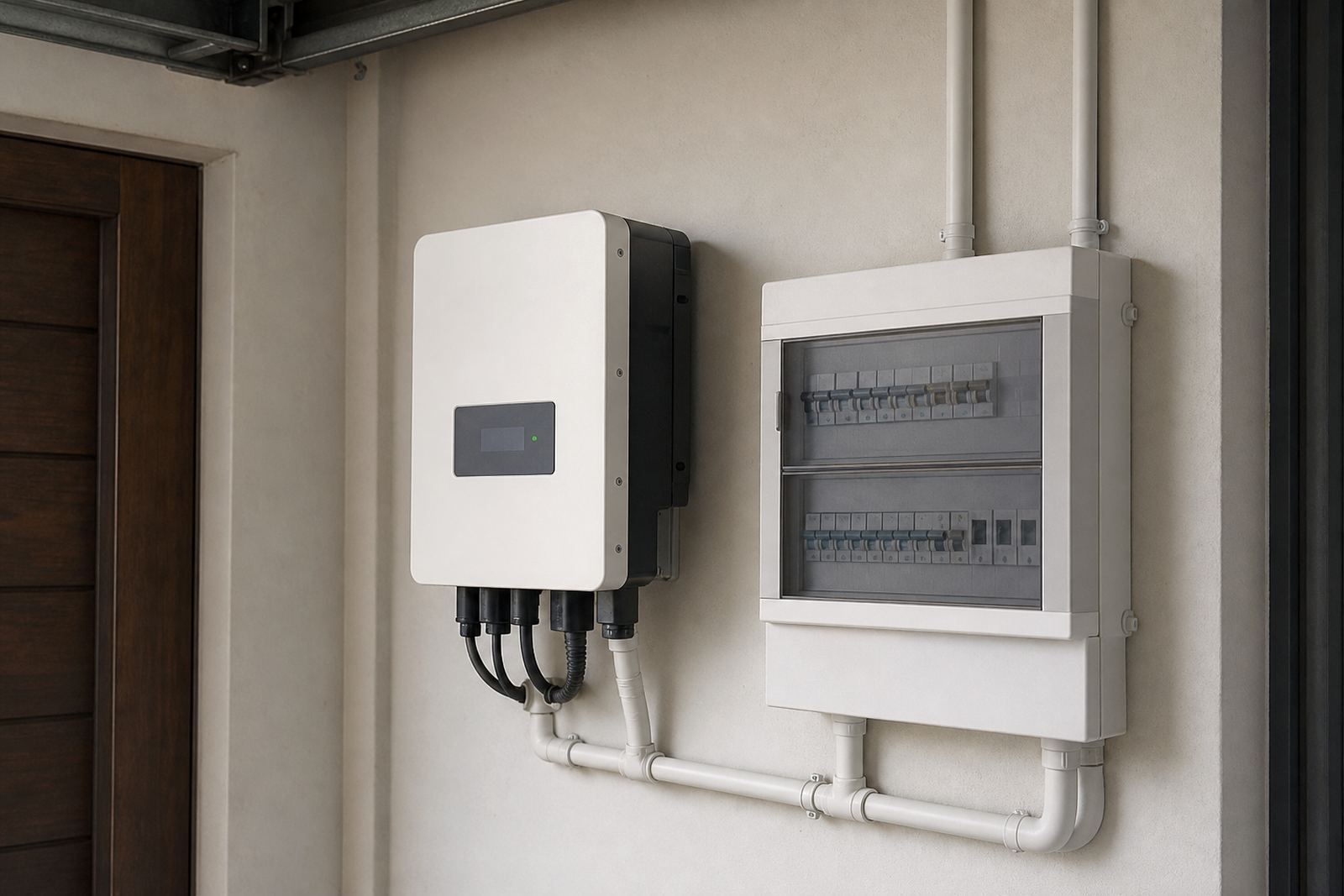
Installation should always be handled by qualified installers who understand both solar plumbing and the electrical side of the system. That includes safe mounting, pipe routing, insulation, pressure control and the connection of any electrical backup or control components. Electrical work is done by qualified installers, not guesswork and not shortcuts.
A proper install normally includes the cylinder, collectors, brackets, safety valves, isolators where needed, plumbing connections and commissioning of the full system. If the setup includes a backup element, timer or control unit, the wiring must be done correctly and tested before handover. We also make sure the system is explained clearly so the owner knows how to use it during power cuts and cloudy spells.
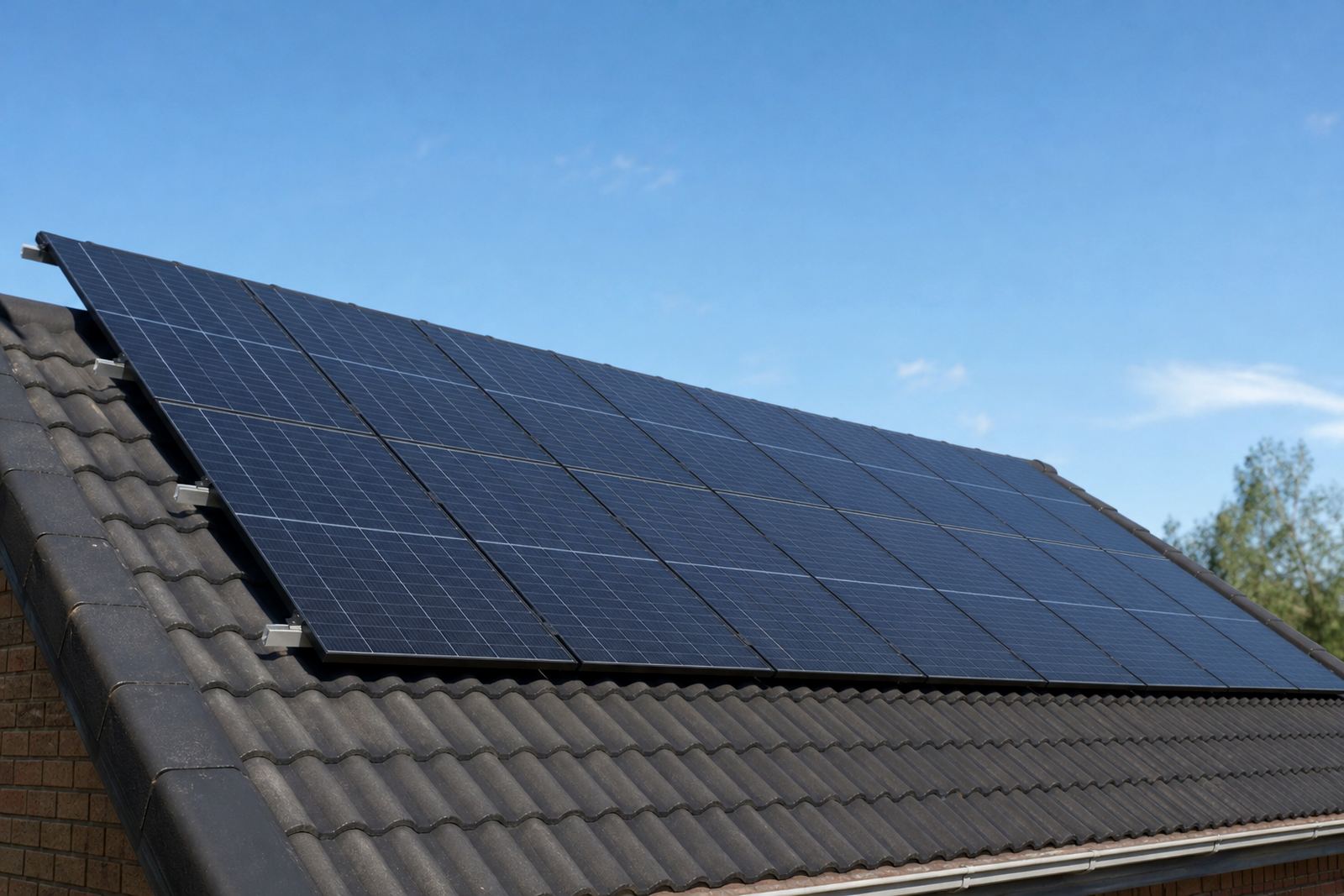
Our team works from Centurion, Pretoria and supports homes and small businesses across South Africa, including Johannesburg, Midrand, Durban, Cape Town and Bloemfontein. For clients in Gauteng, installation timing can be planned around roof access, tenant schedules and municipal requirements where relevant. If a property has existing solar panels or a backup power setup, the hot water system can be planned to fit in with the rest of the energy arrangement without crowding the roof or the distribution board.
Care, cleaning and servicing over the years
Like any water heating system, a high pressure unit needs basic care to keep it working well. That includes checking valves, watching for leaks, making sure the pressure settings remain correct and keeping the collectors free of dust, bird droppings and leaf build-up. In dusty parts of Pretoria or Johannesburg, cleaning matters more than many people expect.
Routine servicing helps prevent small issues turning into expensive repairs. Over time, scale can build up inside the cylinder and around heating elements, especially where water quality is hard. Coastal humidity can also affect fittings and external pipework if they are not protected properly. We handle maintenance, fault finding and support callouts, so a system can be checked before a small drip becomes a bigger headache.
- Inspect valves and safety components regularly
- Check for corrosion, leaks and loose fittings
- Clean collectors and exposed surfaces when dirty
- Test backup heating controls if fitted
- Review pipe insulation and roof brackets after heavy weather
If a property has been empty for a while or the system has not been used through winter, it is wise to test it before the next busy season. That way the hot water is ready when the first cold morning arrives, rather than after complaints start coming in.
What to confirm before you order panels
Before ordering, it helps to know the number of users, the roof type, the current plumbing layout and whether the existing geyser is being replaced or upgraded. A correct match saves time during installation and avoids poor performance later. You should also check whether the building needs standard household pressure or a setup suited to a stronger flow requirement.
It is worth confirming the following details before any quotation or site visit:
- How many people use hot water each day
- Whether the home has one or more bathrooms
- Where the cylinder can be placed safely
- What type of roof structure is in place
- Whether backup electric support is needed
- Whether existing pipes, valves and geyser connections are in good condition
If you are replacing an older geyser, photos of the old unit and its position can help with planning. For newer builds, plumbing drawings or a simple sketch are useful. We can also advise on whether a 150, 200 or 300 litre system makes better sense for the property, because the wrong size often causes either short showers or wasted heating.
Ordering through our Pretoria team
Linuo Solar is based in Centurion, Pretoria and supplies high pressure solar water heaters for homes and small businesses across South Africa. Our team handles site assessments, system design, water heater installation, electrical integration, commissioning, maintenance and fault finding. We work with practical South African conditions in mind, including load-shedding, coastal humidity, roof access and municipal plumbing rules where they apply.
Clients get in touch through the enquiry form on our contact page, then we take it from there with a proper assessment and a clear recommendation. Whether the property is in Pretoria, Johannesburg, Durban, Cape Town or Bloemfontein, the aim is the same: a pressurised hot water system that fits the building and keeps day to day use simple. A well chosen heater should not need constant attention, just sensible installation and the occasional service.
Our approach is straightforward. We assess the site, size the system properly, install it neatly and make sure the owner understands how it works. That is the kind of service people need when they want hot water that is ready before the kettle is even on.
Key facts
| Type | High pressure solar water heater for pressurised household hot water |
|---|---|
| Common sizes | 150 litre, 200 litre, 300 litre |
| Pressure use | Designed for standard mains pressure plumbing systems |
| Backup option | Electric element support can be included where required |
| Typical applications | Homes, small businesses, guest units and rental properties |
| Service areas | Pretoria, Centurion, Johannesburg, Midrand, Durban, Cape Town, Bloemfontein |