What a circulation pump does in a solar hot water system
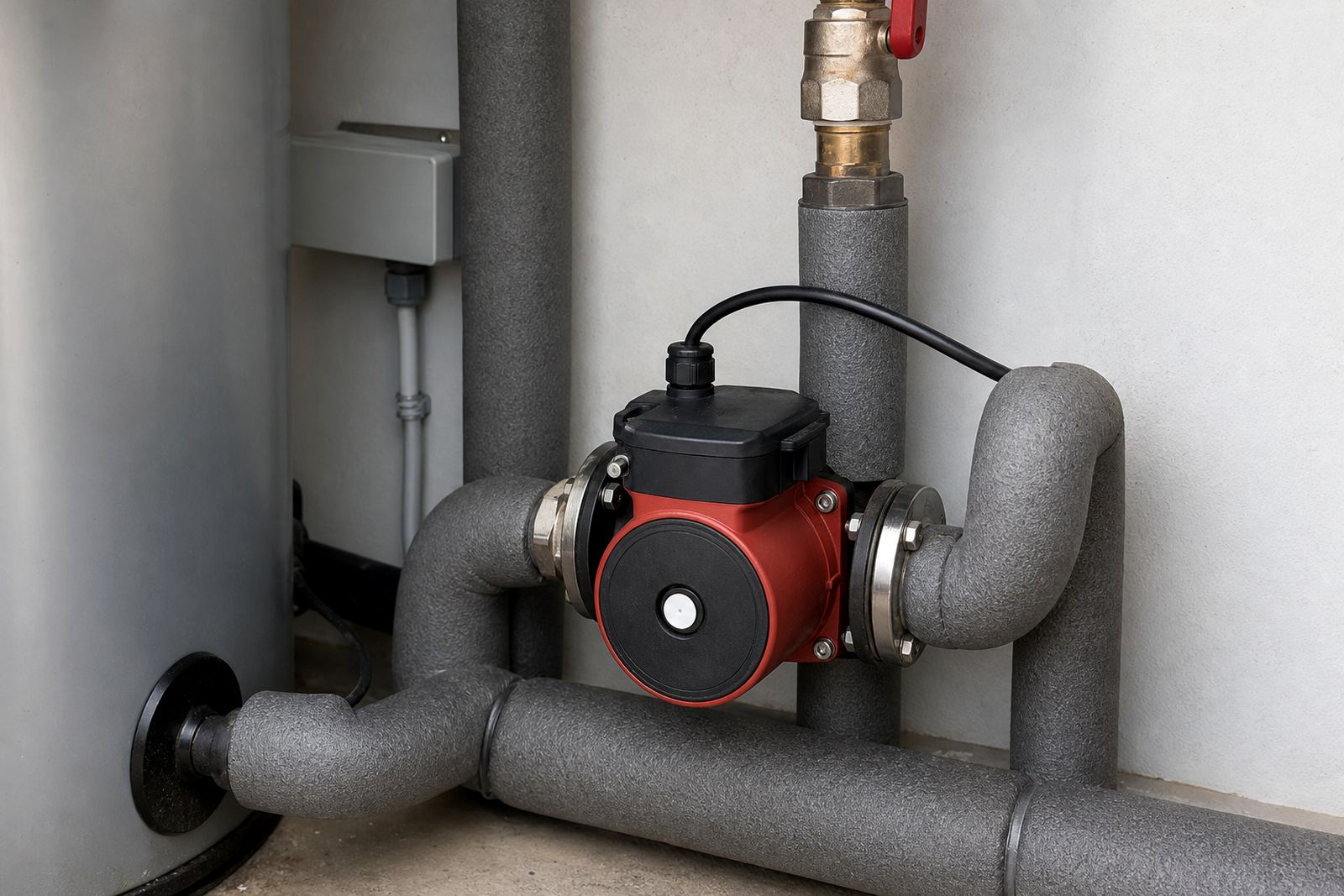
A circulation pump is the moving part in a solar water heating loop. In the right system it pushes water or a suitable heat transfer fluid from the storage tank through the collector array and back again, helping the system collect heat more evenly during the day. It is not needed in every solar water heater, but when a forced circulation setup is specified it plays a key role in day to day performance.
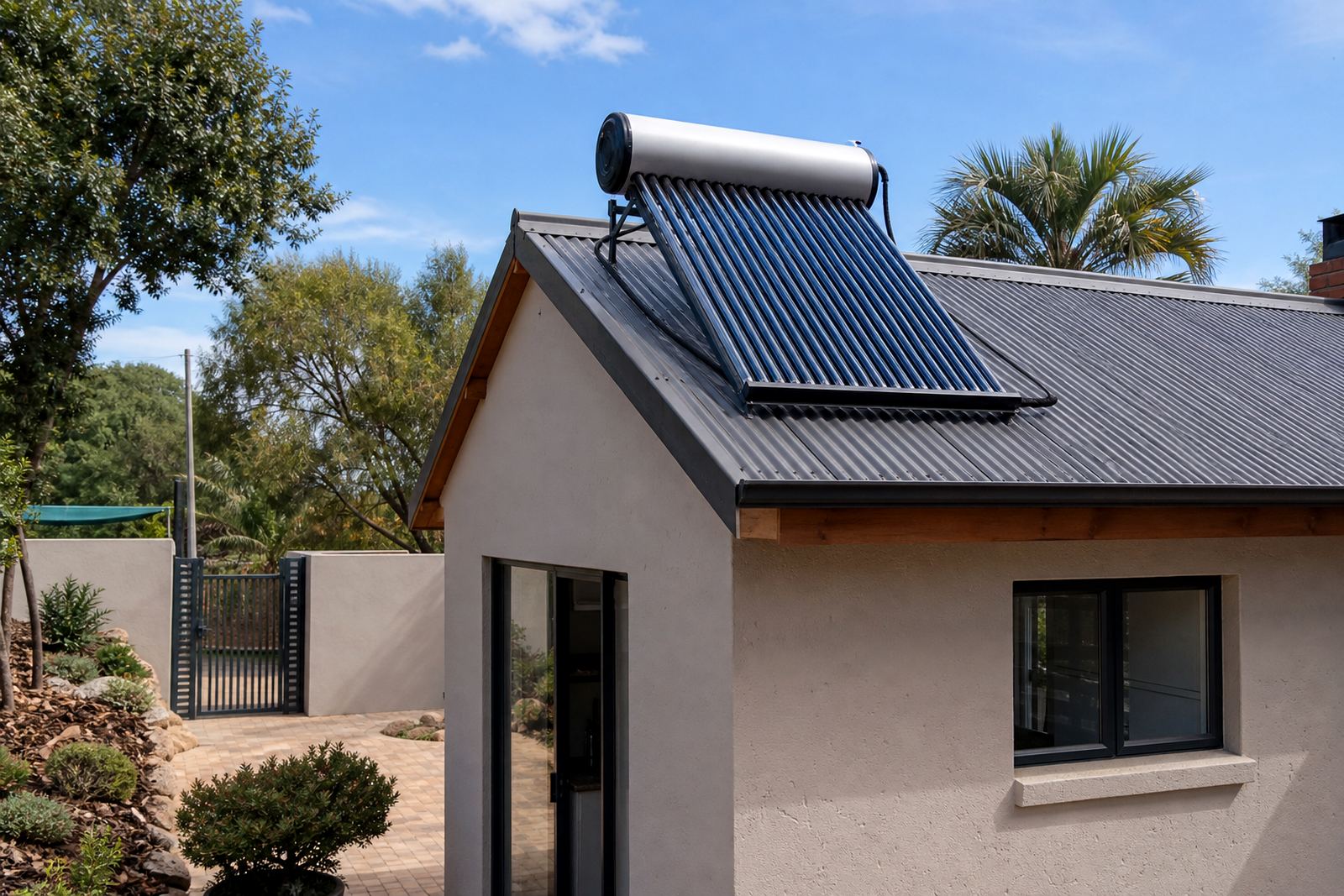
These pumps are typically used where the tank and collectors are separated, where roof layout makes natural flow difficult, or where the installation needs tighter control over water temperature. In Pretoria and surrounding areas, that can be useful on homes with steep roof pitches, outbuildings, or small business premises with higher hot water demand. The pump itself is only one part of the system, so sizing, pipe run and control settings all matter. A good installation is neat, practical and matched to the site, not just to the equipment on the roof.
Sizes and options for different system layouts
Circulation pumps come in different flow rates, head ratings and power draws. The right option depends on the collector area, vertical lift, pipe length and whether the system is open loop or closed loop. For small domestic systems, a compact pump may be enough. For larger homes, guesthouses or light commercial sites, a higher duty model may be needed to maintain steady circulation over longer pipe runs.
- Small domestic systems: low to medium flow, suited to 1 to 2 collectors and short pipe runs
- Medium systems: suitable for family homes, duplex units and small business hot water loads
- High lift or longer runs: chosen where the roof is far from the tank or the pipe route is more demanding
- Timer or controller based setups: used where the pump must run only when collector temperature is high enough
- Wet rotor or similar compact types: common in smaller installations because they are quiet and easier to fit
When we specify a pump, we also look at pipe diameter, insulation, valves and the control method. If those parts are undersized the pump can work harder than it should, which affects service life. That is why system design matters as much as the pump itself, maybe even more.
Where circulation pumps suit best
These pumps suit solar water heating systems that need active circulation rather than gravity feed. They are often used on tiled or corrugated roofs, in properties with longer roof spans, and in sites where the geyser or storage tank sits below the collector field. They also suit buildings where hot water use is spread through the day, such as small offices, salons, guest accommodation and workshops with staff ablutions.
In coastal areas like Durban and Cape Town, the pump and associated fittings must be selected with humidity and corrosion in mind. In Gauteng and the Highveld, colder winter mornings and load-shedding can affect how the whole solar hot water system is used, so the circulation control should be set up properly. For many small businesses, the goal is simple: stable hot water without wasting power or forcing the system to run when it does not need to.
- Homes with roof mounted collectors and a separate storage tank
- Small businesses with regular hot water demand
- Systems using controllers, sensors and temperature based switching
- Installations where natural thermosyphon flow is not practical
Installation, power supply and electrical integration
Circulation pumps must be installed by qualified installers, with the electrical work handled correctly and safely. The pump is normally connected to the solar controller or another approved switching arrangement so it only runs when the collector is hotter than the storage side. That stops unnecessary circulation and helps the system work properly.
We check the pipework, valves, strainers and sensor positions before commissioning. The pump needs a clean, supported installation with enough access for future servicing. On some sites a small isolated power feed is required, while others use the control circuit already provided in the solar hot water setup. Either way, the installation should be neat and properly labelled. If there is a backup water heating element in the tank, the controls must be arranged so the pump and backup heating do not interfere with each other.
Electrical integration is important on sites affected by load-shedding as well. The pump itself uses a small amount of power, but it still needs reliable protection, correct wiring and proper commissioning. A rushed install can lead to poor flow, noisy operation, or a pump that cycles when it should not.
Care, cleaning and routine servicing
Circulation pumps are generally low maintenance, but they should still be checked as part of the solar water heating system. Dust, scale and debris can affect performance over time, especially if the water quality is hard or the pipework was not flushed properly during installation. In some areas, air locks and blocked strainers are the most common problem, not the pump itself.
Basic care includes checking for leaks, listening for unusual noise, confirming the controller is calling for circulation and making sure the pump is not running against a closed valve. The system should also be inspected after severe weather, roof work or an electrical fault. If the pump starts making grinding or humming noises, or if hot water delivery becomes erratic, it should be tested by a technician.
- Check for leaks around joints and valves
- Keep sensors, controller and wiring in good order
- Inspect strainers and filters where fitted
- Flush the system if scale or sediment is a problem
- Book a service if flow becomes weak or noisy
For homes and small businesses in Pretoria, Johannesburg, Midrand and surrounding areas, a simple maintenance visit can prevent bigger trouble later on.
What to check before ordering a circulation pump
Before you order, gather the basic system details so the pump matches the job. We need to know the number of collectors, the approximate pipe length, the height difference between the tank and collectors, and whether the system uses water directly or a heat transfer fluid. It also helps to know if the installation is for a home, a small business or a mixed-use property.
You should also check the available mounting space, the type of electrical supply at the site and whether the controller already has a pump output. If the roof area is exposed to strong wind or coastal moisture, tell us that too because it can affect the full specification. A circulation pump is not something to guess at, and a poor match can shorten the life of the whole system.
- Collector count and approximate roof area
- Pipe route length and vertical lift
- Tank type and system configuration
- Power supply and controller arrangement
- Any history of scale, corrosion or air locks
Clients can send an enquiry through the contact page and we will review the setup, advise on a suitable option and plan the installation or replacement work from there. For many sites the right answer is straightforward, but only after the system details have been checked carefully.
Key facts
| Product type | Circulation pump for selected solar water heating systems |
|---|---|
| Typical use | Moves water or heat transfer fluid through the solar hot water circuit |
| Common applications | Homes, small businesses, guest units and light commercial sites |
| Options | Low, medium and higher flow models with different head ratings |
| Power requirement | Low electrical draw with controller based operation |
| Installation | Supplied and fitted by qualified installers with electrical integration |
| Maintenance | Leak checks, strainer cleaning, flow testing and routine servicing |