What an off grid inverter does
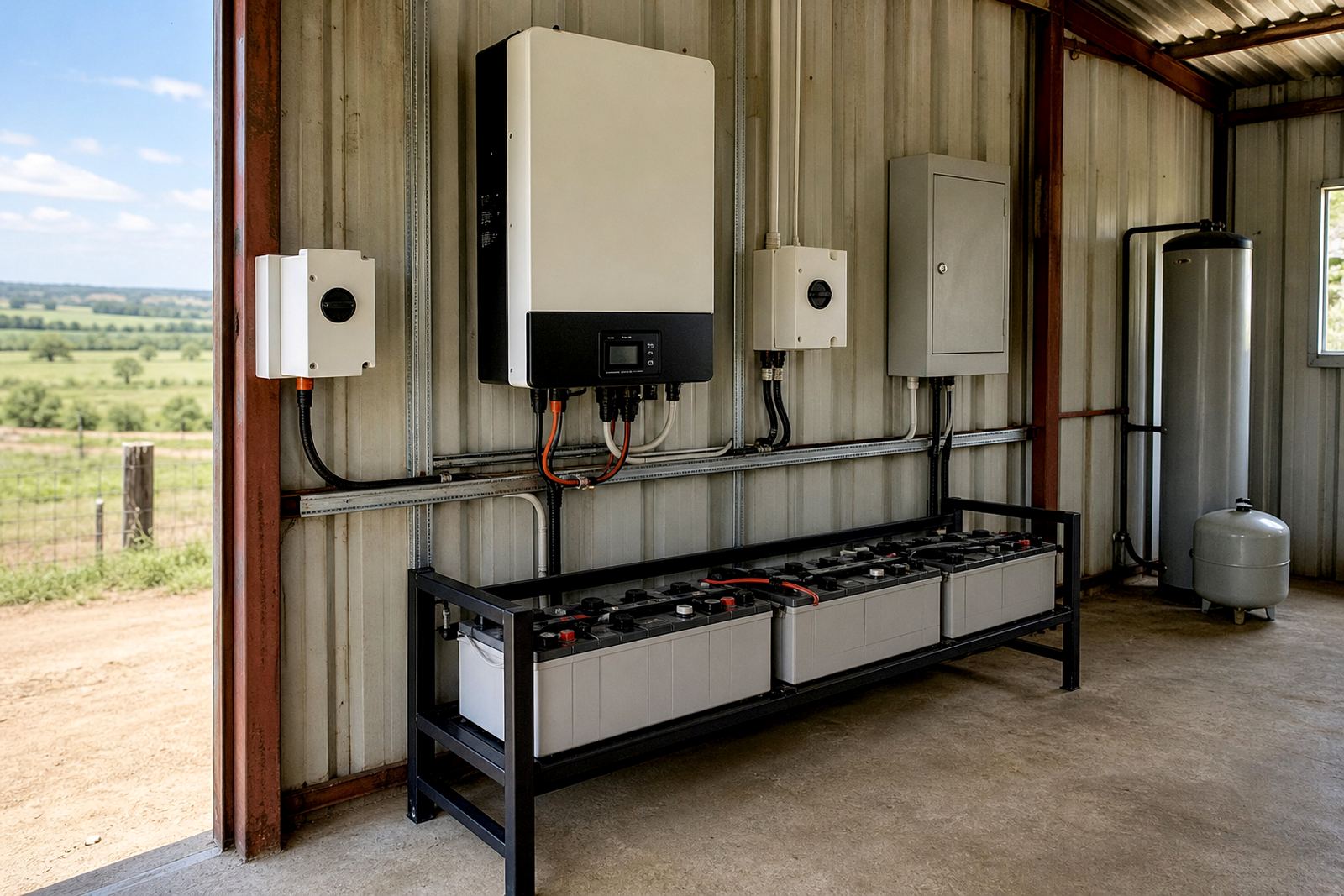
An off grid inverter is the control point between your solar panels, batteries and the appliances you want to run. It takes the direct current from the panels and batteries, changes it to usable alternating current, and manages how power is sent to lights, plugs, fridges, pumps and other loads. In an off grid setup there is no backup from the municipal supply, so the inverter has to do more than a simple changeover job.
For that reason the right unit must match your daily usage, your battery bank, and the way your property is used after dark. Homes in Pretoria and Centurion often need enough capacity for lighting, a fridge, Wi-Fi, a gate motor and some small appliances. Small businesses may need extra headroom for office equipment, point of sale gear or workshop tools. In coastal areas such as Durban and Cape Town, the installation also needs proper corrosion protection because humidity and salty air can shorten the life of loose fittings if the system is not installed correctly.
Common sizes and system options
Off grid inverters are available in several sizes, usually measured in kilowatts. Smaller systems suit a basic household or a remote room, while larger systems are better for full homes, guest units, farms, small offices and light commercial use. The inverter size should be chosen with the battery bank and solar array in mind, not on its own. A unit that is too small will trip under load, while one that is too large may not work well with a modest battery bank.
We work with common single-phase options for standard homes and larger units where higher starting loads are expected. Many systems are designed with a built in charger, solar charge controller or support for an external charge controller, depending on the equipment selected. Some properties also need a generator input for cloudy periods or extended load-shedding, especially where there is no municipal supply at all.
- Smaller systems for lights, TV, modem, fridge and basic plug points
- Mid-size systems for family homes with more appliances and longer backup time
- Larger systems for small businesses, pumps, office loads and heavier daily use
- Hybrid-style off grid layouts where a generator can assist during extended poor weather
Where an off grid setup suits best
Off grid inverters are ideal where grid power is unreliable, unavailable or too expensive to extend. They are commonly used on smallholdings, remote homes, outbuildings, farm offices, security rooms and new builds where a property owner wants complete control over power use. They also suit businesses that cannot afford downtime and need a clean, well planned electrical supply for essentials.
In Gauteng, many clients ask for off grid systems in areas where frequent outages interrupt work or damage routine. In Pretoria, Centurion and Midrand, this may include security lighting, cameras, routers and office points. In Bloemfontein and rural parts outside main centres, an off grid system can support a full household if the loads are carefully planned. The key is to design for the way the property is actually used, not for a list of every appliance in the building.
- Homes without reliable municipal supply
- Small businesses needing independent daytime and evening power
- Farm buildings, remote rooms and security posts
- Properties where generator use must be kept to a minimum
Installation, wiring and electrical integration
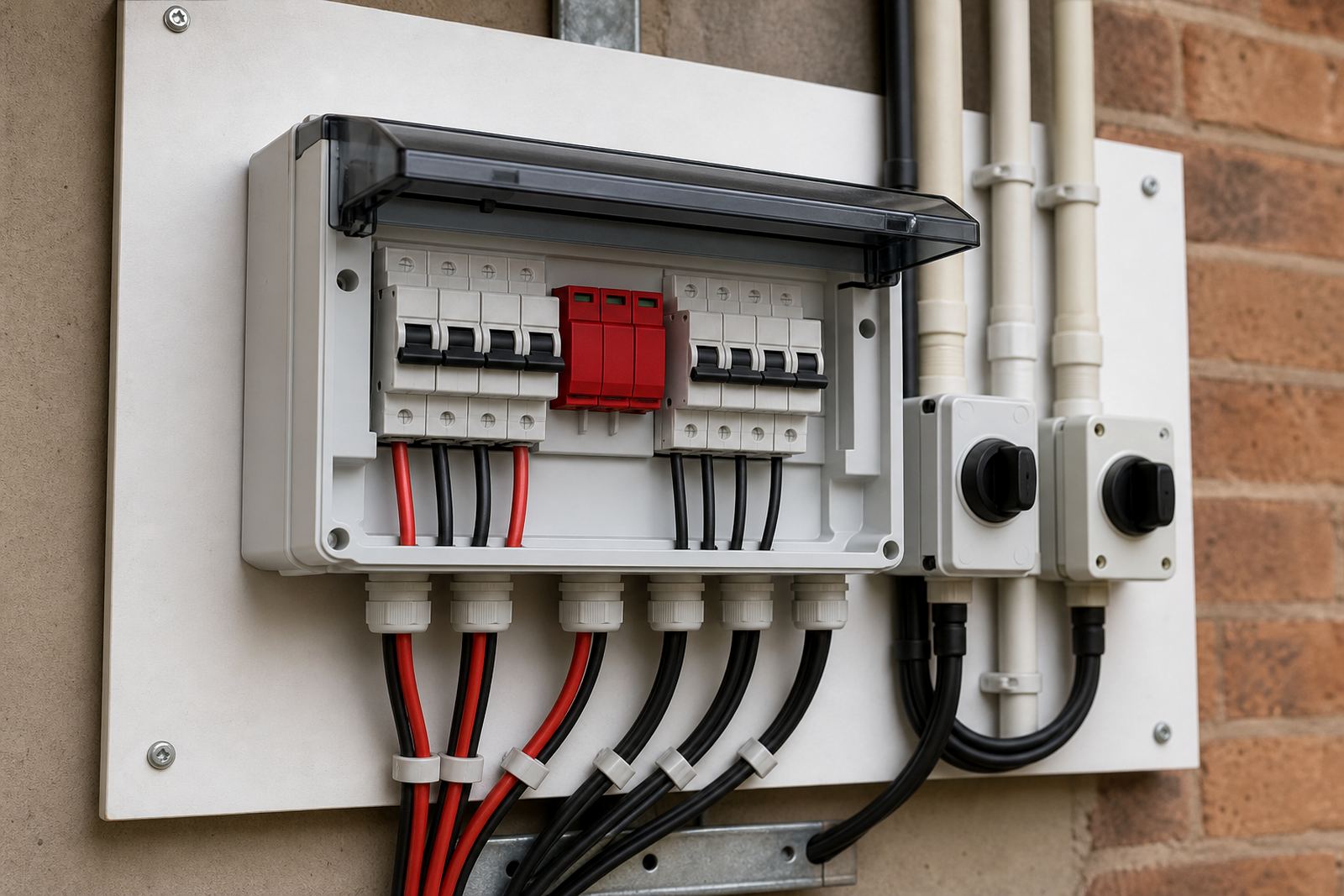
Off grid inverter installation must be done by qualified installers who understand DC cabling, AC distribution, battery protection and earthing. A neat installation is not only about appearance, it is about safety and the performance of the system under load. Our team handles site assessments, system design, panel installation, battery installation, inverter installation, electrical integration and commissioning.
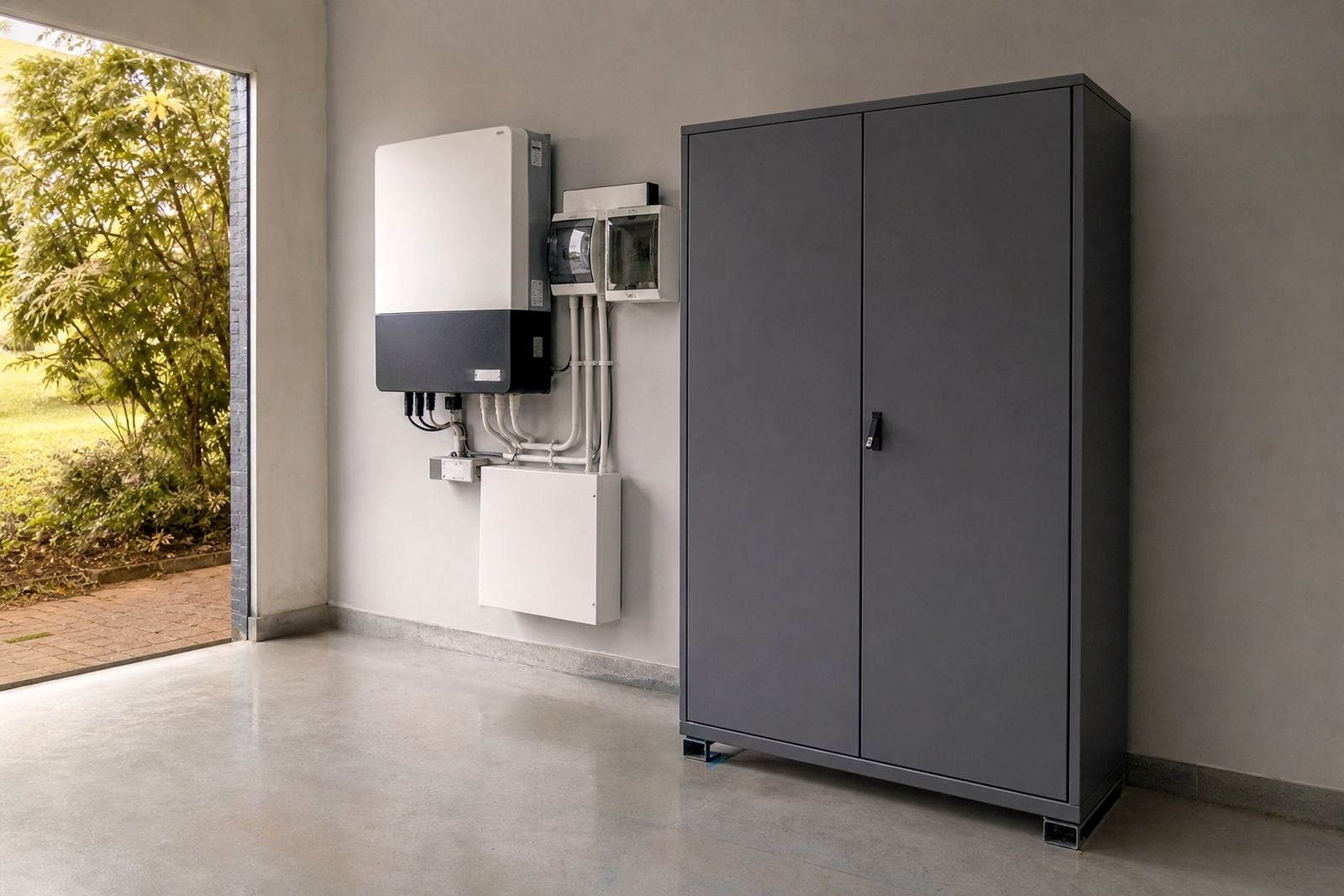
During installation we check the cable runs, breaker sizes, battery connections, changeover arrangement, ventilation and mounting position. The inverter should be fitted in a dry, well ventilated space away from direct sun and dust where possible. If the unit is going into a garage, plant room or utility area, there must still be enough airflow and space for maintenance. Where needed, we also plan for water heater support or separate circuits so that high load appliances do not overload the system at peak times.
Electrical work is only carried out by qualified installers. This matters for compliance, insurance and the long term safety of the people using the property. It also helps prevent nuisance tripping, battery abuse and damage to sensitive equipment.
Using the system day to day
An off grid inverter needs sensible power use. The system works best when the heaviest loads are planned for daylight hours, while the batteries carry the evening and overnight demand. This is important for properties that run fridges, freezers, pumps or computers, because the battery bank should not be flattened by avoidable peaks. If the property also uses gas for cooking or water heating, that can reduce electrical demand and make the off grid system easier to size.
Many owners choose to keep non-essential items off the inverter circuit, such as pool pumps, large heaters or workshop machines that draw too much current. If you are ordering a new system, it helps to list every appliance and note which ones must stay on during outages. A careful load schedule is often the difference between a system that struggles and one that runs properly day after day.
Maintenance, servicing and checks before you buy
Off grid systems need routine care to stay dependable. Solar panels should be cleaned when dust, pollen or bird mess builds up, and the inverter area should be kept dry and free of insects and loose material. Batteries need correct settings and regular checks so they are not overcharged or pushed too low. In coastal towns, terminals and metal brackets should be inspected more often because humidity can cause corrosion if maintenance is neglected.
We offer solar maintenance, fault finding, panel cleaning and support callouts for homes and small businesses across South Africa. Before ordering an off-grid inverter, check the following:
- Your average daily load and the appliances that must stay on
- Whether you need single-phase or a larger arrangement
- Battery type, battery bank size and available space for mounting
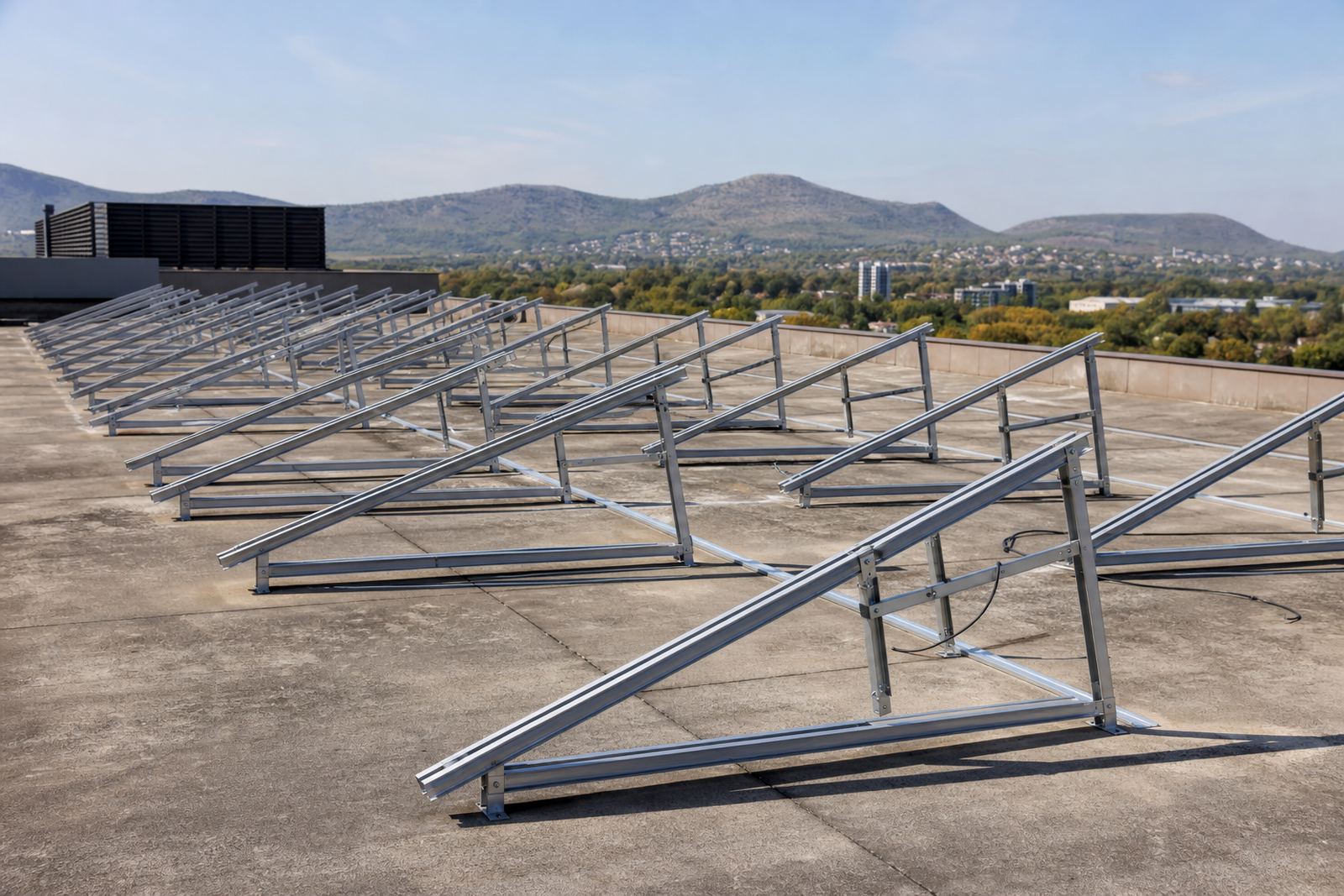
- Solar panel roof space, shade issues and cable route
- Whether a generator input is needed for backup
- Where the inverter will be mounted and how it will be ventilated
If you are unsure, our Pretoria team can arrange a site assessment and propose a practical setup. We operate from Centurion and serve clients in Pretoria, Johannesburg, Durban, Cape Town, Bloemfontein, Midrand and the wider Gauteng area.
Key facts
| Product type | Off grid solar inverter for independent power systems |
|---|---|
| Typical sizes | Small, medium and large single-phase options, selected to suit the load |
| Compatible inputs | Solar panels, battery bank and optional generator input on selected systems |
| Common uses | Homes, small businesses, smallholdings, remote rooms and security loads |
| Installation | Site assessment, wiring, electrical integration and commissioning by qualified installers |
| Service support | Maintenance, fault finding, panel cleaning and support callouts |