What a DC protection box does in a solar system
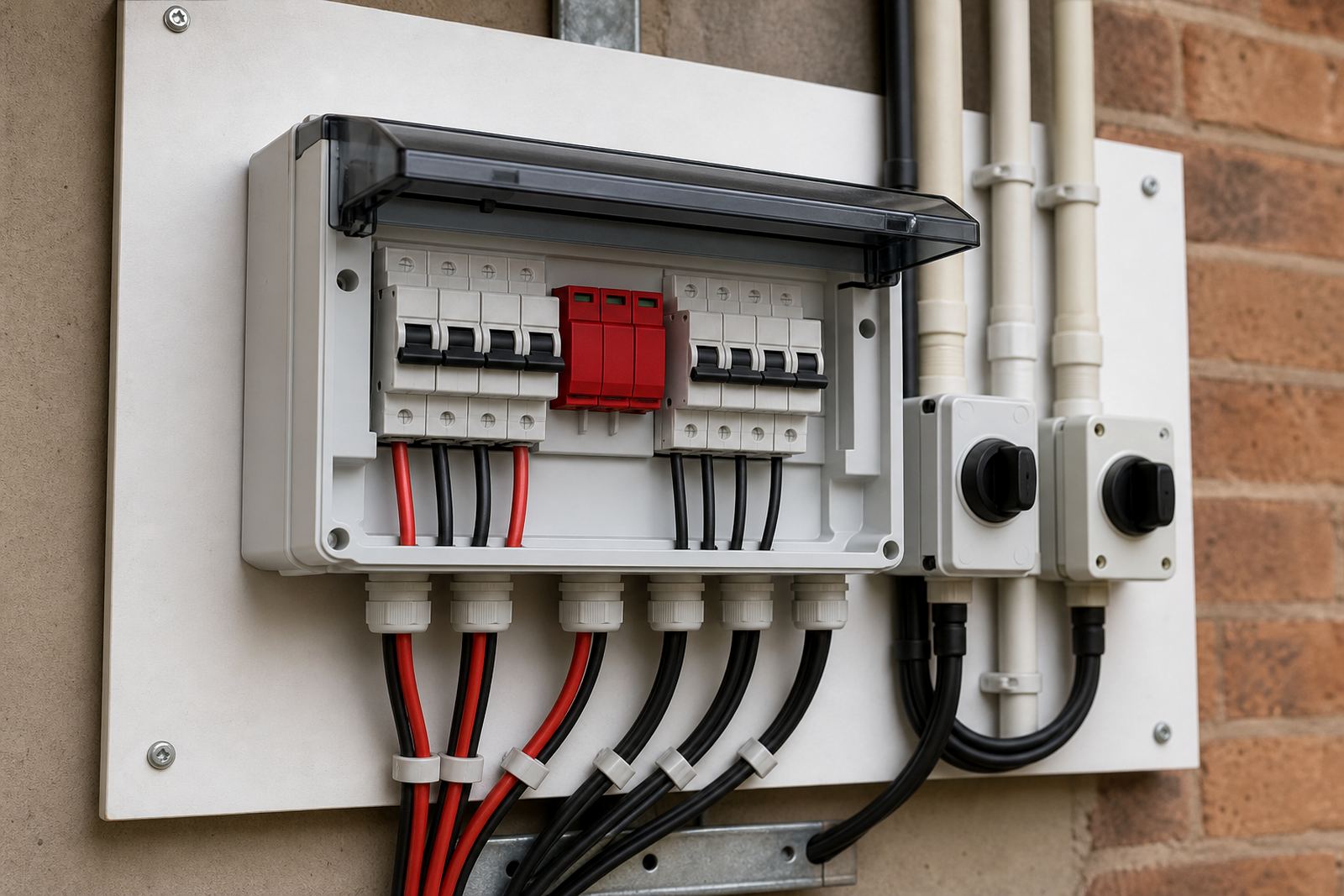
A DC protection box is a compact enclosure that groups the main protective devices for the solar panel side of the system. It usually houses string fuses, surge protection, isolators and terminal connections so the wiring from the roof or ground mount comes in neatly and leaves in one organised run to the inverter. On larger arrays, or where several panel strings are joined together, this makes the installation easier to service and easier to inspect later.
In Pretoria heat, Gauteng dust and coastal humidity in places like Durban or Cape Town, a properly enclosed DC box helps keep exposed components safer from weather, moisture and accidental contact. It also gives the installer a clear point to check during commissioning and maintenance. Electrical work is done by qualified installers so the box is fitted correctly and the protection devices are matched to the system design.
Sizes and options for different roof layouts
DC protection boxes come in a range of layouts depending on how many panel strings the system uses and how much protection is needed. A smaller home setup may only need a simple two-string box, while a larger small business roof in Johannesburg or Centurion may need a unit with more input ways, higher current capacity and space for additional surge protection. The enclosure should be selected to suit the number of strings, cable size and the inverter specification.
- 2 string boxes for smaller residential systems
- 4 string or multi-string boxes for larger homes and small commercial roofs
- Indoor or outdoor enclosures depending on the mounting point
- Plastic or powder-coated metal enclosures for different weather conditions
- Wall-mounted units for neat access near the inverter or cable entry point
Some systems only need basic protection and isolation, while others need a more complete arrangement with status indication and spare space for future expansion. If battery backup or inverter upgrades are planned later, it is worth choosing a box that allows for the extra circuits and cable routing from the start.
Where DC protection boxes suit best
These boxes suit homes with roof-mounted panels, office parks, workshops, farms and small retail sites where solar power is being used to cut daytime grid use. They are also useful where the array is split across different roof sections and the cable runs are longer. In those cases, the protection point helps keep the installation orderly and supports safer isolation during maintenance.
For properties in coastal areas, a weather-resistant enclosure is important because salt air can shorten the life of exposed electrical parts. In hotter inland areas, the box should be mounted where there is some shade and good airflow, not packed into a tight wall cavity where heat builds up. If the site has a generator, inverter room or battery room, the box position must still allow easy access without crossing cramped walkways or service areas.
- Homes with 1 to 3 roof strings
- Small businesses with daytime solar use
- Sites needing clear isolation for maintenance
- Installations exposed to dust, wind or coastal moisture
- Projects with future panel expansion in mind
Installation requirements and electrical integration
Installation starts with matching the box to the panel string voltage, current and inverter input design. The installer checks cable entry points, roof routes, isolator position and earthing so the system is protected and easy to understand later. Where the site has existing solar equipment, the box must be tied into the current layout without overloading the wiring or creating messy junctions.
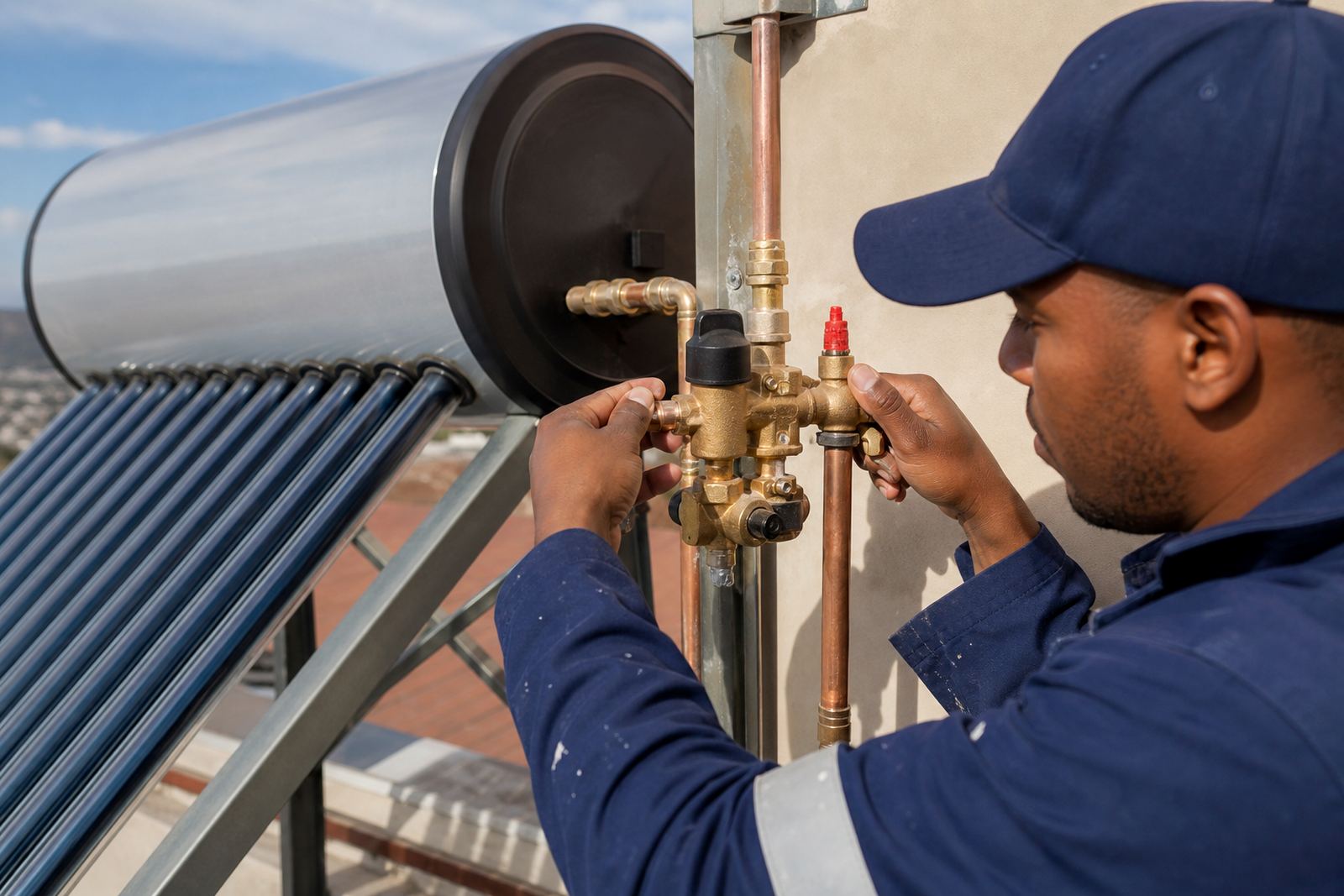
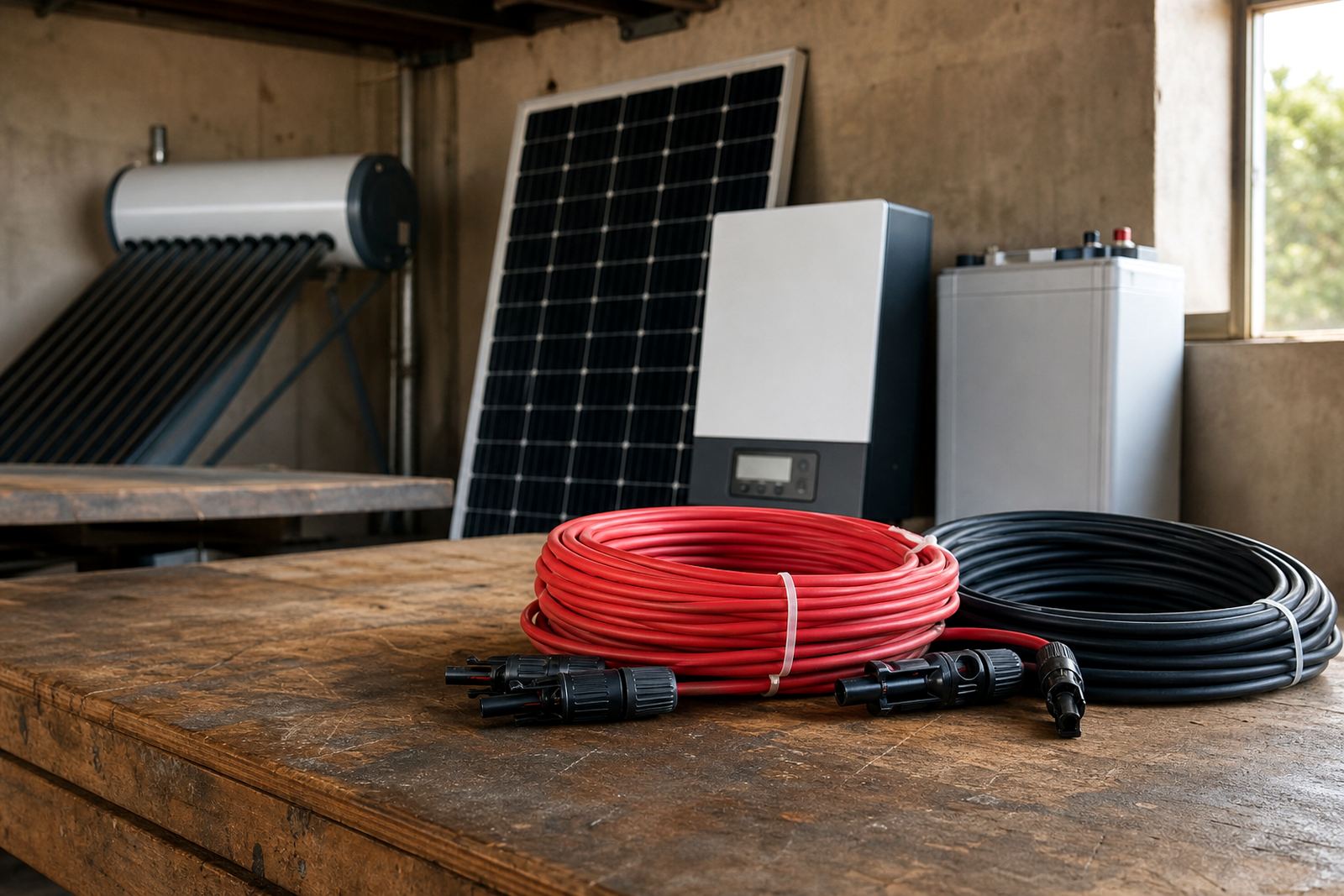
Because solar wiring is DC, the work needs careful handling and correct device selection. The box should be mounted in a dry, accessible position, fixed securely to a solid wall or support, and sealed properly where cables enter. For properties with a battery system or inverter room, the DC side must still be separated cleanly from AC cabling and other services. If the site also needs water heating equipment, the electrical planning should account for the different circuits so nothing is crowded or difficult to isolate.
- Correct string current and voltage matching
- Secure wall mounting with proper cable glands
- Weather sealing for outdoor installations
- Clear isolation point for servicing and fault finding
- Qualified electrical integration by trained installers
Care, inspection and fault finding
DC protection boxes do not need heavy maintenance, but they do need regular inspection as part of the solar servicing routine. Dust, loose terminals, heat damage and moisture ingress should be checked during scheduled visits. In areas with strong sun or load-shedding related cycling, it is worth looking at the box at the same time as the inverter and panel connections so any signs of wear are picked up early.
If a string trips, the inverter reports a fault or a surge device has changed colour, the box should be opened and tested by a qualified technician. Never bypass a fuse or isolate a problem by guesswork. Good records help too, especially on sites in Pretoria, Midrand or Bloemfontein where tenants, owners and maintenance staff may change over time.
- Check for heat marks or discolouration
- Look for loose cable glands or damaged seals
- Confirm surge and fuse status during servicing
- Keep the area clear for access and airflow
- Arrange fault finding if the inverter shows repeated DC errors
What to check before ordering a DC protection box
Before ordering, confirm the number of panel strings, the maximum string voltage, the current per string and the inverter input arrangement. It also helps to know whether the box will be mounted indoors or outdoors, because that affects the enclosure type and weather rating needed. If the site has a battery backup system, or plans to add one, the installer should check how the DC equipment will sit alongside the rest of the layout.
Ask for the cable size, gland size and mounting details as well. A neatly specified box is easier to install and easier to service later. If the system is for a home in Centurion or a small business in Johannesburg, the right choice will usually be the one that matches the actual electrical design rather than the cheapest unit on the shelf. That way the protection is practical, tidy and suited to the roof.
- Number of panel strings
- String voltage and current
- Indoor or outdoor mounting location
- Enclosure size and cable entry points
- Need for surge protection, fuses and isolator
Key facts
| Product type | DC protection box for solar panel circuits |
|---|---|
| Typical configuration | 2 string, 4 string or multi-string layouts |
| Protection devices | String fuses, surge protection and DC isolator options |
| Enclosure options | Indoor or outdoor, plastic or powder-coated metal |
| Installation method | Wall-mounted with cable glands and secure cable routing |
| Service use | Suitable for inspection, fault finding and maintenance access |