What a geyser blanket does and why it matters
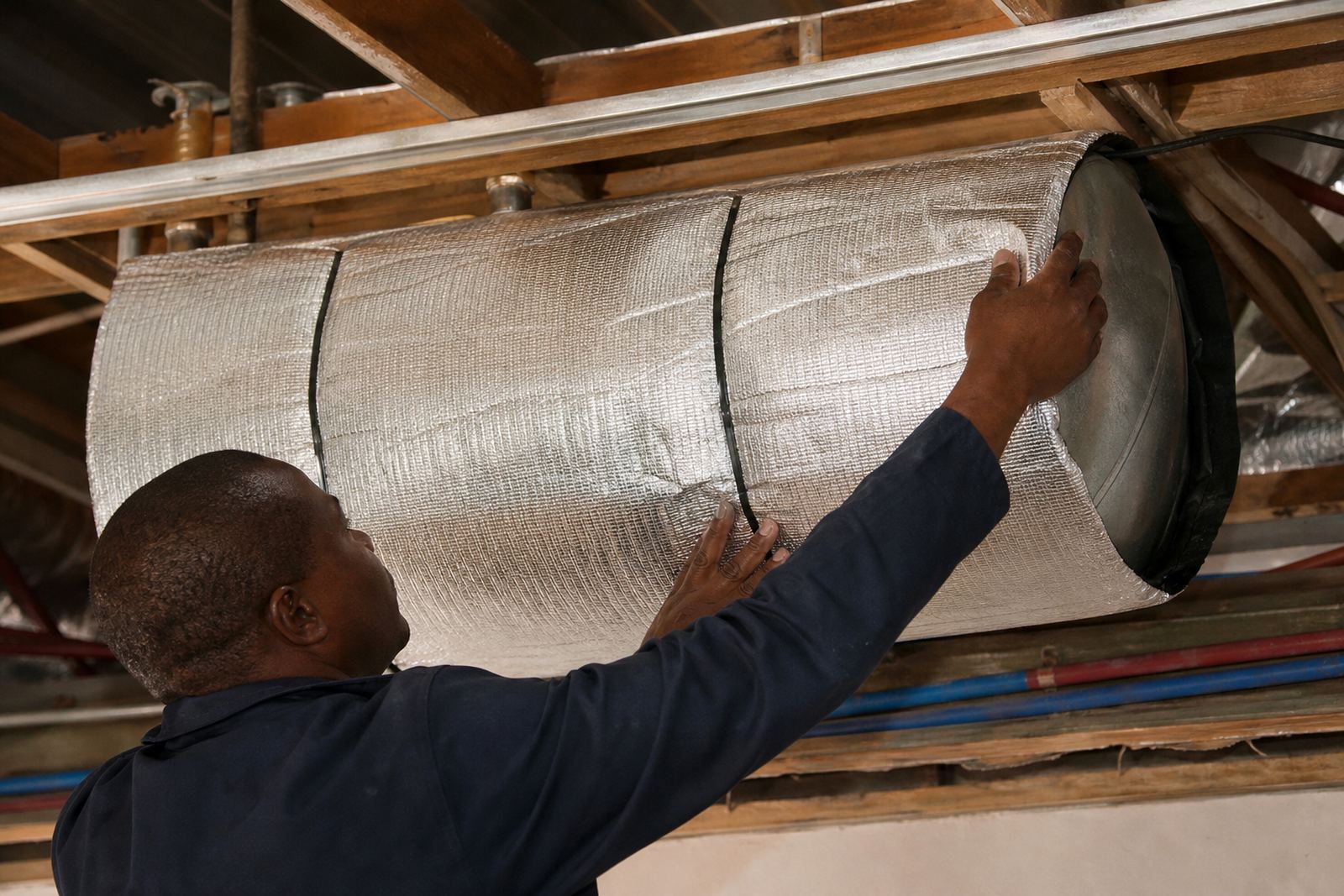
A geyser blanket is an insulation wrap fitted around the outside of a hot water storage cylinder. It helps slow heat loss from the tank, pipework and exposed fittings, so the water inside stays hotter for longer after the element or solar setup has done its work. That matters in South African homes where hot water demand can fall and rise through the day, especially when load-shedding interrupts normal use patterns.
In Pretoria and Centurion, as well as coastal areas like Durban and Cape Town, the right wrap can also help reduce the strain on a system that is already working through cooler nights, wind exposure or damp conditions. For homeowners and small businesses, that means better temperature retention and a more efficient hot water setup without changing the geyser itself.
A good blanket is not a full solution on its own. It works best when the geyser is in reasonable condition, the thermostat is set correctly and the installation is properly sealed. If the valve, pipe lagging or tank insulation is poor, the blanket should be part of a wider maintenance approach rather than the only fix.
Sizes, thicknesses and what to ask for
Geyser blankets are usually selected to suit the tank size and the way the geyser is installed. Most domestic cylinders need a wrap that can cover the body fully and leave safe access around the thermostat, element cover and plumbing connections. For higher-use properties, a thicker blanket may be better where space allows.
- Common sizes for domestic storage geysers include 100 litre, 150 litre, 200 litre and 250 litre units
- Most wraps are made to suit standard cylindrical tanks with top and side coverage
- Look for enough material to cover the body without blocking valves, vents or service access
- Ask whether the wrap includes a secure fastening method for the tank diameter on site
- For exposed plant rooms or roof spaces, check whether the insulation is suitable for heat and occasional moisture
If you are ordering for a townhouse, rental property or business premises, the size of the cylinder and the position of the unit matter just as much as the make of the geyser. A wrap that is too small leaves gaps, while one that is too loose can shift and interfere with maintenance.
Where geyser blankets suit best in South Africa
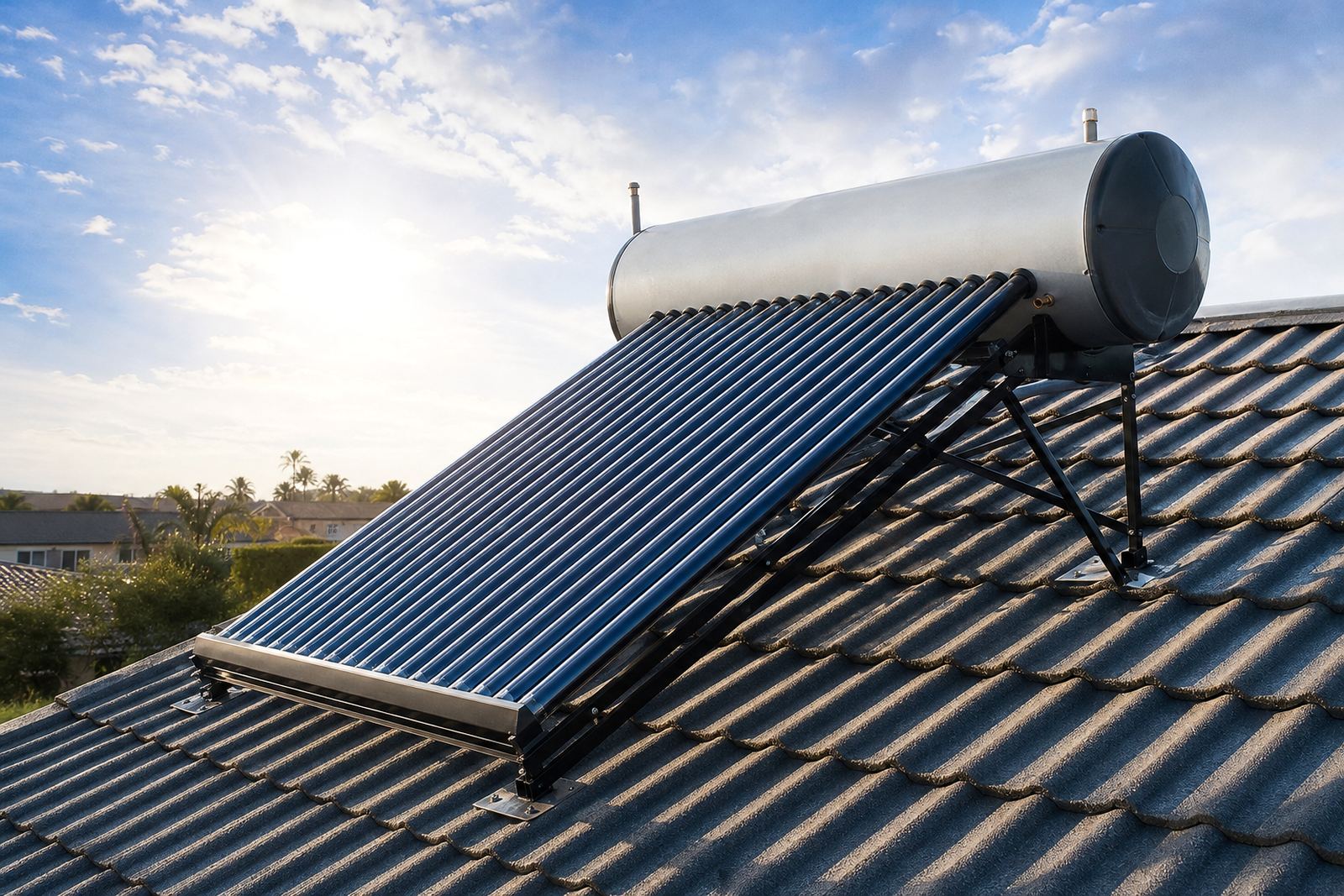
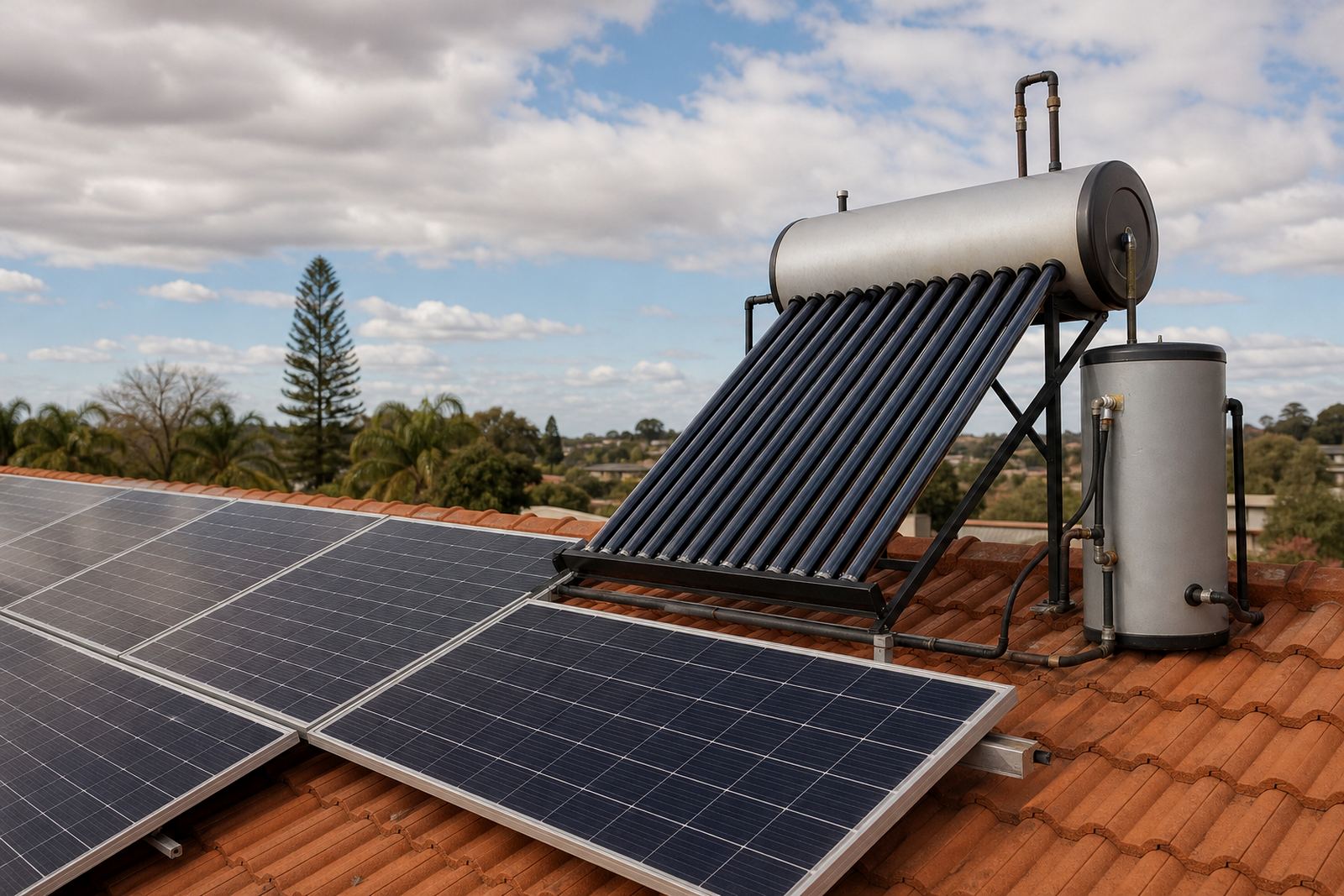
Geyser blankets suit properties that use stored hot water every day and want to limit heat loss between heating cycles. They are useful in homes with electric storage geysers, and they can also support solar water heating systems where the cylinder holds hot water after the sun has dropped or during cloudy periods.
They are especially practical in areas with colder mornings, open roof spaces or long gaps between water use. In Pretoria, Johannesburg and Bloemfontein many homeowners fit them to cut waste from overnight cooling. In Durban and Cape Town, the benefit can still be felt, though the focus is often more on keeping the tank protected from wind exposure and ensuring the wrap can handle damp conditions.
Small businesses such as salons, guest houses, medical rooms and food preparation sites often use hot water through several short bursts in a day. For those sites, an insulation wrap can help the system stay ready without repeated reheating, which is useful when power is unstable or when the geyser sits far from points of use.
Installation on electric and solar hot water systems
Installation should be done with care so the blanket fits neatly and does not interfere with the plumbing, thermostat or safety components. It must sit clear of any relief valve discharge path, electrical connections and service covers. On some installations the top of the tank can be left accessible, while the body is fully wrapped. On others, a partial wrap is more suitable because of the pipe layout.
For electric geysers, the electrical work must be handled by qualified installers where wiring or related components are involved. For solar hot water systems, the blanket should be fitted so it does not trap moisture around exposed fittings or create access issues for routine maintenance. If the cylinder is on a roof or in a tight ceiling space, planning the fit before installation saves time and avoids damage.
- Check clearance around the thermostat and element cover
- Keep pressure relief valves and pipes accessible
- Secure the wrap so it does not sag or slip over time
- Inspect nearby insulation and pipe lagging at the same visit
- Do not cover parts that need regular safety checks
Care, servicing and signs the blanket should be replaced
A geyser blanket needs very little day-to-day care, but it should be checked during regular plumbing or solar maintenance. The main things to look for are loose ties, damp sections, tears, heat damage and gaps where the insulation has shifted away from the tank. In coastal areas, a wrap that stays damp can lose performance faster and may need to be replaced sooner.
When the blanket becomes compressed, brittle or water stained, it is usually not doing its job properly. If the geyser is already due for a service, that is a good time to inspect the blanket, valves and pipe insulation together. This is also a sensible moment to clean the area around the unit and make sure no debris, nesting material or dust is reducing airflow around the installation.
Some customers ask whether a blanket needs special cleaning. In most cases a dry wipe or light brush-down is enough. Avoid soaking it or using harsh chemicals. If the unit has been moved, repaired or repainted nearby, check that the wrap still fits evenly and has not been cut to make room for later work.
What to confirm before you order
Before ordering, it helps to confirm the geyser size, mounting position and any access restrictions. A blanket that works well in a garage may not suit a ceiling cavity or a roof space with limited headroom. If the unit is linked to a solar water heating system, ask whether the wrap should allow for extra pipe runs or service access on the cylinder top.
You should also check the condition of the tank itself. If the geyser is already leaking, rusted or overdue for replacement, fitting a blanket alone will not solve the problem. The same applies if valves, pipe lagging or the electrical side need attention. For homes and small businesses across Pretoria, Johannesburg, Durban, Cape Town and Bloemfontein, a proper site assessment helps avoid the wrong size or an awkward fit.
- Confirm the tank size in litres
- Check whether the geyser is electric, solar or part of a mixed system
- Note the location of the thermostat, element cover and valves
- Measure available clearance around the cylinder
- Ask if any electrical or plumbing adjustments are needed before fitting
Key facts
| Product type | Insulation wrap for domestic hot water storage geysers |
|---|---|
| Typical tank sizes | 100 L, 150 L, 200 L and 250 L common domestic sizes |
| Main use | Reduce heat loss from stored hot water |
| Suitable systems | Electric storage geysers and solar hot water cylinders |
| Installation note | Fit around the tank without covering safety valves or service points |
| Care | Dry check for loose ties, damp patches, wear and compressed insulation |