How a hybrid inverter works in a South African system
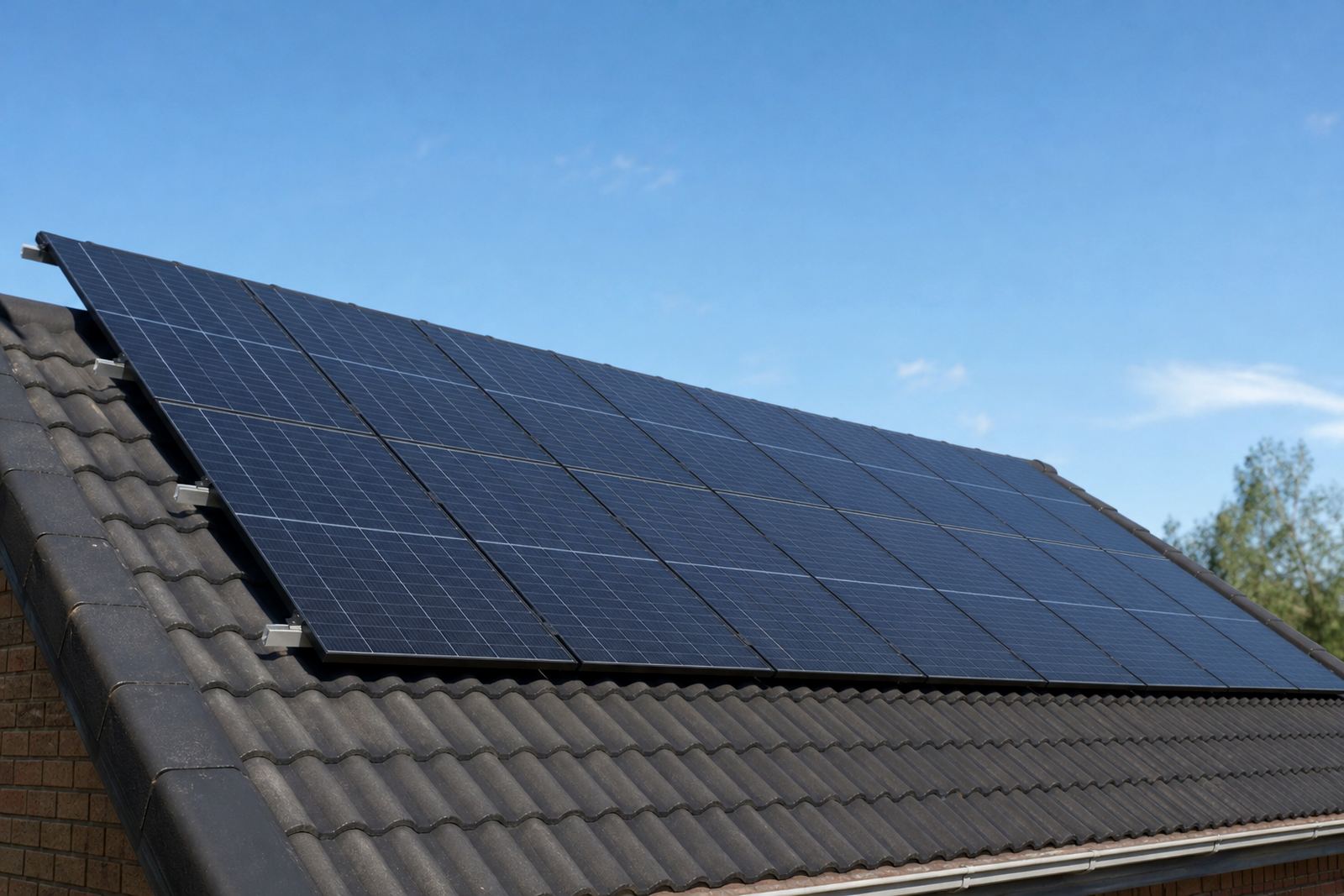
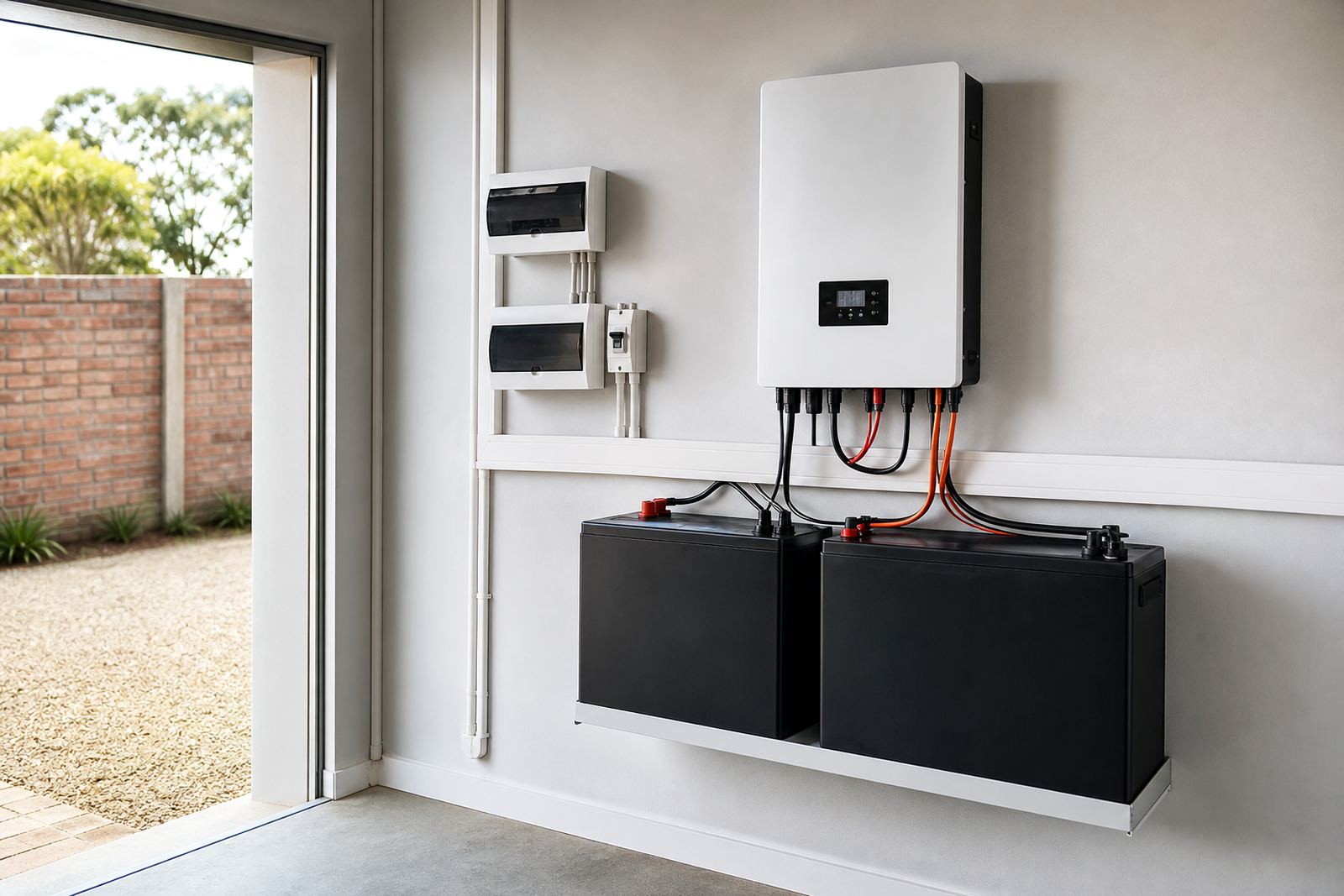
A hybrid inverter is the control unit that links your solar panels, batteries and municipal supply. It turns the direct current from panels and batteries into usable alternating current for lights, plug points, appliances and selected equipment. When the sun is strong, the system can feed daytime loads first, then charge the batteries for later use, and if needed it can draw from the grid as backup.
For many properties in Pretoria, Centurion and Johannesburg, this gives a more flexible setup than a basic backup system. You can keep essential loads running when there is load-shedding, while still using solar during the day and grid power when solar production is low. In coastal areas like Durban and Cape Town, the right enclosure, cable routing and corrosion-aware installation matter as much as the inverter size.
- Works with solar panels, batteries and grid power
- Can prioritise solar, battery or municipal supply
- Useful for backup during outages and load-shedding
- Suitable for new systems and upgrades to existing installations
Sizes and options to match the load on your property
Hybrid inverters are available in different sizes, usually chosen by the amount of power you need at the same time. Smaller homes may only need a unit that supports lighting, TV, Wi-Fi, fridge and a few plugs. Larger homes, office spaces and workshops may need a bigger unit to handle pumps, gate motors, multiple fridges or point-of-sale equipment. The final choice depends on your daily usage, your roof space and how much backup time you want from the batteries.
Common options include single-phase units for smaller homes and many small businesses, and three-phase systems for larger properties or heavier electrical demand. Some units allow parallel connection for future expansion, which helps if you plan to add more panels or batteries later. We check the existing board, wiring and earthing before recommending a size, because an inverter can only perform properly if the rest of the installation is set up correctly.
- Typical ranges include 3kW, 5kW, 8kW and 10kW plus systems
- Single-phase and three-phase options available
- Expandable setups can suit future battery or panel additions
- Size should be based on load profile, not guesswork
Where hybrid inverters suit best
These systems suit homes and small businesses that need a balance between day-to-day solar use and battery backup. They work well where municipal power is unreliable, where load-shedding affects trading hours, or where electricity bills are putting pressure on monthly budgets. In a home, they can keep the essentials going. In a small business, they can support computers, routers, tills, security systems and selected machinery.
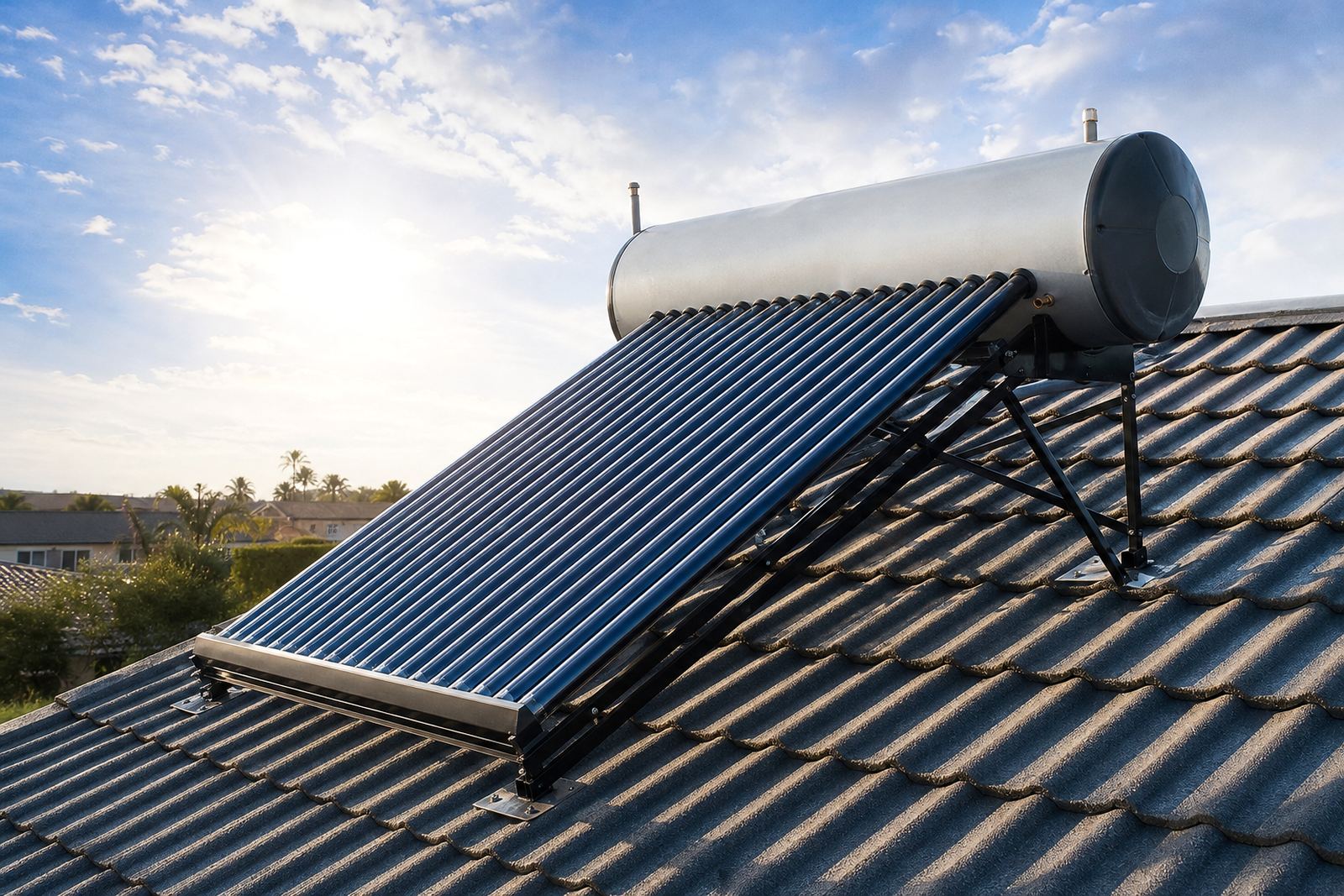
They are also a practical choice for properties with solar water heaters, because the inverter can be part of a broader energy plan rather than just a backup unit. In Pretoria and Midrand, many customers use them for home offices and family homes. In Durban and Cape Town, the system must be planned carefully for humidity, salt air and weather exposure. In Bloemfontein, the focus is often on managing cold-weather usage and keeping critical loads stable.
- Homes with essential loads and regular outages
- Small offices, studios and professional practices
- Shops, consulting rooms and light commercial spaces
- Properties wanting daytime solar use with battery backup at night
Installation needs, electrical work and power planning
Hybrid inverter installation is not only a matter of hanging a unit on the wall. It must be integrated with the distribution board, protection devices, cabling, battery bank and solar array. Electrical work is done by qualified installers, because correct isolation, cable sizing and protections are important for safety and performance. We also check whether the site can support the proposed loads without tripping, overheating or overloading circuits.
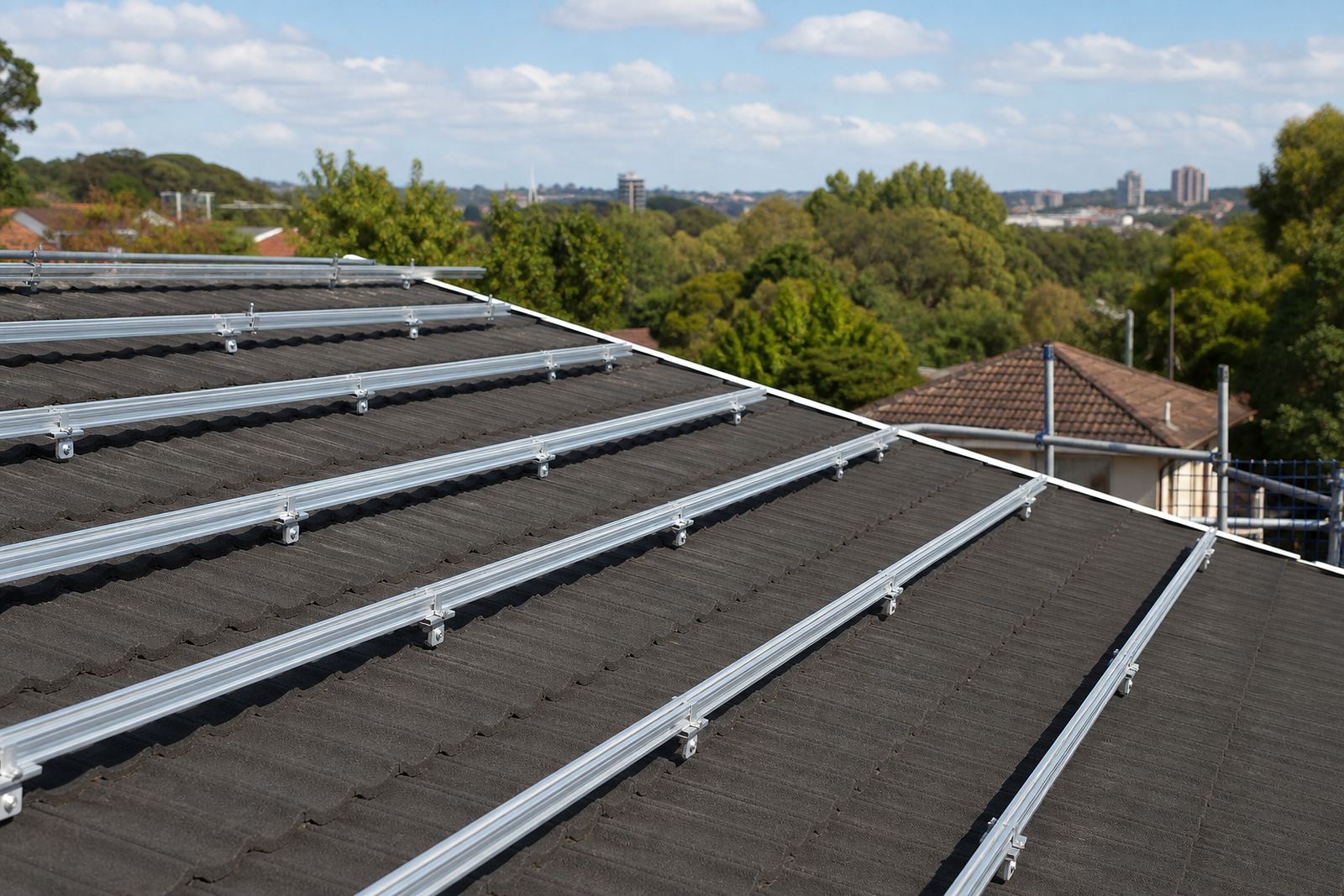
Before installation, we look at roof direction, shading, cable routes, the position of the inverter, and where the batteries can be placed with enough ventilation. Some battery systems need a clean indoor space with a stable temperature. Others can be installed in a protected utility area. If you need backup for refrigeration, access control or water pumps, we plan the circuits carefully so the system supports the right loads first, not everything at once. That keeps things practical and helps the battery last longer.
For households using gas for cooking or water heating, the inverter system can be smaller because high-heat appliances are not drawing from electricity all day. Where gas is not used, we may suggest a bigger battery bank or more panels to keep evening supply reliable. The best solution depends on how you actually live, not just the label on the inverter.
Care, servicing and fault finding over time
A hybrid inverter works best when the whole system is checked regularly. Dust, loose terminations, panel shading and battery issues can all affect performance. In hot areas, ventilation around the unit matters. In humid or salty conditions, cable glands, connectors and mounting points should be inspected more often. If there are repeated trips, strange warning lights or reduced battery runtime, it is worth arranging fault finding before a small issue becomes a bigger repair.
We offer solar maintenance, support callouts and cleaning services for panel surfaces. A clean panel field helps output, especially where dust, pollen or coastal grime builds up. Battery settings may also need adjustment if your household pattern changes, for example when new appliances are added or a small business grows. Good servicing is about keeping the system sensible and predictable, not just reacting when it stops working.
- Check cables, isolators and protective devices regularly
- Keep ventilation openings clear and free of dust
- Watch for warning lights, unusual noise or reduced output
- Book fault finding if performance drops or tripping starts
What to check before you order a hybrid inverter
Before placing an order, it helps to confirm a few practical details. First, list the appliances and equipment you want to run during the day and during outages. Second, decide how many hours of backup you need. Third, check whether the property has single-phase or three-phase supply. Fourth, confirm whether you want the system to work with existing panels, new panels or both. These points shape the inverter size, battery capacity and installation method.
You should also think about the space available for the inverter and batteries, the condition of the current electrical board and whether any extra work is needed before commissioning. If your building is in a sectional title, office park or municipal area with specific electrical requirements, that must be checked early. It is better to plan the layout properly than to force a unit into a poor spot and struggle later.
- List essential loads and non-essential loads separately
- Decide whether the system is for backup only or daily solar use
- Confirm the supply type, wiring condition and available wall space
- Ask about future expansion if you may add more panels or batteries later
Key facts
| Type | Hybrid inverter for solar panels, battery storage and grid supply |
|---|---|
| Common sizes | 3kW, 5kW, 8kW, 10kW and larger by project |
| Supply type | Single-phase and three-phase options |
| Battery compatibility | Works with suitable lithium or lead-acid battery banks, subject to system design |
| Installation | Site assessment, mounting, wiring, electrical integration and commissioning by qualified installers |
| Use case | Homes and small businesses needing backup, daytime solar use and energy management |