What a ground mount kit does on your property
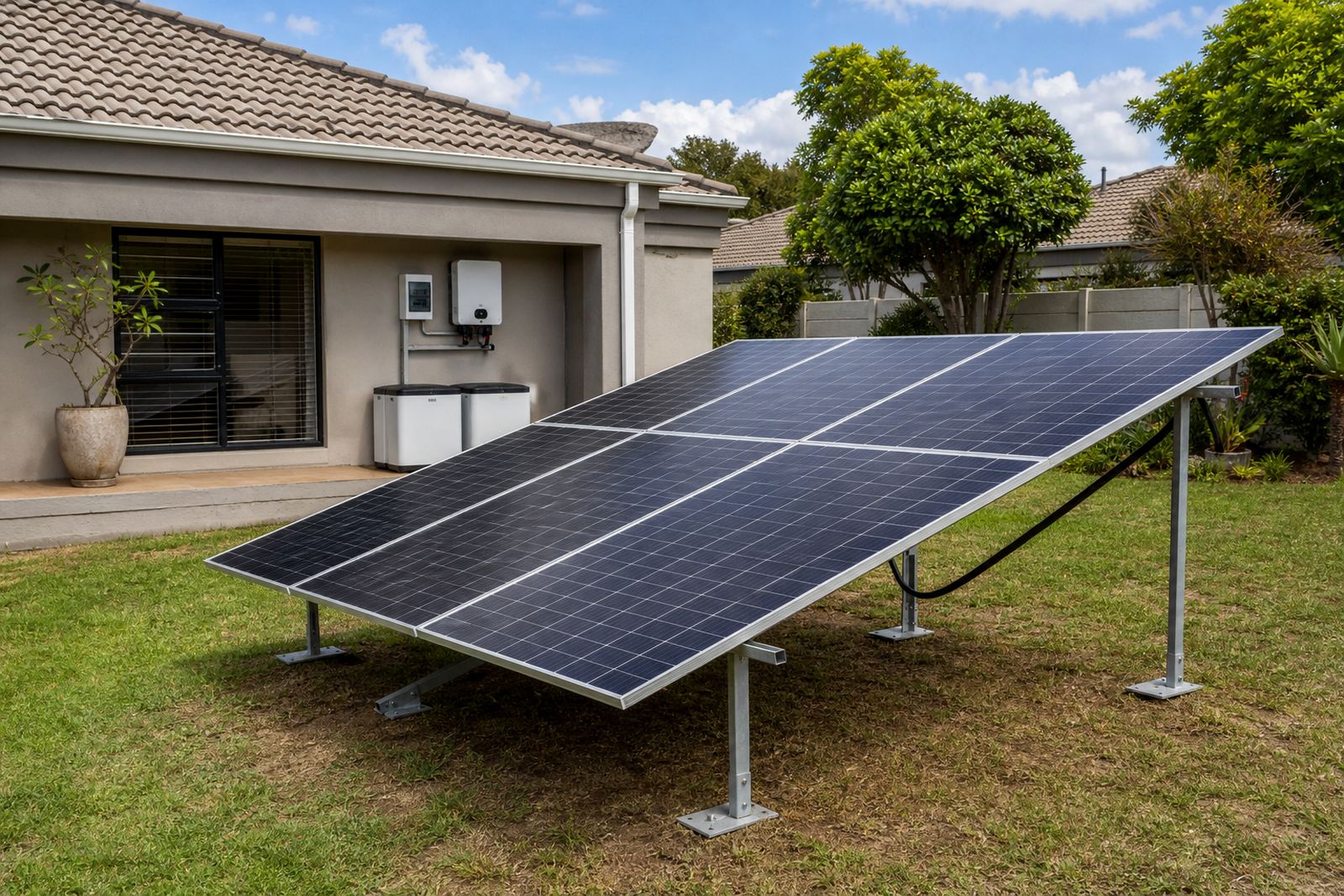
A ground mount kit is a support structure that holds solar panels on the ground instead of on a roof. It is used where the roof is too small, too shaded, too weak for added load, or where you want easier access for cleaning and maintenance. On larger residential stands, smallholdings, workshops and business yards, it can be a neat solution for getting the most out of open space.
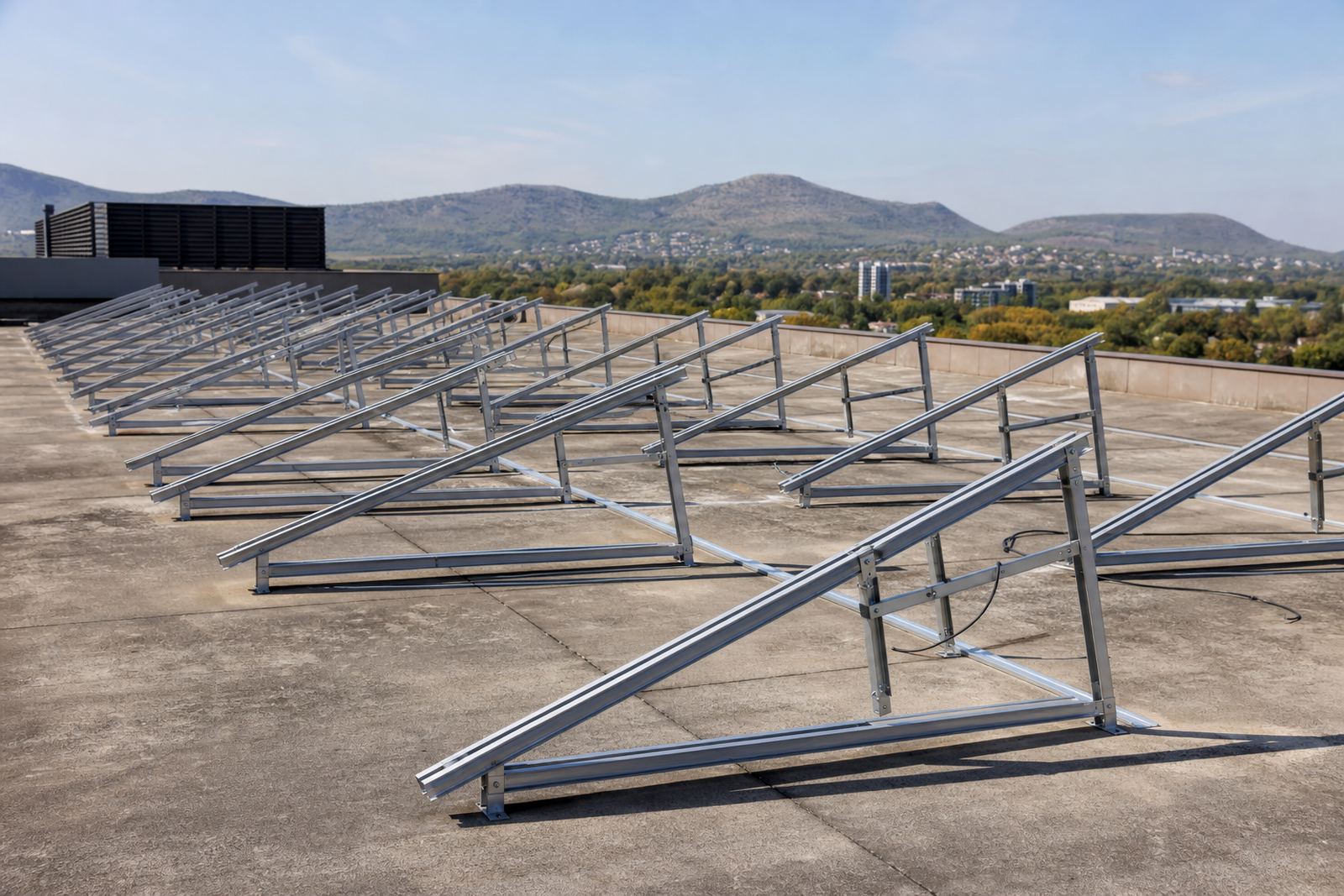
The kit itself is the frame, rails, fixings and angle supports that keep the panels stable. In many cases the array is set on steel or aluminium supports anchored into concrete footings or screwed piles, depending on soil conditions. The system can be arranged in a single row, multiple rows, or a compact block layout, as long as there is enough clear space and the panels are not shaded by walls, trees or boundary fences.
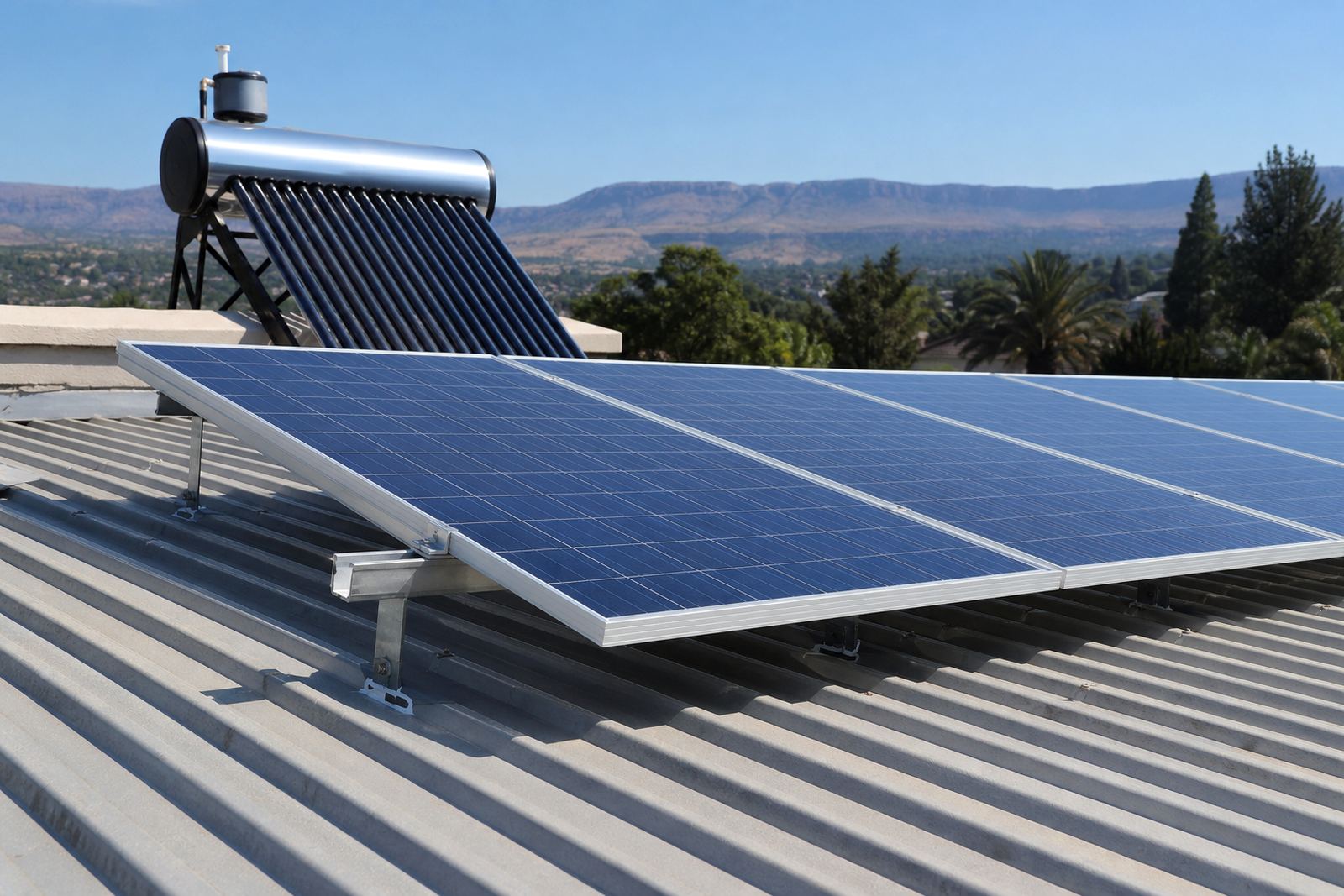
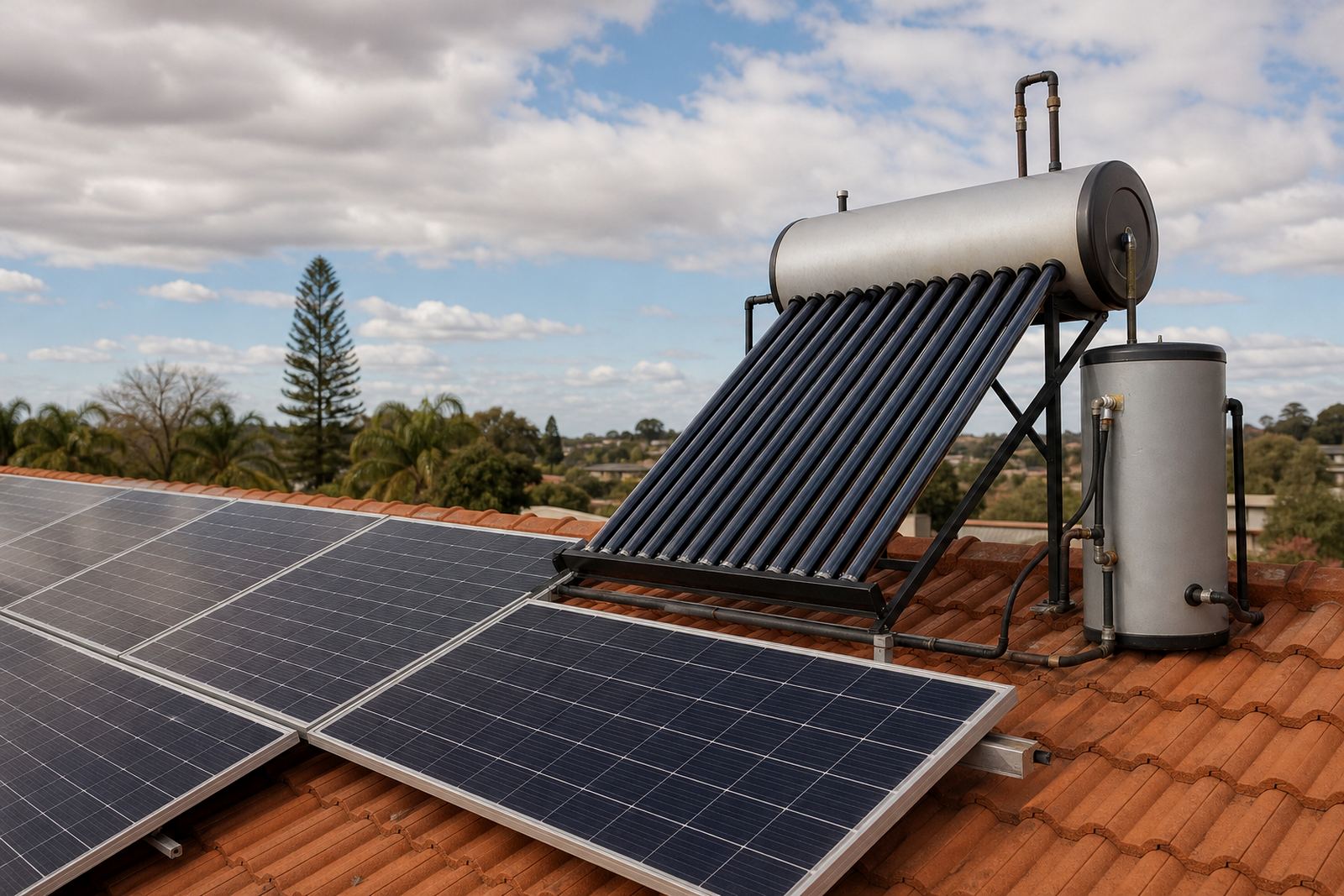
In Pretoria and the wider Gauteng area, ground mounted arrays are often chosen for homes with tiled roofs that are already crowded with geysers, skylights and antennas. They also suit small businesses that want a serviceable setup in a yard or parking area. The key is proper planning, because the angle, spacing and cable run all affect how well the system performs.
Sizes, layouts and common kit options
Ground mount kits are usually selected according to the number of panels, the available ground space and the local wind exposure. A compact kit may suit 2 to 6 panels, while larger frames can carry 8, 12, 16 or more panels in one array. We also plan for panel size, since modern panels are often longer and wider than older modules. The frame must match the panel dimensions and the orientation you want to use, whether portrait or landscape.
- Single or dual row layouts for narrow spaces
- Fixed tilt options for simple, lower maintenance installation
- Adjustable tilt options where seasonal angle changes are useful
- Steel or aluminium components depending on site conditions
- Concrete footings or ground anchors where the soil allows it
For coastal areas like Durban and Cape Town, material choice matters because humidity and salty air can shorten the life of untreated metal. Inland areas such as Johannesburg, Midrand, Pretoria and Bloemfontein often need a different approach to wind and dust. A well selected kit takes all of this into account before any trenching or mounting starts.
Where ground mounted systems work best
This type of mounting suits properties with open ground, unused yard space, flat plots, and sites where the roof is already occupied or not ideal for solar. It is also useful for business premises with a separate service area, security yard or unused verge where the array can be fenced off and kept clear. Farms, guest units, workshops and storage buildings can all benefit from a free standing array.
Ground mounted systems are often easier to keep clean than roof systems because you can reach the panels without climbing onto a roof. That makes them handy in dusty areas, near busy roads, or where bird droppings and tree litter are common. They can also be placed to avoid roof shade from chimneys, parapets and neighbouring structures.
One thing to watch is local access and municipal rules. A system close to a boundary wall, servitude or shared driveway may need careful placement so it does not interfere with drainage, access, or future building work. If the site is in a windy area the frame must be fixed properly, not just placed on loose ground and hoped for the best.
Installation, cabling and electrical requirements
We start with a site assessment to check sun path, ground condition, available space and the most practical cable route back to the inverter and battery area. Then we confirm the panel layout, footing positions and tilt angle. Ground works may include digging, setting posts, pouring concrete and running underground conduit. The array must be square, level and firmly fixed before any panels are mounted.
The electrical side is handled by qualified installers. That includes cable sizing, string design, protection devices, earthing, isolators, inverter connection and system commissioning. If batteries are included, the battery space needs ventilation, safe wall mounting or floor standing support, and enough clearance for maintenance. For grid tied or hybrid systems, the design must suit the site load and the backup expectations of the property owner.
Because load-shedding and voltage dips are a reality in many parts of South Africa, the wiring must be done cleanly and with future service in mind. A ground mount kit only performs well if the rest of the system is arranged properly too, including the inverter, battery bank and any solar water heating components that are part of the overall setup.
Care, cleaning and routine servicing
Ground mounted panels are easier to inspect than roof mounted panels, but they still need regular care. Dust, pollen, leaf build up and bird mess can reduce output, so a simple cleaning schedule helps. In dry inland areas a rinse may be needed more often. Near the coast, checking for salt deposits and corrosion is important. If the array is in a dusty industrial area it may need more frequent attention.
- Check that bolts, brackets and footings remain tight after strong wind
- Inspect for vegetation growth that could cast shade on the panels
- Look for damage on cables, conduit and junction points
- Keep the area clear of tools, boxes and stored material
- Arrange fault finding promptly if output drops without a clear reason
Our solar maintenance and support callouts cover panel cleaning, fault finding and general inspection. If you notice one section underperforming, it may be due to shading, a loose connection or a dirty panel surface. It is better to catch that early than let a small issue become a bigger one.
What to confirm before you order panels
Before ordering a ground mount kit, check the available ground size, the number and size of panels you plan to use, and whether the site has any underground services. Water lines, electrical runs and drainage paths all matter. You should also know if the surface is soil, sand, clay or compacted gravel, since that affects the footing design. On uneven ground the frame may need more preparation, and that affects the final layout.
It helps to confirm the following: panel count, panel dimensions, preferred tilt angle, distance to the inverter position, whether batteries will be nearby, and whether the site is for a home or a business. If the installation is in a place with strong wind or limited access, mention that upfront. It saves time and avoids surprises on site.
For properties in Pretoria, Centurion, Johannesburg, Midrand, Durban, Cape Town and Bloemfontein, we can advise on a suitable arrangement from the start. Our team includes Vuyo Phasha and experienced staff across operations, project coordination, technical support and solar water heating, so the system is planned with the whole site in mind, not just the frame on its own.
Key facts
| Product type | Ground mounted support kit for solar panels |
|---|---|
| Typical sizes | 2 to 16+ panels depending on layout and site space |
| Mounting materials | Steel or aluminium components with corrosion resistant fixings |
| Installation base | Concrete footings, ground anchors or site specific supports |
| Suitability | Homes, small businesses, workshops, smallholdings and open yards |
| Service area | Pretoria, Gauteng and across South Africa including Johannesburg, Durban, Cape Town and Bloemfontein |