What Poly Solar Panels Are Used For
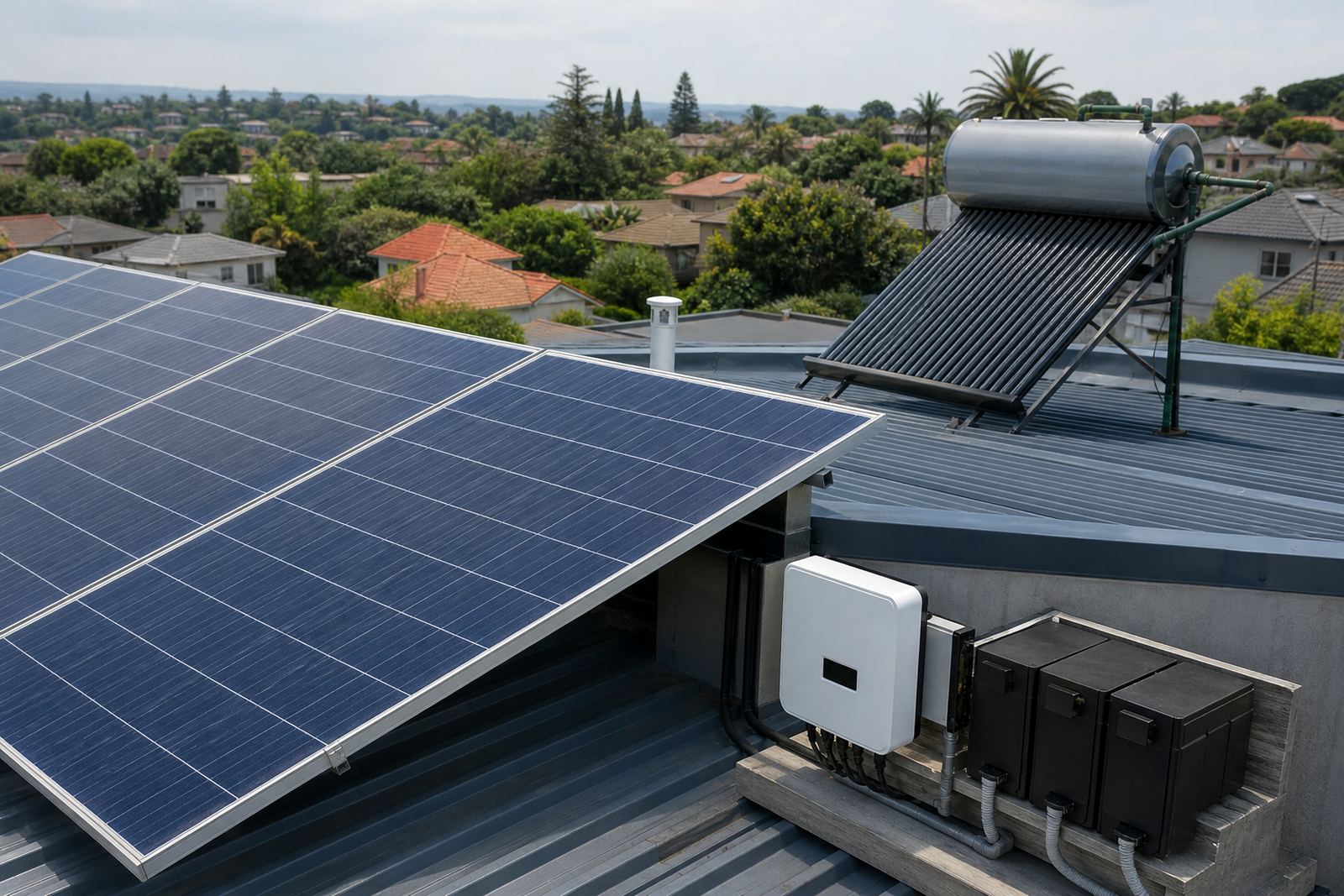
Poly solar panels are photovoltaic modules made to convert sunlight into direct current electricity for use in a solar power system. They are commonly chosen where the available roof area is not a major concern and the owner wants a solid, practical option for daily energy use. In Pretoria, Johannesburg, Durban, Cape Town and Bloemfontein, they are often fitted on tiled roofs, sheeted roofs and flat roofs with the correct mounting structure.
These panels are suited to homes and small businesses that want to cover lights, plug points, gate motors, small appliances and other day to day loads. They can form part of a grid tied system, a backup system or a hybrid setup with batteries and an inverter. The right design depends on roof space, load profile and whether the property needs backup during load-shedding or only daytime generation. A proper site assessment helps avoid under sized cabling, poor shading choices and awkward panel layouts.
Common Sizes, Layouts and Electrical Specs
Poly panels are supplied in a range of wattages and physical sizes so the system can be matched to the roof and the electrical demand. Smaller arrays may suit compact homes, while larger roof areas can take a bank of panels arranged in neat rows. The final output depends on panel rating, available sunlight, orientation and the inverter setup.
- Typical panel rating options: 330 W to 550 W per panel
- Common module size: about 1.7 m to 2.3 m long, depending on wattage
- Typical system voltage: 24 V, 48 V or higher string configurations for inverter matching
- Front surface: tempered glass with aluminium frame
- Cell type: polycrystalline silicon photovoltaic cells
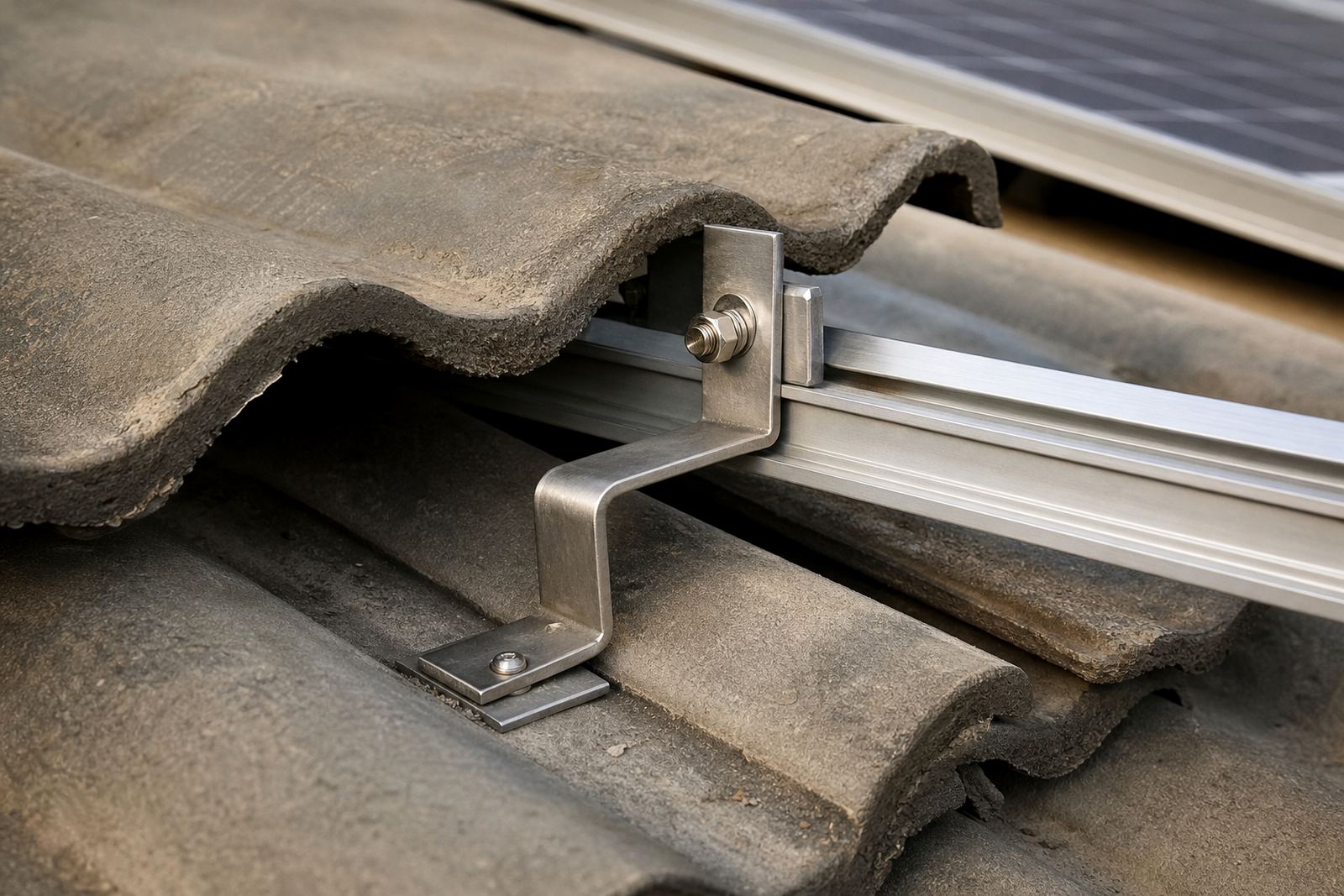
- Mounting: roof mounted rails, clamps and weather suited fasteners
For many properties, the practical question is not only how many panels fit, but whether the inverter and battery bank can accept the expected input. A correctly planned system keeps the voltage within the equipment limits and reduces nuisance trips. It also allows for future expansion if the owner wants to add more panels later on.
Where Poly Panels Work Best
Poly solar panels suit properties with larger roof areas, uncomplicated shading and a clear energy goal. They are a good fit for many suburban homes, office parks, workshops, clinics, guest houses and small retail spaces that want daytime support for essential loads. In coastal towns such as Durban and Cape Town, the mounting and cable choices should suit humidity and salt air. In Gauteng and inland areas, dust and heat are usually the bigger concerns.
They are useful where the owner wants a balanced system without needing a very high efficiency panel on every square metre. If the roof has enough space, poly panels can provide practical output without forcing a complex layout. They also work well on properties that already have a planned inverter and battery setup, since the panel field can be sized to support charging and daily use. This is often the best option when the goal is steady performance rather than squeezing every last watt from limited roof space.
- Good for homes with broad roof sections and minimal shade
- Useful for small businesses with daytime consumption
- Suitable for backup systems and hybrid systems
- Practical where roof space is more available than budget for premium panel types
Installation, Electrical Integration and Site Work
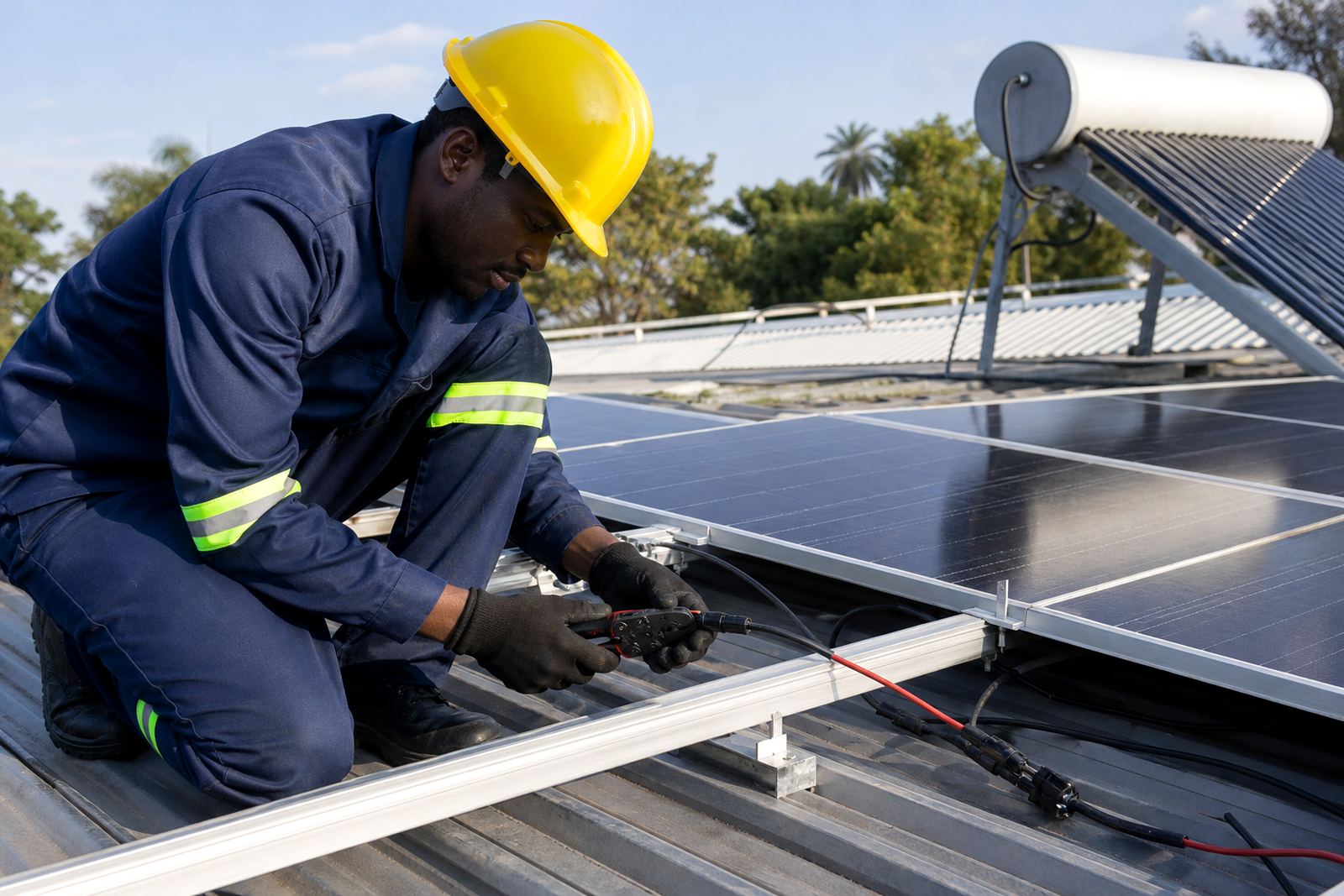
Installation starts with a site assessment, roof check and load review. Our team then plans the panel position, cable route, inverter location and battery space if batteries are part of the system. Panel installation is handled by qualified installers, and all electrical work is done by qualified installers as well, so the system is connected safely and in line with the property requirements. The commissioning step checks that the array is producing as expected and that protections are working properly.
For most properties, the installation path includes mounting the rails, fixing the panels, running DC cables, connecting to the inverter and integrating the AC side into the distribution board. If the property has a geyser, pump or other heavy load, the design may need a dedicated circuit or load management. Municipal and estate rules may also affect roof penetration, visible hardware and where the inverter can be placed, especially in shared buildings or managed complexes.
- Site assessments for roof, shade and cable routes
- Panel installation with weather suited fixings
- Inverter installation and electrical integration
- Battery installation where backup is required
- System commissioning and handover checks
Care, Cleaning and Ongoing Servicing
Poly panels do not need much day to day attention, but they perform better when kept clean and checked from time to time. In dusty areas around Pretoria and Midrand, a light build-up can reduce output, while on coastal roofs salt residue can leave a film on the glass. Routine panel cleaning is usually enough to keep the array in good condition, along with an inspection of mounts, cable clips and connections. If a roof has bird droppings or tree shade, those issues should be dealt with early.
Regular solar maintenance can also help spot loose isolators, damaged cabling or inverter warnings before they become a bigger fault. If the system output drops, fault finding should start with the panels, then the inverter, then the battery side if there is one. Support callouts are useful after storms, roof work or electrical changes in the building. A well looked after system lasts better and keeps the roof space doing useful work. It is simple work, but it matters alot over time.
What to Check Before You Order
Before ordering poly solar panels, it helps to confirm a few practical details so the system is sized properly from the start. The roof size, roof type, shadow pattern and daily energy use should all be checked. You should also confirm whether the property needs only panel supply, or a full package with inverter installation, battery installation and electrical integration. For homes and small businesses, the right answer often depends on how much of the daytime load must be covered and whether backup is needed during outages.
- How much roof space is available and in which direction it faces
- Whether there is shade from trees, walls or nearby buildings
- What the main loads are, such as lights, fridges, office equipment or pumps
- Whether the system needs battery backup or only daytime generation
- Whether the distribution board has space for the new circuit protection
- Whether the site has any municipal, estate or landlord restrictions
For clients in Pretoria, Centurion, Johannesburg, Durban, Cape Town and Bloemfontein, a careful order check keeps the project simple and avoids changes after delivery. It also gives room for future expansion if the property later needs more panels or extra storage.
Key facts
| Product type | Polycrystalline solar photovoltaic panels |
|---|---|
| Typical wattage range | 330 W to 550 W per panel |
| Cell material | Polycrystalline silicon |
| Frame and cover | Aluminium frame with tempered glass front |
| Typical use | Homes and small businesses with larger roof areas |
| Installation support | Site assessment, panel installation, inverter installation, battery installation and electrical integration by qualified installers |