What a roof solar kit includes
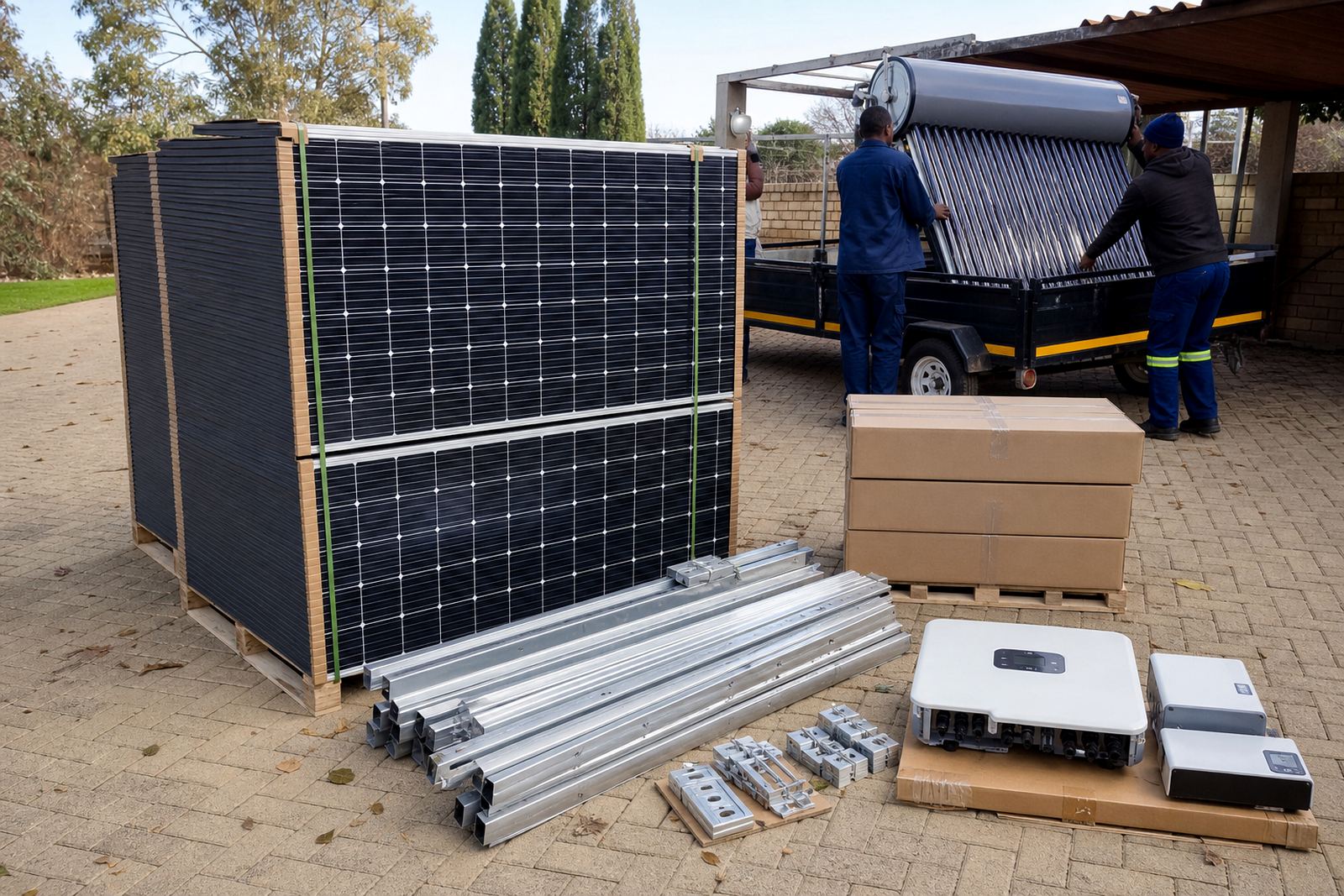
A roof solar kit is a grouped set of parts sized to work together on a pitched roof or a suitable flat roof with mounting. A typical package includes solar panels, a grid-tie or hybrid inverter, batteries where backup power is needed, roof mounting gear, cabling, protection devices and the labour for installation and commissioning. Some homes only need energy for lights, TV, fridge and Wi-Fi, while others want a larger setup for geyser support, pumps or small office loads. The right kit depends on roof space, shaded areas, daily consumption and whether the building has single phase or three phase supply.
We also supply solar water heating options for homes that want to reduce geyser use during the day. In Pretoria and the wider Gauteng area, this is useful for households dealing with higher summer demand and load-shedding interruptions. On coastal properties in Durban or Cape Town, the equipment selection also needs to take humidity and corrosion into account so the mounting and plumbing stay in good condition.
Common kit sizes and power ranges
Roof solar kits are usually chosen by panel count and the inverter and battery size that supports the load. Smaller homes often start with 4 to 6 panels, a compact inverter and a modest battery bank for essential backup. Medium homes may use 8 to 12 panels with a larger inverter and one or two batteries for longer evening support. Larger home and small business packages can include more panels, higher output inverters and expanded battery storage.
As a rough guide, a smaller package may suit a two bedroom home with basic daytime use, while a mid-range kit may be better for a family home with appliances, gate motors and a geyser controller. For a small business, the mix depends on office equipment, refrigeration, internet equipment and working hours. We can assess the roof and the load profile before recommending a package, because a system that is too small will leave you short and an oversized one can cost more than needed.
- 4 to 6 panel kits for essential loads and short backup periods
- 8 to 12 panel kits for family homes with broader daily use
- 12 panels and up for larger homes or small business support
- Battery capacity matched to night use, not just daytime production
Where roof solar kits suit best
These kits suit homeowners who want a neat roof-mounted system without a full property redesign. They work well on tiled roofs, metal roofs and some flat roof setups with the right mounting structure. If the roof gets strong sun for most of the day, the panels can perform well. If there is tree shade, neighbouring buildings or chimney shadows, that must be checked before installation so the array layout can be planned properly.
Roof solar kits also suit businesses that need to keep basic operations going during outages, especially small offices, workshops, medical rooms and retail spaces that cannot afford repeated interruptions. In municipal areas around Pretoria, Johannesburg and Midrand, installation planning may also need to consider roof access, cable routes and by-law compliance. For homes in Bloemfontein or colder inland areas, winter sun angle and early morning frost can affect panel placement and water-heating performance, so it pays to size the package carefully.
Installation, electrical integration and power planning
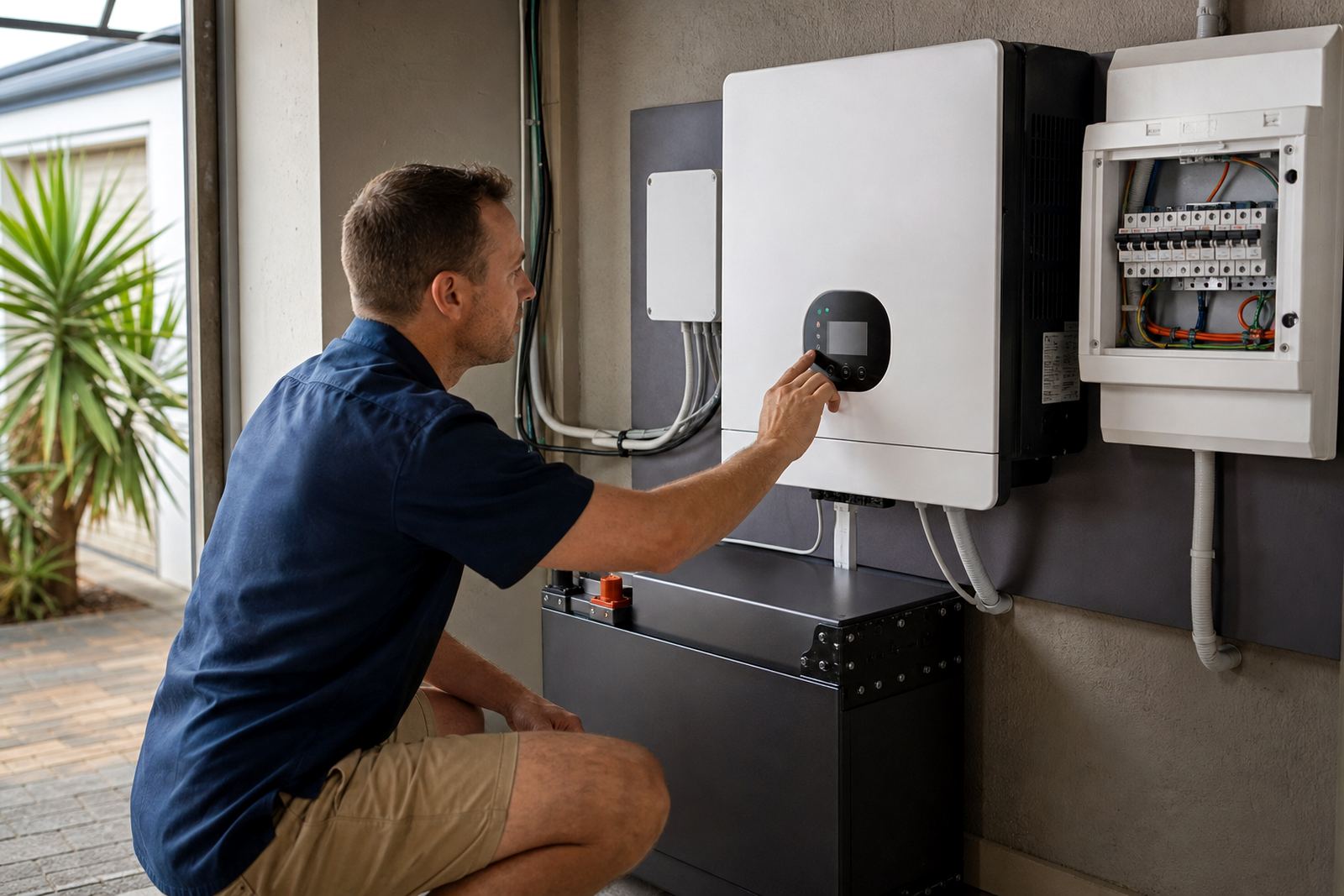
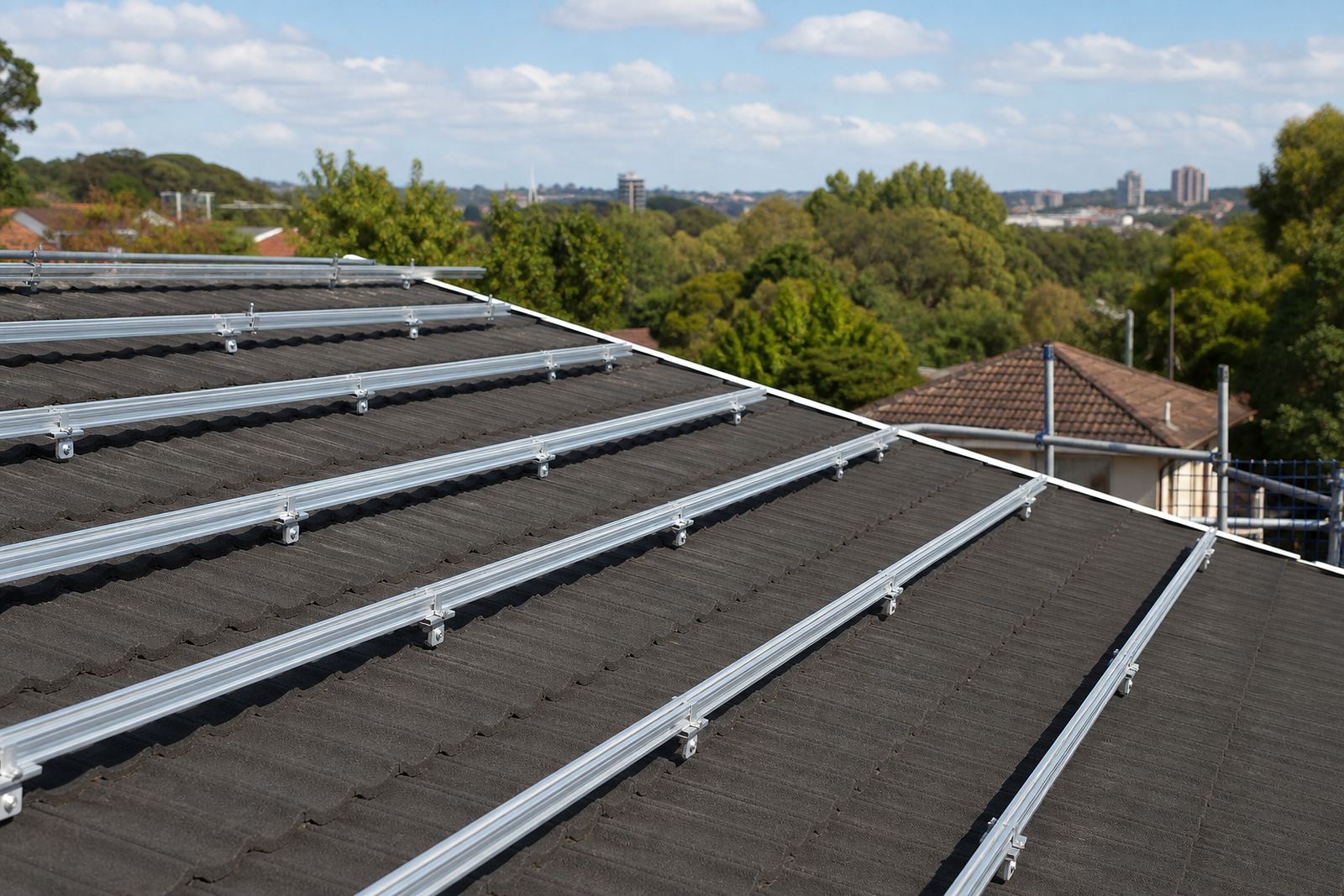
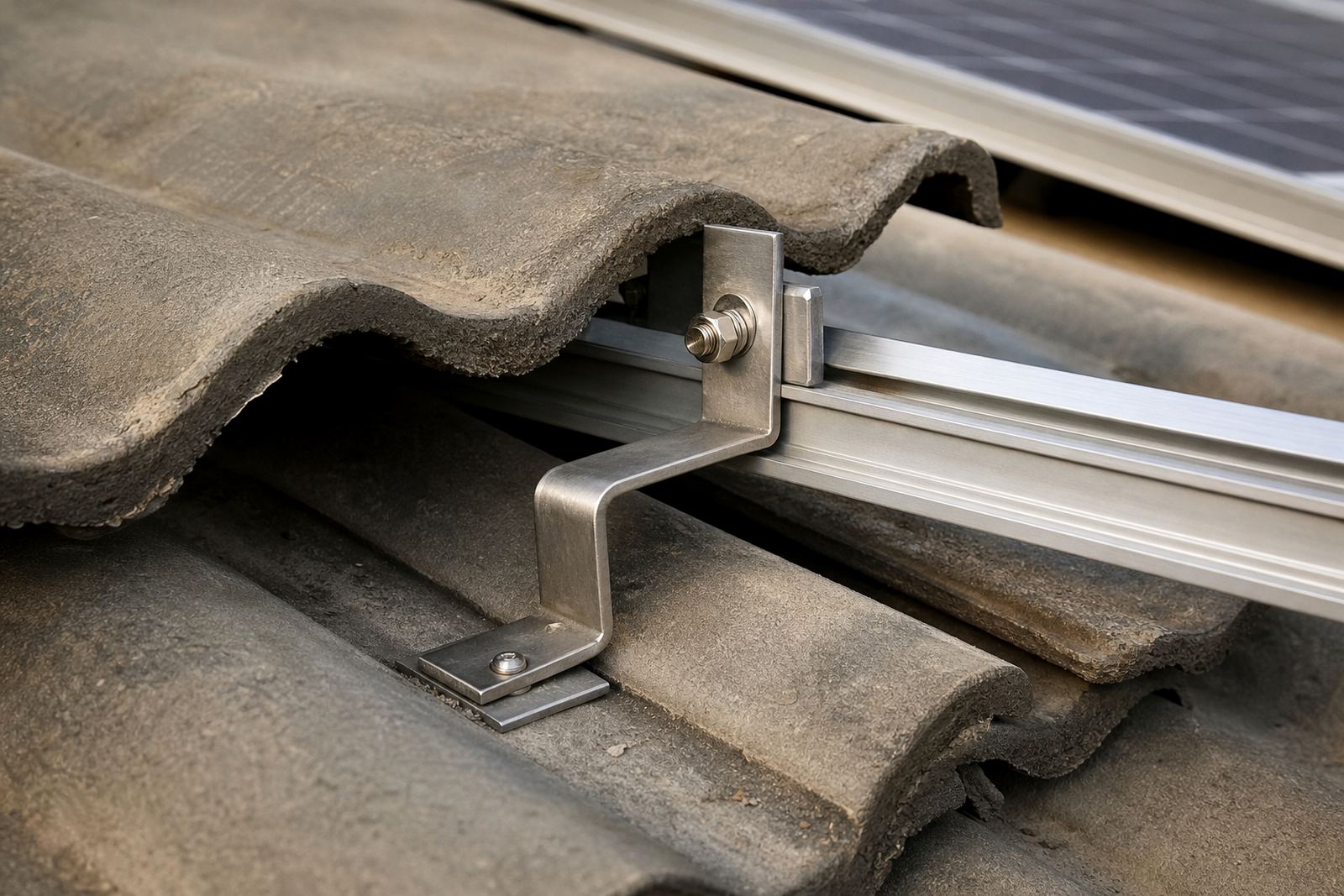
Installation begins with a site assessment, roof check and load review. Our team looks at roof pitch, available space, condition of the roof sheets or tiles, earth points and the position of the distribution board. Panels are fixed to mounting rails, then connected to the inverter and protection devices. Batteries are installed in a suitable inside or covered area with enough ventilation and safe access. Electrical work is done by qualified installers so the system is connected correctly and safely.
For homes with a geyser or pool pump, the wiring plan may need adjustment so the solar supply and mains supply work together without overloading the system. If you are adding a solar water heater, we check the hot water route, roof tank arrangement and pressure control. In some cases a home will need a smaller electrical upgrade before the new equipment can be brought online. That may include improved protection, cable runs or a clearer breaker layout. It is better to sort that out before the panels go up, rather than after.
- Roof inspection and mounting layout
- Inverter and battery position planning
- Electrical integration and protection setup
- System commissioning and handover checks
How to care for the system after fitting
Solar kits need light care to keep them working well. Dust, bird droppings and pollen can reduce panel output, especially in dry inland areas or near busy roads. A panel clean every so often helps maintain performance. Batteries should be checked for proper ventilation, clean connections and correct settings on the inverter. If the system includes a solar water heater, the pipes, valves and roof components should be inspected for leaks or wear, especially after heavy wind or hail.
We offer solar maintenance, fault finding and support callouts for homes and small businesses across Gauteng and beyond. If the system is showing low output, strange readings or charging problems, it is worth checking the batteries, cabling, breakers and controller settings before a bigger fault develops. A neat system lasts longer and is easier to service. Keep the installation area clear, avoid storing heavy items near the inverter and do not cover vents or block access to the equipment. It saves trouble later on.
What to check before you order
Before ordering a roof solar kit, check your average monthly power use, roof type, shade patterns and whether you need backup at night or only during the day. Also confirm whether the property is single phase or three phase, because that affects inverter choice and wiring. If you want hot water support as well, the geyser size and the number of people in the house matter too. A family of two has very different needs from a home with teenagers, multiple air coolers and a busy laundry routine.
It helps to know where the equipment will be mounted, where the inverter will sit and whether there is a safe indoor spot for batteries. For small businesses, also list the loads that must stay on during outages, such as computers, a router, a freezer or security systems. Our team in Centurion can help with site assessments, system design, panel installation, inverter installation, battery installation, water heater installation and commissioning. Clients reach us through the enquiry form on our contact page, and we then arrange the next step from there.
- Roof condition and available mounting space
- Daily power use and essential loads
- Need for batteries, water heating or both
- Single phase or three phase supply
Key facts
| Product type | Complete roof solar kit for homes and small businesses |
|---|---|
| Typical components | Solar panels, inverter, batteries, mounting gear, cabling and protection devices |
| Installation areas | Pretoria, Centurion, Johannesburg, Midrand, Durban, Cape Town and Bloemfontein |
| Use cases | Lighting, appliances, Wi-Fi, gate motors, office loads and solar water heating support |
| Installation method | Site assessment, roof mounting, electrical integration, commissioning and handover |
| Service support | Maintenance, fault finding, panel cleaning and support callouts |