Start with what must stay on during loadshedding
Battery sizing begins with the loads you actually need during an outage. Write down the essentials first, such as lights, Wi-Fi, gate motors, TV, a fridge, point-of-sale equipment, or a few office computers. If you are only backing up a small home, the list can stay short. If you run a small shop or office, the list often grows quickly once you include a fridge, router, screens and printing.
Do not size a battery around every appliance in the building unless that is truly the goal. Heating, kettles, ovens and pool pumps usually push the system up too far. A practical backup plan is about keeping the important things running safely, not trying to live exactly as normal for hours on end.
- List only the appliances you need during an outage
- Note whether each item must run all night or only for a few hours
- Separate essential loads from comfort loads
Estimate how much power those items use
Once you know what needs to stay on, the next step is to work out the total wattage. The label on each appliance usually shows the running power in watts, or you can check the figure on the appliance manual or specification sheet. Add the items together, then consider how many hours you need them to run. A fridge may cycle on and off, while lights and routers can stay on for long periods.
This is where many people overestimate or underestimate. A room full of small devices can still draw a fair amount over time. On the other hand, a single kettle or toaster can flatten a battery plan very quickly, so it is better to leave those off backup power unless your installer has allowed for them.
- Check the wattage of each essential appliance
- Multiply by the hours of use you want during an outage
- Watch out for high draw items with heating elements
Think in kilowatt-hours, not only battery size labels
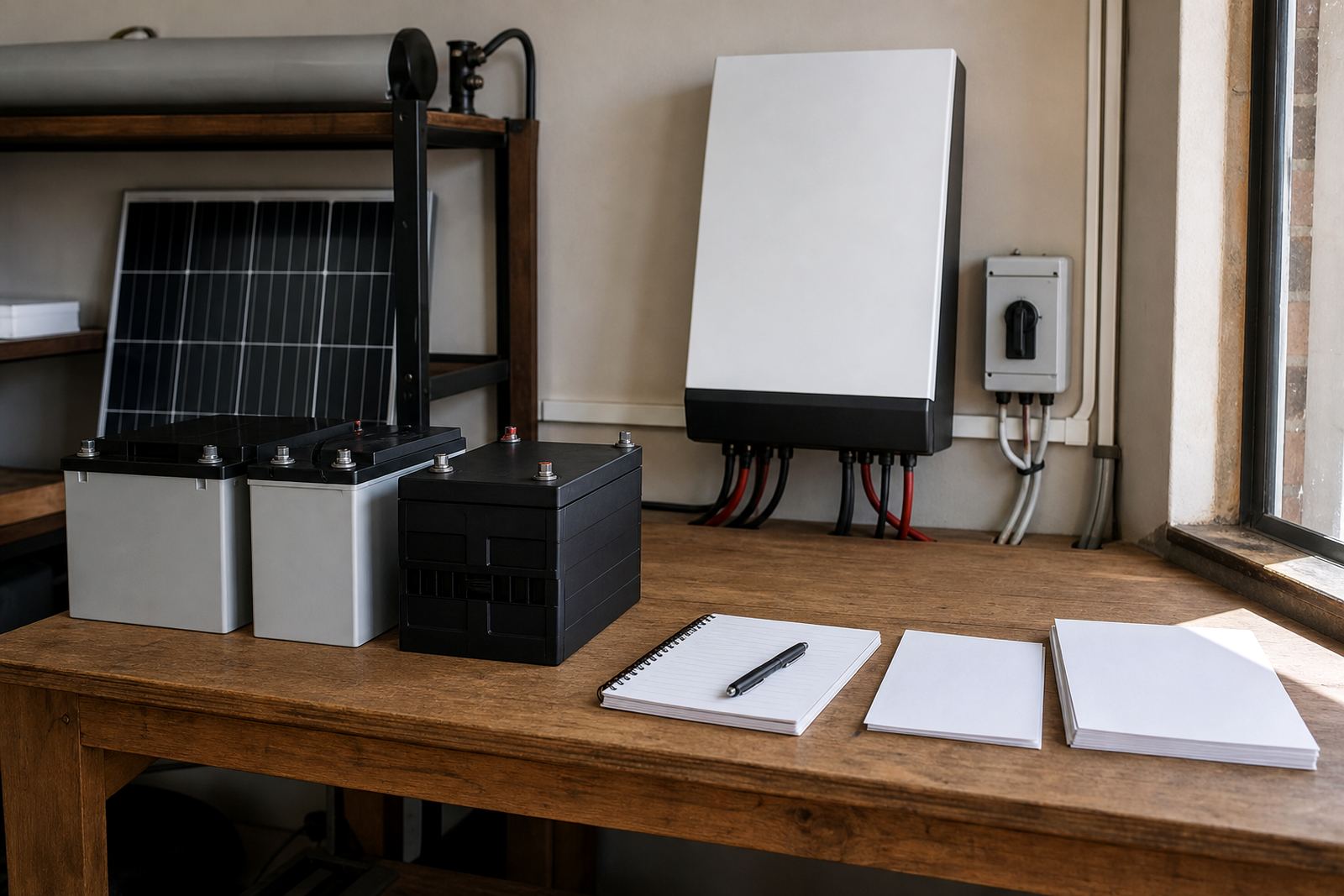
Batteries are usually discussed in kilowatt-hours, or kWh. That tells you how much energy the battery can store. Bigger numbers mean more backup time, but not all of that capacity is available in practice because systems are set up to protect battery life and keep operation safe. It is also important to match the battery with the inverter and the rest of the electrical setup.
For a simple example, a small home with lights, Wi-Fi and a TV may need far less storage than a household that also wants to run a fridge and some work equipment. In a small business, the battery may need to cover peak periods, not just a single evening. The right answer depends on the load, the hours required, and how often loadshedding hits your area.
A qualified installer should size the system with your inverter and electrical board in mind, and handle the electrical work properly. That includes protection devices, correct cabling, and safe changeover.
Match backup time to your daily routine
The best battery size depends on how long you need backup, not on a one size fits all rule. In Pretoria, Johannesburg and the surrounding areas, many households want enough storage for evening use and loadshedding. In coastal places like Durban and Cape Town, humidity and salt air also make neat installation and correct protection important. Small businesses in Bloemfontein may want enough storage to bridge lunch hours or short power cuts without interrupting operations.
Ask yourself these practical questions before choosing a battery:
- Do you need one short backup window, or several outages in a day?
- Must the battery carry you through the whole night?
- Do you want only emergency lights and internet, or a fuller backup package?
- Will the system charge properly from solar panels the next day?
There is no sense fitting a large battery if your panels are too small to refill it. Likewise, a small battery can be fine if your goal is to keep only the basics going.
Check the inverter and charging setup first
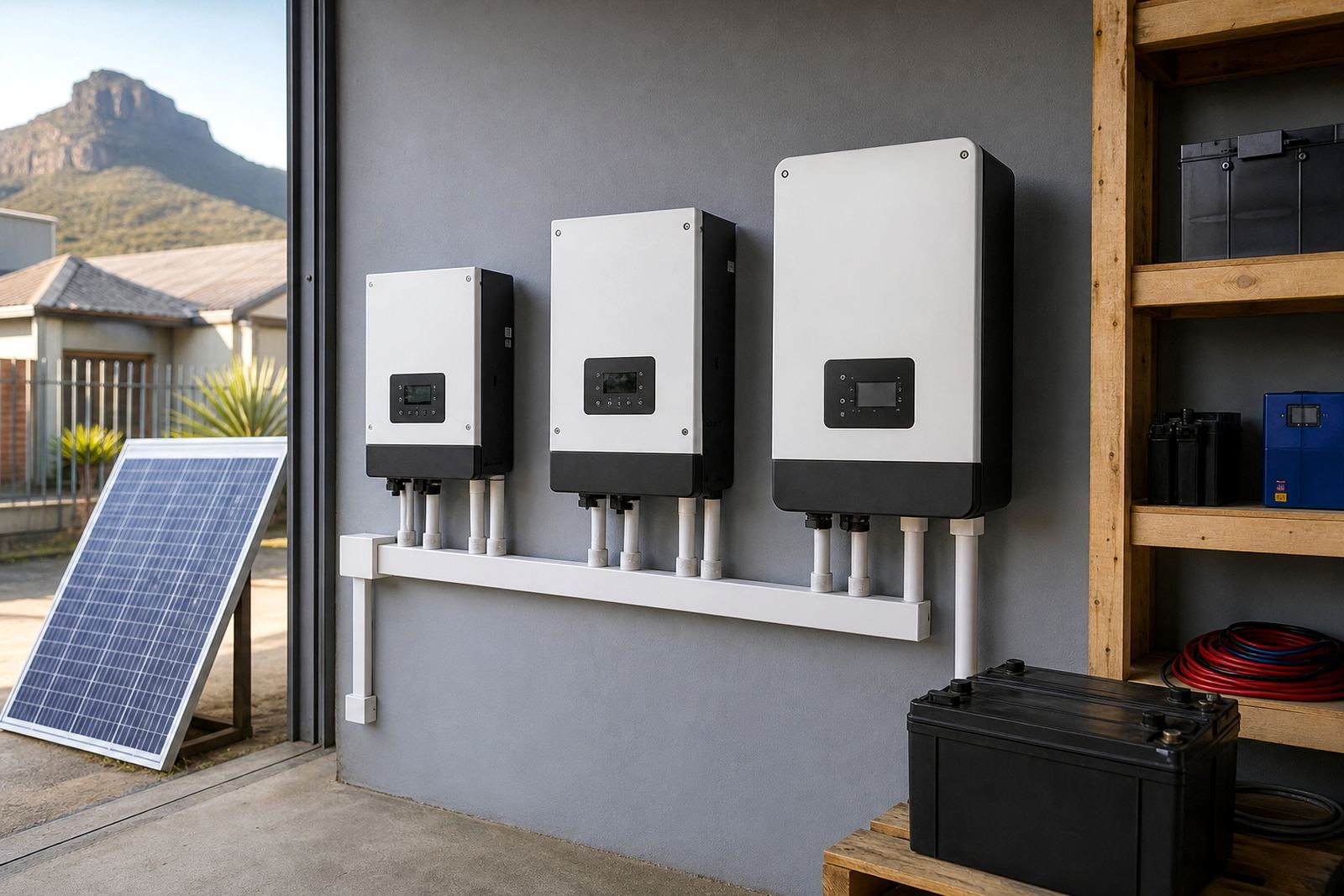
A battery never works on its own. It must suit the inverter, solar array and the way the property is wired. If the inverter is too small, or the charging settings are wrong, the battery may not perform as expected. This matters even more when the property has mixed loads like a fridge, office plugs, security equipment and lighting on the same circuit plan.
Good design also helps the battery last longer. A system that charges and discharges within sensible limits is usually easier to live with than one that is constantly pushed to the edge. During site assessments in Centurion, Midrand and other Gauteng areas, it helps to look at the electrical board, roof space, shading and the daily pattern of use before any installation begins.
- Confirm the inverter rating and battery compatibility
- Check how the battery will charge from solar during the day
- Allow for safe cabling, isolation and changeover equipment
Use a battery sizing checklist before you order for home backup
If you want a practical way to approach battery sizing, start with a short checklist and work through it step by step. That keeps the discussion clear and avoids paying for capacity you do not need. It also helps when comparing options for a home, office, salon, workshop or small retail space.
- What must stay on during loadshedding
- How many hours of backup you need
- How much power those items use
- Whether your solar panels can recharge the battery each day
- Whether the inverter and wiring are ready for the load
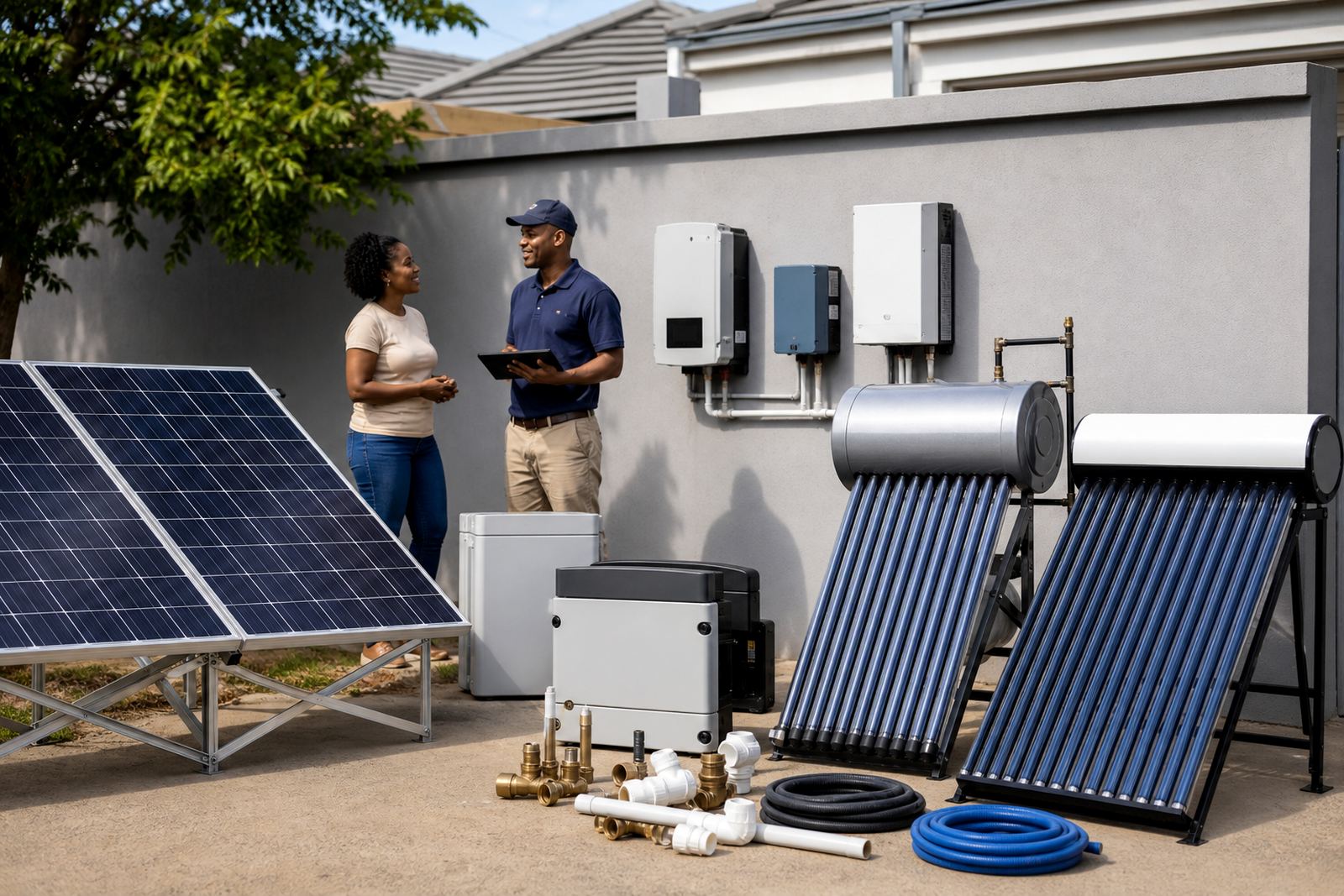
If you are unsure, a proper site assessment is the safest starting point. Linuo Solar works from Centurion, Pretoria and supports homes and small businesses across South Africa, including Johannesburg, Durban, Cape Town and Bloemfontein. Our team can help with site assessments, system design, inverter installation, battery installation, electrical integration, commissioning, maintenance and fault finding. Electrical work is carried out by qualified installers, so the final setup is practical and safe for daily use.