Start With Your Office Load Profile
The first step is to work out what the office actually uses during the day. A small business in Centurion with computers, printers, Wi-Fi, lighting and a few air conditioners has a very different load from a law office in Johannesburg or a practice in Durban that runs heavier cooling through the afternoon. It helps to list the equipment that must stay on during load-shedding and the items that can wait until the sun is out.
Look at opening hours, lunch breaks, peak call times and any after-hours work. If your team starts early, the morning load may be higher than expected. If you have server equipment, security systems or network gear, that must be included too. We often see offices underestimate small items like kettle use, copier machines and reception lighting, which can push the system size up more than people expect.
- List every essential appliance and office device
- Note which items run all day and which run in short bursts
- Check when your heaviest usage happens
- Separate critical loads from comfort loads
Match Panels, Inverters And Batteries To The Routine
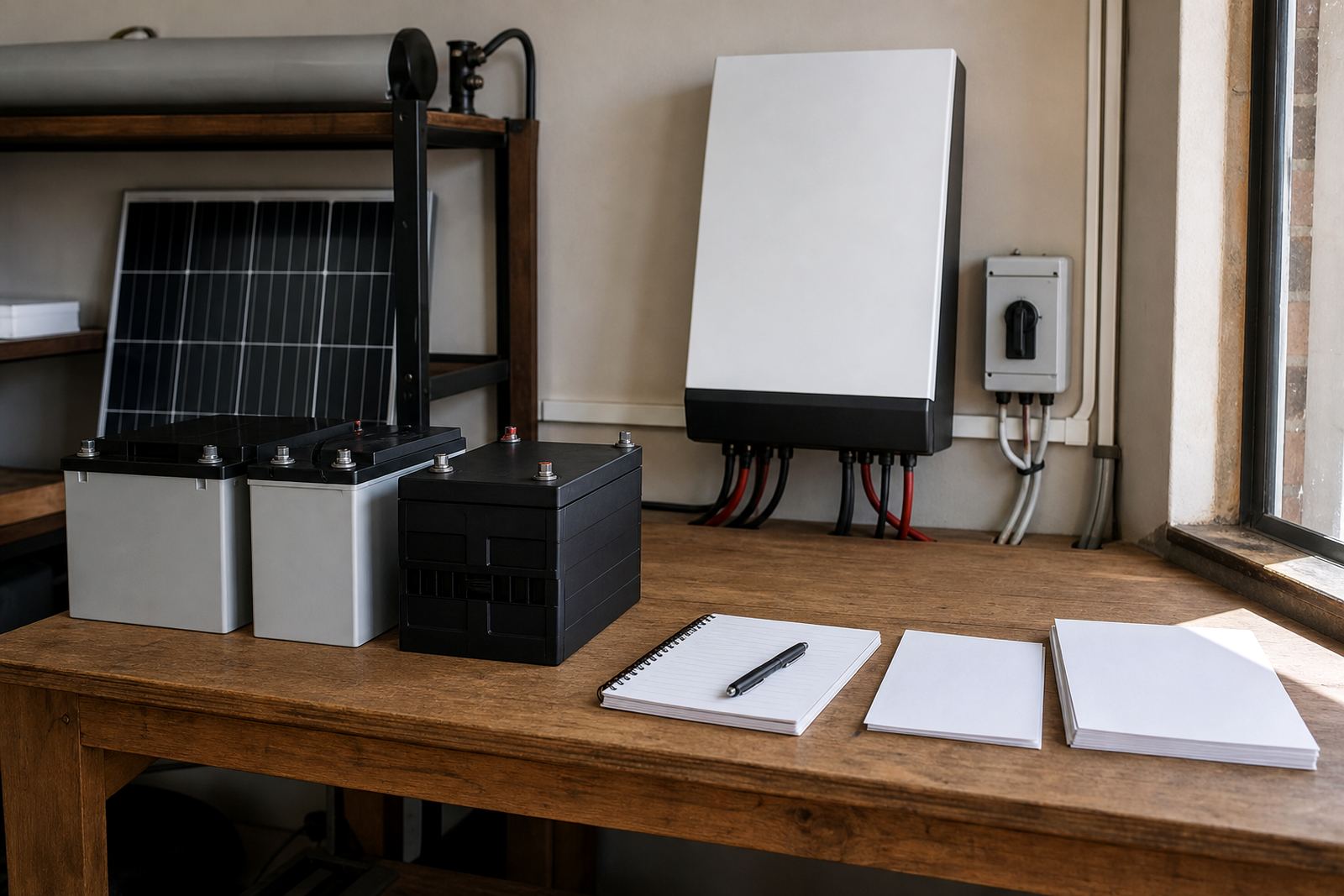
Once the load profile is clear, the next step is choosing a combination of solar panels, inverter capacity and battery storage that fits the site. Panels carry the daytime production, the inverter manages the power flow, and batteries cover the periods when the sun is weak or the grid is off. For offices, this balance matters because most work happens during the day but backup is still needed for cloudy weather and evening catch-up work.
Do not oversize the battery bank just because it sounds safer. A battery should support the essential load for the right number of hours, not simply be as large as possible. In many Pretoria offices, a sensible plan is to keep the core systems running first, then add non-essential loads later if budget and roof space allow. Qualified installers should handle the electrical work, changeover points and integration, because office circuits often have mixed old and new wiring.
- Use panels to cover daytime office demand first
- Size the inverter for start-up loads and running loads
- Set battery backup around essential equipment only
- Allow for future growth if staff numbers increase
Check Roof Space, Shade And Building Access
Available roof space is often the deciding factor for an office site. Flat roofs, corrugated roofs and parapet roofs all need different mounting layouts, and the direction of the roof can change the final arrangement. In Pretoria and Midrand, nearby buildings, water tanks and service structures can cast shade during part of the day. In Cape Town, coastal wind and salt exposure need careful planning for fixings and cable routes. Durban offices may also need extra attention to humidity and corrosion.
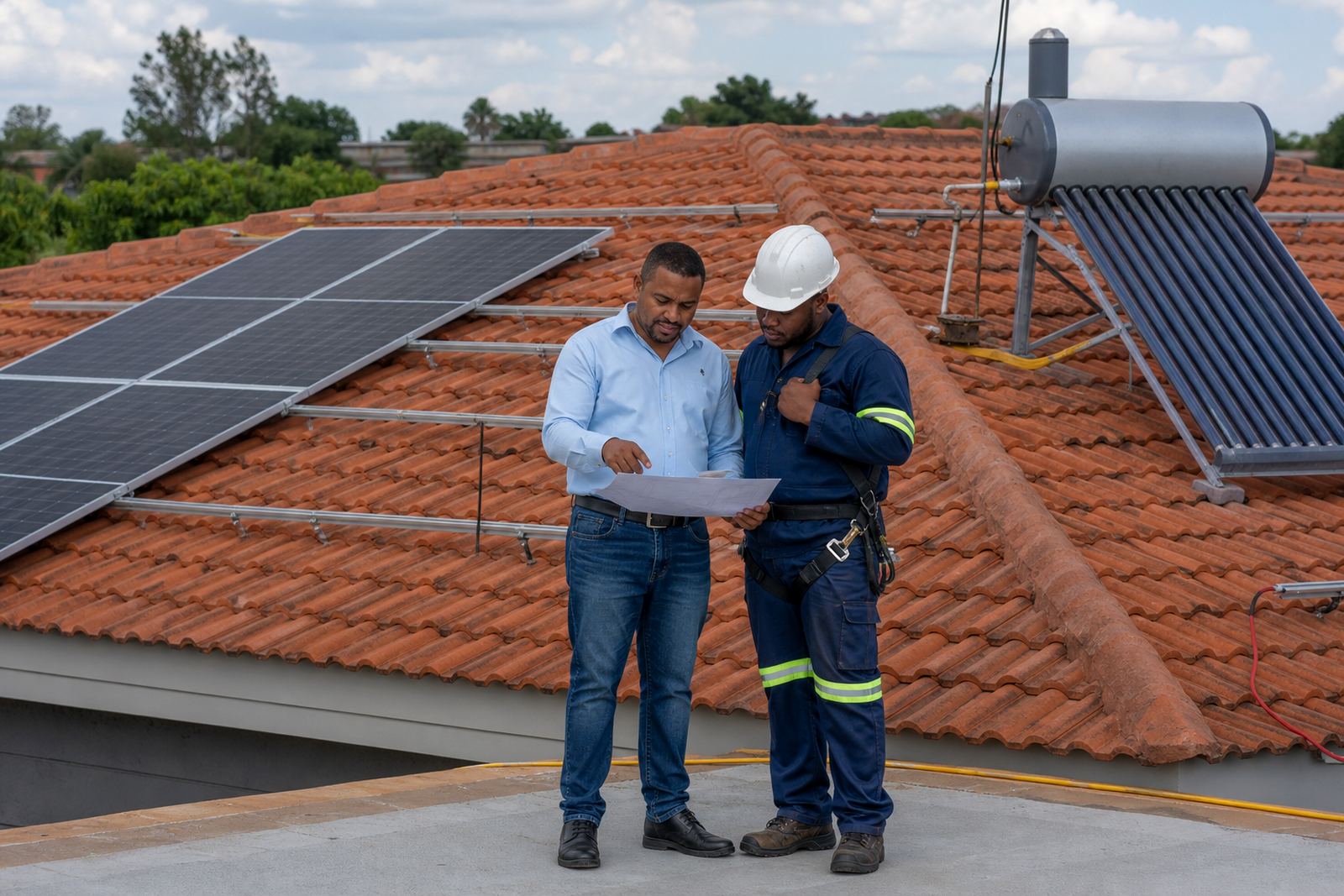
A proper site assessment should check roof condition, waterproofing, access for installers and whether the roof can take the additional weight. It is also worth checking municipal by-laws and building rules before any work begins, especially in commercial parks or shared office blocks. If access to the roof is awkward, maintenance later on becomes harder and more costly. A neat installation now saves trouble later, and it makes cleaning and inspection simpler.
- Measure usable roof area, not just total roof size
- Check for shade from trees, parapets and nearby buildings
- Confirm safe access for installation and maintenance
- Review roof condition before mounting any equipment
Keep Staff Comfort And Productivity In Mind
Office solar is not only about lights and computers. Staff comfort affects productivity, especially in Gauteng summers and in hotter inland towns like Bloemfontein. Air conditioners, fans and ventilation systems can take a lot of power, so it is wise to decide which spaces must stay comfortable all day. Reception areas, meeting rooms and server rooms usually need priority, while storage areas can often be excluded from the backup list.
Simple routine changes can help the system perform better. Switch off unused printers, set cooling levels sensibly and spread high-load tasks through the day where possible. A business with flexible routines can reduce strain on the system without disrupting work. It is also smart to brief staff on what stays on during outages and what should be left off. Clear rules avoid confusion when the power goes out and keep the battery from draining too fast.
Add Solar Water Heating Where Hot Water Is Needed
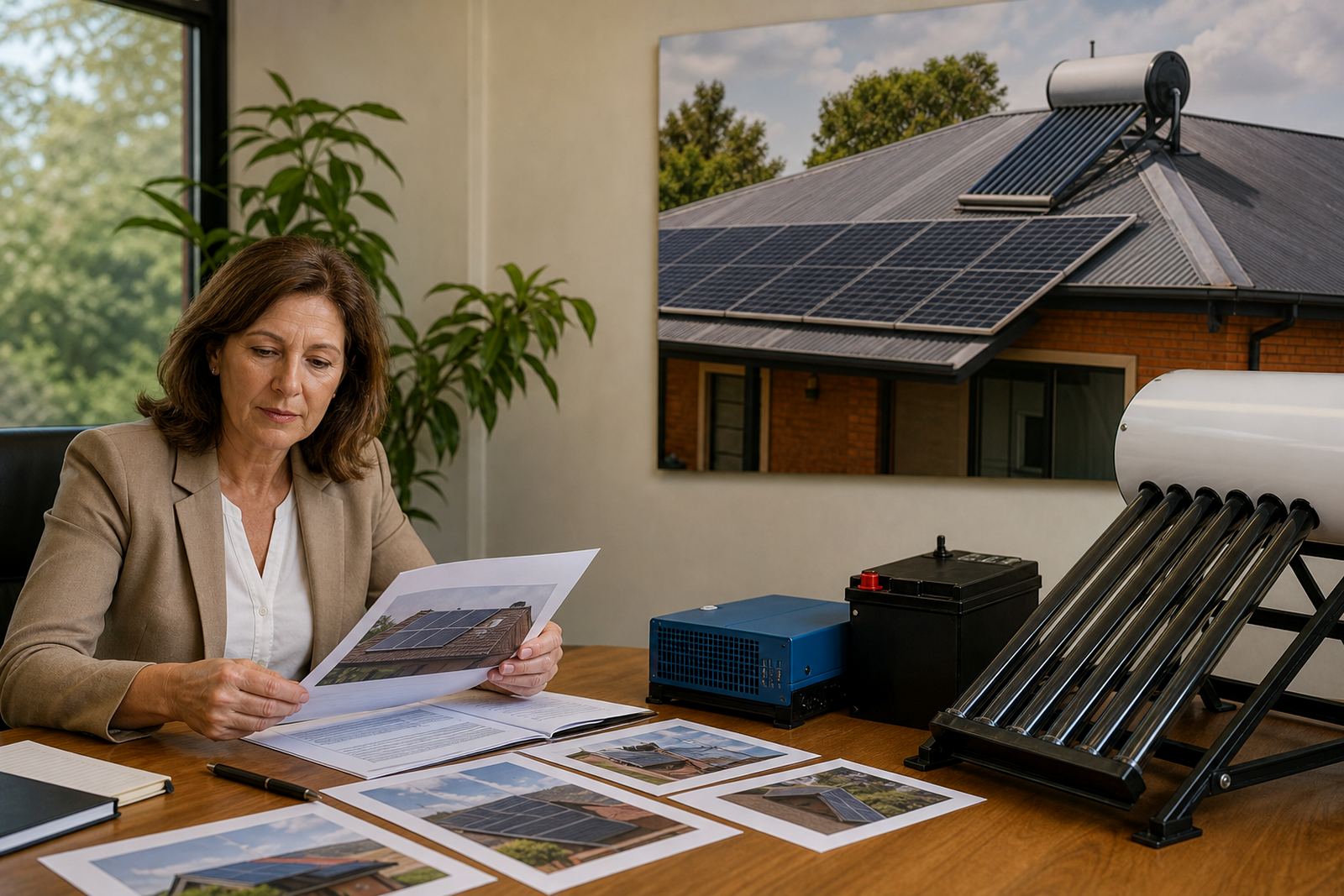
Many offices forget about water heating until they review the whole building. Solar water heaters can work well for staff kitchens, washrooms, small clinics and guest facilities. They are especially useful where hot water is needed every day but the usage is steady rather than heavy. For small businesses, this can reduce pressure on the electrical system and help with planning around load-shedding.
The right setup depends on tank size, roof orientation and how many people use hot water during the day. A good system should be installed by qualified installers who understand plumbing, electrical integration and roof fixing methods. In coastal areas, material choice matters because of humidity and corrosion. In Gauteng, dust and seasonal storms should also be considered when planning maintenance. If the office has limited roof area, it may be better to prioritise panels for power first and add water heating where space allows.
Plan Maintenance Before The First Switch-On
Solar systems work best when maintenance is part of the plan from the start. Offices that run through the week often notice dirt build-up, loose connections or tripped circuits only when something stops working. That is why fault finding, support callouts and scheduled checks should be built into the annual plan. A clean array and a tidy inverter room make it easier to spot issues early.
For office sites, maintenance should include panel cleaning, cable inspection, inverter checks, battery review and confirmation that the emergency circuits still do what they should. It also helps to keep a simple checklist near the switchboard so the facilities person knows what to look for after a storm or power cut. If the building has multiple users, remember to note who is allowed to reset equipment and who must call for help. That small bit of structure avoids delays and missed downtime.
- Schedule regular panel cleaning
- Inspect cables, brackets and switchgear
- Test backup circuits after load-shedding events
- Keep a clear record of faults and callouts
Use A Practical Rollout Plan For Your Office
A sensible rollout starts with assessment, then design, then installation and commissioning. For offices in Pretoria, Johannesburg, Durban, Cape Town and Bloemfontein, the aim is to keep the process straightforward and suited to the building, not forced into a one-size-fits-all setup. Our team in Centurion works with homes and small businesses across South Africa, and the same careful approach applies to office sites with tighter roof access, mixed loads or limited backup time.
Before you submit an enquiry, gather the latest electricity account, a rough list of appliances, roof photos if possible and notes on your working hours. That gives the design team a useful starting point and helps them advise on the best order for panel installation, inverter installation, battery installation and any water heater installation. Vuyo Phasha leads the business, with support from Naledi Kgosi, Sarel Delport, Palesa Mabena, Mothusi Mphahlele, Faatimah Latief and Unathi Tau. It makes the first site visit more productive, and the project can move ahead with fewer surprises.