Start With the Guesthouse Load Profile
Before choosing equipment, work out what the guesthouse must keep running during outages and what can wait. In Pretoria and across Gauteng, many properties carry the same basic load: lights, routers, security gates, fridge and freezer units, reception equipment, a few room sockets, and water heating. A small establishment with 6 to 12 rooms will often need a different setup from a larger lodge with laundry and kitchen activity.
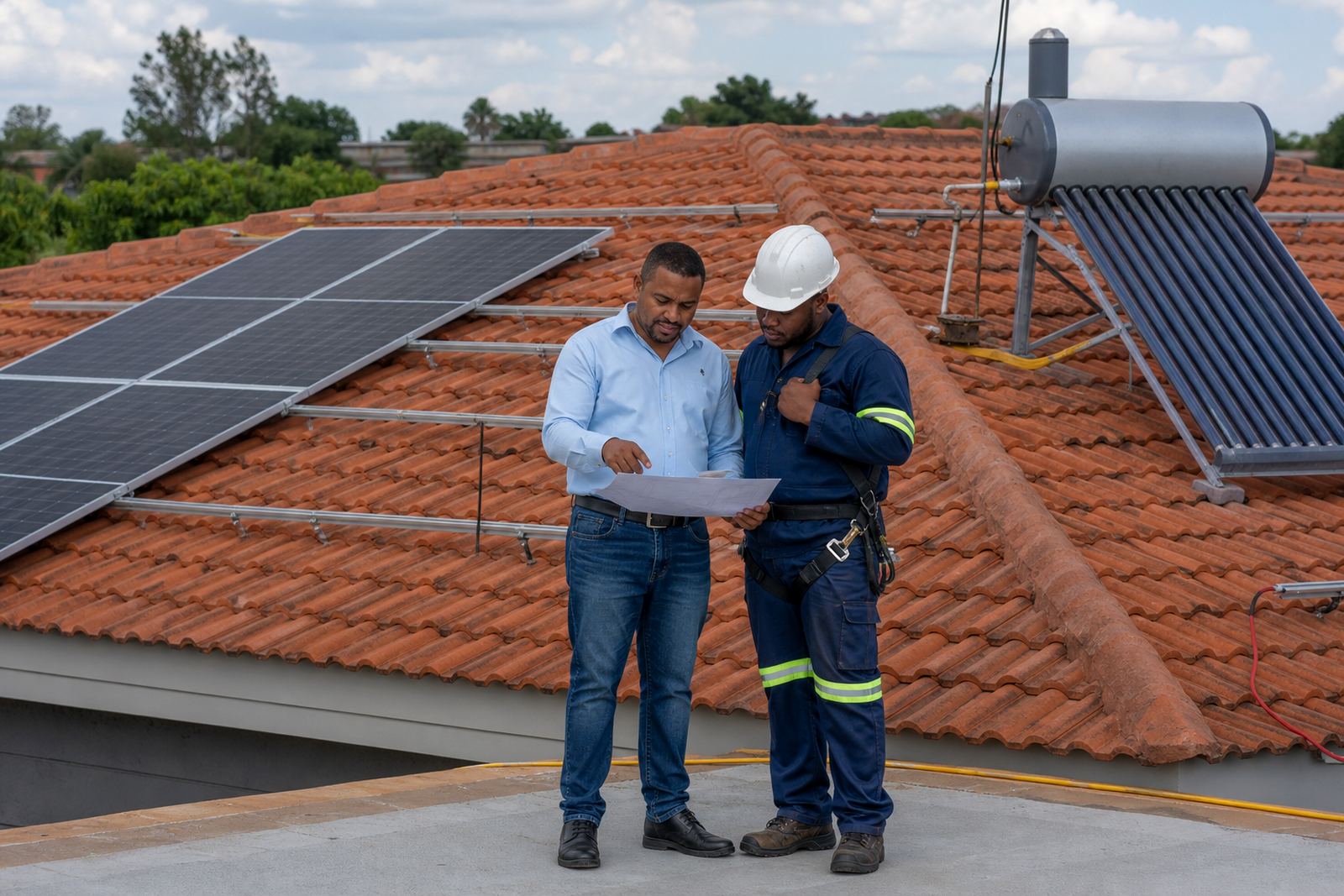
Walk through the property at breakfast time and again in the evening. Note when geysers, kettles, aircon units and laundry machines are used. This tells you whether you need more solar panels, a larger battery bank, or a solar water heater to take pressure off the electrical system. It also helps if your installer plans for municipal rules and the actual roof layout, not just the ideal layout on paper.
- List the appliances that must stay on during load shedding
- Check roof space, shading and roof orientation
- Record peak hot water times for showers and cleaning
- Note any three-phase or single-phase electrical supply details
When Solar Panels Make the Biggest Difference
Solar panels are useful when your guesthouse uses power through the day, not only at night. They can support daytime laundry, office work, kitchen prep and battery charging, while reducing pressure on the grid. In areas like Centurion, Johannesburg and Bloemfontein, they are often a sensible first step because they help the property keep running during daytime outages and stages of load shedding.
For guesthouses, panel placement matters. South-facing shading from trees, parapets or neighbouring buildings can reduce output, so the site assessment should check roof angles and obstruction points carefully. Coastal homes in Durban and Cape Town also need installation methods suited to wind exposure and salty air, while inland properties must deal with heat and dust. Proper mounting and cabling help the system hold up over time.
- Use panels where they can get clear sun for most of the day
- Allow space for future expansion if room numbers increase
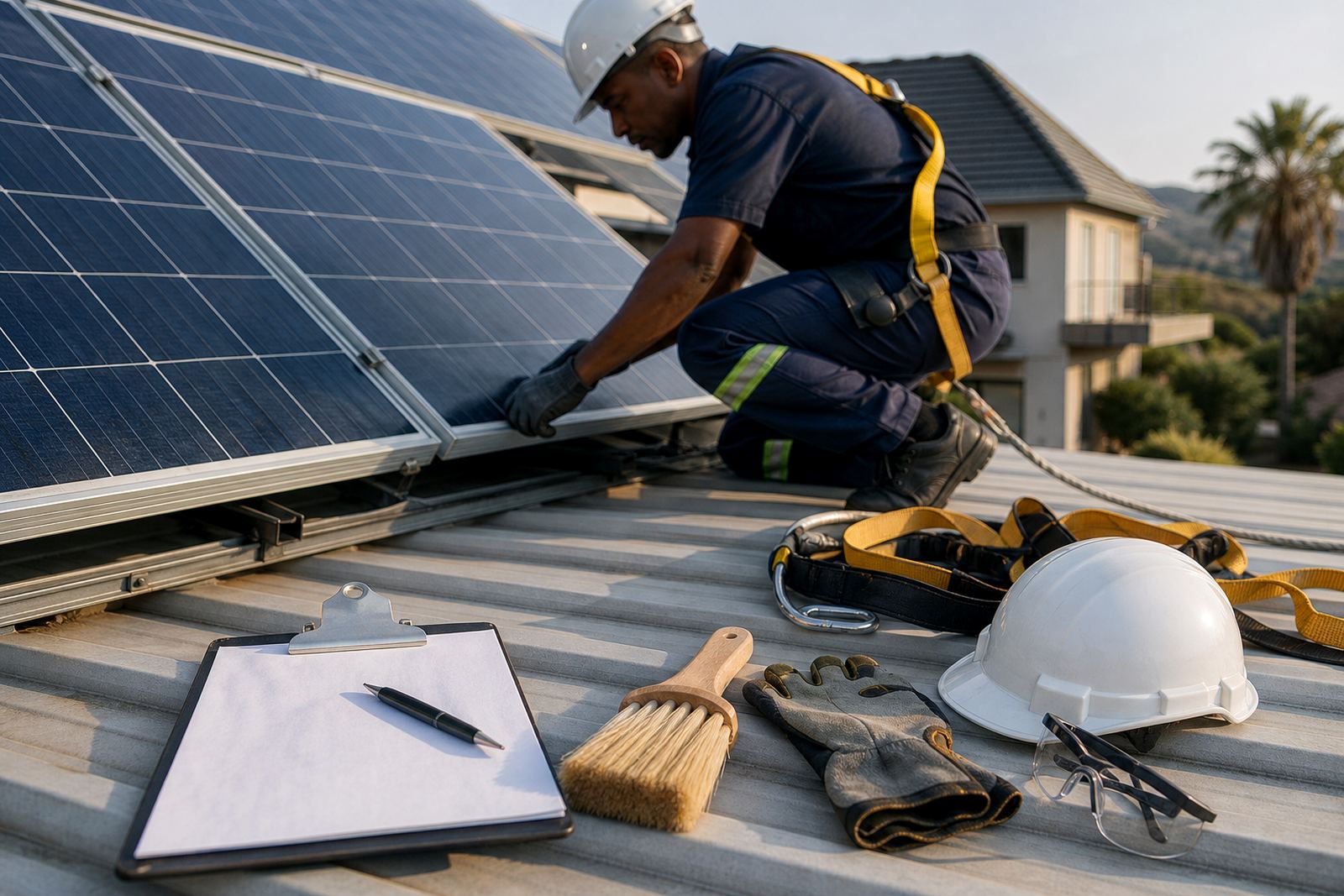
- Keep access clear for maintenance and panel cleaning
- Ask for a design that matches the guesthouse schedule, not only the roof size
Battery Backup for Night Use and Guest Comfort
Batteries are the part that keeps key services going after sunset or during an outage. For a guesthouse, that usually means lights, Wi-Fi, gate motors, selected sockets and sometimes a fridge or reception systems. If guests arrive late, a battery-backed setup can keep the property operating without noisy generators or constant staff worry. That matters when you want a calm check-in experience.
The battery size should match what you expect to run overnight. A system that is too small will frustrate staff and guests, while one that is oversized can push the budget higher than needed. The best approach is to separate essential loads from heavy loads. Aircons, ovens and pool pumps may need a different strategy from room lights and communications. A qualified installer should do the electrical work and make sure the changeover, protection and cabling are handled properly.
- Keep an essentials list for after dark
- Separate critical loads from optional loads
- Check whether the guesthouse needs quiet backup rather than generator support
- Plan for safe installation by qualified installers only
Solar Water Heaters for Showers, Laundry and Peak Demand
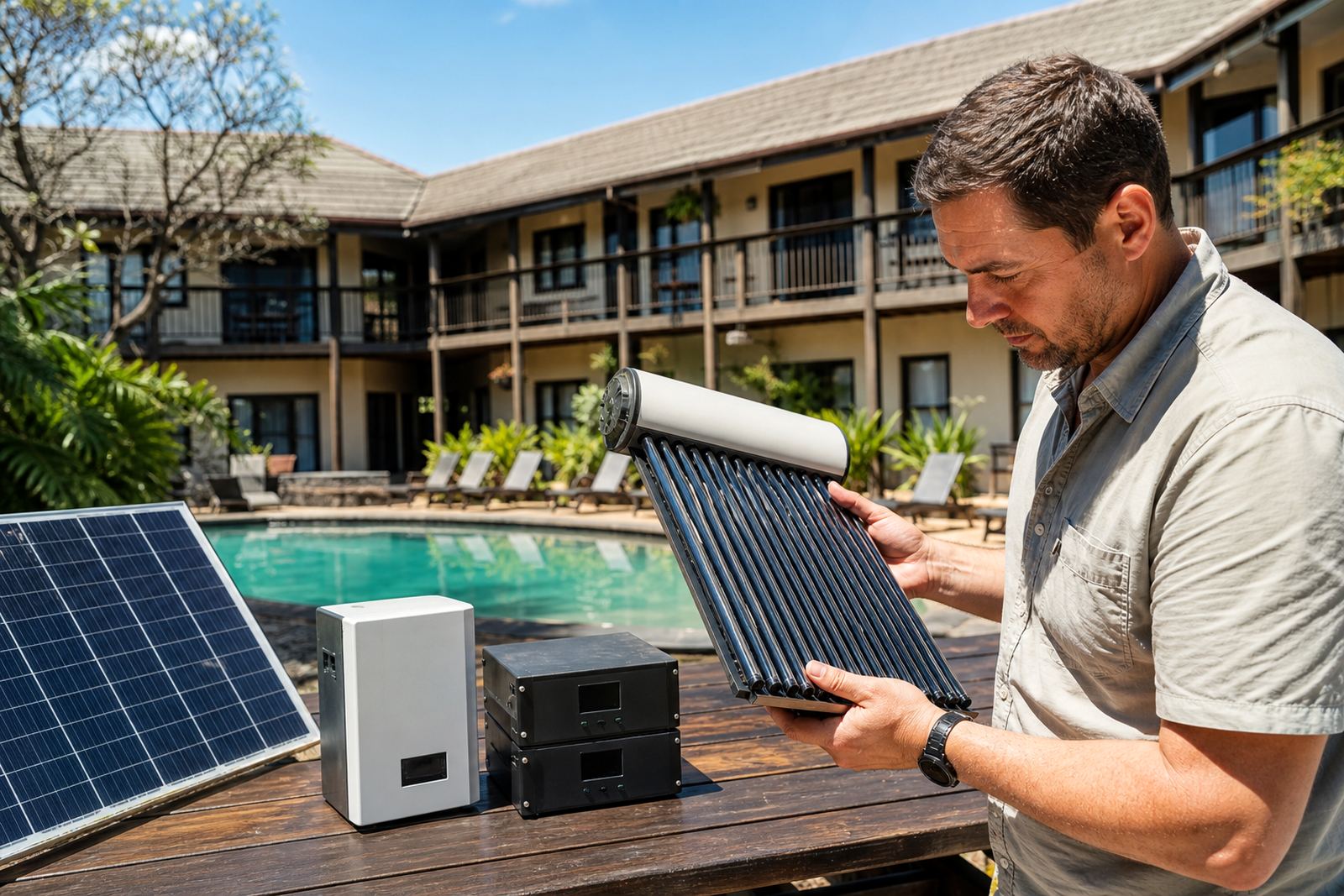
Hot water is one of the biggest daily demands in accommodation. Solar water heaters can reduce reliance on electric geysers and help keep showers available even when the grid is unstable. For guesthouses, this is especially important during busy weekends or full occupancy periods when multiple rooms need hot water at the same time.
There are different ways to set up hot water, depending on the roof, tank position and existing plumbing. Some properties benefit from a direct replacement of a standard geyser setup, while others need a combined arrangement that supports backup heating. In humid coastal towns, corrosion resistance and maintenance access become more important. Inland, scale build-up and winter performance should be checked. A proper site assessment should cover pipe runs, insulation and water pressure too.
- Review shower demand at full occupancy
- Check roof space for collectors and tank placement
- Insist on properly insulated pipework
- Confirm that the system suits local water conditions and winter use
A Simple Step-by-Step Planning Checklist
A guesthouse solar project works best when the sequence is clear from the start. Begin with a site assessment in Pretoria, Centurion or wherever the property is located. Then compare the electrical loads, roof space, hot water demand and budget. After that, the installer can recommend a practical mix of panels, inverter, batteries and solar water heating. This avoids paying for equipment that looks suitable but does not fit the real operating pattern.
For accommodation owners, timing also matters. It is easier to plan upgrades between busy booking periods, when rooms can be accessed and staff are not rushed. If the guesthouse is in Johannesburg, Durban, Cape Town or Bloemfontein, ask for a system plan that takes local weather and operating conditions into account. A well planned install should also include commissioning, testing and handover instructions for staff.
- Book a site assessment
- Map all essential electrical and hot water loads
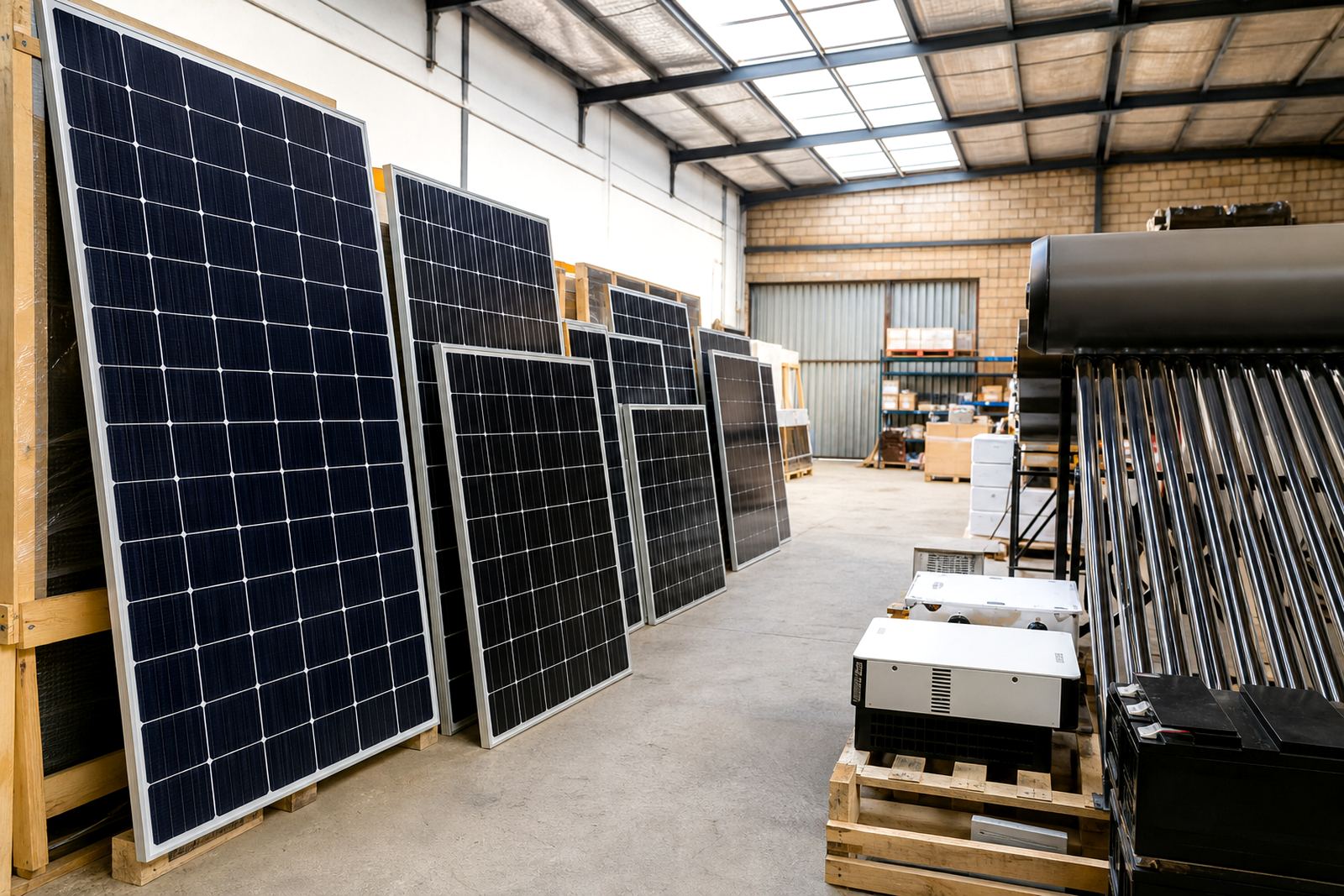
- Choose the right mix of panels, inverter and batteries
- Confirm solar water heating requirements
- Schedule electrical integration and commissioning
- Set up maintenance, fault finding and support callouts
Keeping the System Useful After Installation
Once the system is installed, it still needs routine attention. Panels should be kept clean so dust, bird droppings and coastal grime do not reduce output. Battery performance should be checked from time to time, especially after heavy load shedding periods. Solar water heaters also need inspection for valves, insulation and signs of leaks. These small checks help the system stay practical rather than becoming another item for the manager to chase.
Guesthouse owners should also train staff on the basics. They need to know which switches are important, what to report first if there is a fault and who may handle electrical work. At Linuo Solar, our team in Centurion supports homes and small businesses across Gauteng and beyond, with services that include maintenance, panel cleaning, fault finding and support callouts. With the right setup, the property can keep serving guests without constant interruption and without unnecessary stress on the operating budget.