1. Start With How Your Home Uses Power
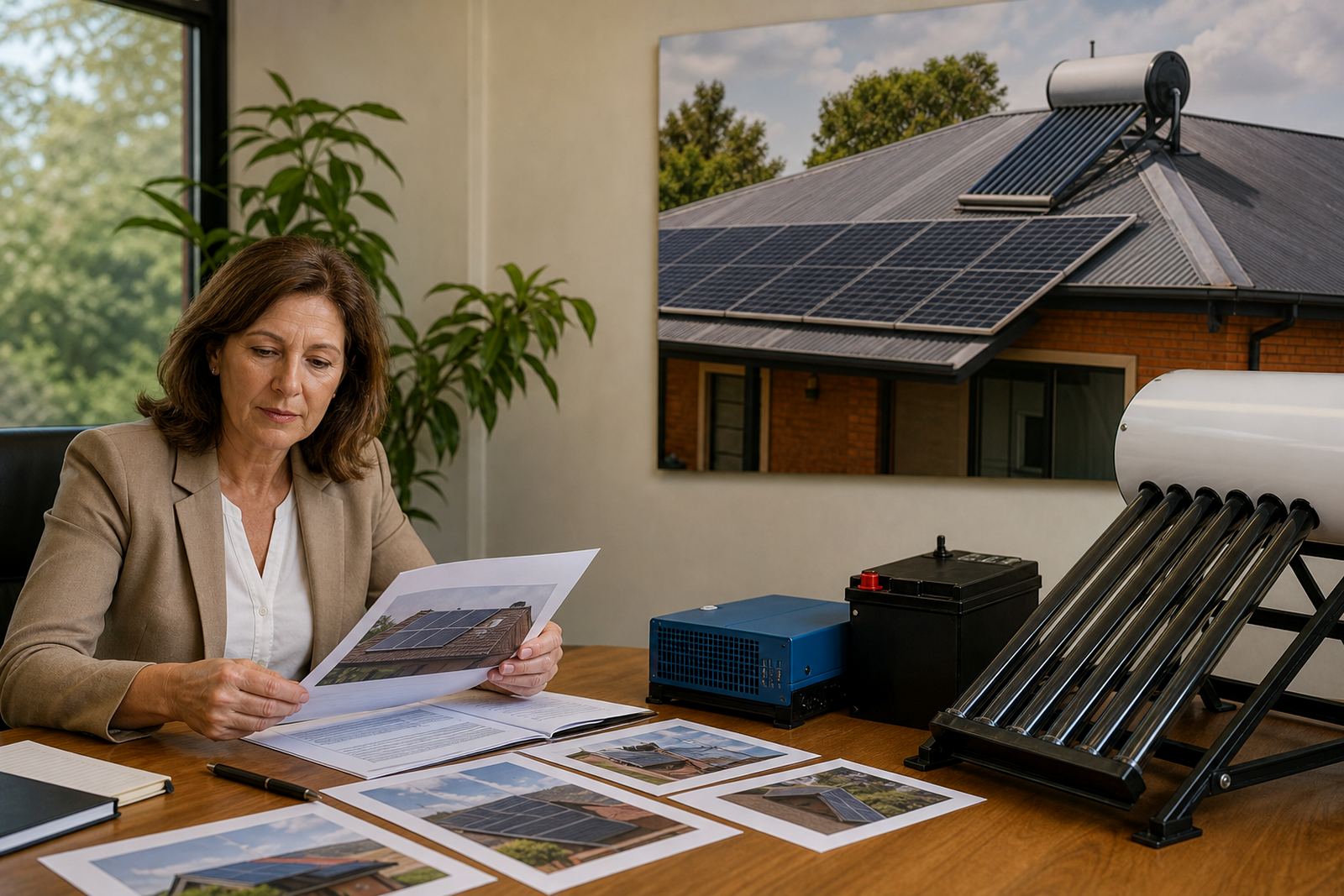
Before you look at panels or batteries, map out what runs in your home from morning to night. A two-bedroom townhouse in Centurion will often need a different setup from a larger family home in Pretoria East or a small office in Johannesburg. Think about lights, plugs, fridge, Wi-Fi, gate motor, pool pump and any water heating you want to support.
It helps to list the appliances you use most, then note when they run. This makes it easier to decide whether you need a small backup system, a full daytime supply, or a more complete setup with battery support for load-shedding and evening use.
- List your main appliances and their usual running times
- Note high-use items such as kettles, microwaves, pumps and heaters
- Check whether your electricity bill spikes in winter or at month end
- Decide what must stay on during outages and what can switch off
2. Check Your Roof, Shade and Space First
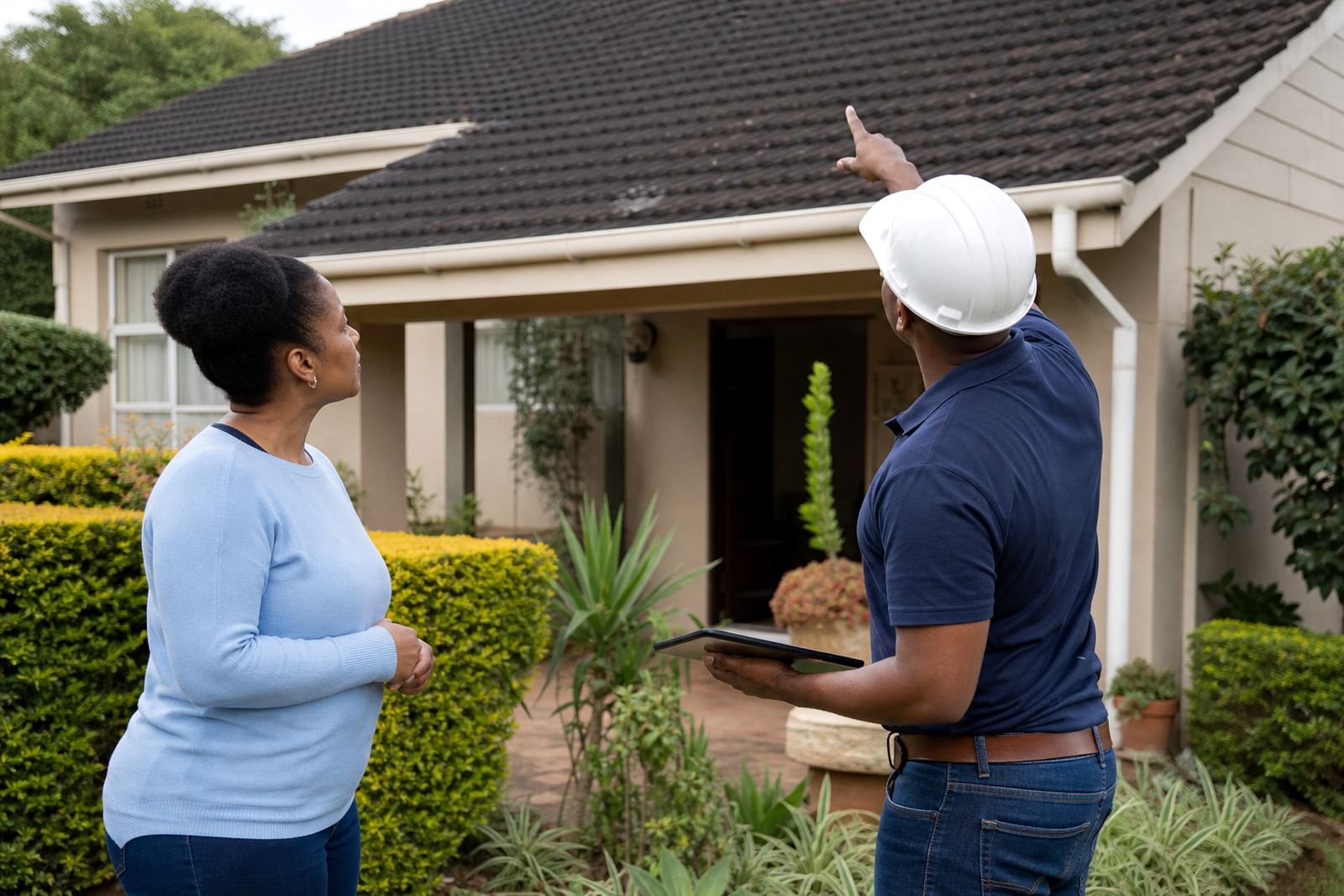
A good solar system starts with a sensible site check. Roof direction, pitch, shade from trees or neighbouring buildings, and available wall space all matter. In places like Pretoria and Midrand, many homes have enough roof space for panels, but shade from water tanks, chimneys or nearby trees can still affect output. Coastal homes in Durban or Cape Town also need equipment suited to humidity and salt air.
During a site assessment, the installer should look at cable runs, roof condition, the best position for equipment and where the inverter and batteries can be placed safely. If the roof needs repairs, it is better to sort that out first than to mount equipment and revisit the work later.
- Check if the roof has strong sun for most of the day
- Look for shade at 8 am, midday and late afternoon
- Confirm there is a safe indoor or sheltered spot for electrical equipment
- Ask whether the roof surface is ready for mounting work
3. Choose the Right Mix of Panels, Inverter and Batteries
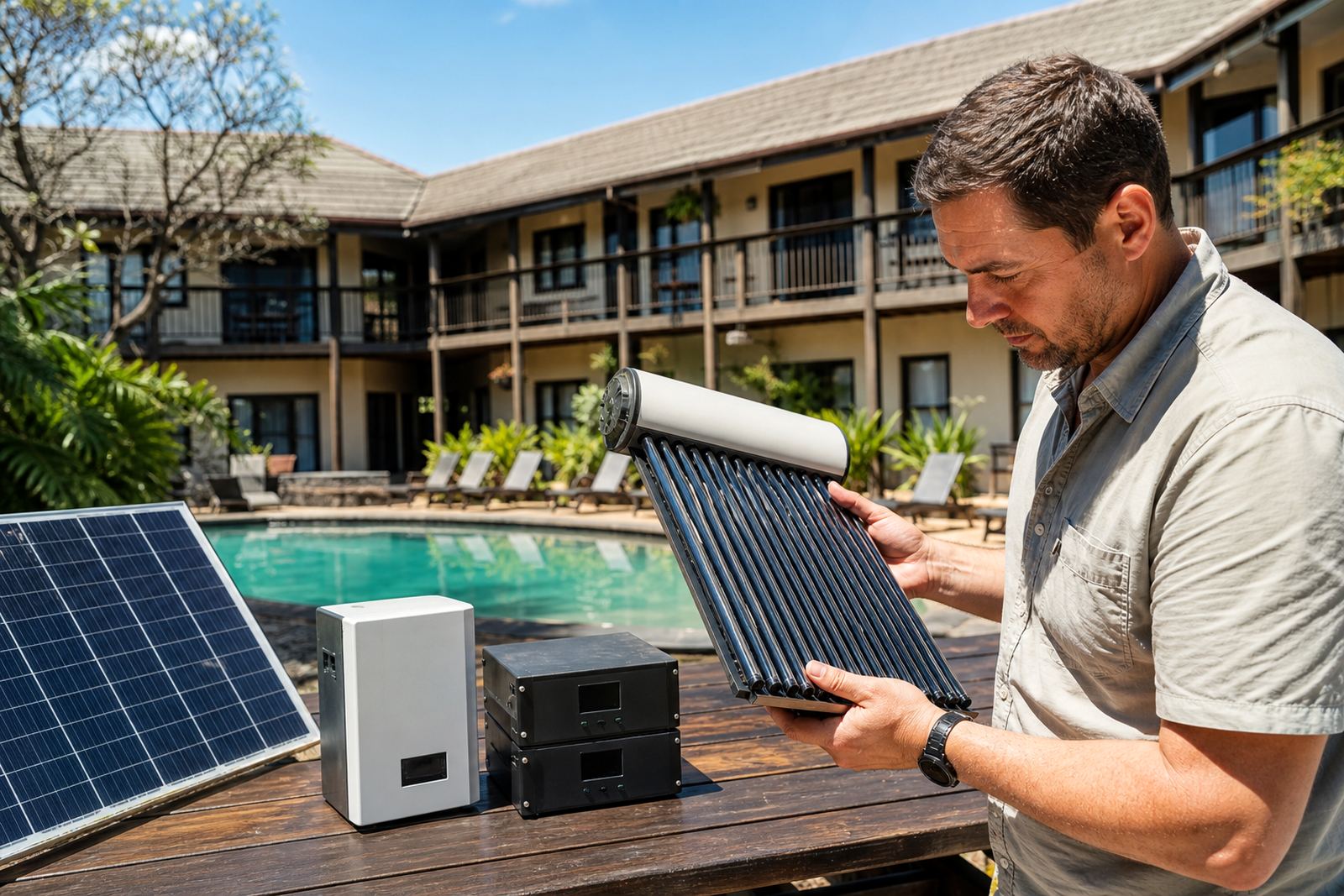
Panels make the power, the inverter manages how that power is used, and batteries store energy for later. A simple daytime system can suit a home that mainly wants to lower grid use during peak sun hours. If you need backup during outages, batteries become more important. The right mix depends on how much power your home draws and how long you want to keep essentials running.
For many South African homes, a practical setup covers lights, internet, TV, fridge and selected plug points, while heavier loads are left for normal grid use. If you also want to run a pool pump, air conditioners or other demanding equipment, that should be planned carefully so the system is not undersized. Electrical work must be handled by qualified installers, especially where the solar equipment connects into the home distribution board.
- Panels: sized to suit roof space and daytime demand
- Inverter: matched to your load and future expansion plans
- Batteries: chosen for backup duration, not just price
- Protection gear: fitted for safe operation and proper changeover
4. Decide Whether Solar Water Heating Should Be Part of the Plan
Solar water heaters are often worth including when the home uses a lot of hot water. They can be a practical option for families, rental properties and guest spaces where geyser use is high. In many homes, hot water is one of the biggest regular energy costs, so replacing part of that demand with solar water heating can ease pressure on the electrical system.
There are different ways to do it, and the best choice depends on roof space, household size and water usage. In some homes, it makes sense to keep the existing geyser and add solar water heating support. In others, a full replacement is cleaner and easier to maintain. In coastal areas, installation details matter more because of corrosion and mineral build-up, so proper materials and correct placement are important.
- Check how many people use hot water each day
- Confirm roof space and geyser position
- Ask about maintenance access and water pressure
- Consider the local climate and exposure to wind or salt air
5. Use a Clear Installation and Commissioning Checklist
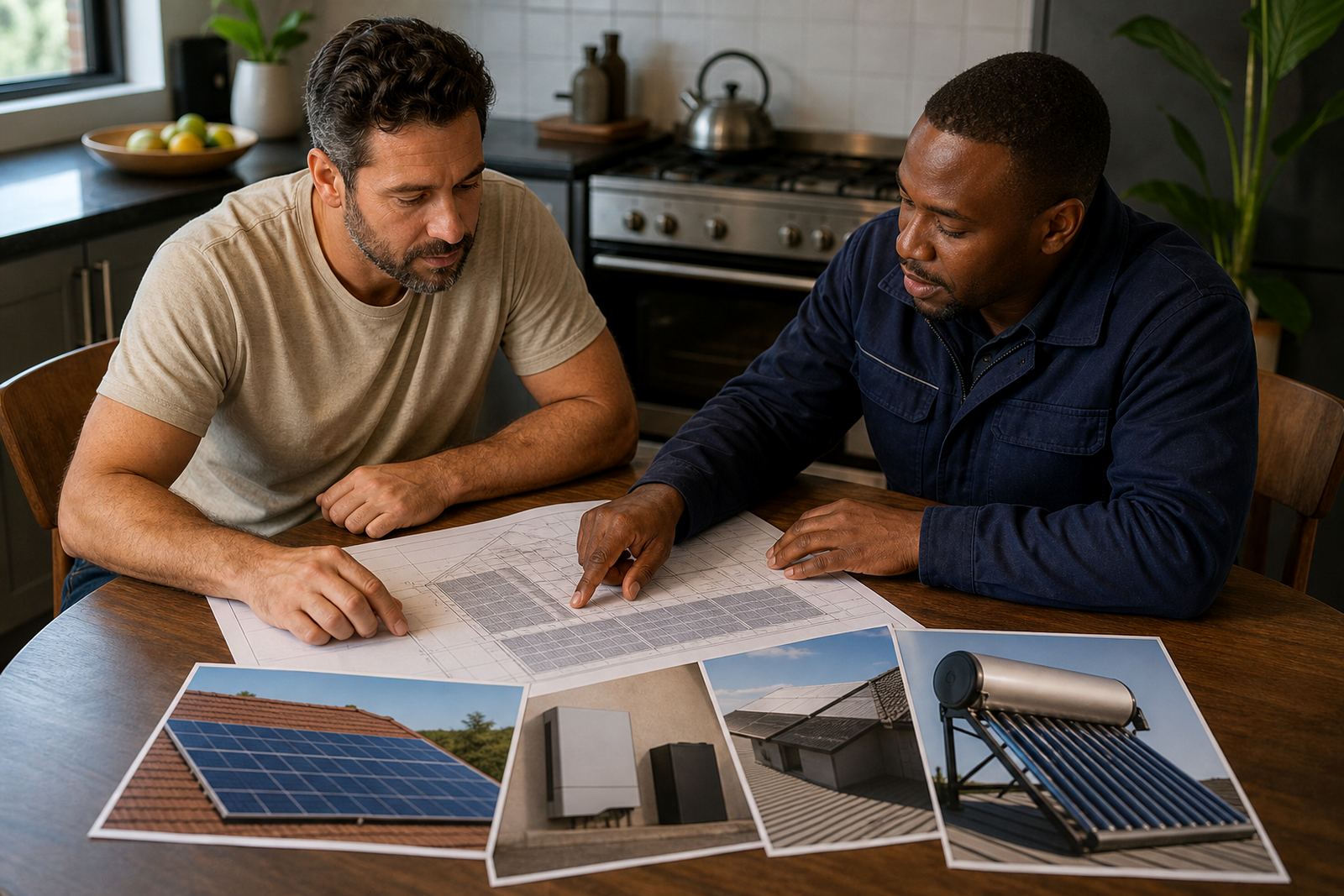
Once the design is agreed, the installation should follow a proper sequence. That usually includes mounting the panels or water heating equipment, installing the inverter and batteries, completing electrical integration and then commissioning the system. Commissioning means the system is tested, switched over correctly and checked under real operating conditions, not just left running and hoped for.
A tidy installation is easier to maintain and easier to fault find later. Good cable management, labelled breakers and correct isolators make a real difference when the power is out and you need to know what is still working. It also helps to keep records of the system layout and equipment positions for future maintenance.
- Confirm the quote includes site assessment and system design
- Make sure the installer handles electrical integration properly
- Ask for commissioning and handover after the job is finished
- Keep a list of equipment, settings and access points
6. Plan for Maintenance So the System Keeps Working Well
Solar equipment needs basic care to keep performing properly. Panels should be cleaned when dust, bird droppings or soot build up, especially in dry Gauteng conditions or near busy roads. Batteries and inverters should be checked periodically, and water heating equipment should be inspected for leaks, scale or poor circulation. A home in Bloemfontein may need different maintenance intervals from a coastal home in Durban, but no system should be ignored after installation.
Ongoing support matters too. If you notice lower output, repeated tripping or hot water that is not reaching the right temperature, get it looked at before the issue grows. Fault finding is usually simpler when the system was installed neatly and the original settings were recorded. Good maintenance also helps with municipal compliance where changes to the electrical setup have to be managed carefully.
Linuo Solar works from Centurion, Pretoria and supports homes and small businesses across Pretoria, Johannesburg, Durban, Cape Town, Bloemfontein and the wider Gauteng area. The team includes Vuyo Phasha, Naledi Kgosi, Sarel Delport, Palesa Mabena, Mothusi Mphahlele, Faatimah Latief and Unathi Tau, with services covering site assessments, design, installation, commissioning, maintenance, fault finding, panel cleaning and support callouts. Clients can reach the team through the enquiry form on the contact page for a practical first step.