Restaurant Backup Power For Essential Loads
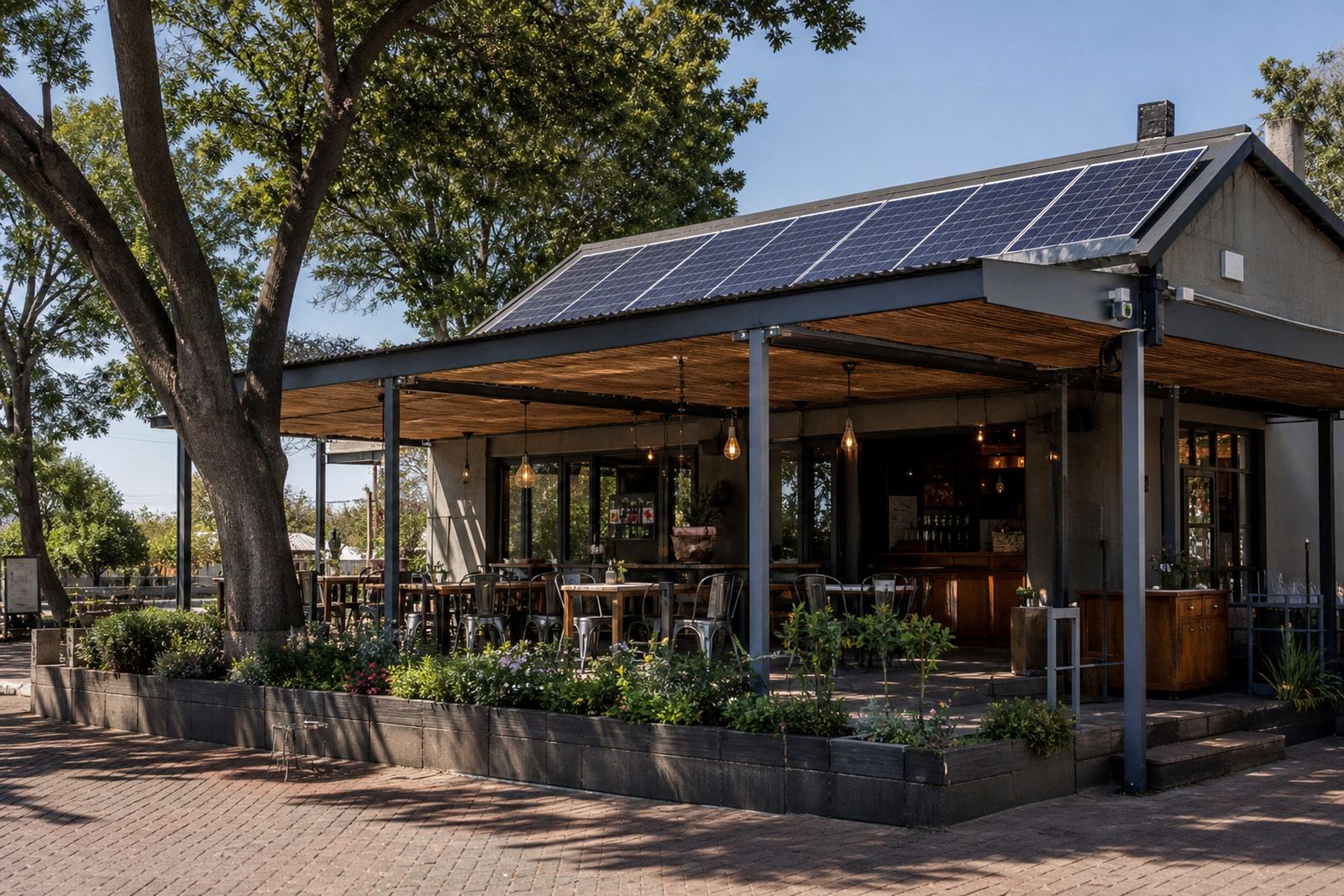
Most restaurant owners are not trying to run every item from solar. They want front-of-house power, selected kitchen circuits and enough battery support to keep trading through load-shedding or brief outages. In Pretoria, Johannesburg and Midrand that often means the dining room lights, tills, Wi-Fi, fridges, extractors and a few prep sockets. In coastal areas such as Durban and Cape Town, we also plan for humidity, salt air and equipment that can sit in a warm plant room all day.
A practical restaurant system starts with a site assessment. We look at your operating hours, your tariff, roof space, metre position and the loads you cannot afford to lose. For small businesses, the goal is usually to reduce interruptions and keep service moving, not to oversize the plant and spend money where it wont pay back.
Typical equipment set for a restaurant site
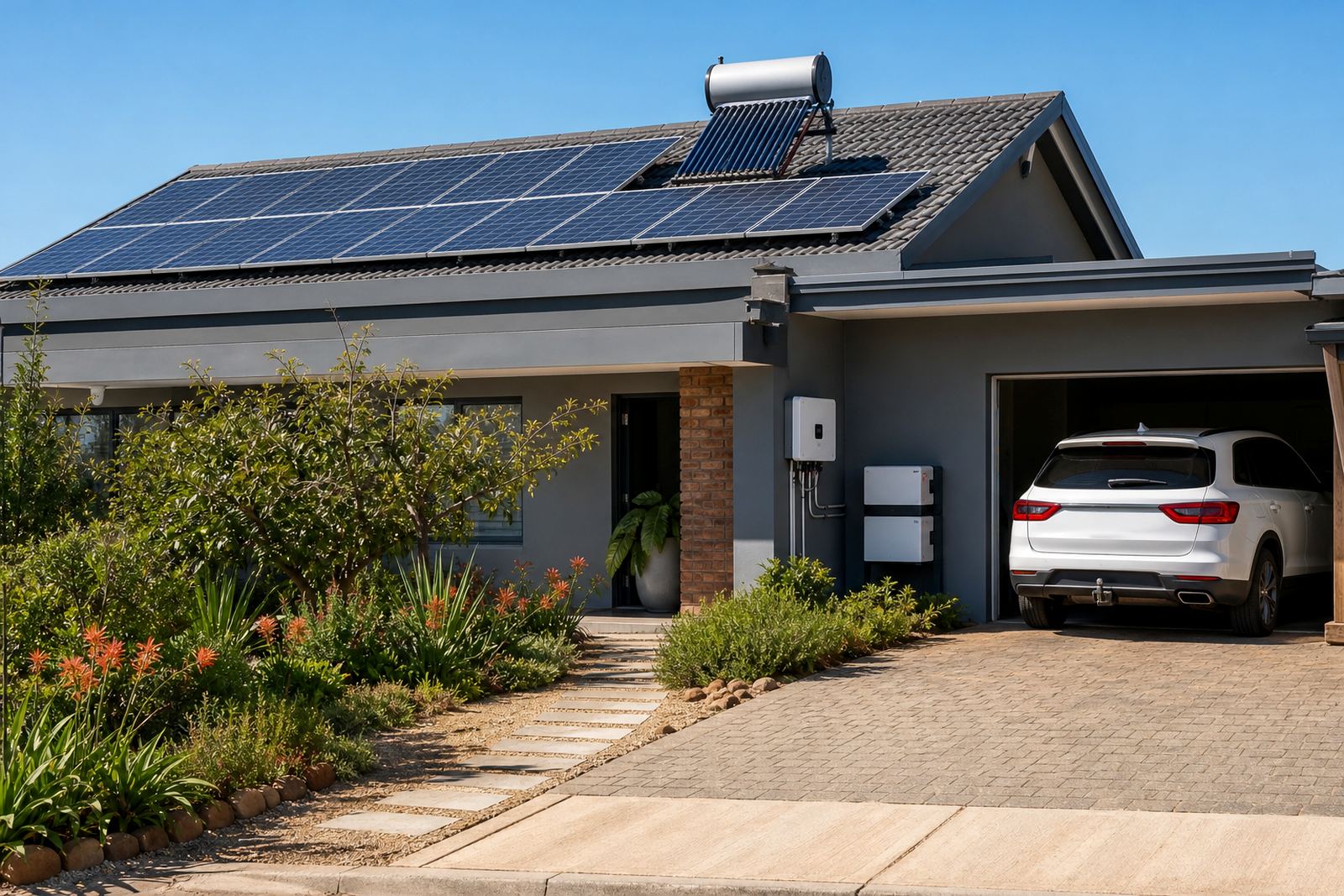
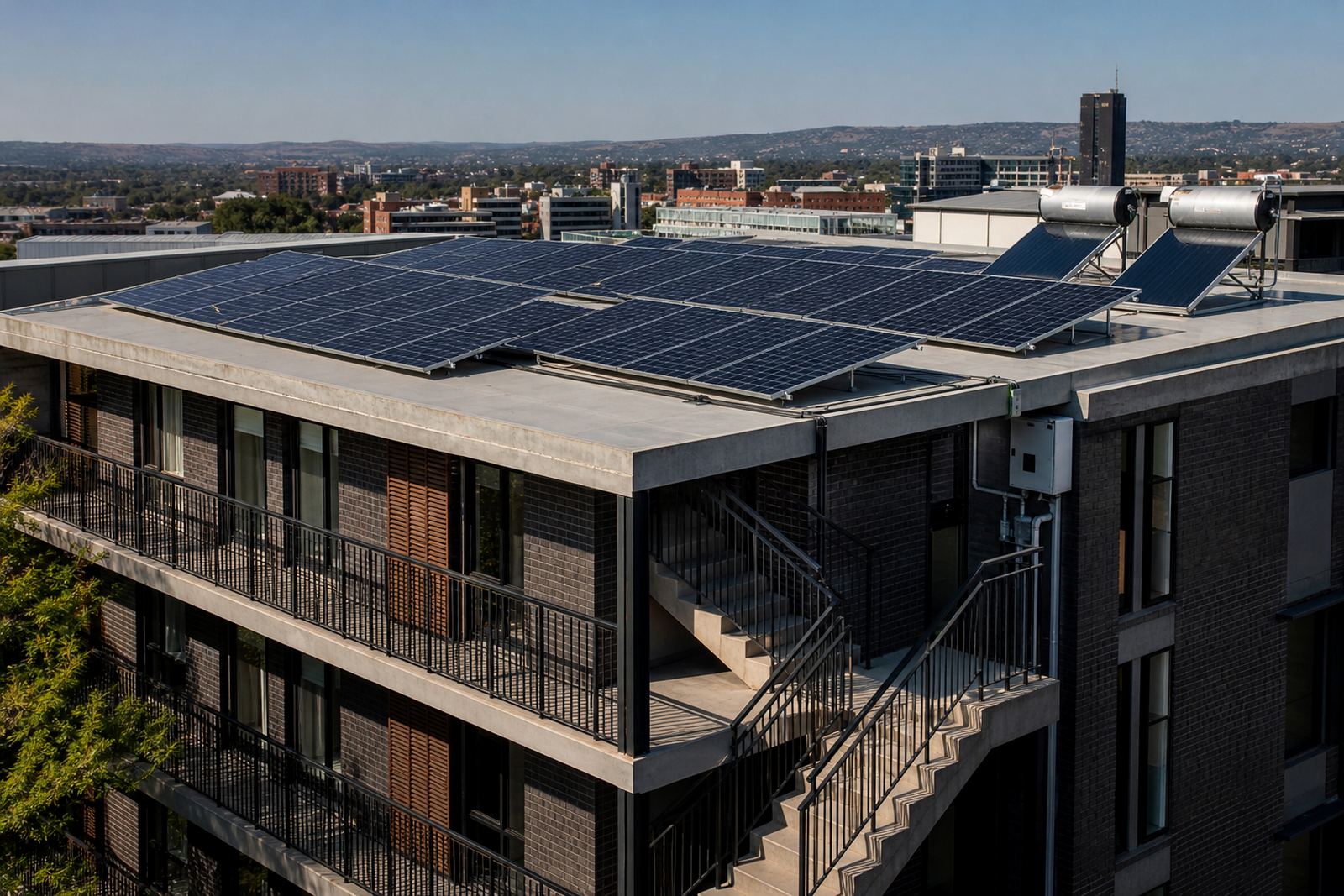
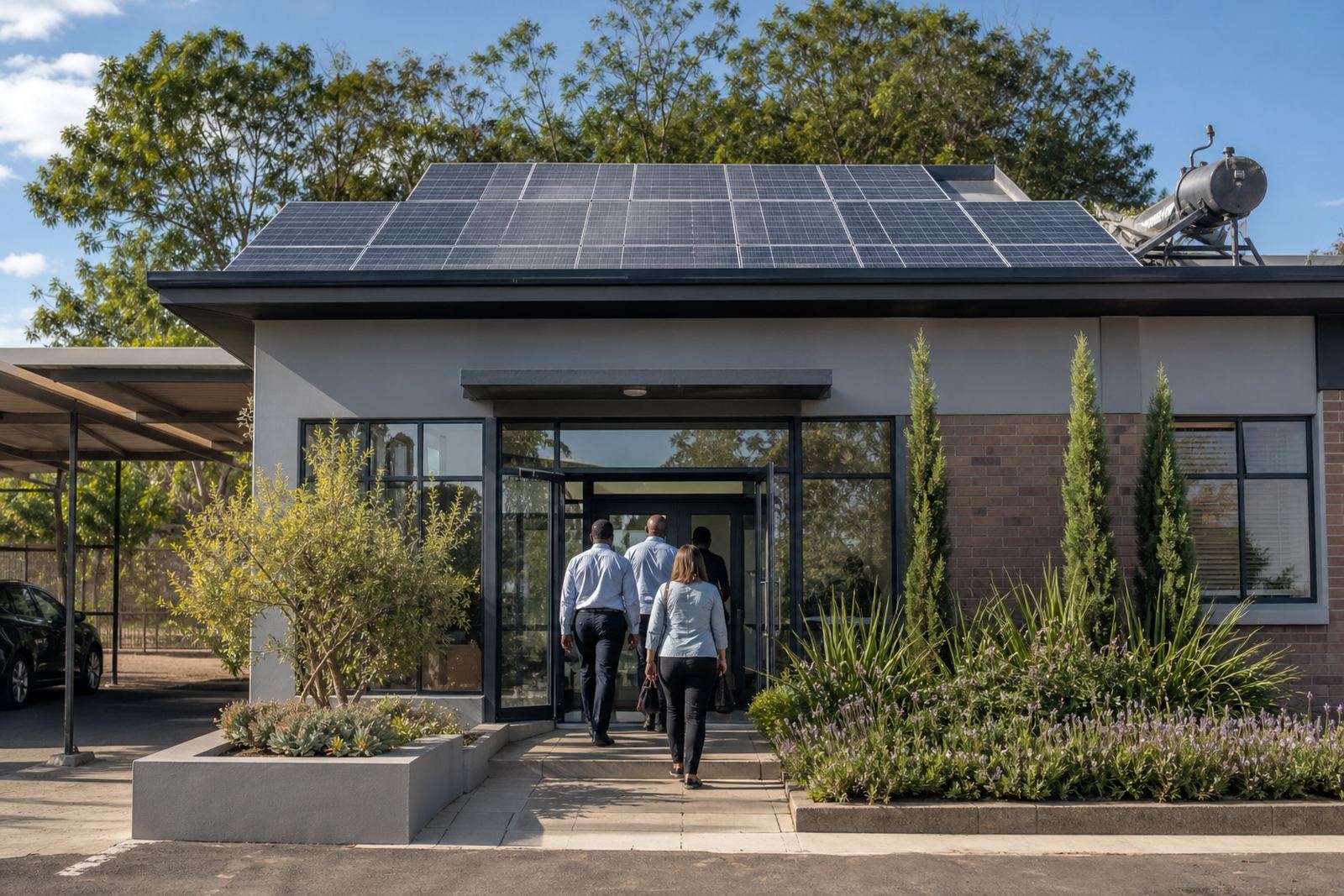
Every site is different, but most restaurant systems use a combination of solar panels, an inverter, batteries and proper changeover or distribution work. If the building has a good roof pitch and enough unshaded space, panels can support daytime loads while batteries carry the evening peak and short outages. On some sites, solar water heaters are a strong addition because they cut the electricity used for hot water and reduce pressure on the system at peak times.
For smaller eateries, a compact battery bank may be enough to carry the tills, lights and refrigeration for a few hours. For busier kitchens, we may plan a larger battery and inverter setup with separate circuits for essential loads only. That keeps the installation sensible and helps avoid paying for power you never use.
- Solar panels sized to suit available roof area and daytime demand
- Inverter sized for starting loads and normal trading loads
- Battery capacity matched to outage duration and evening service
- Dedicated circuits for non-negotiable equipment
- Solar water heater where hot water use is steady
Layout and planning advice for front-of-house power
Restaurants do best when the load is split properly. Front-of-house is often the first priority because lighting, tills, card machines and guest comfort directly affect takings. Next comes cold storage and selected kitchen equipment. Full kitchen backup is possible in some cases, but it needs careful planning and a realistic budget. If you run a takeaway, coffee shop or small bistro, we usually suggest protecting the circuits that would cause the biggest disruption if they went off.
Battery placement needs ventilation, secure mounting and sensible access for maintenance. We avoid cramped corners behind hot equipment or unprotected outdoor spots where moisture can become a problem. In Durban and Cape Town, corrosion resistance and good enclosure choice become more important. In Gauteng, heat and dust are the main concerns, so the room must stay clean and dry.
Common mistakes that cost restaurants time and money
The most common mistake is trying to power everything from one system without checking actual demand. Deep fryers, large ovens and air conditioners can push the load far higher than expected, which leads to disappointment and unnecessary cost. Another mistake is poor battery sizing. A battery that is too small may cope with one outage but struggle during a second one later the same day.
We also see systems installed without enough consideration for ventilation, cable protection or future maintenance. In hospitality work, quick access matters because breakdowns tend to happen when the site is busiest. If the inverter is hidden away in a hot storeroom or the batteries are hard to reach, small faults become bigger ones.
- Buying more equipment than the building can actually use
- Ignoring fridges and cold room loads because they seem small
- Putting panels where afternoon shade cuts output sharply
- Skipping maintenance until a fault appears
- Leaving no room for safe airflow around batteries and inverters
Budget ranges in Rand for restaurant installations
Budget depends on roof space, load size, whether you need battery backup, and whether the site includes solar water heating. For a small restaurant or cafe in Pretoria or Centurion, a basic solar and battery setup for essential loads may start from about R120 000 to R250 000. Mid-size dining rooms that want more evening support and stronger cold storage backup often land between R250 000 and R600 000. Larger hospitality sites can go above that, especially if the electrical reticulation needs work before the new equipment is fitted.
Solar water heaters are usually priced separately because the tank size, plumbing distance and roof arrangement all affect the final cost. We keep the proposal clear so you can see what is being covered, what is excluded and where future expansion is possible. That helps owners decide whether to stage the work over time or do the full installation in one go.
The best result is a system that supports trading without forcing a wholesale change to the kitchen. In most cases, the right mix is a sensible panel array, enough battery to ride through outages, and a clean electrical integration that your staff can live with every day.
Our team for restaurants across South Africa
Linuo Solar is based in Centurion, Pretoria and handles solar energy work for restaurants and other commercial sites. Our team includes Vuyo Phasha as Managing Director, Naledi Kgosi in Operations, Sarel Delport on solar installation, Palesa Mabena coordinating projects, Mothusi Mphahlele leading technical support, Faatimah Latief handling customer care and Unathi Tau focusing on solar water heating. That mix helps us manage restaurant work properly from the first call through to commissioning and aftercare.
We serve restaurants and small businesses in Pretoria, Centurion, Johannesburg, Midrand, Durban, Cape Town and Bloemfontein, with supply and installation services across South Africa. Clients reach us through the enquiry form on our contact page, where we can start with a site assessment and match the system to your trading pattern. For restaurant owners, the aim is simple: keep the lights on, keep the tills running and keep service going when the grid does not cooperate.