Why salons need a practical backup plan
A salon works best when the lights stay steady, card machines stay online, and blow dryers, clippers and colour processing tools can be used without constant interruptions. Load shedding, voltage dips and short outages can throw a full appointment book off track, especially when clients are waiting and staff are moving between stations.
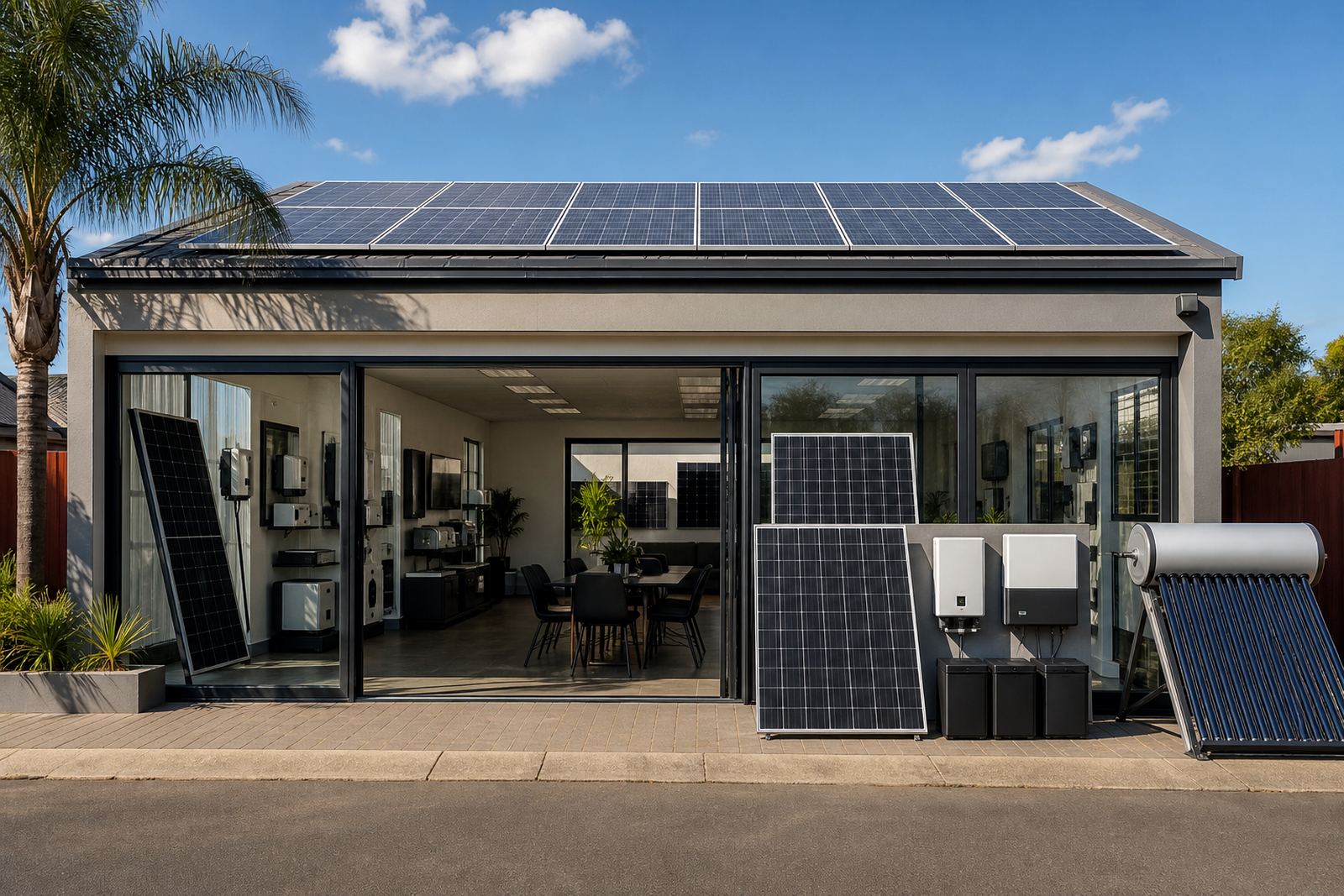
For many salons, the aim is not to run every single appliance from solar at once. It is to support the important parts of the business during trading hours, with a sensible balance between solar panels, battery storage and inverter capacity. That approach suits small salons, multi-chair spaces and beauty studios that need dependable power without overspending on equipment they will not use.
Typical salon loads we plan around
Every salon is different, but the usual electrical load includes lighting, tills, routers, reception computers, sterilisers, small fridges, hot water points and selected styling equipment. Some salons also run towel warmers, treatment lamps and washing stations, which means the system must be planned around starting surge, duty cycle and which items must stay live all day.
- Lighting for treatment rooms, mirrors and reception areas
- Point of sale equipment and internet backup
- Clippers, dryers and styling tools used in rotation
- Small kitchen or staff area appliances
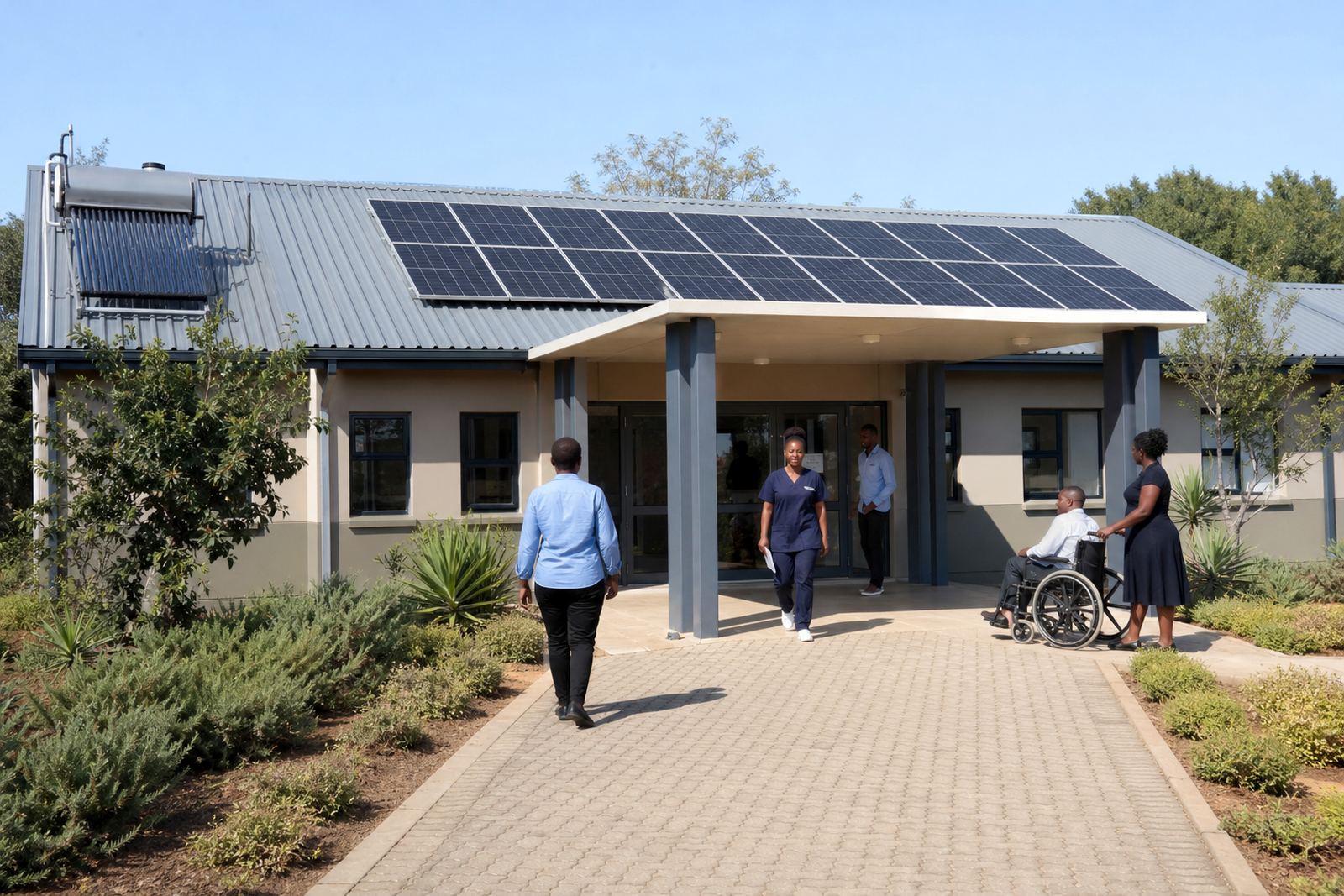
- Optional solar water heating for wash basins and treatment use
We also look at whether the salon is in a centre, a standalone building or a mixed-use property. That affects wiring routes, metre access, mounting options and how the system should be isolated for municipal requirements and safety.
Layout and planning that suit salon trading hours
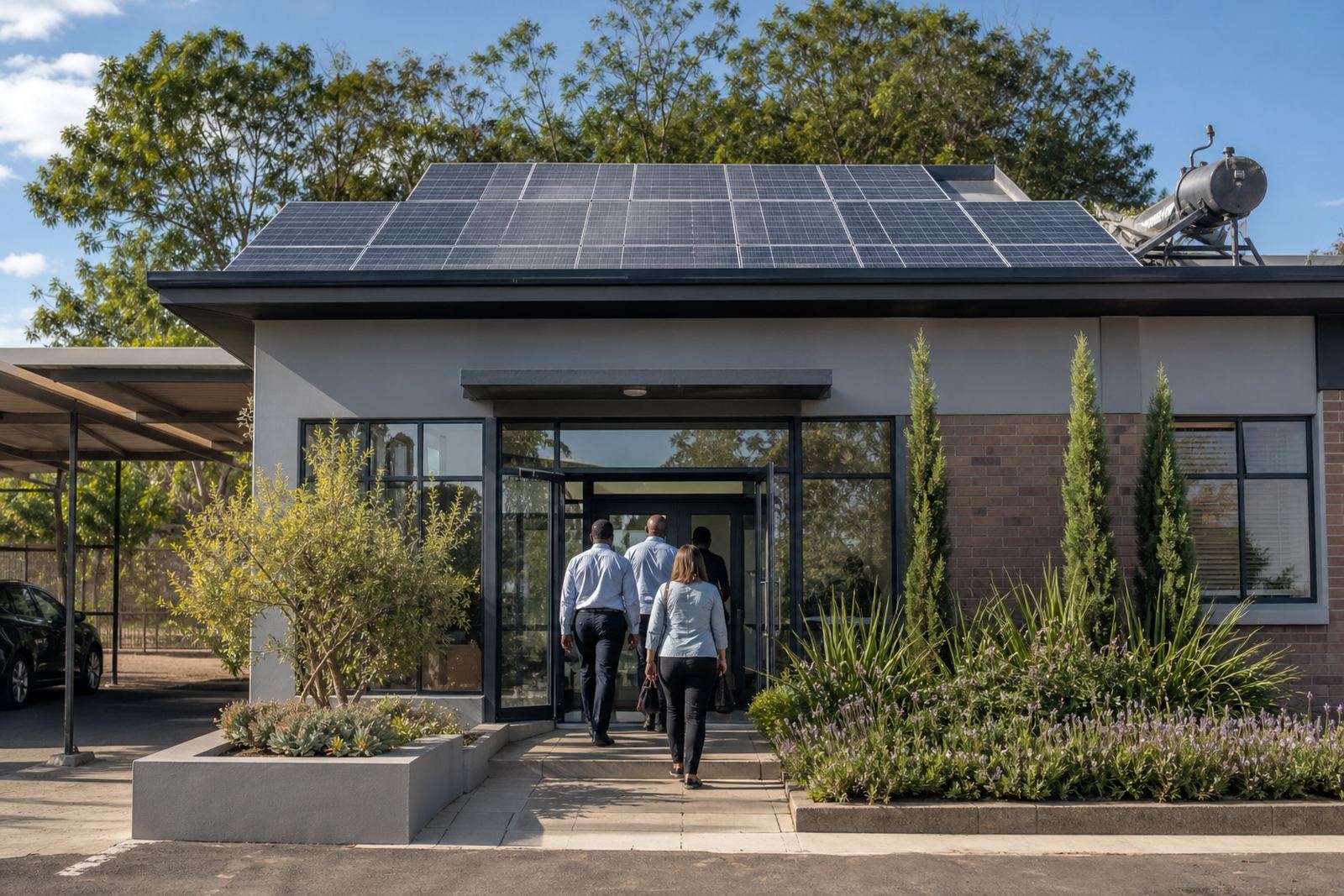
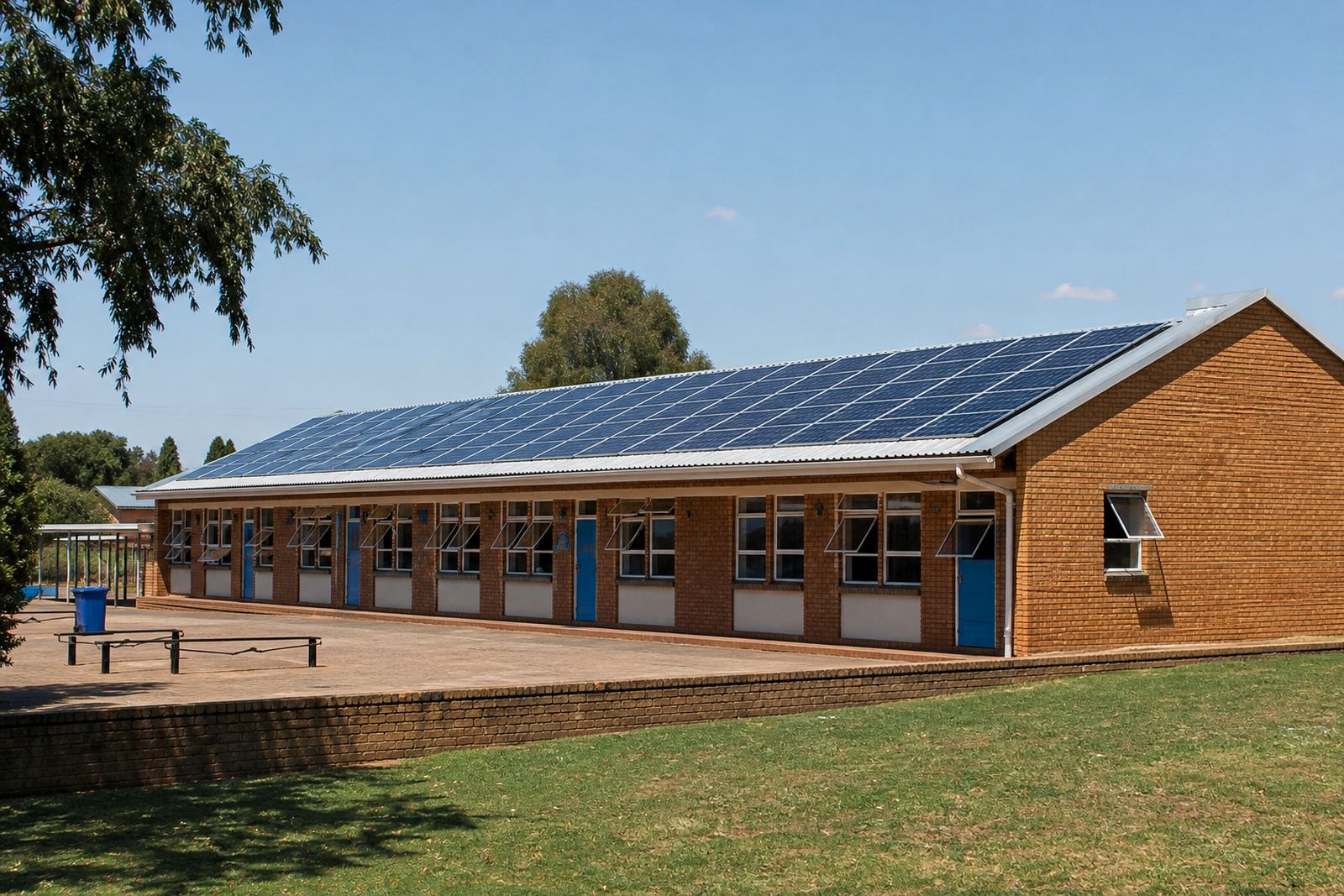
A good salon system starts with a proper site assessment. We look at roof orientation, shading from nearby buildings or trees, space for equipment, and whether the property has single phase or three phase supply. In Gauteng, roof heat and dust can affect panel output, while in coastal cities like Durban and Cape Town the mounting method and component placement must take humidity into account.
For many salons, the inverter and battery bank are best kept in a cool, clean utility area away from direct sun and heavy foot traffic. Cables should be neat, protected and easy to access for maintenance. If the salon has a back room, storeroom or secure service area, that often works well for the electrical equipment and helps keep the front of house tidy.
- Place panels where they get good morning and midday sun
- Keep batteries and inverter in a ventilated indoor space
- Separate heavy heating loads from light office loads where possible
- Plan for future growth if more chairs or equipment may be added later
Common mistakes salon owners should avoid
A common mistake is buying a system that only covers part of the salon without checking how the load changes during the day. Dryers, water heating, colour equipment and washing points may not run together for long, but they can still pull more power than expected. Another issue is putting too much on one circuit, which can trip the system during busy periods.
Some owners also forget about battery backup time. If the salon closes at 18:00 but outage risk starts earlier, the battery needs to carry enough essential load for the full trading window. Others leave the planning too late and only look for a solution after the first major outage, which usually makes the installation more rushed and more expensive to rectify.
- Do not size the system only for lighting and ignore equipment surges
- Do not place the battery in a hot, cramped or dusty area
- Do not assume every salon appliance should run during an outage
- Do not leave electrical changes to unqualified workers
Solar water heating for wash stations and treatment areas
Many salons use warm water through the day for hair washing, handwashing, cleaning and treatment prep. A solar water heater can reduce pressure on electric geysers and help keep hot water available for busy morning and afternoon periods. That is especially useful where several chairs are working at once or where a salon serves both hair and beauty clients.
We install solar water heaters for homes and small businesses across South Africa, including Pretoria, Centurion, Johannesburg, Midrand, Durban, Cape Town and Bloemfontein. For salons, the important part is matching the hot water system to actual use, not just fitting the biggest unit available. A well planned system should suit the number of wash basins, staff routine and available roof space.
Budget ranges for salon solar systems
Costs vary by salon size, roof space, electrical layout and the amount of backup needed. A small salon that wants support for lights, tills and internet only will sit in a different budget range from a larger salon that also wants battery backup for dryers, washing points and hot water support. Because each site is different, we quote after a site assessment and system design.
As a guide, many small business owners start with a focused backup system and then expand later if trading patterns justify it. We can also phase the work so that panels, inverter and battery storage are added in stages. That helps salons manage cash flow and avoid paying for capacity they do not need on day one.
- Entry level backup for essential lighting and point of sale
- Mid-range systems for lighting, internet and selected equipment
- Larger systems with more battery storage and broader day use support
- Optional solar water heating for wash stations and staff use
Our support from assessment to commissioning
We work from Centurion, Pretoria and support salons across Pretoria, Johannesburg, Durban, Cape Town and Bloemfontein. Our team includes site assessors, installers and support staff who handle the practical side of the project from first visit to final testing. Electrical work is done by qualified installers, and the system is commissioned only once it has been checked for safe operation.
Services for salons include site assessments, system design, panel installation, inverter installation, battery installation, water heater installation, electrical integration, system commissioning, solar maintenance, fault finding, panel cleaning and support callouts. If your salon needs dependable power for trading hours, we can help size the system properly and keep the installation neat, safe and workable for day-to-day use.