School Power Needs Across Gauteng Campuses
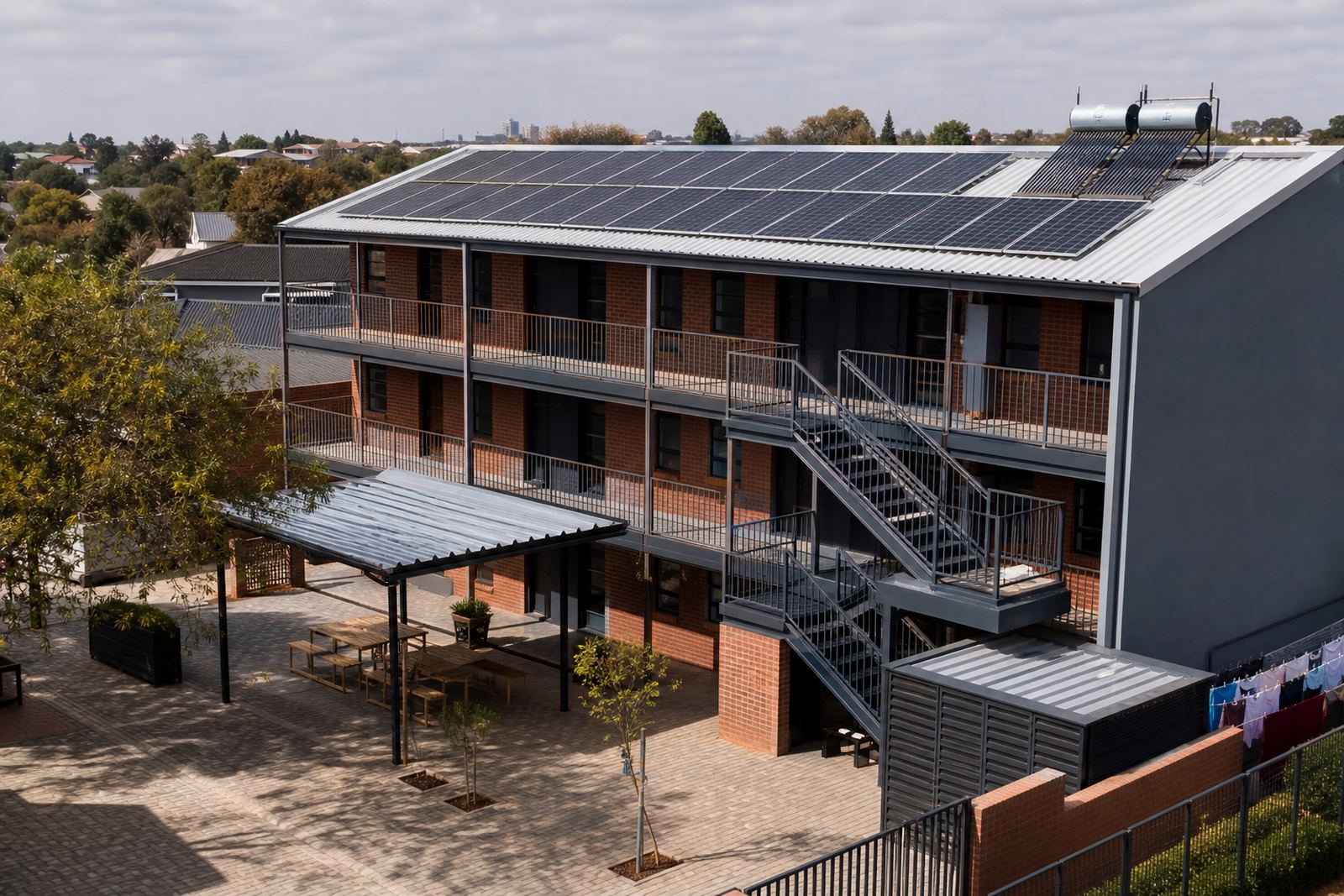
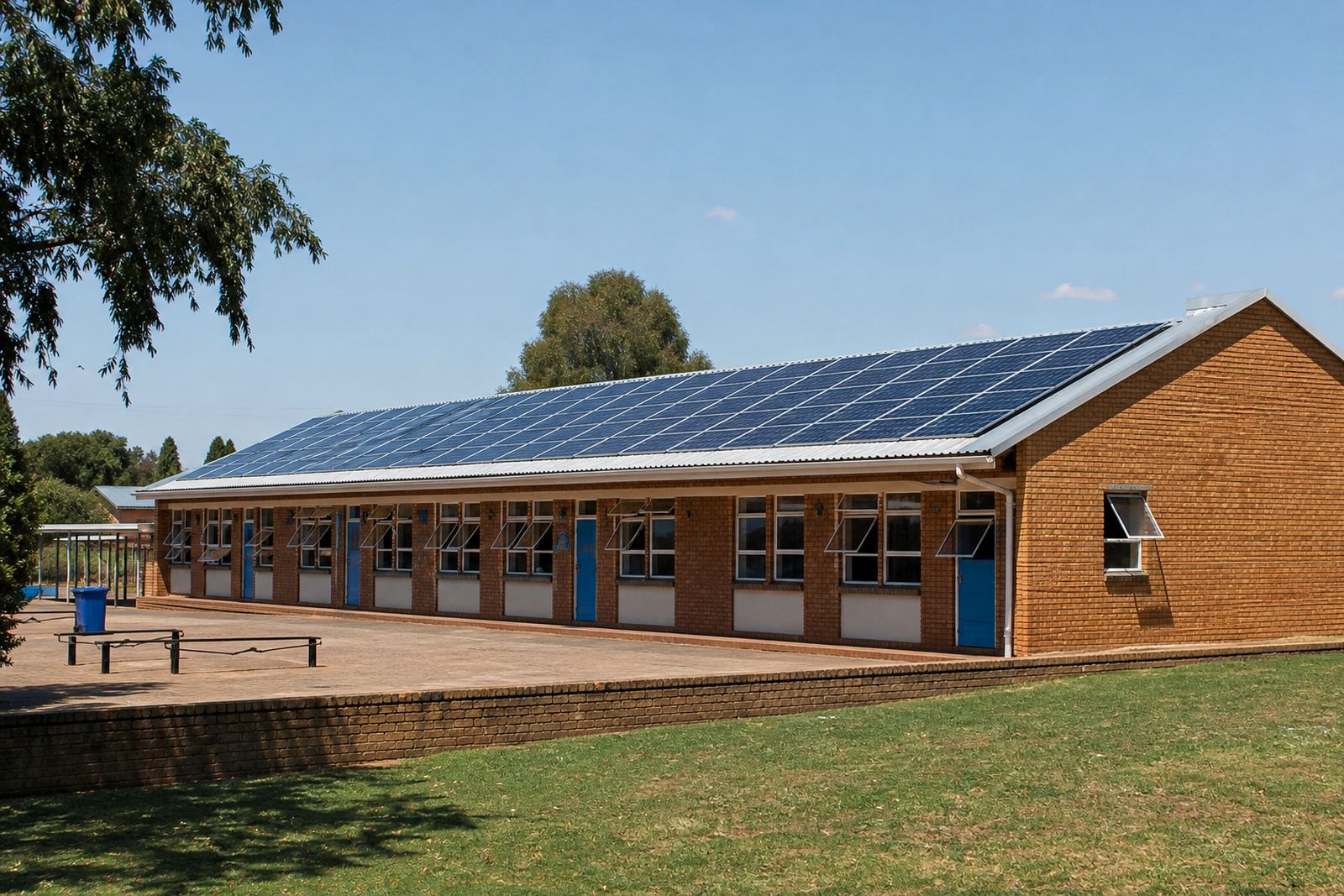
A school campus has a different load profile to a home. Classrooms, administration blocks, computer rooms, security lighting and hot water all draw power at different times of day. In Pretoria and other parts of Gauteng, schools also need to think about summer heat, storm seasons and the way roof space is already taken up by water tanks, walkways, shade and plant rooms.
Most school enquiries start with a practical problem. The lights go out during lessons, office work gets interrupted, gate motors stop, or the geysers trip when several bathrooms are in use. A well planned solar system helps cover those basic functions without forcing the school to run everything at once. The trick is to match the system to the actual daily use, not to guess. That includes how many classes run at the same time, which buildings must stay on, and where hot water is needed for staff or boarding facilities.
For smaller campuses, the aim is usually a mixed system with solar panels, an inverter, batteries and, where needed, solar water heaters. Electrical work is done by qualified installers, and every site should be checked before equipment is ordered. Roof condition, cable routes, distribution boards and earthing all matter. If those are ignored, the school ends up with avoidable faults later.
Typical equipment for classrooms and admin blocks
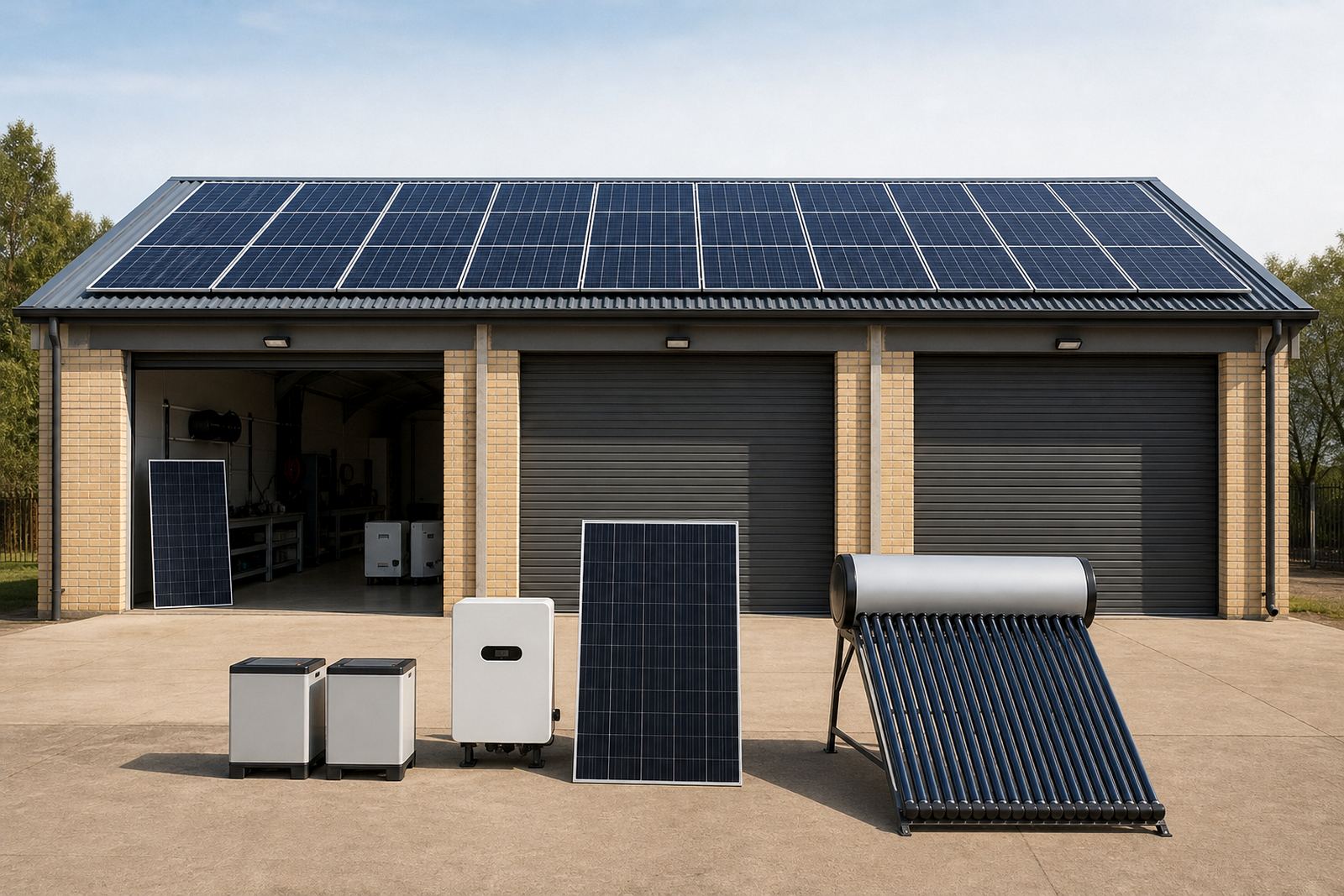
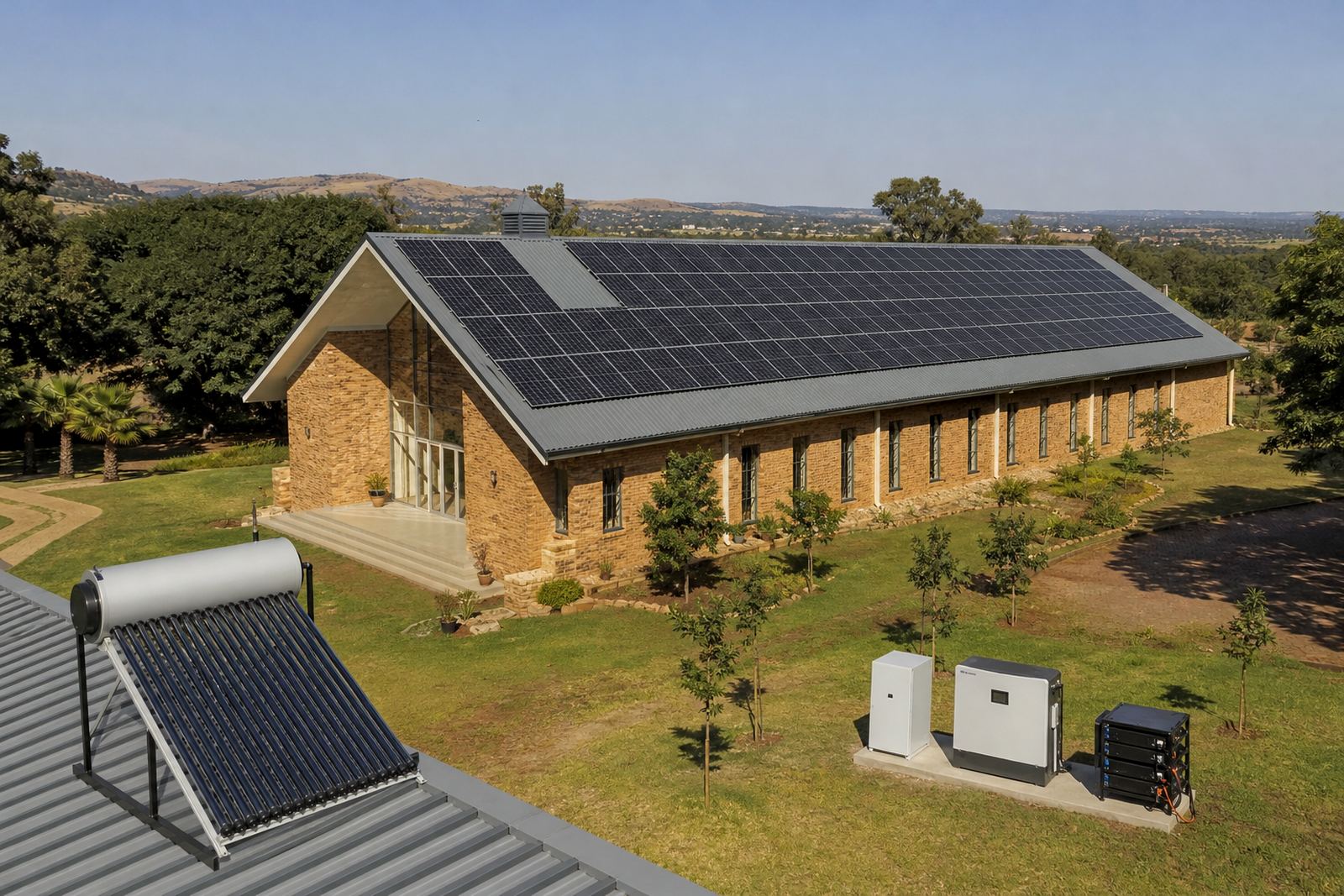
Most school systems use a straightforward set of components. Solar panels generate daytime power. An inverter manages the changeover and supplies the building. Batteries keep essential circuits running during outages. For hot water, solar water heaters reduce the load on electric geysers and can be fitted for staff areas, kitchen use or changing rooms. The exact mix depends on the size of the school and how many buildings need support.
- Solar panels on a sound roof or on a ground mounted frame where space allows
- Inverter sized for lights, printers, routers, security systems and selected classroom loads
- Batteries for after-hours support and load-shedding back-up
- Solar water heaters for toilets, staff ablutions or kitchen hot water
- Protection gear, isolators, changeover equipment and proper cabling
For schools with computer labs or admin offices, it is sensible to separate essential circuits from non essential ones. That means the system can keep teaching tools and office work running while leaving heavy loads like cooking equipment or large air-conditioning units off the back-up side. It keeps the design cleaner and makes faults easier to trace if something goes wrong.
On coastal sites in Durban or Cape Town, equipment choice and mounting details should take salty air and wind exposure into account. In Pretoria, Johannesburg and Midrand, roof layout and shading from nearby trees or sports structures often become the bigger issue. Every site is different, so one size does not fit all.
Planning the layout so the school can keep working
A proper school layout starts with a site assessment. We look at roof direction, usable surface area, cable distances, the condition of the DB boards and where the school wants back-up power. We also check when the hot water is used, because a solar water heater works best when demand is fairly predictable. If the school has a canteen, early morning prep areas or boarding facilities, the planning needs to reflect that.
One common mistake is putting too much on one inverter. Another is using battery capacity to cover loads that should really stay off the system. Schools sometimes ask for every light, fan, plug point and appliance to run during outages, but that quickly becomes expensive and impractical. It is usually better to identify the priority circuits first and keep the system focused on them.
Another mistake is overlooking maintenance access. Panels need enough space around them for cleaning and inspection. Water heater components should be placed where service work is possible without disrupting classes. Roof penetrations must be sealed properly, and cabling should not run where it can be damaged by foot traffic, birds or weather. Schools are busy places, so the installation has to be tidy and out of the way.
- Keep the essential loads separate from the non essential loads
- Allow for future expansion if the school adds more classrooms
- Check roof strength before panel installation
- Plan for safe maintenance access from the start
- Place hot water equipment where staff can reach it without disturbing learners
Common school mistakes that push up the cost
Schools often try to save money by skipping the design stage, and that can cost more later. A system that is too small will trip often, leave batteries under strain and force the school back onto grid supply too quickly. A system that is too large can be hard to justify, especially if the buildings do not need that much backup power in the first place. The best result comes from clear planning, not guesswork.
Another issue is poor timing. If installation is rushed during term time, classes get interrupted and access becomes difficult. It is better to do the heavier work during holidays, weekends or after school hours where possible. Load shedding also needs to be considered in the schedule so the school is not left without power during changeover tests. Qualified installers should handle the electrical integration and commissioning, because that is where many faults are introduced if the work is not done properly.
Finally, some schools forget about maintenance. Panels collect dust, bird droppings and pollen. In Gauteng, winter dust and dry conditions can reduce output if cleaning is ignored. Solar water heater systems also need inspection of valves, pipes and insulation. A regular maintenance plan keeps small issues from becoming bigger repairs.
Budget ranges for smaller campuses
Budget depends on roof size, battery capacity, the number of buildings being supported and whether solar water heating is included. For a smaller school block that only needs selected lighting, admin and ICT loads, a basic system can start from around R85,000 to R150,000. A more complete setup for classrooms and offices often falls between R150,000 and R300,000. If the campus needs several hot water points as well as stronger back-up power, the figure can go higher.
Those ranges are only starting points. A school with a simple roof and limited evening use will usually cost less than a site with multiple buildings, long cable runs and older electrical boards. If the school wants to support more equipment during load-shedding, the battery bank and inverter sizing will have a big effect on the total. It is also worth planning for cleaning, servicing and occasional support callouts so the system stays in working order.
We supply and install in Pretoria, Centurion, Johannesburg, Midrand, Durban, Cape Town, Bloemfontein and across Gauteng, and we work with schools that need a practical setup rather than a fancy one. The right quote should explain what is included, what is not, and which loads will stay on during outages.
What schools can ask us to assess first
When a school sends an enquiry, the best starting point is a clear list of what must stay on during load-shedding. That might include classroom lights, office plugs, router equipment, alarm systems, gate motors or hot water for staff use. From there we can advise on panel capacity, inverter size, battery storage and whether a solar water heater will make sense for the campus.
- Site assessments for roofs, cables and distribution boards
- System design for classrooms, admin blocks and hot water use
- Panel installation and inverter installation
- Battery installation and electrical integration
- Solar water heater installation, commissioning and maintenance
- Fault finding, panel cleaning and support callouts
Schools do not need to solve every problem at once. A phased approach often works better, especially where budgets are tight. Start with the buildings that matter most, then expand later if the school grows or if the need changes. That keeps spending controlled and gives the school a system that is easier to manage day to day.