
Keeping a clinic open when the grid is down
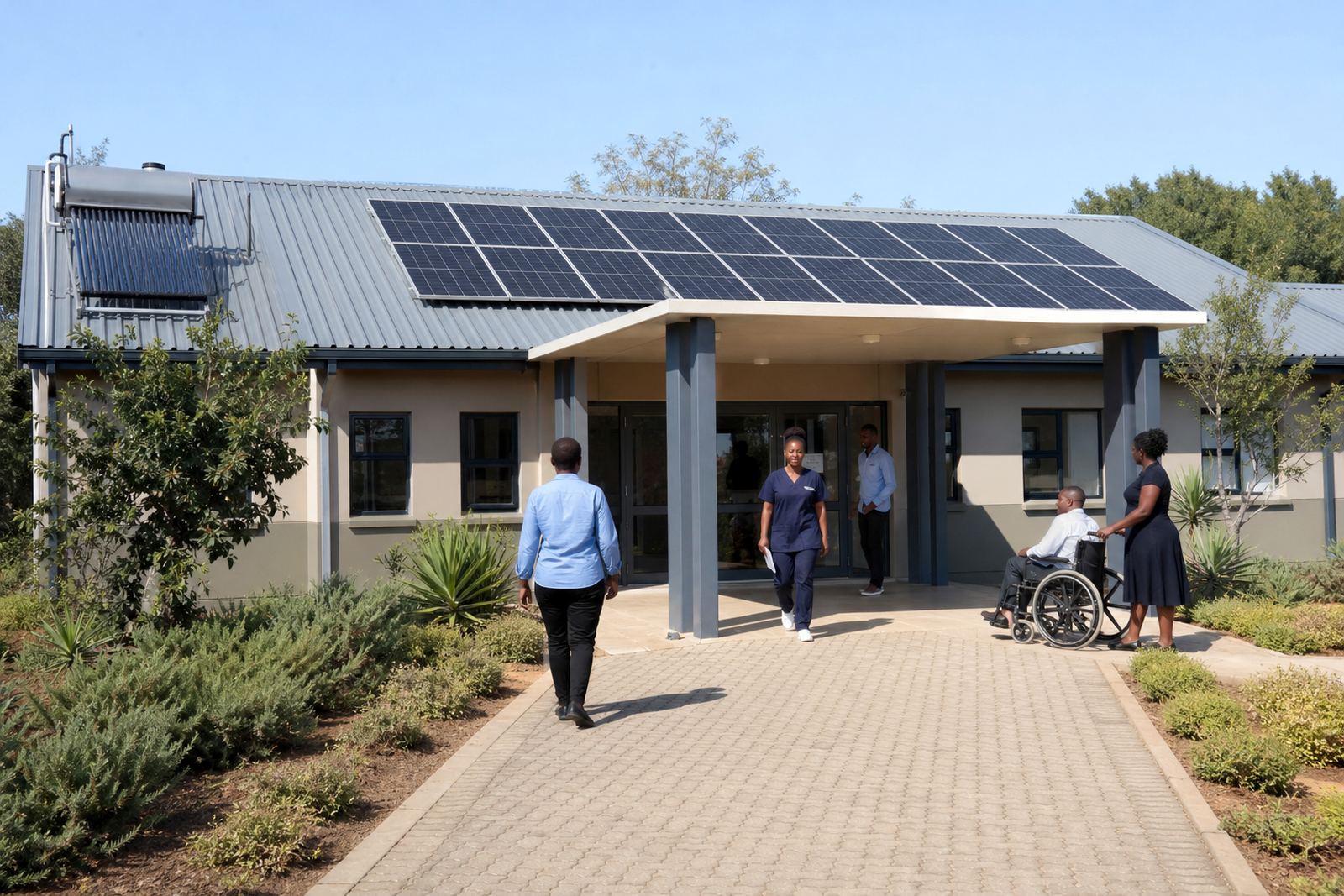
Clinics cannot afford guesswork with power. When the lights go out, the priority is to keep essential loads running, protect medicines that need steady temperatures, keep reception working and make sure patients can still be seen safely. For small healthcare premises, a solar setup is usually planned around the basics first, not the whole building. That means lighting, a fridge or medical refrigerator, point-of-sale or admin equipment, routers, selected plugs and in some cases a small aircon unit for treatment rooms. The exact mix depends on the size of the practice and how many hours of backup you want during load-shedding.
In Pretoria and Centurion, many clinic owners prefer a phased approach. Start with the critical circuits, then expand later if the budget allows. That keeps the upfront cost manageable and helps the system match real usage. A good site assessment should check roof orientation, shading from nearby buildings or trees, cable routes, DB board condition and space for batteries and inverter equipment. In older premises, it is common to find an overloaded board or limited wall space, which needs to be sorted before installation can proceed.
Typical equipment for a small medical practice
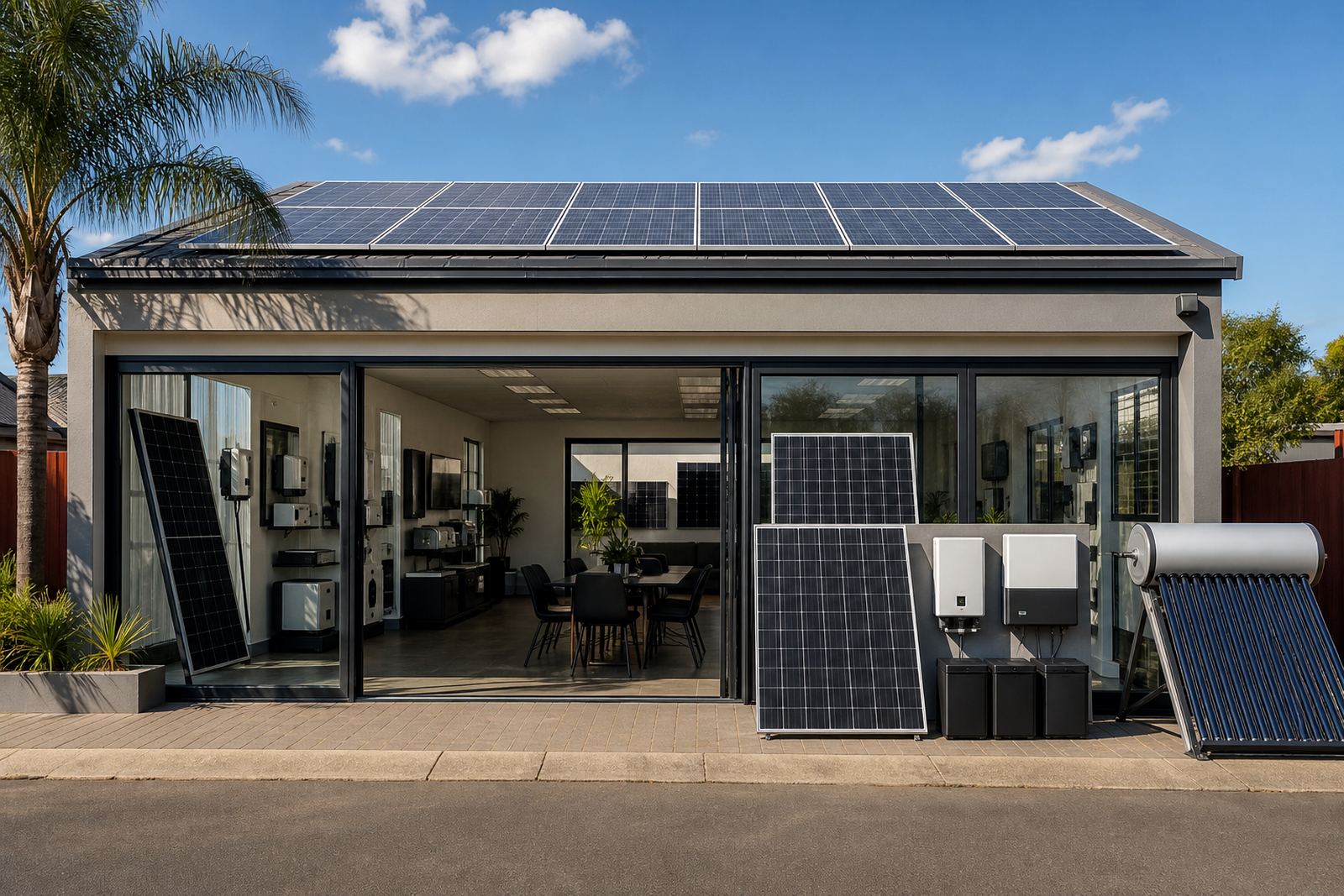
Most clinic systems use a combination of solar panels, an inverter, batteries and careful electrical integration. Panels collect energy during the day, the inverter manages supply to the building, and batteries provide backup after sunset or during outages. For clinics that use hot water for handwashing or staff areas, a solar water heater can also reduce strain on the main electrical supply. This is especially useful where geyser usage is high or where the clinic has several sinks running through the day.
The right size depends on what the clinic must keep on. A single consulting room has different needs from a dental practice or a multi-room GP surgery. During planning, we look at the load profile rather than guessing from floor size alone. That includes peak starting loads, the number of fridges, whether there is a dedicated server or router cupboard, and how much battery reserve is required for evening sessions or long outages. Electrical work is done by qualified installers, and all connections need to be neat, labelled and safe for day-to-day use.
- Solar panels sized to suit the available roof space and daily usage
- Inverter for stable power supply to essential circuits
- Batteries for night-time and load-shedding backup
- Solar water heater where hot water demand is steady
- Protection gear, isolators and proper wiring for the DB board
Layout planning that suits Pretoria, Durban and the coast
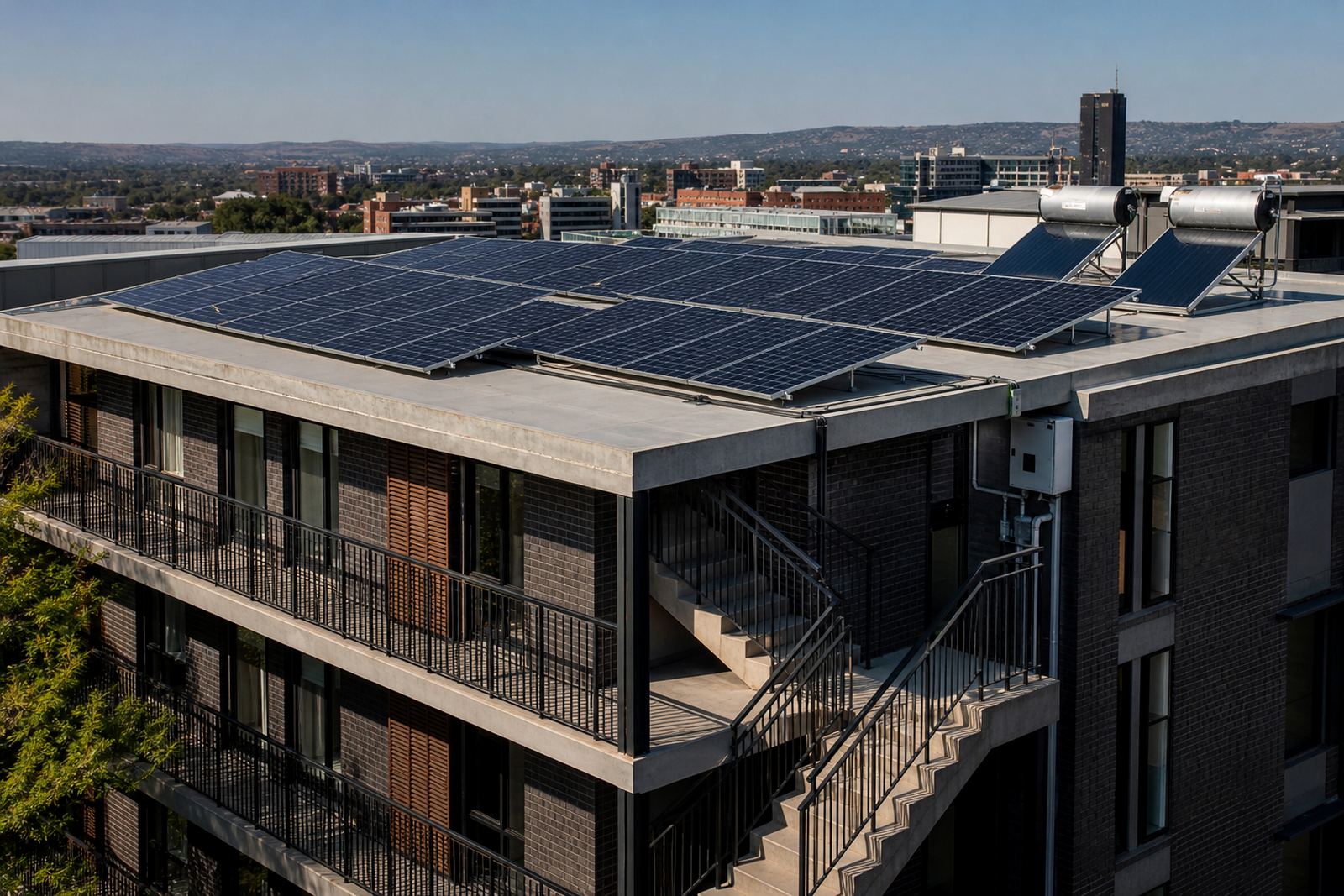
Clinic rooftops and service yards vary a lot between Pretoria, Johannesburg, Durban, Cape Town and Bloemfontein. In Gauteng, heat and dust can build up on panels, so access for cleaning matters. In coastal areas like Durban and Cape Town, salt air and humidity need corrosion-aware planning, with mounts and cable runs kept tidy and protected. On flat roofs, panel tilt and spacing matter so that water can drain and maintenance can still be done without risk.
Batteries should be installed in a cool, dry and secure room with enough ventilation and space around the equipment. This is not something to squeeze next to a mop sink or a busy storeroom. In a clinic, the neatest solution is often a locked utility space close to the DB board, so cable runs stay short and faults are easier to trace later. If the premises operates in stages, it may be sensible to split the load into essentials and non-essential areas, so the receptionist area and treatment rooms remain powered while less critical circuits stay off.
- Keep batteries out of direct sun and away from damp areas
- Allow access for future maintenance and cleaning
- Separate critical loads from optional loads
- Plan roof routes before drilling or mounting begins
- Check whether the municipality has any rules for fixed electrical changes
Solar water heating for handwashing and staff facilities
Many small clinics use more hot water than they expect. Handwashing points, basins in treatment rooms, staff toilets and kitchenettes all add up. A solar water heater can be a practical way to reduce reliance on electrical geysers, especially where the building has predictable daytime water use. In a clinic setting, this matters because hot water is not a luxury item, it supports basic hygiene routines and day-to-day comfort for staff and patients.
Water heating should be planned alongside the rest of the electrical system so the roof layout, pipe runs and tank position make sense. A poor placement can lead to long heat loss in pipes or awkward maintenance access. In some cases, the water heater is best added as a second phase after the power backup system is in place. That way the clinic can manage budget and avoid overloading the installation team on a busy site.
Common mistakes clinic owners should avoid
The most common mistake is oversizing or undersizing the system because someone guessed at the load. A clinic may run fine during the day but fail at 5 pm if batteries were not sized for after-hours use. Another issue is forgetting startup surges from fridges or pumps. Some owners also focus only on panels and ignore the inverter and battery balance, which leads to weak backup and frequent complaints. It is also a mistake to leave out proper labelling, because future maintenance becomes messy very quickly.
Another problem is choosing a roof position that looks convenient but is shaded for part of the day. Even a small shadow from a tank, parapet wall or tree can reduce output. In older buildings, the condition of the roof and electrical board matters just as much as the solar equipment itself. If the roof leaks or the DB board is not suitable, those issues need attention before the new system goes live. Good commissioning should include testing, circuit checks and a clear handover so the clinic knows which circuits are backed up.
Budget ranges for small clinics in Rand
Clinic budgets vary depending on how much of the building needs backup and whether hot water is included. A small practice with essential loads only may fit into a lower entry range, while a larger medical suite with multiple rooms, more batteries and a solar water heater will cost more. As a practical guide, many small healthcare premises in South Africa start by budgeting from about R85 000 for a basic essential-load setup, with more complete systems often moving into the R150 000 to R350 000 range or higher depending on roof space, battery size and electrical upgrades.
It is worth setting aside room for maintenance as well. Panels may need cleaning, especially in dusty parts of Gauteng, and batteries and inverters should be checked from time to time. Linuo Solar supports clinics in Pretoria, Centurion, Johannesburg, Midrand, Durban, Cape Town and Bloemfontein with site assessments, system design, panel installation, inverter installation, battery installation, water heater installation, electrical integration, system commissioning, solar maintenance, fault finding, panel cleaning and support callouts. Clients reach us through the enquiry form on our contact page, and that is usually the simplest place to start when planning a clinic system.
- Basic essential loads: from about R85 000
- Mid-sized clinic backup systems: often R150 000 to R350 000
- More complex sites with hot water and stronger backup: higher, depending on scope