
Summer Rain and Dust on Panels
In Pretoria, summer often brings heat, thunder showers and a fine layer of dust between storms. Panels still work in wet weather, but dirt, pollen and bird mess can reduce output if they are left too long. After a long dry spell, the first rain can turn dust into a sticky film, so it is worth checking the array more often than you would in winter.
For homes and small businesses, a light clean is usually enough when panels are only dusty. If there is heavy grime, leaves or soot from nearby traffic or industry, arrange panel cleaning with care. Use soft water and suitable equipment, never harsh chemicals or abrasive brushes that can damage the glass or frame.
- Inspect panels after strong winds, dust storms or nearby construction.
- Check for leaves, nesting material and bird droppings on lower rows.
- Look for pooling water, loose wiring or visible cracks after hail.
- Keep gutters and roof valleys clear so runoff does not stain the panels.
Winter Load and Battery Use
Winter changes the way many South African systems are used. Daylight is shorter, geysers work harder to keep water warm, and people often use heaters and kettles earlier in the morning and later at night. That extra demand can make battery storage, inverter settings and general system sizing feel more important than in summer.
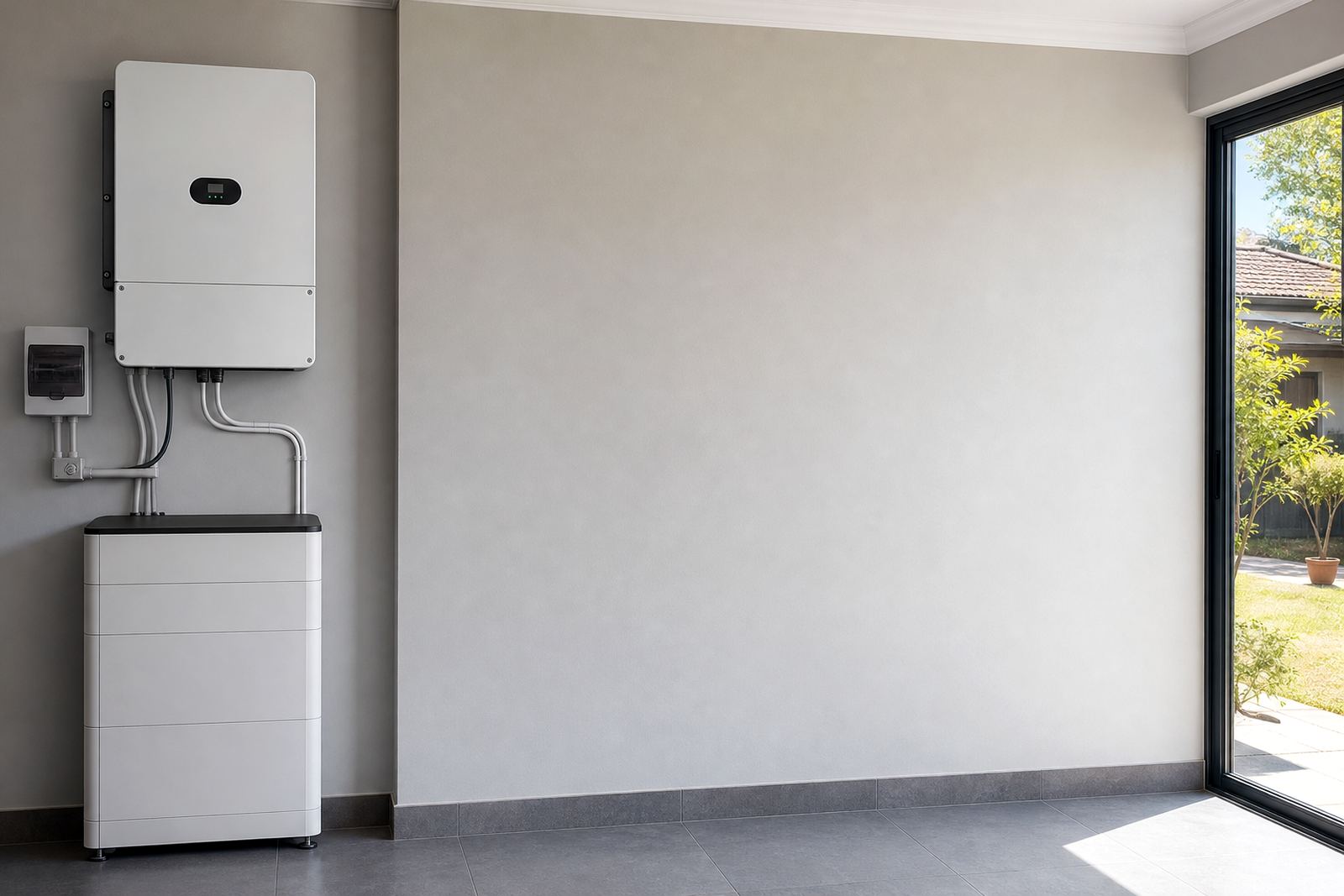
In areas such as Johannesburg and Pretoria, a well planned system should still handle the basics through load-shedding and winter evenings, but users need to watch what they switch on at the same time. If the battery is often running low by late afternoon, the issue may be the weather, the load pattern or a setting that needs adjustment. A qualified installer should check the electrical side, especially where the system is tied into a home or business distribution board.
- Shift heavy loads, where possible, into the middle of the day.
- Keep an eye on battery state of charge during colder weeks.
- Test backup lights, sockets and essential circuits before winter starts.
- Do not assume a winter dip means the system has failed, it may simply be seasonal use.
Coastal Humidity and Corrosion Checks
Durban and Cape Town bring another set of seasonal conditions. Sea air, humidity and salt can affect frames, fixings and electrical connections over time. Even when the panels themselves look fine, small signs of corrosion can point to a problem that needs attention before it grows into a fault.
After windy months or periods of heavy rain, it helps to inspect mounts, cable routes and seals. Roof penetrations should remain watertight and neatly finished, and any exposed metal should be checked for rust. On the electrical side, connections must be kept dry and secure. This is work for qualified installers, especially when inverter, battery and mains connections are involved.
- Check for rust on brackets, clamps and roof hardware.
- Look for discoloured connectors or heat marks around cable joints.
- Make sure no water sits in low points along conduit runs.
- Schedule fault finding early if the system trips after rain.
Solar Water Heaters Through the Seasons
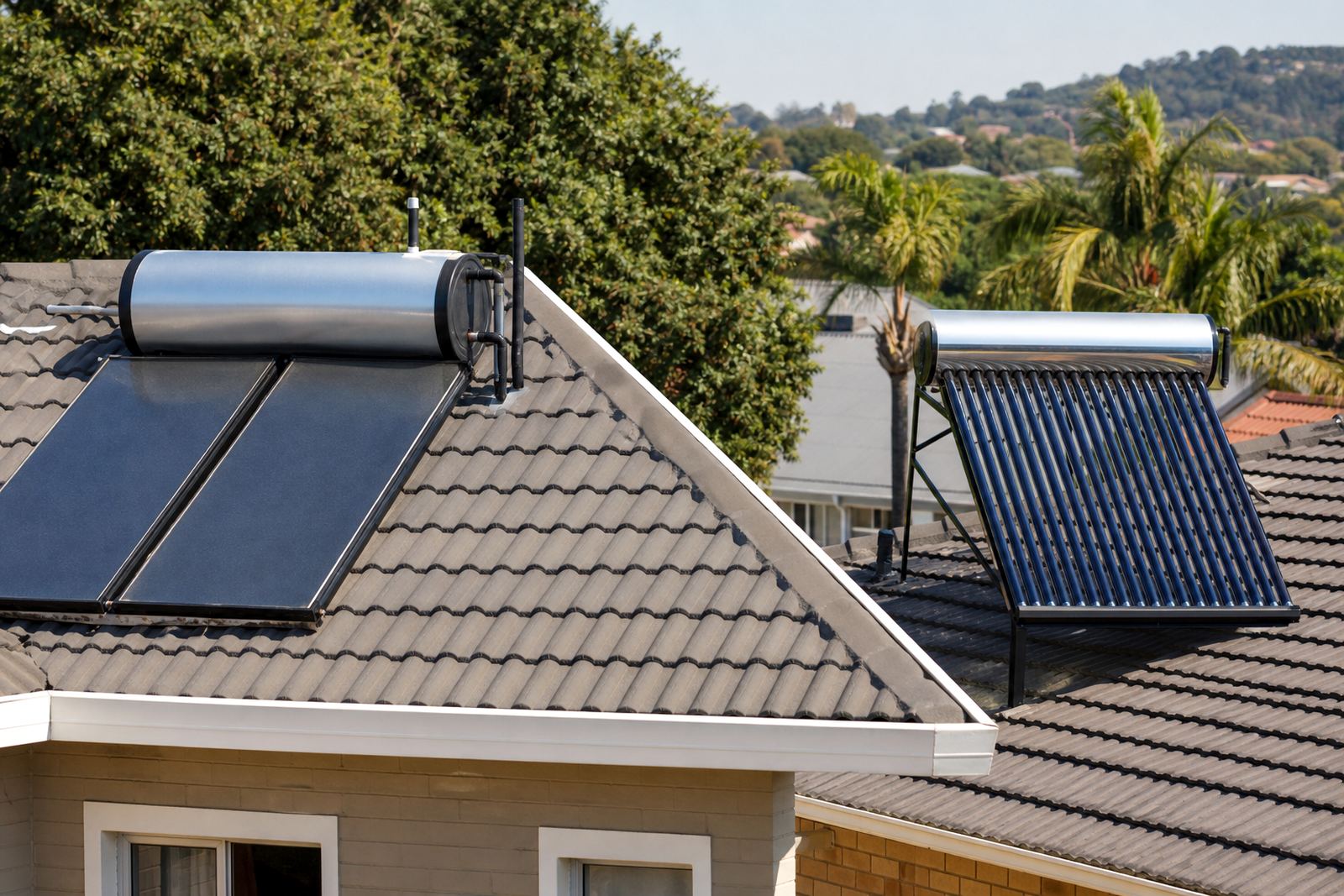
Solar water heaters also need seasonal attention. In summer, water demand may rise because families are home more often, while in winter the system has to cope with colder inlet water and longer recovery times. A properly installed unit should still deliver useful hot water, but performance depends on good insulation, correct tilt and regular checks on valves and pipework.
In Pretoria and Centurion, dust can settle on collectors just as it does on panels, and that can affect heating efficiency. In colder months, make sure the system is protected against freezing where relevant and that the water lines are in good condition. If the water is not heating as expected, it may be a circulation issue, a thermostat setting or scale buildup. That needs proper inspection, not guesswork.
- Keep collector glass clean so sunlight reaches the absorber surface.
- Check insulation on exposed hot water pipes before winter.
- Watch for dripping valves, weak flow or unusual noise from the system.
- Arrange maintenance if hot water takes longer to recover than normal.
Seasonal Checks for Homes and Small Businesses
Small businesses often feel seasonal change more sharply than homes because operating hours, refrigeration and lighting stay consistent even when weather shifts. A salon in Midrand, a small office in Centurion, or a shop in Bloemfontein may notice that cloud cover, cleaning schedules and power use all vary from month to month. That makes routine checks part of good business planning.
A sensible seasonal checklist helps prevent avoidable callouts and keeps the system ready for higher demand periods. It also gives the installer a chance to spot worn parts before they fail. For sites with panels, batteries and inverter equipment, regular inspection is as important as the initial installation.
- Review energy use at the change of season and adjust settings if needed.
- Book a visual inspection after hail, storms or long dry periods.
- Confirm that alarms, breakers and monitoring displays are working.
- Ask for a cleaning and maintenance visit before the busy season starts.
A Pretoria Example of Practical Care
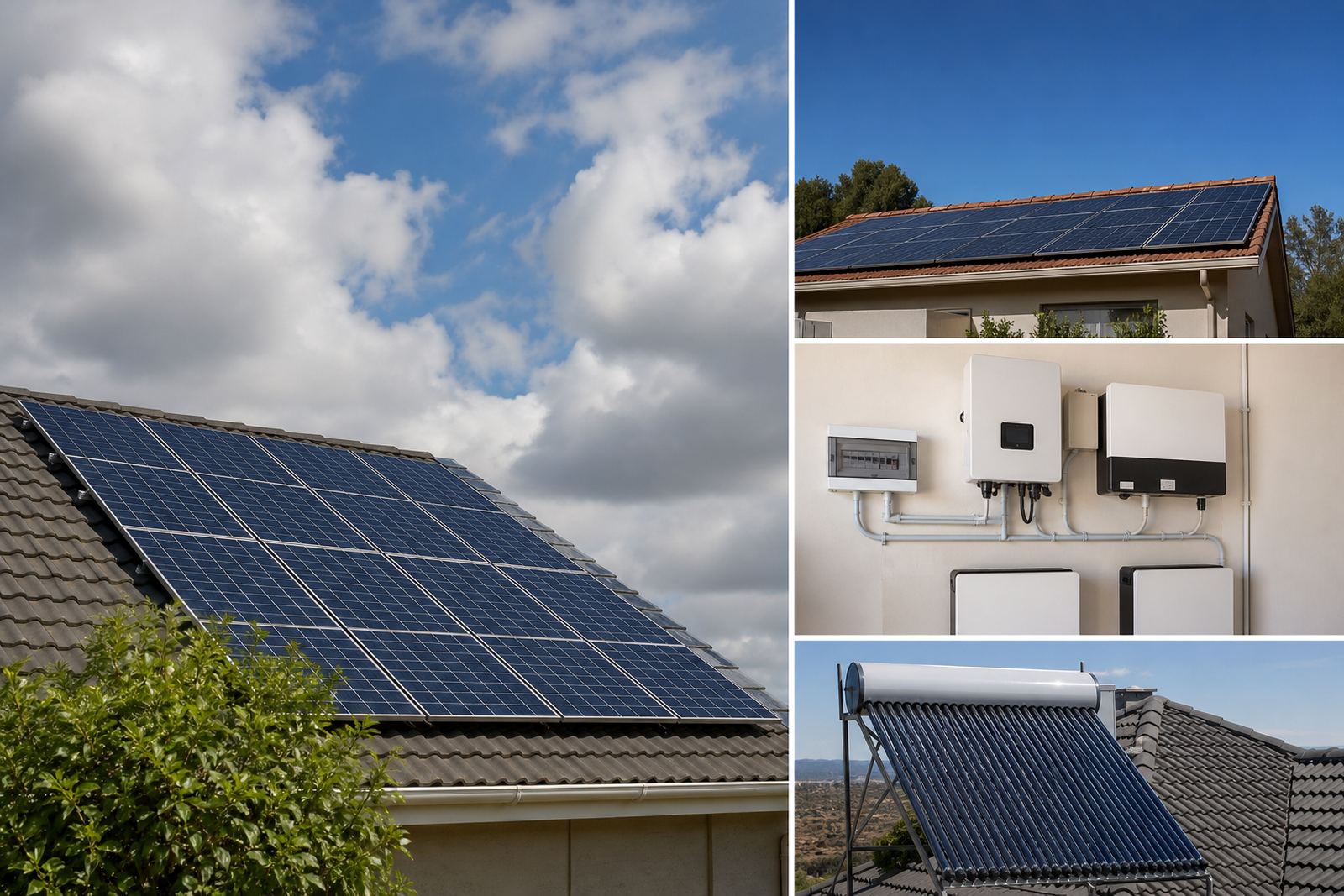
Consider a family in Pretoria with roof mounted panels and a solar water heater. In late summer, dust from nearby roadworks coats the panels more quickly than expected. By winter, the same home uses more hot water and the battery is being drawn down earlier because of evening cooking and lighting. Nothing is wrong with the system as such, but the season has changed how it behaves.
After a proper site assessment, the panels are cleaned, the water heater is checked and the electrical integration is inspected by qualified installers. The household then changes a few habits, such as running high use appliances in daylight hours and keeping an eye on the battery during overcast spells. That kind of practical upkeep helps the system stay useful through the year, not just on clear blue days. It also avoids small problems becoming expensive ones later on.
Seasonal care is not about constant tinkering. It is about knowing when the weather, dust or demand has changed enough to justify a check. For homes and small businesses across Gauteng and beyond, that approach keeps solar equipment working as it should.