Why a phased solar plan suits many homes and small businesses
A full solar setup is not always the best first step. In Pretoria, Centurion and nearby areas, many owners begin with a smaller system that covers the basics, then add more panels, a battery or a solar water heater later as the household or business changes. This is often practical where cash flow matters, or where the building is busy during the day and electricity use shifts over time.
A staged approach also helps when you are not yet sure how much power you will need after a renovation, a new freezer room, extra tenants, or a growing home office. The point is to make a sensible start without locking yourself into a design that no longer fits in 12 months.
Start with the load that matters most
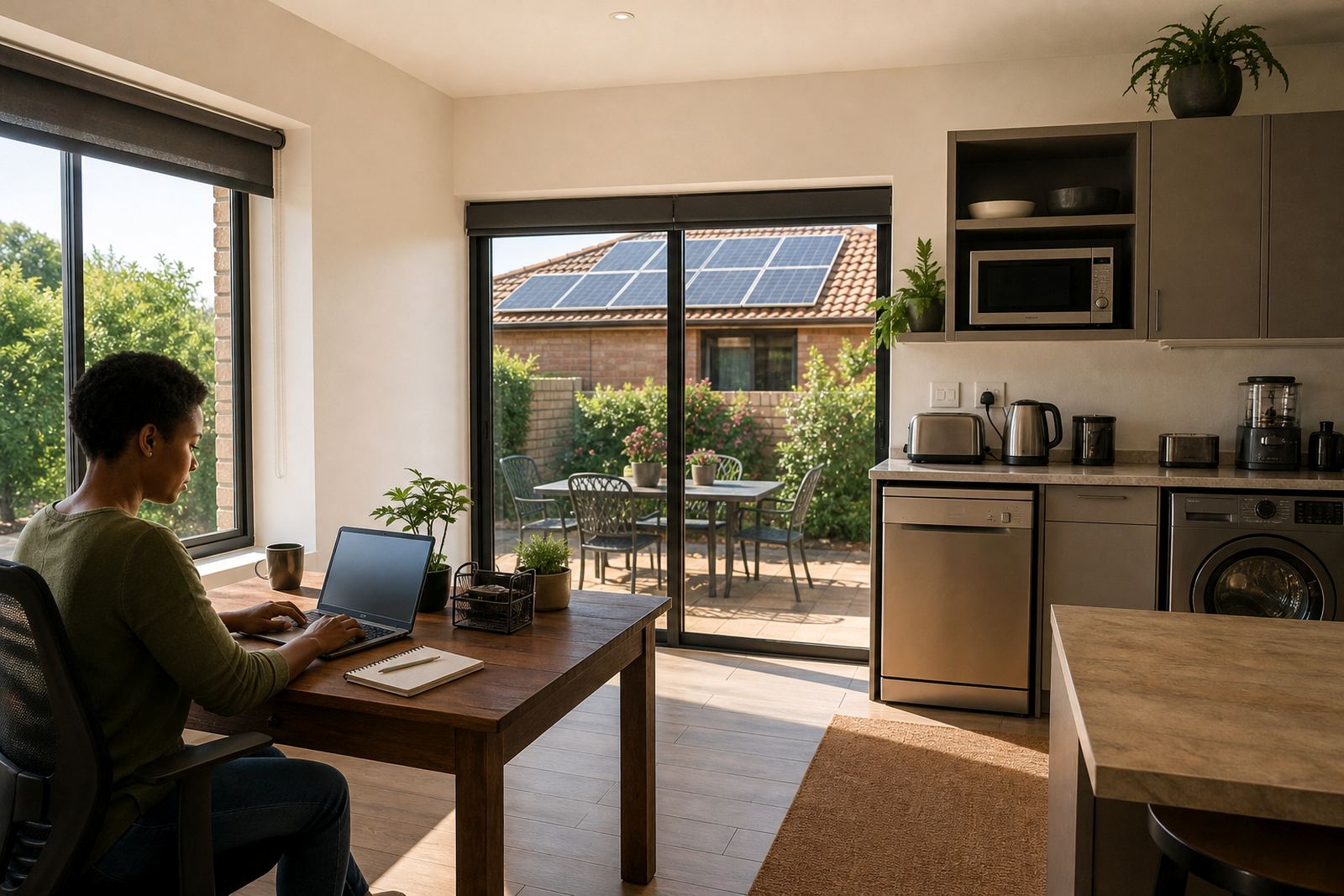
Good planning begins with the right load assessment. A small business in Midrand may need backup for lights, routers and point-of-sale equipment first, while a family home in Durban may want the geyser and fridge covered before anything else. The initial layout should match the daily pressure points, not just the biggest number on the bill.
- Essential loads such as lights, refrigeration and internet equipment
- Roof space that can take more panels later
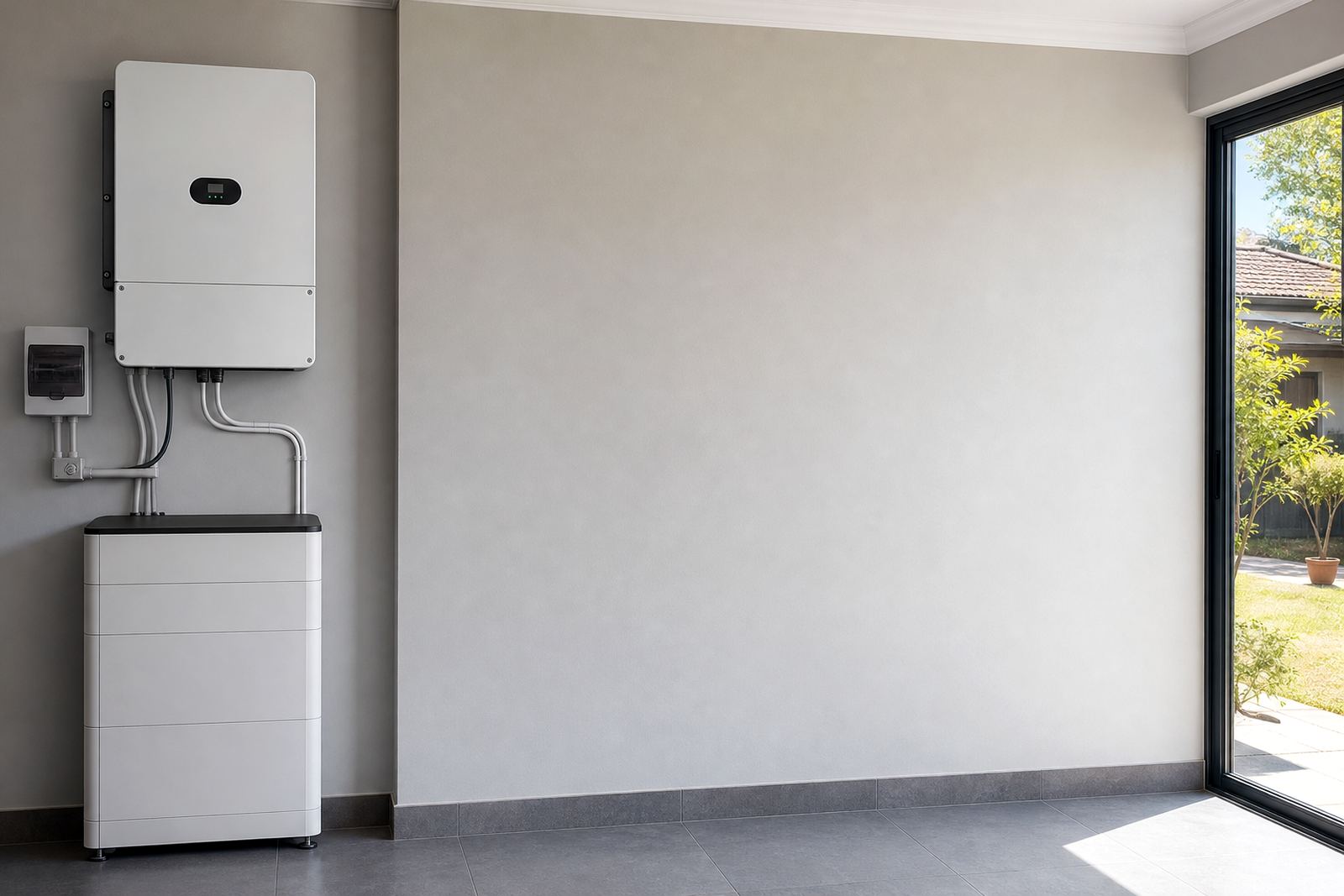
- Battery space for future backup capacity
- Electrical board layout that can accept extra circuits
- Geyser or water heating needs that can be separated from other loads
When the first stage is done properly, later expansion is simpler and cheaper because the base system already has room to grow.
Plan the first installation so it can grow
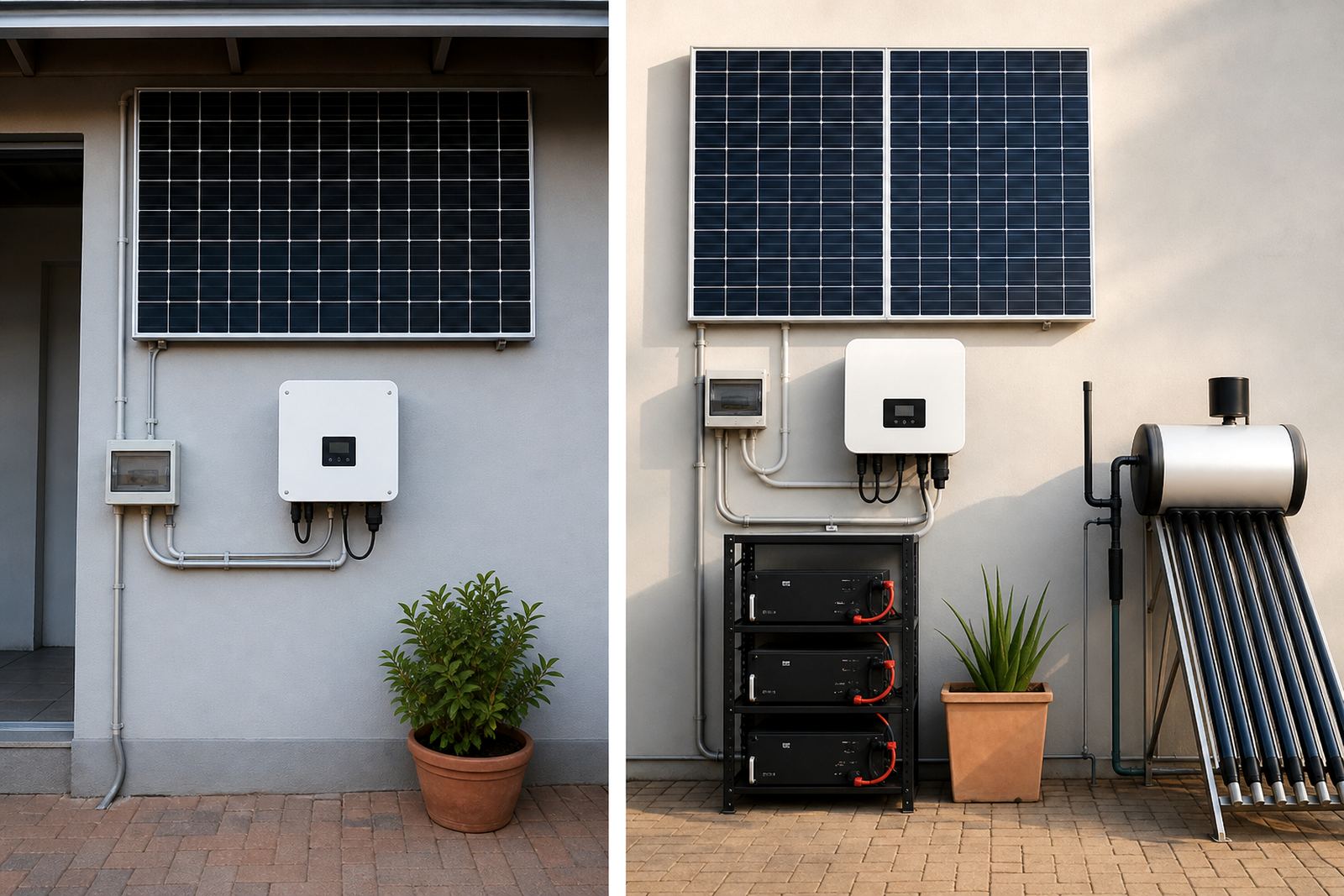
When a system is meant to expand, the first design should leave space for extra panels, a larger inverter later if needed, and more battery capacity where the site allows it. That means checking roof direction, cable runs, mounting space and the condition of the distribution board before any work begins. Electrical work is done by qualified installers, because a neat, safe integration matters just as much as the equipment itself.
In coastal areas such as Cape Town or Durban, corrosion resistance and secure fixing also matter. In Gauteng, dust and summer storms can affect performance, so the mounting and cabling must be done with future access in mind. If the site is being prepared for more capacity later, the small details now save time and money later.
How solar water heating fits into staged growth
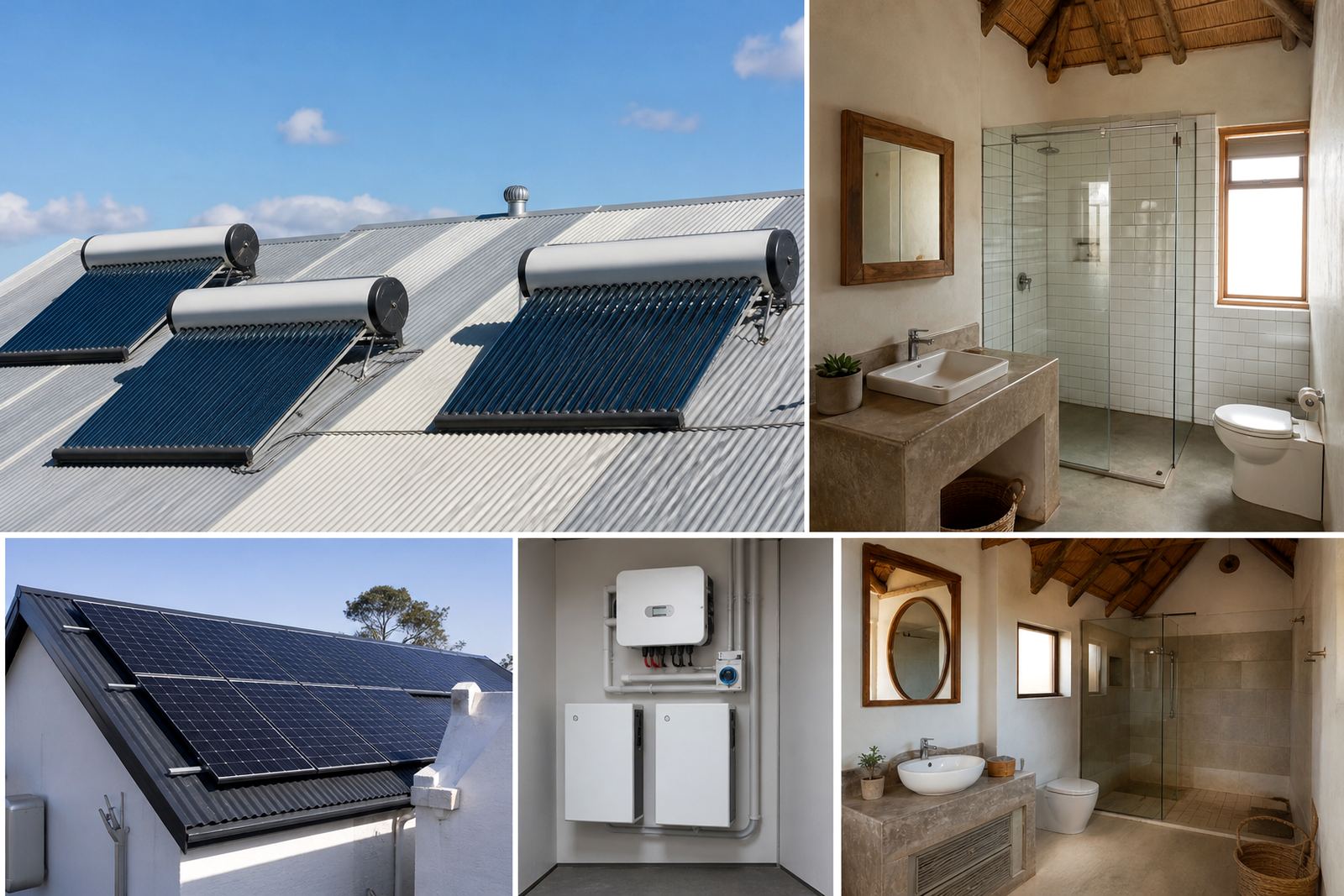
Solar water heaters are often a smart first or second phase because they can ease hot water costs without requiring the whole property to move to a larger electrical setup straight away. A geyser connected through the right controls can reduce pressure on the rest of the system, especially in homes with high morning demand or small businesses with wash areas, kitchens or staff facilities.
In many cases, a property owner will begin with panels and basic backup, then add water heating once the budget allows. Others do the reverse, especially where hot water is the main pain point. Either way, the sequence should follow actual use on site, not a one size fits all approach.
- Homes with large geyser demand can benefit from early water heating planning
- Guesthouses and offices often need hot water at set times
- Small businesses may prefer to protect operations first, then add comfort loads
A Pretoria example: one site, two stages
Take a small family-run office and workshop in Centurion. The owners wanted help during load-shedding and also needed a better hot water solution for staff. We first planned a system for lighting, computers and gate access, with space left for future battery expansion. The qualified installation team handled the electrical integration and system commissioning so the first stage was clean and safe.
Six months later, after the business had settled into its new routine, the owners added more panels and a solar water heater. Because the original design had allowed for expansion, the second stage did not require major rework. That is the real benefit of thinking ahead. You do not have to install everything now, but you should install in a way that keeps the next step open.
What to review before you add the next stage
Before any expansion, the existing system should be checked properly. Panel output, battery condition, inverter capacity, cable condition and breaker protection all need attention. If there has been a roof repair, water ingress or storm damage, the layout may need adjusting before more equipment is added.
- Check whether the current inverter has spare capacity
- Confirm that battery space and cable runs are suitable
- Review panel angles and whether more roof space is available
- Inspect the distribution board and protection devices
- Test the system for faults before adding new loads
Support callouts, maintenance, fault finding and panel cleaning are especially useful at this point, because a staged system only works well when the base layer is still in good condition.
The practical reason staged solar keeps working
Expansion later is not about delaying decision making. It is about matching the system to real life. Families grow, staff numbers change, loads increase and buildings age. A phased plan gives owners in Pretoria, Johannesburg, Durban, Cape Town and Bloemfontein a way to start sensibly and add capacity when the timing is right.
With site assessments, system design, panel installation, inverter installation, battery installation, water heater installation, electrical integration and commissioning handled by one team, the system is easier to manage over time. A solar plan should leave room for future changes without wasting money now.