Why daytime habits matter more than most people think
Many people install solar and then keep running the site the same way they did on municipal supply. That is where the gap appears. Solar panels produce during daylight, so the best return comes when the higher loads happen while the sun is up. If a home or workshop waits until evening to run everything, the system has to depend more heavily on batteries or the grid, and that changes how the whole setup performs.
In Pretoria and nearby areas such as Centurion, Midrand and Johannesburg, daylight hours are usually the strongest part of the day for production, even when winter brings shorter sun time. Planning around that window helps reduce pressure on batteries, keeps inverter demand steadier and gives you a clearer idea of what the site can actually carry. It also makes it easier to size panels, batteries and inverters correctly during the design stage.
For small businesses, daytime planning is not only about saving electricity. It is about keeping operations predictable during load-shedding and avoiding nuisance trips when several appliances start together. A good plan takes the site, the staff routine and the electrical layout into account before anything is installed.
Map the loads that can move to the sunniest hours
Start with the tasks that do not need to happen early in the morning or after dark. In a home, that might include washing machines, dishwashers, pool pumps and geysers connected through a solar water heater or timed control. In a small business, it may include refrigeration support equipment, workshop tools, laptop charging, printing, and water heating for staff areas.
A simple load plan can make a real difference. One of our Pretoria clients in a small service workshop had most of their heavier use happening in the late afternoon, which put unnecessary strain on the battery bank. After a site assessment and system design review, they moved the high draw equipment to mid morning and early afternoon. The result was not magic, just better timing and less waste.
- Run washing, pumping and charging duties between late morning and mid afternoon where possible.
- Use timers for geysers, pool pumps and storage heating so they do not pull power all day.
- Switch on heavy tools one at a time instead of all at once.
- Keep standby loads low by turning off equipment that does not need to stay on.
Even a few small changes can improve the way a solar system behaves through the day.
How solar water heating fits into daytime planning
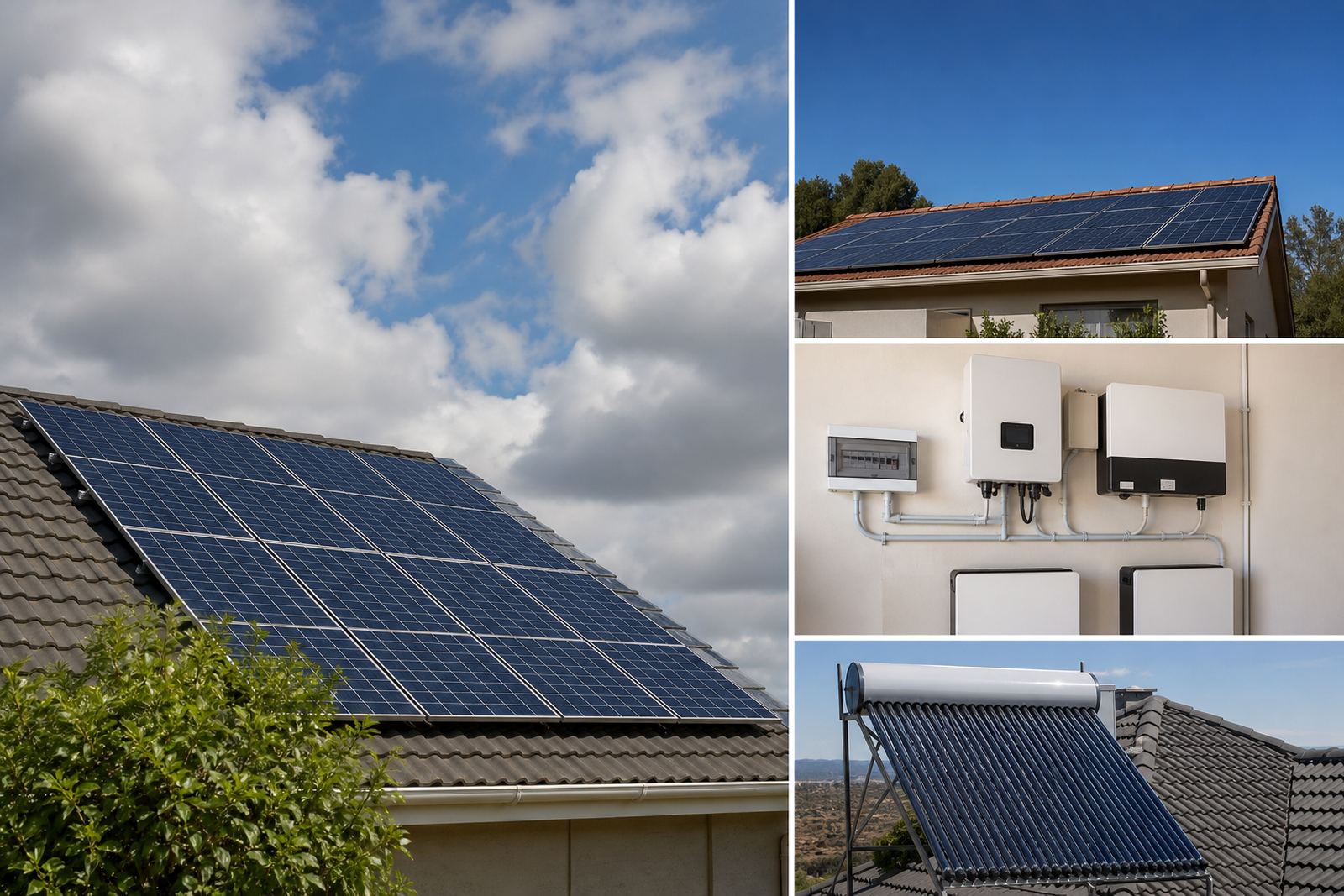
Solar water heaters are one of the easiest ways to shift a site away from expensive electric heating. They work best when the family or staff use hot water through the day and when the system is installed correctly for the roof angle, water pressure and local weather. In Gauteng, where summer sun can be strong and winter mornings can be cold, a properly planned water heating setup takes pressure off the electrical system at the right time.
For homes, this can mean less reliance on electric geysers during peak daylight hours. For small businesses, especially guest houses, salons and staff facilities, it can free up capacity for other loads. It also helps in coastal areas like Durban and Cape Town where humidity and salt air can affect exposed equipment, so the piping, supports and insulation must be chosen with care.
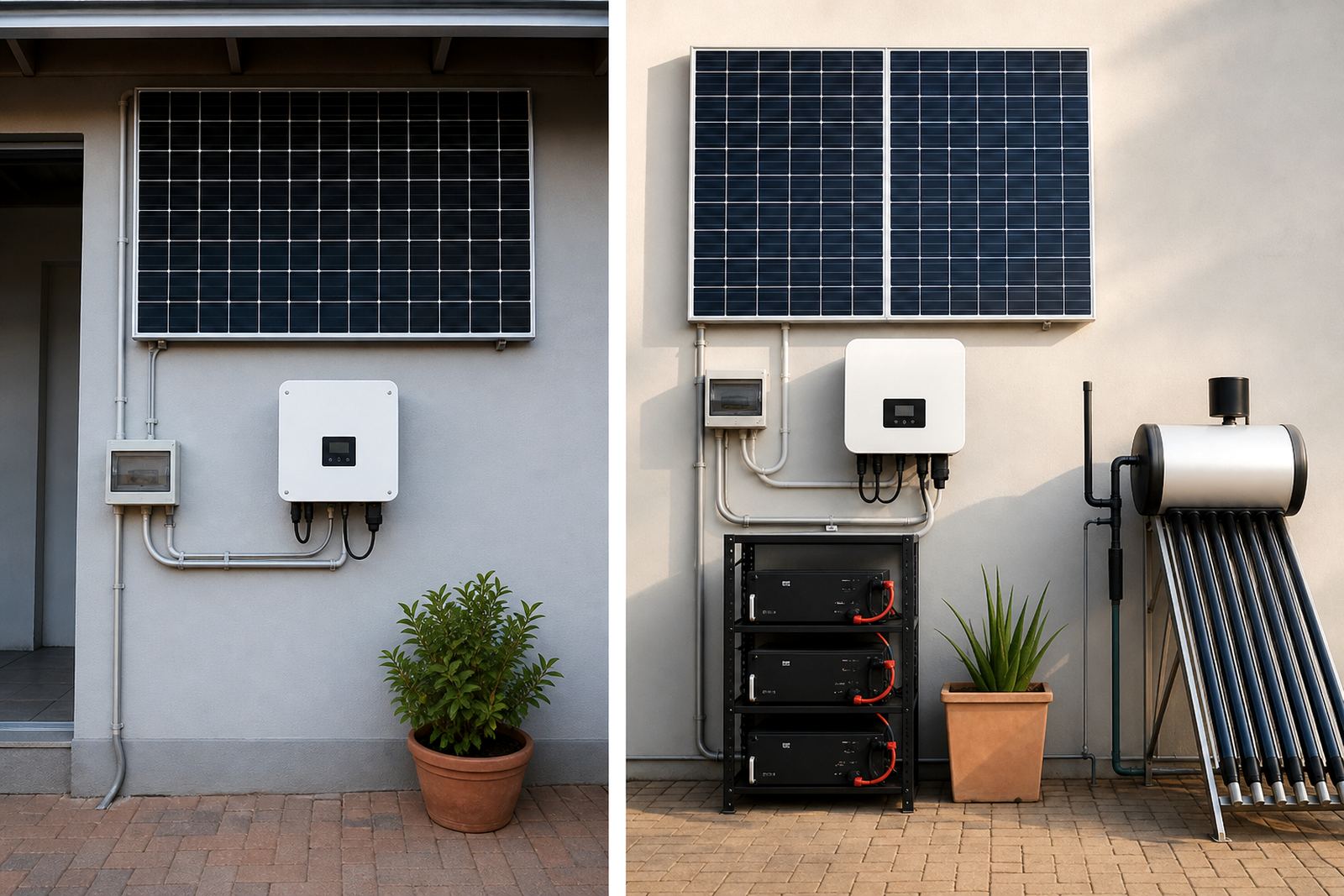
Our installation team handles the electrical integration through qualified installers, and that matters. A water heater may be a thermal product, but the controls, backup heating and safety devices must still be connected properly. Bad wiring or poor isolation can create nuisance faults, or worse, safety issues.
- Use the strongest sun hours for water heating recovery.
- Check that the backup element only runs when needed.
- Insulate hot water lines to reduce heat loss after the sun has done its part.
- Inspect valves, piping and roof fixings regularly, especially after heavy wind or hail.
Batteries are not there to do all the work all day
A battery should support the site, not carry every load without rest. This is a common mistake. If daytime usage is planned well, the battery can stay in reserve for cloudy periods, load-shedding or evening essentials. That helps extend usable time and keeps the system more balanced. It also reduces the chance of people running out of stored energy before nightfall.
When we design systems for homes and small businesses from Centurion to Bloemfontein, we look closely at what must stay on and what can be moved. Fridges, security systems and selected lighting usually need priority. Air conditioning, heaters, workshop machinery and similar high draw items may need a different schedule depending on the inverter and battery size.
Think of the battery as a buffer. If the site draws heavily through the day when the panels are already producing, the battery can top up later and still be ready for the next outage. If every appliance is left to run whenever staff or family feel like it, the battery gets emptied too early and the system feels smaller than it really is.
Good planning also helps during maintenance. It becomes easier to test one part of the system at a time, check the fault history and confirm whether the issue is with the panels, inverter, battery or wiring. That makes support callouts quicker and cheaper to handle.
A Pretoria example of getting the day organised
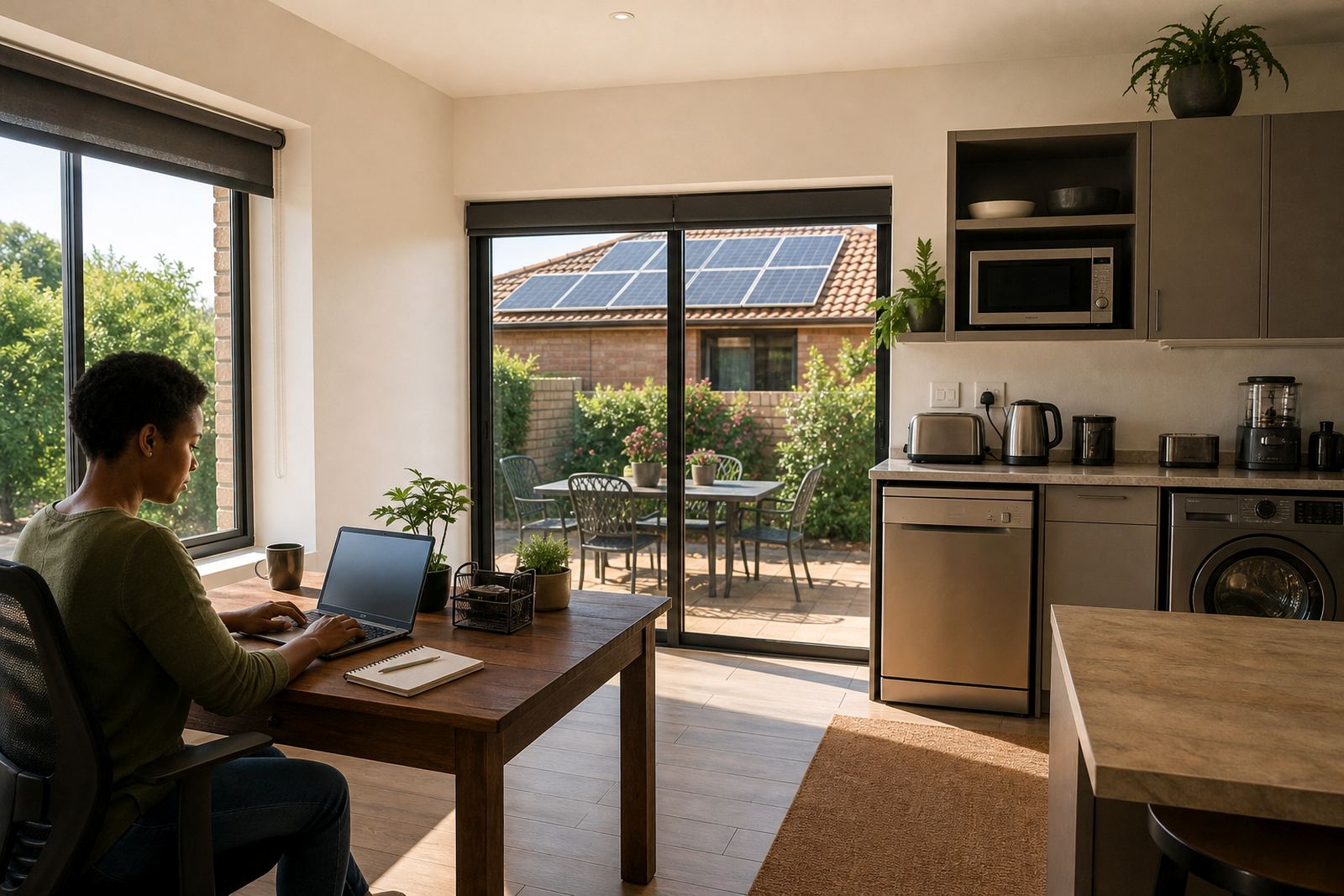
A typical Pretoria home with a small office, a pool pump and a solar water heater can use daylight in a far smarter way. The pool pump starts mid morning, the washing machine runs after breakfast, laptops charge while the panels are at full output and the geyser backup is limited to times when there is spare capacity. By late afternoon, the battery is still available for lights, internet and evening essentials.
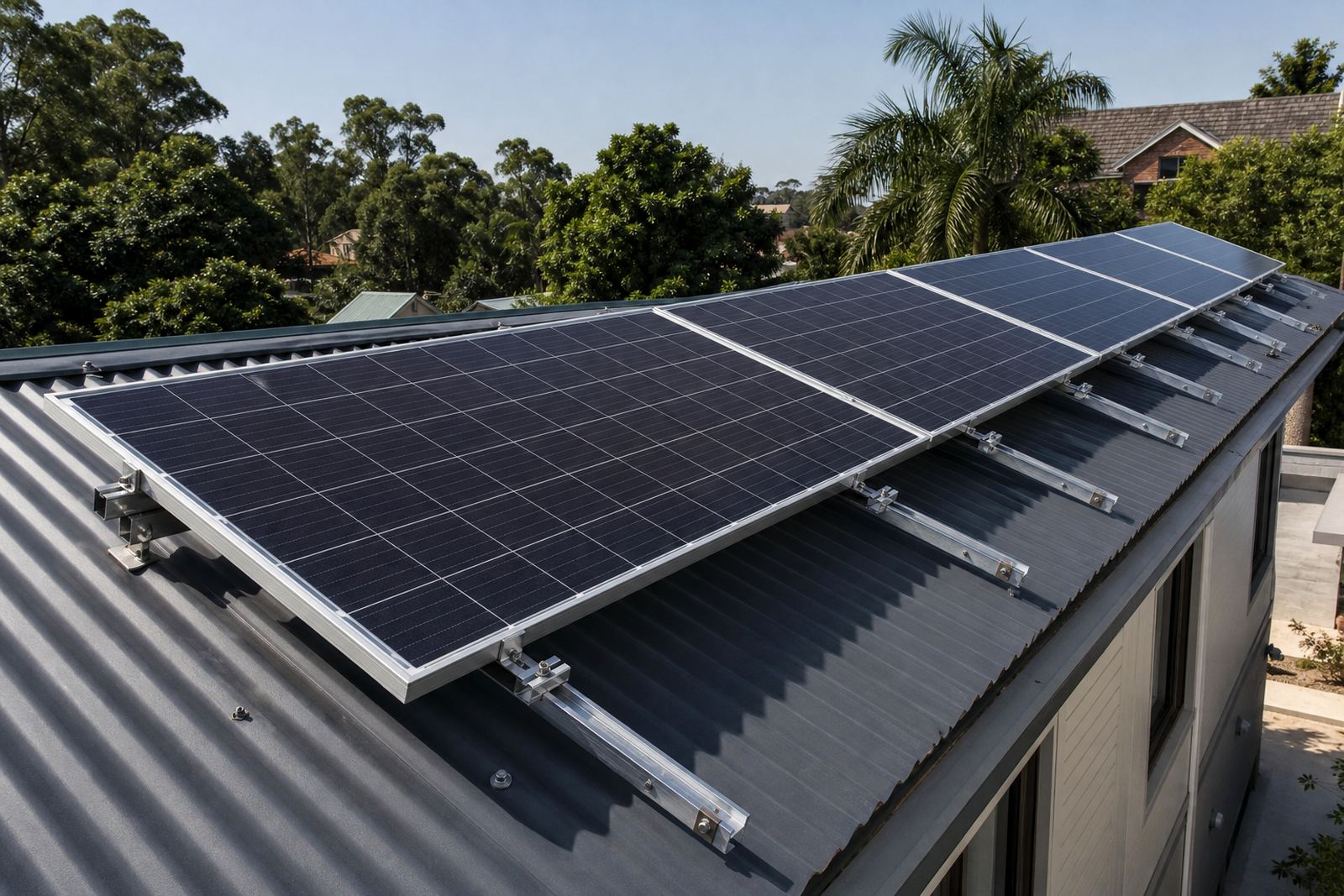
The same idea works for a shop, studio or office in Johannesburg or Midrand. The team can batch printing, tool charging and hot water use into the stronger sun hours. If the site has a fair amount of shade or a roof with different angles, the panel layout may need to be split so production is spread better across the day. That is where proper site assessments and system design become important.
Load planning is not about asking people to live in the dark or stop working. It is about using the system with a bit of discipline so it does not fight against the daily routine.
- Set a fixed routine for higher draw equipment.
- Use daylight for charging and heating where possible.
- Keep an eye on seasonal changes, because winter and summer behave differently.
- Review the plan after the first few weeks of use and adjust if needed.
What to ask before you commit to a setup
Before any installation, ask how the system will perform during the actual day on your site, not just on paper. A proper design should consider roof space, shading, the number of people on site, hot water demand and whether the premises are a home, office, workshop or mixed-use property. It should also take municipal rules and local supply conditions into account where relevant.
In places like Cape Town, Durban and Bloemfontein, the answer may change depending on weather patterns and how the building is used. In Gauteng, the load profile often changes between school terms, holidays and cooler months. A practical supplier will talk through all of that and help you plan for real conditions, not just ideal ones.
At Linuo Solar, based in Centurion, Pretoria and serving clients across South Africa, our work includes site assessments, panel installation, inverter installation, battery installation, water heater installation, electrical integration, system commissioning, solar maintenance, fault finding, panel cleaning and support callouts. The aim is simple: help each site use daytime power properly, with qualified installers handling the electrical work and the system set up for the way people actually live and work.