What grid tied and off grid really mean
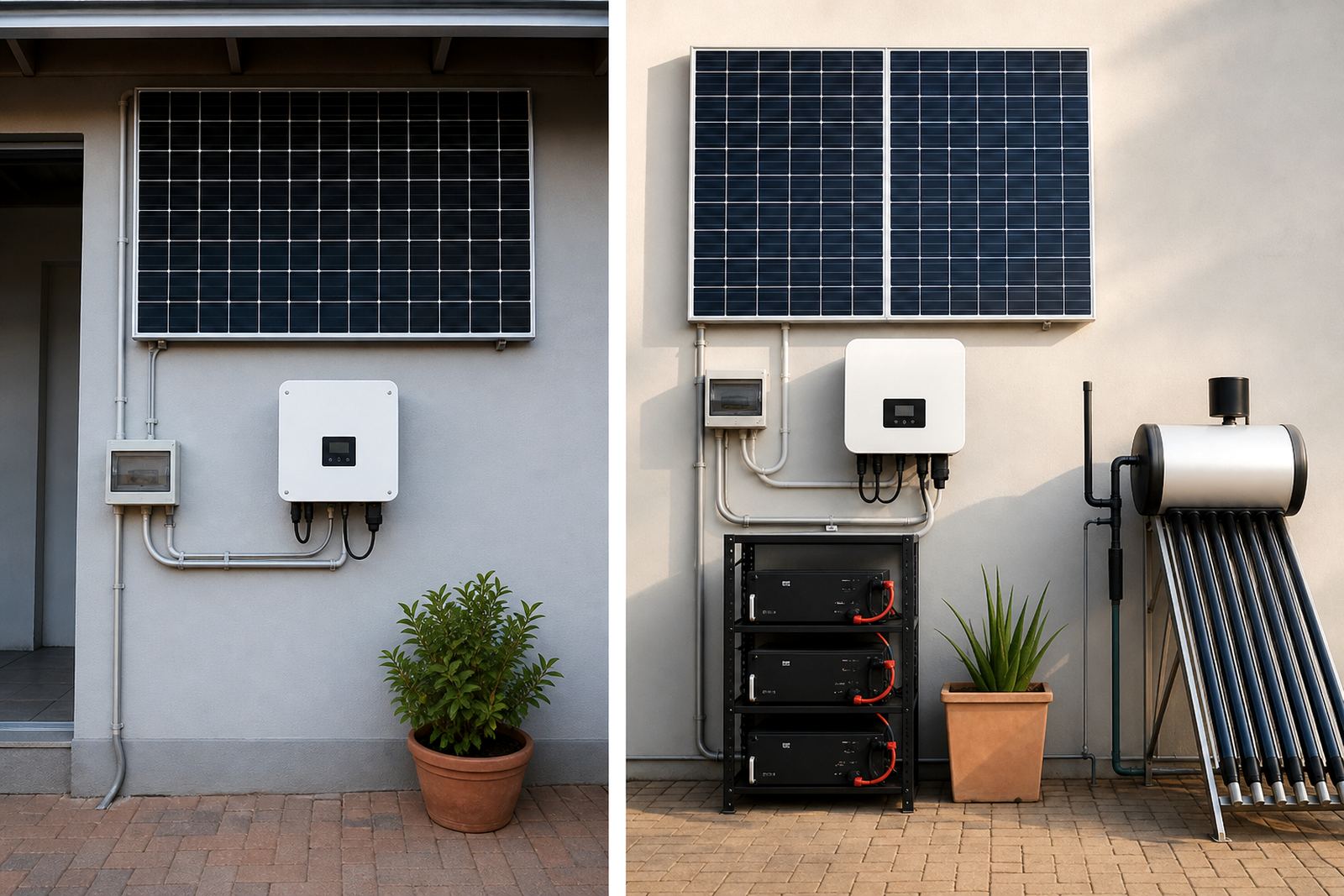
A grid tied solar system stays linked to the municipal supply. It uses solar power during the day and, depending on the setup, can draw from the grid when your panels are not producing enough. For many homes and small businesses in Pretoria, Johannesburg and Midrand, that makes it a practical option where the aim is to lower daytime usage and keep the installation simple.
An off grid system works without a municipal connection. It stores energy in batteries and relies on careful system design so the property can run through the night and through cloudy spells. That approach suits remote homes, farms, security gates, workshops and smaller sites where grid supply is weak, costly or not available at all.
The main difference is not only whether the lights stay on during load-shedding. It is how the whole system is planned, how much storage is needed, and how much backup the property needs on a normal day.
How each system handles daily power use
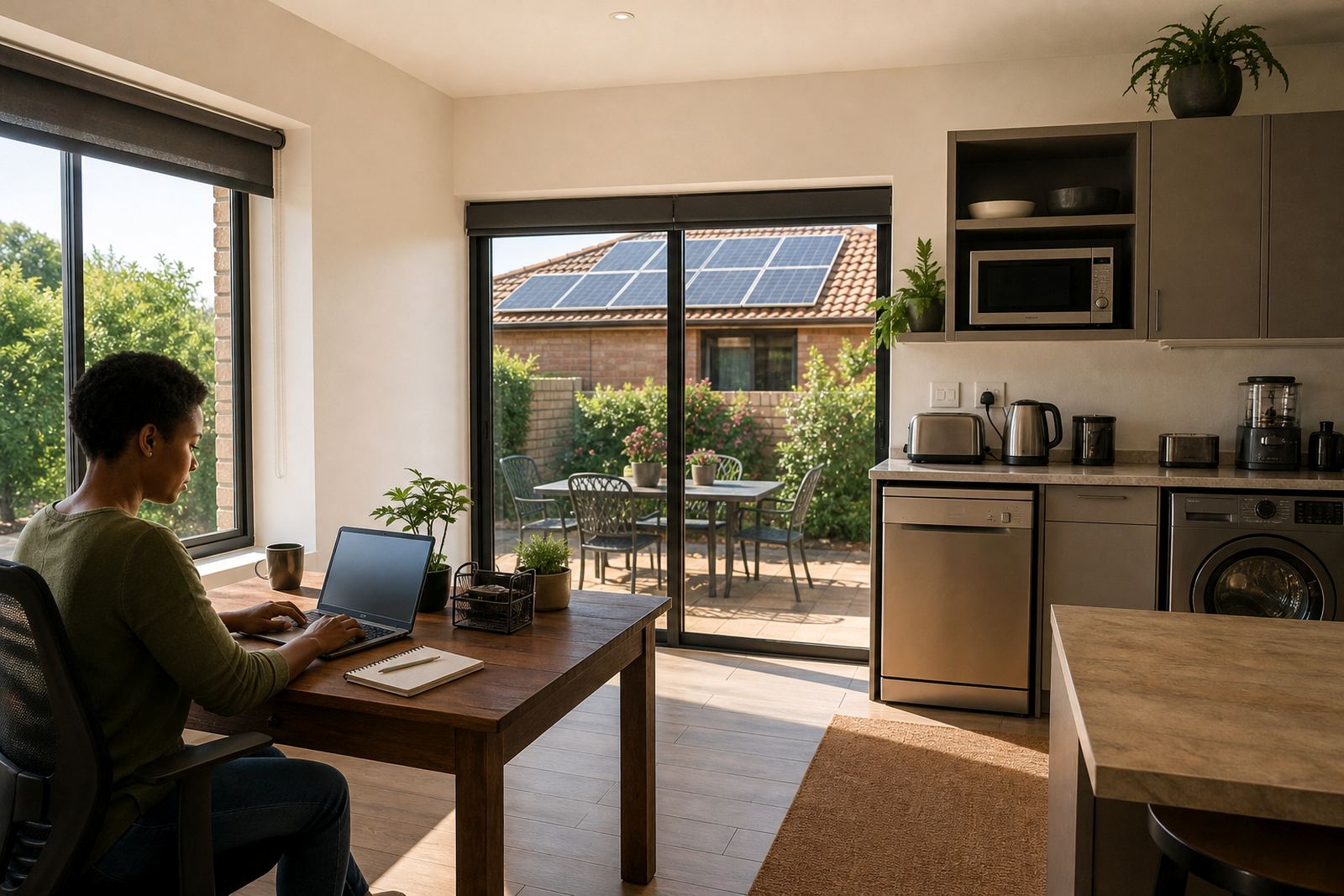
A grid tied setup is often chosen for properties with regular daytime use. Offices, shops and family homes with geysers, pool pumps or appliances that run while the sun is up can make good use of direct solar generation. If the system is designed well, it can reduce pressure on the grid during peak hours and keep certain loads running through an inverter when there is a power cut.
Off grid systems need more careful planning because every part of the property depends on stored energy. You need to think about fridge loads, lighting, borehole pumps, security equipment, internet routers and even small items that people forget about until they stop working. In practice, off grid living usually means a more disciplined approach to electricity use.
- Grid tied suits properties that still have reliable municipal supply most of the time.
- Off grid suits sites that need full independence from the grid.
- Battery size, inverter capacity and panel layout matter in both cases.
Where grid tied systems make sense in Gauteng and beyond
In suburban areas like Centurion, Pretoria East and Johannesburg North, grid tied systems are often a good fit for homes that want to keep daily running costs under control without changing the whole way they use power. They also suit small businesses that need predictable daytime supply for computers, point of sale equipment, cooling, lighting and security.
For many clients, the appeal is practical rather than technical. They want a setup that is easier to manage, simpler to maintain and sized around actual usage. Grid tied systems are also commonly paired with solar water heaters, which can reduce the load on electrical geysers, especially in busy households where hot water use is steady.
Where municipal rules or body corporate rules apply, the system design must be checked carefully. That includes panel placement, inverter location, cable routing and any electrical integration needed by the site.
When off grid is the better choice
Off grid systems are usually chosen where the property cannot depend on a stable utility supply. That can include homes outside town centres, small business premises with poor supply, lodges, agricultural buildings and properties that want complete control over their own electricity. In those cases, the system is designed to carry both daily use and backup use from batteries.
This approach can be a good fit for people who want to avoid interruptions altogether, but it comes with more planning. Battery storage needs to cover evening use and cloudy days, while the inverter must match the electrical demand of the site. If the load is underestimated, the system can struggle when it is needed most.
- Best for remote properties or sites with unstable supply.
- Useful where downtime is not acceptable.
- Needs disciplined load management and regular maintenance.
For coastal areas such as Durban and Cape Town, equipment choice and installation method also need to take humidity and salt air into account. Good mounting, neat cable runs and proper enclosure placement help the system last longer.
What to consider before choosing a system
The right answer is usually found by looking at the building, not just the equipment. A family home in Bloemfontein with daytime occupancy has different needs from a small workshop in Gauteng or a retail space with refrigeration. The installer should look at the actual load profile, roof space, shading, existing wiring and how the property behaves during load-shedding.
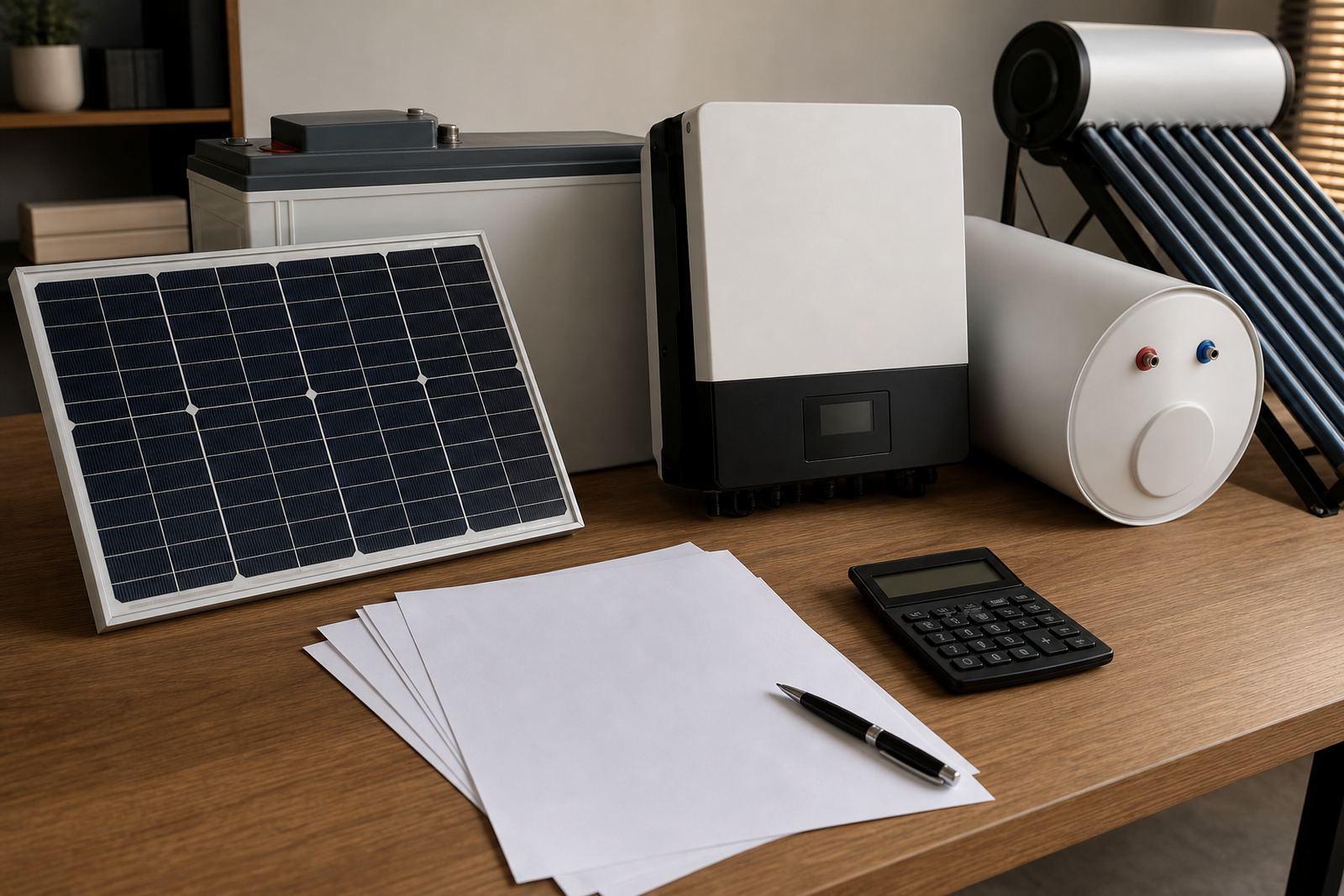
A proper site assessment makes it easier to choose between grid tied and off grid, or even a hybrid setup that uses elements of both. The team should also check whether electrical work will need changes to distribution boards, changeover arrangements or earthing. That work must be done by qualified installers.
- How much power is used in the day versus at night.
- Whether the property needs full backup or partial backup.
- How much space is available for panels and batteries.
- Whether the site has municipal or body corporate restrictions.
Maintenance matters too. Panel cleaning, fault finding and routine checks help keep the system performing well, especially in dusty inland areas where dirt build up can affect output.
A Pretoria example with a practical outcome
Take a small business in Centurion with offices, a server room, lighting and a water heater. A grid tied system with battery backup may be enough if most of the load happens during business hours and the client mainly wants protection against outages. The panels can support the daytime load, while the batteries carry essential circuits after hours and during load-shedding.
Now compare that with a guesthouse outside Bloemfontein that must keep hot water available, security systems active and refrigeration running even when supply is uncertain. That site may be better served by an off grid design, or a carefully sized system with more battery storage and tighter control over non-essential loads.
Linuo Solar works with homes and small businesses across Pretoria, Johannesburg, Durban, Cape Town and Bloemfontein, from site assessments and system design through to panel installation, inverter installation, battery installation, water heater installation, electrical integration, commissioning and support callouts. Based in Centurion, Pretoria, the team is led by Vuyo Phasha with support from Naledi Kgosi, Sarel Delport, Palesa Mabena, Mothusi Mphahlele, Faatimah Latief and Unathi Tau. The goal is simple: fit the system to the property, not the other way around.