Start with the basic parts of a solar system
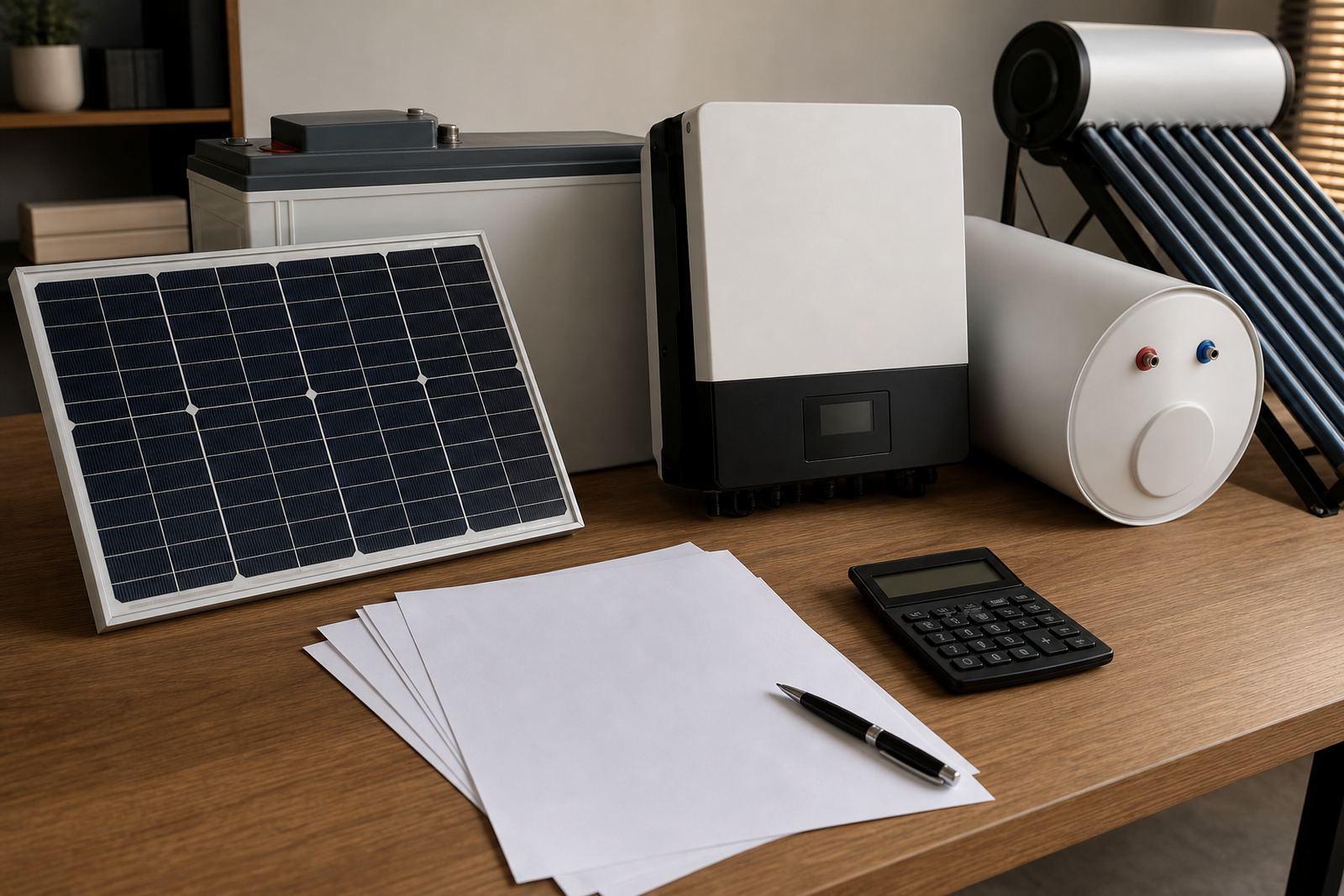
A solar setup usually has a few main parts working together. Solar panels make power from sunlight, an inverter changes that power into usable electricity, and batteries store energy for use after sunset or during load-shedding. In many homes and small businesses around Pretoria and Centurion, people add a solar water heater as well, which uses the sun to heat water rather than relying fully on electricity or gas.
When a quotation lists these items separately, it is easier to see what each part does. That matters because one system may be aimed at daytime power only, while another is built to keep lights, routers, fridges or pumps running for longer. The right choice depends on your usage and the space available on the roof.
- Solar panels: the roof-mounted units that capture sunlight
- Inverter: the unit that turns DC power into usable AC power
- Battery: storage for evening use and backup
- Solar water heater: a system that heats water using the sun
What people mean by load and usage
Two words you will hear often are load and usage. Load means the amount of electricity your home or business needs at a given time. Usage means how much power you consume over a day, week or month. For example, a small office in Midrand with computers, printers and air conditioning will have a different load to a three-bedroom house in Bloemfontein with only lights, a fridge and a geyser.
If your installer asks about peak demand, they want to know what is switched on at the same time. That helps with system design, because a setup can fail if the inverter or batteries are too small for the load. It is better to be honest about your appliances than to guess and end up with a system that trips when you need it most.
- Peak load: the highest amount of power used at once
- Daily usage: the total power used over 24 hours
- Essential loads: the appliances you want to keep on during outages
- Non-essential loads: items that can stay off when power is limited
Panel size, output and why numbers matter
Solar panels are usually described by their output rating, measured in watts. A higher wattage panel can produce more power under good conditions, but the final result still depends on roof direction, shade, heat and weather. In South African conditions, especially on hot days in Johannesburg or Durban, panel performance can shift a bit as temperatures rise.
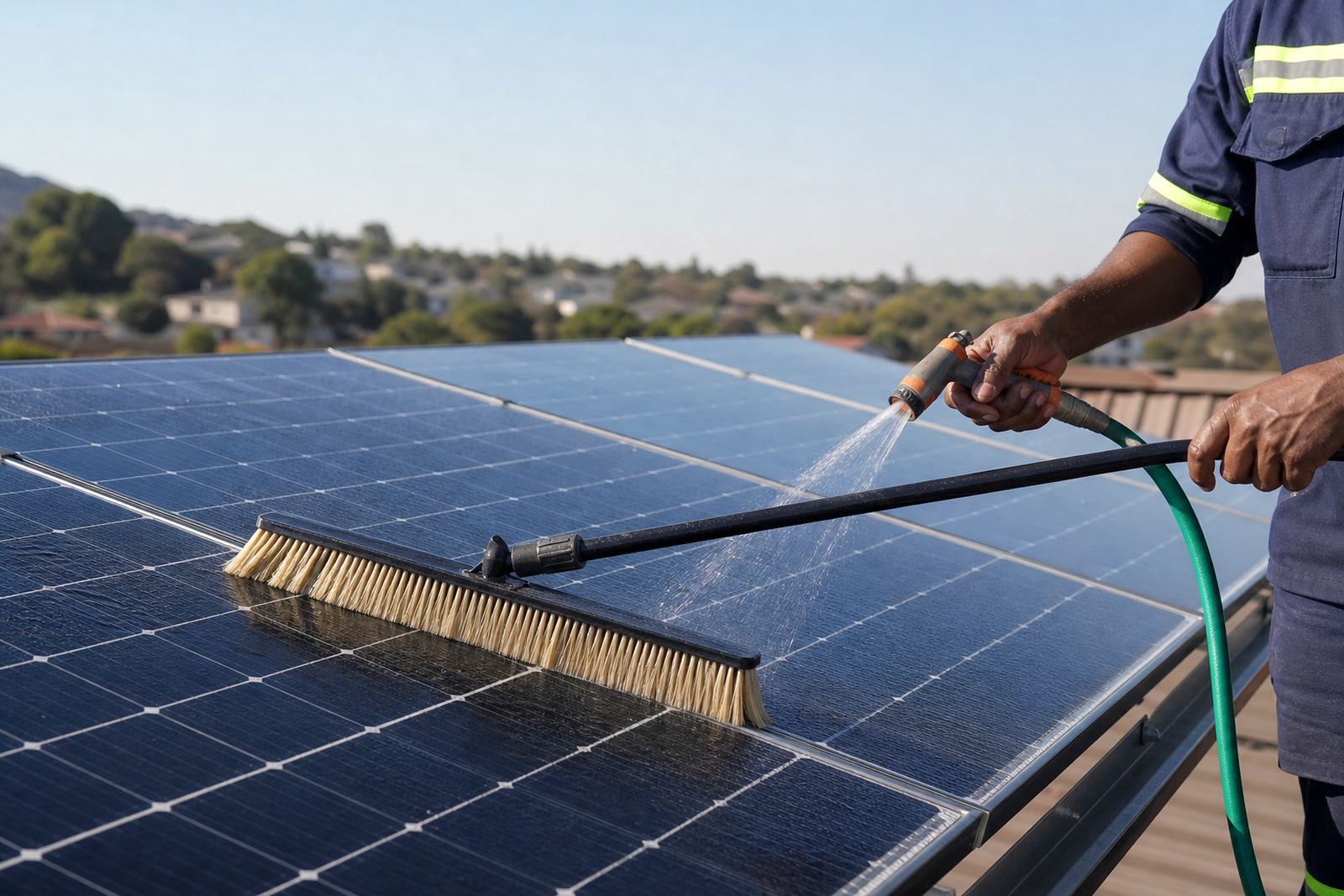
When comparing quotes look at how many panels are included, where they will be placed and whether there is enough roof space. A north-facing roof is often useful in our region, but good panel placement is not only about direction. It also needs enough clear space, proper mounting and safe cable runs. If there is shade from trees, nearby walls or old tank stands, the output can drop.
- Watt: a measure of panel output
- Array: the full set of panels installed together
- Orientation: the direction the panels face
- Shading: anything that blocks sunlight from reaching the panels
Inverter terms that show up in quotations
The inverter is one of the most important parts of the system because it controls how power is used in the home or business. Quotations often mention inverter capacity, hybrid systems, backup operation and surge support. If these words are new to you, think of the inverter as the traffic controller for the electricity in the property.
Some systems are set up mainly for backup during outages, while others are designed to work with solar panels and batteries throughout the day. In a practical sense, this means the inverter size has to match your appliances and the way you use them. A fridge, lights and internet equipment are one thing; a workshop with power tools or a small salon with heaters is another. Good co-ordination between design and installation saves time later.
- Inverter capacity: how much power the unit can handle
- Backup time: how long it can support your essential loads
- Hybrid system: a setup that can use solar, battery and grid power
- Surge: the short burst of power needed when some appliances start up
Battery words: capacity, depth of discharge and backup time
Batteries are often the part people ask about most, because they are what keep power available after sunset or during an outage. Battery capacity tells you how much energy the battery can store. Depth of discharge is the amount you can safely use before recharging is needed. Backup time is how long that stored energy will last on your actual appliances.
That last point is where many people get caught out. A battery does not give the same backup time in every house or office. If you run only lights and Wi-Fi, it may last quite a while. If you add kettles, heaters or multiple fridges, the time will be shorter. In a coastal area like Durban, batteries also need to be installed with care so moisture and heat do not become a problem over time.
- Capacity: the amount of energy the battery can store
- Depth of discharge: how much of that storage is used
- Cycle: one full charge and use cycle
- Backup time: the period the battery can supply power
Solar water heater terms for homes and guest properties
Solar water heaters use the sun to heat water for showers, kitchens and washing. In local quotations you may see terms like geyser, collector, circulation and storage tank. A collector absorbs heat from the sun. The storage tank keeps the water hot for later use. Some systems are pressurised, while others are simpler and work well for certain roof layouts and water pressure conditions.
This is useful for homes, guest houses and small businesses that use hot water every day. In places like Cape Town and Pretoria, good hot water planning can make a big difference to running costs and comfort. Municipal rules may also affect where equipment can be placed, especially if there are roof safety or plumbing considerations. For any electrical work linked to the system, qualified installers should handle it.
- Collector: the part that absorbs the sun’s heat
- Storage tank: holds heated water
- Circulation: movement of water between parts of the system
- Pressurised system: a system built for mains pressure use
How to read a quote without guessing
When you read a solar quote, do not focus only on the total price. Check what is included, what is excluded and whether the work covers site assessment, installation, system commissioning and after-installation support. A proper quote should make it clear whether panel installation, inverter installation, battery installation, water heater installation and electrical integration are all part of the job.
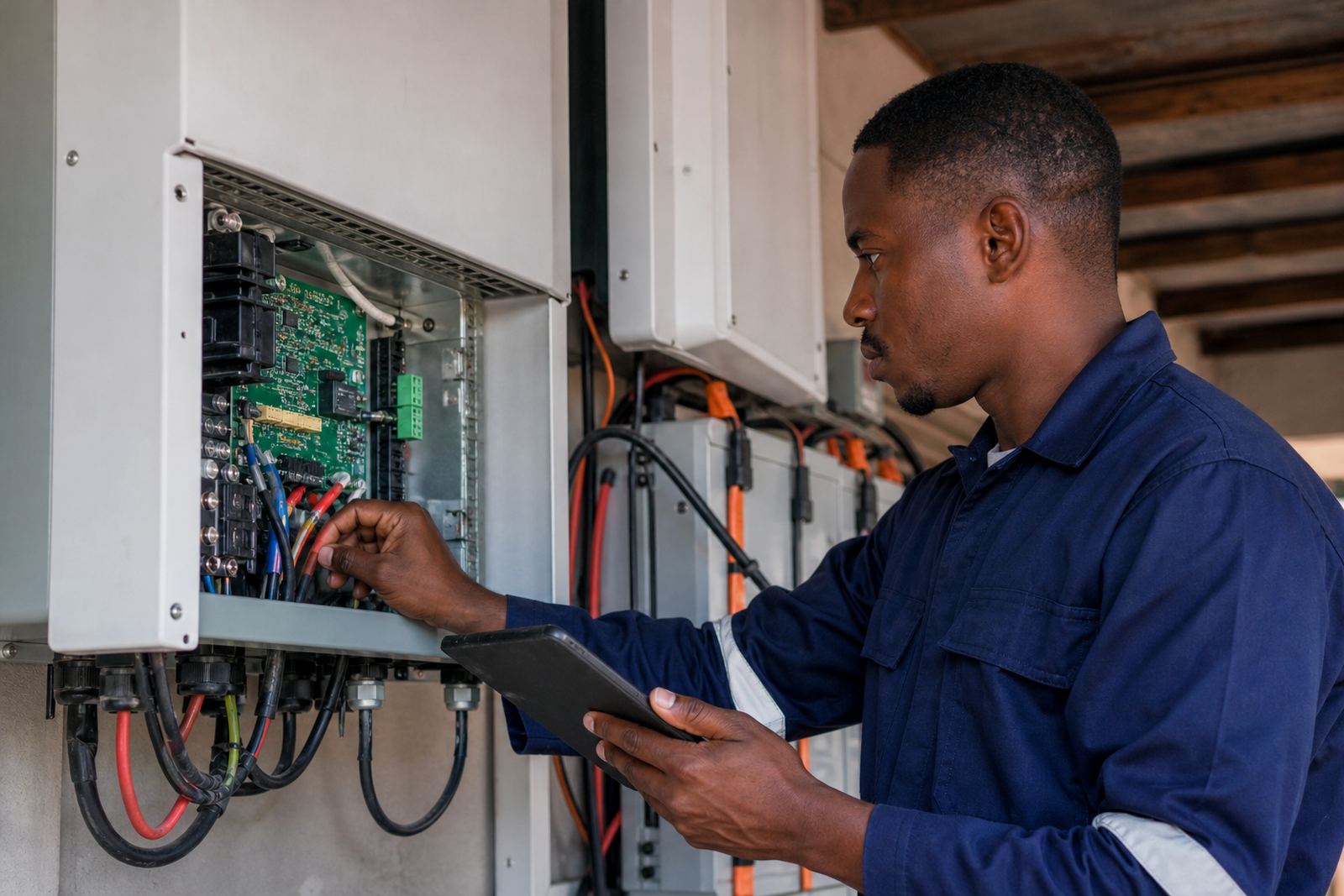
It also helps to ask who will do the electrical work and commissioning. At a minimum, that should be handled by qualified installers who understand safe connections and local standards. If you are in Pretoria, Johannesburg, Centurion or further afield in places like Bloemfontein and Cape Town, the same rule applies: the system must be designed for your building, your usage and your day-to-day routine. A quote that is clear from the start is easier to compare, and far less stressful later on.
- Site assessment: checking the roof, metre board, shading and available space
- System commissioning: testing the system after installation
- Fault finding: identifying why a system is not performing as expected
- Maintenance: regular checks, cleaning and support callouts when needed