Why salon power use needs its own plan
A salon does not draw power in one steady block. The load changes from hour to hour as wash basins are used, dryers come on, water heaters cycle and several hair stations run at the same time. That means the system has to be planned around real working hours, not only around the size of the building.
For a salon in Pretoria or Centurion, daytime demand is usually the main issue because most appointments land between opening time and late afternoon. If the power supply dips during a colour service or while a client is under a dryer, the whole day can run behind. The aim is to keep the business moving, even when load-shedding or municipal supply problems interrupt the grid.
The main loads that matter in a salon
Before any system is sized, the installer should list every item that must stay on and every item that can be managed more carefully. In many salons, the heavy users are not always the obvious ones. A few hair dryers, a washing basin heater, kettle use in the back room and general lighting can add up quickly.
- Hair dryers and styling equipment used in bursts through the day
- Lighting for treatment areas, mirrors and reception
- Point of sale units, routers and charging points
- Water heating for wash stations or staff use
- Air conditioning or fans, depending on the premises
- Security lighting and alarm support during outages
Once these loads are known, it becomes much easier to decide what should run from solar, what should be backed up by batteries and what can remain on the grid where possible.
Panels, batteries and inverter capacity must match working hours
Solar panels do their best work in strong daylight, which suits a salon well because most trading hours are during the day. The panel array should be planned to carry the daytime base load first, then support extra demand when clients are in chairs and basins are running. If the roof is small, shading from nearby buildings or trees also needs checking, especially in denser parts of Johannesburg or Durban.
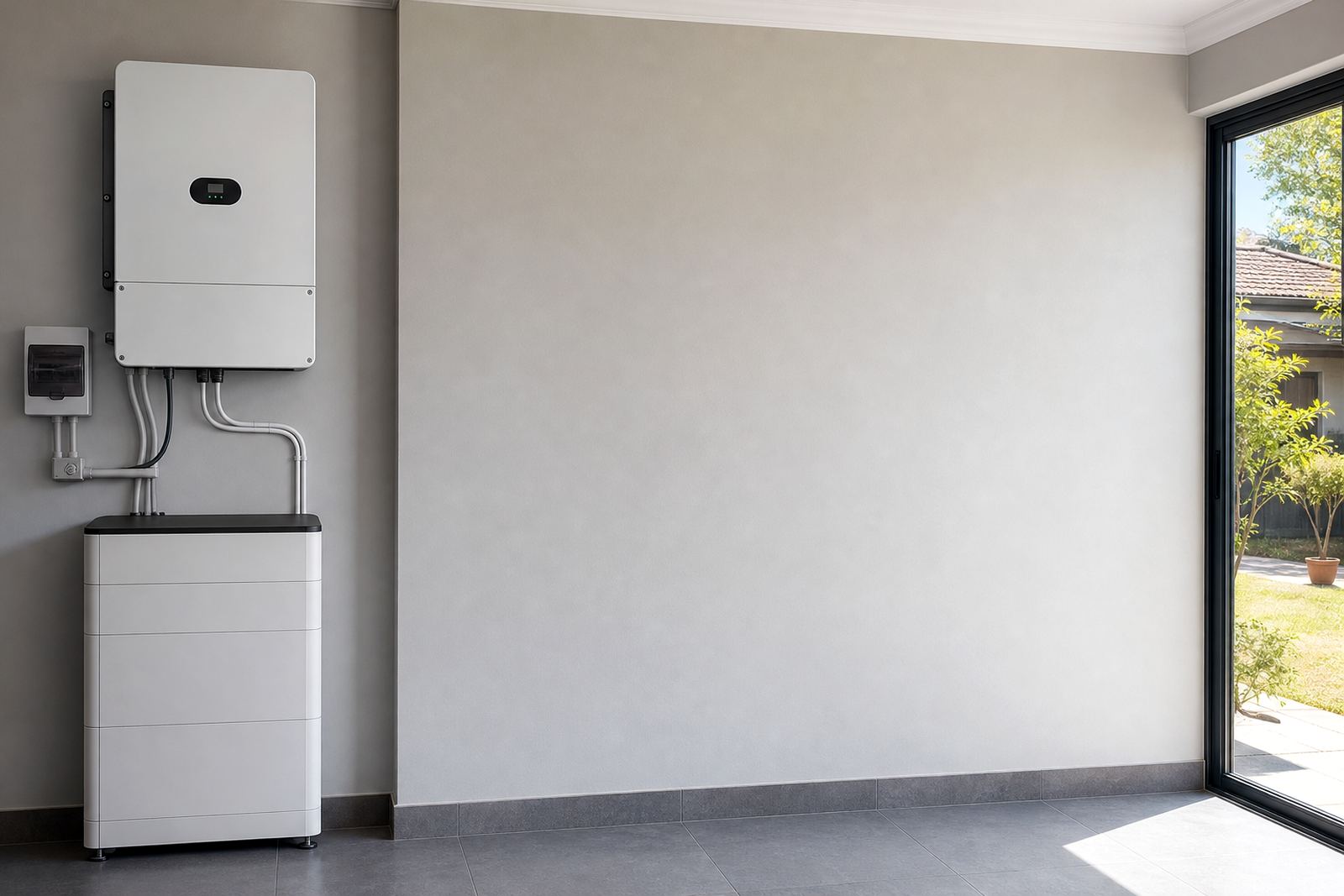
The inverter has to cope with sudden spikes when appliances start up. If it is too small, lights may flicker or the system may trip at the wrong time. Batteries are there to bridge load-shedding and cloudy spells, but they should be sized for the hours the business really needs, not for every possible event. In a salon, that often means choosing reliable backup for the most important services rather than trying to run everything at once.
- Match the inverter to the peak load, not just the average use
- Keep batteries for essential equipment during outages
- Use panels to carry daytime running costs where practical
- Allow for future additions such as extra styling chairs or a second basin
Water heating can be a hidden strain on the system
Many salon owners focus on the obvious electrical items and only later realise how much power the water heating uses. If a wash station needs hot water throughout the day, that demand can place steady pressure on the system. In areas where water quality and pressure vary, the heater also needs to be installed and maintained properly so it does not become a constant fault point.
Solar water heating can ease that load by using the sun for a large part of the hot water requirement. For salons in Cape Town, Bloemfontein or Pretoria, that can make a practical difference where the business uses warm water for washing hair, cleaning tools or staff use. The setup should still be planned around the plumbing layout, roof space and the business hours, otherwise the benefit is reduced.
A Pretoria salon example with mixed daytime demand
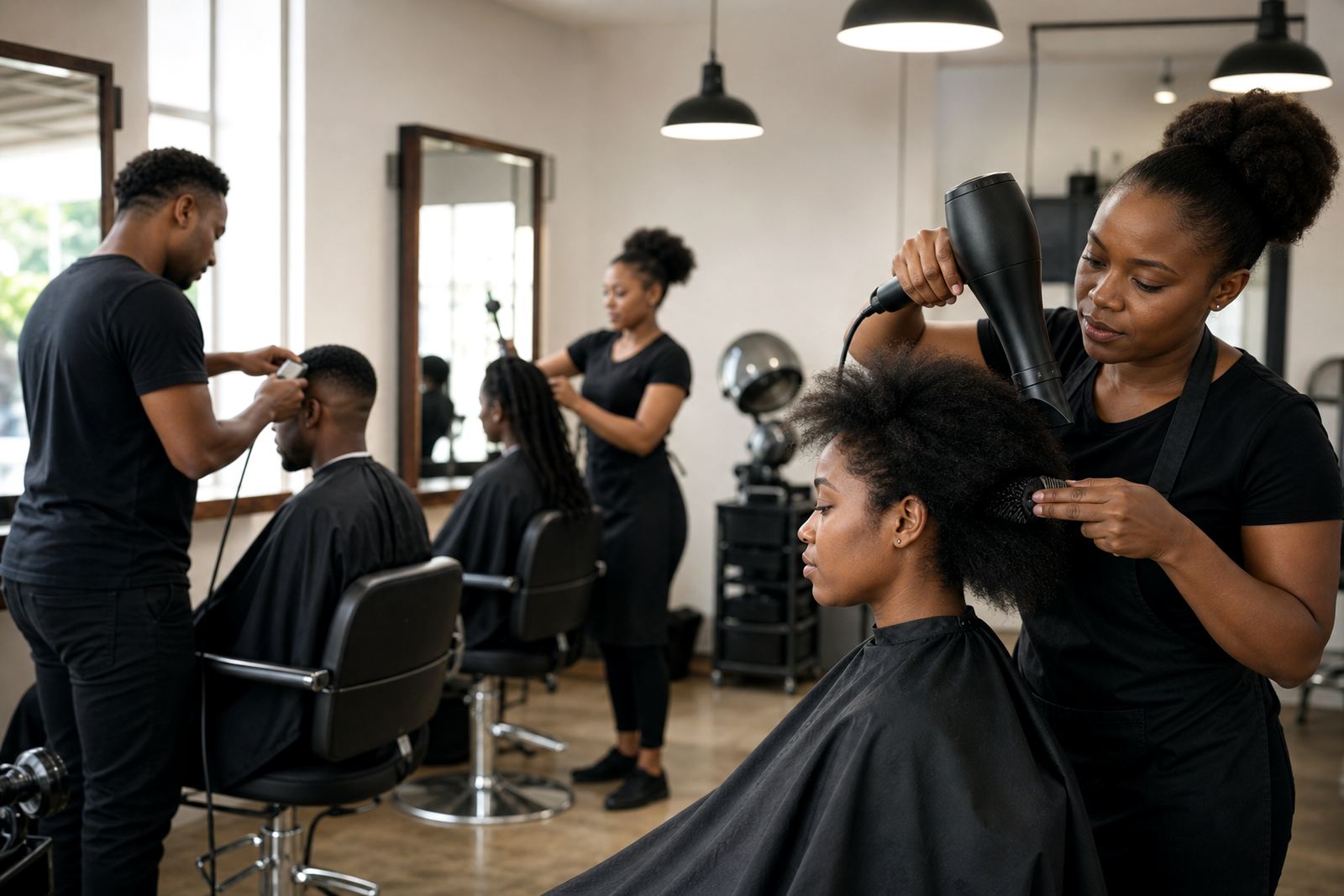
Take a medium-sized salon in Centurion with four styling stations, two basins, a reception area and a small back room. On a busy Saturday, the power demand may rise sharply when several clients are being washed, dried and styled at the same time. If load-shedding hits during that period, the owner cannot afford to lose the lights, payment system and essential drying equipment at once.
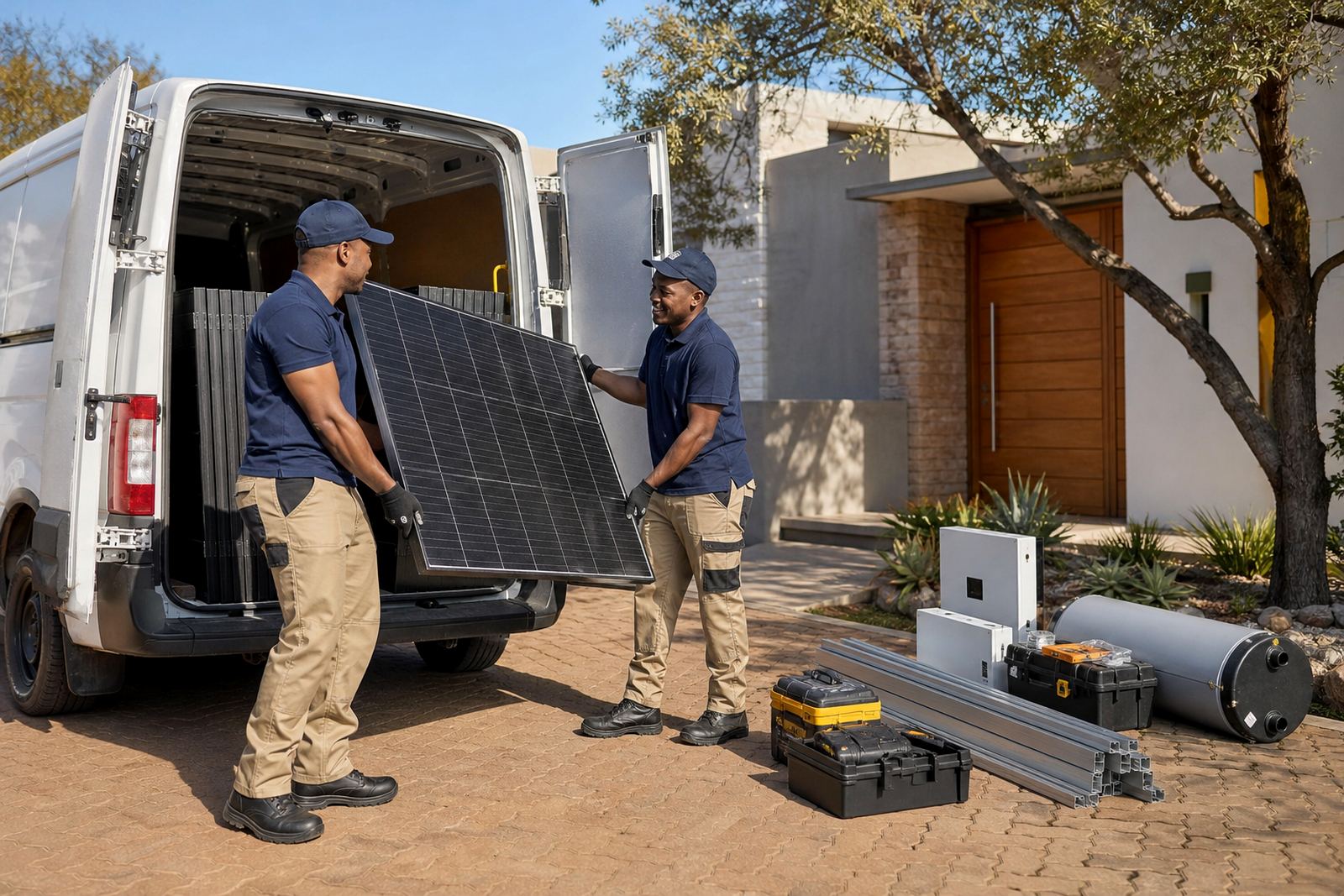
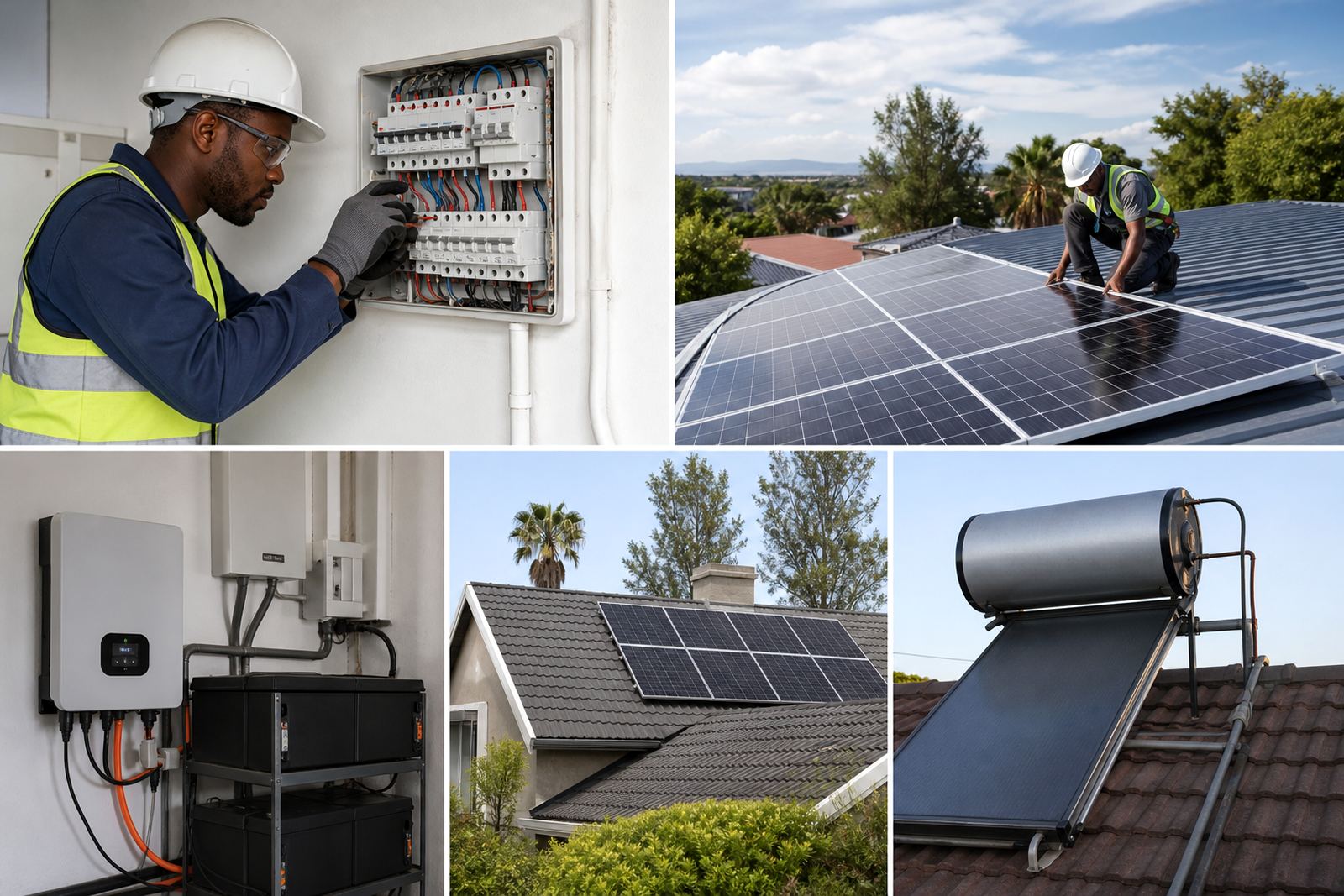
In a case like that, the solar design would usually focus on steady daytime support, battery backup for interruptions and careful management of the heavier loads. The installation team would check the roof pitch, available space, switchboard condition and whether any electrical upgrades are needed before work starts. Electrical work is always handled by qualified installers, because salon systems need proper integration and safe commissioning from the start.
What a salon should ask before installation starts
Good planning makes the difference between a system that supports the business and one that only works on paper. A site assessment should cover the size of the roof, the condition of the electrical board, the likely daytime usage and any equipment that cannot be interrupted. If the salon is in a shared centre, building rules and landlord approval may also matter.
- Which appliances must stay on during load-shedding
- How many hours the salon trades each day
- Whether hot water must be solar heated or electrically boosted
- How much roof space is available for panels
- Whether the business may expand in the next year
- What maintenance access is needed for cleaning and fault finding
A clean installation is only part of the job. Ongoing support matters too, especially in coastal towns where salt air can affect equipment and in busy city salons where dust, product residue and regular switching can take a toll. Routine panel cleaning, fault finding and support callouts help keep the system dependable.
A system that keeps the day moving
For a salon, solar should support the pace of business rather than disrupt it. That means proper load checks, the right mix of panels, inverter capacity, batteries and water heating, plus a plan for maintenance after installation. When the system is designed around real salon use, it can help the business keep lights on, tools running and clients comfortable through normal trading hours and during outages.
Linuo Solar works from Centurion in Pretoria and supports homes and small businesses across South Africa, including Pretoria, Johannesburg, Durban, Cape Town and Bloemfontein. The team handles site assessments, system design, panel installation, inverter installation, battery installation, water heater installation, electrical integration, system commissioning, solar maintenance, fault finding, panel cleaning and support callouts. Enquiries come through the contact page enquiry form, which keeps the first step simple for busy business owners.