A good solar quote starts with the roof, the load and the wiring
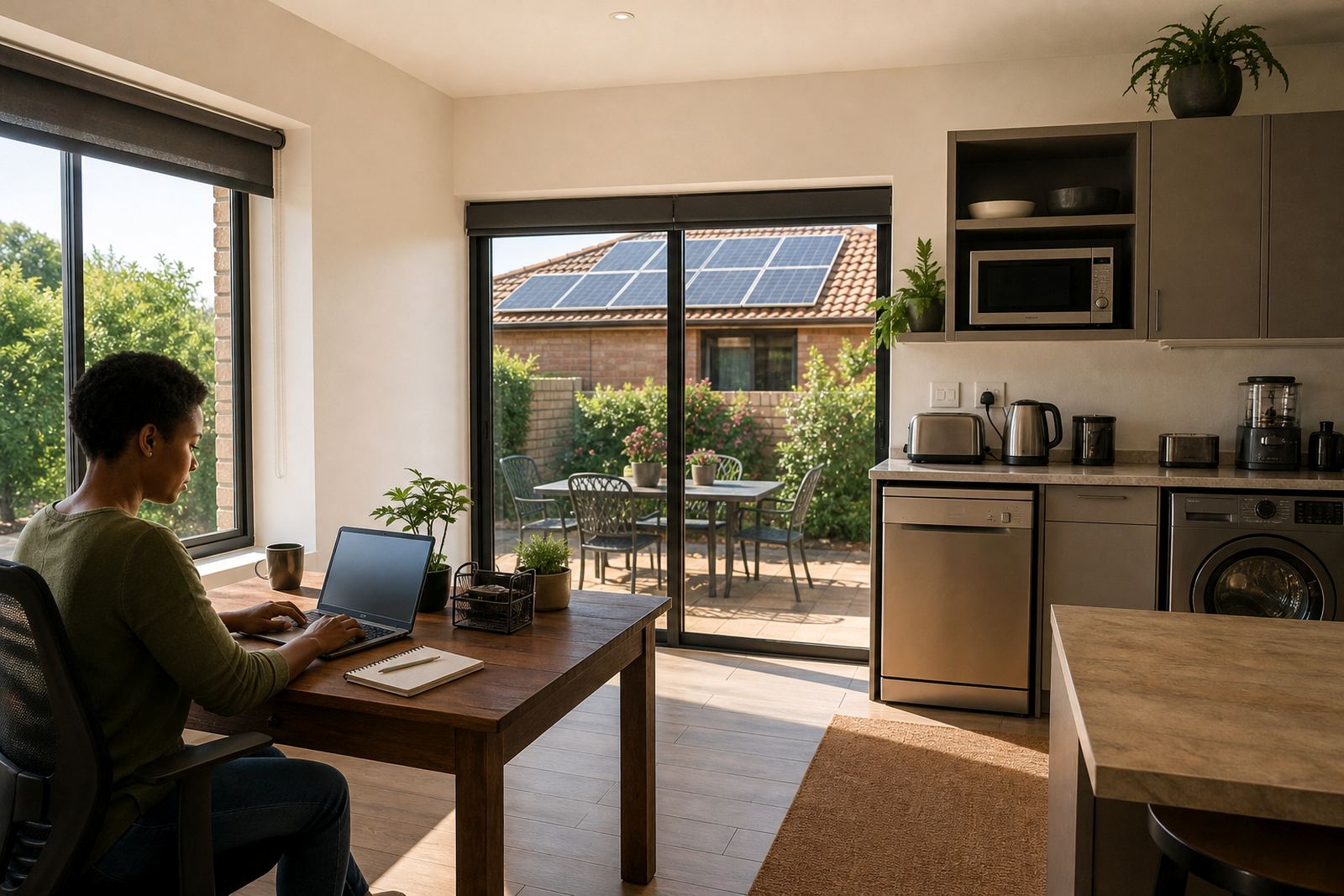
Solar work should never begin with guesswork. A proper site assessment looks at roof type, available space, shading, cable runs, distribution boards and how much power the property actually uses during the day and at night. That matters whether the job is in Centurion, a townhouse in Midrand or a small workshop in Bloemfontein.
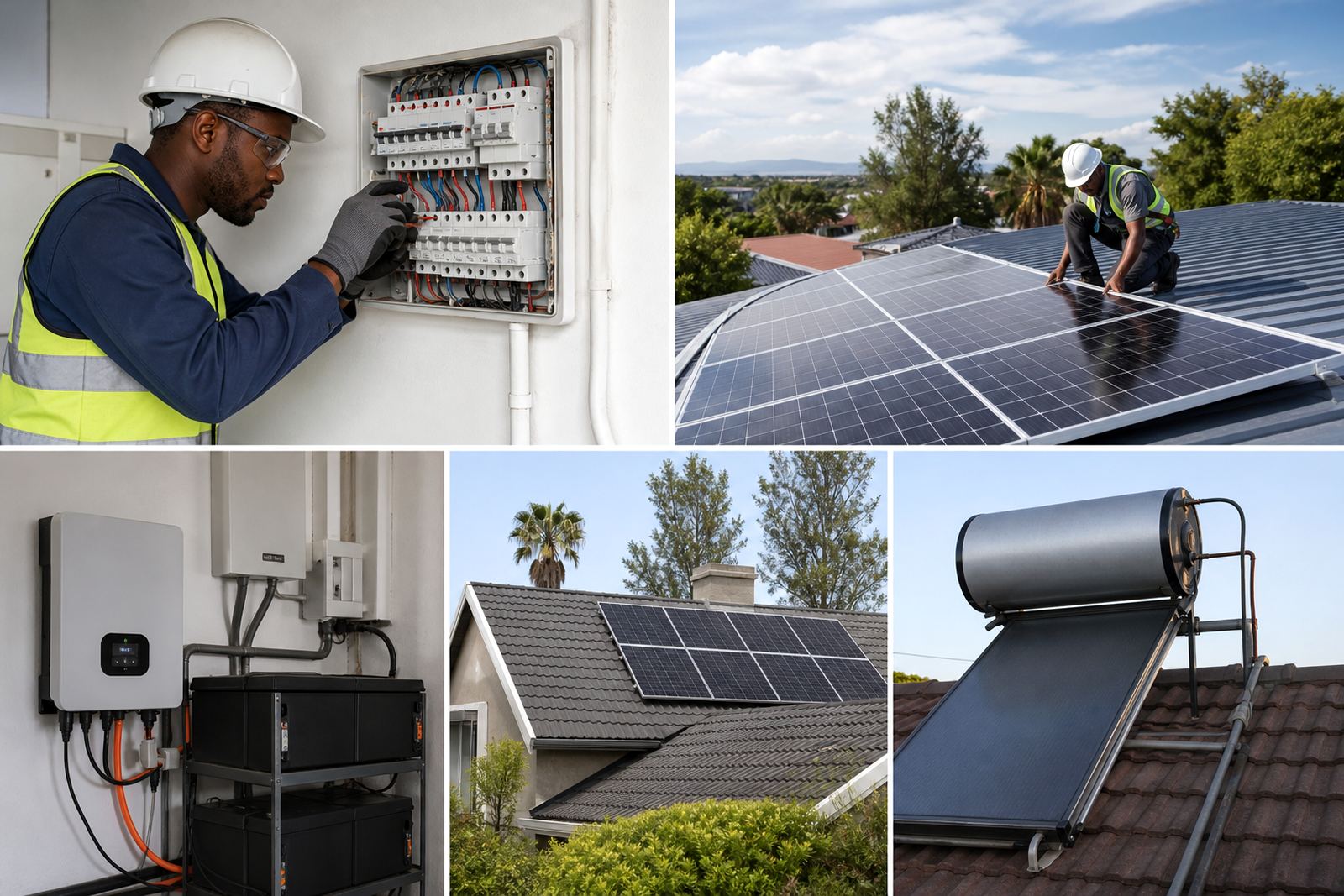
Trained installers do more than bolt up panels. They check where heat builds up, how wind affects mounting, and whether the existing electrical setup can take new equipment safely. In Pretoria and other inland areas, summer storms can bring heavy rain and lightning, so the layout and earthing need careful attention. On coastal jobs, salt air and humidity can affect fittings and connections if the wrong materials are used.
- Roof condition is checked before any fixing starts
- Electrical loads are reviewed against daily use patterns
- Shading from trees, walls and nearby buildings is mapped
- Cable routes are planned to keep runs short and tidy
Panel installation is about more than mounting hardware
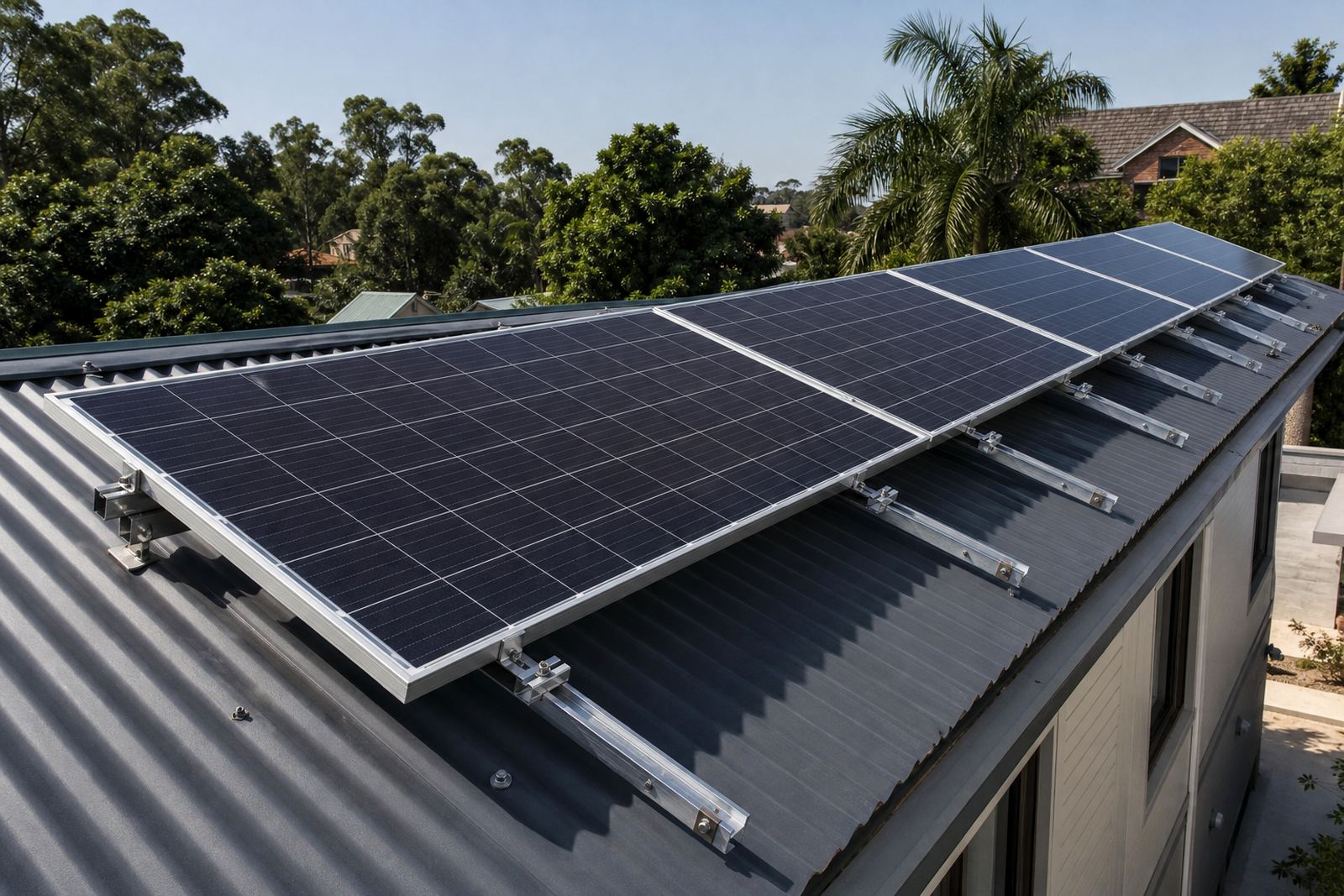
Panels need the correct angle, spacing and support structure to perform properly. If panels are fitted too close together, poorly aligned or fixed to the wrong roof points, the system can lose output and the roof can be damaged over time. A skilled installer knows how to work on tiled roofs, metal sheets and flat roofs without creating leaks or weak spots.
There is also a safety side that people often miss. Panels and roof fixings are exposed to wind uplift, dust, heat and sudden weather changes. In South African conditions, a loose clamp or a poorly sealed entry point can become a problem fast. That is why experienced teams use proper fittings and take the time to seal, test and inspect each section before moving on.
- Panels are aligned for practical sun exposure through the day
- Fixings are matched to the roof type and structure
- Cable entries are sealed to help prevent water ingress
- Final checks are done before the system is energised
Inverters and batteries need careful electrical integration
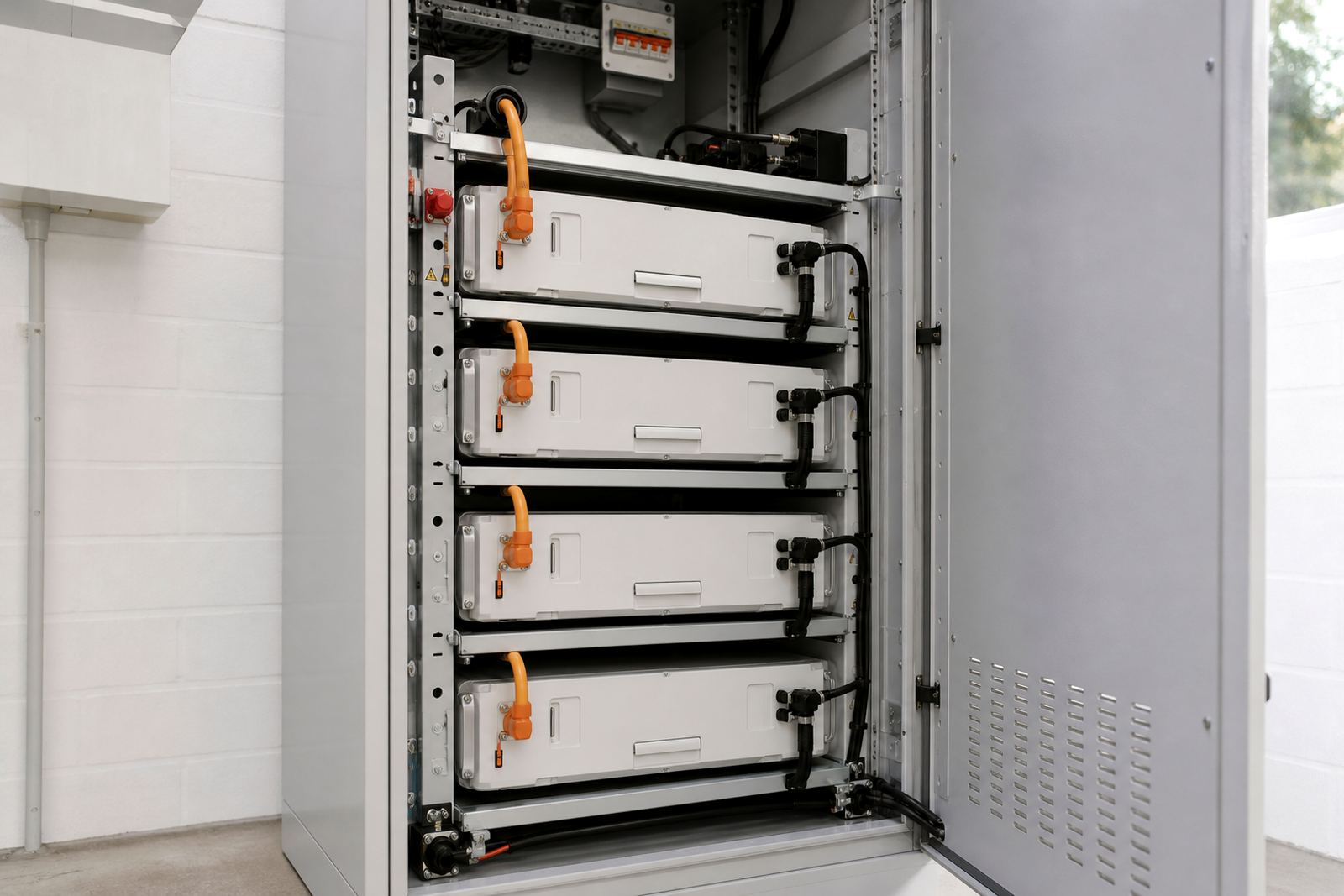
Many systems fail early not because the panels are poor, but because the inverter, battery bank and protection devices were installed badly. This is where qualified electrical work really matters. The inverter has to be sized for the property’s load, the batteries must be connected correctly, and the protective devices must match the system design.
For homes and small businesses dealing with load-shedding, the aim is not just to keep the lights on. The system must switch properly, protect appliances, and handle surges when power returns. If the changeover is rushed, sensitive equipment can trip or fail. That is why our electrical integration and commissioning work is handled by qualified installers who understand both solar equipment and South African wiring conditions.
- Inverter sizing is matched to real household or business demand
- Batteries are installed with correct spacing, protection and ventilation
- Changeover settings are tested before handover
- Essential circuits can be separated from non-essential loads
Solar water heaters also need proper installation to work well
Solar water heaters seem straightforward, but they still need skilled fitting. The tank position, pipe layout, roof support and pressure controls all affect how well the system works. On a house in Pretoria East or a guest property in Durban, the plumbing must suit the building and the local water pressure. A poor install can lead to heat loss, noise, leaks or erratic water temperature.
Geyser conversions and new solar hot water setups need careful coordination between the roof team and the electrical or plumbing side where relevant. On some properties, the water heater must tie into existing backup heating in a way that remains practical for winter or cloudy spells. Done properly, the system gives steady hot water with less strain on the grid and less day-to-day fuss.
Good installers also explain maintenance clearly, including what to expect after the first few weeks and when to call for support if a valve, sensor or connection seems off.
Local conditions change the way a system should be built
There is no one-size-fits-all solar job in South Africa. A family home in Centurion, a shop in Johannesburg CBD and a storage unit in Cape Town will each face different space limits, weather exposure and usage patterns. Local installers know how to plan for those differences, which saves time and prevents avoidable rework.
In Gauteng, dust and high summer temperatures can affect performance and cleaning schedules. In Durban, moisture and salt air mean fittings and cable management need extra care. In Cape Town, wind and roof exposure often affect how hardware is anchored. In Bloemfontein, wide temperature swings can influence how equipment expands and settles. These are practical details and they matter from day one.
- Pretoria and Centurion: heat, storms and rooftop space constraints
- Johannesburg and Midrand: load patterns and commercial site planning
- Durban and Cape Town: humidity, salt air and weather exposure
- Bloemfontein: temperature shifts and careful mounting choices
Maintenance and fault finding are part of responsible solar ownership
A system should not be treated as fit and forget. Over time, dust, cable wear, loose fasteners and small electrical faults can affect output. With regular maintenance, panel cleaning, fault finding and support callouts, problems are usually caught early before they become expensive or disruptive. That is especially important for businesses that rely on steady daytime power.
Trained installers are also better placed to diagnose faults quickly because they know how the system was built in the first place. When the original layout is understood, the technician can test logically instead of replacing parts at random. That saves time for the client and keeps the system working as intended.
For property owners, the real value of qualified installation is confidence. You know the roof work was done properly, the electrical work is handled by competent people, and the system has been commissioned with care. That is what makes solar dependable rather than just installed.