Why guesthouse hot water needs its own solar plan
Guesthouses do not use hot water in the same way a family home does. You have check-ins and check-outs, early breakfasts, full rooms over weekends, and quiet weeks in between. That means hot water demand can rise sharply at the exact times when guests expect strong showers and reliable service.
For that reason, hot water should be treated as a separate part of the solar design, not an afterthought. A good setup looks at the number of rooms, bathroom fittings, laundry use, kitchen needs and whether the property runs on a peak or off-peak pattern. In Pretoria and Centurion, where many guest properties sit on constrained municipal supply and face load-shedding, this planning matters even more.
Matching solar water heating to real occupancy patterns
Solar water heaters can work very well for guesthouses, but the system size must suit the actual occupancy pattern. A small property with four rooms has very different needs from a 12-room guesthouse with conference guests and daily linen changes. Oversizing can waste money, while undersizing leaves staff trying to stretch hot water through the morning rush.
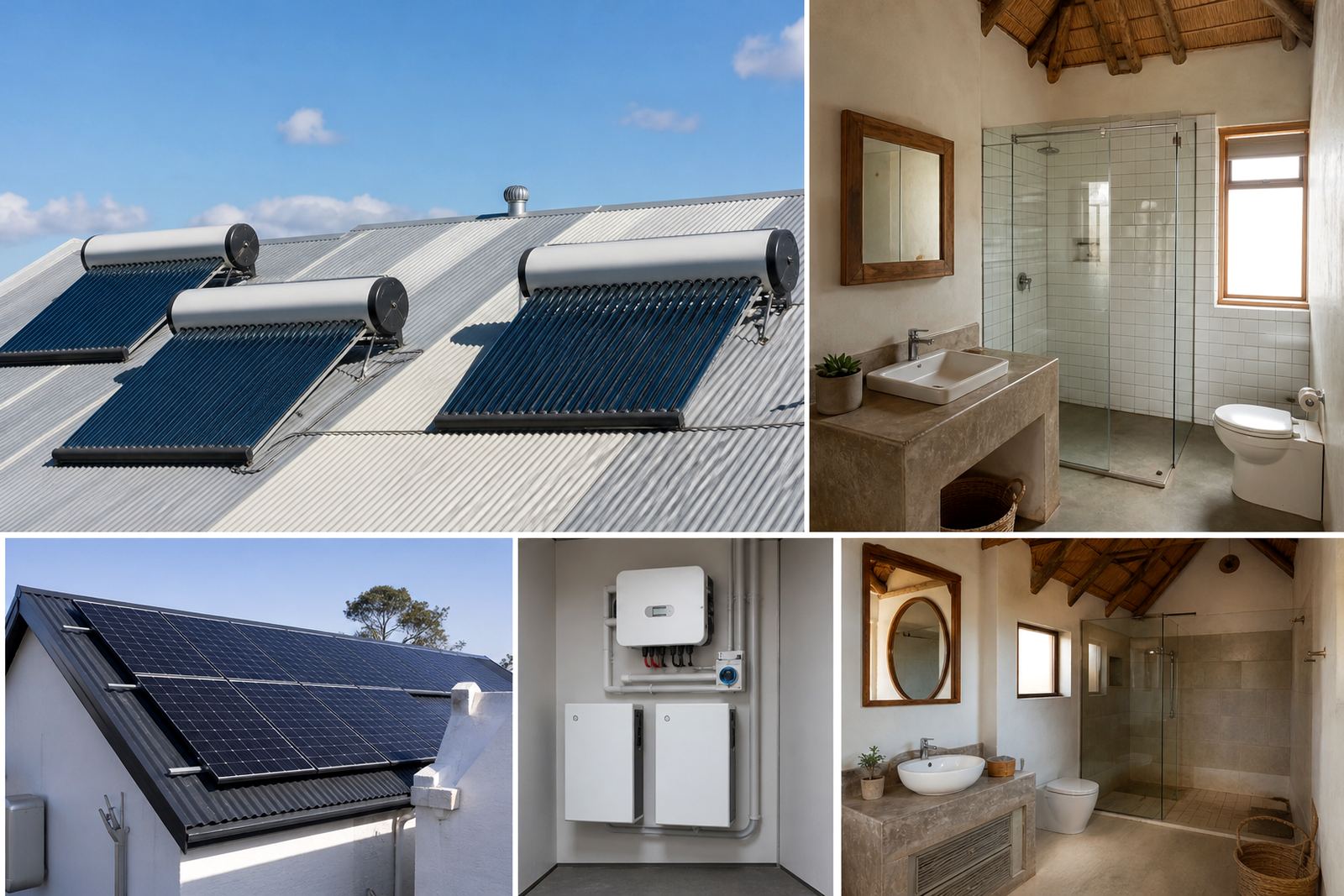
The best approach is to look at daily use per room, the number of en-suite bathrooms, and how often towels and bedding are washed. In many cases, a property will need a carefully planned combination of roof collectors, storage cylinders and electric backup. On cloudy days or during high demand, the backup keeps water usable without depending entirely on the grid.
- Track the busiest shower times before you size the system.
- Include laundry and kitchen hot water in the calculation.
- Plan for cloudy weather and high occupancy weekends.
- Keep pipe runs short where possible to reduce heat loss.
How solar panels, inverters and batteries support hot water use
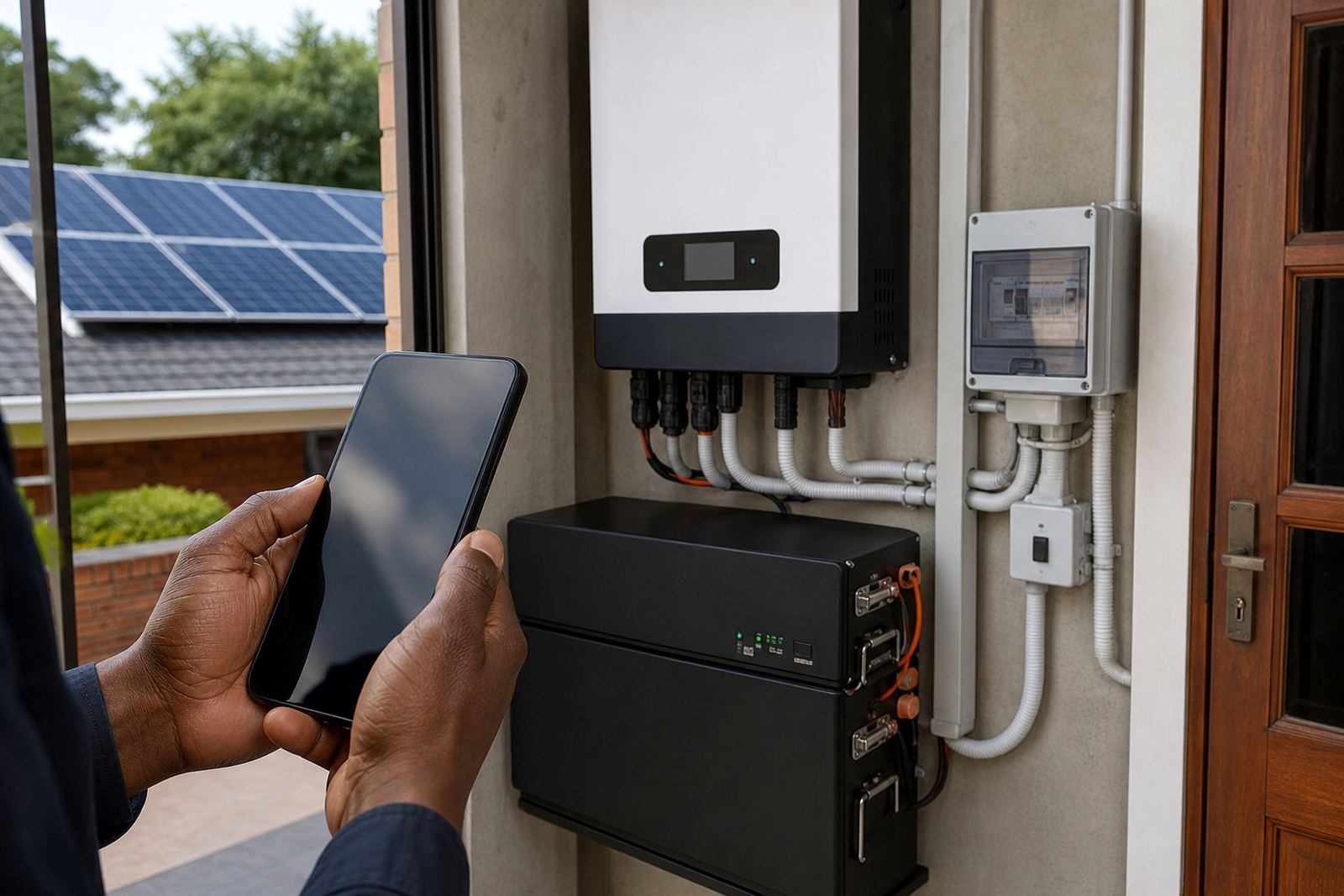
Even when the main focus is hot water, the broader solar system still matters. Solar panels can supply power for circulation pumps, controls and backup elements where needed. An inverter helps manage the changeover during outages, while batteries can keep essential hot water related equipment running when the power goes off.
For guest properties, it is important to decide what must stay on and what can wait. Some owners want hot water support only for guest rooms, while others need the laundry, reception lights and security systems included too. Electrical work must always be done by qualified installers, especially where the system is tied into existing distribution boards and geyser circuits.
- Use panels to support daytime hot water demand where the roof allows it.
- Use batteries for backup loads that cannot stop during load-shedding.
- Set clear priorities for geysers, circulation pumps and laundry equipment.
- Commission the system properly so controls and protections operate as intended.
Practical installation details that matter in guest properties
Guesthouses often have limited roof space, older plumbing and different building sections added over time. That creates real installation challenges. Pipe routing has to be neat, service access must remain easy, and the system should not interfere with guest areas or morning operations. In coastal towns such as Durban or Cape Town, corrosion resistance becomes important too, while Pretoria properties often need strong heat protection and good insulation because summer roof temperatures get extreme.
A proper installation also has to respect municipal rules and local safety requirements. That includes working with existing plumbing, isolating circuits correctly and making sure the water heating equipment is positioned for safe maintenance. If the property is in Johannesburg, Midrand or Bloemfontein, the same principle applies: keep the system practical, accessible and easy to maintain when staff are busy.
A Pretoria example: keeping showers steady through load-shedding
Take a small guesthouse in Centurion with eight rooms, a breakfast area and an on-site laundry service. Morning showers start early, breakfast staff need hot water before 6am, and linen turns over every day. The owner cannot afford a situation where hot water runs out just as the first guests head out to meetings in Pretoria.
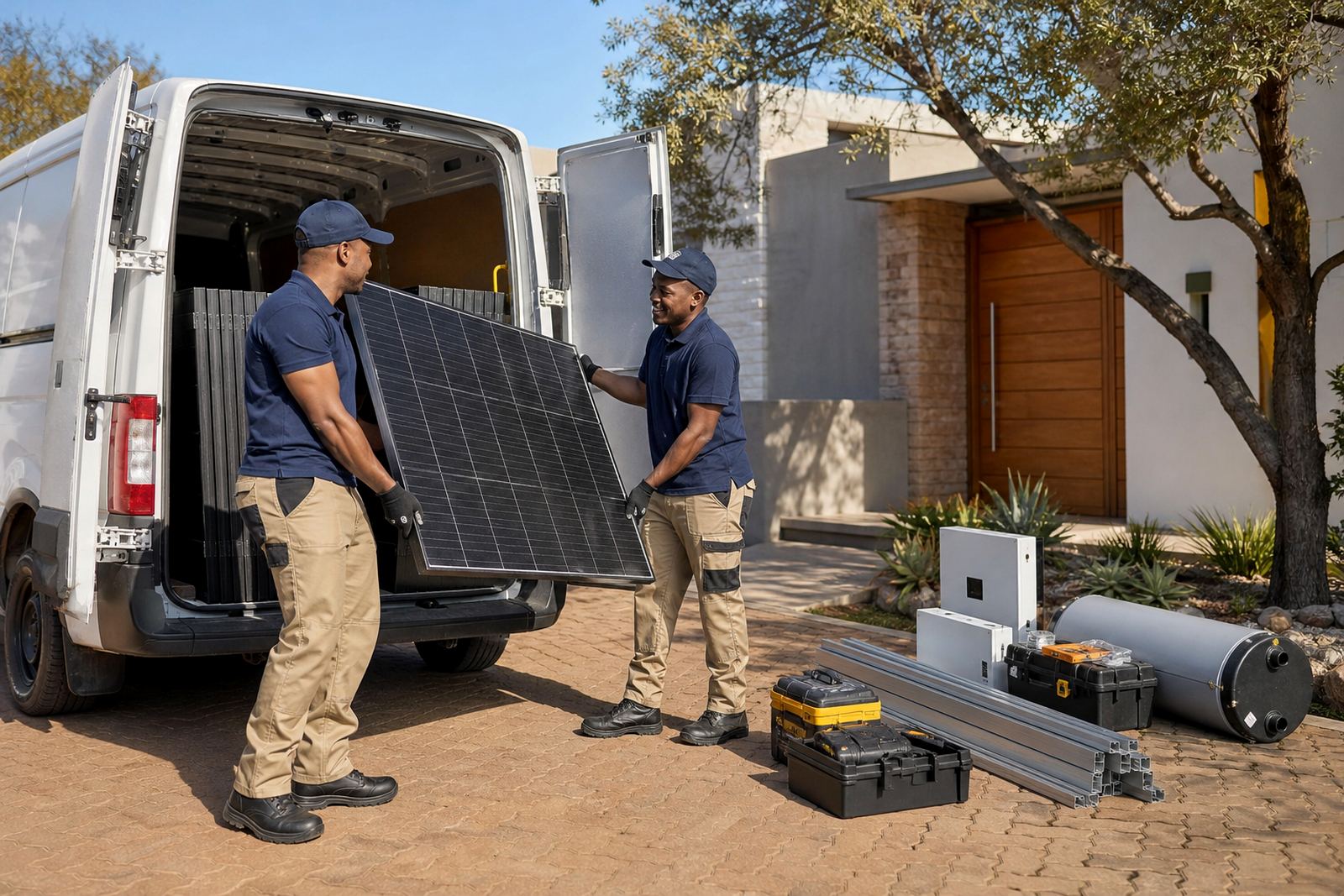
In a case like this, the design would usually start with a site assessment, then move to system design, water heater sizing and electrical integration. The goal is not to oversell the system, but to match it to the property’s real rhythm. With the right balance of collectors, storage and backup, guests get a dependable experience even when the power supply is uneven.
- Early morning demand should be mapped before any equipment is selected.
- Staff should know how to use the system controls during outages.
- Regular maintenance keeps valves, pumps and insulation in working order.
Maintenance, fault finding and keeping hot water predictable
Guesthouse owners usually want one thing above all else: predictable service. That means the solar hot water system must be looked after, not only installed. Over time, scale build-up, worn components, dirty panels and small leaks can reduce performance. If the property is in a dusty inland area like Pretoria or Bloemfontein, panel cleaning can also make a real difference to output.
Scheduled maintenance helps prevent a small issue becoming a guest complaint. Fault finding should be done quickly if water temperatures drop, pumps stop cycling or the backup element is overworking. A practical maintenance routine gives the owner better control over costs and protects the guest experience. That is especially important for properties that host weddings, conferences or weekend travellers who expect hot water at any hour.
Planning for the next room night, not just the next bill
Guesthouse hot water planning is really about service quality. A property can have beautiful rooms and good reviews, but if the shower goes cold on a winter morning the experience suffers. Solar design should therefore be built around occupancy, water use and backup needs, not just equipment on a roof.
Linuo Solar supplies and installs solar panels, inverters, batteries and solar water heaters for homes and small businesses across Pretoria, Johannesburg, Durban, Cape Town and Bloemfontein. Based in Centurion, Pretoria, our team works through site assessments, system design, installation, commissioning and support callouts. For guest properties, that practical planning helps keep hot water steady, even when the grid is not.