Why monitoring matters before a fault becomes a callout
A solar system can look fine from the gate while quietly underperforming. A dirty panel, a weak battery, a loose connection or a setting that changed after load-shedding can all reduce output without giving a clear warning. Monitoring gives owners a basic picture of what is happening each day, so small issues are caught early instead of turning into avoidable downtime.
For a home in Centurion or a small shop in Pretoria East, that can mean checking whether the system is charging properly before the evening peak. For a business in Johannesburg or Durban, it can also help explain why backup power lasted shorter than expected during a cloudy week or after a power cut. The point is not to stare at numbers all day, but to know what normal looks like.
The few readings worth checking every day
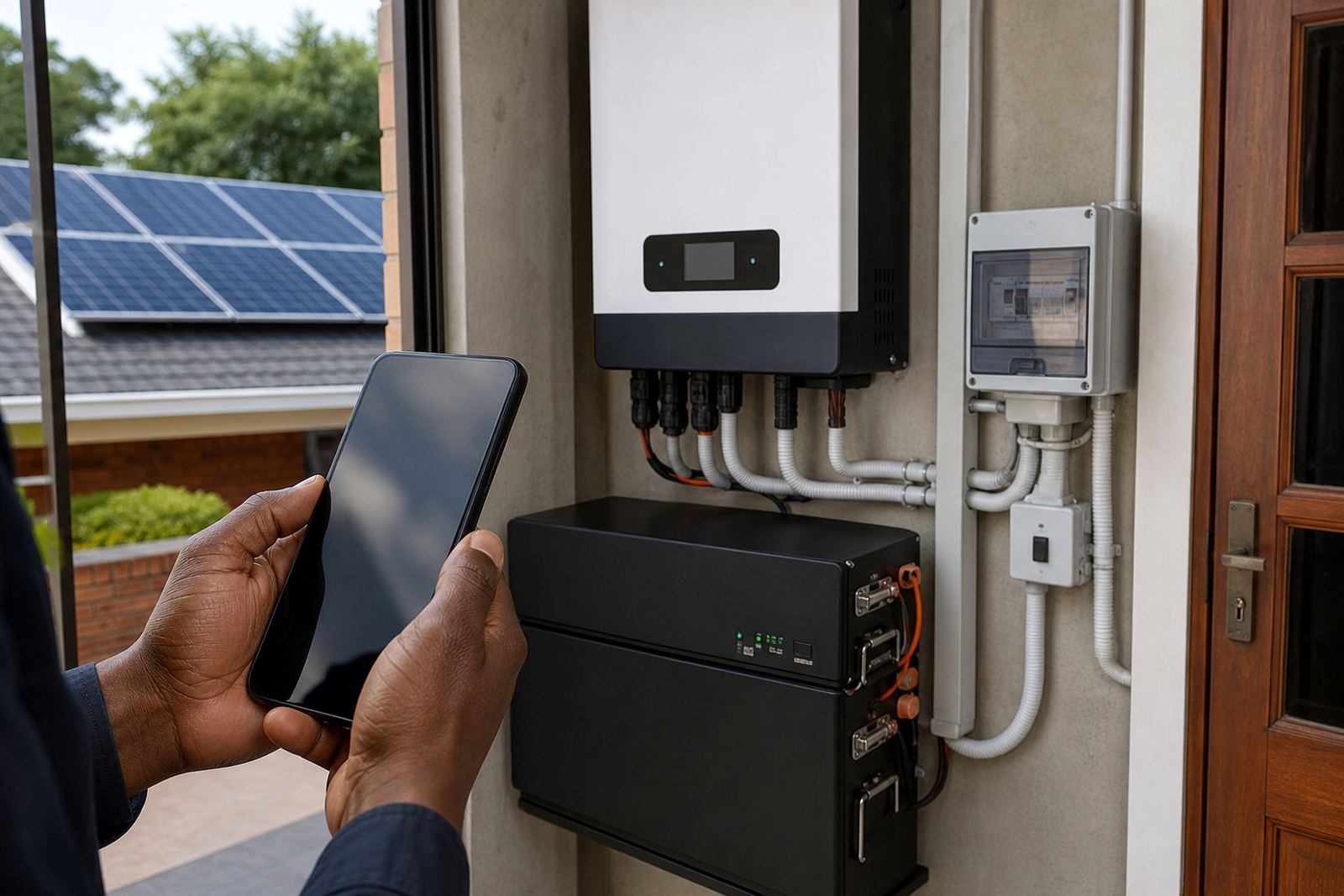
Most owners do not need a technical background to monitor a solar setup. A simple app, display screen or control panel usually shows the main figures. If you understand a handful of readings, you already have a practical handle on the system.
- Battery state of charge: shows how full the battery bank is and whether it is recovering after evening use.
- Solar production: tells you how much power the panels are making during the day.
- Consumption or load: shows how much power the home or business is using at that moment.
- Grid or backup status: lets you see whether the system is drawing from the grid, panels or batteries.
- Warnings or faults: flags problems such as overheating, low voltage or a communication error.
You do not need perfect detail to spot trouble. If production drops sharply on a clear morning in Pretoria, or a battery stops reaching its usual level, that is worth checking.
What simple monitoring can tell you about panels and inverters
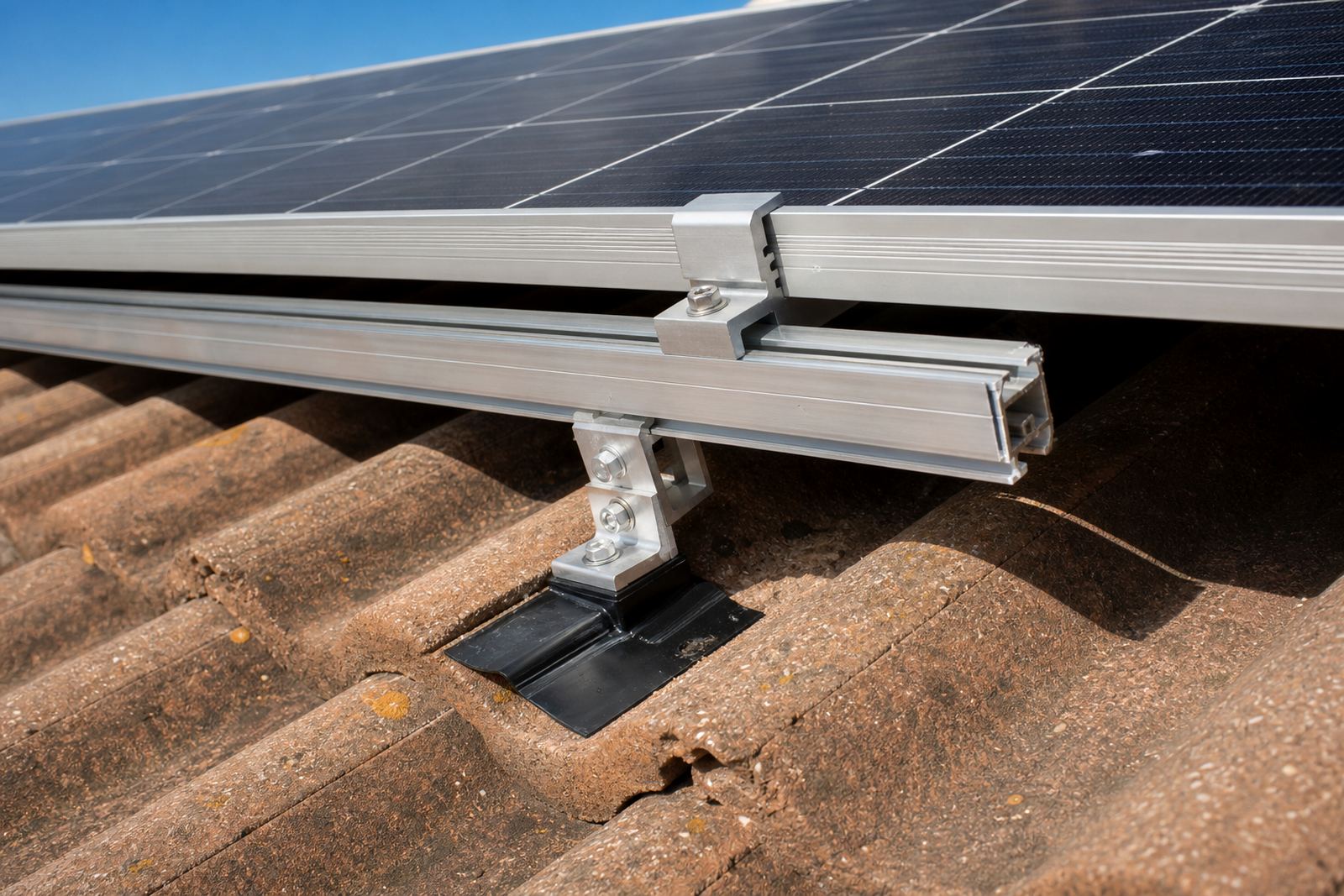
Panels generally work quietly, so monitoring is often the first place owners notice a drop in output. A gradual decline can point to dust, bird droppings, shading from a tree, or a build-up of grime from dry inland weather. In coastal areas such as Cape Town and Durban, salt and moisture can also affect performance over time, especially if panels are not cleaned on a sensible schedule.
An inverter reading can tell you even more. If the inverter is tripping, running unusually hot, or showing repeated warnings, the issue may be linked to wiring, ventilation, settings or an overloaded circuit. In many small businesses, the problem is not the solar array itself but the way the loads are spread across the system. That is why electrical work should always be handled by qualified installers, especially where changes are made to the distribution board or backup circuits.
Good monitoring helps separate a solar problem from a usage problem. If a salon in Midrand starts adding more equipment or a takeaway shop in Bloemfontein plugs in extra appliances, the numbers will show the higher draw straight away. That makes planning much easier.
Batteries need steady attention, not guesswork
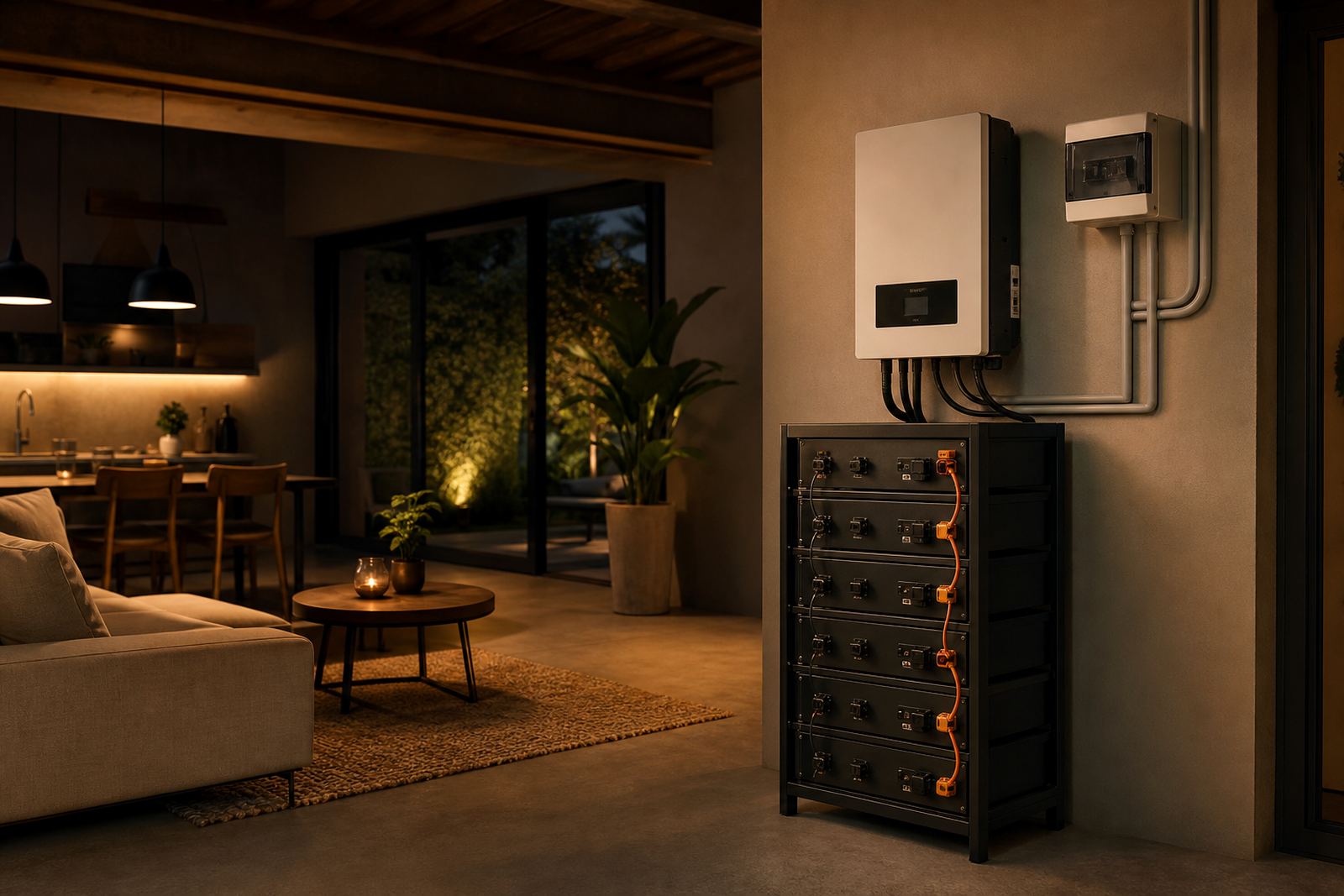
Battery monitoring is probably the most useful part of the whole system for many owners. Batteries are there to carry the home or business through evening use, load-shedding or cloudy weather, so it helps to know how they are charging and discharging from day to day. If the battery is always very low by late afternoon, the system may be undersized, the settings may need checking, or the household may be using more power than expected.
Look out for patterns rather than one-off readings. A battery that performs well most days but drops faster on Mondays might be tied to heavier weekend use. If a small business in Pretoria notices shorter backup on days with multiple refrigeration cycles, that is useful information for the installer during a service visit. It can guide changes to system design, usage times or load management.
- Check battery levels at roughly the same time each day.
- Note whether charging starts later than usual after cloudy weather.
- Watch for repeated alarms or sudden drops in available capacity.
- Ask for a fault check if the battery behaves differently after a power cut.
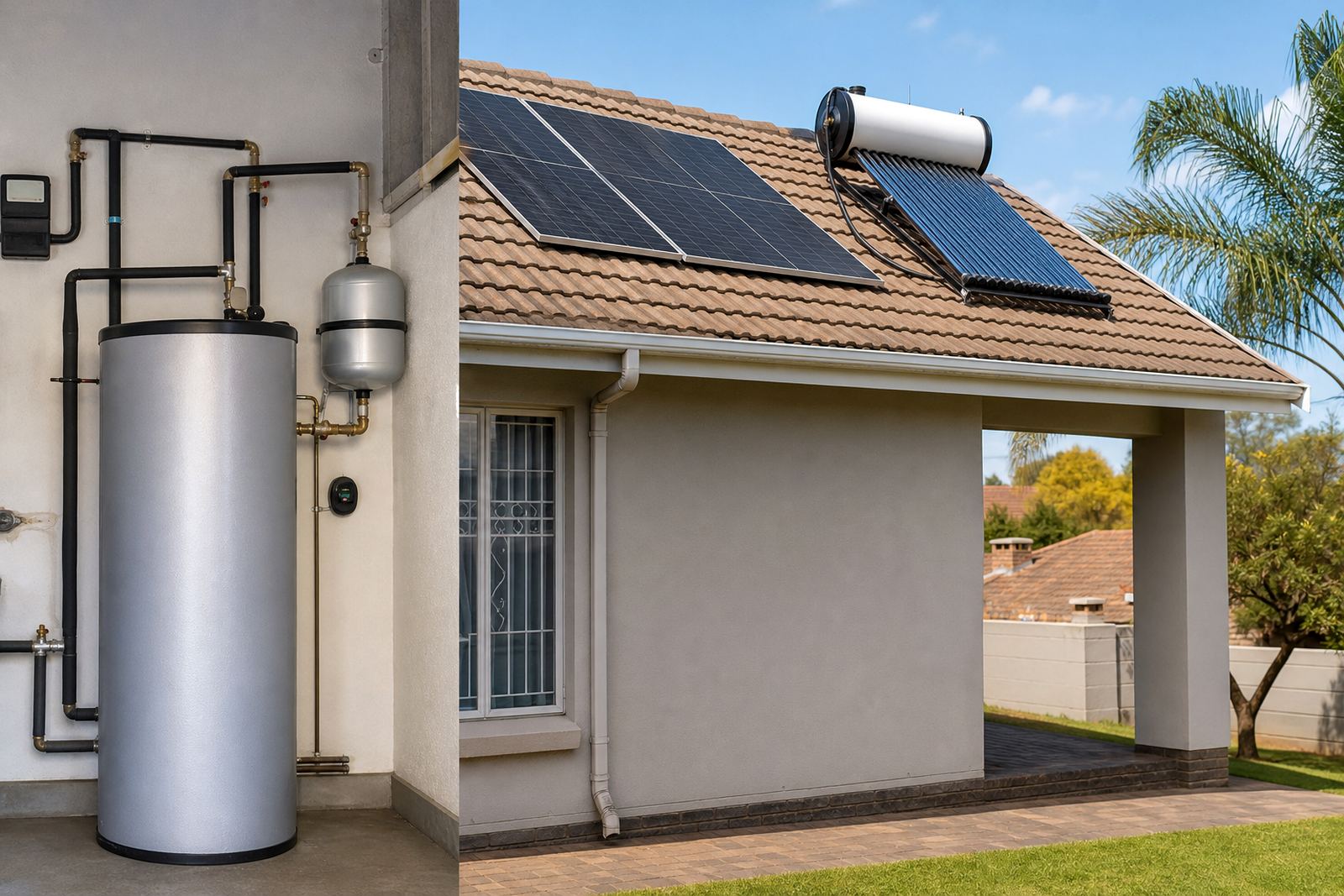
Solar water heaters also benefit from basic checks
Solar water heaters are often forgotten once they are installed, yet they also need simple monitoring. A quick look at water temperature, pressure and obvious leaks can prevent bigger problems later. If hot water is weaker than usual, the issue may be linked to a thermostat setting, circulation problem, scale build-up or a valve that is not working properly.
In South African conditions, especially where water quality varies from area to area, regular checks make sense. A family home in Centurion may notice limescale more quickly than expected, while a guesthouse in Cape Town may need to watch for wind exposure and seasonal use patterns. The aim is not complicated maintenance, just early awareness. If a heater is delivering less hot water than it should, that should be picked up before it affects daily routines.
A practical routine for homes and small businesses
The best monitoring routine is the one people will actually follow. A short daily check and a more careful weekly review are usually enough for most homes and small businesses. The goal is to keep an eye on the system without turning it into a full-time task.
- Look at the inverter or monitoring screen each morning.
- Check battery level before evening peak use.
- Walk past the panels and heaters once a week to spot dirt, shade or visible damage.
- Make a note of unusual alarms, power cuts, or changes in water temperature.
- Arrange maintenance if readings move outside the normal range for more than a day or two.
This routine works well for offices, workshops, shops and households alike. In places such as Johannesburg and Durban, where weather and usage can change quickly, a short record of what you saw can be more helpful than trying to remember it later. A few notes on cloudy days, load-shedding times or unusual appliance use can save time during fault finding.
When to call in a qualified installer
Monitoring is useful, but it does not replace hands-on inspection. If a system starts showing repeated faults, if the battery is not charging properly, if the inverter keeps shutting down, or if the water heater is leaking, it is time for a qualified installer to inspect it. Electrical integration and commissioning must be done properly so the system stays safe and the readings remain reliable.
At Linuo Solar, the team in Centurion works with homes and small businesses across Pretoria, Johannesburg, Midrand, Durban, Cape Town and Bloemfontein. With support from Vuyo Phasha and the team, including Naledi Kgosi, Sarel Delport, Palesa Mabena, Mothusi Mphahlele, Faatimah Latief and Unathi Tau, the focus is on practical advice that matches real site conditions. That means checking the system, finding the cause and making sure the owner knows what to watch going forward. Simple monitoring works best when it is paired with proper installation and sensible maintenance.