
What a split system changes on the roof
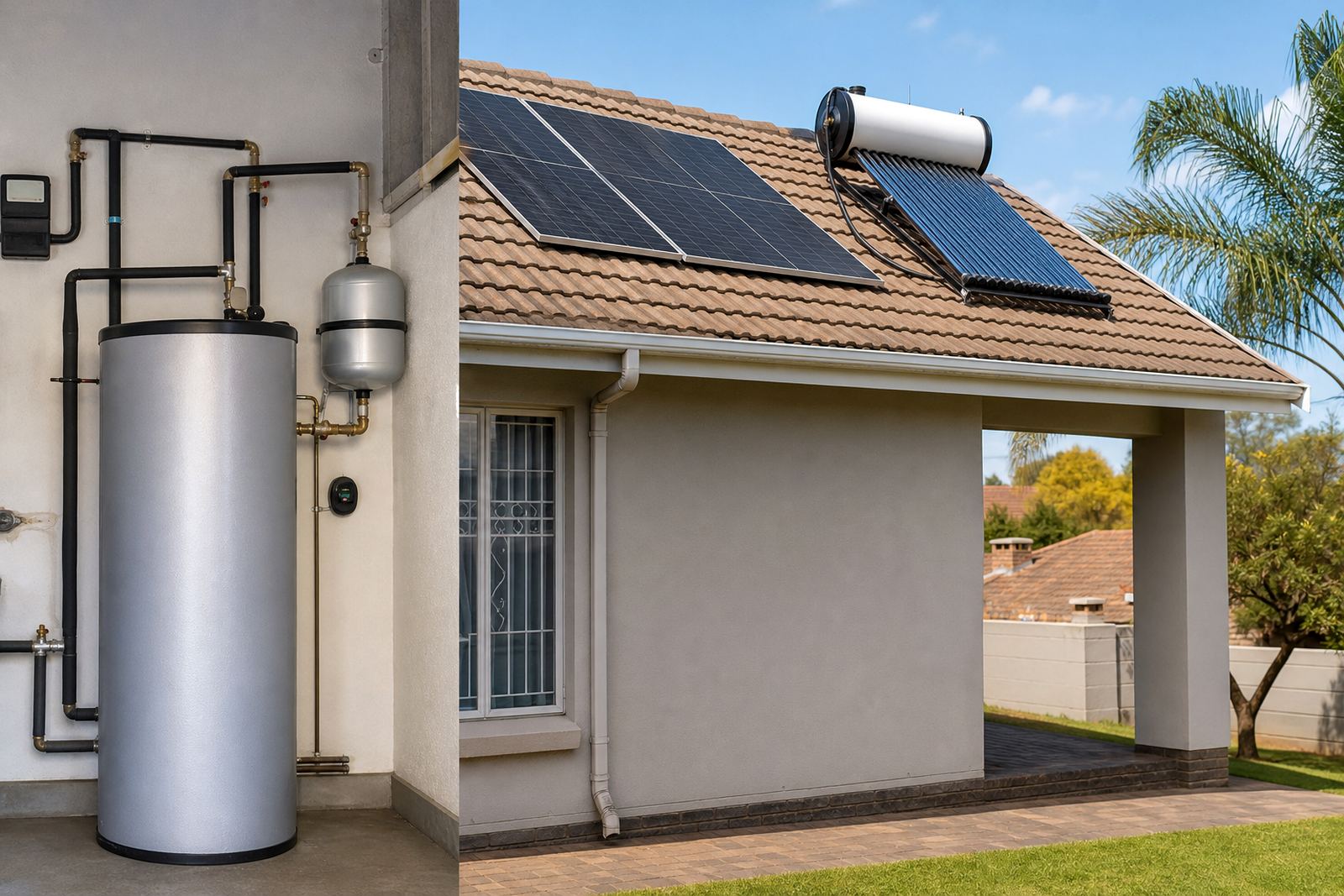
A split solar water heater keeps the storage tank separate from the collector panels, so the heavy tank sits lower down rather than on the roof itself. That setup is often easier on older roofs, lighter trusses and properties where access is awkward, especially in parts of Pretoria and Centurion where homes may have mixed roof styles and added shade from nearby buildings or trees.
Because the tank is not sitting up high, you also reduce some of the load on the roof structure. This can matter on tiled roofs, corrugated roofs and flat roofs where the mounting arrangement must be planned carefully. The pipework is more important in a split system too, since hot water has to travel between the collector and tank without losing too much heat along the way.
For homes and small businesses, a split arrangement is often chosen where the owner wants the tank positioned for easier access, or where the roof space is better suited to panels only. It can be a practical option, but it must be sized and installed properly, otherwise the benefit gets lost in poor circulation or long pipe runs.
When a roof tank arrangement makes more sense
A roof tank system places the storage tank and collector together on the roof. This is the more direct arrangement and it can work well where the roof structure is sound, the installation area is straightforward and access is not a problem. In some cases it is the simpler choice for smaller homes or basic geyser replacements.
The main advantage is that the system is compact. There is less pipework, fewer components at ground level and often a shorter installation process. For properties in places like Bloemfontein or Johannesburg where winter mornings can be sharp, a roof tank arrangement can still perform well if the system is sized correctly and insulated properly.
That said, the combined weight on the roof must be checked carefully. On coastal homes in Durban or Cape Town, wind exposure and salty air can also affect the mounting and metalwork, so the installer has to allow for corrosion resistance and proper anchoring.
The practical differences that matter most
Most people compare split and roof tank systems by price alone, but the better question is how the system will behave in daily use. A good recommendation depends on pressure, roof type, household size and how much hot water is needed in the morning or evening.
- Roof load: Split systems reduce the weight sitting on the roof, while roof tank systems concentrate more weight up high.
- Service access: A split tank is usually easier to inspect, drain and maintain than a tank mounted on the roof.
- Piping: Split systems need careful pipe routing and insulation to limit heat loss.
- Pressure: Water pressure and gravity flow must be checked before any installation is approved.
- Exposure: Roof tank systems are more exposed to wind, dust and weathering.
We often find that clients are drawn to the system they can picture best, yet the real answer lies in the structure of the house and the daily demand for hot water. A family of four in Centurion will not need the same layout as a small guesthouse in Midrand or a workshop with a shower room in Pretoria East.
Why installation quality is more important than the layout
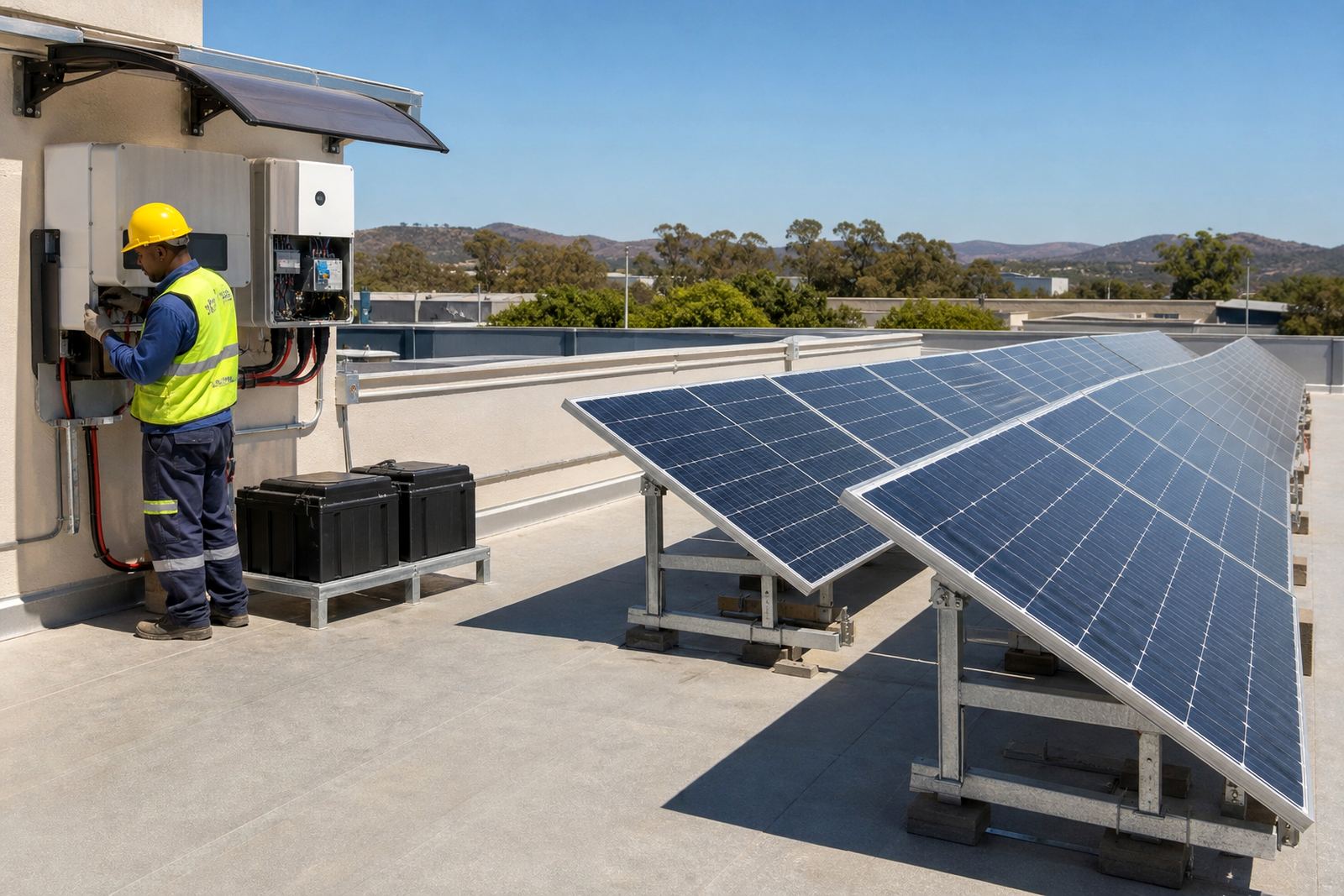
Whether the tank is split or mounted on the roof, the installation has to be done by qualified installers who understand plumbing and electrical work. That includes safe connections, correct roof sealing, proper mounting angles and electrical integration where a backup element or controls are involved.
Solar water heaters fail early when the basics are rushed. Loose brackets, poor insulation, undersized pipe runs and bad valve placement all create trouble later. In Gauteng, where summer storms can be heavy and winter mornings can still be cold, a system must be fixed properly so it does not shift, leak or lose performance after a few seasons.
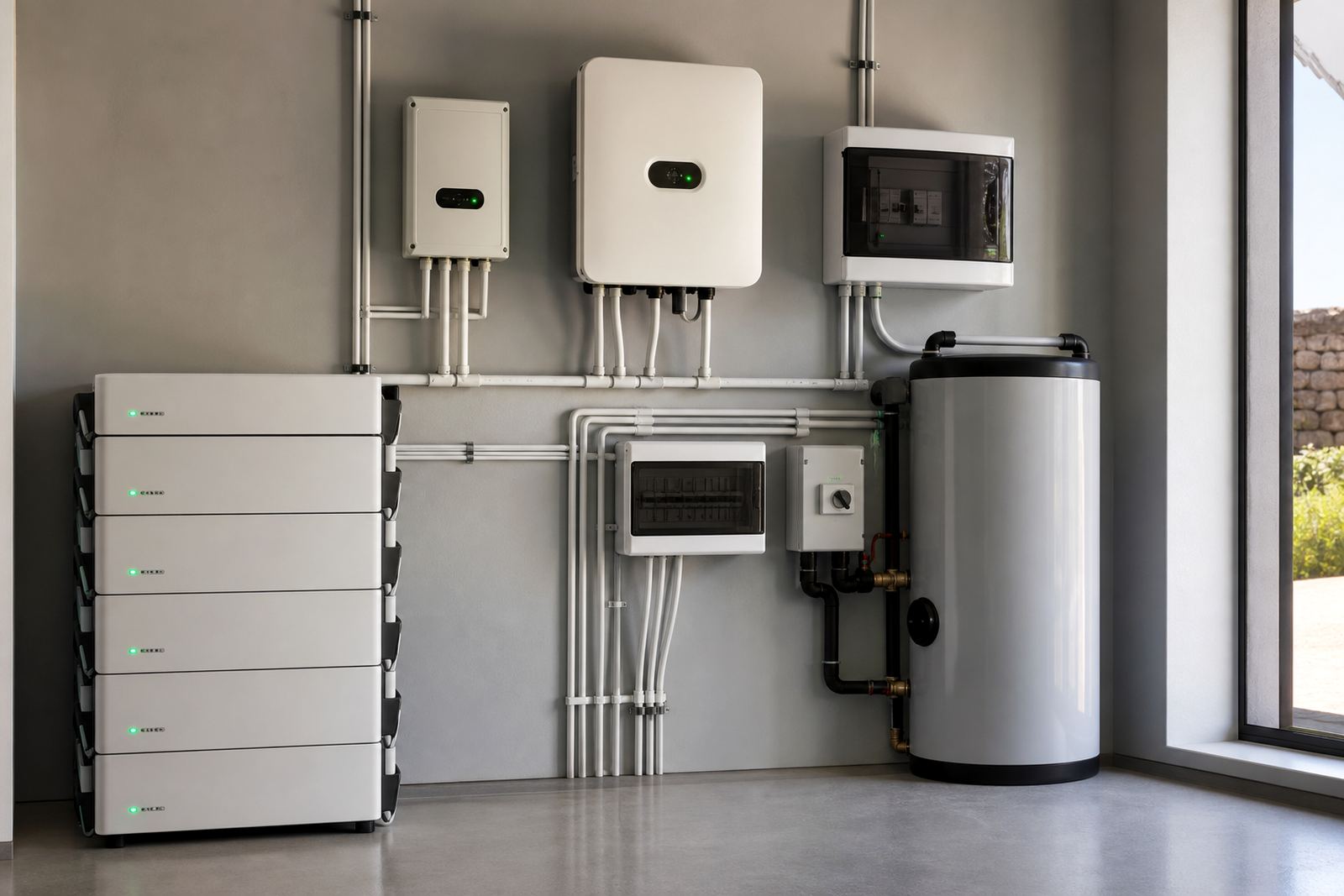
Electrical work should never be treated as a side task. If the system includes sensors, control units or backup heating, those parts need to be integrated by someone who knows the local safety requirements and municipal expectations. That is especially important for small business sites where downtime creates more hassle than it should.
A Pretoria example that shows the difference
Take a family home in Centurion with a tiled roof, limited roof access and an existing geyser in the ceiling cavity. A split system can be a better fit because the tank can be positioned where it is easier to reach for maintenance, while the collectors handle the sun exposure on the roof. The pipe route has to be planned carefully, but the roof carries less weight.
Now compare that with a small business premises in Johannesburg with a simple roof layout and a short run to the hot water points. A roof tank arrangement may be practical there if the structure can take the load and the installers can secure the system against wind and movement. It is not about one being better in all cases, it is about what suits the building.
In coastal Durban, humidity and salt air can speed up wear on fittings, so regular inspection matters either way. In dry Bloemfontein, dust and winter temperature drops may be bigger concerns. Local conditions change the advice, and that is why a proper site assessment is worth doing before anything is mounted.
How to choose the right system for your property
If you are weighing up split versus roof tank, start with a few plain questions. How strong is the roof? How easy will it be to service the tank later? Is the hot water demand steady or only high at certain times? Will the installation need to work around existing plumbing, an inverter system or load-shedding backup?
- Choose a split system when roof load, access or serviceability is a concern.
- Choose a roof tank system when the roof structure is sound and the layout is simple.
- Ask for a site assessment before buying panels, tanks or fittings.
- Check that the installer understands both plumbing and electrical integration.
- Plan for insulation, pipe lengths and weather exposure from the start.
At Linuo Solar, we work across Pretoria, Johannesburg, Midrand, Durban, Cape Town and Bloemfontein, with base operations in Centurion. The best advice is usually the most practical one: match the system to the building, not the other way around. That approach keeps maintenance easier and helps the installation last longer, which is what most property owners really want.