Why Rental Properties Need A Different Solar Plan
Adding solar to a rental is not the same as adding it to your own home. A landlord has to think about tenant turnover, maintenance access, payment responsibility and what happens when a lease ends. That is why the first question is not just what equipment to fit, but who will use it and who will manage it.
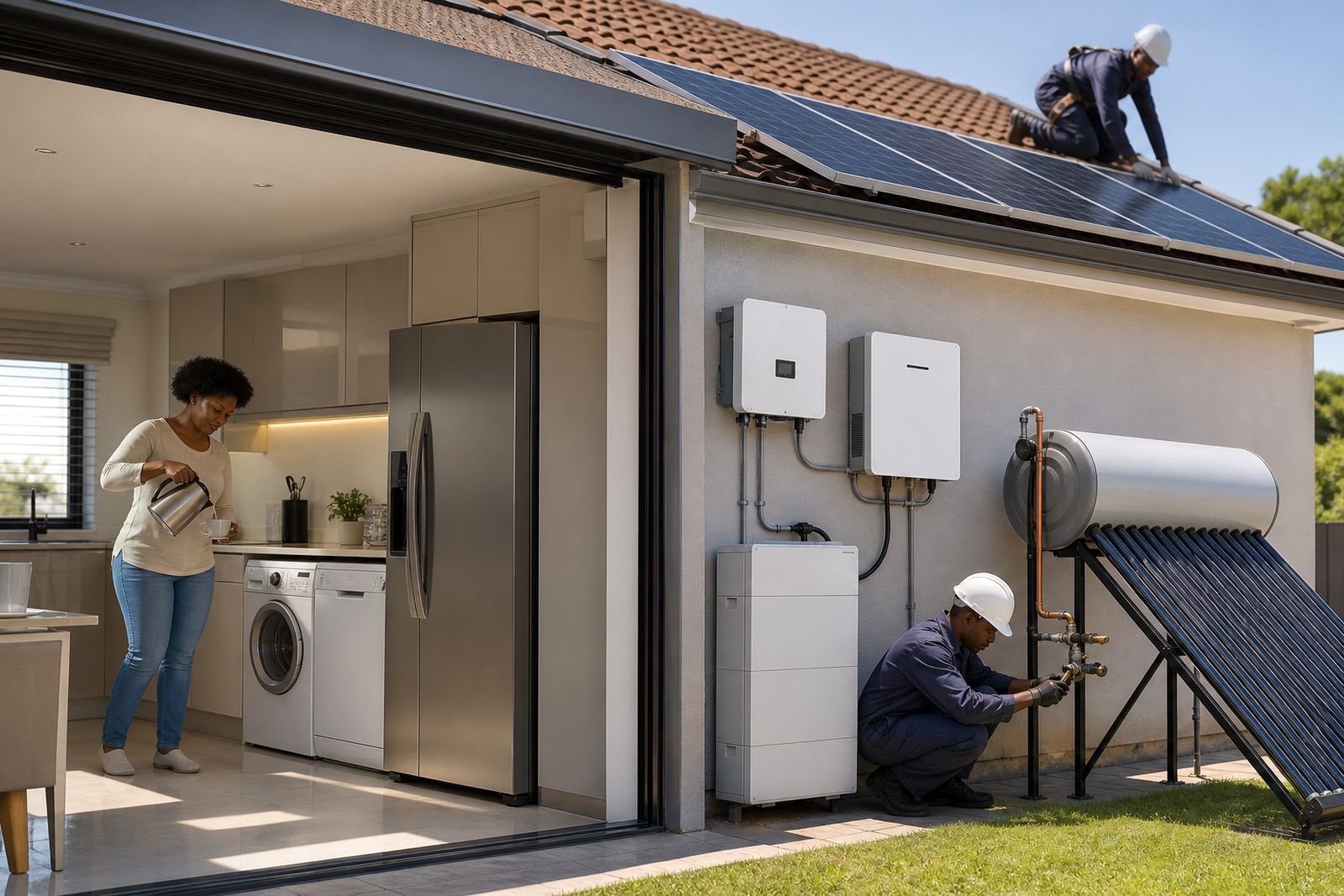
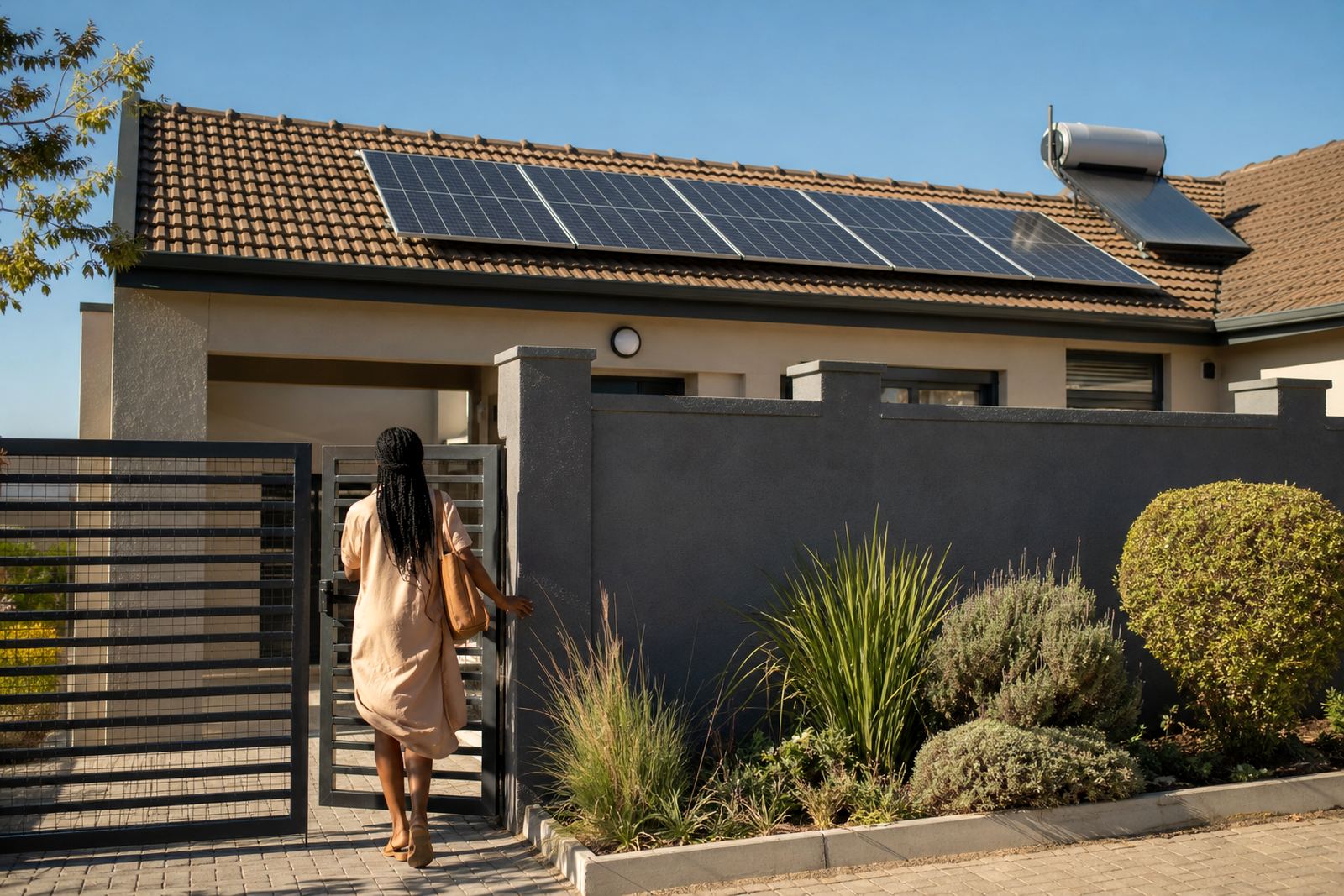
For some properties, a simple solar water heating system may be the best fit because it reduces reliance on electricity for geysers and works well in family homes with steady occupancy. For others, especially where tenants work from home or where load-shedding is affecting business units, a panel and inverter setup may make more sense. In areas like Centurion, Midrand and Pretoria East, landlords often want a solution that is practical, not overcomplicated.
A proper site assessment helps check roof space, shading, roof condition and the existing electrical setup. That matters in older homes and small blocks where the wiring may need attention before any new equipment goes in.
What Landlords Usually Need To Consider First
The best solar choice for a rental depends on how the property is let. A long-term family tenant has different needs from a short-stay rental or a small office let in Johannesburg or Durban. In every case, the landlord should think about access, control and maintenance from the start.
- Will the solar system stay with the property or be moved later?
- Who pays for repairs, cleaning and ongoing servicing?
- Will the tenant need day-to-day access to controls or should the system be locked down?
- Is the roof strong enough and in good condition for mounting equipment?
- Does the property need backup power, hot water support or both?
In coastal areas such as Durban and Cape Town, corrosion resistance and regular checks matter more because humidity can affect fittings over time. In inland areas like Bloemfontein and Pretoria, heat and dust can affect performance, so cleaning and inspections should be part of the plan.
Panels, Inverters And Batteries For Rented Homes
For rental properties, solar panels are usually installed to reduce daytime electricity use or to support a hybrid setup. An inverter can help manage power during outages and switch loads more smoothly. Batteries add stored energy, which is useful where tenants need lights, internet routers and a few essential circuits during load-shedding.
Landlords do not need the biggest system on the market. They need the right system for the property size and the tenant profile. A small townhouse in Pretoria may only need support for lights, plugs and a fridge, while a larger freestanding home in Johannesburg may need more capacity because it has more people using power at once. A business unit in Centurion may need different priorities again, especially if computers or small office equipment must stay on.
Electrical work should always be done by qualified installers who understand the local rules and the existing distribution board. That includes safe integration, correct cabling and proper commissioning before the property is handed over to a tenant.
Solar Water Heating Can Suit Long-Term Rentals
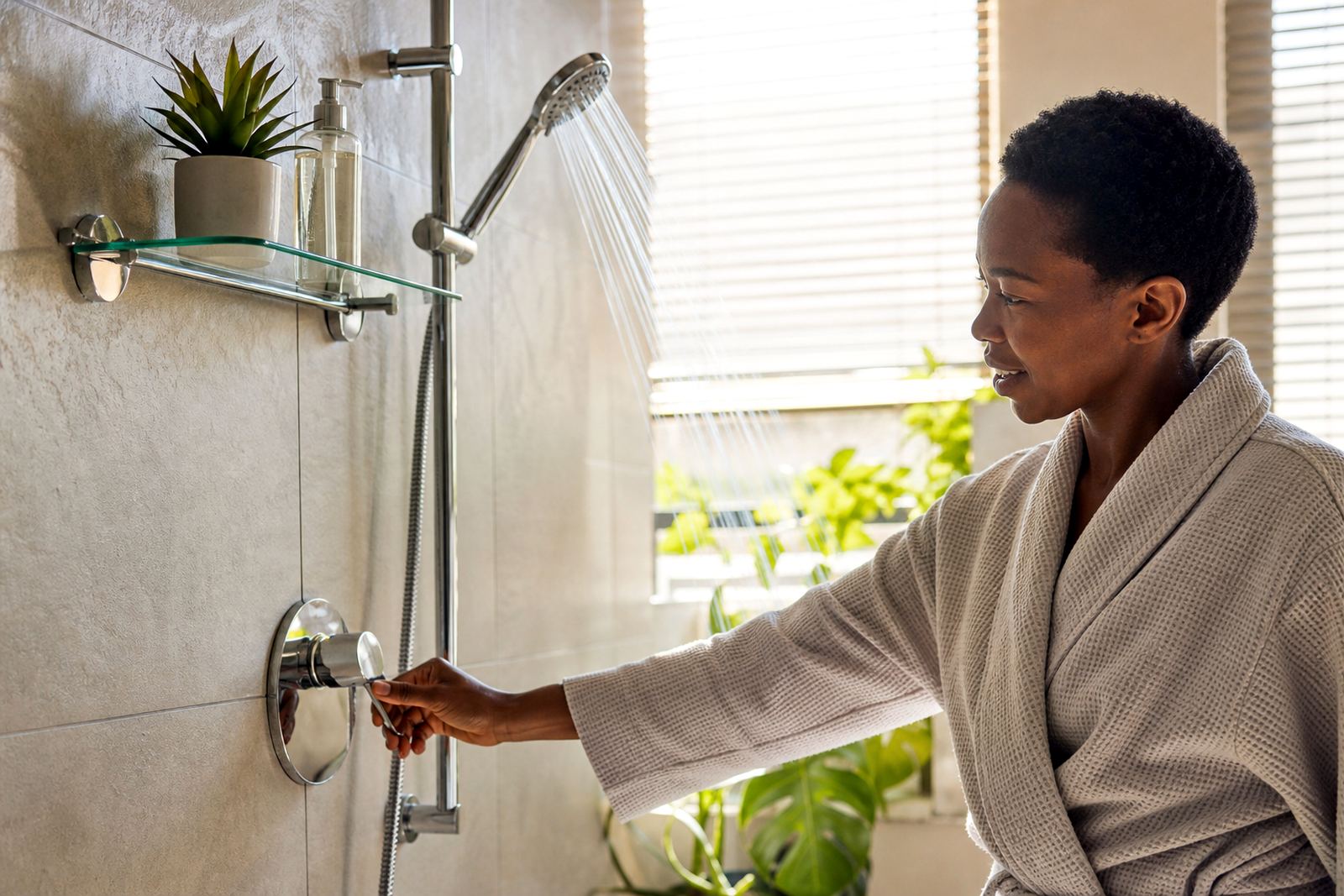
Solar water heaters are often a sensible option for rental homes because hot water is a basic need and tenants notice the difference straight away. They can reduce strain on the geyser and are often easier for landlords to explain than a more complex power backup system.
For landlords with multiple units, solar water heating can be a practical upgrade because it is tied to a visible household need. It can also be a useful fit for homes where the tenant does not need to monitor settings every day. In many cases, that means fewer phone calls, fewer complaints during outages and less pressure on the electric geyser when demand is high.
- Good for family homes with steady occupancy
- Useful where hot water use is consistent
- Can work well alongside existing electrical systems
- Needs regular servicing and occasional cleaning
In places with hard water or dusty conditions, regular maintenance helps keep the system working properly. A landlord who looks after the equipment properly usually has fewer disputes later on.
Make The Lease Match The Equipment
A solar installation works best when the lease agreement is clear about responsibilities. If tenants are expected to keep batteries charged properly, avoid tampering with settings or report faults quickly, that should be written down. If the landlord wants to control access to the inverter room or pump area, that should also be covered.
It helps to explain what the system does and what it does not do. Tenants should know whether the solar setup covers the whole property or only selected circuits. They should also know what happens if there is a fault after hours, and who to contact through the enquiry form on the contact page. Clear communication saves time and avoids confusion later.
A small typo in the lease can become a big issue if everyone assumes something different. Better to spell it out clearly from the start, especially where the property is shared or the tenant runs a small business from home.
A Pretoria Example: One Property, Two Different Needs
Take a landlord in Centurion with two rental properties. One is a three bedroom family home let to long-term tenants, and the other is a small office space used by a local service company. The family home may benefit most from a solar water heating system plus a backup setup for lights and plugs. The office space may need panels, an inverter and batteries so work can continue during load-shedding.
That kind of split is common across Pretoria, Johannesburg and Midrand. Not every property needs the same package, and not every tenant will use power in the same way. A good installer will look at roof angle, load profile, expected use and whether the landlord wants the system to be tenant-facing or kept in a locked plant area.
For landlords, the goal is not to overspend. It is to fit equipment that suits the property, keeps the wiring safe and gives the tenant a better experience without creating extra admin for the owner.
Servicing Matters More In A Rental Than Most Owners Think
Once solar is installed on a rental, it should not be ignored. Panels need cleaning, batteries need checks, and inverters need proper fault finding if the system starts acting up. If a tenant calls because power is dropping out or hot water is not keeping up, the issue needs to be handled quickly.
- Schedule regular maintenance, especially before summer and winter
- Keep panel cleaning on the calendar for dusty inland areas
- Check cables, isolators and mounting hardware after strong wind
- Use support callouts when the system is not performing as expected
For landlords across Gauteng, KwaZulu-Natal, the Western Cape and the Free State, a well maintained system can make a rental property easier to manage. It also shows tenants that the owner is serious about the condition of the home or unit, not just the monthly rent.
Linuo Solar supplies and installs solar panels, inverters, batteries and solar water heaters for homes and small businesses, with site assessments, system design, installation, commissioning and maintenance handled by a local team based in Centurion, Pretoria.