Start With the Way Your Household Actually Uses Water
Most hot water problems start long before the geyser or solar water heater is switched on. A family of four in Centurion may use water very differently from a small office in Midrand or a guest house in Pretoria East, so the first step is to match daily use to the system you have. If the tank is too small, people run out of hot water by late afternoon. If it is too large, you heat more water than you need, which is wasteful.
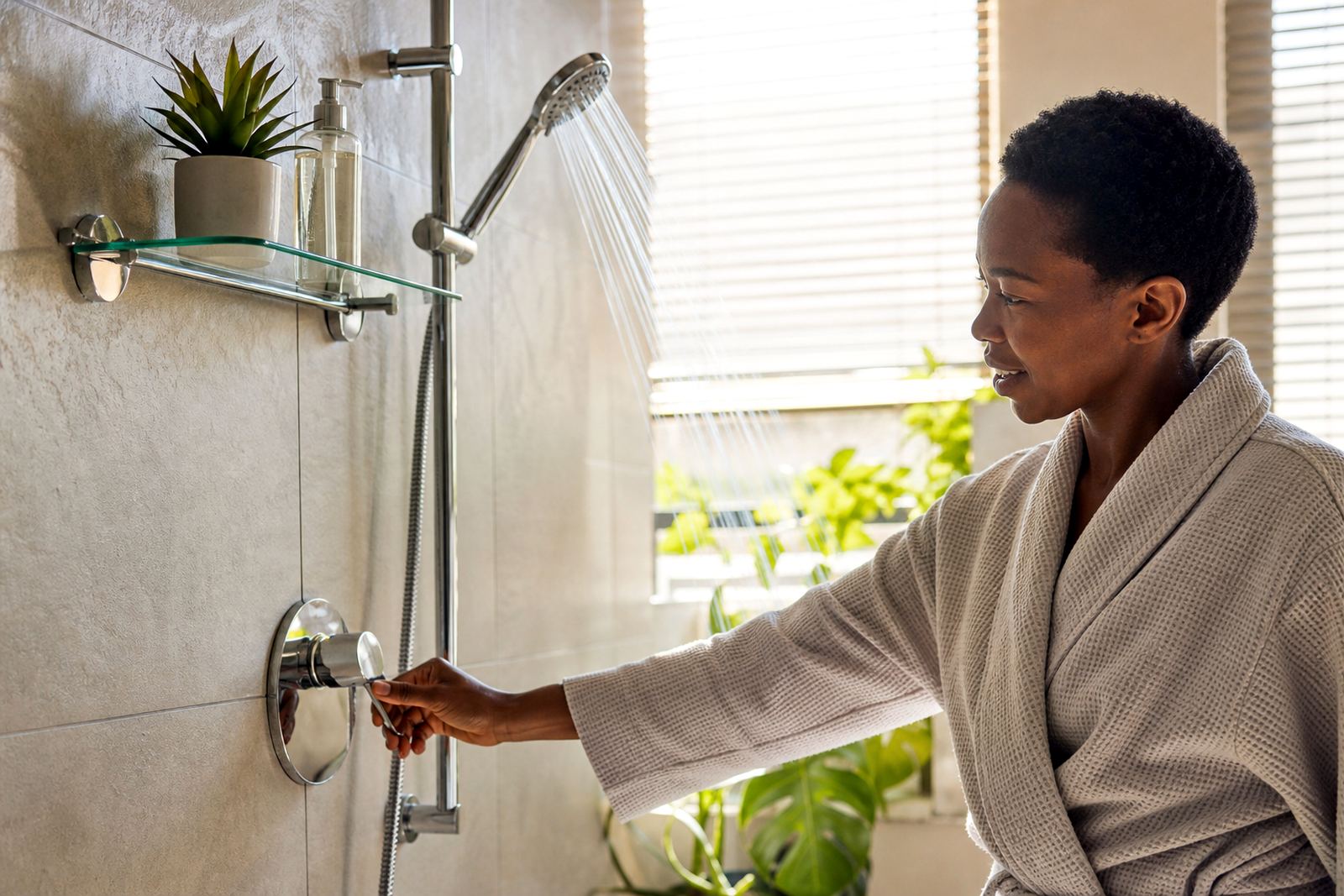
Think about when showers, dishwashing and laundry happen. Morning rushes usually place the heaviest demand on the system. In many homes, just shifting one or two showers to slightly later, or spacing them out by 10 or 15 minutes, makes the whole system feel more reliable. It is not only about the heater, it is about timing.
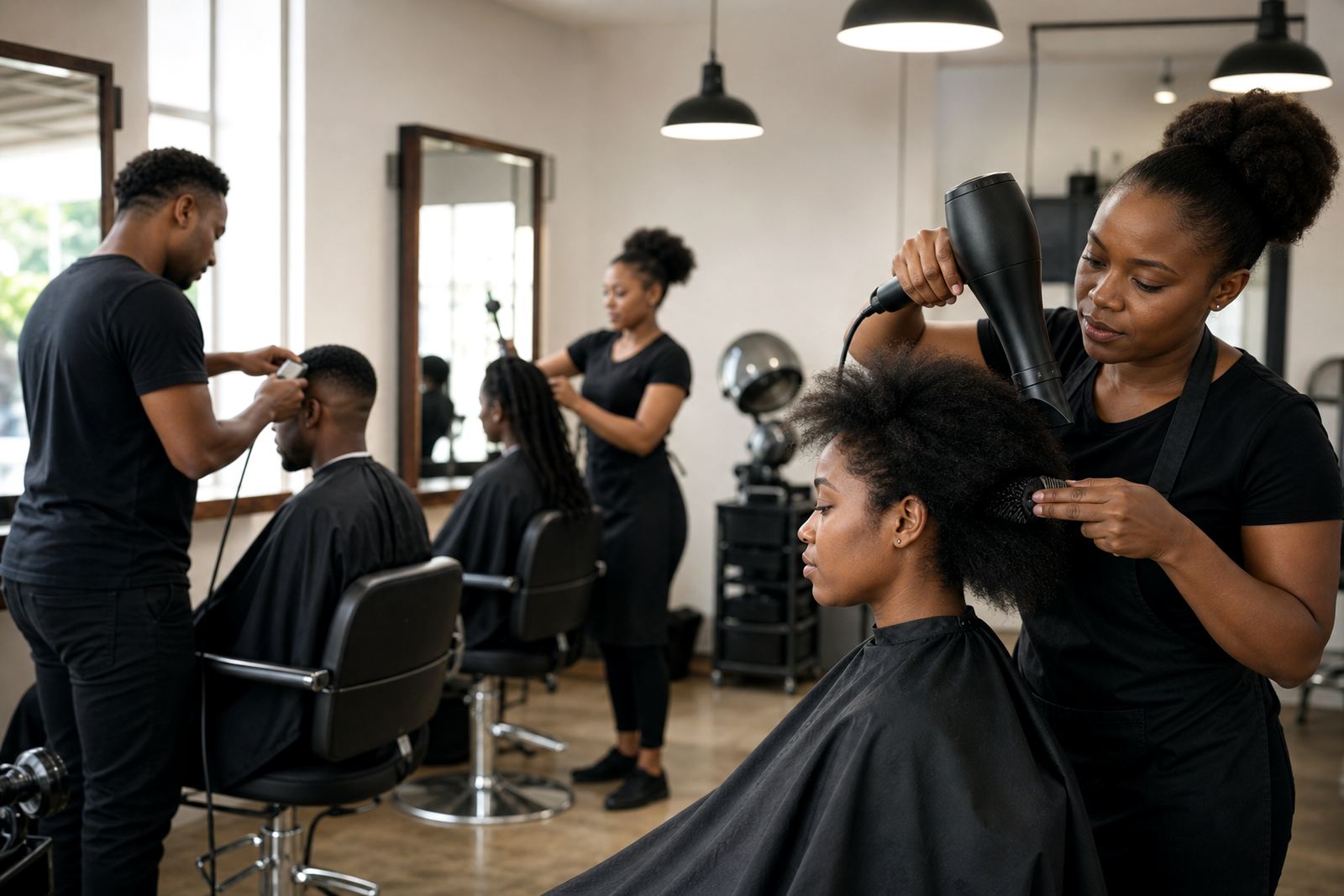
For small businesses, the same principle applies. A salon, guesthouse or clinic in Pretoria can often set hot water use around quieter periods. That helps the system recover properly and reduces the risk of running short when the pressure is highest.
Use Less Hot Water Before You Try to Heat More
The quickest way to improve performance is to reduce the demand on the system. This does not mean going without comfort, it simply means using hot water where it matters most. A little discipline around taps, showers and washing cycles can make a noticeable difference over a week.
- Fit low-flow shower heads where suitable.
- Repair dripping taps and leaking valves quickly.
- Use a basin plug when washing dishes, instead of letting water run.
- Set shower time limits for the household, especially during winter.
- Only heat full tanks when the water will be used, not left standing for long periods.
People are often surprised by how much hot water is lost to small habits. A tap left open for a few minutes, or a child taking a long shower, can undo the benefit of a well-sized system. This is especially true in colder months when everyone wants the water hotter, and the demand spikes fast.
Make the Solar Water Heater Work With Pretoria Weather
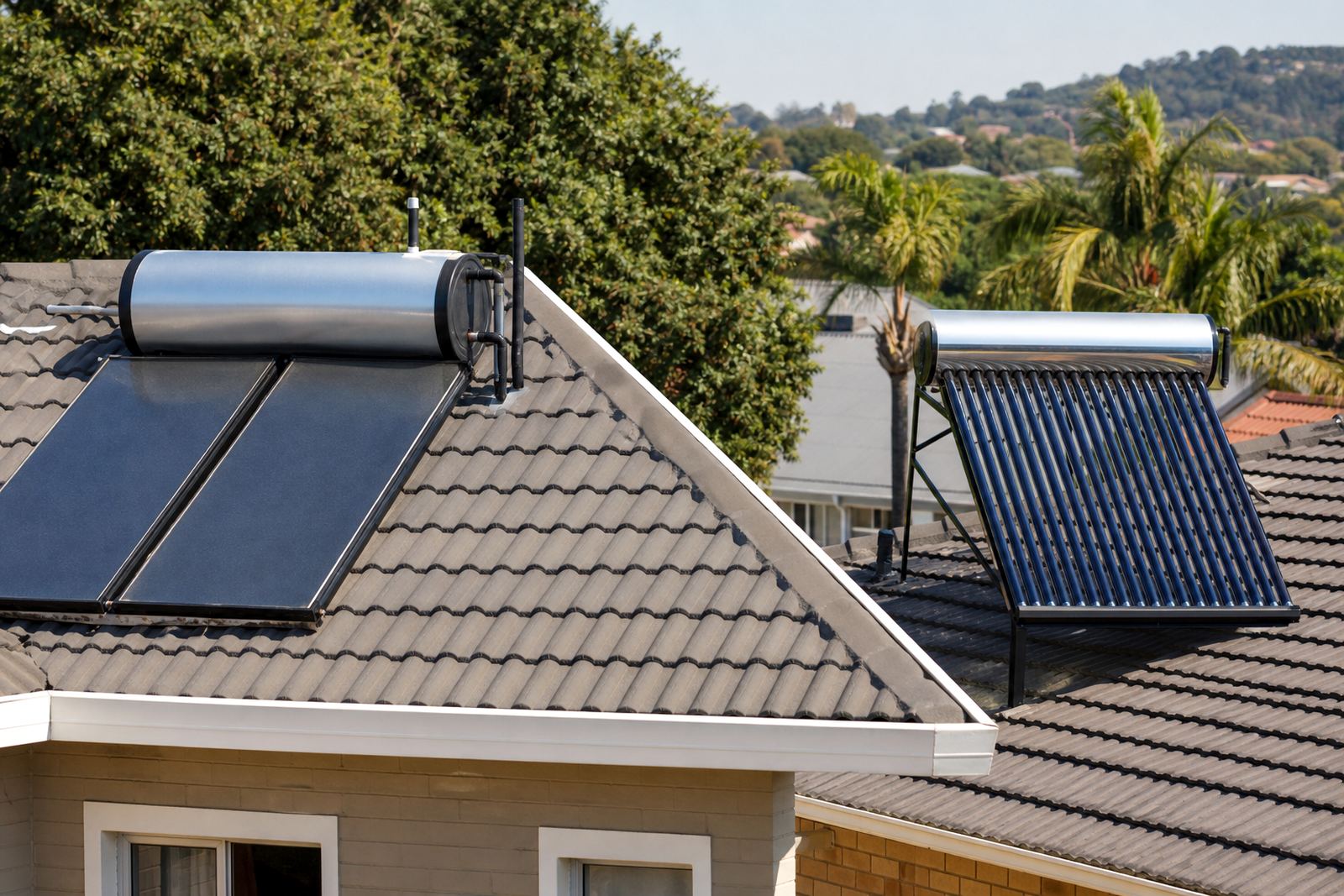
Pretoria gets strong sun for much of the year, but that does not mean every day is the same. Cold mornings, cloudy spells and windy afternoons all affect how fast water heats up. If the system is designed and installed properly, it should cope with these changes without constant intervention, but the user still has a part to play.
Try to avoid unnecessary hot water use before the sun has had time to do its job. On clear days, the tank usually performs best after several hours of direct sunlight. On overcast days, use water more carefully and keep an eye on how much is drawn off before midday. That small adjustment can help the tank recover better later in the day.
Coastal towns such as Durban bring different conditions, especially humidity and salt in the air. In those areas, regular checks matter more. A system that is clean and properly maintained will hold its own better than one that is ignored for months, and that includes the pipes, valves and roof fittings.
Keep Heat In the Tank and Out of the Pipes
A lot of hot water is lost after it has already been heated. Poor insulation, long pipe runs and unneeded circulation can cool water before it reaches the tap. That is money and comfort going down the drain. A well-fitted solar water heater should hold temperature properly, but insulation and pipe layout still matter.
In older homes around Johannesburg and Bloemfontein, hot water often travels a fair distance from the roof or plant room to the bathroom and kitchen. If those pipes are not insulated, the first water out of the tap may be lukewarm by the time it arrives. That means people run the tap longer and waste even more water.
- Check that exposed pipes are properly insulated.
- Keep the tank area protected from unnecessary wind where possible.
- Insulate any visible fittings that lose heat quickly.
- Ask for a check if hot water takes too long to arrive at the tap.
These details are easy to overlook, but they have a real effect. In many cases, one short inspection can uncover a problem that has been quietly affecting the whole system.
Load-Shedding and Backup Heating Need a Practical Routine
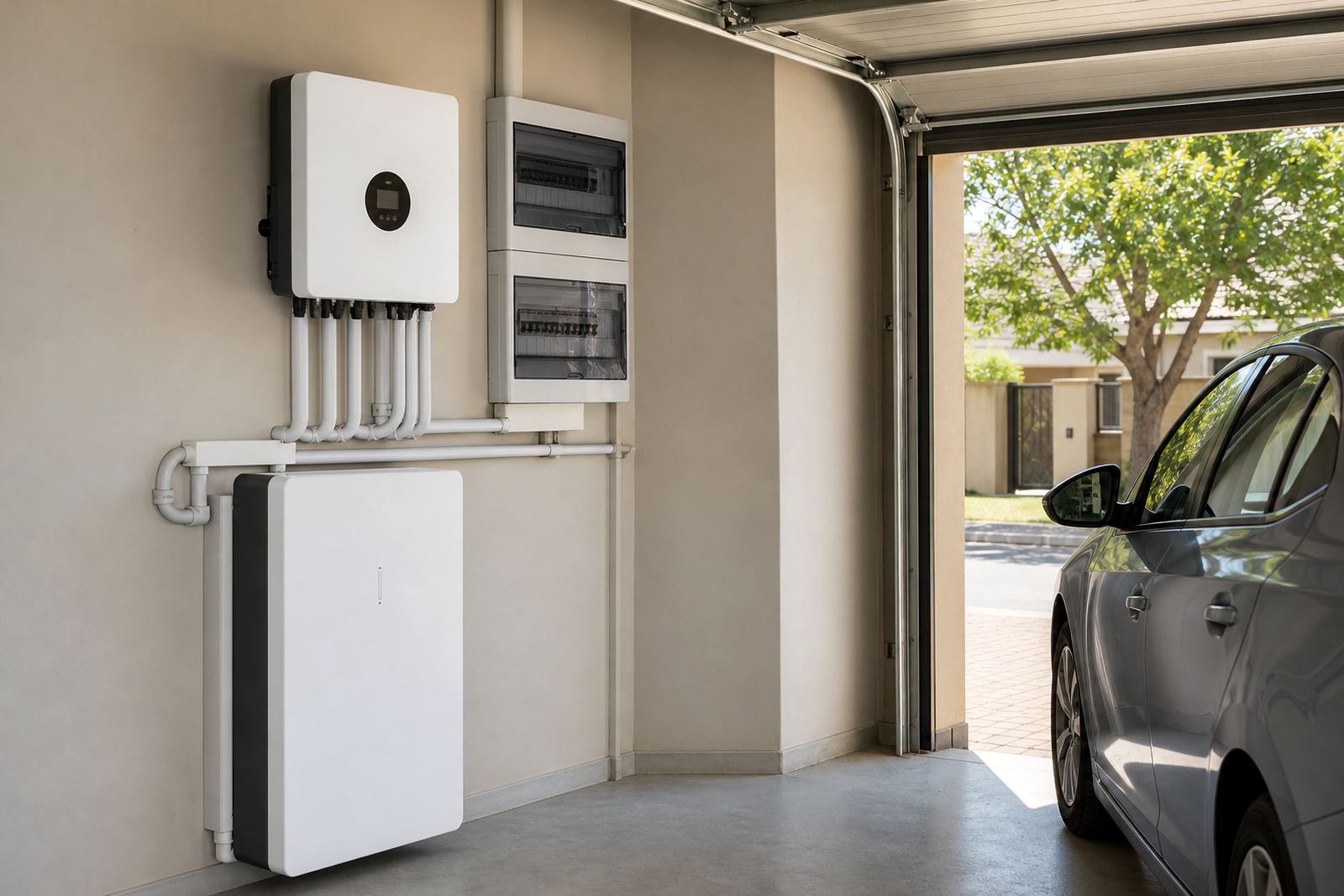
In South Africa, hot water use is never only about the weather. Load-shedding and backup heating affect how households manage their day, especially where an inverter and battery support other electrical loads in the home. If backup heating is available, it should be used with a routine rather than switched on without a plan.
Qualified installers should handle the electrical integration, because hot water systems and electrical controls need to be connected correctly and safely. A good setup will allow the household to switch between solar heating and backup support without creating overloads or confusing controls. If the system is not working as expected, the fault may sit in the wiring, the thermostat settings or the circulation controls, not just the tank itself.
For families in Durban, Cape Town or Pretoria, that routine might mean checking the next day’s hot water need before evening, then deciding whether backup support is needed. It is a simple habit, but it helps people avoid waste and keeps the system under control.
Cleaning, Checks and Small Repairs Keep Performance Steady
Solar equipment is not difficult to manage, but it does need attention. Dust, bird droppings and hard water build-up can all affect output over time. In and around Pretoria, dry conditions and dust from nearby roads can leave panels dirty sooner than people expect. A quick clean and a basic inspection can keep the system working as it should.
It is also worth watching for signs that something has changed. If the water is not as hot as usual, if pressure seems weaker, or if the tank makes unusual noises, do not ignore it. Small faults are easier to fix before they turn into bigger repairs.
- Schedule panel cleaning when dust build-up is visible.
- Check valves and temperature settings during routine maintenance.
- Look for leaks around joints, roof penetrations and pipe runs.
- Arrange fault finding if the system no longer heats as expected.
Regular maintenance is especially useful for households that depend on hot water every day. It keeps the system predictable and helps avoid last minute surprises when the weather changes.
A Local Example From Centurion
A small family in Centurion may think they need a larger heater when the real issue is use pattern. For example, if three people shower before work and another two later in the morning, the tank may be drained too quickly. By spacing showers out a bit, fixing one dripping tap and making sure the hot water pipes are insulated, the household can stretch the same system further without spending extra Rand on upgrades.
That is the practical value of managing hot water well. It is not about chasing a perfect setup. It is about getting the most out of the equipment you already have, using fewer surprises and less waste. For homes and small businesses across Pretoria, Johannesburg, Durban, Cape Town and Bloemfontein, those habits matter every day.
Linuo Solar works with households and small businesses from our base in Centurion, Pretoria, and our team handles site assessments, system design, installation, commissioning, maintenance and support callouts. The right setup helps, but the daily habits are what keep it working well.