Townhouse Roof Limits In Pretoria Centurion And Johannesburg
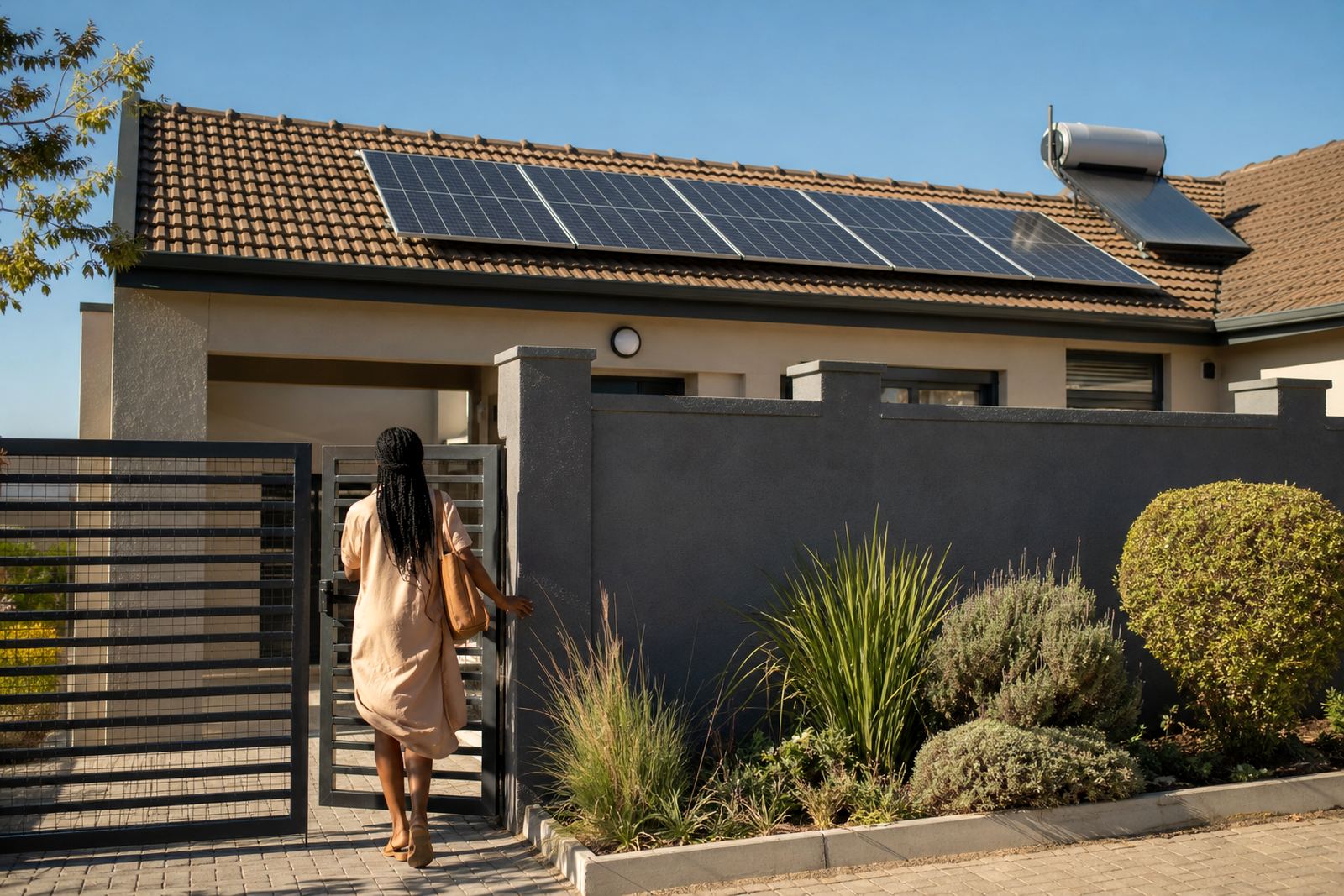
Townhouse roofs are usually smaller, more stepped, or shared with neighbours, which changes how many panels you can fit and where they can be placed. In Pretoria, Centurion and Johannesburg complexes, the best part of the roof may not face true north, and shade from parapets, boundary walls or nearby units can affect output during winter mornings and late afternoons.
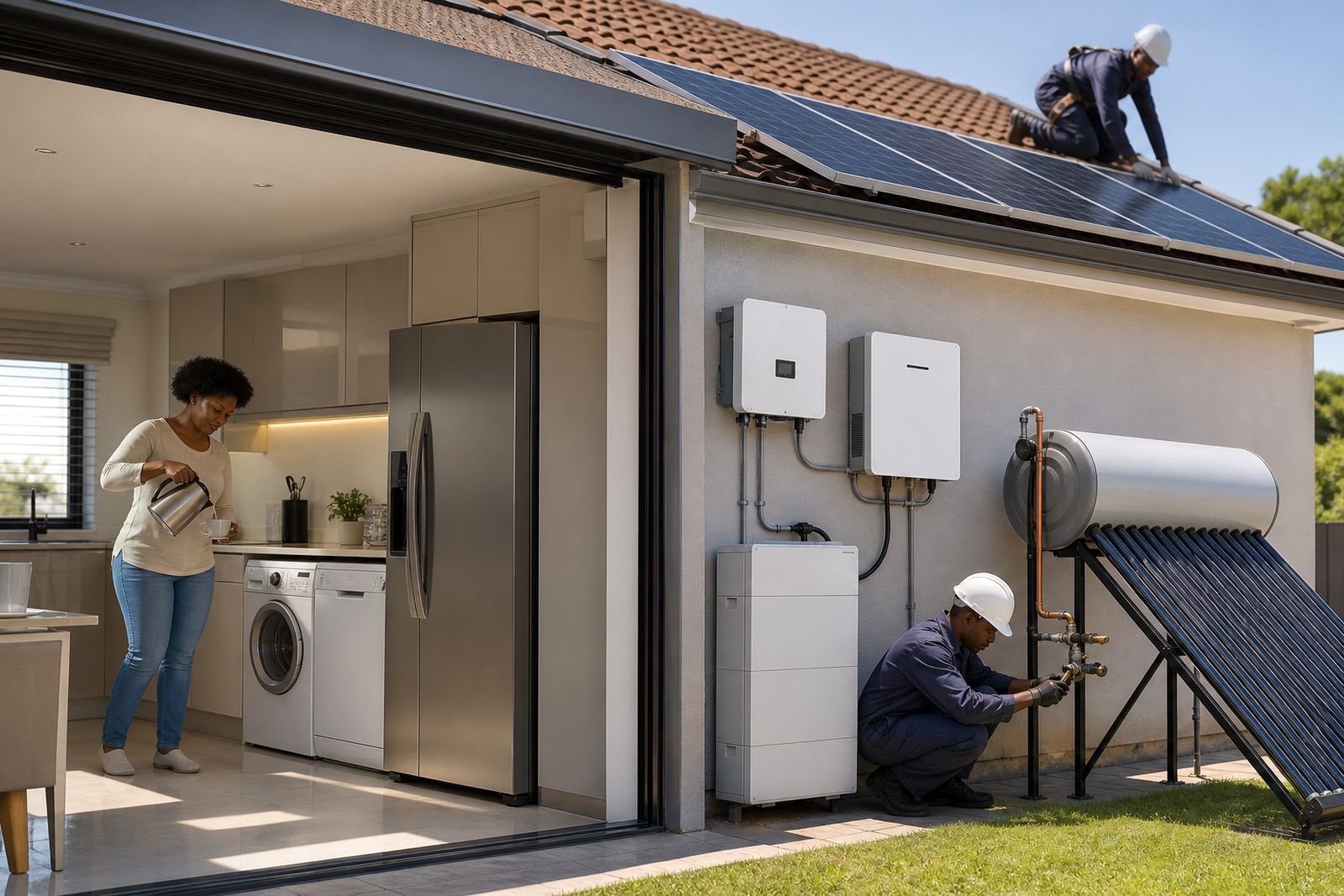
That is why site assessments matter. A good installer will look at roof pitch, available metres, shade movement and cable routes before recommending panels, an inverter, a battery or a solar water heater. For townhouse owners, the goal is not to fill every gap, but to make the available space work properly.
- Small roofs may suit fewer panels arranged for better sun exposure rather than maximum count.
- Complex roofs can need split strings or a different inverter arrangement to handle shade better.
- Shared walls and narrow access points affect how panels and equipment get carried in and installed.
Inside space is just as important as roof space
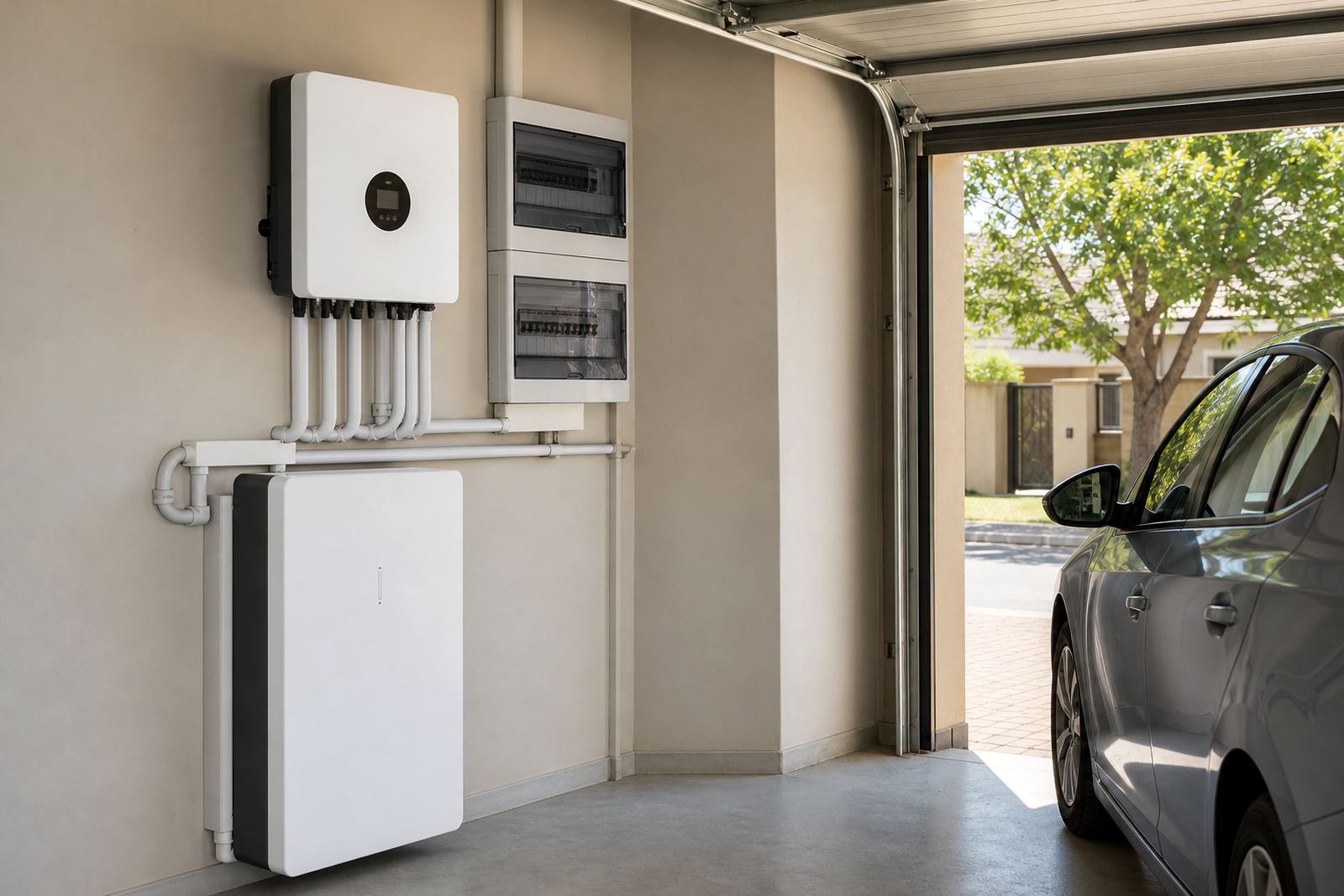
Many townhouse units have no separate garage room or service area, so the inverter and batteries often need to be placed in a passage, storeroom, garage wall or outside nook. That space has to stay dry, well ventilated and easy to reach for maintenance. In coastal areas like Cape Town and Durban, moisture and salt in the air can also influence where equipment is mounted.
Battery size and position need careful thought. If the unit is too small, the installer may need a slimmer battery bank or a different mounting layout. If the space is hot, cramped or exposed to water splashes, the system can be harder to maintain and less comfortable to work on over time.
- Keep equipment clear of washing lines, mop sinks and storage piles.
- Allow enough wall space for safe cable runs and ventilation around the inverter.
- Choose a location where the homeowner can still reach isolators and breakers easily.
How to balance panels, batteries and daily usage
Townhouse owners often want to cover basics first, then build up later. That usually means starting with panels and an inverter sized for essential loads, then adding batteries once the daily pattern is clear. Lights, Wi-Fi, plugs, a fridge and a few appliances are usually the first items to plan around, while heavy heating loads need more careful sizing.
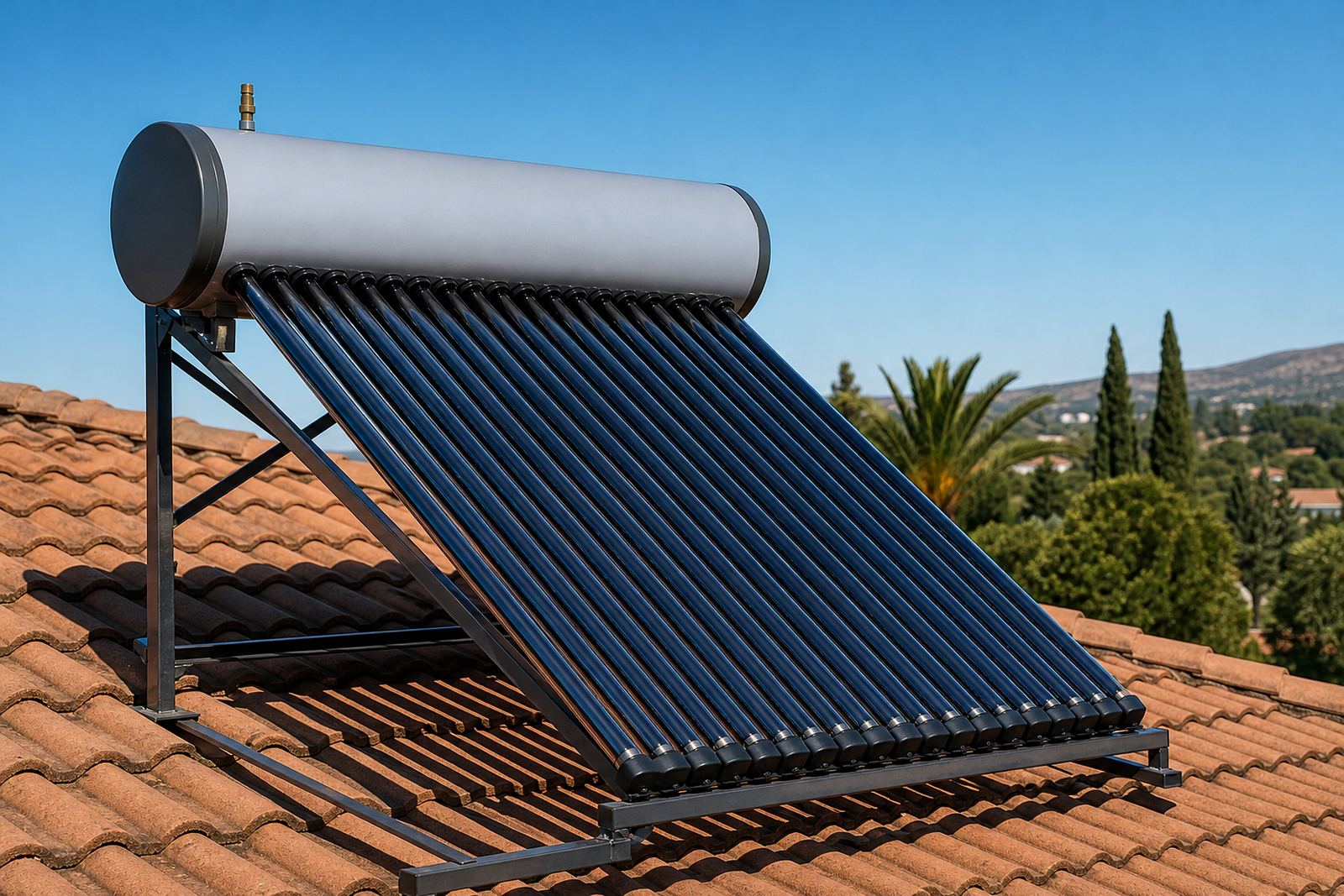
If your home uses a solar water heater, that can reduce pressure on the electrical system because water heating is one of the bigger regular loads in many South African homes. In some cases, a compact unit on the roof can make more sense than adding extra battery capacity. The point is to look at the whole home, not just the roof.
- List the appliances you need during load-shedding, not only the ones you want to run all day.
- Check whether a solar water heater can take pressure off the electrical system.
- Plan for future additions such as another battery or more panels if roof space allows.
Body corporate rules and municipal checks before installation
In townhouse estates, the installation path is not only technical, it is also administrative. Many complexes require approval for panels on visible roofs, external conduit routes or any equipment fixed to common property. Municipal rules can also affect how the system is connected, especially where electrical changes need to be documented by qualified installers.
It helps to prepare drawings, a clear list of equipment and a site layout before asking for approval. In places like Midrand, Pretoria East and Bloemfontein, this can save time because trustees and managing agents often want to know exactly where the panels will sit, how the cable will enter the unit and what the outside appearance will be.
- Ask for approval before drilling, mounting or running conduit across common property.
- Confirm whether the roof is exclusive use or shared, because that changes the process.
- Use qualified installers for all electrical work and commissioning.
A Pretoria example: making a small roof work properly
A typical case in Centurion starts with a townhouse owner who has a narrow roof, a small garage and strict estate rules. There may only be enough space for a limited number of panels, so the installer has to choose the best section of roof rather than the biggest open area. If one side gets morning sun and the other stays shaded by a neighbouring unit, the layout needs to reflect that.
In a case like this, a practical setup may include a compact panel array, an inverter inside the garage, batteries mounted where they stay cool and dry, and a solar water heater if the roof layout suits it. The electrical work should be done by qualified installers, with proper testing and system commissioning before handover. That kind of planning keeps the home usable during load-shedding and avoids messy retrofits later.
- Check roof access first, especially where ladders and scaffolding will be used close to neighbouring units.
- Measure indoor wall space before choosing battery size or inverter position.
- Plan the installation around the estate’s access times and noise rules.
Maintenance that suits compact properties
Townhouse solar systems still need upkeep, even when the installation is neat and well planned. Dust from nearby roads, bird droppings and winter grime can reduce panel performance, and compact roofs are sometimes harder to reach for cleaning. In Gauteng, regular checks are useful after strong wind, hail or a long spell of dust.
Support callouts, fault finding and panel cleaning are worth scheduling before a small issue becomes an expensive one. It is also sensible to inspect cabling, brackets and battery ventilation every so often, especially where equipment is in a tight garage corner or outdoor alcove. Small properties can be easier to manage, but only if the system stays accessible.
- Arrange cleaning before the panels become heavily coated with dust.
- Watch for loose fittings, damaged conduit or water ingress after storms.
- Keep the inverter area clear so maintenance checks can be done quickly.